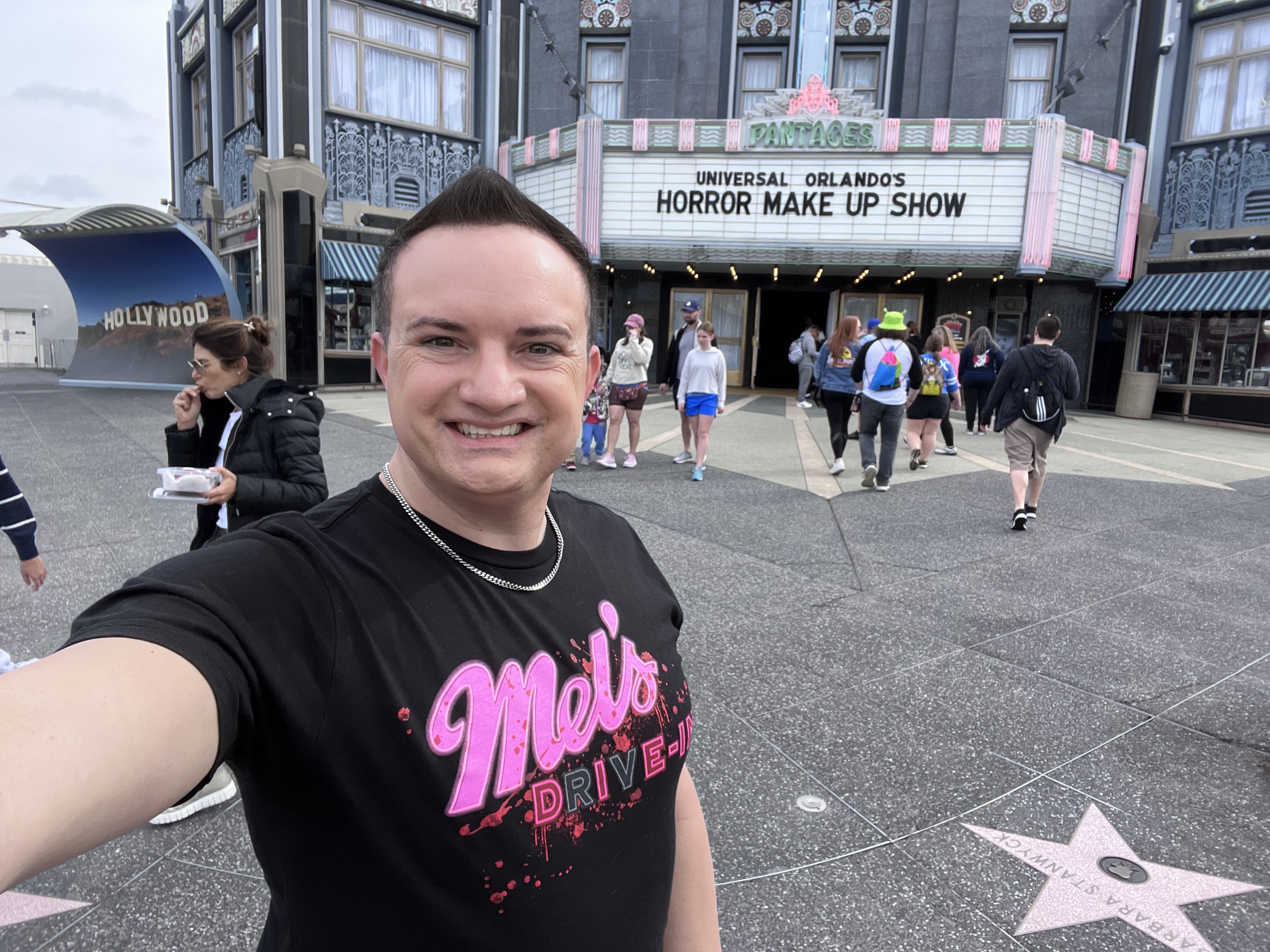
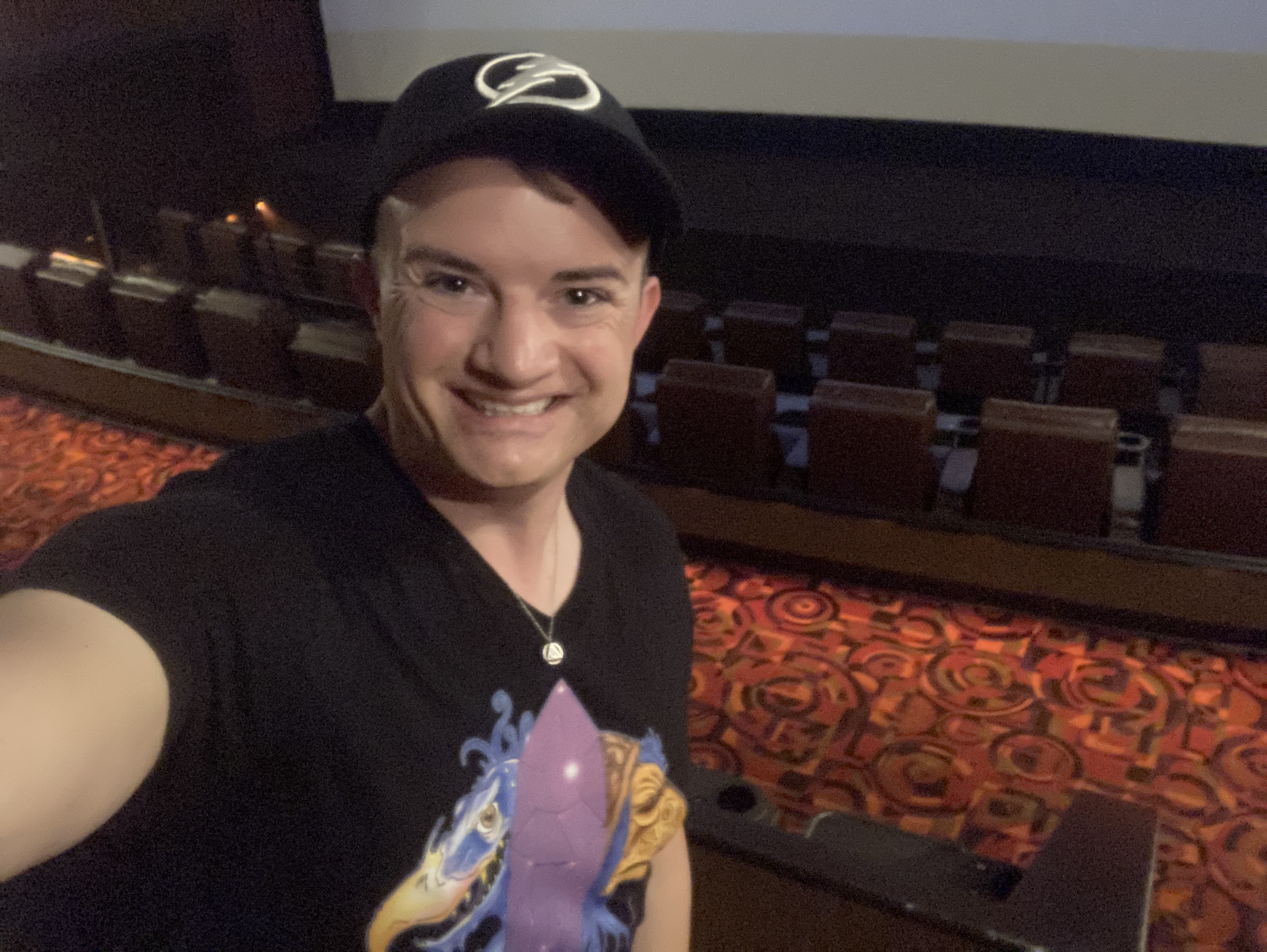
Some of history’s most consequential battles are won before the first shot is fired.
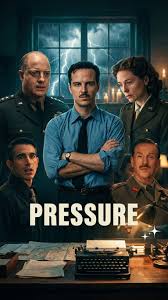
Few people associate D-Day with weather forecasting. Fewer still know the name James Stagg. Yet without his forecast, one of the most important military operations in history may have unfolded very differently.
Based on the stage play by David Haig, who also adapts his own work for the screen, Pressure transforms a little-known chapter of World War II into an engaging drama about uncertainty, responsibility, and the burden of decision-making. On paper, a film centered on meteorologists debating atmospheric conditions in the days leading up to the Normandy invasion sounds like the sort of project destined for educational television or a museum visitor center. Instead, it becomes a surprisingly compelling thriller, one driven less by combat than by anticipation.
At the center of the story is Dr. James Stagg, portrayed by Andrew Scott in a performance that quietly anchors the entire film. Stagg is tasked with delivering the weather forecast that will help determine whether General Dwight Eisenhower proceeds with the largest amphibious invasion in military history. Scott understands that the drama lies not in weather patterns themselves, but in the crushing responsibility that accompanies them. Every cloud formation, pressure system, and forecast carries potentially catastrophic consequences. His performance is restrained, thoughtful, and deeply human. Even when surrounded by military officers and strategic planners, Scott commands the audience’s attention.
One of the film’s greatest strengths is its structure. Although audiences know D-Day ultimately proceeds, Pressure still manages to generate genuine suspense. The ticking clock becomes a powerful dramatic device as military leaders await Stagg’s final recommendation. Every conversation, disagreement, and meteorological update points toward the same looming decision. Unlike many contemporary films that mistake a series of events for storytelling, Pressure understands the value of narrative momentum. Every scene serves a purpose. Every moment contributes to the mounting tension.
The film’s theatrical origins are occasionally visible, particularly in its dialogue-heavy scenes and confined settings. Yet rather than feeling limited by its stage roots, Pressure successfully expands beyond them. Haig’s screenplay retains the intimacy and character focus of a play while allowing the camera to explore a broader world. The result feels cinematic without sacrificing the strengths of the source material.
Kerry Condon provides excellent support as Kay Summersby, Eisenhower’s driver and confidante. Summersby injects welcome humor into an otherwise tense environment, but more importantly, she serves as one of the film’s most grounded voices. In rooms often dominated by military hierarchy and scientific debate, she offers practical observations and challenges assumptions with refreshing directness. Condon ensures the character never feels relegated to the sidelines.
The film’s most significant weakness comes in the form of Brendan Fraser’s portrayal of General Dwight Eisenhower. Fraser never quite settles into the role. Where Scott’s performance is measured and restrained, Fraser operates at a perpetual state of intensity. Eisenhower spends much of the film sounding as though every conversation represents the climax of a different movie. Rather than conveying the quiet burden of command, Fraser often feels as though he is performing the idea of leadership. It is not a disastrous performance, but it remains the film’s least convincing element.
When the invasion finally arrives, Pressure wisely avoids attempting to compete with films such as Saving Private Ryan or 1917. The D-Day sequences lack the spectacle and visceral emotional impact of those celebrated works, but they remain effective because they are viewed through a different lens. This is not a film about the men storming the beaches. It is a film about the people whose decisions helped determine when that assault would begin.
Watching Pressure on June 6—the anniversary of D-Day itself—felt particularly fitting. The film shines a spotlight on an overlooked participant in one of history’s defining moments and reminds us that history is often shaped not only by those who fight battles, but also by those who make the difficult decisions behind them.
It may never achieve the stature of the great World War II epics, but it succeeds admirably on its own terms. By transforming weather forecasting into compelling drama, Pressure honors an unsung hero and proves that suspense can be found in the most unlikely places.
Listen to my conversation with Brad Biewer of the CinemaSpeak Podcast on this week’s episode of ReelTalk. (Podbean, Apple, Spotify, etc).
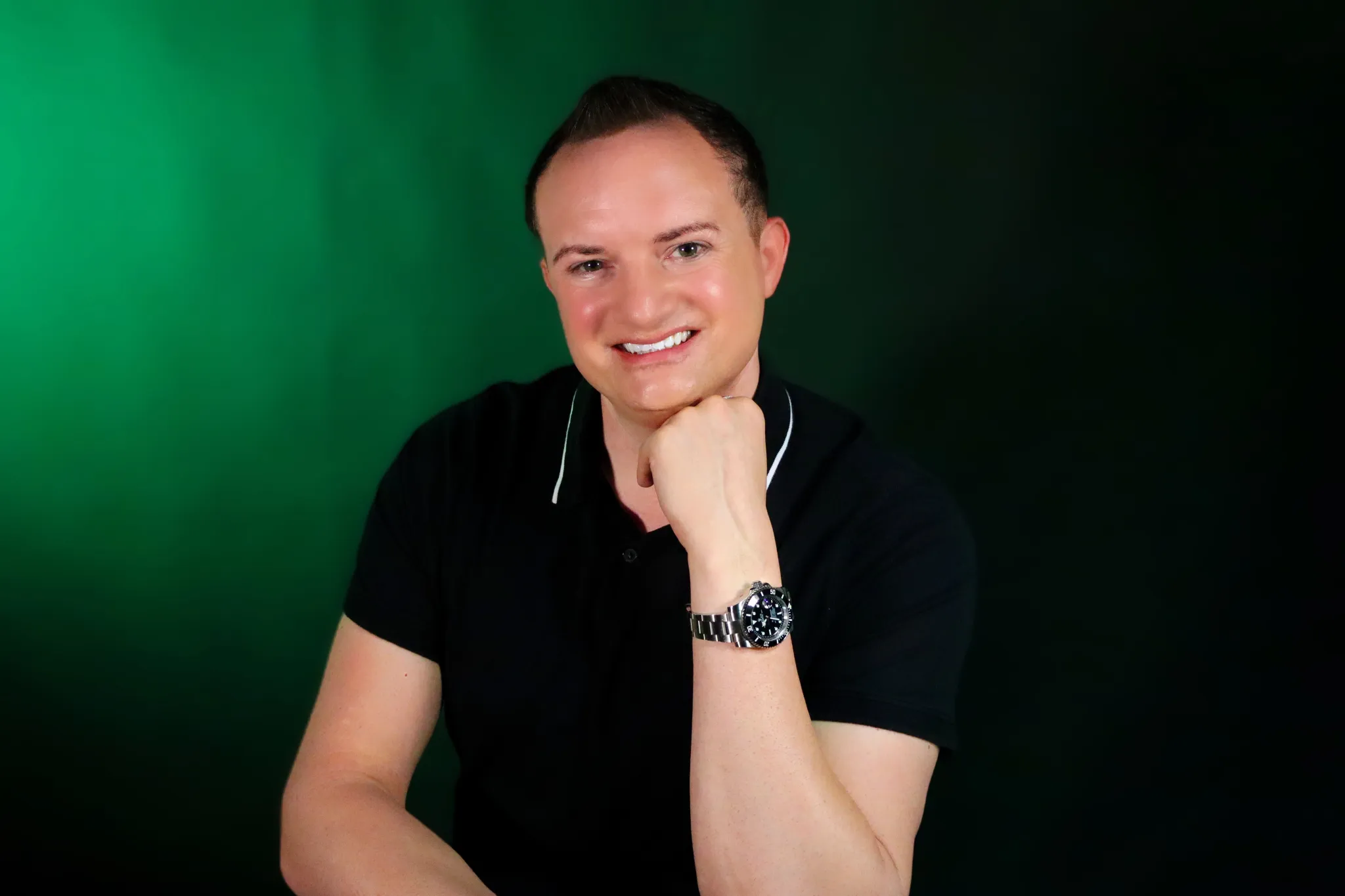
Ryan is the morning host on WLRH Public Radio in Huntsville, AL and host of the show ReelTalk “where you can enjoy the cinematic conversations frame by frame each week.” Additionally, he is the author of the upcoming film studies book titled Monsters, Madness, and Mayhem: Why People Love Horror. After teaching film studies for over eight years at the University of Tampa, he transitioned from the classroom to public media. He is a member of the Critics Association of Central Florida and Indie Film Critics of America. If you like this article, check out the others and FOLLOW this blog! Follow him on Twitter: RLTerry1 and LetterBoxd: RLTerry
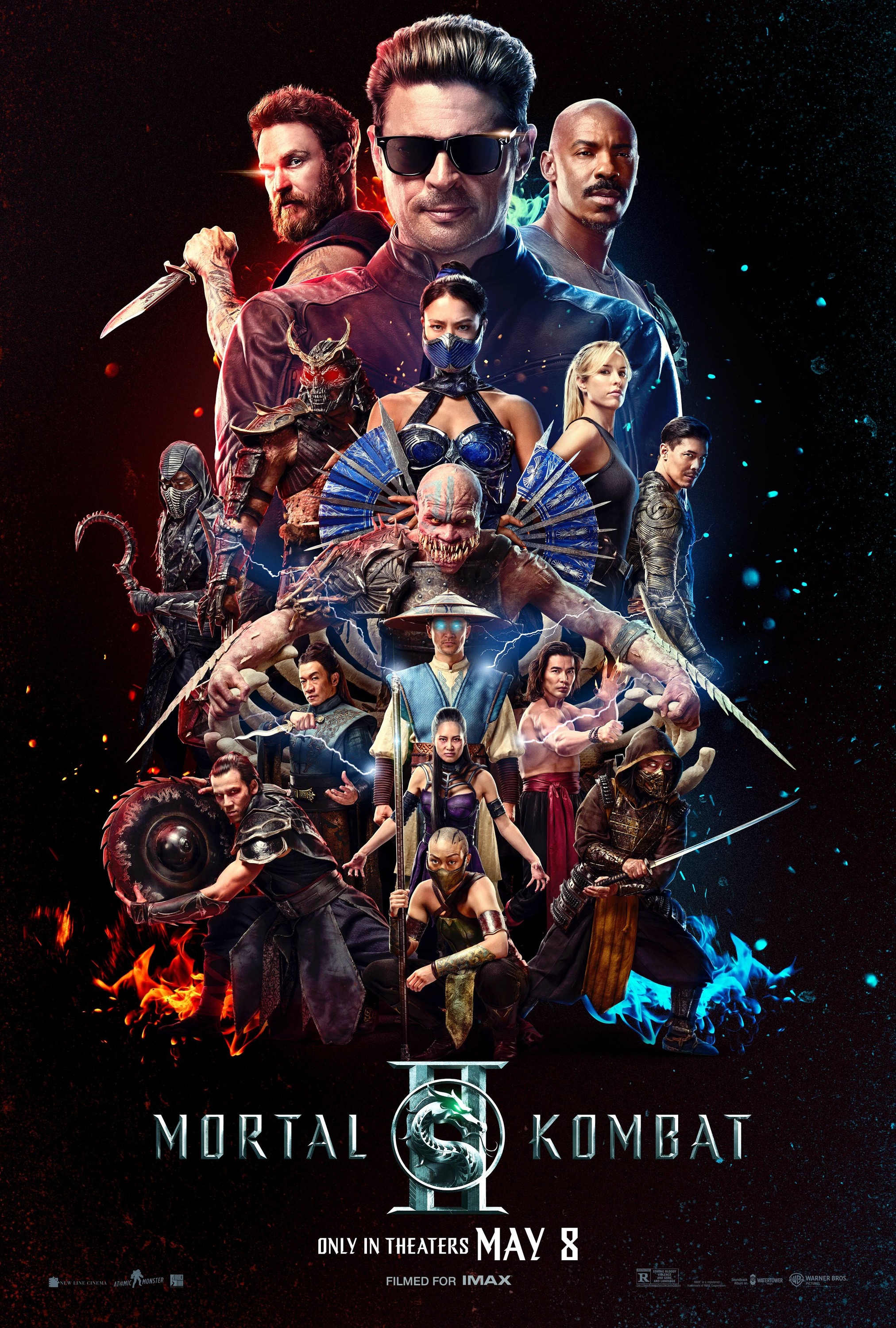
A fun, energetic way to kick off the summer movie season.
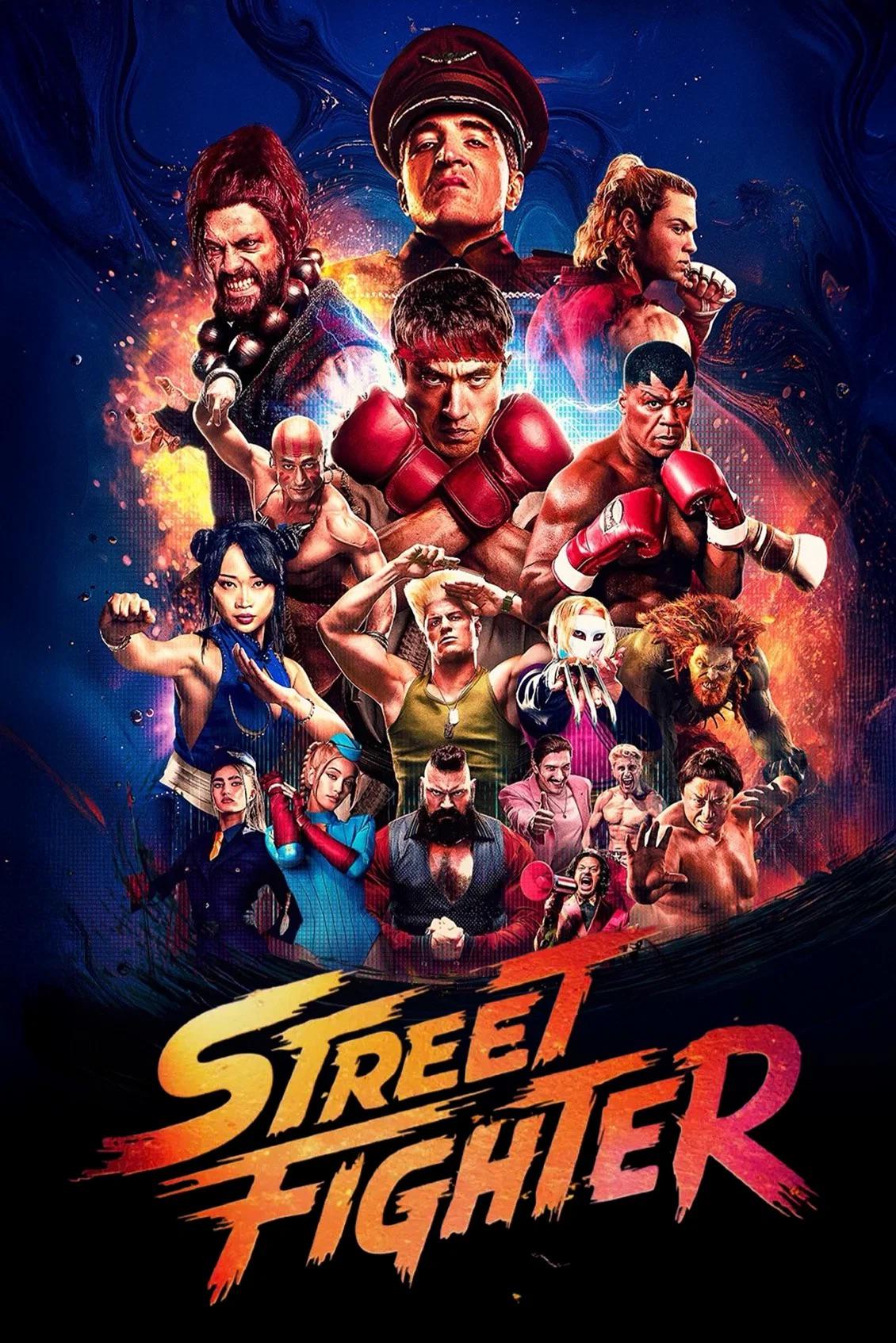
Mortal Kombat II understands something that many modern blockbuster adaptations still struggle to grasp: audiences do not necessarily want filmmakers to reinvent beloved source material—they want filmmakers to respect it while translating it effectively into cinematic language. And surprisingly enough, this sequel largely succeeds. It is not attempting profound philosophical commentary or emotional devastation. Nor should it. The film knows exactly what it is, embraces its absurdity with confidence, and delivers a thoughtful sequel that also functions as one of the more effective big-screen adaptations of a video game in recent memory.
Mortal Kombat II is about how Johnny Cage joins other fighters in the ultimate, no-holds-barred battle to defeat the dark rule of Shao Kahn, a powerful tyrant who threatens the very existence of the Earthrealm and its defenders.
At the end of the day, Mortal Kombat II is a popcorn movie—an unapologetically violent, nostalgic crowd-pleaser designed first and foremost to entertain. The characters remain recognizable to longtime fans while also possessing enough cinematic depth to sustain an actual narrative. That balancing act matters. Too often, video game movies reduce their characters to costumes and catchphrases. Here, however, the fighters feel like people rather than playable avatars waiting for controller input.
As someone who always gravitated toward Kitana in the games, it was particularly satisfying to see her positioned as an emotional and narrative centerpiece. She is not simply present for fan service or aesthetic appeal; she has agency, motivation, and an arc that helps drive the story forward. In fact, one of the film’s greatest strengths is that no character feels disposable. Nobody feels like an NPC wandering through the background waiting to deliver exposition before disappearing. Each fighter is given at least some measure of journey or development.
Visually, the movie also strikes an effective balance between homage and expansion. Many of the settings evoke the iconic backgrounds from the games—the gothic arenas, shadowy temples, and otherworldly battlegrounds longtime fans will immediately recognize. But the film never feels trapped within them. Instead, those environments are punctuated throughout a larger cinematic world that feels appropriately expansive.
Narratively, the story is a fairly classical variation of good versus evil, but there is enough thematic grounding to give the conflict weight. Beneath the martial arts spectacle and supernatural mythology lies a struggle between freedom and authoritarian control—between individuality and the oppressive force of conformity. It is not especially subtle, but subtlety is not really the point here.
The point is fun. And on that level, the movie absolutely works.
The fight choreography is energetic, the pacing rarely drags, and yes—the fatalities are brutal. But importantly, the violence never tips into unpleasantness. The film retains enough of its heightened video-game aesthetic that the gore feels stylized rather than exploitative. There is restraint within the excess. The movie understands the difference between brutality and ugliness.
Most importantly, Mortal Kombat II remembers that adaptation does not require embarrassment. It never apologizes for being based on a video game. Instead, it embraces the mythology, the characters, the iconography, and even the inherent silliness of the premise with complete sincerity. That sincerity goes a long way.
This is a fun, energetic way to kick off the summer movie season, and longtime fans—particularly those who grew up with the original games—will likely leave the theater with a smile on their face. And sometimes, that is enough.
Ryan is the general manager for 90.7 WKGC Public Media and host of the show ReelTalk “where you can join the cinematic conversations frame by frame each week.” Additionally, he is the author of the upcoming film studies book titled Monsters, Madness, and Mayhem: Why People Love Horror. After teaching film studies for over eight years at the University of Tampa, he transitioned from the classroom to public media. He is a member of the Critics Association of Central Florida and Indie Film Critics of America. If you like this article, check out the others and FOLLOW this blog! Follow him on Twitter: RLTerry1 and LetterBoxd: RLTerry
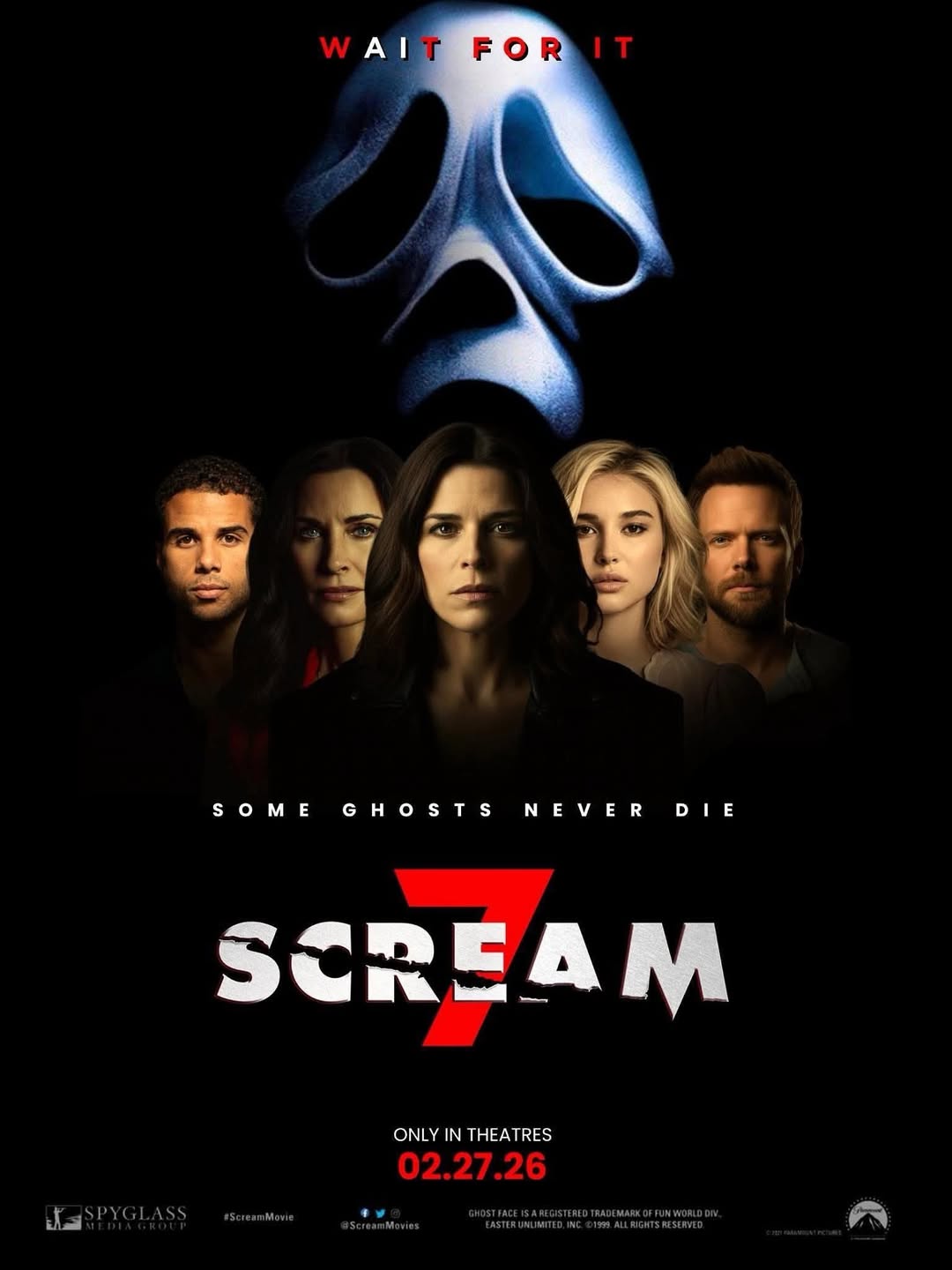
There is a difference between resurrecting a franchise and reviving its pulse. Scream 7 understands that distinction.
There is a difference between resurrecting a franchise and reviving its pulse. Scream 7 understands that distinction. This seventh installment aligns far more closely with Scream 2–4—with the 1996 original remaining peerless—than with the tonal divergence of entries five and six. It is not an attempt to eclipse the original nor to extend the reboot-era mythology. Instead, it is a recalibration: a deliberate return to the structural mechanics and tonal balance that once defined the series—brutal yet playful, self-aware yet grounded, meta without collapsing into parody. It restores the rudimentary whodunit spine, re-centers the franchise’s emotional trinity, and reasserts consequence in a narrative space that had begun to flirt with immunity. It may not reinvent the mask, but it remembers how to make it frightening—and fun—again.
The premise is straightforward: a new Ghostface emerges in the quiet Indiana town where Sidney Prescott has built a life beyond trauma. When her daughter becomes the next target, Sidney is pulled back into the cycle she has spent decades surviving. The simplicity is intentional. This is not a mythology-expanding installment. It is a structural restoration.
When I wrote about the original Scream in 2020, I emphasized how Wes Craven and Kevin Williamson fused satire and sincerity—how the film functioned simultaneously as genre critique and legitimately tense mystery. And in reflecting on Scream 4, I argued that the franchise’s survival depended on maintaining that balance between irony and genuine stakes. Scream 7 understands that lineage. It does not reinvent the formula; it reasserts it.
The humor is sharper than in the previous two entries, and the dialogue once again flirts with meta-awareness without dissolving into self-congratulation. More importantly, the whodunit framework returns to prominence. Scream has always been more mystery than massacre—a slasher disguised as a parlor game. Here, suspicion lingers. Motives matter. The audience is invited to participate again rather than merely observe. That interactive quality—so essential to the original—has been restored.
The kills are similarly recalibrated. They are decisive, occasionally shocking, and refreshingly unwilling to protect characters based on audience expectation. Supporting players are bloodied. Familiar faces are not insulated by nostalgia. The film reinstates a fundamental rule: no one is safe. In doing so, it restores tension that had softened in recent installments.
At the center of this recalibration is the reaffirmation of the franchise’s trinity: Sidney Prescott, Gale Weathers, and a classically-derived Ghostface presence that evokes the psychological intimacy of earlier entries. Strip Scream to its essentials and it has always revolved around those pillars. When they are foregrounded, the franchise regains coherence.
If Scream 4 was the franchise’s first major recalibration, Scream 7 feels like its long-delayed mirror. The fourth installment ushered Scream into the digital revolution—interrogating self-made celebrity, the commodification of trauma, and the toxic symbiosis between violence and visibility. It marked the franchise’s pivot from analog to digital, from landline terror to algorithmic notoriety.
Scream 7, by contrast, gestures toward cultural correction. In a late-2020s climate increasingly skeptical of hyper-digital performativity and increasingly nostalgic for tactile authenticity, this installment feels almost deliberately analog in spirit. The satire is restrained. The violence has weight. The mystery mechanics are foregrounded. If Scream 4 bridged the franchise into the digital age, Scream 7 gently guides it back toward its roots. Both are recalibrations—but pulling in opposite technological directions.
It would be naïve to ignore the production context that shaped this film. Melissa Barrera’s departure following her public political statements altered the series’ trajectory and necessitated a creative reset, with Kevin Williamson returning to write and direct. Freedom of speech is foundational—but not without professional consequence within corporate filmmaking. The result is a film structurally distinct from what entries five and six were building toward.
More concerning than the controversy itself is the critical climate surrounding the film’s release. Its unusually low Rotten Tomatoes score reads less like a measured assessment of craft and more like a referendum on production politics. Evaluated on narrative mechanics, tonal discipline, and franchise coherence, Scream 7 is far from a failure. It is focused, structurally sound, and far more aligned with the franchise’s DNA than its aggregate score suggests.
This return to form may also be more culturally resonant than some critics assume. There is a growing appetite—particularly among younger audiences—for analog aesthetics and classical genre storytelling. Eli Roth’s Thanksgiving proved that an original slasher can thrive in the 2020s. Scream 7 demonstrates that a legacy slasher can endure by remembering what made it compelling in the first place.
In retrospect, Scream 7 may not be the boldest chapter in the franchise—but it may prove to be one of the most necessary. It restores the mystery spine. It reinstates consequence. It reminds us that Ghostface works best when the blade cuts both ways—satire and sincerity, humor and horror. The original remains untouchable. But longevity in horror does not come from constant reinvention. It comes from understanding when to sharpen the knife rather than redesign it.
And sometimes, survival is less about evolution than about reclaiming your identity.
Ryan is the general manager for 90.7 WKGC Public Media and host of the show ReelTalk “where you can join the cinematic conversations frame by frame each week.” Additionally, he is the author of the upcoming film studies book titled Monsters, Madness, and Mayhem: Why People Love Horror. After teaching film studies for over eight years at the University of Tampa, he transitioned from the classroom to public media. He is a member of the Critics Association of Central Florida and Indie Film Critics of America. If you like this article, check out the others and FOLLOW this blog! Follow him on Twitter: RLTerry1 and LetterBoxd: RLTerry

With Valentine’s Day approaching, it felt like the right moment to step away from jump scares, body counts, and box office noise—and spend an hour with something far more enduring: love, as expressed through film music.
Cinema has always struggled to say what love feels like. Dialogue often collapses under the weight of it—becoming either too poetic or painfully banal. Film scores, on the other hand, have an uncanny ability to articulate what words cannot: longing, ecstasy, restraint, obsession, memory, and heartbreak. Sometimes all at once.
This episode’s juried selections are not simply “romantic” scores in the conventional sense. These are works that understand love as complicated and often uncomfortable—love that consumes, love that lingers, love that is sacrificed or denied. From classic Hollywood to modern cinema, these scores don’t just underscore romance; they interrogate it.
Some of these films are sweeping and operatic. Others are quiet, restrained, almost painfully intimate. But what they share is an emotional honesty—music that trusts the listener to feel deeply without being told how.
So settle in. Let the music guide the conversation. This is ReelTalk—and today, we’re listening to what love sounds like.
Ryan is the general manager for 90.7 WKGC Public Media and host of the show ReelTalk “where you can join the cinematic conversations frame by frame each week.” Additionally, he is the author of the upcoming film studies book titled Monsters, Madness, and Mayhem: Why People Love Horror. After teaching film studies for over eight years at the University of Tampa, he transitioned from the classroom to public media. He is a member of the Critics Association of Central Florida and Indie Film Critics of America. If you like this article, check out the others and FOLLOW this blog! Follow him on Twitter: RLTerry1 and LetterBoxd: RLTerry
When satire ceases being satire–we’re living inside it.
There are films that feel timely, films that feel dated, and then there is Network—a work so disturbingly elastic that it seems to recalibrate its relevance with each passing decade. What Sidney Lumet’s incendiary masterpiece offered in 1976 as provocation now functions as diagnosis. Network ceased being satire the moment we began living inside it. And at fifty years on, it is no longer prophetic so much as instructional—a grim field manual for the media ecosystem we willingly built.
On its surface, Network is a scathing critique of television news and the corrosive marriage between journalism and entertainment. But that reading now feels almost quaint. Today, the film operates as a far more expansive lens—one through which we can examine social media’s performative outrage, the collapse of editorial integrity, the rise of influencers over actors, and “content” replacing cinema as both commodity and aspiration. The film’s possibilities for interpretation are not merely endless; they are inescapable.
You can listen to the NETWORK episode of ReelTalk, which serves as a great companion piece to this article through your favorite podcast service. For your convenience, I’ve included some links that may work for you.
When I survey the contemporary media landscape—where outrage is currency, truth is malleable, and spectacle supplants substance—I often find myself echoing Howard Beale’s immortal lament: “I’m as mad as hell, and I’m not going to take this anymore.” The tragedy, of course, is that Beale’s righteous fury is swiftly commodified, packaged, and sold back to the public. In Network, that process is the warning. In 2026, it is the business model.
What Network ultimately offers is not just a critique of television news, but an elegy for every so-called Golden Age of legacy media—journalism, cinema, and serialized television alike. Watching it now, I am reminded of Norma Desmond’s aching declaration in Sunset Boulevard: “I am big. It’s the pictures that got small.” Substitute “pictures” for platforms, algorithms, and engagement metrics, and the lament lands with devastating clarity. In my view, social media and streaming have not merely disrupted cinema and television; they have delivered a mortal wound—one from which craft, patience, and collective cultural experience may never fully recover.
Network endures first and foremost because it is built on one of the most ferocious screenplays ever put to film. Paddy Chayefsky’s Oscar-winning script is not merely well-written; it is weaponized language—monologues that cut like scalpels, dialogue that oscillates between blistering satire and operatic tragedy, and ideas so densely packed they continue to unfold decades later. This is writing that trusts intelligence, that dares to be verbose, ideological, and confrontational in a way modern studio cinema rarely permits. Chayefsky understood that words—spoken with conviction—could be more explosive than spectacle, and he built Network accordingly.
What makes the screenplay extraordinary is its refusal to choose a single target. It indicts television news, corporate capitalism, religious fervor, political apathy, and audience complicity with equal venom. The famous “mad as hell” speech is not a populist rallying cry so much as a trap—an emotional release engineered to be monetized, emptied of meaning, and repackaged as programming. Chayefsky was not predicting outrage culture; he was anatomizing it. In an era where dialogue is often sanded down to algorithm-friendly soundbites, Network feels almost alien in its literary ambition—proof that cinema once trusted language to carry weight, risk, and consequence.
Sidney Lumet’s direction is the perfect counterbalance: disciplined, precise, and deliberately unflashy. Lumet stages the film like a moral courtroom drama, allowing performances and ideas to occupy the foreground while the camera observes with quiet authority. His restraint is crucial. Rather than amplifying the satire through stylistic excess, Lumet grounds the absurdity in realism—office spaces feel oppressive, boardrooms feel sterile, and television studios feel eerily sacred. The effect is chilling: the madness is not heightened by cinematic flourish; it emerges organically from systems that feel frighteningly familiar.
Together, Chayefsky and Lumet create a film that feels less like a movie and more like a controlled detonation. There is no indulgence, no wasted motion, no attempt to soften the blow. In contrast to today’s cinema—often drowned in visual noise, diluted themes, and studio-mandated ambiguity—Network stands as a reminder of what happens when writing and direction operate with absolute clarity of purpose. It is fearless, articulate, and devastatingly focused. And perhaps most damning of all: it proves that cinema once had the courage to tell audiences the truth, even when that truth was deeply uncomfortable.
Yet if Network endures as forcefully as it does, it is not solely because of its prescience. It endures because it is performed with astonishing precision and gravitas by one of the greatest ensembles ever assembled. Peter Finch’s Howard Beale remains one of cinema’s most unforgettable figures—a man whose breakdown is mistaken for authenticity, whose humanity is exploited until nothing remains. Finch’s posthumous Academy Award win feels less like recognition than inevitability.
William Holden, meanwhile, brings a weary, world-worn melancholy to Max Schumacher that resonates deeply with his earlier turn as Joe Gillis in Sunset Boulevard. Both characters are men who recognize the rot of the system even as they remain complicit within it—observers with just enough moral clarity to feel shame, but not enough power to stop the machine. Holden’s quiet resignation here serves as the film’s conscience, a reminder of what professionalism and restraint once meant.
And then there is Faye Dunaway, delivering a tour de force for the ages—one of those rare performances that does not merely dominate a film, but defines an era of acting. Her Diana Christensen is ambition incarnate: ice-cold, ferociously intelligent, and utterly unencumbered by empathy. Dunaway doesn’t soften the character or seek audience approval; she weaponizes Diana’s ruthlessness, allowing her to move through the film with the predatory calm of someone who understands power not as responsibility, but as leverage. The performance is so precise and so unflinching that it almost feels inhuman, as though Diana has already evolved into the algorithmic logic the film warns us about—ratings as morality, attention as currency, and human cost as an acceptable casualty.
It is no accident that Dunaway earned the Academy Award for Best Actress for this role. The Oscar was not simply recognition of a great performance; it was an acknowledgment of something rarer—a character so vividly realized that she became a cultural archetype. Diana Christensen is not just a television executive; she is the prototype for the modern media operator, the spiritual ancestor of today’s content strategists, brand architects, and engagement-obsessed executives. Dunaway plays her with surgical control, her clipped delivery and laser-focused gaze conveying a woman who has replaced conscience with metrics long before such thinking became normalized.
In the broader context of film history, Dunaway’s work in Network cements her status as one of the greatest actresses of all time—very much in the lineage of Bette Davis and Joan Crawford, yet operating outside the classical Golden Age of Hollywood. Like them, Dunaway possessed an unapologetic intensity, a willingness to embrace unlikable women, and a commanding screen presence that bent films around her gravitational pull. But unlike Davis or Crawford, her era offered fewer guardrails and less mythmaking; Dunaway emerged during a transitional moment in American cinema, when performances could be raw, confrontational, and morally untidy.
That makes her Diana Christensen all the more extraordinary. It is not a performance cushioned by studio glamour or softened by melodrama—it is sharp, modern, and terrifyingly plausible. Decades later, Dunaway’s Oscar-winning turn feels less like a relic of 1970s cinema and more like a warning label we ignored.
The supporting cast—Beatrice Straight, Ned Beatty, Robert Duvall—forms a devastating chorus, each representing a different facet of institutional decay. Straight’s Oscar-winning performance, in particular, remains one of the most remarkable achievements in Academy history. The fact that Straight’s Academy Award for Best Supporting Actress was won with comparatively limited screen time only underscores the magnitude of her presence. Every line, every glance carries weight. Gravitas is not measured in minutes.
It is impossible to discuss Network without reckoning with its unprecedented—and now unthinkable—Oscar performance. The film received ten Academy Award nominations, including Best Picture, Best Director, and an astonishing four acting nominations across all performance categories. Even more remarkable: Network won three of the four acting awards—Peter Finch (Best Actor), Faye Dunaway (Best Actress), and Beatrice Straight (Best Supporting Actress)—with Finch’s win occurring posthumously. That trifecta remains a singular achievement in Oscar history.
What makes this feat so haunting in retrospect is not merely its rarity, but what it represents: a time when the Academy rewarded performance-driven cinema rooted in language, ideas, and moral urgency. These were not roles engineered for “Oscar moments” clipped for social media circulation. They were fully realized characters inhabiting a screenplay that demanded intelligence, restraint, and theatrical rigor. Even Beatrice Straight’s win—earned with fewer than six minutes of screen time—speaks to an era when gravitas mattered more than exposure, and emotional truth outweighed narrative gymnastics.
Contrast that with the modern awards landscape, where performances are often subsumed by brand visibility, platform allegiance, and campaign machinery. Today’s Oscars frequently feel less like a celebration of cinema than a referendum on cultural relevance as defined by streaming metrics and algorithmic reach. In that context, Network’s acting sweep feels not merely impressive, but elegiac—another artifact from a period when cinema trusted adults to speak, listen, and think.
This is where Network dovetails uncomfortably with my broader reflections on the erosion of cinematic prestige and journalistic integrity. The film arrived at a moment when studios still believed movies could challenge audiences, when networks still pretended journalism was a public service, and when awards bodies still recognized craft over content. That ecosystem no longer exists.
Today, companies like Netflix and Disney—titans of scale and convenience—have played outsized roles in flattening the cultural landscape. Netflix’s content-first philosophy has blurred the line between cinema and disposable product, prioritizing volume over vision and treating storytelling as a data problem to be optimized rather than an art form to be refined. Disney, meanwhile, has transformed legacy filmmaking into brand maintenance, where risk is minimized, mythmaking is franchised, and even news-adjacent programming is filtered through spectacle and marketability.
In that environment, Network feels almost confrontational. It reminds us that journalism once aspired to truth rather than virality, that cinema once valued language over noise, and that performances once carried weight beyond their runtime. The film’s Oscar dominance is not simply a historical footnote—it is a marker of how far the industry has drifted from rewarding seriousness, substance, and moral clarity.
Ultimately, Network foresaw where we were headed with terrifying clarity. But perhaps its greatest sorrow is that it did not imagine how eagerly we would embrace that future. Our media landscape has not merely changed; it has lost its soul. Journalism has become performance. Cinema has become content. And authenticity—once a virtue—has been repurposed as branding. Half a century later, Network stands as both benchmark and indictment. It is proof that cinema once mattered enough to scare the powerful—and a reminder that somewhere along the way, we stopped demanding that it do so.
Ryan is the general manager for 90.7 WKGC Public Media and host of the show ReelTalk “where you can join the cinematic conversations frame by frame each week.” Additionally, he is the author of the upcoming film studies book titled Monsters, Madness, and Mayhem: Why People Love Horror. After teaching film studies for over eight years at the University of Tampa, he transitioned from the classroom to public media. He is a member of the Critics Association of Central Florida and Indie Film Critics of America. If you like this article, check out the others and FOLLOW this blog! Follow him on Twitter: RLTerry1 and LetterBoxd: RLTerry