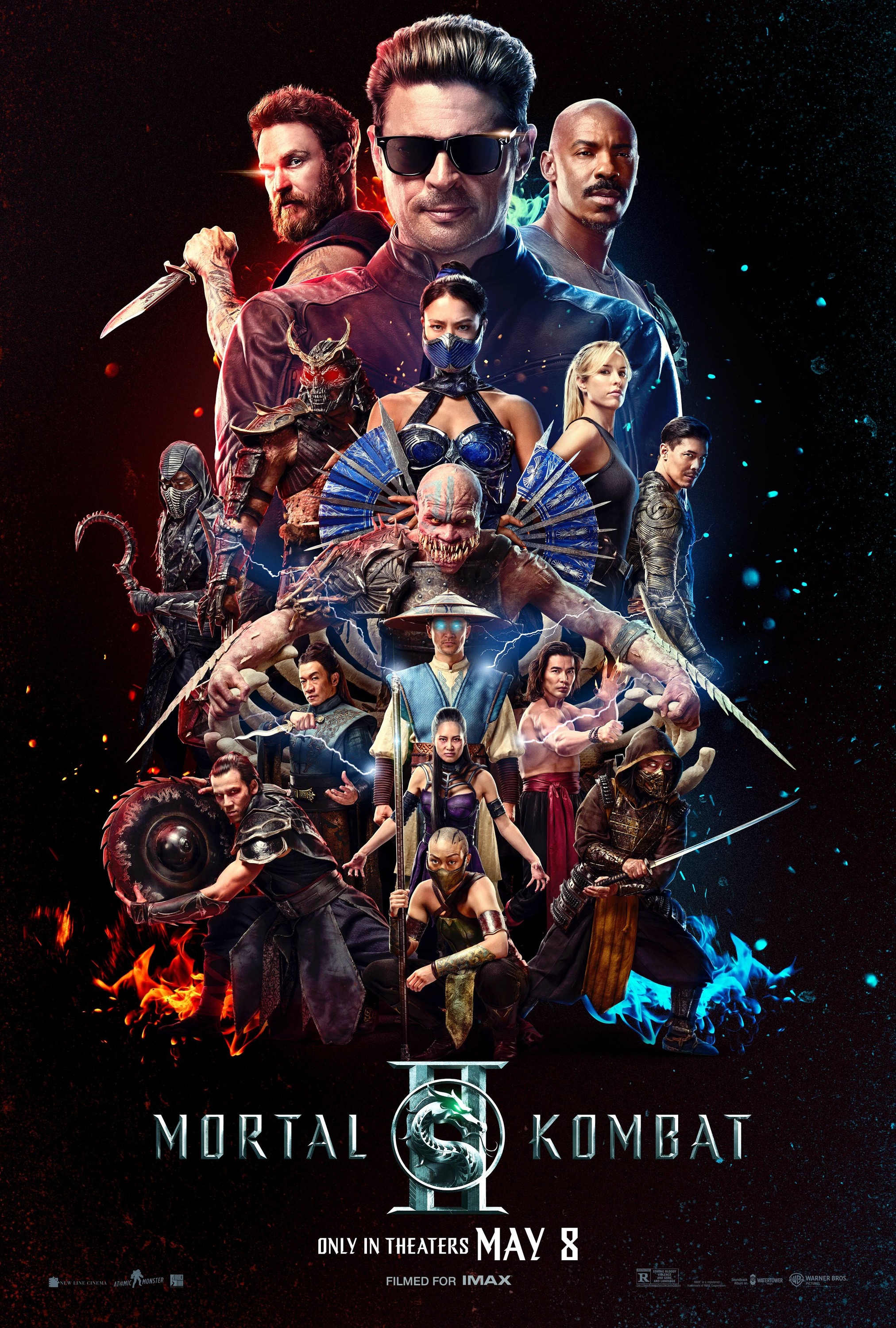
A fun, energetic way to kick off the summer movie season.
Mortal Kombat II understands something that many modern blockbuster adaptations still struggle to grasp: audiences do not necessarily want filmmakers to reinvent beloved source material—they want filmmakers to respect it while translating it effectively into cinematic language. And surprisingly enough, this sequel largely succeeds. It is not attempting profound philosophical commentary or emotional devastation. Nor should it. The film knows exactly what it is, embraces its absurdity with confidence, and delivers a thoughtful sequel that also functions as one of the more effective big-screen adaptations of a video game in recent memory.
Mortal Kombat II is about how Johnny Cage joins other fighters in the ultimate, no-holds-barred battle to defeat the dark rule of Shao Kahn, a powerful tyrant who threatens the very existence of the Earthrealm and its defenders.
At the end of the day, Mortal Kombat II is a popcorn movie—an unapologetically violent, nostalgic crowd-pleaser designed first and foremost to entertain. The characters remain recognizable to longtime fans while also possessing enough cinematic depth to sustain an actual narrative. That balancing act matters. Too often, video game movies reduce their characters to costumes and catchphrases. Here, however, the fighters feel like people rather than playable avatars waiting for controller input.
As someone who always gravitated toward Kitana in the games, it was particularly satisfying to see her positioned as an emotional and narrative centerpiece. She is not simply present for fan service or aesthetic appeal; she has agency, motivation, and an arc that helps drive the story forward. In fact, one of the film’s greatest strengths is that no character feels disposable. Nobody feels like an NPC wandering through the background waiting to deliver exposition before disappearing. Each fighter is given at least some measure of journey or development.
Visually, the movie also strikes an effective balance between homage and expansion. Many of the settings evoke the iconic backgrounds from the games—the gothic arenas, shadowy temples, and otherworldly battlegrounds longtime fans will immediately recognize. But the film never feels trapped within them. Instead, those environments are punctuated throughout a larger cinematic world that feels appropriately expansive.
Narratively, the story is a fairly classical variation of good versus evil, but there is enough thematic grounding to give the conflict weight. Beneath the martial arts spectacle and supernatural mythology lies a struggle between freedom and authoritarian control—between individuality and the oppressive force of conformity. It is not especially subtle, but subtlety is not really the point here.
The point is fun. And on that level, the movie absolutely works.
The fight choreography is energetic, the pacing rarely drags, and yes—the fatalities are brutal. But importantly, the violence never tips into unpleasantness. The film retains enough of its heightened video-game aesthetic that the gore feels stylized rather than exploitative. There is restraint within the excess. The movie understands the difference between brutality and ugliness.
Most importantly, Mortal Kombat II remembers that adaptation does not require embarrassment. It never apologizes for being based on a video game. Instead, it embraces the mythology, the characters, the iconography, and even the inherent silliness of the premise with complete sincerity. That sincerity goes a long way.
This is a fun, energetic way to kick off the summer movie season, and longtime fans—particularly those who grew up with the original games—will likely leave the theater with a smile on their face. And sometimes, that is enough.
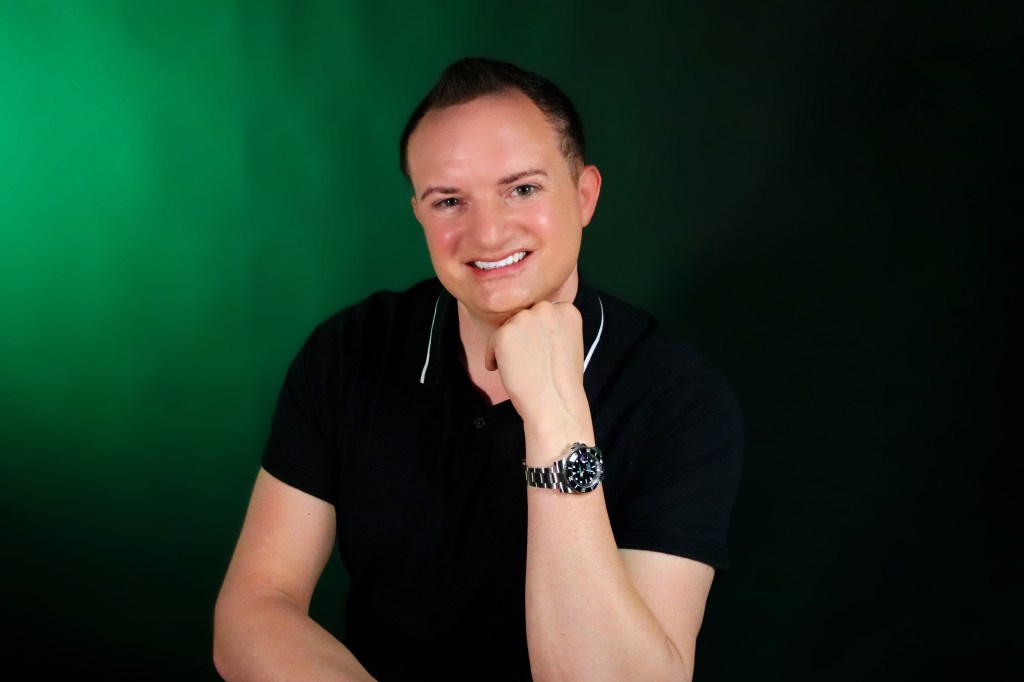
Ryan is the general manager for 90.7 WKGC Public Media and host of the show ReelTalk “where you can join the cinematic conversations frame by frame each week.” Additionally, he is the author of the upcoming film studies book titled Monsters, Madness, and Mayhem: Why People Love Horror. After teaching film studies for over eight years at the University of Tampa, he transitioned from the classroom to public media. He is a member of the Critics Association of Central Florida and Indie Film Critics of America. If you like this article, check out the others and FOLLOW this blog! Follow him on Twitter: RLTerry1 and LetterBoxd: RLTerry
Deliciously terrifying! Final Destination: Bloodlines is a sleek, thrilling experience that delivers heart-pounding, nightmare inducing fuel that feels familiar yet fresh. And underscoring the outside/action plot is an emotionally-driven family drama. You’ll root for their survival! After a decade-long hiatus, the Final Destination franchise roars back to life with Bloodlines—an edge-of-your-seat, high-octane installment that doesn’t just rest on its laurels on its signature Rube Goldberg-esque kills; rather, it dares to deepen the mythology and inject real emotional stakes. This isn’t just a parade of spectacularly elaborate kills; Bloodlines brings humanity and emotional vulnerability to the forefront, making every death feel earned—and every survival all the more desperate.
Plagued by a violent and recurring nightmare, a college student heads home to track down the one person who might be able to break the cycle of death and save her family from the grisly demise that inevitably awaits them all.
Bloodlines doesn’t reinvent the “Final Destination” wheel, but it certainly retooled the 26yo engine. It’s faster, more furious, and surprisingly emotionally compelling—a rare horror film that makes you care who dies and how. (Except for perhaps Julia–pretty sure everyone applauded when she met her demise). By blending the franchise’s signature fatalism with real human drama, it proves that even after all these years, Death still has some fresh tricks up its sleeve. And it’s that “heart” that makes this installment different from the rest. After the original and traumatizing second movie (never drive behind a logging truck ever again), this is the first installment to inject an emotionally resonant core into the narrative. Despite the family drama, it’s clear that everyone cares about each other, even though some distance has grown between some of them. And the fact they care about one another compels us to root for their survival.
But what about the kills? The deaths, of course, are still inventively gory and meticulously choreographed—this is a Final Destination movie, after all—but they’re no longer the sole draw nor does the camera linger too long. Instead of being a schlocky bloodbath from beginning to end, this Final Destination movie is more punctuated with the death scenes, and never feel like the scenes themselves–the kills are more like buttons on a dramatic sequence that delivers sufficient setup, development, and resolution. Each death in Bloodlines serves a narrative purpose, reflecting character choices and emotional arcs. When someone dies, it’s not just shocking—it hurts. The deaths are all the more painful because our characters matter. Each character is given a moment to breathe, before the inevitable occurs. Character decisions matter; their respective relationship with each other and the world around them matter. When they die, it doesn’t feel like a spectacle; it feels like a loss (except for you, Julia, I think that was a gain).
Directed by Zach Lipovsky and Adam B. Stein, Bloodlines brings a more mature tone to the franchise without losing its pulse-pounding suspense. This isn’t just death coming for the next in line—death is unearthing long-buried histories, and the characters are forced to confront more than just their mortality–they are forced to confront family secrets. The screenplay benefits greatly from being measurably more character-driven than plot-driven, which bestows upon this movie a narrative quality seldom experienced in the Final Destination franchise (or nearly any horror franchise this far into its franchise). The film also expands the franchise’s mythology in subtle, intriguing ways, threading in ideas about fate as something both predetermined or inherited. Without diving too far into exposition, Bloodlines cleverly explores what it means to be marked—not just by death, but by family history.
And I’d be remiss if I didn’t mention the final appearance of the late horror great Tony Todd. Like Vincent Price, Todd’s mere presence in a horror film added a qualitative dimension that could not be replicated by any other actor. Todd’s contributions to horror and science-fiction TV (namely Star Trek) are many and each delivered with class. RIP.
Final Destination: Bloodlines isn’t just a refreshing return to form—it’s a redefinition. It proves that slasher-adjacent (which this is; we just don’t see the slasher) movies can be character-first without losing the terrifying or nightmare-inducing edge. Bloodlines also subverts our feelings about being a survivor in a horror movie–sometimes the scariest thing isn’t dying–it’s questioning why you’re still alive.
Ryan is the general manager for 90.7 WKGC Public Media in Panama City and host of the public radio show ReelTalk about all things cinema. Additionally, he is the author of the upcoming film studies book titled Monsters, Madness, and Mayhem: Why People Love Horror. After teaching film studies for over eight years at the University of Tampa, he transitioned from the classroom to public media. He is a member of the Critics Association of Central Florida and Indie Film Critics of America. If you like this article, check out the others and FOLLOW this blog! Follow him on Twitter: RLTerry1 and LetterBoxd: RLTerry
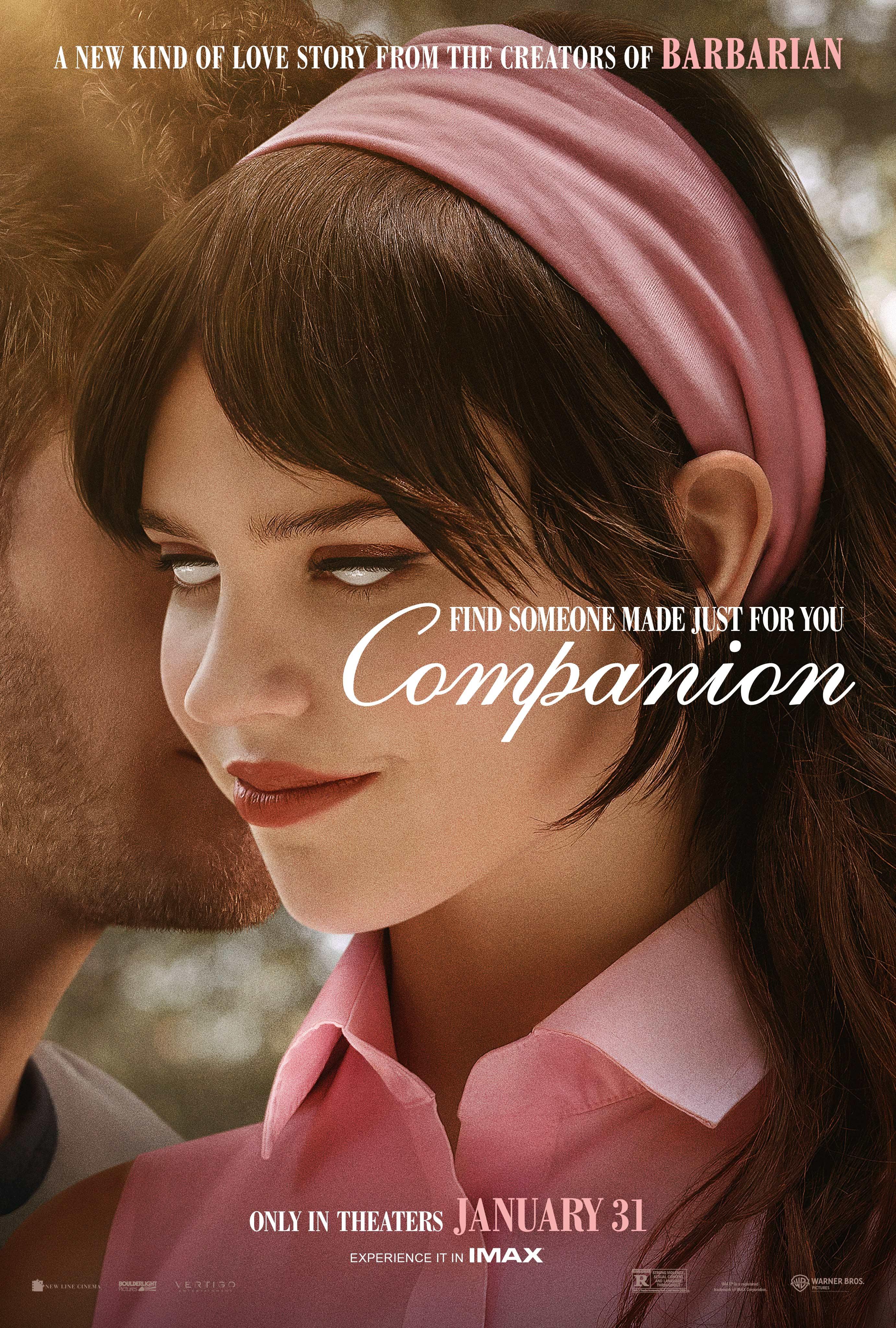
A wild, albeit predictable ride. New Line Cinema’s Companion, written and directed by Drew Hancock, is an entertaining cautionary tale on how ultimate control, ultimately corrupts. Moreover, the film provides a thoughtful critique on the (in this case) deadly consequences of attempting to exert that desire for ultimate control over an individual, thus rendering mute their unique individuality. The film also paints a provocative portrait of the relationship between humanity and artificial intelligence (and androids) by establishing a seemingly controlled environment that then devolves into one of chaos. This progression reflects the overarching theme of attempts at ultimate control by underscoring the illusion of the ability to exert ultimate control over the human spirit, even if that “humanity” is housed within an artificial intelligence. Hancock’s screenplay is lean and mean, and nicely balances the horror elements with both lighthearted and dark comedy. Even though many of the plot beats were predictable, the movie still succeeded in remaining engaging and fun–just goes to show that there is a beauty to genre movies.
A weekend getaway turns bloody and violent when a subservient android that’s built for human companionship goes haywire.
Hancock’s film effectively blends elements of horror and comedy to explore contemporary anxieties surrounding individualism, artificial intelligence, and the ethical implications of control for the purposes of subjugation. Audiences are challenged by the plot and characters to reflect on the moral responsibilities involved in the creation and control of artificial-sentient beings. By prompting the audience to consider the consequences, the film is positing questions concerning the very nature of humanity and the desire and limits of control. Furthermore, the film demonstrates that when given seemingly ultimate control, that primal desires for ultimate control surface, thus reminding us that we have to learn to be generous, kindly, and altruistic because we are naturally born rather selfish and self-centered. Ultimate control, ultimately corrupts. Without reasonable checks and balances, the results of absolute control can be negative and quite possibly even deadly to the human spirit.
As artificial intelligence increases in human-like problem solving and expression, we have to ask ourselves how far will be go to both create and control artificial intelligence as it slowly approaches android-like technology. Will androids be controlled like a typical robot or mindless automaton or will they be granted sentient status like Data on Star Trek: the Next Generation‘s critically acclaimed episode “The Measure of a Man”? Without derailing from my review of Companion too much, I am reminded of this outstanding Trek episode that actually does a much better job of addressing topics of autonomy and control than Hancock’s film. The episode critiques the idea that beings created for a (even at one time, pre-determined) purpose (especially artificial ones) can be controlled or owned. Data’s ability to choose his own destiny is at stake. Captain Picard argues, in the trial that is convened to determine Data’s humanity, that intelligence, self-awareness, and consciousness make someone a sentient individual, not merely their biological nature.
Where I feel that Hancock’s film falls short is in its social commentary is the limitations it places on itself in its expression of the themes with which it underscores the plotting and characters. For the greatest impact, it should have been more consistent in the exploration of ultimate control over a seemingly sentient individual. Instead of crafting a film that could be more broadly applied, Hancock’s story falls into the trap of being too focuses on a overly generalized stereotype of particular individuals versus crafting a narrative that was more broadly concerning itself with depicting robbing sentient beings of their individualistic humanity–their free will. The sharpest criticism is clearly aimed at one particular character (and the demographic they represent). But eventually the idea of control over an individual snares another group. And for a moment, there was hope that Hancock was extending his critique to be more inclusive, but it returns to being focused on the original demographic group. This extension would have been a reminder that anyone can find themselves drawn to how far one can push the limits of control over a lover, friend, or other platonic, professional, or romantic relationship. It’s a trait that runs through everyone, and we have to learn to control our innate selfish and self-centered behaviors with which we are born.
While I have some reservations in the consistency and accuracy of theming in the film, Companion remains a solid horror films that serves as a reminder of the consequences of exerting ultimate control over an individual. The pacing, plotting, character development, and technical elements work together very well to keep the audience entertained on this wild ride.
Ryan is the general manager for 90.7 WKGC Public Media in Panama City and host of the public radio show ReelTalk about all things cinema. Additionally, he is the author of the upcoming film studies book titled Monsters, Madness, and Mayhem: Why People Love Horror. After teaching film studies for over eight years at the University of Tampa, he transitioned from the classroom to public media. He is a member of the Critics Association of Central Florida and Indie Film Critics of America. If you like this article, check out the others and FOLLOW this blog! Follow him on Twitter: RLTerry1 and LetterBoxd: RLTerry
Don’t worry about seeing this. Olivia Wilde’s Don’t Worry Darling works best when viewed as an exercise in the boundaries of the filmmaking apparatus; unfortunately it shows little concern for the art of plotting, and is overstuffed with metaphors and analogies that ultimately struggle to tell a compelling story. Clearly it’s striving to be a Stepford Wives, but lacks the nuance of what makes the original (and the remake to an extent) excellent films with a degree of horror-adjacency. Don’t WorryDarling is certainly unsettling and delivers an overwhelming sense of dread despite the idyllic atmosphere, but the writing is not up to the degree of excellency as are the visual elements of the film. Wilde certainly has a keen eye for shot composition and knows the capabilities of editing; but for all its trappings, the film will leave audiences wondering what they watched and why should they care.
Don’t Worry Darling is a 2022 American psychological thriller film directed by Olivia Wilde from a screenplay by Katie Silberman, based on a story by Carey Van Dyke, Shane Van Dyke, and Silberman. The film stars Florence Pugh, Harry Styles, Wilde, Gemma Chan, KiKi Layne, Nick Kroll, and Chris Pine.
From a design perspective, the film is stunning! I absolutely loved everything about the romanticized 1960s aesthetic from the women’s fashion to the colors to the music, houses, and cars. Unfortunately, the brilliantly crafted set and production design are not enough to makeup for the lethargic pacing and poor plotting. It takes more than an hour before anything of measurable consequence significantly affects the story. Although the pacing quickens in the latter part of the second act and through the third, the showdown is riddled with convenient–nearly deus ex machina, plot devices–and simply unbelievable character actions that aren’t properly setup.
The performative element of the mise-en-scene is demonstrably lackluster as well. While Florence Pugh delivers a solid, believable performance, Harry Styles is acting to the back of the room and Chris Pine is clearly phoning-in his performance. With his background as a music entertainer, perhaps Styles is better suited for the Broadway stage than he is the silver screen. The film contains some interesting montage, but many of the stylistic editing choices do not pay off dramatically and I’m left to interpret them as an exercise in film assembly. But, the scenes right out of Footlight Parade were a nice touch.
Don’t Worry Darling is another example of a film wherein a writer-director may have benefitted from taking their idea and giving it to a different screenwriter in order to develop into a motion picture that not only has an outstanding look, but thoughtful storytelling as well. Wilde certainly has a message that she is communicating to audiences, but it’s more of a message better suited for the era depicted in the film than in the era in which we live. Often times, what audiences desire is a good story with a great outside-action plot. And if a writer and/or director can add depth of theme through subplots and subtext, then that’s how you create something more thoughtful–not making the message the A-story.
Ryan teaches Film Studies and Screenwriting at the University of Tampa and is a member of the Critics Association of Central Florida. If you like this article, check out the others and FOLLOW this blog! Interested in Ryan making a guest appearance on your podcast or contributing to your website? Send him a DM on Twitter. If you’re ever in Tampa or Orlando, feel free to catch a movie with him.
“Welcome to prime time” in the final article of my 2021 Sinister Summer series. This month’s article is covering the much lauded tertiary installment in the A Nightmare on Elm Street (ANOES) franchise Dream Warriors written by Wes Craven & Bruce Wagner (Maps to the Stars) and directed by Chuck Russell (The Blob, 1988), with returning ANOES stars Heather Langenkamp reprising her iconic role as the (in my opinion) definitive final girl Nancy Thompson, John Saxon as her father and the now disgraced former police Detective Thompson, Patricia Arquette in her breakout role, Laurence (credited as Larry) Fishburne, and of course Robert Englund as the terrifying and hilarious nightmare-inducing Freddy Krueger! Talk about a powerhouse cast! It’s not often that a sequel can rival the original installment in a horror franchise, much less the third installment. But A Nightmare on Elm Street 3: Dream Warriors (from hereon out Dream Warriors), is a heavy hitter that some even argue is better than the first one (a sentiment that I don’t share); however, it is certainly on par with the original, and that is largely due to the outstanding writing of Wes Craven. Dream Warriors is not simply a great horror film, it’s a great film period! And it’s Craven screenplays like the original, Dream Warriors, and New Nightmare that cement him as one of the great horror screenwriters of all time, not to mention his brilliant direction in the SCREAMfranchise (particularly the original and SCRE4M). While cinema academics and critics can argue all day long which is better (I or III), what both camps of subject matter experts can agree on is that THIS is the film that transformed Freddy from great horror villain to the revered, timeless icon of the horror genre that he is!
For those of you who haven’t seen this excellent work of horror cinema (what are you waiting for?!?). Expanding the story universe, the action takes place outside of the titular address 1428 Elm Street this time around; and instead focuses on a bunch of Springfield teens who occupy the local psychiatric institute. These teens are the last of the Elm Street children, and all suffer from various sleep disorders. The clinic’s answer: keep them doped up on dream blocking drugs (hypnocil). Nancy Thompson is now a graduate student at the institution whom specializes in sleep disorders. Through a series of accidents, she realizes that the patients are being hunted by Freddy Krueger in their dreams. Over the years, the stories of Freddy and the kills from seven years prior are all but the stuff of legend, and so Freddy has lost much of his power because no one remembers (or fears) him. That is all about to change when he figures out how to gain his former strength. Nancy becomes a de facto general as she leads her Dream Warriors into battle against the malevolent Freddy IN the dream realm.
The Dream Master is back, and with all the one-liners and signature kills that are on brand for him! Having seen his beloved character completely misinterpreted in the first sequel (Freddy’s Revenge, which was panned by critics but has sense seen a cult following within the gay community because of the homoeroticism in it), it was completely understandable that he wanted to return as the Godfather of Freddy this time around. He took on both co-writer and executive producer duties. Sharing story by and screenwriting credits with Bruce Wagner. The film’s director Chuck Russell also contributed to the script but only officially holds the director credit–not a bad deal. Before the first draft of Dream Warriors was written by Wes Craven, he conceived of an idea that the film’s characters be self-aware and the plot would play around with the idea of knowing what the horror tropes are and play it to both dark comedy and tragedy. New Line did not go for the idea, and said it wouldn’t work. Gee, a Craven-helmed self-aware horror movie that plays around with horror tropes to create a meta horror movie? Nah, that’ll never work. It would be another seven years before we would get meta horror in Wes Craven’s New Nightmare and nine years before SCREAM.
The final product of Dream Warriors differs greatly from Craven’s original ideas and screenplay for the film, which was much darker in tone (even darker than Freddy’s Revenge). In fact, the characters themselves were quite different in Craven’s original script. For example, Freddy does not have his trademark one-liners, so yes that means no “welcome to prime time, bitch!” (arguably his most Freddy line out of the whole series). Instead, he was much more brutal and violent, and even more graphic in how he taunted and terrorized the teens. The two elements that all, involved in the writing of this film, agreed on was that the teens would have special powers when in the Dream World with Freddy and the plot should include Nancy Thompson. When it was conceived to bring the teens into Freddy’s dream world, Craven questioned “why would Freddy be the only one to have powers here?” So the Dream Warriors were born. New Line eventually ordered a rewrite of the script to increase Freddy’s memorable, twisted sense of humor and witty one-liners and to transform the screenplay from an action-driven plot to a character-driven one. And it’s that character-driven nature of Dream Warriors that gives it the high level of quality that it has. It’s not just about Freddy or his kills, but it’s about the emotional hero journey of these vulnerable teens.
Responsible for the rewrites were Russell and Wagner. Analyzing the screenplay itself, it is clear that both Russell and Wagner were knowledgable in not only the previous two ANOES movies, but the nuance of the horror genre itself. Much more than in the original film, the rewrites also show a penchant for integrating pop culture influences into the dream-state personalities of the characters; and it’s the obsession with pop culture that ultimately contributes to their demise. Among other narrative elements, Russell and Wagner are particularly responsible for the demographic makeup of the teens that we get in the final product by changing many of the ages, sexes, and ethnicities of them. And talk about diversity in ethnicity, physical ability, intelligence, and gender! Jennifer, the young girl obsessed with TV and becoming an actress in Hollywood. Will, the young man confined to a wheelchair who is a huge nerd Dungeons and Dragons geek. Phillip, a young man who loves to create marionette puppets. Taryn, a former heroin addict looking to stay clean and sober. Joey, the quieter one in the group but incredibly horny for the ladies. Kristen (Arquette), who dreams of being an olympic gymnast and has a special kind of ESP that connects her with others. And Kincaid, a tough, short-tempered, and at times violent teen with a sarcastic sense of humor. Outside of Nancy, the other important adults include the often misinterpreted Nurse Ratched-like Dr. Simms, whom really is doing what she thinks is medically best for the teens to help them recover. And Max (Fishburne), the brave orderly.
Dream Warriors‘ screenplay is incredibly lean, and wastes no time in establishing the world of the disturbed teens before launching the audience, full-throttle, into the action plot. For starters, the opening scene of Dream Warriors is fantastic! I would put it up there with the opening to SCREAM, although SCREAM is at the top of my list of best openings–not just in horror-but in all of cinema. The opening to Dream Warriors is perfect because it re-introduces us to Freddy, including his grisly past and insight into the epic, terrifying dream world he creates for his victims. Furthermore, we get an elaboration on his backstory, including more insight into his fiery earthly death and his origin as “the bastard son of a hundred maniacs.” Adding to his intriguing, horrific origin is the idea that his mother was a nun, which is a terrifying idea that this horrific figure could have been spawned by any number of madmen raping a nun. All this adds to Freddy’s mythos and is perfectly accompanied by the iconic ANOES score. All these storytelling elements work together to set the tone for a masterful work of horror cinema. One that is more concerned with the characters, themes, and social commentary than merely the elaborate, entertaining, showman-like kills and memorable one-liners.
Showing the depth and complexity of the American horror film, this film tackles the tough, taboo subject of teen suicide. While teen suicide remains an issue today, it was more pronounce in the 1980s. Beyond after-school-specials and PSAs, this was a difficult subject for films (certainly at that time) to tackle. But when there is a tough subject to tackle, leave it to the American horror film to provide insight into and comment on it in unique ways. Much like Nancy and the Dream Warriors face their worst nightmares, the horror battles tough subjects face on! Not only does Dream Warriors tackle teen suicide, it also tackles drug addiction, broken families, self-esteem, and identity issues. A close reading of the imagery associated with the trauma experienced by the teens can be read as a metaphor of adolescence, transitioning from childhood into adulthood. Whether experiencing direct or implied trauma from Freddy, their family, friends, or the hospital staff, the teens endure gaslighting, imprisonment, mental rape, and attempted murder (and times, murder itself) all within the confines and intimacy of the mind. One can easily make the argument that Dream Warriors is a clever PSA on these subjects masquerading around as a horror movie.
Langenkamp’s Nancy’s return to the series showed us more mature side of Nancy. Gone was the shy girl turned bad ass from the original; now she truly was a survivor! And in Dream Warriors, she is the only adult authority figure that actually takes the time to listen to the teens, which is what ultimately points her in the direction of Freddy. Interestingly, her care for these teens evolves into a sort of maternal role in this film. Throughout this film (and franchise) there are images of mothers (and parental figures) that are explored through the conflicts, kills, and dreams. We know that Nancy had an absent mother before she got fired, so Nancy is striving to be the mother to these teens that she never had. While Detective Thompson is washed up at the beginning of this film, and took him a while to come around to Nancy’s plight in the original, he is actually one of the better parents (and fathers) we have in horror. And this film gives him a sort of redemption arc that I greatly appreciate.
Nancy also demonstrates the ability to be in a constant state of learning, even though she is a subject matter expert graduate student in this film. But Nancy is not without her own vulnerabilities. She may have exchanged her pink rose pajamas for 80s power suits, but she is still the same Nancy. Despite her more mature, calm, collected exterior, she is still haunted by her former Freddy nightmares and the ordeal from seven years prior. This makes her character incredibly relatable because she isn’t (and neither is anyone else in the movie) a superhero, she isn’t morally/ethically perfect, she is a flawed person like you and me. But she is harnessing the energy of these fears and flaws, and channeling them into making a difference in the lives (and dreams) of these teens.
The film is called Dream Warriors for a reason, and that reason is because each of the tormented teens gains supernatural power in Freddy’s dream world. And it’s not some arbitrary super power–no–it’s a power that is an answer to their vices and weaknesses. One of the common themes of horror is perceived powerlessness. And there is no better franchise for exploring powerlessness than ANOES because Freddy attacks you when you are your most vulnerable–when you’re sleeping. And we must all sleep at some point–it is unavoidable. Except in this film, his victims band together to battle Freddy on his own turf. While most of them wind up dead–after all, we are usually left with the final girl in slashers–they do not go down without a valiant fight! Through their nightmares, they show that they can overcome that which torments them. On the surface, they are fighting Freddy, but really, they are fighting their own personal demons that have traumatized them.
Now, it wouldn’t be ANOES movie without Freddy’s magnificently creative kills and catchy one-liners. And Dream Warriors has some of the best kills in the entire franchise! I do not have time to go through each of them, but I just have to highlight my absolute favorite Freddy kill and one-liner of all time. Not only is it mine, but this kill and accompanying one-liners are often in the Top 5 and even Top 3 from fans, critics, and scholars alike. And it’s Jennifer’s Welcome to Primetime kill!
The beauty of this particular kill lies not only in its simplicity, but in this scenes’s energy and showmanship that is 100% trademark Freddy from beginning to end! Jennifer is trying to stay awake by watching television in the TV room. Max comes in to escort her to bed because it’s late, but she begs him to let her stay up a little while longer. Reluctantly, he agrees to let her stay up and watch TV but he warns her that if she’s caught that he won’t help her out. She agrees and Max leaves. Thinking that the TV alone may not be enough to keep her awake, she burns herself with a cigarette. While much of this film could very well happen today, we get a totally 80s moment here with Jennifer watching the Dick Cavett Show featuring an interview with (and cameo by) the legendary Zsa Zsa Gabor! During the interview, Dick turns into Freddy and slashes at Ms. Gabor! Then the TV turns to that static screen that we don’t get anymore. Confused by what is happening and at the sounds of those all-too-familiar Freddy victim screams, Jennifer gets up and turns the channel knob, but it does seem to fix the problem. Angry at the TV, Jennifer smacks it and suddenly two razor-clawed mechanical arms burst out of the side and pick up Jennifer. Then Freddy’s TV antennae-wearing head emerges from the top of the TV and makes cinema history by saying, “this is it Jennifer, your big break…welcome to primetime, bitch!” Then smashes Jennifer’s head into the TV. And it is likely due to that kill and line that Freddy continued to develop more of a twisted sense of humor throughout the series. Of course, too much of a good thing is a bad thing, which we also see in the subsequent installments.
If Welcome to Primetime is the film’s (and possibly series’) best kill, this next kill is the most shocking out of the series. And it’s the death of final girl Nancy Thompson. Even though Nancy goes out as a ballsy warrior, it was completely unexpected that she would die. But that death made her return in New Nightmare all the better! In dying, Nancy successfully passes on the torch of the Elm Street protector to Kristen. While Freddy’s motivation for killing the other Elm Street teens in this movie is an extension of what drove him to murder the teens in the previous installments, his motivation for killing Nancy was more than revenge brought on by his death at the hands of the Elm Street parents; it was revenge for doing the impossible–defeating him by taking away the source of his strength: her fear. While it was “nothing personal” in the other murders, his desire to kill Nancy was very personal.
Dream Warriors was a hit with both critics and fans! How often do you hear that with horror movies, much less sequels. In fact, in my opinion as a film professor specializing in the American horror film, I argue that the best films in the ANOES franchise are: A Nightmare on Elm Street, Dream Warriors, New Nightmare, and Freddy vs Jason. The final script was praised highly for its pacing, thoughtful commentary, character development, and imagery. With a higher budget thanks to the successes of the original and Freddy’s Revenge, the special effects and set design were cutting edge! This is especially true of the scenes in Freddy’s Hell. Is the film flawless? No. However the few flaws the film does have in no way detract from the cinematic experience of the story. More than 30 years old, this film is widely considered to be among the best horror films of all time, and will continue to be the stuff of nightmares for decades to come.
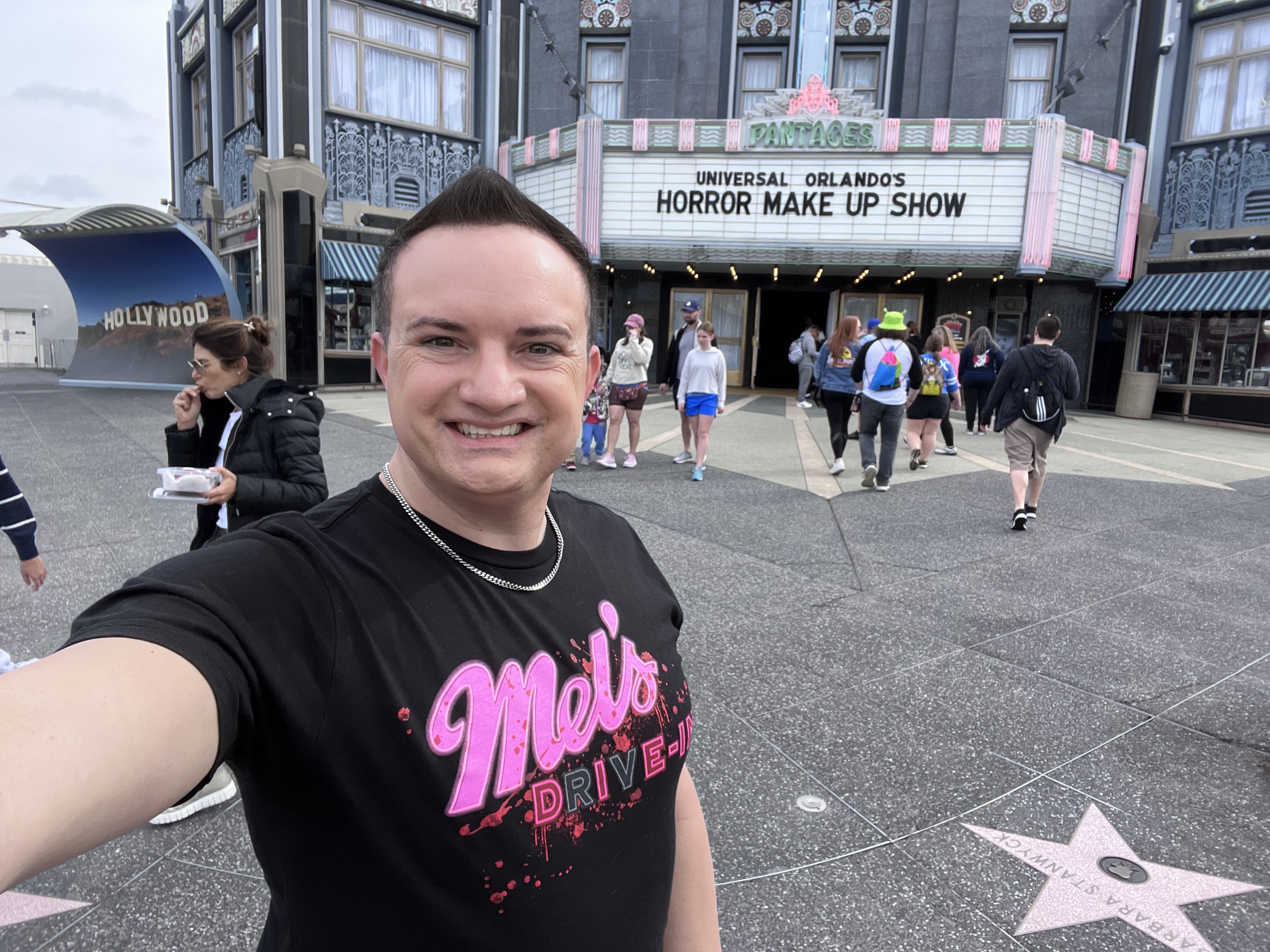
Ryan teaches American and World Cinema at the University of Tampa. If you like this article, check out the others and FOLLOW this blog! Interested in Ryan making a guest appearance on your podcast or contributing to your website? Send him a DM on Twitter or email him at RLTerry1@gmail.com! If you’re ever in Tampa or Orlando, feel free to catch a movie with or meet him in the theme parks!