A fun, energetic way to kick off the summer movie season.
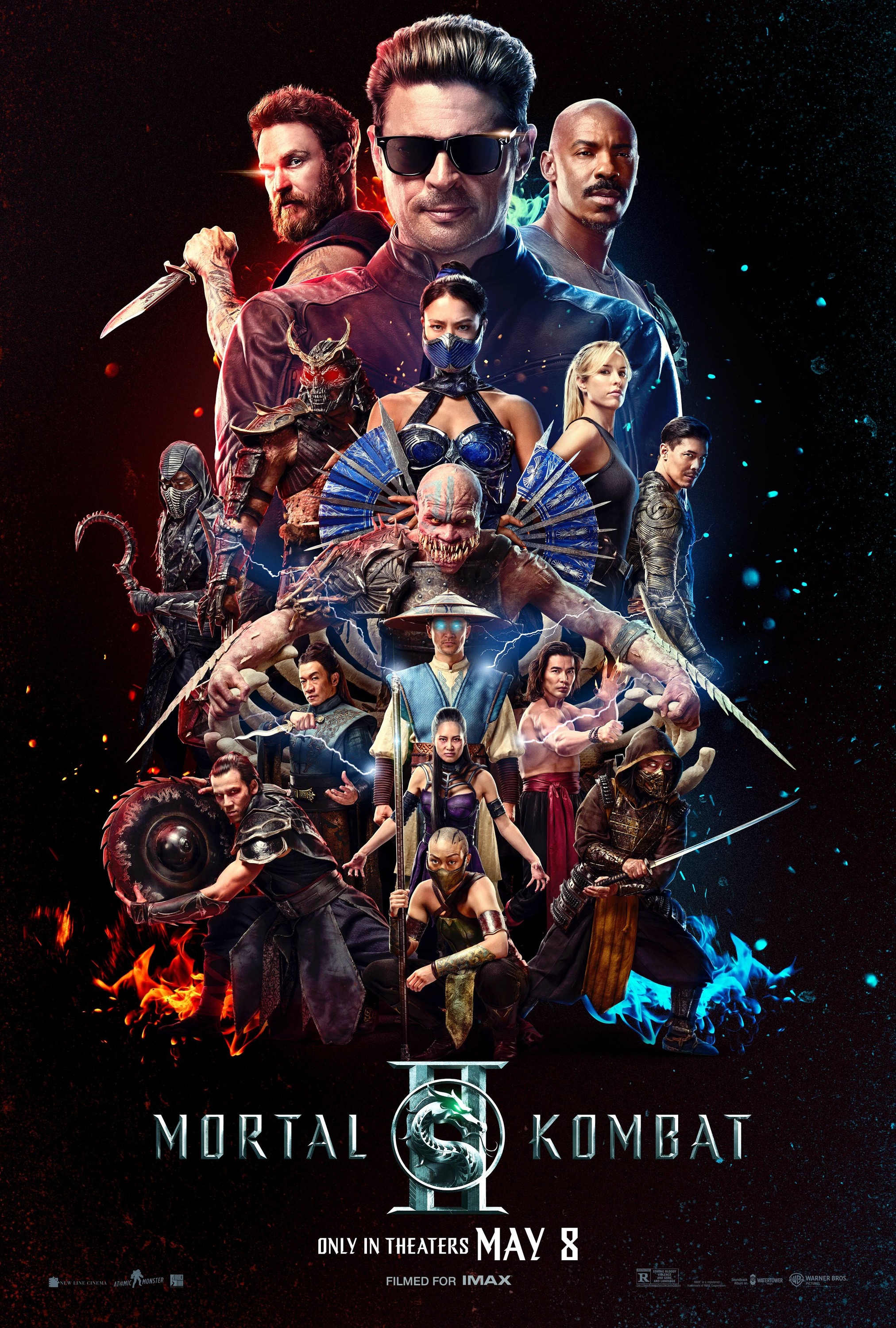
Mortal Kombat II understands something that many modern blockbuster adaptations still struggle to grasp: audiences do not necessarily want filmmakers to reinvent beloved source material—they want filmmakers to respect it while translating it effectively into cinematic language. And surprisingly enough, this sequel largely succeeds. It is not attempting profound philosophical commentary or emotional devastation. Nor should it. The film knows exactly what it is, embraces its absurdity with confidence, and delivers a thoughtful sequel that also functions as one of the more effective big-screen adaptations of a video game in recent memory.
Mortal Kombat II is about how Johnny Cage joins other fighters in the ultimate, no-holds-barred battle to defeat the dark rule of Shao Kahn, a powerful tyrant who threatens the very existence of the Earthrealm and its defenders.
At the end of the day, Mortal Kombat II is a popcorn movie—an unapologetically violent, nostalgic crowd-pleaser designed first and foremost to entertain. The characters remain recognizable to longtime fans while also possessing enough cinematic depth to sustain an actual narrative. That balancing act matters. Too often, video game movies reduce their characters to costumes and catchphrases. Here, however, the fighters feel like people rather than playable avatars waiting for controller input.
As someone who always gravitated toward Kitana in the games, it was particularly satisfying to see her positioned as an emotional and narrative centerpiece. She is not simply present for fan service or aesthetic appeal; she has agency, motivation, and an arc that helps drive the story forward. In fact, one of the film’s greatest strengths is that no character feels disposable. Nobody feels like an NPC wandering through the background waiting to deliver exposition before disappearing. Each fighter is given at least some measure of journey or development.
Visually, the movie also strikes an effective balance between homage and expansion. Many of the settings evoke the iconic backgrounds from the games—the gothic arenas, shadowy temples, and otherworldly battlegrounds longtime fans will immediately recognize. But the film never feels trapped within them. Instead, those environments are punctuated throughout a larger cinematic world that feels appropriately expansive.
Narratively, the story is a fairly classical variation of good versus evil, but there is enough thematic grounding to give the conflict weight. Beneath the martial arts spectacle and supernatural mythology lies a struggle between freedom and authoritarian control—between individuality and the oppressive force of conformity. It is not especially subtle, but subtlety is not really the point here.
The point is fun. And on that level, the movie absolutely works.
The fight choreography is energetic, the pacing rarely drags, and yes—the fatalities are brutal. But importantly, the violence never tips into unpleasantness. The film retains enough of its heightened video-game aesthetic that the gore feels stylized rather than exploitative. There is restraint within the excess. The movie understands the difference between brutality and ugliness.
Most importantly, Mortal Kombat II remembers that adaptation does not require embarrassment. It never apologizes for being based on a video game. Instead, it embraces the mythology, the characters, the iconography, and even the inherent silliness of the premise with complete sincerity. That sincerity goes a long way.
This is a fun, energetic way to kick off the summer movie season, and longtime fans—particularly those who grew up with the original games—will likely leave the theater with a smile on their face. And sometimes, that is enough.
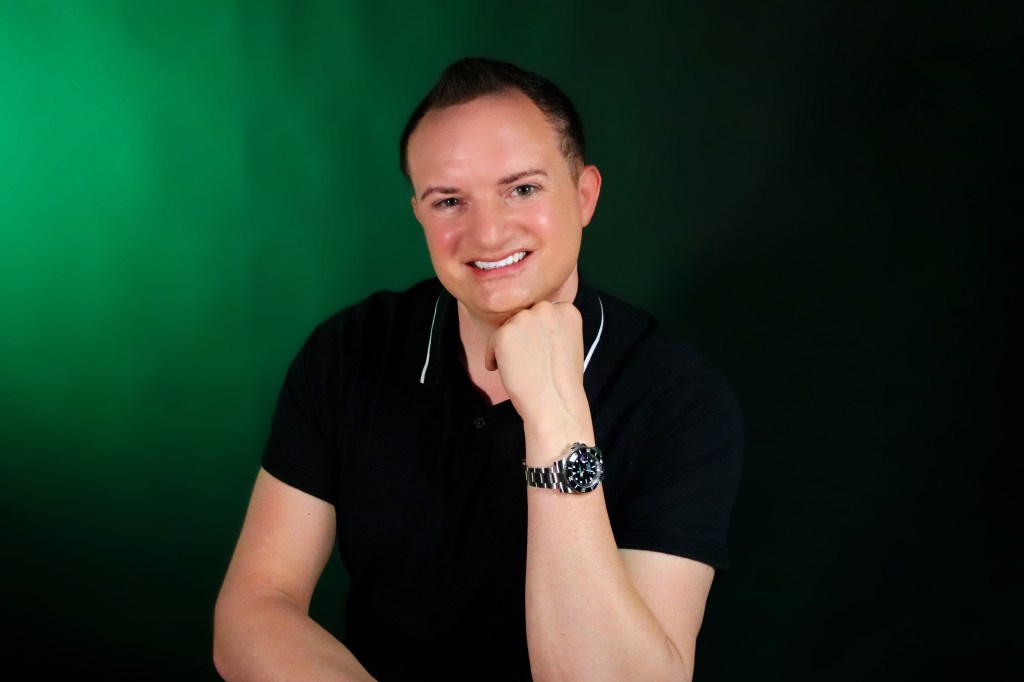
Ryan is the general manager for 90.7 WKGC Public Media and host of the show ReelTalk “where you can join the cinematic conversations frame by frame each week.” Additionally, he is the author of the upcoming film studies book titled Monsters, Madness, and Mayhem: Why People Love Horror. After teaching film studies for over eight years at the University of Tampa, he transitioned from the classroom to public media. He is a member of the Critics Association of Central Florida and Indie Film Critics of America. If you like this article, check out the others and FOLLOW this blog! Follow him on Twitter: RLTerry1 and LetterBoxd: RLTerry