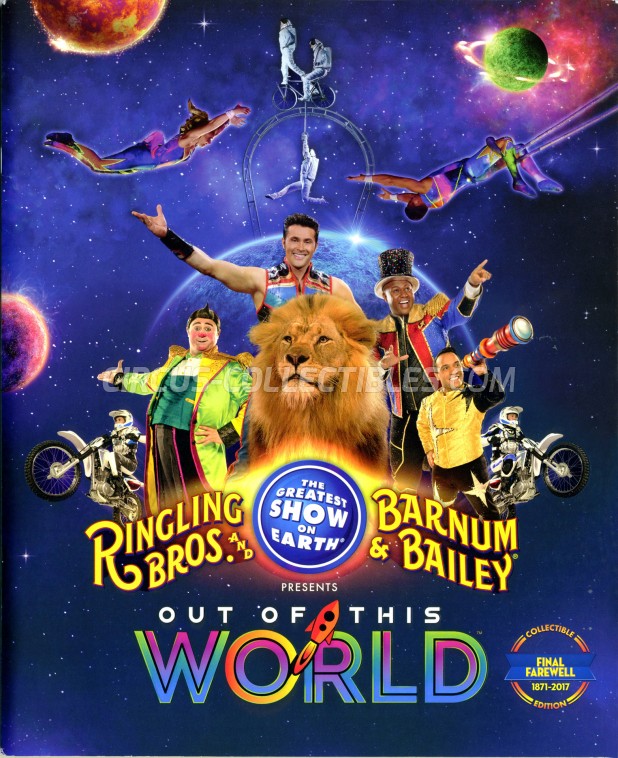
 “Ladies and gentlemen, children of all ages. Feld Entertainment proudly presents Ringling Bros. and Barnum & Bailey! Welcome to the greatest show on earth!” For nearly a century and a half (146yrs), THE circus was an American institution that began with storied entertainer P.T. Barnum and later bought by John Ringling followed by the Feld family, whom would produce the circus for its last 50yrs. Prior to (what would eventually become known as) Ringling Bros. and Barnum & Bailey Circus (from hereon out referred to as RBBBC), America did not have a concept of what a traveling live entertainment show was. There was certainly live entertainment prior to RBBBC, but you had to be fortunate enough to live or visit the cities where the shows were. What made the RBBBC unique was the fact it traveled by train to cities nationwide delivering the greatest show on earth to ladies, gentleman, and children of all ages. Much like the US space program indirectly impacted our lives at home, the office, and in the car through the prolific space spinoff technologies, RBBBC’s influences on live and themed entertainment are far reaching. From technical theatre technology to advertising to stunts and beyond. Nearly every live entertainment show can trace elements of its roots back to the circus. Once packing out tents turned arenas, in the last few years of the circus, the numbers began to shrink. And eventually it was decided to make the hard decision to close the circus after its final performance in May 2017. The documentary The Final Farewell chronicles the final performance of the American institution as it invites you to be in awe and wonder of the talent and technology on display that inspired imaginations for nearly 150 years. It airs on AXS-TV on Memorial Day at 8pm EDT. Learn just why this truly was the greatest show on earth, and why the performers and technicians truly felt that it was a community, a town without a zip code that will forever be missed.
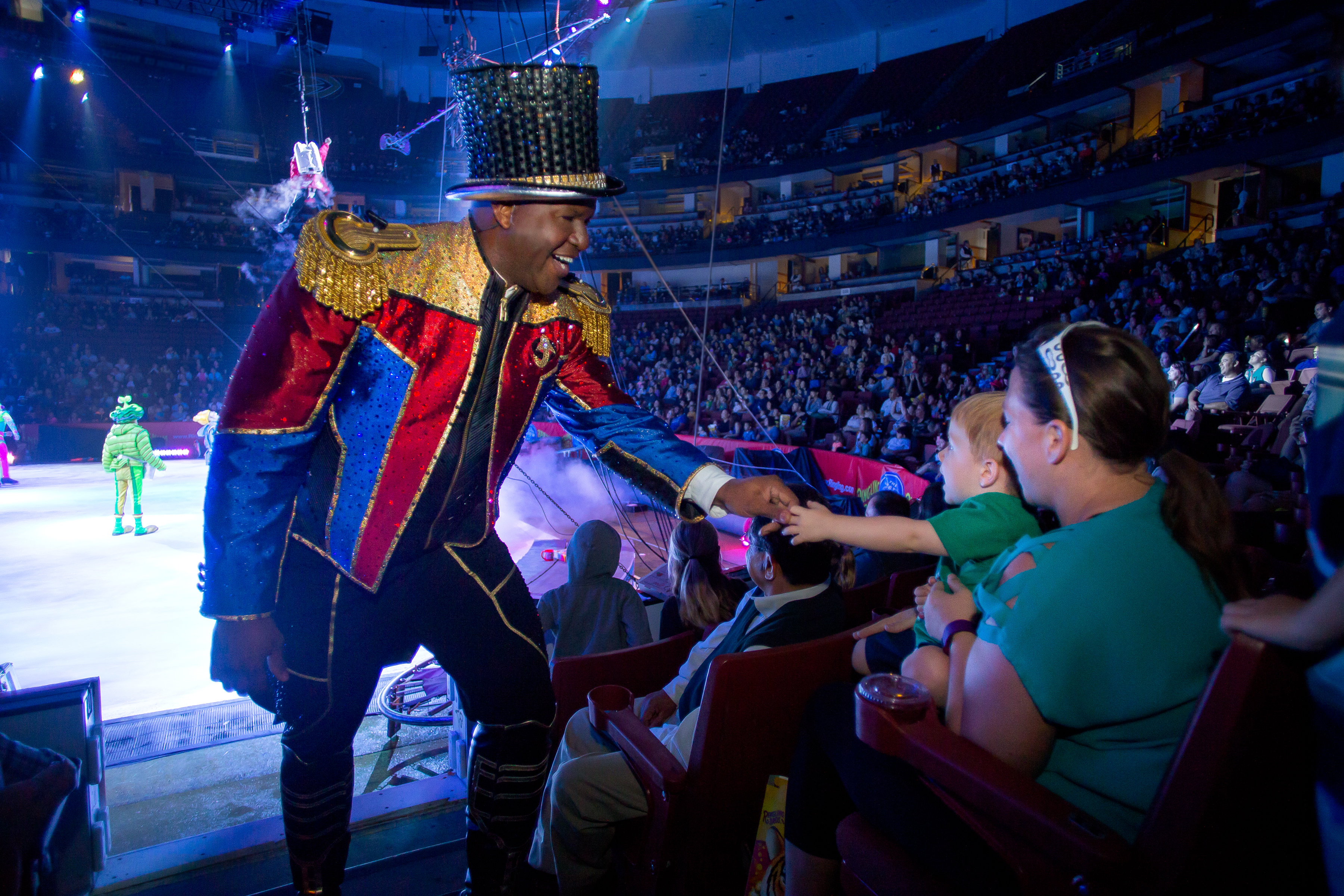
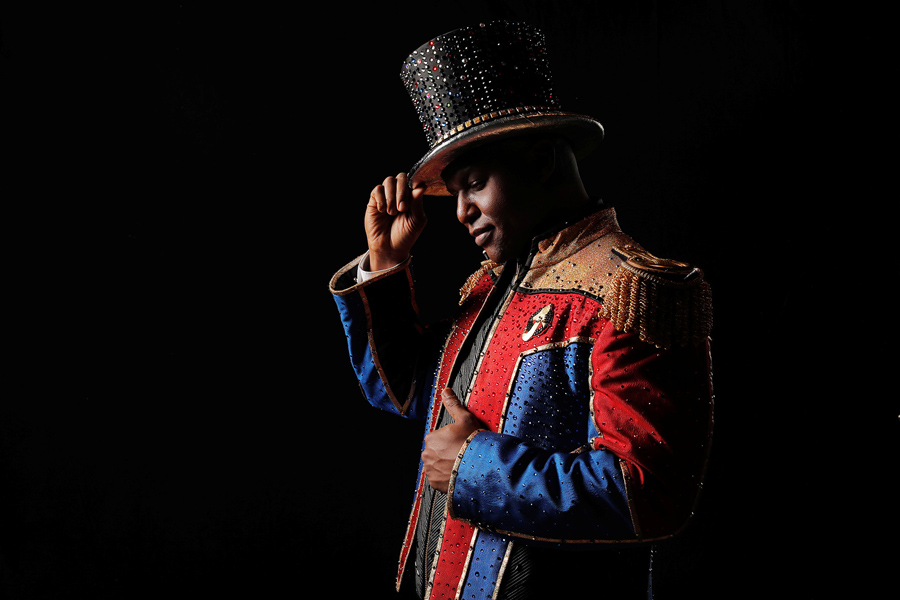
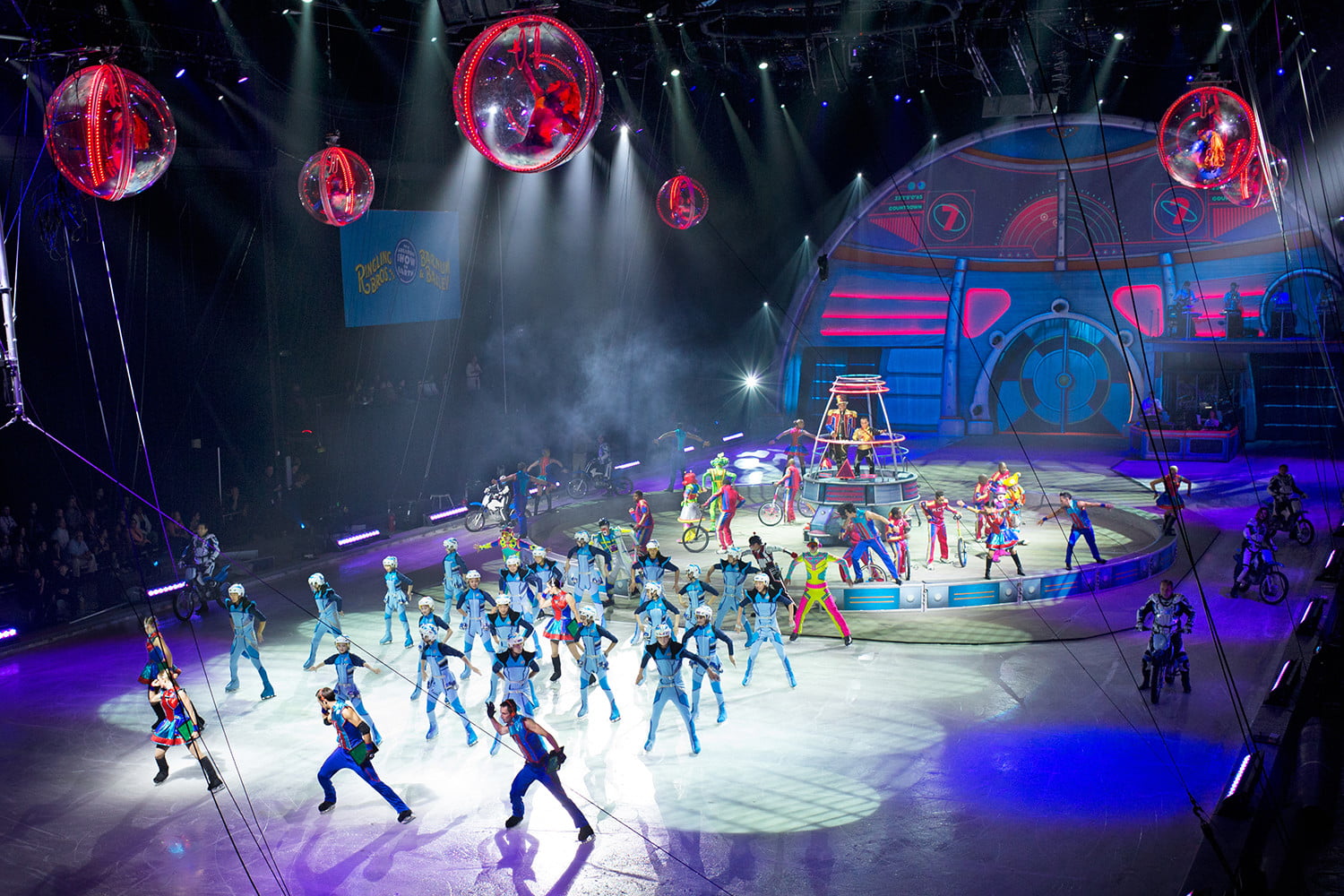 Two years ago, RBBBC saw its final performance in Uniondale, NY (NYC area). This was the last time long-standing ringmaster Jonathan Lee Iverson would say goodbye to the audiences that clapped, cheered, and applauded the experience of being mesmerized by the spectacle of the circus. After nearly 150 years, it was difficult for the cast, crew, and American people to fully comprehend that this was the last time RBBBC’s iconic train would pull into the station to bring the circus to the eager audience. After pioneering the very concept of touring live entertainment, the circus finally came to a close, and with it, the end of an American icon. This documentary, that has been more than two years in the making, provides audiences with an up close and personal look at the timeless magic of the circus through intimate interviews with cast and crew, footage of the final performance, and archival photographs and video.
 Documentaries are challenged to make a strong emotional connection with the audience; otherwise, they may fall into talking head or Wikipedia territory. This emotional connection is often accomplished through the use of subtext, a compelling score, artfully crafted images, and a script. A script? Precisely. Perhaps you are under the impression that a documentary is written in post-production, but that is not entirely true. A significant amount of work goes into producing a documentary that will evoke emotion and empathy at will, months or years before the camera shoots the first footage. Much of this work is accomplished through the effective use of a script (or strong outline). The script serves as the map between the idea or origin of the documentary and the destination. I say map because just like a roadmap (even GPS ones), there are opportunities to take an unexpected exit or explore a tourist stop that was not foreseen when the route was first plotted. Unlike the track on the Tomorrowland Speedway, you can veer off course in the event that something catches your eye. Spending a substantive amount of time in the pre-production stage of a doc also allows the director (or producer) to decide what kind of documentary the story should be. There are six types of documentaries: poetic, expository, observational, participatory, reflexive, and performative.
- Poetic: Focus on experiences, images, and showing the audience the world through a different set of eyes. The ultimate goal is to create a feeling rather than truth.
- Expository: Closest to what most people consider “documentaries.” These aim to inform and/or persuade — often through omnipresent “Voice of God” narration over footage.
- Observational: Also known as cinema verite (veritas, Greek for truth), these aim to simply observe the world around them. The style attempts to give voice to all sides of an issue by giving audiences first hand access to some of the subject’s most important (and often private) moments.
- Participatory: While having elements of Observational and Expository, include the filmmaker within the narrative. The filmmaker directly influences the major actions of the narrative.
- Reflexive: Often include the filmmaker within the film; however, unlike Participatory, they make no attempts to explore an outside subject.
- Performative: An experimental combination of styles used to stress subject experience and share an emotional response to the world. Often called the “Michael Moore” style of doc.
Before you begin to think that this article is all about how to make a documentary–don’t worry–but being familiar with the different style of docs will help to understand my critique of The Final Farewell. At the end of the day, this documentary is highly informative, containing some fantastic footage and interviews. Unfortunately, it lacks direction. The doc framing devices oscillate between a focus on the final show and the rich history of the RBBBC. Individually, both of these approaches to the doc work well; but switching between the two, takes away from the full emotional potential. There are times that it is highly expository but then it switches mid-act to observational and even becomes performative at times. It’s important for a documentary to select one type of doc style, and stick to it, otherwise the audience may lose focus and thus mitigates the desired emotional response from the audience. For those whom worked on or with the circus, there is certainly a nostalgic magic at play in this doc, but I think that some of the magic is lost on those whom did not have a personal connection to the greatest show. Had the documentary chosen to focus on the final show and the issues that led to the hard decision to close the circus after 146 years or chosen to focus on the history and evolution of the circus from its earliest days with P.T. Barnum to the Feld Family, by taking the audience on a journey that ended with the final performance, then I feel that there would have been a stronger emotional connection between the doc and the general audience. Whereas most of the interviews are framed in a traditional manner, there are a handful of recurring interviews wherein the interviewee looks directly at the camera. Any first year film student will tell you that this is never how a documentary interview should be shot unless chosen for artistic reasons that advance the plot. All that said, there are quite a few elements that work very well. There is a powerful documentary in there somewhere, but the lack of direction keeps it from reaching its full potential.
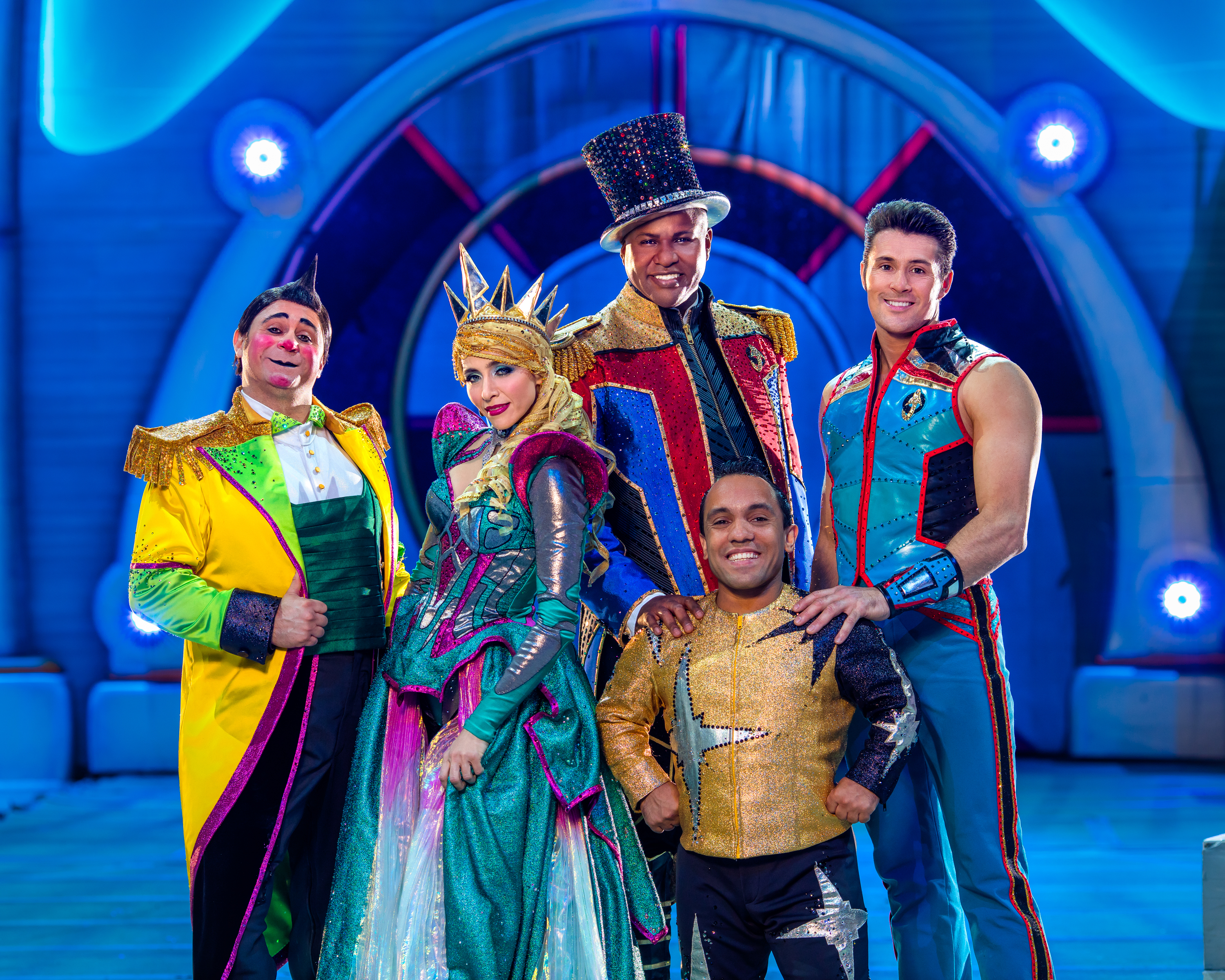 If there is one message that The Final Farewell drives home–and effectively so–is the very real community that existed between the cast (both people and animals) and crew while on and off the tracks. As familiar with the circus as I am, I had no idea that entire families traveled together, that there were schools and even a daycare on board the train. Furthermore, there was a commissary, barber/salon, restaurant and more. All that was missing was a post office. Unlike other traveling shows, including Feld Entertainment’s Disney on Ice, Sesame Street Live, and upcoming Jurassic World Live Tour, these performers went home every night as opposed to staying in hotel after hotel. Crazy, right?!? I found it utterly fascinating. Never thought of the RBBBC families literally having the train be their home for most of the year. For kids who grew up in the circus, this is the only home they ever knew. So, having your only home taken away from you, must have been devastating if not traumatizing. THAT is a story that I would have loved to have heard. It’s this very sense of community that the general audience can empathize with because none of us want to think of our livelihoods, let alone, homes being taken away from us. RBBBC was truly a world in and of itself. Not only was it the greatest show on earth, it was also the greatest home and career that these performers ever knew or perhaps will ever know. According to the many interviews, the feeling of community was strong. To be in Ringling Bros. was considered to be the apex of a career in the performing circus arts. And it is clear that everyone associated with this American institution will miss it.
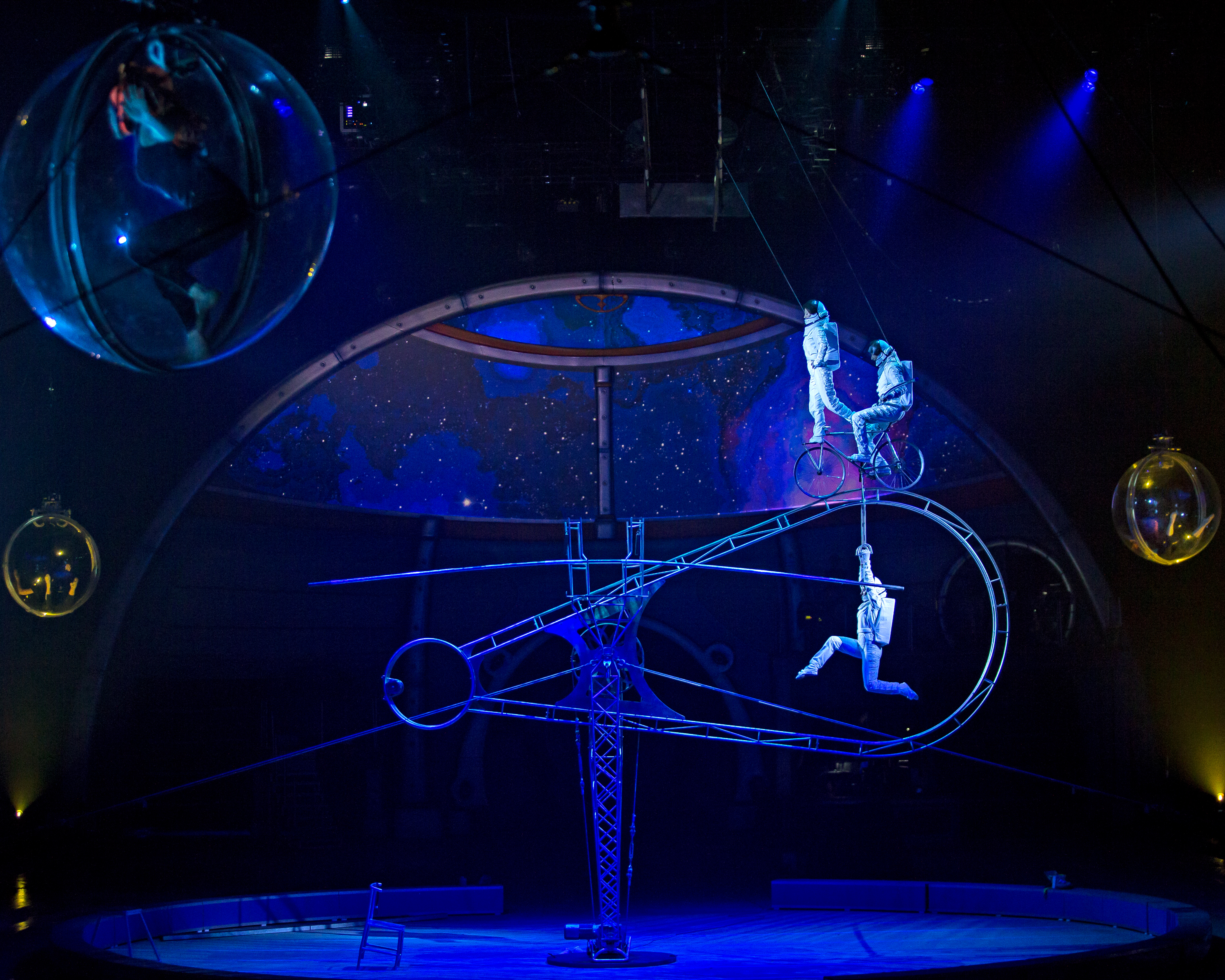 Although there are dozens of acts in the circus, The Final Farewell focusses on Ringmaster Iverson, big cat trainers, dog trainers, motorbike acrobats, trapeze artists, Paolo, and the iconic clowns. The active embrace of diversity was a constant theme through the interviews. From Iverson winning the role of Ringmaster to became the first African-American to hold the coveted spot in 1998 to the attachment of acts from around the globe to highlight different talents, cultures, and people in ways that were positive, uplifting, and impactful, diversity ran strong. Not mentioned in this doc, RBBBC also broke the glass ceiling when the first female Ringmaster was cast for Circus Extreme (co-running at the same time as Out of this World). So many wonderful opportunities were created for a wide range of talented performers and technicians. Lots of firsts associated with the circus. It is clear from the interviews that everyone absolutely loved working for the circus. And that enthusiasm can be felt at times through the doc. In addition to the interviews, there are dozens of minutes of footage of the spectacular performances, dazzling costumes, and the smiling faces of the audience at the arena. But the footage and interviews are not contained to the show itself, there are many moments that take you to Feld Entertainment Studios to meet the costume and set designers that craft the show experience that the performers bring to life.
One of the items of interest conspicuously missing from the documentary, is any time spent exploring why RBBBC closed. The only reference to one of the reasons for the closure is a comment from Iverson asking the audience if the circus is antiquated. And of course, there is a resounding NO from the audience. A well-written documentary should address any elephants in the room. It’s no secret that RBBBC came under increasing scrutiny from PETA and other animal rights groups in recent years, and that the constant propaganda and petitions had an affect on the audience numbers. In terms of the animal treatment, whereas the earliest versions of the circus in the days of P.T. Barnum did not place extreme pride in animal care, RBBBC took great care in providing a rich and full life for the animal performers. Each and every animal was treated like royalty by their trainers, handlers, and owners. But I feel it was a missed opportunity for this documentary to address the issue of the animals (most prominently the elephants) and how outside forces did have an impact on the audience numbers. It would have been a great opportunity to tell this side of the story that the headlines so often neglected.
Prepare yourself for a documentary that is larger than life as you peek inside the final performance of Ringling Bros. and Barnum & Bailey! If you have been a fan of the circus from the time you were a kit to an adult, then you will find so much to like in this doc-film. I don’t foresee any Emmys for this doc next award season, but it’s still a fascinating exploration of the town without a zip code, the greatest show on earth.
You can catch Ryan most weeks at Studio Movie Grill Tampa, so if you’re in the area, let him know and you can join him at the cinema.
Ryan teaches screenwriting at the University of Tampa. If you like this article, check out the others and FOLLOW this blog! Interested in Ryan making a guest appearance on your podcast or contributing to your website? Send him a DM on Twitter!
Follow him!
Twitter: RLTerry1
Instagram: RL_Terry