CIVIL WAR (2024) film review

A gripping, thought-provoking motion picture about the power and cost of capturing the human experience in a single frame during war. While it would be easy to describe Alex Garland’s Civil War as a thoughtful, if not painful, graphic warning of what happens when society is completely deconstructed and humanity is lost, this film is actually about the power of storytelling through a single frame. Specifically, the state of what remains of humanity and the cost thereof amidst war. Not for the faint of heart, this film takes you only where imbedded journalists have been during a war, complete with all the death and destruction. The film reminds us of the human cost on the battlefield, in the neighborhood, and those that are capturing the images that will tell the story of societies darkest days.

In a dystopian future America, a team of military-embedded journalists races against time to reach Washington, D.C., before rebel factions descend upon the White House.

A picture is worth a thousand words, or so we hold true, but a picture can come at great cost, particularly during wartimes. Instead of focussing on the backstory or who is fighting for whom and for what principles, Garland uses the apparatus of a dystopian warn-torn United States to explore the human dimension and cost of a polarizing, grizzly domestic war. And he does this through a group of imbedded journalists played by Kirsten Dunst, Wagner Maura, Cailee Spaney, and Stephen McKinley Henderson. Together, they face certain death as they strive to cover the war and reach the President for a one-on-one interview.

We aren’t given enough information about the reason for the Western Front (California+Texas) and Florida Alliance secession from the rest of the country, but that’s because Garland wants us to focus on a different story, the human story told through the power of a single frame and the lives that bring these photos before our eyes. Perhaps you’ve never thought of how these photos get from the battlefield to online and traditional magazines and newspapers, but you’ll think twice the next time you are viewing photographs from current or past wars.

But it isn’t simply a motion picture depicting the difficulties in working as a wartime imbedded journalist–that is incidental–this is a picture of the human lives on the battlefield and the places seemingly removed from the atrocities of war. We seldom think of all the different human reactions to war, and this film brings us face to face with those that are fighting for their respective causes, those documenting the various campaigns, and those that go about their daily lives as though the country isn’t ripping apart at the seems a few hundred miles away. Garland doesn’t offer any particular slant, neither does he steer the audience in agreement or disagreement with any faction involved in the war; rather, he crafts a mosaic, if you will, of a collection of metaphoric still images that capture each type of reaction to the war.

I often talk about the emotive difference between film and digital in my classes, and this film is a great example of that argument. It’s the argument that film is superior to digital because with film, there is a tangible relationship between the filmmaker and the film stock, and by extension, a relationship is developed between the editor and film stock. We particularly witness this relationship in Civil War between Jessie (Spaney) and her classic Nikon SLR (film) camera. Whether as depicted in this movie or in real life, there is far more value placed on and discernment in using film to capture people and events, because the photographer/filmmaker is limited to the number on frames on each roll/reel. Therefore, the photos won’t be of just anything, the artist is only going to take a photo that has meaning. Granted, the keeper may still be 1/30, but each was taken with explicit intent, creating immense value in each still frame.

Even after the shutter has opened and closed, imprinting the image on the 35mm frame, the relationship continues through the development process because the developer sends the film through a chemical process that reveals the full spectrum of light–something tangible, that the developed can see, touch, and feel. Digital cannot capture the full spectrum of light the way film can: one is a replicated process that actually cuts off the whitest of whites and blackest of blacks, whilst the other is a chemical process that captures the full range and spectrum of light as imprinted on the film cell. Film photography (or cinematography) creates an emotive dimension between the artist and image, there is a tangible relationship, so everything is done with immense care, consideration, and discernment.

Why is any of this important in discussing Alex Garland’s Civil War? Because to gain the full appreciation of the story he is telling, it is imperative that we understand the relationship between the photojournalist and tragic, devastating events in which they are working to capture the human dimension behind the atrocities of war. Neither Jessie nor Lee (Dunst) will take photos of just anything, every move is thoughtful, the people and events being captured by their respective cameras carry meaning, they carry the human story. That story is made up of those fighting for the Western Front, Florida Alliance (which we don’t see in the movie), or what’s left of the (former) United States’ armed forces.

Beyond what emerges as the main story, Garland’s film does contain a graphic warning of a possible future in which the United States becomes embroiled in domestic warfare (civil war) due to whatever the reasons were that lead to the secession by California, Texas, and Florida (the three most populous states, by the way). It’s to the film’s credit that Garland does leave the backstory vague, as it’s less important what led to this point, but rather the importance is found in the reactions to the war. Both sides of this war are being fought by those that believe they are right, and will fight for the principles in which they believe. The problem isn’t simply the divergence of opinion and belief as it is in the complete disregard or sacrifice of humanity in exchange for a manmade or arbitrary identity.

This is witnessed in an exchange between our journalists and a group of paramilitary civilians, led by Jesse Plemons). Our journalists state they are American journalists, and Plemons’ character reacts by demanding to know what kind of American. This represents those that discriminate or hold prejudice against those that don’t look or sound like they are originally from the United States. In his mind, being from the United States looks and sounds like a particular type, and if one does not fit into that type, then they are not welcomed and ultimately expendable.

Other reactions to the war are also witnessed by our journalists. Such as the lack of reaction to that which is tearing the country to shreds. On their way from New York City to Washington, D.C., our central characters stop in a West Virginia town that is seemingly removed from the war. When the citizens of this town are asked how can they behave as though a few hundred miles away that the very foundations of the country are being shattered, the town reacts in apathy to the war. They are certainly knowledgeable that there is a war, but they choose to stay out of it. Just as the front lines are a reaction to war, this too is a reaction that bares consideration. Garland leaves it up to each audience member where they fall along the full spectrum of the human dimension in war.

In addition to the writing, directing, and technical achievement demonstrated in the film, the performative dimension is outstanding. The genuine reactions to and emotions on display are dripping with authenticity. You will feel what these actors’ characters are feeling throughout the movie. And not just the gut-wrenching parts, the strategically placed moments of humor will stir your soul as well.

Garland crafts a motion picture that serves as cautionary tale of what happens when we stop thinking about one another as unique individuals, as children of God, and instead treat those that are different in some way as a threat to our very existence. What happens when we care more about someone’s identity (with whatever the ideal or principle) than we do about them as a person. There is a time to defend that in which one believes or when one’s life is in danger, but left unchecked, that defense can turn into an offense due to primal fears, anxieties, obsession, and selfishness. Perhaps this film will serve as a reminder of what can happen when we stop treating one another with respect as fellow humans (as fellow Americans) and instead merely treat one another as threats to our very existence. Treatment with respect and dignity does not equate to endorsement or agreement, but it does leave an opportunity to change open. We’ve seen throughout history that there is sometimes a cause for war, but it should always be the last resort.

Often times, I am negatively critical of the writing in the film’s A24 produces or distributes, because I find many of these films are poorly written; however, this film demonstrates the power of acknowledging storytelling/screenwriting conventions and guidelines. Why? Because they work! At first I was wondering why with such a fantastically written screenplay was the realization missing at the end. Then I realized that it is there in character, plot, and in myself. You’ll just have to watch the film to fully understand that which I am attempting to describe without giving away any spoilers.

Garland’s Civil War is unlike anything I expected. I expected a movie dripping with overt socio-political ideology and commentary, but what I got was an incredibly thoughtful motion picture about the human dimension of war, particularly a domestic war between the states. Garland does not hold back on the violence, so those with PTSD from war or uncomfortable with violent movies should be cautioned before watching this film.
Ryan teaches Film Studies and Screenwriting at the University of Tampa and is a member of the Critics Association of Central Florida and Indie Film Critics of America. If you like this article, check out the others and FOLLOW this blog! Interested in Ryan making a guest appearance on your podcast or contributing to your website? Send him a DM on Twitter. If you’re ever in Tampa or Orlando, feel free to catch a movie with him.

Follow him on Twitter: RLTerry1 and LetterBoxd: RLTerry

UNCHARTED action-adventure movie review

The Goonies meets Raiders of the Lost Ark in the moderately entertaining movie adaptation of the hit Uncharted video game series. Of course, therein lies a tonal problem: the movie is never quite sure what tone it wants to strike. Tom Holland and Mark Wahlberg star in the Ruben Fleischer helmed high-flying action-adventure movie that hopes you haven’t played or know much about the video game. Fortunately for me, I wouldn’t even know the cover art of the game, let alone anything about it other than the title. And that is probably why I enjoyed it as much as I did–but that isn’t saying much. #FilmTwitter was up in arms about the boyish Holland playing the grizzled Nathan Drake when the casting was announced. And while I cannot comment on his particular interpretation of the main character from the video game, I can comment on an inability to buy him as the character, as written, for the movie. It’s indicative of the trend of endowing teens and young adult actors (and by extension, characters) with the same qualities and experiences that come with age and experience. I’ll give him this, he is a charismatic actor. The slapdash storytelling comes across as a movie that feels more like a curation of cut-scenes from a video game, a problem that plagues most video game movie adaptations.

Nathan Drake and his wisecracking partner Victor “Sully” Sullivan embark on a dangerous quest to find the greatest treasure never found while also tracking clues that may lead to Nate’s long-lost brother.

What ultimately keeps this movie afloat is the witty, quippy dialogue, completely devoid of any subtext, but will elicit periodic laughter throughout the movie. While I know next to nothing about the video game, I did learn from a fan of the video game that there is a major element from the game that is completely absent from the movie. I won’t mention what that is in order to avoid spoilers. Be sure to wait around for the mid and post credit scenes that setup a sequel. If you do plan to see it, you’ll definitely want to watch it in the biggest premium format in your area. Many of the scenes, especially in the third act, deliver immense size and scope that are best appreciated and experiences on the biggest screen possible.

While I am unsure of the plot of the video game, the movie sets up an emotionally-driven subplot of the Nathan’s search for his long-lost (or gone) brother. But, it never feels that is plays any significant role in the main action plot. In fact, you can remove the whole search for his brother and the movie plays out the same. This is a movie that could have been a nice hybrid between The Goonies and Raiders of the Lost Ark, but it tries to be both of them instead of finding its own expression. Perhaps this is yet another example of how most video game adaptations simply don’t translate to the screen well, because the interactive element is missing.

At the end of the day, it’s a decent popcorn flick to experience in IMAX that is a perfectly fine way to pass the time on an afternoon.

Ryan teaches Film Studies and Digital Citizenship at the University of Tampa. If you like this article, check out the others and FOLLOW this blog! Interested in Ryan making a guest appearance on your podcast or contributing to your website? Send him a DM on Twitter or email him at RLTerry1@gmail.com! If you’re ever in Tampa or Orlando, feel free to catch a movie with him.

Follow him on Twitter: RLTerry1

Innovative New Interactive “Harry Potter” Dark Ride Coming to Universal Orlando?

WWHP_LogoRecently, there have been rumors floating around regarding a possible new addition to Universal Orlando’s Islands of Adventure. Between the recent acquisition of the film rights to the Harry Potter franchise and the the newly uncovered patent, these evidences provide support that assists in substantiating these rumors; however, there has yet to be a formal announcement. This possible new addition brings up some issues to consider. Already, there are park regulars who are not welcoming this decision. Why not? Because Universal would tear down the Dragon Challenge (formerly Dueling Dragons) roller coaster in Hogsmeade and replace it with an interactive dark ride that would enable park guests to test out their technique and spells. Think Toy Story Midway Mania but perfected and with an increased experiential factor. Even before this rumor, Universal is increasingly being thought of as a theme park overrun with 3D screen attractions. Anecdotally, this is an accurate observation since the most recent additions to the park are all on similar ride platforms (just with different thumbing). One of the elements that I have researched is the requirement that the park guest experience physical movement and be emerged into a psychical atmosphere that transports the guest from the real world into a world of fantasy, adventure, or horror. Although this new ride sounds impressive and innovative, it bears a striking resemblance to many of the attractions that already exist. While no one would really complain about an indoor attraction, as Florida is notoriously hot and humid more than half the year, the concept of a ride moving in front of 3D screens does not appear to be eliciting the response that was intended.

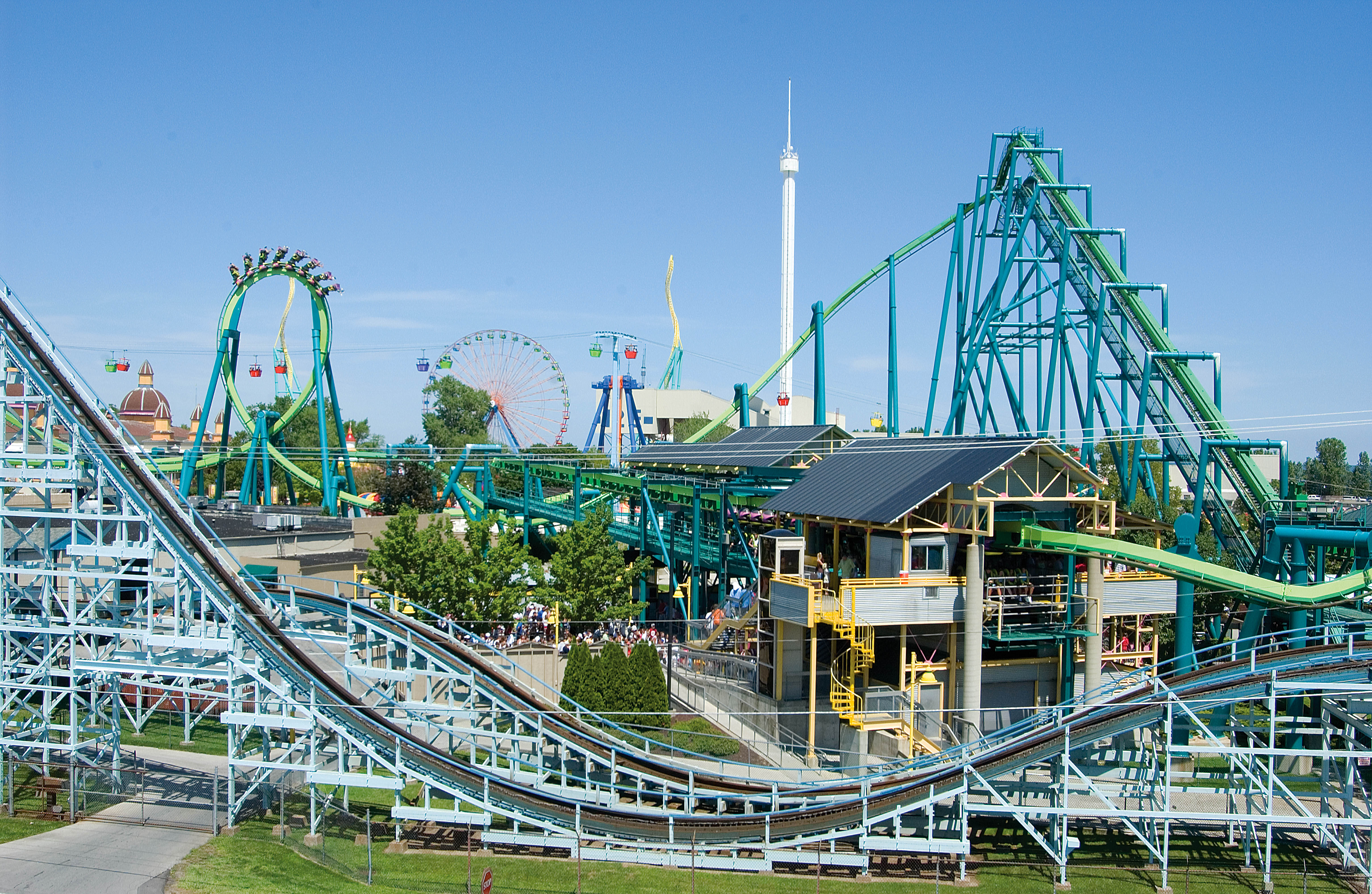
CedarPointOne of the primary elements that separates a theme park from an amusement park is the concept of continuous storytelling complete with proprietary theming. While amusement parks build more rollercoasters and other visceral thrill rides, theme parks create thrilling atmospheres and experiences. It’s a fine line. Take Cedar Point v. Walt Disney World for instance (while ignoring the former’s seasonal operation). Both parks offer amusement, thrill, and entertainment; yet, they are both vastly different experiences. Remember in geometry: while both are polygons, every square is a rectangle but not every rectangle is a square? That principle applies to this analogy as well with WDW being the square and Cedar Point being the rectangle. What makes the difference? Intellectual property, theming, and story. If one were to total up the number of roller coasters or traditional thrill rides at both Cedar Point and WDW respectively, obviously Cedar Point’s numbers would dwarf WDW’s. That’s because the focus of the park experience is different at both places. The focus of Cedar Point is on the thrill while the focus at WDW is the experience (or immersion). The former does not adhere to any cohearant or continuous theming while the latter has built a vast empire on theming and story. A similar argument can be made with cinema. Literary and cinema researchers Linda Williams and Geoff King both write about narrative vs spectacle. Amusement Parks like Cedar Point are almost entirely focussed on the spectacle of the park experience while WDW concerns itself more with the narrative of the experience (although, WDW does strike a balance between the two). Much like WDW, Universal Orlando Resort (and Universal Studios Hollywood) seek to create a thrilling atmosphere complete with rides, shows, and a high caliber experiential factor. Whether it’s the story OF the movies or about the stories told by cinema, Disney and Universal Parks transport the park guest from reality into fantasy.

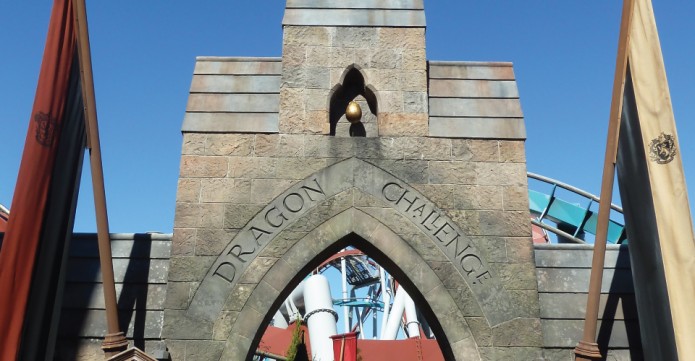
Dragon-Challenge-695x361So, what does all that have to do with this possible (but likely) new Harry Potter dark ride at Universal’s Islands of Adventure (IOA)? A lot, actually. The controversy or concerns seem to stem from Universal’s trend away from physical to virtual environments. Not that 3D/virtual environments aren’t accompanied by the physical. For example, Escape from Gringotts pairs simulated elements with physical production design; however, there is a measurable trend to relying heavily upon 3D IMAX screens as opposed to tangible production design. A great example of this trend is the new King Kong attraction at IOA. The outside of the show building and the queue are impressive. It looks and feels just like you are a character in the movie–cool right? After you pass through the massive gates to Kong’s jungle, the attraction is 75-80% 3D screens. Likewise, the Transformers attraction at Universal Studios Florida/Hollywood is also comprised of mostly 3D screens.

DragonChallengeLosing a traditional roller coaster in exchange for another 3D dark ride could likely rub some park guests the wrong way. Although park guests of the Disney and Universal Parks are there for the experience, story, and incredible themed design, this does not negate the desire for more traditional amusement within these worlds of fantasy. Looking at the parks of Central/West Central Florida, it is clear that Busch Gardens has the largest number of roller coasters, and there are many park regulars, including myself, who go there for the traditional thrill rides. On a side note: I also find the methods Busch Gardens integrates the animal encounters and experiences outstanding–best of what a zoo and amusement park offers. Anyway. With Universal possibly removing a roller coaster that can cycle guests very quickly (due to the two tracks of Fire/Ice) and replacing it with a greatly mitigated cycling attraction like a 3D dark ride, it could prompt longer waits for a similar experience (Transformers v Spider-Man) that can be had at the other 3D attractions. Another forecasted closure in the near future is Revenge of the Mummy. Again, this is a popular traditional (indoor) high speed roller coaster that may be replaced by a 3D style attraction. Even though Universal and Disneyland has to work around issue of being land-locked when planning expansions and improvements whereas WDW has geographic room for expansions, is replacing traditional roller coasters with 3D dark rides the way to go?

I am totally excited for expansions to the Wizarding World of Harry Potter (WWHP) in light of the film rights acquisition and the new movies. I am even more excited to see additions made to the parks that I frequent the most! However, I don’t believe it best planning to sacrifice more traditional rides. The best solution would be to design an attraction that would provide a platform for gusts to test out their magical skills while experiencing the visceral thrill of a coaster type ride. As with all industries, theme parks too have to change with time and with the desires of those who buy the tickets. Theme parks are a business model usually owned by media conglomerates. If the addition of 3D attractions is what increases revenue, then that is the decision that is to be made. The business of filmmaking is also very similar in that respect. I hope that the possible new attraction is one that breaks the mold of the typical 3D screen moving ride and reaches new innovative design heights! We will just have to wait and see and we learn more about these upcoming changes.

“On Cinema and Theme Parks” (part 9)

My BookIn order for the creative teams at cinema-influenced theme parks to understand what the public is going to want months, sometimes years, ahead of time, they have to understand the past attractions, the present ones, and what to look for in the future. Over the years, the attractions at these parks have undergone many changes. And, with the way the trends are going, the “behind the scenes” and nostalgic movie-based attractions are going by way of the dodo, and glorified IMAX® simulator interactive multi-dimensional rides are taking their place. Some of the prominent attractions in the vein of “behind the scenes” and robotic movie or television show attractions were located at Disney’s Hollywood (MGM) Studios and Universal Studios (Florida and Hollywood). Although a few of the park-opener attractions are still around, most have been replaced by other attractions.

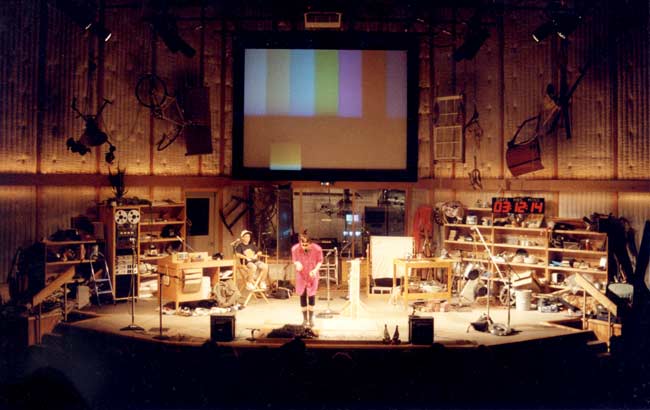
MSW_SoundstageOriginally Universal was an excellent theme park for learning about the magic behind the camera and the, mostly analog, technology that enabled directors to become magicians. There was a clear educational component to the theme park experience. And, to some extent, Disney’s Hollywood Studios was the same way. But, with the movie technology changing as rapidly as it is, some of the more nostalgic legacy attractions are going away. Many of the original Universal Studios attractions were about taking you behind the magic, revealing the secrets of movie and TV making. From 1990-1996 at Universal Studios Florida, there was a Murder, She Wrote: Mystery Theatre with sound stages that showed the audience about video editing and foley sound generation based on the hit series starring the incomparable Angela Lansbury. On the tour, the audience would get to watch scenes from the show, talk to industry professionals (played by actors), and volunteers would be used to interact with some of the equipment. But, probably, the most prolific and inspirational attractions about the magic of movies was the Alfred Hitchcock: Art of Making Movies attraction (1990-2002) and Bates Motel and House set from Psycho IV (1990-1998), both located at Universal Studios Florida. (I am actually going to write a separate article on this specific attraction after this series of excerpts is completed).

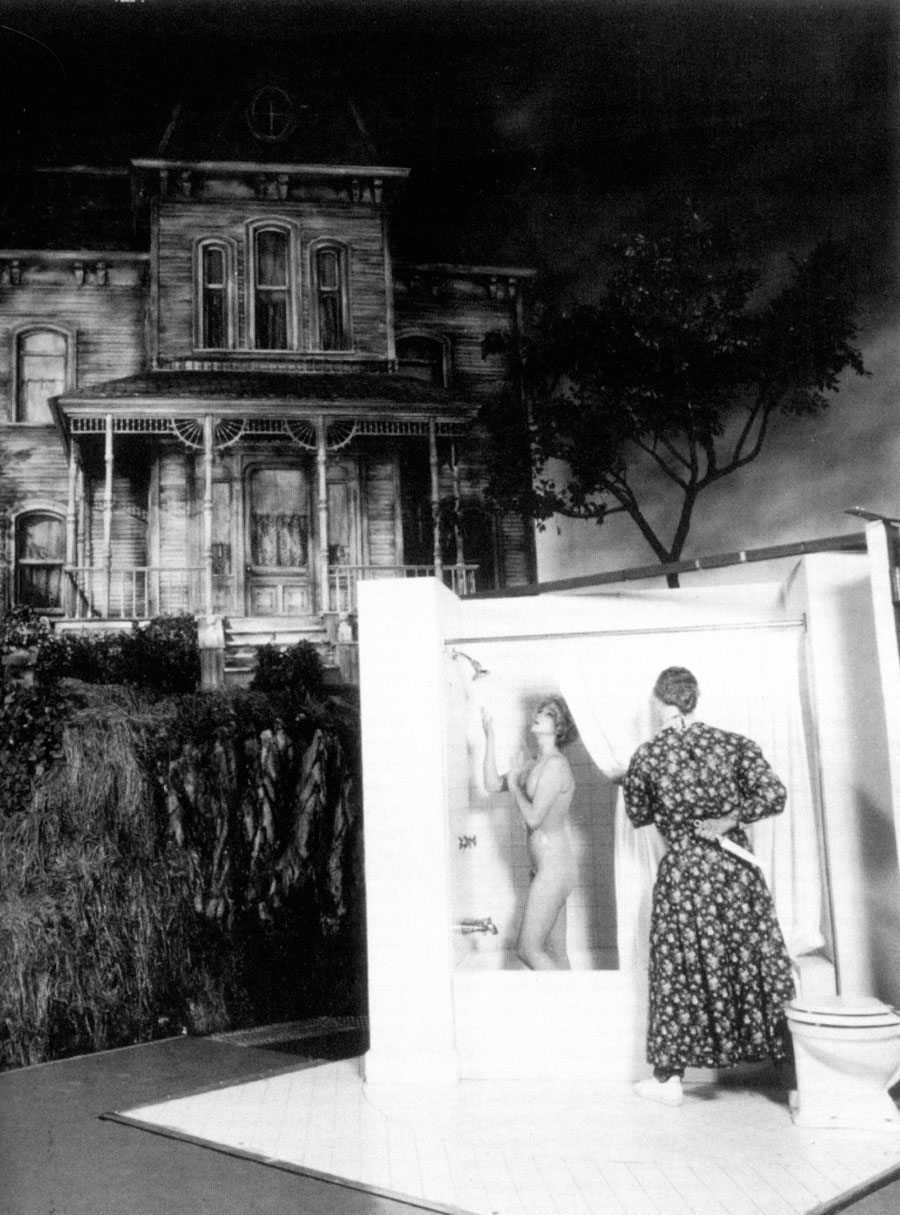
Psycho_SoundstageThis was a main attraction at the theme park until its dismantlement in 2002 to make way for the Shrek: 4D experience. From the aforementioned explanation by one of the producers of the attraction, the audience was completely immersed in the magic of bringing a Hitchcock thriller to life, and got to witness the most famous single scene in all of cinema history. This was all done with practical effects, just as Hitchcock would have done it. But, with the advent of computer-generated imagery and incredibly accurate and time efficient non-linear video editing, most of the effects can be generated in other ways. Although it remained one of the most popular attractions at the theme park until its closure, Universal saw the future of attractions and decided to do away with nostalgia and pave the way for digital simulated attractions (Singer, 2013). Doing away with cinema and television nostalgia wasn’t the sole prerogative of Universal. Although Disney World is famous for holding on to the nostalgia of the past, especially at Magic Kingdom (Singer, 2013), its parks, too, have learned to adopt new attractions for what they feel the guests want. On the (now closed) Studio Backlot Tour, guests would take a walking and tram tour through a special effects water show on the set of Pearl Harbor, featuring volunteers from the audience, and ride a tram through the production houses where props and costumes were made. Also on the tour was a special effects sequence in an oil refinery canyon that burst into flames and was also flooded. This put the guests in the middle of the movie-making action.

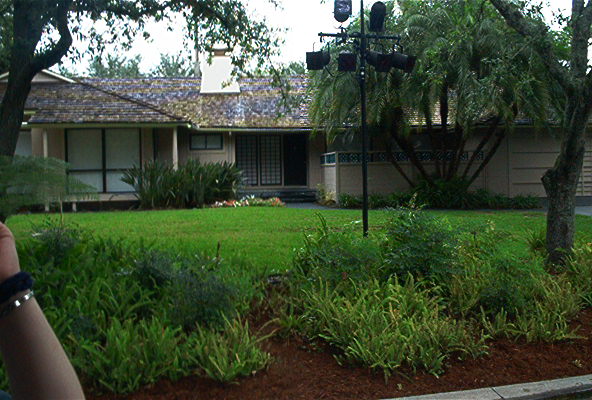
Disney_GG_HouseUntil 2003, there was a street called Residential Street on the tram tour. Here, park guests would come face-to-face with some of the most famous houses in Buena Vista/Touchstone Television shows. The most famous of the houses was the upper middle class home of the Golden Girls. The house was a replica of the North Saltaire Street house in the Los Angeles area that Disney used for the exterior shots during the first few seasons. From 1989-1992, Disney used the replica at then Disney-MGM Studios for shooting the exterior shots of the house. In 2003, the houses were torn down to make way for an epic car stunt show, featuring how car action sequences are filmed in the movies. Keeping with the over-all theme of the park, this was staying with the concept of learning about the magic of making movies. As of October 2014, the Studio Backlot Tour was closed (History of the Backlot Tour, 2014).

Find out what you missed by buying my book on AMAZON!

Return to the beginning of this series by clicking HERE.

“10 Cloverfield Lane” movie review

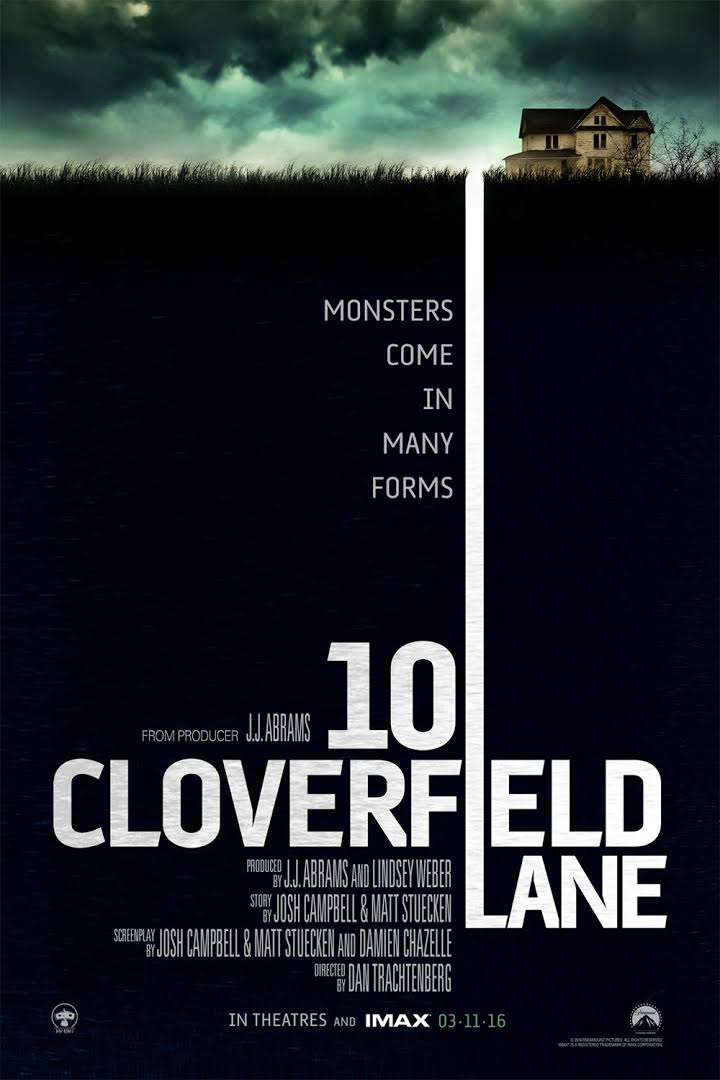
10CloverfieldExtremely suspenseful and enigmatic! Within minutes of the beginning of the movie, you will be sucked into the twisted and claustrophobic subterranean world at 10 Cloverfield Lane. Not directly connected to Cloverfield (2008), this film quite possibly takes us to a moment concurrent to or just before/after the events in New York City caught on the handicam. Director Dan Trachtenberg and Producer J.J. Abrams work together to shock the audience with a movie that will keep you guessing right up until the end. Brilliantly cast and written, 10 Cloverfield Lane is an excellent old-school feeling horror film that you have got to experience in IMAX. Just when you think you have it figured out, you will immediately begin to second guess yourself. Probably the most brilliant part of the film is the fact that three principle characters can keep your interest and attention the entire time without ever a feeling of boredom or annoyance. From the writing to the cinematography and visual effects, this film is sure to keep you on the tip of your toes.

Following a car accident, Michelle (Mary Elizabeth Winstead) wakes up with an IV in her arm and chained to a wall [wait, is this Saw?]. With no cell reception and no recollection of what happened, she begins to fear the worst. Upon meeting her capture Howard (John Goodman), she fears for her life. Not buying his story about saving her and keeping her from the hard during the fallout from the attack, Michelle attempts to escape. Failing to overcome Howard, she slowly begins to accept the worst. To her surprise, she is not the only one in Howard’s fallout shelter. Michelle meets Emmett (John Gallagher Jr). Thinking that Emmett’s injuries are from escaping, she learn that his broken arm is from fighting to get INTO Howard’s shelter. With this new revelation, Michelle begins to settle into life with Howard and Emmett. Still, something just isn’t right. From car noises to sunshine, Michelle has doubts of the alleged apocalypse and must solve the mysteries, puzzles, and covertly plan her escape.

One of the most intriguing elements of the movie is personally feeling the claustrophobia that the principle cast is experiencing in the movie. That is thanks to the excellent cinematography, production design, and lighting. That additional experiential element is not terribly common in films, even horror cinema. But it was very instrumental in generating the feeling of suspense, anticipation, and intrigue during the movie. Much like Super 8 and in the vein of other J.J. Abrams’ Bad Robot productions, the movie begins with a fantastic and blood curdling accident. Just like a rollercoaster, once that car accident hits the screen, the movie will take you up and down thrilling hills on a track that you will struggle to see 10 feet ahead. It’s difficult to talk about how the movie keeps you guessing and second guessing yourself without giving away a lot of what makes the movie thrilling. So, you will just have to take my word for it. Like with any good horror/suspense movie, it is necessary to include strategic comedic relief or lighthearted moments. And writers Drew Goddard, Daniel Casey, Matthew Stuecken, and Josh Campbell weave together a brilliant combination of terror and humor to keep the movie alive and dynamic.

John Goodman is absolutely brilliant in the film. Not that he has anything to prove. He is one of those actors who, with the slightest tweak of the face or shift of the eyes, can have you laughing one second and terrified the next. His ability to turn his character’s emotion on a dime makes him equally weird/quirky and frightening all at the same time throughout the story. Is he a weird old man who, in his own awkward and bizarre way, is keeping Michelle and Emmett from hard or his is a sadistic serial killer who forms inappropriate intimate bonds with his “guests”? That is for you to discover in the movie. Both Mary Elizabeth Winstead and John Gallagher Jr were perfect choices for their respective roles as well. Winstead brings that independent spirit and look to the character of Michelle and Gallagher provides the audience with a country boy charm. The ability for an actor to capture the emotion of extreme terror and sell it as a legitimate, believable emotion is tough. Selling that acute and powerful emotion can make or break a horror film–if the director’s intent is to make the story as real as possible and not a parody or satire of itself.

You may be wondering how this film is even loosely connected to 2008’s Cloverfield. And that connection isn’t really made until the end of the third act of the movie. Unfortunately, I cannot go into too much detail without giving away the climactic and over-the-top ending, but I can say that it does a great job of being connected just enough that it can essentially stand on its own but when you think of how it is or could be connected to Cloverfield, then the movie becomes all the more intriguing. Interestingly, the manner in which this installment in the Cloverfield universe was directed and produced, it definitely could begin a franchise with movies that are never directly connected to the previous film or even Super 8, but are taking place at or near the same time, each with it’s own respective story.

It isn’t often that I watch movies that are best seen in IMAX, but this is definitely one that is best appreciated and experienced in IMAX; however, if you want to take the old-school feel of the movie to a who other level, then you may want to consider watching the movie at a local drive-in. However you choose to watch the film, you are going to definitely enjoy the adventure.