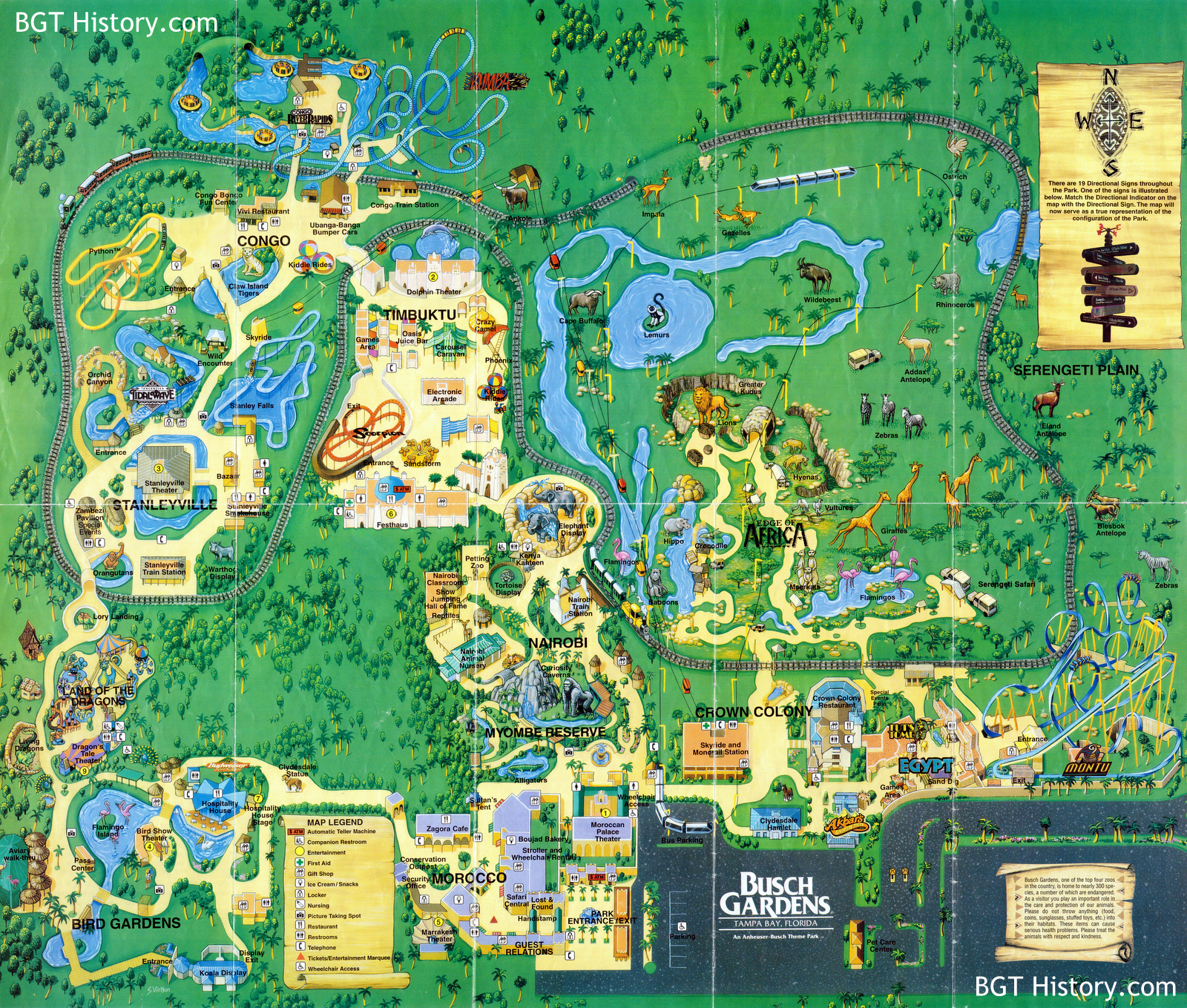
 March 2019 marks Busch Gardens Tampa Bay’s 60th anniversary! Opening on March 31, 1959 as a free-admission destination with a tour of the Anheuser-Busch brewery, tropical gardens, and a bird show, this one-time tourist stop offering free beer has become a world-class theme park known for its figure skating and animal shows, train safari, but mostly its exhilarating roller coasters, some of which are regularly ranked amongst the best in the world. Predating the opening of nearby Walt Disney World by more than a decade, Busch Gardens Tampa Bay has undergone name, identity, and leadership changes over the decades to become the theme park that it is today. Surprisingly, there are remnants of the original Tampa Anheuser-Busch park in plain sight. But what is the Busch Gardens story? And just how did it go from a free-admission brewery offering free beer to the word-class destination that it is today? Time for a history lesson. Let’s grab a beer and hop in our time machine to explore the history of Busch Gardens Tampa Bay.
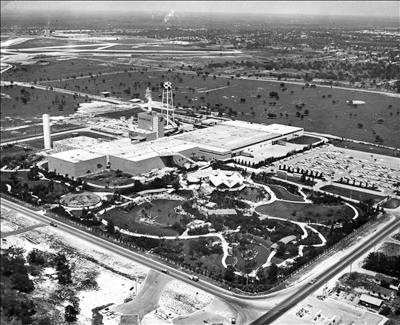
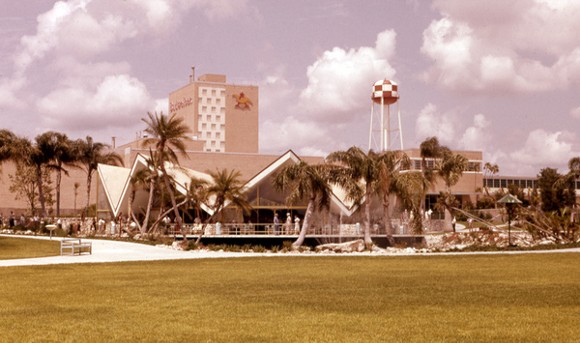
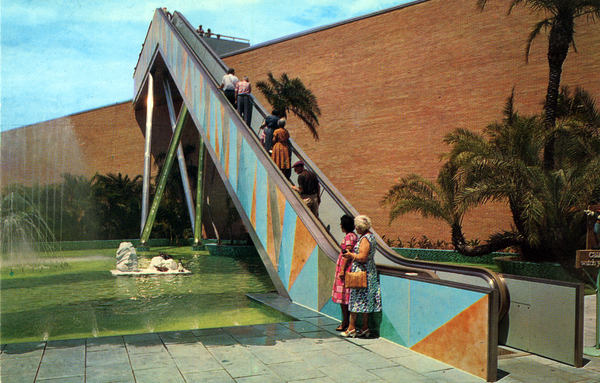 In 1959, roller coasters were not thought of, but there was certainly a foreshadowing of what was to come. With the opening of the brewery, the Anheuser-Busch property featured a facility tour, free beer, exotic garden, and aviary. In addition to the aforementioned, there was also a “kind of a ride,” As Jurassic Parks‘s John Hammond would put it. This then-attraction was known as the Stairway to the Stars. At 80ft long, it was the longest single escalator in the world at the time. Not seen as a ride per se at the time, looking back, it is clear that Busch Gardens was always concerned about the guest experience and providing more than just the beer it produced. You can liken what Anheuser-Busch was doing with the Tampa brewery to the Coors Brewery tour in Golden, CO (near Denver). Instead of mountains for the guests, the Busch Brewery provided a tropical environment in order to immerse the guests into the world of the Tampa brewery. Although the brewery is no longer in existence, the Hospitality House, where guests exited the tour, is still there! You know it as The Garden Gate Cafe where Guests 21+ can enjoy complementary beer. This hospitality business model would continue until a pivotal change in 1965.
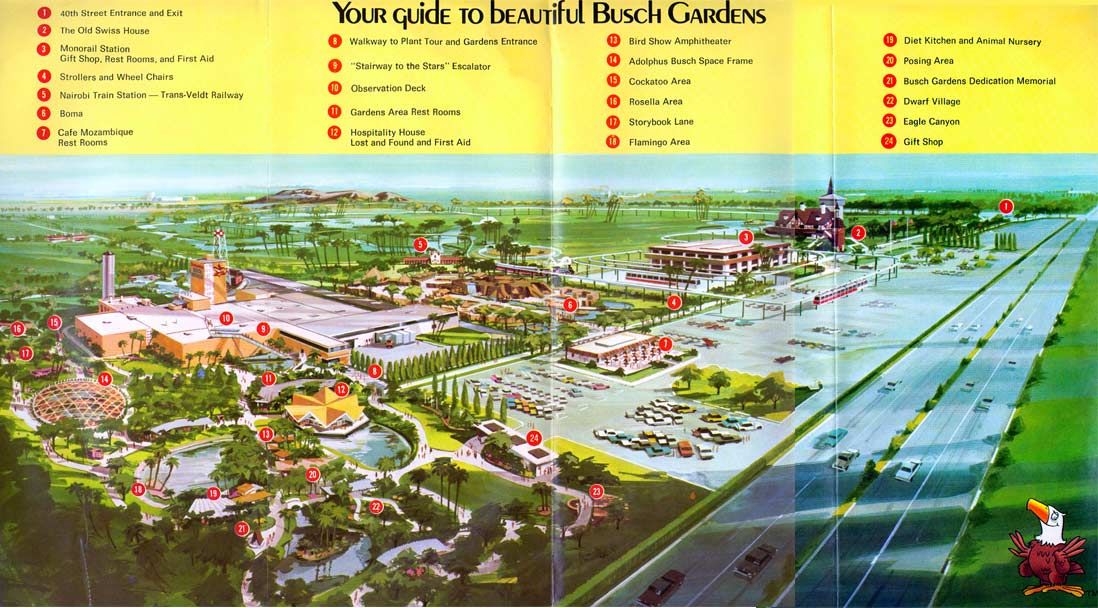
 What was to open in 1965 would completely alter the hospitality facility, and set it on the course to become the Busch Gardens we see today–and can still experience. What I am speaking of is the world-famous Serengeti Plain! But before the African animal habitat opened, the 1960s also brought about other changes that paved the way for the still-popular attraction. Now named the Serengeti Overlook Restaurant, the Old Swiss House opened in 1964. In the same vein as today, this restaurant offered a cafe on the main level and a full-service upscale dining restaurant on the upper floor. In fact, it was recognized as one of the finest dining experiences in Tampa. To this day, you can enjoy a quick service restaurant in the pub and an upscale buffet on the top floor.
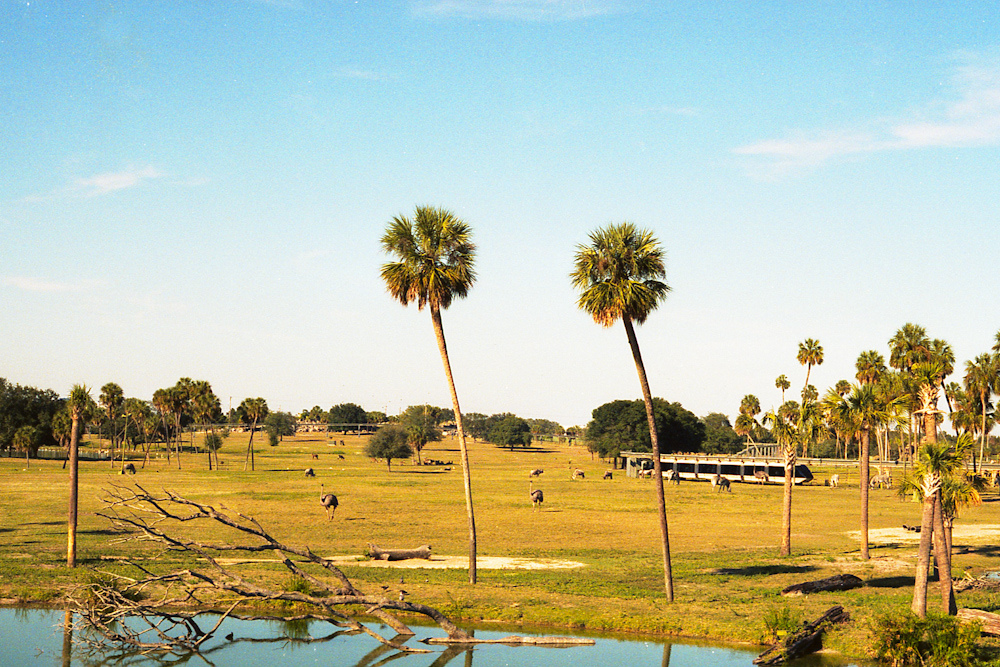 Years 1965-66 delivered guests attractions that began the transformation from a brewery to a theme park. In 1965 the Serengeti Plain, the first habitat of its kind, opened! Never before had an expansive animal habitat opened providing guests with the opportunity to observe exotic animals in their quasi natural environment. There was no Disney’s Animal Kingdom and Zoo Tampa was still evolving from a municipal animal park to a formal zoo. This unique offering began the transformation from elaborate brewery tour to zoological attraction! To provide guests with an up close and personal view of the African animals, it opened a monorail! That’s right, before Walt Disney World’s famous monorail opened in 1971, the Busch Gardens monorail was transporting guests through its highway in the sky five years prior. The monorail was not included in the brewery tour, but was a nominal $1.50 for adults and $0.75 for children. Think of Busch Gardens at this time as a state park that has a cheap admission with a la carte attraction offerings. The motto for the monorail tour and Serengeti Plain was “where people are caged and animals roam free.” During the 1960s, Busch Gardens was the No.1 tourist attraction in Florida!

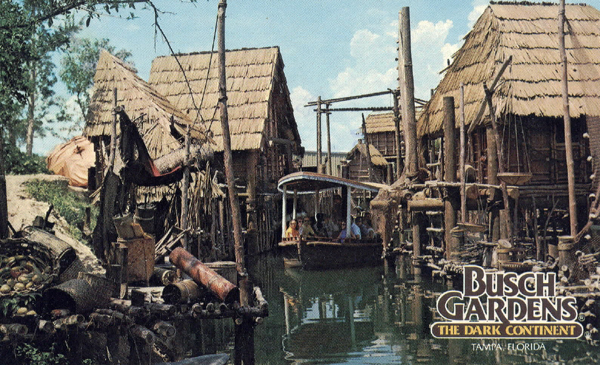 The 1970s would introduce major competition just east of the park. What could have possibly opened in the 1970s that would drive up the competition exponentially? You guessed it, the opening of Walt Disney World on October 1, 1971. The 1970s and into the 80s saw massive expansions to keep the guests coming to the park with Disney World being just an hour away. In addition to the monorail experience, Busch Gardens added the Trans-Veldt railway (now the Serengeti Express, and during Christmas Town the Sing-a-long Express) to transport guests around the perimeter of the Serengeti Plain. In addition to the iconic train, Busch Gardens added the Moroccan Village, featuring performers, vendors, and artisans, which now functions as the entryway into the park. Stanleyville was opened to provide a space for additional animal encounters, shows, and gardens. Still, Busch Gardens had no rollercoasters. It had the Stairway to the Stars, monorail, and train, but no thrill rides. That would change in 1976 with the introduction of Python! Python would be the first rollercoaster at Busch Gardens, and it included two inversions (corkscrews). Elsewhere in the park, Skyride, Stanley Falls log flume, and the African Queen boat ride (similar to Magic Kingdom’s Jungle Cruise) were opened.
 With all the African-centric animals, attractions, etc being added to the park, Busch Gardens began using the name Dark Continent, later changed to Busch Gardens Africa. During the 1970s, Busch Gardens Dark Continent changed from a free general admission plus a la carte pricing for all the attractions to a similar setup at Magic Kingdom in its early days. The general admission would be nominal and some offerings were included, but there were upgrades for many of the more elaborate attractions. What could have been a decade of setbacks, with the opening of WDW, was actually the most expansive in Busch Garden’s history! In order to support the growth of the theme park, Anheuser-Busch incorporated Busch Entertainment Corporation in 1979. Later that year, Busch Gardens Williamsburg opened, and the one-time brewer was now a theme park conglomerate.
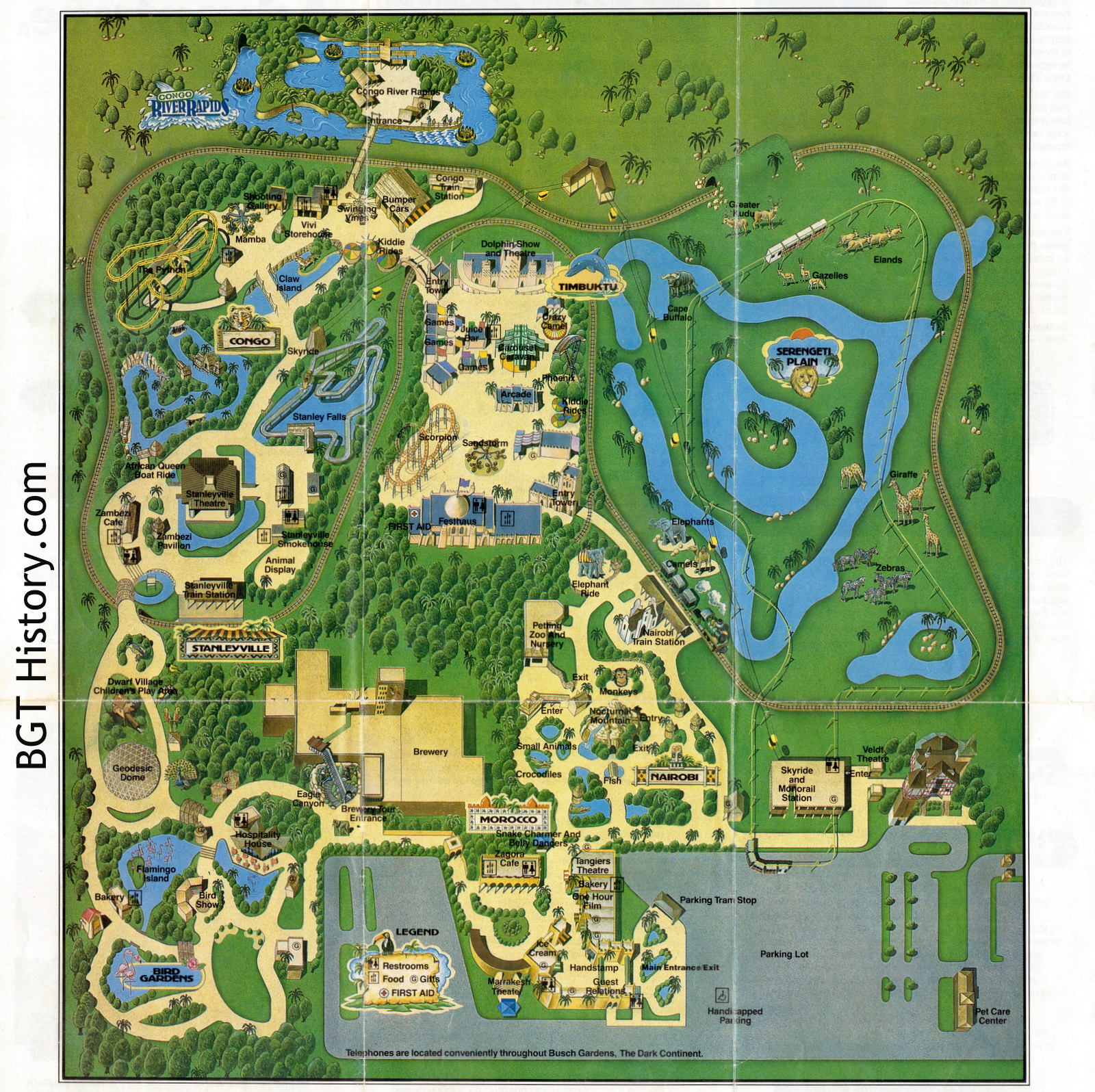
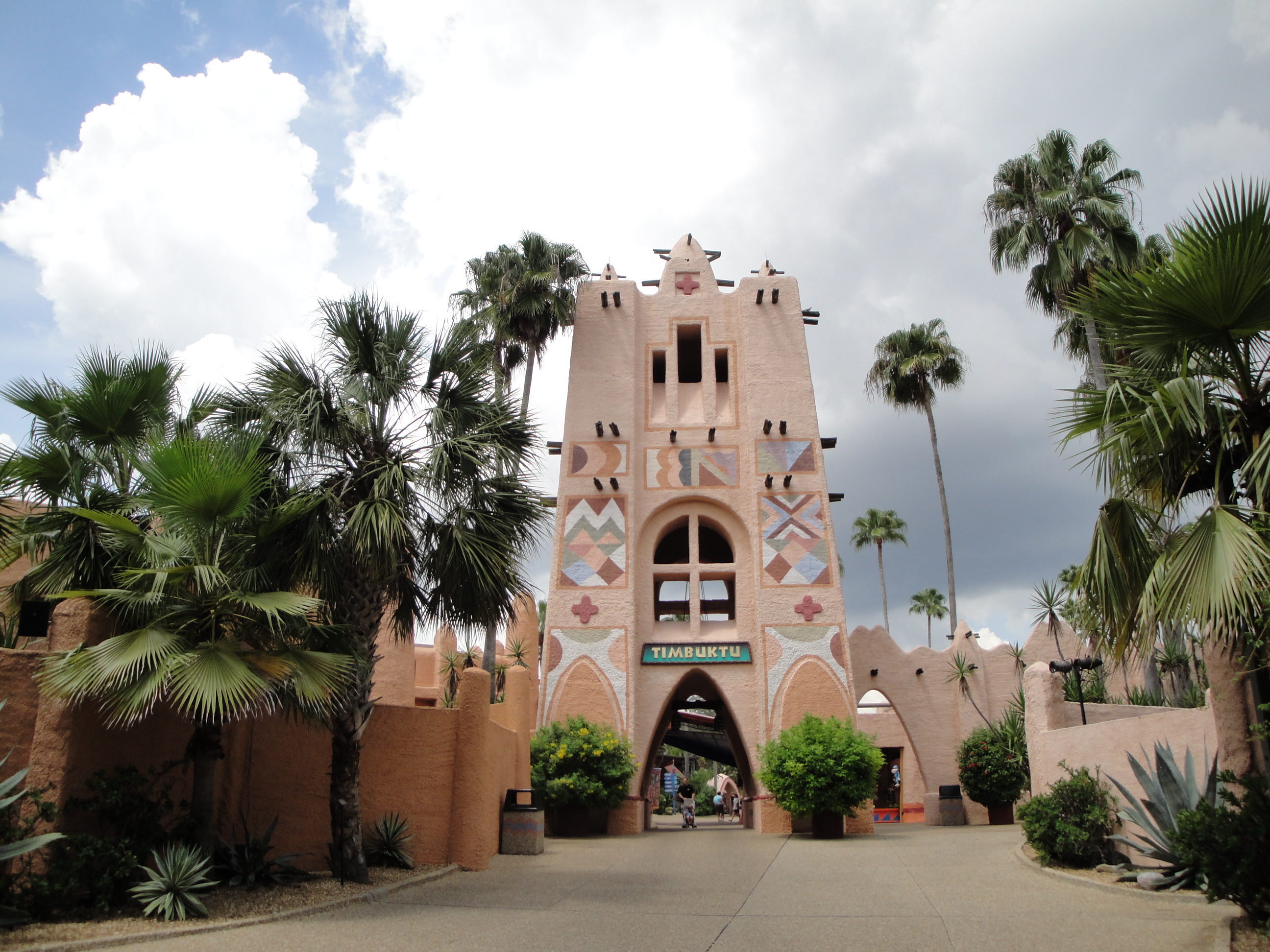 The 1980s saw more expansions and attractions. Most notable is the addition of Timbuktu (now Pantopia), the largest (in land area) expansion at Busch Gardens to date. Attractions in Timbuktu included the kiddie coaster Scorpion and the Phoenix. Not far from Timbuktu, the Congo area was added with the main attraction Congo River Rapids. Over in Stanleyville, Busch Gardens opened the Stanleyville Theatre, which offered a variety show. Between Stanleyville and the Bird Garden, the Dwarf Village, designed for children, opened. Many expansions during this time! And both kids and older guests where thought of in order to give everyone a quality experience.
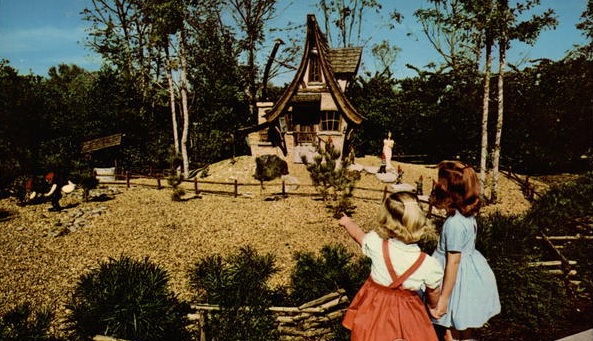 Located where Sesame Street is now, the Dwarf Village featured a rustic, wood-shingled tree house, equipped with a tube slide, webbed rope for climbing, a miniature car ride, a canoe ride, a “cloud bounce” air mattress made for jumping, a ball crawl, and a tunnel maze, among other attractions. It also contained statues of dwarfs, mushroom houses, and Leprechaun Lane where the little people are busy all day long. Bringing Broadway to a theme park, the Moroccan Palace Theatre opened with the show Kaleidoscope. This show was regarded as the most lavish Broadway style attraction in any theme park in the world, at the time. During this time, the old monorail cars were replaced with newer versions that resemble the monorail at Disney World. The last part of the decade saw the African Queen boat ride close–well, get a refurbishment. It became the former Tidal Wave attraction, which has sense been replaced by the Tigris coaster opening this spring. Closing out the decade, Busch Entertainment acquired the Harcourt Brace Jovanovich Park Group that included neighboring SeaWorld and Cypress Gardens (which would eventually become LEGOland Florida). At this time, the Busch Gardens park in Florida was seen as the flagship park.
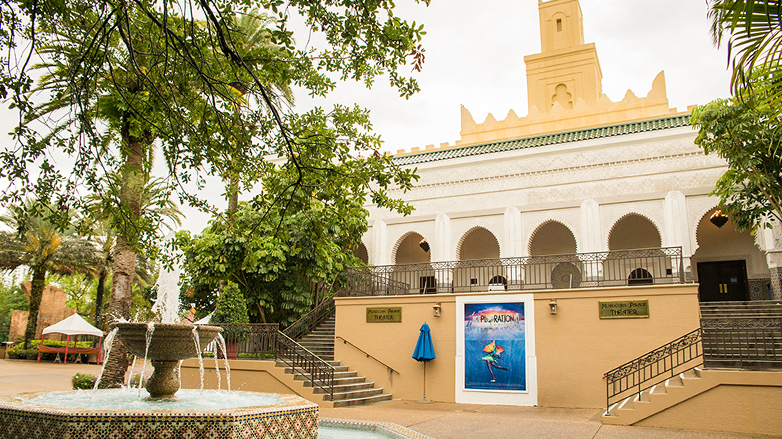 One of the biggest changes in the 1990s was the remodeling of the Moroccan Palace Theatre. The stage was converted to an ice stage, and Around the World on Ice debuted! To this day, there is a daily figure skating show at this unique venue. Busch Gardens would see–yet–another name change. This time changing to the name it has today Busch Gardens Tampa Bay. Coaster fever hit the Busch parks. In 1993, Kumba came roaring in, welcoming thrill seeking guests. Fortunately, this is a coaster that can still be experienced today. And I’m pleased to write that after some refurbishments, Kumba is much smoother than it used to be.
 Across the park in Timbuktu, the Dolphin Theatre was added; this was a daily dolphin show similar to the one at SeaWorld. The Moroccan Palace Theatre also saw changes; the Around the World on Ice changed to Hollywood On Ice, a show featuring music and moments from classic Hollywood! The 90s was also a time of closures. The Stanleyville variety show, monorail, and Stairway to the Stars, the park’s very first “ride” closed. Due to leadership changes at Anheuser-Busch after the acquisition by InBev, it was decided to close the Tampa brewery. The last handful of workers punched out for the last time in December 1995. With the closure of the brewery, it seemed the heart of the park stopped beating. Although there was no more brewery to tour, the free beer would continue and guests could still visit the stables where the famous Clydesdales resided. Other closures included The Dwarf Village, which was replaced with The Land of Dragons.
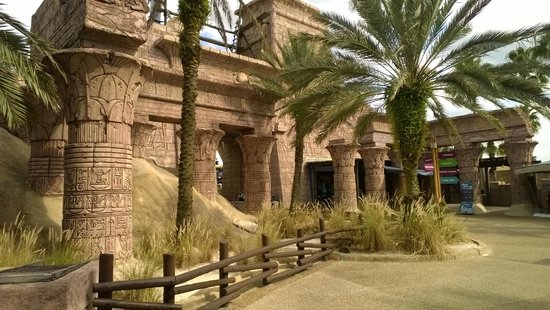 The mid to latter 90s would also see another land expansion. This time, the park was turning to the pharaohs. Opening with the new land of Egypt is a coaster that is still ranked as one of the best in the world–Montu! As Busch Gardens has always had a commitment to education, a replica of King Tuts Tomb opened in the Egypt area. The ice show at the palace would change from Hollywood on Ice to World Rhythms on Ice in 1998. The ride simulator Questor was changed to Akbar’s Adventure Tours starring Martin Short. This attraction took park guests on a wacky tour of Egypt. In the center of the park, Busch Gardens erected a dueling wooden rollercoaster in 1999 that has since closed, but will be reimagined as a new hybrid coaster in 2020. You guessed it, this wooden coater is Gwazi. It was built on the former site of the brewery.
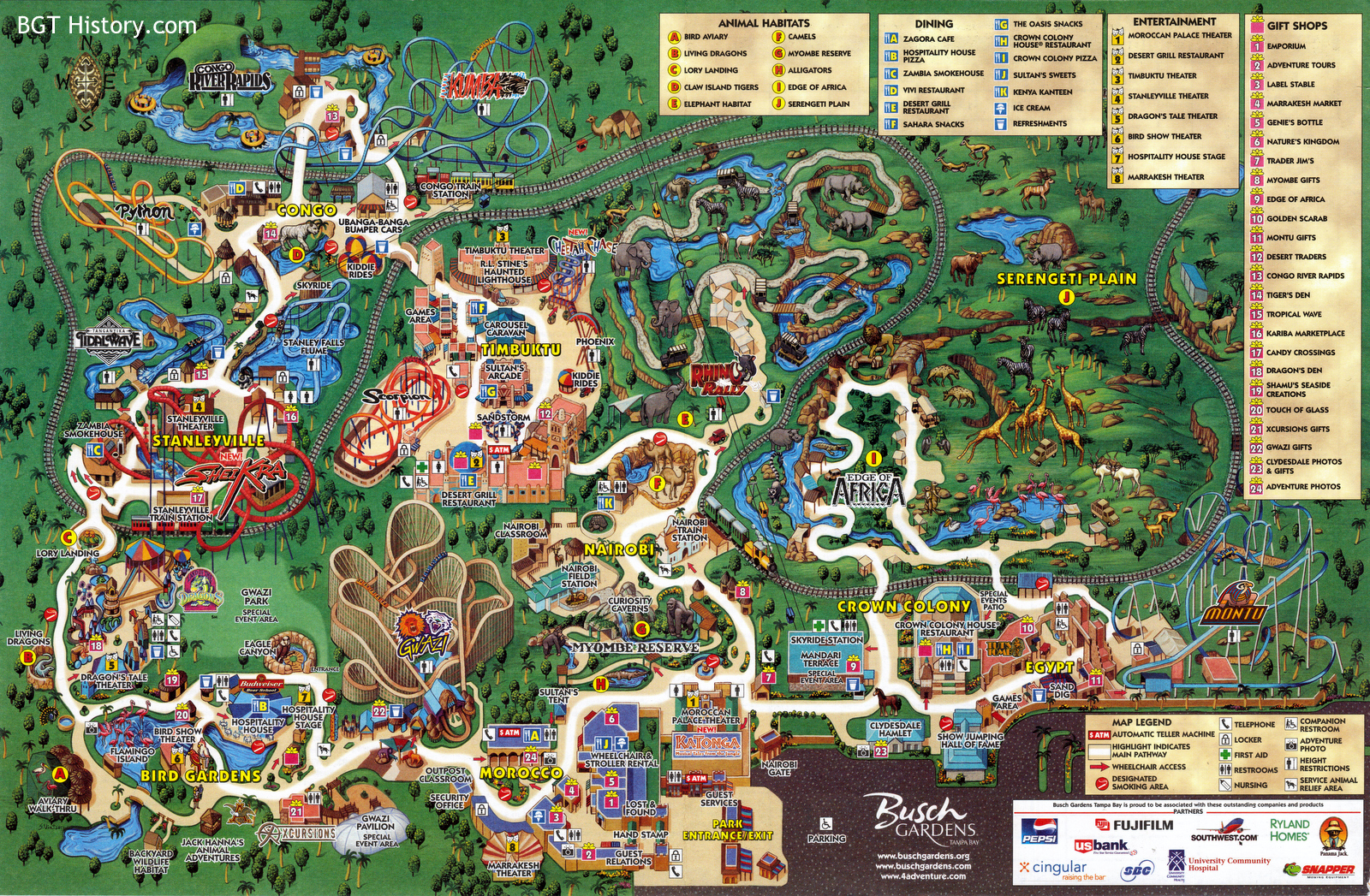
 Probably the biggest addition to the park in the early 2000s came in 2000 with the inaugural year of Howl-O-Scream! Busch Gardens’ premiere Halloween seasonal event is still the biggest seasonal offering to date, drawing guests from all across the region and other parts of the country. Other additions in the early 2000s included the comedy safari themed Rhino Rally (an attraction that I sorely miss). If you were to take the Jungle Cruise and Kilimanjaro Safari from WDW, and combine them, this is the attraction that you would get! After a few years run, the Dolphin Theatre was closed and remodeled to be the Timbuktu Theatre.
 The first attraction to call the Timbuku Theatre home was the former R.L. Stine’s Haunted Lighthouse 4D, but it was replaced with Pirates 4D early on. Rhythms on Ice closed to make way for Katonga. Coaster fever hit the park again, and the drop coaster Sheikra was opened! Not only was it the tallest coaster in Florida at the time, it was also the first dive coaster to include an inversion. More sad closures hit the park, the park’s very first coaster Python was closed after 30yrs of operation to the day (plus one). Midway through the 2000s decade, Busch Gardens Tampa Bay changes its name to Busch Gardens Africa. In place of the Python coaster, Busch Gardens created the Jungala area, which is home to the tigers and Congo River Rapids, along with smaller attractions for the younger guests at the park. In addition to the rides, Busch Gardens also added a streetmosphere show with characters on stilts in elaborate costumes. Towards the end of the 2000s, Busch Gardens Africa was renamed Busch Gardens Tampa Bay, the name it still holds today. In 2007, Anheuser-Busch (parent company to Busch Entertainment) conducted leadership changes and promotions. As a result, most of the executives were in Orlando as SeaWorld Orlando was now seen as the company’s flagship park, so the company headquarters was relocated to Orlando.
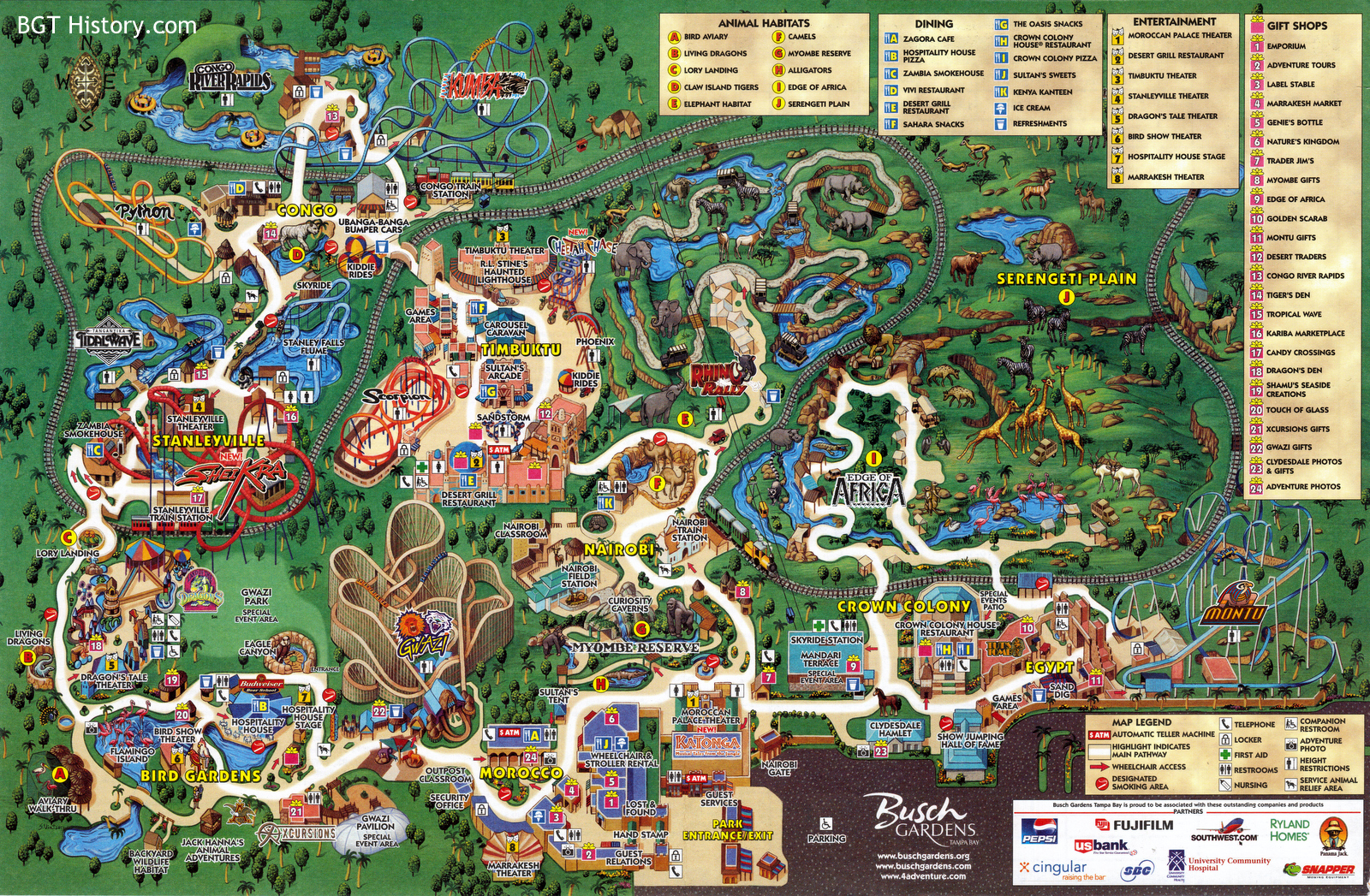
 In 2009, InBev (owner of Anheuser-Busch) decided to divest itself of all the Busch Gardens and SeaWorld parks. It sold them off to the Blackstone Group. Over the next several months, the park removed the Anheuser-Busch branding, famous clydesdales, and the free beer. The company name changed from Busch Entertainment to SeaWorld Parks and Entertainment. As part of the acquisition, Anheuser-Busch licensed the name Busch Gardens to Blackstone in perpetuity. Other than the Garden Gate Cafe, Crown Colony House, and Skyride, very little of the early park was left. Land of Dragons, which was the Dwarf Village, was once again rethemed. This time, to Sesame Street. Across the park near the Garden Gate Cafe was a new area with Australia theming and animals! Walkabout Way, an area where you can get up close with kangaroos, wallabies, emus and more! Fans of Rhino Rally are going to remember this date development. In order to plan for the next big coaster, part of the former Rhino Rally had to be closed. The area closed was the water features. Using the old monorail building as the guest load and unload area, the launch coaster Cheetah Hunt was opened.
 In the Moroccan Village theatre, Busch Gardens created the Motor City Groove show that entertained guests with a’cappella covers of some of the best music out of Detroit. Replacing Katonga at the Moroccan Palace Theatre was IcePloration! A spectacular combination of acrobatics, aerial acts, and of course figure skating that explored different parts of the world! 2012 was the inaugural year for Christmas Town, a hard-ticketed event that celebrated the season with a fabulous mixture of the traditional and contemporary Christmas music, decorations, light, shows and more! Since 2015, Christmas Town has been included in day admission.
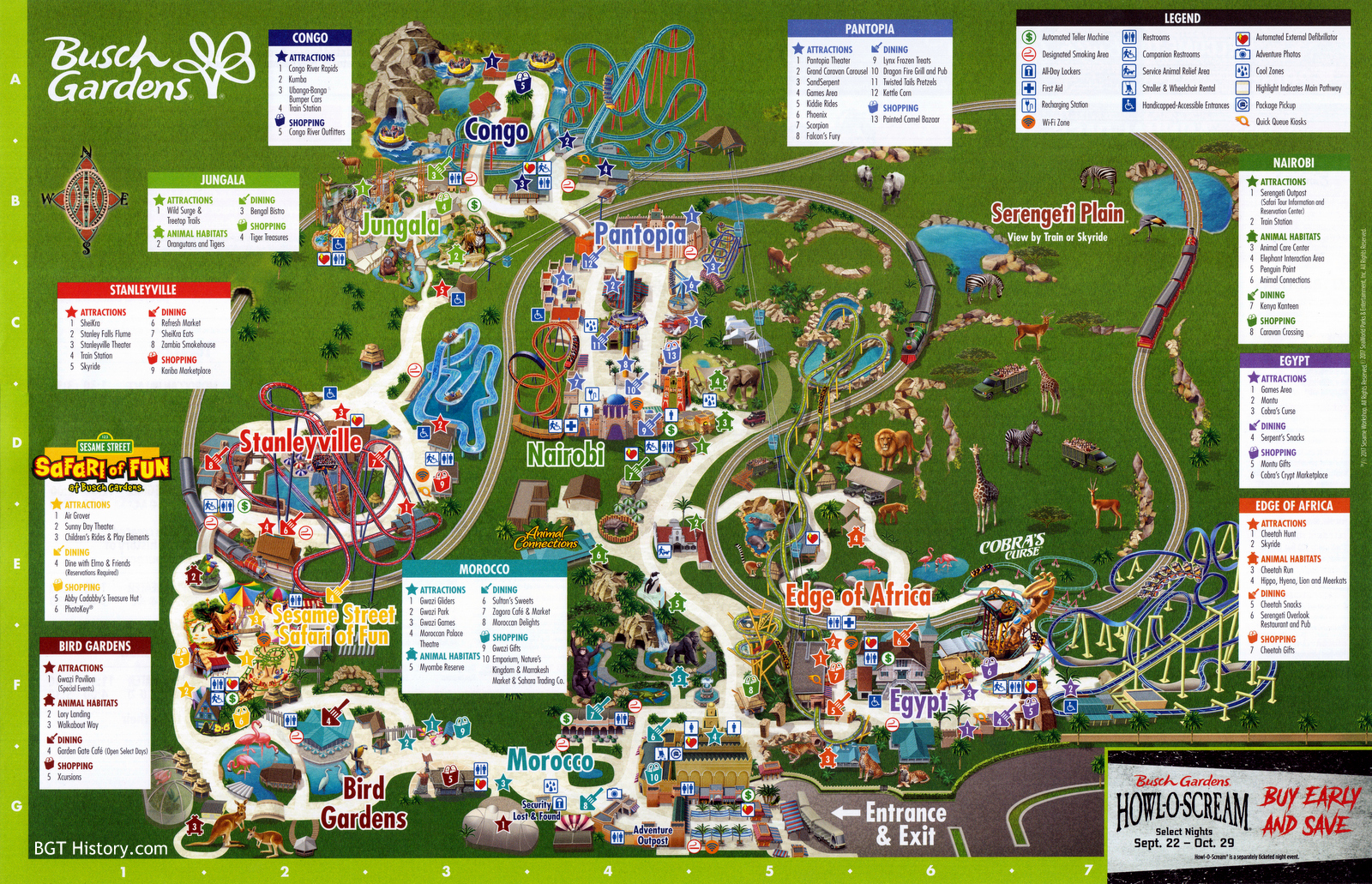
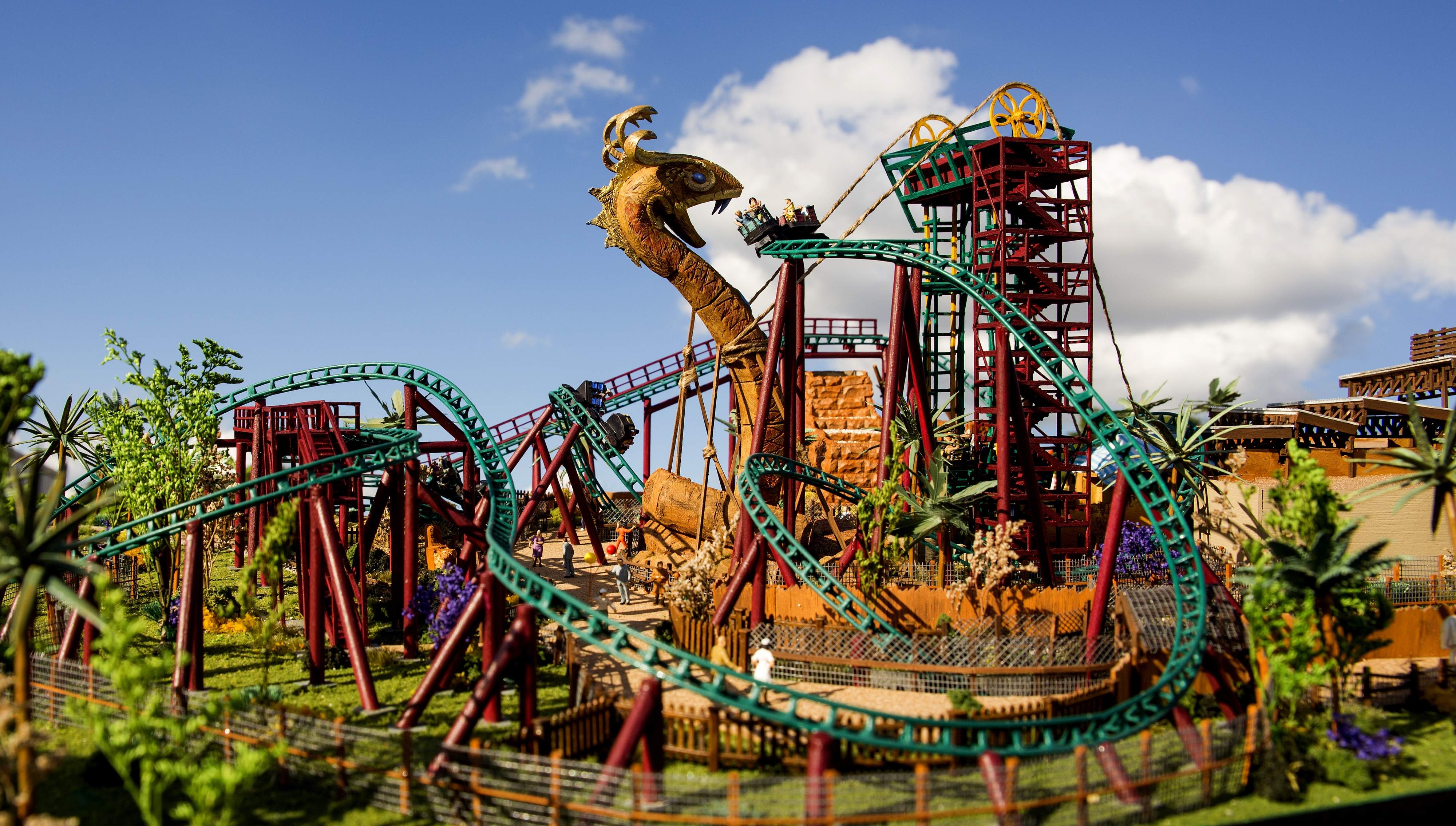 From Timbuktu to Egypt, 2013 brought about more closures including the Pirates 4D show and King Tut’s Tomb. Timbuktu would see an identity change as well with the opening of the drop tower attraction Falcon’s Fury. When Falcon’s Fury opened, the land of Timbuktu became Pantopia. With the name change, the Timbuktu Theatre became the Pantopia Theatre. And this theatre would welcome a new show called Opening Night Critters. This show was quite similar to the Critter Castaways show that was in the old Bird Gardens theatre, but a few changes were made in order to freshen the show. After the opening of Pantopia, Rhino Rally closed permanently. The ride that replaced the iconic brewery, would see its own closure in 2015. And remains closed to this day until the newly reimagined Gwazi opens in 2020. The brewery tour lasted 36yrs; Gwazi was around for 10yrs. Just sayin. With the popularity of food and wine festivals increasing exponentially, Busch Gardens started its own festival in the spring of 2015. Back over in Egypt, a new family spinning-style coaster opened–Cobra’s Curse. The queue for the attraction was the park’s first indoor queue and used the old King Tut’s tomb. In fact, the main chamber of the queue is the former burial chamber of King Tut. To make preparations for the park’s next coaster, the Tidal Wave attraction, which was once home of the African Queen boat ride closed permanently.
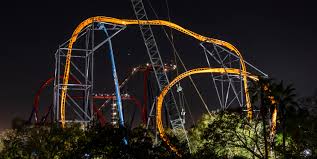
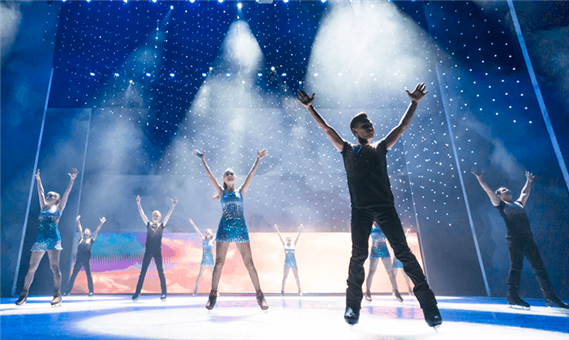 The Moroccan Palace would once again see the ice show change, this time to a post-modern extravaganza of popular music and award-winning stunts. In May of 2017, the stage was completely renovated to make way for Turn It Up: the Hottest Show on Ice! The beauty of this show is that the music and choreography can be updated every few years without having to completely redo the show. Last year (2018), Busch Gardens brought back the complementary beer and an entire Bier Fest in the late summer to bridge the gap between Summer Nights and Howl-O-Scream. The biggest news lately is the upcoming opening of Tigris, which is being built on the location of the old African Queen boat ride turned Tidal Wave, turned queue for HOS house, now coaster. That land has certainly seen a variety of uses. Fortunately Tigris looks to be one of the most thrilling coasters anywhere around! It’s fast, has launches, drops, and more. Looking forward to experiencing the newest addition to the park this spring.
There you have it, folks! A history of Busch Gardens from 1959 to 2019. Although the park has undergone many changes over the decades, you can still visit places like the Garden Gate Cafe and Serengeti Overlook to walk where the park’s first guests experienced this outstanding park. With so many events going on at Busch Gardens for #Busch60, the 60th Anniversary of the park, you will want to upgrade your day ticket to an annual pass! Every month, there is something new to experience as Busch wants you to help celebrate in the festivities!
Ryan teaches screenwriting at the University of Tampa and works in live themed entertainment. If you like this article, check out the others and FOLLOW this blog! Interested in Ryan making a guest appearance on your podcast or contributing to your website? Send him a DM on Twitter!
Follow him!
Twitter: RLTerry1
Instagram: RL_Terry