“The Dark Crystal” Throwback Thursday Review

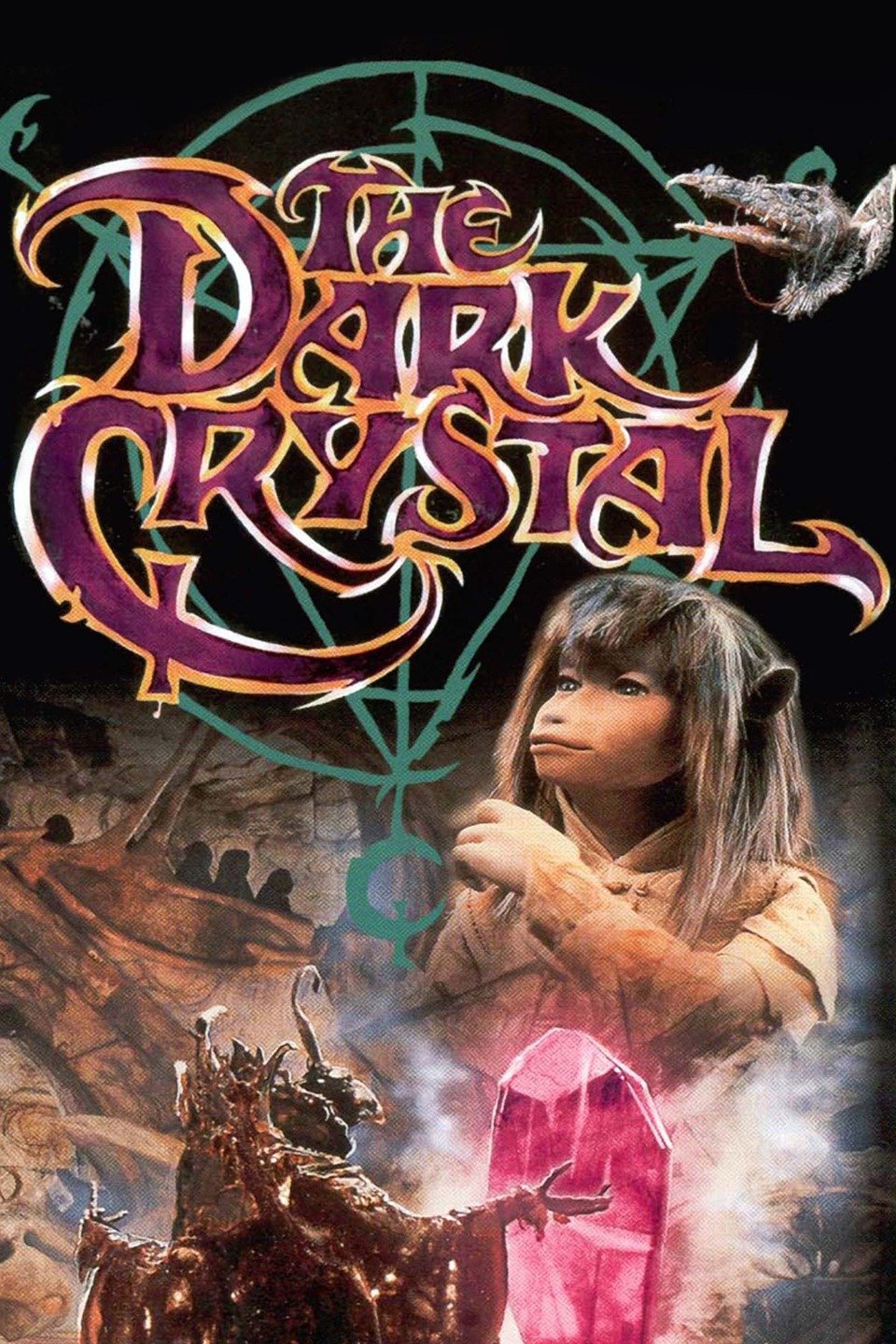
With the highly anticipated The Dark Crystal: Age of Resistance releasing on August 30th, I want to revisit the cult classic that is still equal parts beautiful and terrifying to this day. A couple of years ago, Fathom Events brought The Dark Crystal to the big screen, so I was able to watch this outstanding motion picture on the big screen for the first time ever. Despite the very macabre nature of many parts of the movie, my parents showed this movie to my sister and I at a young age. From the very first time we watched it, my sister and I became fans. As kids–back when kids played outside, in the woods, and in abandoned buildings using their imaginations to role play–we created characters that were ostensibly taken from the world of the movie, and spent hours imagining we were in Thra. As a kid, I was mesmerized by the spectacular production design and puppetry. I can only speculate the degree to which kid-me appreciated the artistic elements of the now iconic motion picture, but I imagine that it completely captured my imagination, otherwise I would not have rewatched it as many times as I did. As an adult, I am shocked that my parents allowed me to watch it at such a young age because there are moments that terrify first-time adult audiences today. Sometime last year, I introduced this movie to my penpal, and he was blown away by how dark this fantasy movie was. Of course, this movie came out at a time that fantasies were dark (case and point, The Neverending Story). On the surface, this may be a common premise of good triumphing over evil despite adversity, but there is so much more that makes this the timeless classic that it is. Jim Henson was an incredible genius who truly knew how to combine form with function to create a fantastical masterpiece.

What stands out more than the plot itself (which is pretty straight forward), is the fantastical practical effects that give the film incredible depth–levels of dimension that CGI-heavy movies with they had but won’t ever achieve. Why? Simply because you cannot replicate the way real light bounces off real objects and into the camera lens. The atmosphere that the setting and characters combine to make is a level of movie magic that only the genius of Jim Henson could have created. Frank Oz stated that children should not be sheltered from darkness because it is just as much a part of their lives as joy and laughter. There are some truly terrifying and sad moments in this movie. And it looks as if this sentiment is going to be channeled into the new series. The story does not shy away from topics such as torture, death, gender roles, independence, and courage. Whereas the plot itself is simple, the characters are highly complex. Moreover, each of the Skeksis represents one of the seven deadly sins, and each Mystic is the good counterpart. The gelflings represent the “human” or emotional component in the narrative, so they serve as the conduit through which we experience the plot. Aughra is our logical character whom provides the diegetic exposition to understand the gravity of the encroaching Great Conjunction. There is a beautiful poetry in how the characters all complement one another and their respective surroundings.

Although all Jim Henson movies feature muppets (Henson’s patented puppets) and other movies have puppetry, The Dark Crystal stands alone as the only film of his that is entirely puppets! Yes, you could argue that the few longshots are human actors, but that is splitting hairs. For all intents and purposes, only puppets appear in this movie. And these puppets were the most advanced to ever hit the screen, and still the most advanced puppets to have ever been witnessed on the silver screen. Fewer than 20yrs after The Dark Crystal, virtually all puppetry would be replaced with CGI to save money and time. Sacrificing experiential art for technical marvel and efficiency. These advanced puppets inspired the ones that have made appearances in Disney and Universal parks over the years. Some of the puppets had to be operated by multiple people, yet when you watch them on screen, you forget that they are a puppet because they truly exist within the fantastical world. I love how the design of each and every kind of puppet is an extension of the world in which they live. So much dimension in each and every creature. There are lines, shadows, textures, and more that CGI could never replicate. These are three-dimensional creatures that exist within a four-dimensional world that exemplify the absolutely peak of a combination of technical design, costuming, and articulated performance that the camera natively captures without need for post-production to create a significant effect after the fact. Very seldom do we get to witness such an attention to detail in the design of a character (we will get to the set soon). These puppet characters do not feel or look artificial, the manner in which the light reflects off them and they interact with the world around them gives them an outstanding ability to make us forget that there is someone pulling the strings. We emotionally connect with these characters in such a way that can so often only be done with human or animal actors.

The production design of the set is an outstanding, dazzling artistic achievement by standards then and now. You’ll be hard pressed to find another set that is created with such a high degree of tangible detail. No amount or quality of CGI can even hold a candle to the wildlife, plant life, and landscape of Thra. I absolutely love how the homes of each of the groups of characters (Skeksis, Mystics, Podlings, Gelflings, and everyone’s favorite Aughra), are designed to be an extension of the inhabitants themselves. Because there is nothing generic about any of the settings, the degree to which the lands feel real is astonishing. One of the reasons for that is because it IS real! Blue/green screen technology was still in its infancy so there was thankfully no real desire to integrate it into the set for most of the movie. However, the final scene of the movie does feature some green screen work that does not hold up today. Without a screen able to fill in the gaps for most of the movie, the artisans and craftsmen had the daunting task of bringing this world of fantasy in the age of wonder to life. And their tireless efforts pay off in spades. Diversity runs strong all through the story both visually and figuratively. No two landscapes or settings look alike, just as no two characters (even the podlings) look identical. Every line, corner, and texture radiates art. More than simply a backdrop for the scenes of the plot, the settings are essentially characters themselves. The way the characters interact with their surroundings holds the audience in an incredible suspension of disbelief as to the believability of the world that is on screen.

Although it was not a blockbuster in the US, as it was up against E.T. that same year, it was the highest grossing box office hit in France and Japan. Not being an initial box office success has not stopped the film from aging well and remaining an impressive work of art even by today’s audiences. Perhaps it is best known for being a cult classic, but that cult following has remained strong through the years. So much so that we have the Netflix prequel series with an all-star cast debuting in August. It’s refreshing to see that a prequel (or sequel) strives to embody the soul of the original in order to inspire a new generation of fans and future visual storytellers. We fell in love with the original because of the puppetry and production design, the unique characters, and fantastical elements that make it an exemplary motion picture.

You can catch Ryan most weeks at Studio Movie Grill Tampa, so if you’re in the area, let him know and you can join him at the cinema.

Ryan teaches screenwriting at the University of Tampa. If you like this article, check out the others and FOLLOW this blog! Interested in Ryan making a guest appearance on your podcast or contributing to your website? Send him a DM on Twitter!

Follow him!

Twitter: RLTerry1

Instagram: RL_Terry
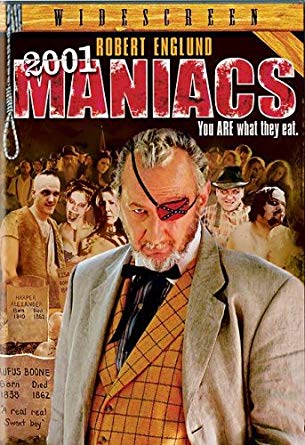
“Room for Rent” (2019) and “2001 Maniacs” Horror Review

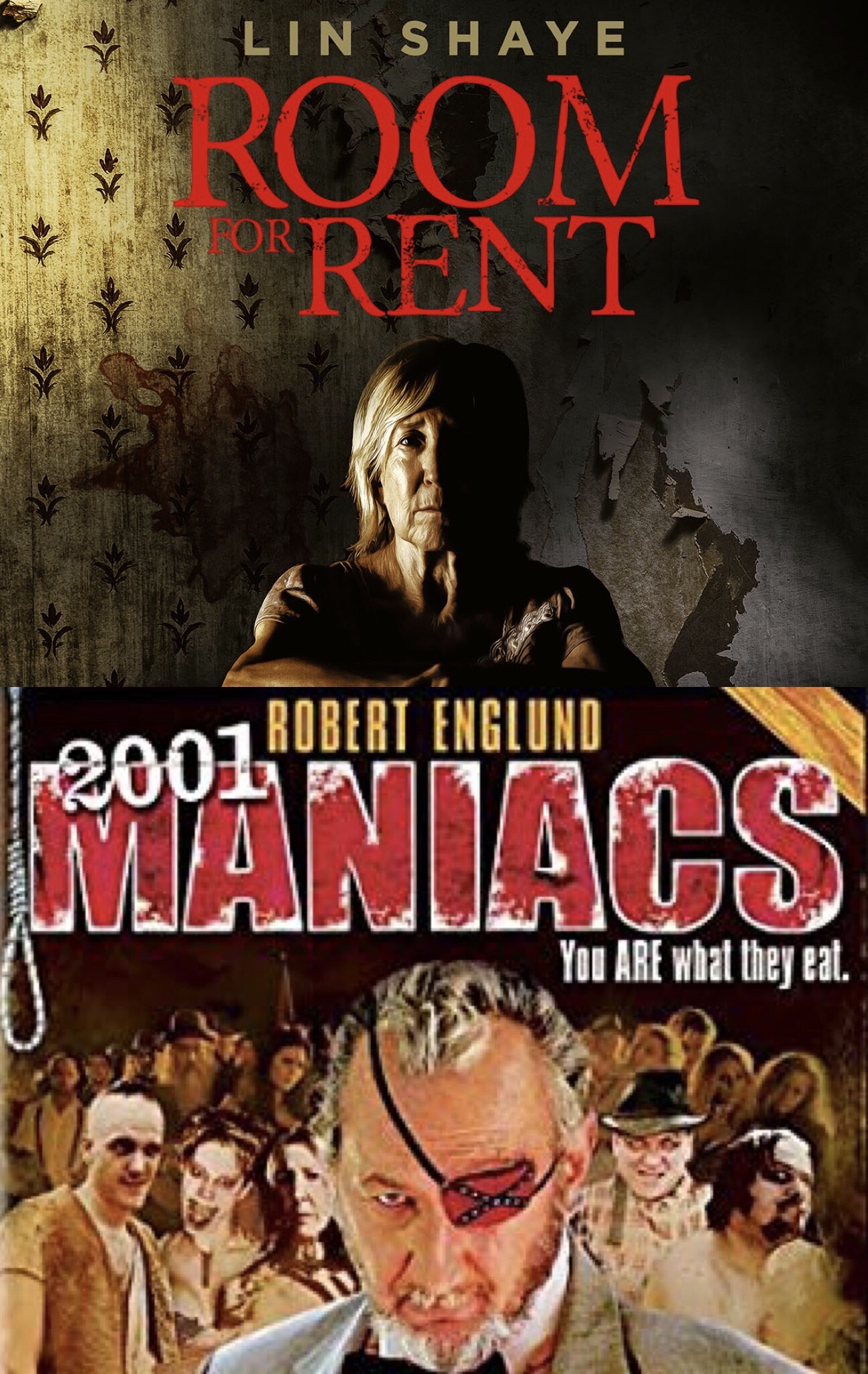
Lin Shaye double feature! Traveling over the Memorial Day weekend, I heard The Final Boys review of 2001 Maniacs and Let’s Watch Horror Pod‘s review of Room for Rent (2019). Both reviews instantly prompted me to watch these movies. So, last night, instead of going to the cinema to watch Brightburn, I decided to have a “late night, double feature, picture show” to quote one of my favorite movies. Aside from both of the movies featuring the horror queen Lin Shaye, there is little similarity between them, yet they are excellent companion pieces. Instead of individual reviews, I decided to combine both of them in one article, and talk a little about each. Shaye delivers an outstanding, dynamic performance in Room for Rent and horror legend Robert Englund is terrifyingly entertaining in 2001 Maniacs. Both movies are completely different tonally, but work very well together. I recommend starting with Room for Rent, then watch 2001 Maniacs, because the former shares a lot in common with a dark drama whereas the the latter is a horror comedy. With Lin Shaye in both movies, I would have loved to have seen an Englund cameo in Room for Rent, perhaps as one of the delivery guys. In short, I highly recommend both of these movies as they were so much fun to watch and feature some noteworthy performances from Shaye and Englund.

Room for Rent (2019)

She’d kill to find a decent man. Directed by Stuart Flack and written by Tommy Stovall, Room for Rent takes you on a journey into the twisted mind of a grieving widow and her delusional methods to cope with her loneliness. Joyce Smith’s (Lin Shaye) husband suddenly passes away, and leaves her with a mountain of debt, an empty money market account, and an anemic checking account. After an attempted sexual assault by a group of teenage boys, she is left in an increasingly dark place. Following reading an article on how to passively make money, she decides to turn her big house into a bed and breakfast with longterm rental options. When her first group of tenants doesn’t work out for her, she meets a young drifter at the supermarket and interests him in her room. Joyce instantly becomes obsessed with her much younger man, making him the object of her deepest, darkest romantic and sexual fantasies. When a friend’s betrayal derails Joyce’s delusional fantasy, she seizes control of her circumstances, and sets out on a deadly mission to secure that which she deserves to have in her life.

After the birds-eye-view shot of Sedona (reminiscent of the opening shot from Psycho in Phoenix) you are plunged into the midst of death in a nice middle-class neighborhood. From the moment that Joyce Smith (Shaye) appears on screen, it is clear that Shaye is completely immersed in the character, much as we have come to expect from her more than 90 feature length films (many of which are horror). The first several minutes of the movie gives us the opportunity to witness the immense, diverse talent of Shaye as she is playing a character unlike the ones with which we are most familiar. She takes complete command of the screen and delivers an outstanding performance as a grieving widow whom is also likely suffering from some form of PTSD. The level of empathy I felt for her was incredibly high. Her performance as Joyce is compelling and organic. The degree to which she can effectively and seamlessly transition from sinister to friendly is fantastic. Even when she begins a scene with a smile, as she enjoys watching the skater boys, she transitions to absolute fear as she is terrified by the boys yelling obscenities at her that eventually devolve into attempted sexual assault while laughing at Joyce. But we witness her strength when she, pushes one of the boys off her and loudly threatens to kick his ass. Beyond self-defense, this is the first glimse into just how incredibly complex the character of Joyce is, not to mention a notable performance by Shaye. She carries this phenomenal quality through the entire film in each and every scene, which is even more notable because she is in nearly every scene. She sets the bar high in the first act, and carries it through Acts two and three.

While there isn’t much to spoil, as the obsession plot is one that we have seen before, there are some fun twists and turns in this story that keep the interpretation of this premise interesting and fresh. There are three elements at play in the plot (1) grief (2) older women in love with a younger man (3) and obsession. All three of these work together to provide audiences with more than an arthouse horror film (and yes, this film has far more in common with arthouse horror than commercial horror); they work together to deliver a plot that is simple on the surface, but the complex central character affects the story in such a way that it is thought-provoking and terrifying. A tremendous amount of depth exists in this story if you look beyond the surface. Unlike many slasher or psychotic killer movies, in which the plot or characters are not realistic, the entire plot is stepped in realism and Joyce is a believable central character. Moreover, the tenants and neighbor are also believable. Perhaps what makes this movie frightening is the notion that this could very well happen. It will at least make you think twice before renting a room from an elderly woman off Craigslist or AirBnB.

2001 Maniacs

You are what THEY eat. Co-written and directed by Tim Sullivan, 2001 Maniacs is an absolutely entertainingly fun horror comedy! And surprisingly, it is a remake of Gordon Lewis’ 2000 Maniacs (1964). While many (if not most, IMO) remakes are not on par with the original and take what made the original so special and fun and suck out the life in exchange for special effects or popular actors, from everything I’ve read, Sullivan’s 2001 Maniacs is superior to the original in every way. And I am not just talking the production quality; I am talking about the story, cast, characters, setting, and of course kills! While I have not seen the original, I read a few articles that were unanimous in the praise of this remake. So next time you are asked for horror remakes that are better than the original–now you have an additional response and don’t have to use The Thing all the time. Not to oversimplify, but it is more accurate to state that this movie is a reimagination of the original, but for all intents and purposes, it is often regarded as a remake. One of the reasons for the cult success of 2001 Maniacs is that it doesn’t try to improve upon the original, but takes what made the original work and interpret it for a new generation. Everything you want to see is there: cannibal confederates, rednecks, an eccentric mayor (played by horror legend Robert Englund), horny attractive college students (both straight and gay), and cliche virginal stereotypes.

This campy, gory movie features a group of college boys on a road trip bound for the sun and fun of Florida from a university in the northeast. Of course between New York and Florida lies the deep south (as Florida is really an extension of New York haha). Spring beak fever sets in as the boys finish up their last class before hitting the road with nothing but booze, love, and sex on the brain. After losing time on the road due to hitting an armadillo and a chance encounter with another group of equally horny college students heading for Florida, all the students take an unexpected shortcut that lands them in the (laughably inappropriately named) town of Pleasant Valley. A decision that will forever change their spring break plans. When the enthusiastic, overzealous town mayor invites the yankees to stay for the annual jubilee and BBQ, both the boys and girls accept the invitation and enjoy everything that Pleasant Valley has to offer. While on their respective sexual conquests, the students begin to disappear one by one in the most gruesome, yet creative fashions.

Robert Englund shines as the bombastic one-eyed confederate mayor that could make a living selling ice in Antarctica. Although he may not be playing his iconic role of Freddy Krueger, the same charisma is channeled into the mayor. I cannot think of anyone else who could have brought this character to life as successfully as he did. The mayor’s counterpart of Granny Boone is played by fellow horror icon Lin Shaye. She is so much fun to watch in this role that takes her from kind-hearted grandma to sadistic executioner. Perhaps she isn’t the lead in this movie, but she steals the screen every moment she gets. Englund and Shaye truly kick the performances up several notches! Everyone in this movie looks as if they are having the time of their lives playing these ridiculous characters. The central ensemble cast is a lot of fun to watch too! Whereas it would be too easy and boring to have an ensemble cast of flat college student characters, there is a little depth to each of them. Amongst the ensemble cast of college students is a gay character (Ricky) whom I applaud for not being a stereotype as he looks, talks, and acts like just one of the guys (who happens to have a different sexual preference). And another character I want to highlight is Cory. He certainly looks and acts like a nerd, but he is just as accepted as a sexual object as his more frat-boy looking counterparts. Each of the college students acts uniquely, so it never feels that any one character’s actions and dialogue could be given to another character and it play out the same.

This is not a horror movie that is produced to make you think. It is produced for horror fans to have a fun time with a campy, gory horror movie that delivers precisely what it promises. These characters are highly memorable, enjoyable to watch, and will keep you entertained for the entire movie.

You can catch Ryan most weeks at Studio Movie Grill Tampa, so if you’re in the area, let him know and you can join him at the cinema.

Ryan teaches screenwriting at the University of Tampa. If you like this article, check out the others and FOLLOW this blog! Interested in Ryan making a guest appearance on your podcast or contributing to your website? Send him a DM on Twitter!

Follow him!

Twitter: RLTerry1

Instagram: RL_Terry

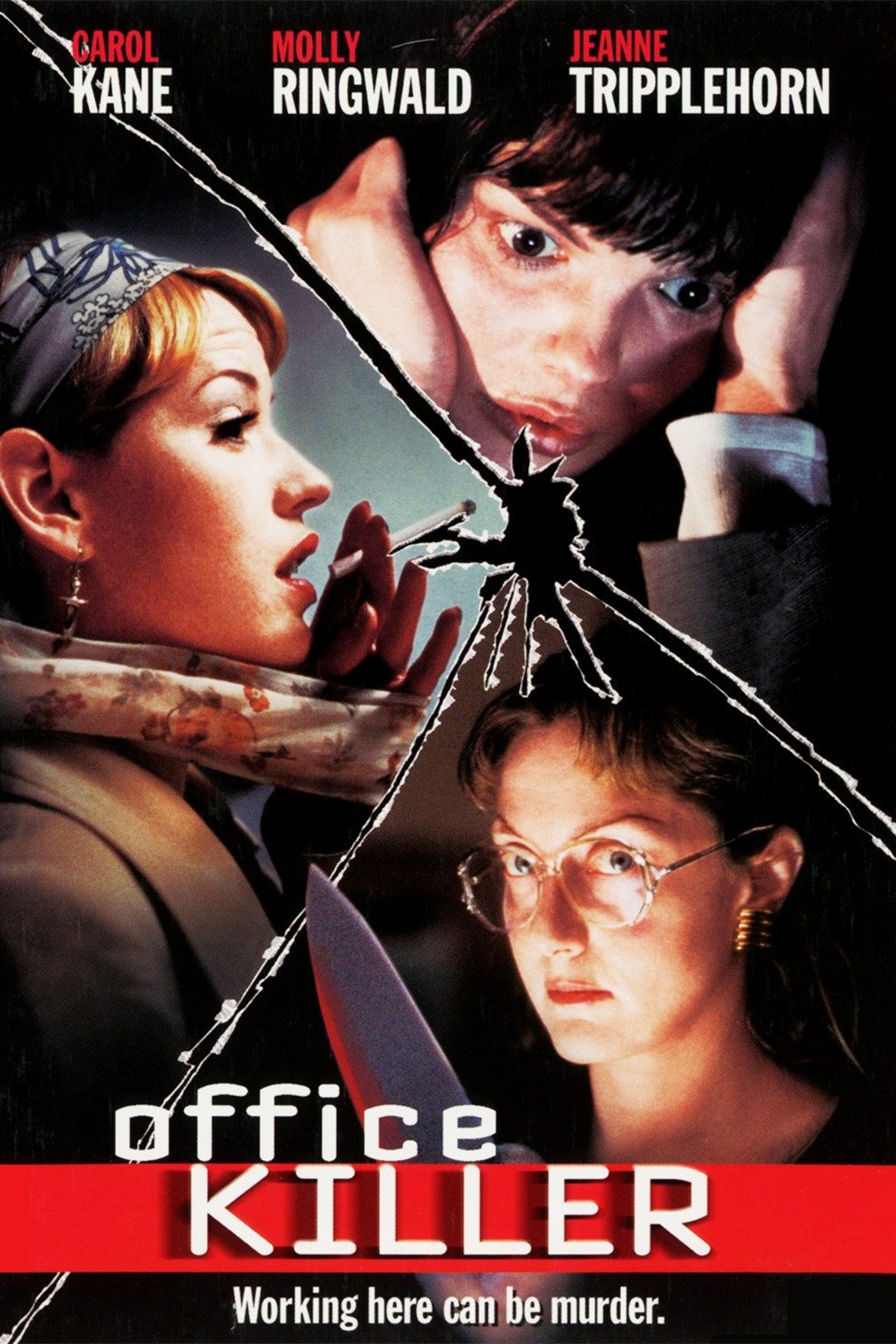
“Office Killer” Throwback Thursday movie review

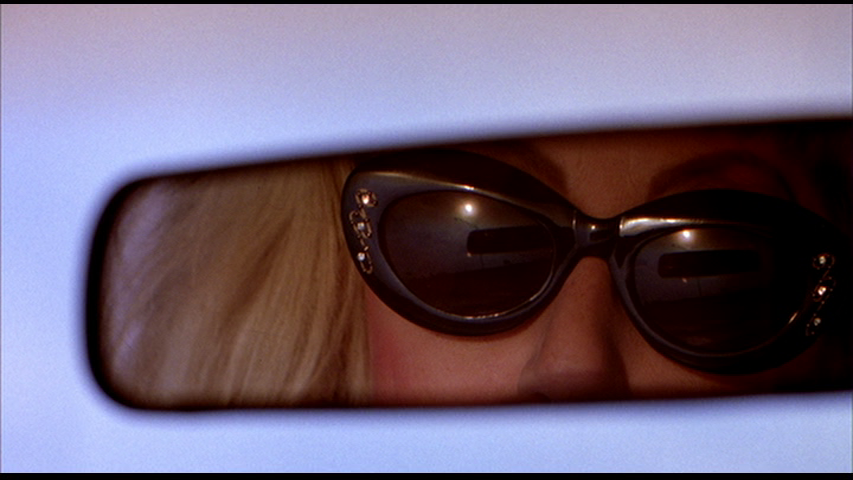
Ever see one of those indie horror-comedies that was panned by the critics when it came out a couple decades ago just to realize that if it was released today that it would be the talk of the horror community? Well, that is 1997’s Office Killer starring Carol Kane (When a Stranger Calls), Molly Ringwald, and directed by famed photographer Cindy Sherman. Kane delivers an outstandingly bananas performance that is a combination of Norman Bates and Patrick Bateman. Sherman certainly displays her adoration for the cinematography of Hitchcock’s films in many of the scenes in how the shots are framed and blocked. You’re hard-pressed to find many reviews of this horror-comedy even on LetterBoxd. It’s baffling to me why this movie hasn’t received more attention from the horror community on Twitter, blogs, and podcasts. Perhaps it’s because it is no incredibly obscure that you have a hard time even finding it on DVD, let alone streaming. A friend of mine had to order his copy of the movie from Spain. That is how difficult it is to find this movie. Even the few reviews I found were not flattering–except a couple that write about what I witness in this movie. The title works in two ways (1) it’s a description of how even in the 90s there was a fear that computers would kill the traditional office environment and (2) the literal description of a slasher in the office. Furthermore, there are plenty of moments and kills that serve as a freudian commentary on the American workplace. So I suppose it’s up to me to direct attention to this horror gem!

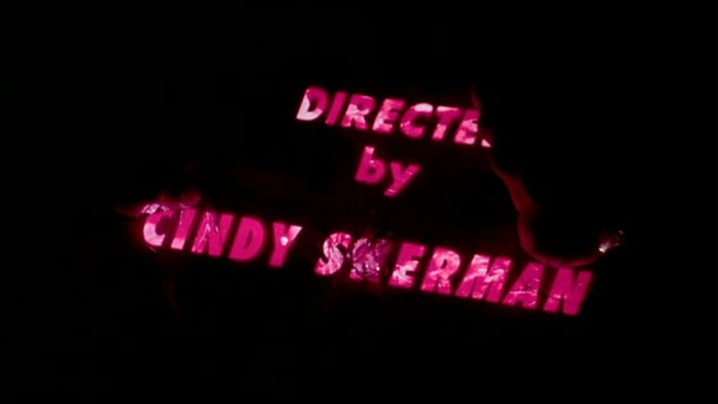
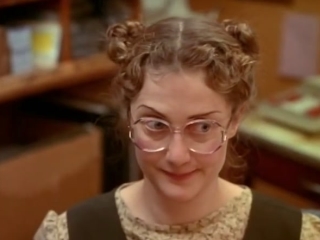
From the beginning, I had a feeling that I was in store for a highly artistic indie darling of a movie as soon as I saw the fantastically creative opening credits accompanied by a creepy score. Following the opening credits, there was a very Hitchcock shot that intrigued me and tipped its hat to Sherman channeling her award-winning photography into the moving images on the screen. Typically, horror movies don’t have narration but we begin with a narration. Not knowing anything about this movie, I was completely unsure of what to expect. Even the first kill didn’t tell me that I was about to watch a slasher. But as I learned more about Dorine (Kane), the more I was sucked into her world and completely intrigued by her choices and lack of social awareness. Playing opposite Kane is the indelible Molly Ringwald as the bitchy, judgy coworker Kim. Her performance is great! Not great in that it’s a phenomenal performance, but great in that she showed that she can play a character that is in stark contrast to most of the characters she has played throughout her longstanding career. Most of the performances are caricatures of various people found in a typical office. In fact, I’m curious if The Office ever parodied Office Killer because it seems like a missed opportunity if not. If you are aware of an episode that pays homage to Office Killer, let me know!

Perhaps the strength of this movie is not the acting (albeit, Kane is fantastic), but the strength is in the production design, costuming, plot, and Freudian themes. On the plot. Yes, the plot. You may be scratching your head because most reviews have slammed the plot. But I feel that 1997 critics and even those who come across this film today largely missed the point of the plot. It’s not supposed to be a compelling story with thought provoking imagery and characters, it’s supposed to be a 70/80s horror movie that is darkly funny! It’s just happens to be taking place in the mid 1990s. Perhaps this movie came out too close to the 70s/80s and thus felt old and cheesy. I posit that if this movie came out today, that it would be praised for its embrace of what we love about 70s/80s slasher movies! We don’t watch and rewatch these movies because they have incredible plots. We watch them because they are lots of fun! And Office Killer is incredibly fun to watch. While we may not know precisely why Dorine’s switch flipped and she went full–what I’ll call–Norman Bateman, we are given indicators of her unstable psyche through her flashbacks to her sexually abusive father and complacent mother, and of course the present story of most of her coworkers bullying her. Those three elements, plus the opportunity, work together to set her up to be a total psycho. Her actual kills may not be creative–that is, the method by which she kills–but the creativity comes into play afterwards with the corpses piling up in her house. She talks to them, plays with them, articulates them in such a manner that they become her action figures so to speak. It’s incredibly creepy but in a comedic way.

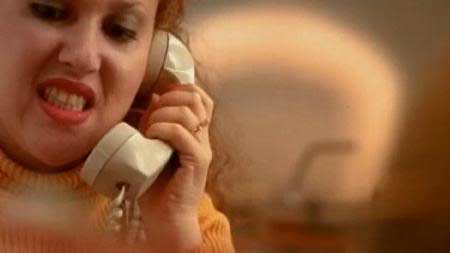
Now for those Freudian elements. This is what I find most fascinating about the movie; and what should provoke conversations amongst cinephiles and horror enthusiasts. One of the earliest shots in the movie is an extreme closeup (or ECU) of a staff member’s mouth as she is on the phone. Her red lipstick accentuates her mouth and points to the Freudian oral fixation. The scenes that follow depict female office staff members in a variety of different capacities and situations. It appears as though Sherman was painting a portrait of the male gaze over the female body. Moreover, what this movie appears to comment on and depict is Freud’s study on Fetishism. According to Freud’s study, and not to over simplify, fetishism is a fixation on an object or physiological practice of a substitution for intercourse following a sexual desire awakening in the body and mind. In more contemporary terms, the definition of fetish has evolved beyond just sexuality, but is generally still associated with sexual practices. Since likely paternal sexual abuse happened to and her mother turned her head to the allegations, in an effort to deal with the trauma, Dorine substituted what she wanted to do to her parents and others who abuse or bully her by engaging in slasher-style killings.

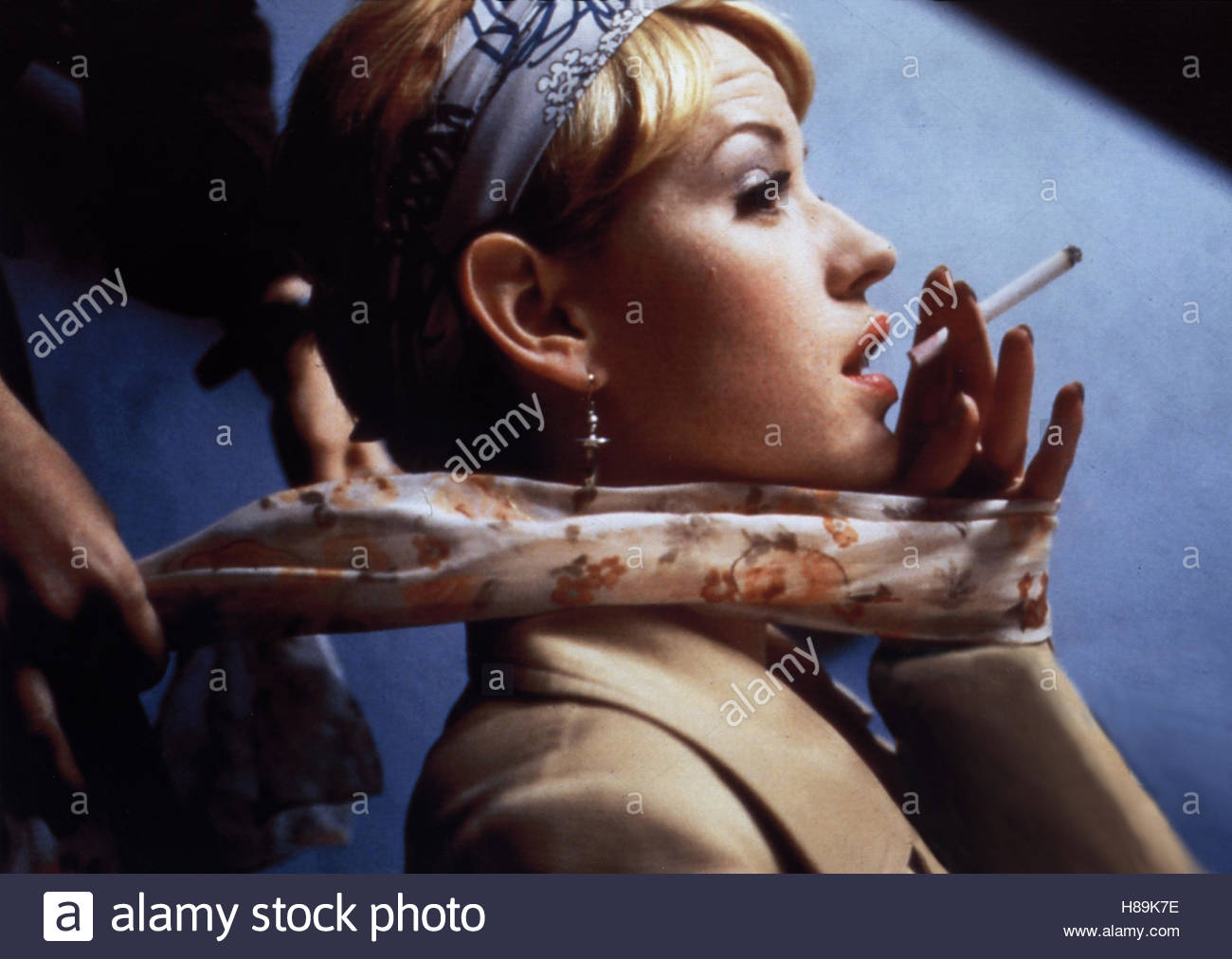
Each of the kills is a warped poetic justice based upon what Dorine saw as wrong with the victim. A great example of this is the attempted strangling of Kim. Since Kim ran her mouth constantly, Dorine sought to silence her voice. This same idea can be applied to the other kills too, and even in how the corpses are treated in Dorine’s basement. There is a playful nature in Dorine’s approach to the kills and even more so with her interactions with them afterwards. The depths of her psychosis are revealed one layer at a time. Even when you think that Dorine is about to get caught, she gets away with it; she alludes her would-be captors by searching the want ads and heading for another job in an office–perhaps your office! With each kill, Dorine integrated an element of that victim into her own life. She goes from mousy, frumpy to stylish and seductive. Her office underwent a transition and so did she. Dorine killed her former self to become the self that she wants to be. There is so much to enjoy about this horror comedy, and it baffles me that more horror fans and cinephiles have not talked about this movie. If you can somehow get ahold of a copy, then I highly recommend it if you enjoy slasher movies with a tough of style and laughter.


You can catch Ryan most weeks at Studio Movie Grill Tampa, so if you’re in the area, let him know and you can join him at the cinema.

Ryan teaches screenwriting at the University of Tampa. If you like this article, check out the others and FOLLOW this blog! Interested in Ryan making a guest appearance on your podcast or contributing to your website? Send him a DM on Twitter!

Follow him!

Twitter: RLTerry1

Instagram: RL_Terry
Alfred Hitchcock: the Art of Making Movies (1990-2003)

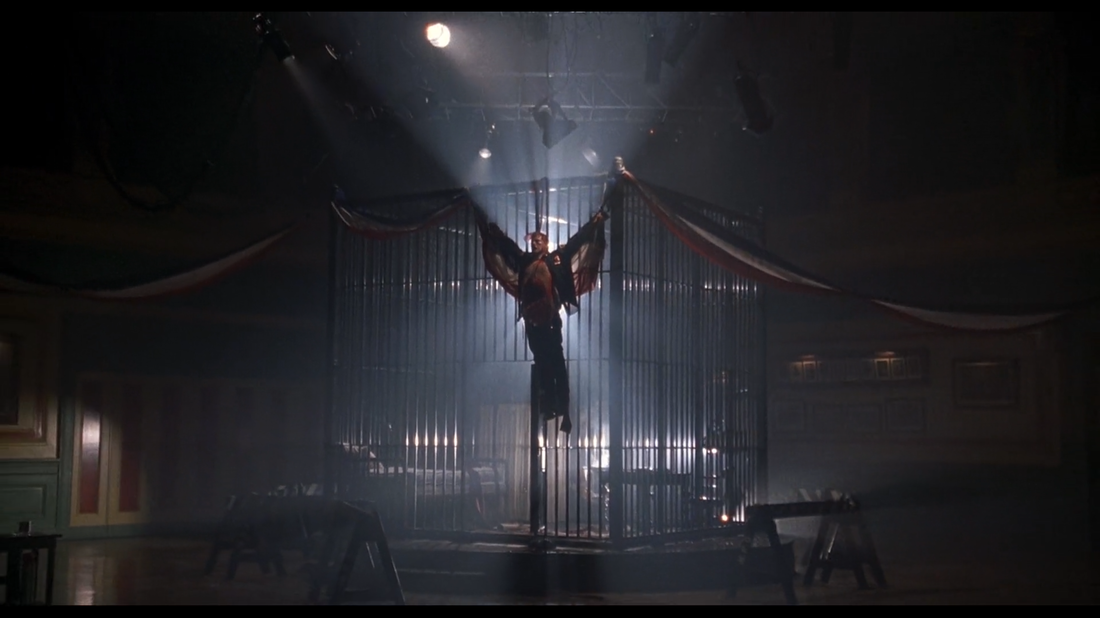
Since we are gearing up for the highly anticipated Halloween events at theme parks around the country and with Halloween Horror Nights Orlando and Howl-O-Scream Tampa beginning soon, I thought it would be fun to take a look at one of my all-time favorite attractions at Universal Studios Florida that was built around the magic of movies and the macabre. Alfred Hitchcock: the Art of Making Movies was an opening day attraction at Universal Studios Florida, and stood as tribute to the Master of Suspense and father of the modern horror film from 1990 to 2003. In addition to the attraction/show in Production Central near the front entrance of the park, the Bates Motel and house were located near E.T.. This set was used for the filming of Psycho IV: the Beginning, and welcomed guests from 1990 to 1998. The very heart of Universal Studios Florida was immersing the park guests into the magic of filmmaking and creating an experiential journey, placing you on the set of your favorite movies. Shifting away from the magic of movie making to completely immersing park guests into the movie worlds themselves, Universal Orlando replaced the Hitchcock attraction with Shrek 4D. Fortunately, the Horror Makeup Show and the seasonal Halloween Horror Nights event still keep the heritage of horror and suspense alive, as Universal essentially invented the American horror film. As I love exploring the past, present, and future of the parks, I thought it would be fun to hop in the wayback machine to analyze just why this attraction was popular then, and why there’s been a resurgence of interest and popularity. Perhaps we will see Hitchcock return to Universal Studios Florida in a move permanent way in the future with horror and suspense films being some of the biggest box office and critical success of recent years. Prior to analyzing the former Florida attraction, it is important to head to the other side of the country to briefly visit the word famous studio tour at Universal Studios Hollywood! Believe it or not, the Universal Studios tour dates back to 1915. That’s right. It predates Walt Disney’s Disneyland. So, one could hypothesize that Disney appropriated the idea of turning a movie studio into a theme park from Carl Laemmle and Universal Studios. Starting as a walking tour that included a stunt show until “talkies” forced the studio to shutter the tour, until it reopened as the tram tour in the 1960s, one of the crowd favorite parts of the tour is driving past the infamous Bates Motel and Bates House. As the tram passes the iconic motel and house that set the bar against which all other horror films would be judged, an actor portraying Norman Bates charges toward the tram wielding the famous butcher’s knife (Murdy, 2002). Even though the audience knows this is a tour behind the scenes of the most utilized backlot and studio in the world (Milman, 2001), there is something uniquely special about this chance encounter on the tour. And, that something is what the designers of the guest experience on the studio tour use to bring about the successful convergence combining both the original movie and the live experience. In order to successfully complete the transposition from the movie to the live experience, the attraction designers tapped into the uncanny or unheimlich (Freud, 1919) of Psycho and utilized the elements of terror and shock to facilitate the aura of horror that exists just by looking upon the timeless motel and house. Uncanny, referring to that which is revealed that should remain hidden–the return of the repressed. For more on how Freud’s uncanny influences horror films, please see my article The Psychology of Horror.  Central to Psycho and the single most famous moment in cinema history (Cosgrove, 2013) is the brilliantly perfect shower scene. And, it served as the main event at the former Universal Studios Florida Hitchcock attraction. Hitchcock: The Art of Making Movies. took park guests into the world of suspense and horror as meticulously crafted and defined by Alfred Hitchcock. For those who have seen Psycho, the very sight of the motel and house is enough to strike fear into the mind and bloodstream. It is representative of the very best that horror cinema is able to offer society. In no attraction, based off a work of horror, is there a better example of the very essence of the magic of creating horror films than in the synergistic experience of beholding the four-fold elemental process of Hitchcock: The Art of Making Movies. Checkout this video from Defunctland.
The aforementioned attraction was divided up into four distinct parts, with the famous shower scene being the central focus (ThePsychoMovies.com, 2014). According to an interview with one of the producers of the attraction, Susan Lustig describes the process of creating a horrific live experience from the horror of the iconic movie itself. Just like a horror movie is divided up into parts, or has a cinematic structure, so too did the Hitchcock attraction. There are many parallels between the famous shower scene and the live attraction. In the movie, the sequence leading up to the shower scene is very much a preshow in the same way the attraction contains a preshow area. The preshow in the movie is when Norman is gazing through the peephole into the room of Marion as she undresses. Just like Norman is visually gathering information about Marion, the park guests in the preshow area gather information about Hitchcock’s career and a glimpse into his masterful techniques. Checkout the old preshow video below courtesy of OrlandoRocks!
Next, the park guests sit through clips of 3D versions of Dial M for Murder and The Birds. Before 3D movies became commonplace in your local cinema, Hitchcock experimented with it back in the mid 20th century. Much like he was a pioneer of more traditional visual storytelling, he also experimented with color 3D films. On the note of his groundbreaking decisions as a film director, Hitch was also a pioneer in the early days of television with his show Alfred Hitchcock Presents. While sitting in the Hitchcock 3D theatre, park guests watched an entire scene from Dial M for Murder and select scene from The Birds. In a manner of speaking, this part of the attraction worked to assault the eye with suspense and terror; moreover, this presentation prepped the mind for experiencing the horror in the next room. Paralleling this element of the attraction to the film, is Norman’s actions after he spies on Marion and before “mother” takes over. Between the time Norman looked upon Marion through the peephole and puts on the wig and dress, he sits in the kitchen and presumably debates with mother on what to do. In a similar way, you were also faced with what to do with the information you gathered from the presentation. You could go onto the next room or exit the attraction. As we all know, following that scene, “mother” returns to the bathroom to save her son from Marion. And you, much like Normal/Mother, will soon head to the infamous Bates Motel bathroom. The old Hitchcock 3D theatre is the one currently used by Shrek 4D, an attraction that pales in comparison. After the 3D movie, the park guests enter the Hitchcock Stage and look upon recreations of the motel, shower, and house. The main show at the attraction is the Hitchcock Stage where the infamous shower scene is reenacted before a live audience. A side note: if you experienced the Krampus HHN26 house, then you were in the old Hitchcock stage! In addition to the Bates House and Motel, there is a recreation of the tub/shower used by Hitchcock to film the scene. At this point in the movie, Marion is thoroughly enjoying her shower, cleansing herself from her transgression of stealing the money. Hitch constructs the scene in such a way that the audience gets both objective and subjective camera shots from inside and outside the shower. All of a sudden a shadowy figure approaches the opaque shower curtain and throws it open, wielding a knife. The sinister figure stabs Marion repeatedly; and through more than fifty cuts (editing cuts), the scene is played before the people in the dark. Likewise, this same scene is brought to life for the studio audience at Hitchcock: The Art of Making Movies. Through mechanical engineering and film production techniques, the cast of the show reveals how the master of suspense filmed this iconic scene. Whereas you may think that this reveal of the “man behind the curtain,” so to speak, may impact the brilliance of this scene, it actually gives audiences a greater appreciation of it. It’s attractions like this that I miss from the Universal Studios parks and resorts lineup. In order to experience the show for yourself, checkout the following video from Nick Chander.
Following the show on the Hitchcock Stage, the park guests walk into a museum-like room revealing many of Hitchcock’s secrets and techniques in some of his most notable films. It parallels the end of Psycho when the psychiatrist is analyzing Norman and explaining how and why he did what he did. You could even peer through binoculars to the apartment building across the street just like in Vertigo. For the cinephile or film buff, this museum opened eyes and minds to the magic that was the films of Hitchcock. If there was any doubt that he was a pioneer ahead of his time, which may explain why he never won an Oscar but was nominated several times, then this exhibition puts those doubts to bed. Just like Norman was the forerunner to the classic slasher and father of cinematic psychopaths, Hitchcock is still the master of the art of suspense and horror cinema. Horror has always been popular and bankable; however, in the last several years with arthouse horror making it big, classic franchises getting new installments, and horror television taking off with the debut of American Horror Story, there has been a resurgence in popularity among general audiences and younger millennials. Since horror is the best genre for creatively and viscerally exploring what it means to be human, social and institutional constructs, gender roles, religion, and more, the general public is drawn to it in order to provide a different perspective on social commentary. With this newfound interest in the macabre, Alfred Hitchcock is once again in the forefront of minds. When movies such as the recent Searching and others such as Get Out, A Cure for Wellness, and A Quiet Place being compared to Hitchcock–or at least elements of the respective films–those whom are developing their taste for cinema look to see why and how Hitch was influential. Interest in the Master of Suspense is once again growing. With such an interest and growing fanbase, perhaps Universal will once again look for a way to integrate Hitchcock into the park, even if just for HHN.
Ryan teaches screenwriting at the University of Tampa. If you like this article, check out the others and FOLLOW this blog! Interested in Ryan making a guest appearance on your podcast or contributing to your website? Send him a DM on Twitter or email him at RLTerry1@gmail.com! If you’re ever in the Tampa area, feel free to catch a movie with him! Follow him! Twitter: RLTerry1 Checkout my book On the Convergence of Cinema and Theme Parks Bibliography
  • Cosgrove, Ben, The Shower Scene in Psycho, Time Magazine, November 16, 2012
  • Davis, Susan, The Theme Park as a Global Industry, Media Culture and Society, Sage Publications, July 1996
  • Freud, Sigmund, The Uncanny, The Complete Psychological Works of Sigmund Freud, Hogarth Press, London, 1919
  • King, Geoff, Ride-Films and Films as Rides in the Contemporary Hollywood Cinema of Attractions. Cineaction, 2000
  • Milman, Andy, Future of Themed Entertainment, Journal of Travel Research, Sage Publications, 2001
  • Murdy, John, The World Famous Universal Studio Tour, The Park Insider Magazine, Summer 2002
  • Movie Massacre.com, Dismantling of Universal Studios: Bates Motel and House, June 21, 2010, Accessed from http://www.moviemassacre.com/blog/the-evolution-of-universal-studios-florida-part-1
  • Oliver, M., & Bartsch, A. (2010). Appreciation as Audience Response: Exploring Entertainment Gratifications Beyond Hedonism. Human Communication Research
  • Psycho, Directed by Alfred Hitchcock, Universal Studios, 1960
  • Singer, Matt, Jaws and the Changing Face of Movie Theme Parks, Independent Film Channel website, 2011
  • Universal Studios Florida Attraction, The Psycho Movies.com, Accessed from http://www.thepsychomovies.com/archive/floridaattraction.html

Sinister Summer: “The Silence of the Lambs” retrospective

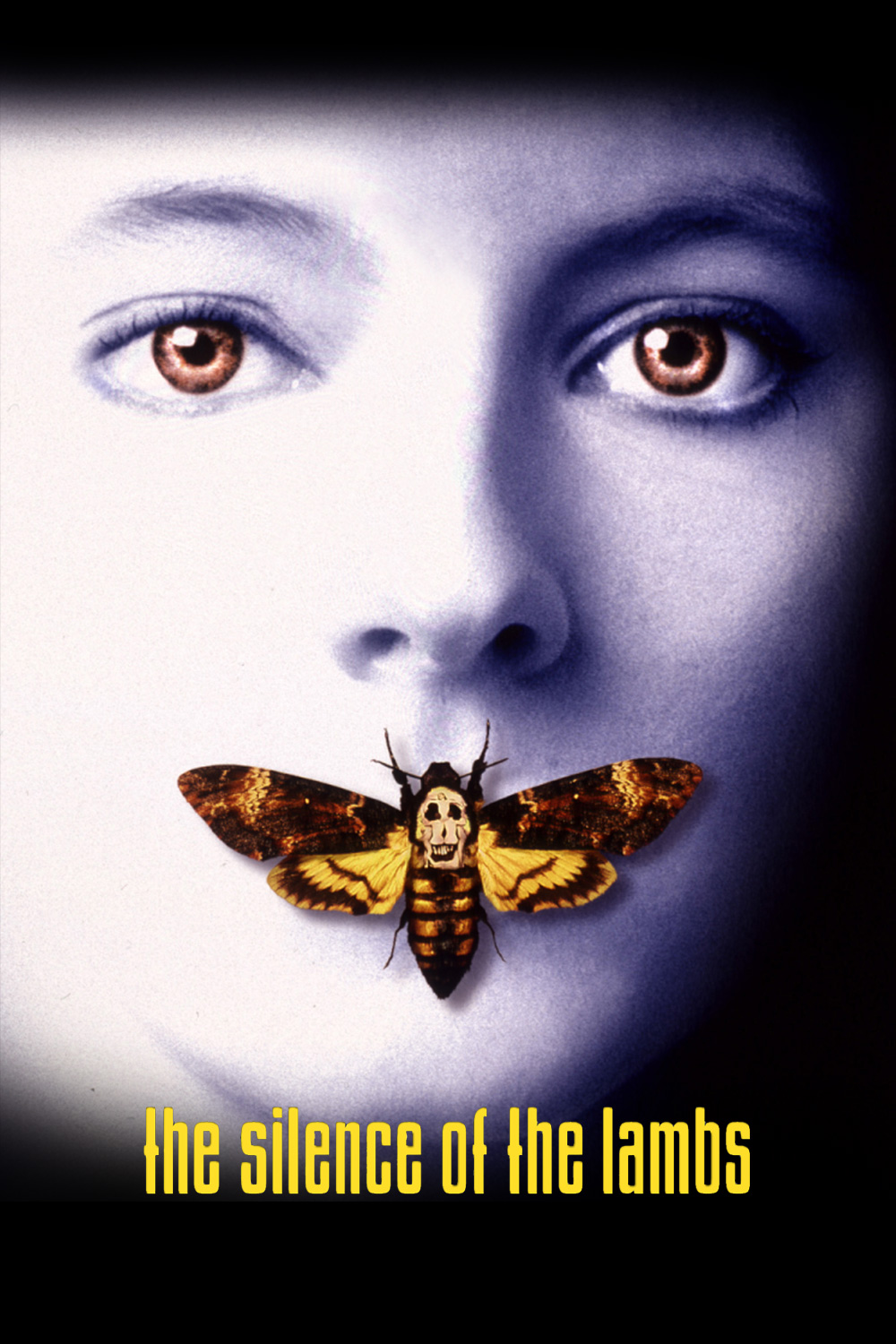
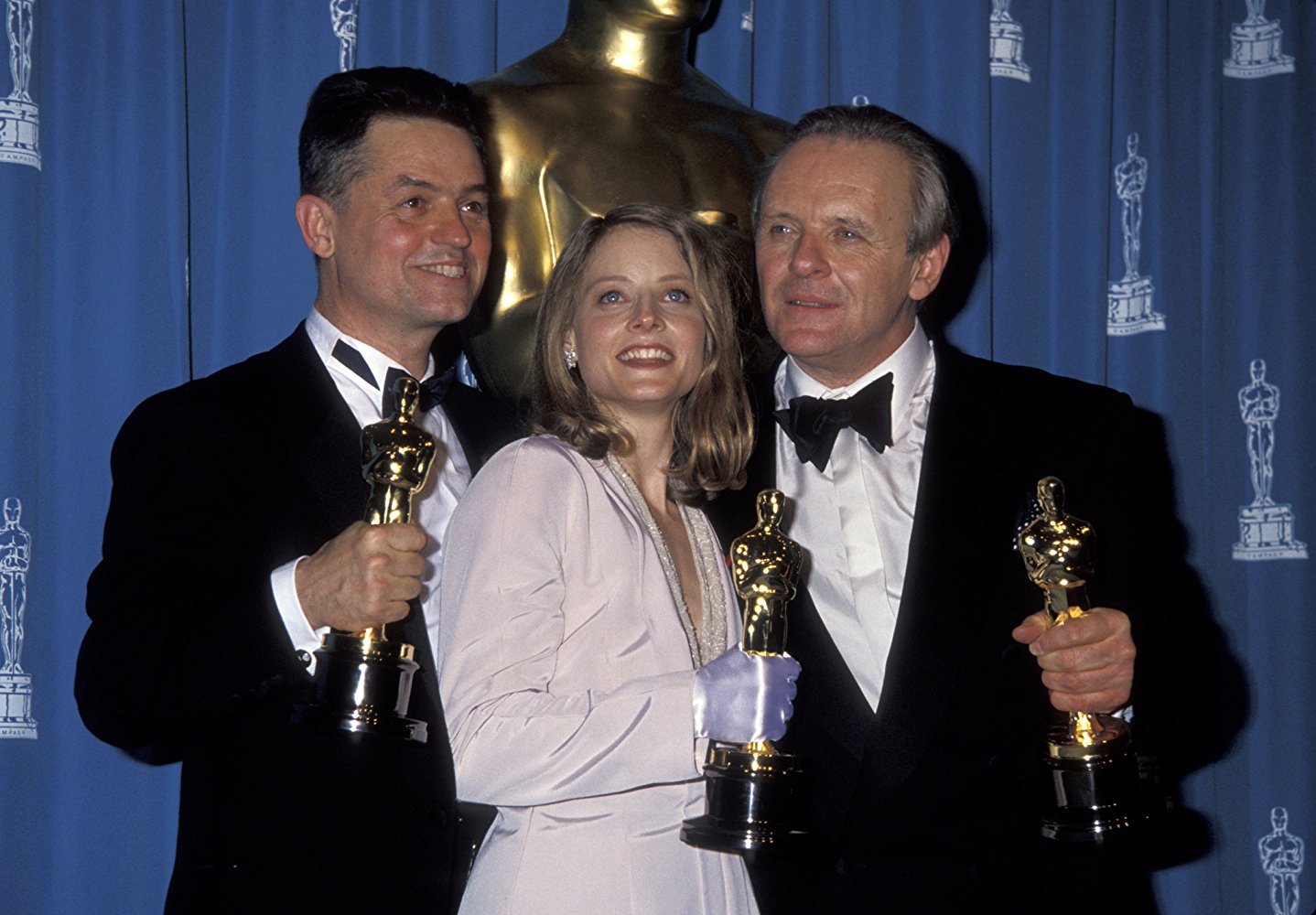
“Good evening, Clarice.” How many of you have never thought of fava beans and chianti in the same way since then? Quite literally inventing a new genre that combines elements of horror, suspense, and crime to create the crime thriller, The Silence of the Lambs remains the motion picture that typifies the genre. More than 27 years later, Silence still holds up and continues to terrify audiences today. Whereas this iconic film may not be considered horror, by today’s understanding and expectation by many, it was certainly widely considered horror when it was released in 1991. A sleepy success, I might add. Essentially, Silence is an indie film that flew in under the radar but soon grew to be immensely popular and critically acclaimed. Silence is also one of only three films to win “the big five” Academy Awards (picture, director, lead actor, lead actress, and screenplay). This, in and of itself, serves as demonstrable evidence that The Silence of the Lambs is one of the most influential and profound films of all time–across all genres. Furthermore, there is not one single moment that I would change because it is cinematically perfect just the way it is. It is arguably a dark crime-thriller, but it is also very much a horror film. When asked which category I put it in, I respond with horror. Why? Because there is certainly intent to horrify audiences during particular scenes in the film; whereas, a crime-thriller tends to not overly concern itself with the intent to horrify. The intent to horrify is what defines it as a horror film first and crime-thriller as a very close second.

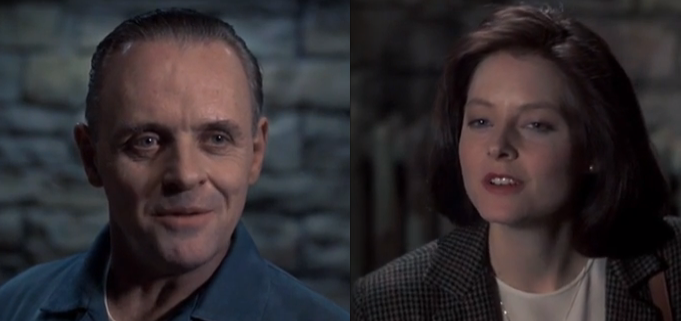
A senator’s daughter is kidnapped, and it is believed to be the work of a serial killer. After serial killer “Buffalo Bill” (Levine) leaves a trail of mutilated bodies of female victims behind, FBI forensic psychology director Jack Crawford recruits Clarice Starling (Foster), a sharp cadette, to interview famed psychiatrist, cannibal, and psychopath Dr. Hannibal Lecter (Hopkins). Crawford hopes that Lecter can provide insight into the case in order to apprehend Buffalo Bill. While tracking down Buffalo Bill with assistance from Lecter, Starling must confront her own internal fears in order to overcome all obstacles to catching Buffalo Bill before he kills again.

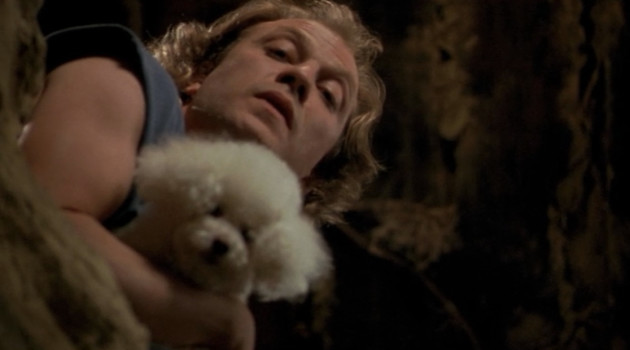
Most notable in Silence of the Lambs are the performances of Anthony Hopkins, Jodie Foster, and don’t forget Ted Levine. While Hopkins and Foster get most of the attention, Levine delivers a command performance as Buffalo Bill. Delivering a spine-chilling and exhilarating performance as Dr. Hannibal Lecter is Sir Anthony Hopkins. The performance was so intensely perfect that he won his Oscar for male actor in a leading role with fewer than 15mins on screen. Hopkins gave us an uncompromising performance that caused audiences to be frightened and yet love him at the same time. Furthermore, this performance ushered him into the company of the likes of Jason, Freddy, and other icons of horror. Foster’s Academy Award winning role as Clarice Starling was gripping, engaging and pivotal. Her phenomenal performance gave a much-needed voice to feminism–a voice that was sorely missing at the time–and is still needed today. She was strong, feminine, smart, vulnerable, and clever all at the same time. Not nearly receiving the accolades he should, Ted Levine’s Buffalo Bill is masterfully delivered. His terrifying portrayal of this character was dark, twisted, and mesmerizing. In fact, his oft quoted line “it rubs the lotion on its skin or else it gets the hose again” appears in memes, parodies, and other media. His character was even used in an episode of Family Guy. Levin’s Buffalo Bill, much like Lecter and Starling, was instantly iconic. What is the common element found in each of these performances? Uncompromising devotion to the character that brings about a believability that few actors have been able to encroach upon.

What a screenplay! One of the foundational parts of visual storytelling that I feel is largely missing from many modern horror films is a solid screenplay. Adapted from the novel written by Thomas Harris, Ted Tally’s Oscar-winning screenplay for Silence is incredible. Although there are some differences between the screenplay and the novel, the screenplay is widely seen as an excellent adaptation and even praised for its more unnerving ending compared to the novel. While some negatively criticize the screenplay for portraying transgendered (or more broadly queer) individuals as being predisposed to abnormal or violent behaviors, Tally’s screenplay comes to the defense by including dialogue that transgendered individuals are prone to pacificity plus no scientific correlation between, what we would now call the LGBTQ community, and violence. Starling is never objectified by Lecter; and any other character objectifying or patronizing her, she quickly diverts attention back to the case. She isn’t modeled as a sex symbol; funnily enough, Lecter refers to her clothes as frumpy, cheap, and her entire persona is barely beyond her background as “poor white trash” from West Virginia. The screenplay contains a healthy, progressive message for feminism–more specifically–women working in a man’s world. Foster’s Starling gave a voice to those women who are working diligently to prove that they are just as capable (and in some cases maybe even moreso) as any man in a given profession. Some film scholars and critics have referred to Silence of the Lambs as one of the most feminist films of all time. Prior to Silence, there were few horror, crime, or film noir motion pictures with strong female protagonists (Ridley Scott’s Alien being another example).

Executing his impeccable vision for this iconic film, the late director Jonathan Demme guided this film from screenplay to screen, blazing new trails for a genre not typically known for high caliber, excellent motion pictures. Moreover, the film was so successful that junior executives at studios would pitch other screenplays as “the next Silence of the Lambs.” Most remarkably about the direction of the film is the success at overcoming prejudices held against visually and psychologically disturbing stories that involve graphic language, cannibalism, nightmarish serial killers, nudity, self-mutilation, and (although mostly off-screen) violence. There are Hitchcockian tones in the suspense and violence that can be seen in the off-screen violence, framing, lighting, and angles. That which is in the mind is more frightening than what the naked eye can see. Demme’s Silence is arguably seen as a model for other horror and thriller filmmakers, and is often imitated but never has been replicated. The power of subtlety. Demme communicated so much emotion through subtle movements and strategic dialogue rich with subtext. One element that is common amongst Best Picture winners is the ability to take what was then “present day” and make it timeless. The plot, characters, and setting feel ageless. Genuine fear can be felt throughout the film because Demme channeled that which terrifies him in real life. It’s authenticity is uncanny. Much like Psycho was groundbreaking for modern horror films featuring psychopaths and twist endings, Silence of the Lambs was groundbreaking in that it relied upon the everyday world rather than supernatural forces to shock with unbelievable credibility and realism.

While the director, screenwriter, and actors are the principle forces behind the success and timelessness of Silence, the film would not have won best picture without amazing editing, music, cinematography, and other technical elements. The best editing and cinematography occurs when you don’t see the seams or think about camera placement or angle. Superior editing and cinematography enable the characters and plot to maintain center stage. The world Demme desires to portray in the motion picture was to be as real as possible. Hence why you won’t find lengthy shadows, set decoration that stands out from the world that it inhabits, and music that enhances but never overpowers a scene. Demme and his director of photography Tak Fujimoto worked together to strategically include a motif of birds that are literal and metaphoric. This is evident in not only Clarice “Starling” but in the crows at the beginning, stuffed owl in the Your Self Storage unit, and even in the line at the crucial turning point, “it’ll be terns for us too.” Birds are an important element in films, not limited to horror films. Specifically terns was used in place of turns because terms are a protected bird species, much like the mind of Dr. Lecter. Birds are a common motif or symbol in films, and can be used to represent different concepts or ideals.

Thematically, Silence is incredibly rich. These themes are brought out through the strange relationship shared by Lecter and Starling. There is a high level of respect mutually expressed by both characters, albeit unconventional. This strained relationship is observed in the similarities between Lecter and Starling. Examples of the parallels between Starling and Lecter include the feeling, they both experience, of being ostracized by the world in which they respectively live and work. Lecter from the human race, for his psychopathy and cannibalism; and Starling by the law enforcement profession because she is a women in a time that women were not commonly pursuing careers in law enforcement. They both occupy a prison. Whereas Lecter’s prison is a literal one, Clarice’s is a metaphoric one because of the men that literally and figuratively tower over her, establishing her boundaries. Clarice may not have a doctorate but she can easily match wits with Lecter in the shared power they both have to manipulate and persuade with cunning. Less obvious is the shared past they both have as victims of abnormal upbringings. Lecter was a victim of child abuse, and this ca be inferred in his dialogue with Clarice (note: Demme should have underscored this a little more) with Clarice being left an unloved orphan to be raised by distant relatives. Shared childhood trauma. These similarities are what forge the bond between these two strong characters. Demme and Fujimoto reinforced these themes and relationships with visual storytelling elements in order to personify and manifest in dynamic ways that hook and mind and eye.

Jonathan Demme’s The Silence of the Lambs remains one of the most iconic films in cinema history and will continue to have an evergreen shelf-life. It’s a multidimensional motion picture that frightens and intrigues. It is an arthouse film that achieved commercial success. Perhaps Red Dragon and Hannibal do not live up to the quality of experience of Silence but they by no means infringe on the ability for Silence to terrify us today. From the buildup to the introduction of Dr. Lecter to the trademark moth cocoon in the throat of the original victim. Furthermore, Demme continues to drive up the suspense and tension that create frightening thoughts and imagery through the use of interiors and exteriors of houses and buildings that represent the minds of characters (i.e. Buffalo Bill’s house and lair). We continue to seek this film out for its ability to manipulate our minds and eyes through strategic and artistic use of story and image. And you know what? We love these characters. We like and can identify with Clarice, have an unconventional respect and even like Dr. Lecter, and are completely intrigued and disgusted by Buffalo Bill.


Ryan teaches screenwriting at the University of Tampa. If you like this article, check out the others and FOLLOW this blog! Interested in Ryan making a guest appearance on your podcast or contributing to your website? Send him a DM on Twitter!

Follow him!

Twitter: RLTerry1

Instagram: RL_Terry
Thrillz (theme parks): Thrillz.co