
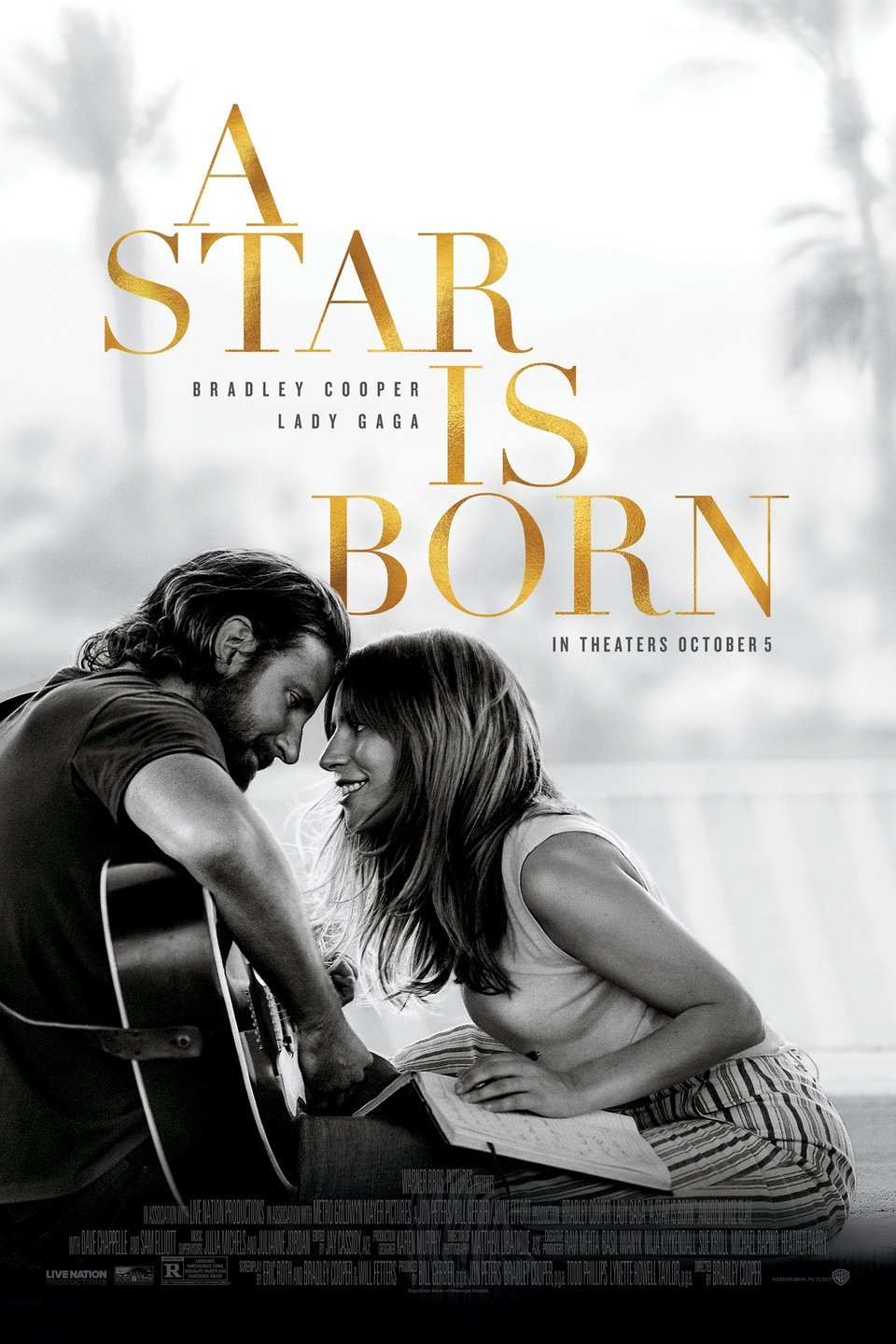
Sinister Summer: “A Nightmare on Elm Street” (1984) Retrospective Review

Summertime often means sleep away camps, beach trips, road trips, and more. So many horror films take place during the summer and others serve as material for ghost stories around a campfire. This summer, I thought I would have a shortrun series on some of my favorite horror films that I’ve titled Sinister Summer. With the Friday the 13th next month falling on the precise day that the original Friday the 13th movie takes place and it being Jason Voorhees’ birthday, I first thought I would take a look at the original movie. But then I figured, why not do a retrospective on other horror films during June, July, and August? First up on the Sinister Summer series is my favorite slasher series A Nightmare on Elm Street featuring my favorite horror icon Freddy Krueger. Unlike with other slasher icons who hide behind masks and never speak, I consider Freddy to be the most terrifying because he can talk to his victims and attack you in your sleep–a time in which you are most vulnerable. Moreover, dreams are a private time and he invades that sacred scape. Furthermore, we don’t pay much attention to the actor behind other icons such as Jason, Leatherface, and Michael but actor Robert Englund is synonymous with Freddy because we get to appreciate the actor’s performance, charisma, and enthusiasm. Let’s get started.

1, 2 Freddy’s coming for you; 3, 4 better lock your door, 5, 6 grab your crucifix, 7, 8 gonna stay up late, 9, 10 never sleep again. If that jingle still sends chills down your spine, you’re not alone. Writer-director Wes Craven’s nightmare on screen has been terrifying audiences for more than 30yrs and has even had a crossover with Jason Voorhees. Beyond the silver screen, the Nightmare on Elm Street (NoES) franchise has been featured at Universal Studios Halloween Horror Nights, interactive media (video games), and Robert Englund reprised his most famous role in the Halloween episode of The Goldbergs [in October 2018]. Inspired by a series of articles in the LA Times; three small articles about men from Southeast Asia, who were from immigrant families, who died in the middle of nightmares—and the paper never correlated them, never said, ‘Hey, we’ve had another story like this.” From that short series of articles came the franchise that we know and love today. But there is so much more to NoES than the fact it was inspired by truly unexplained deaths during nightmares. I’ve written before that the horror genre is the best genre for creatively exploring the human condition, questioning standards and observations, providing different perspectives on sociologically, exploring psychology, heteronormativity, and more, often in terrifying ways to get you to think, and NoES certainly gives us lots of material to talk about. At its core, NoES provides ample opportunity to discuss the distinction between dreams and real life, manifesting in the actions of the teens in the film; furthermore, the events of the film transgress the boundary between imagination and reality that provocatively toy with the audience’s perceptions of the real and imagined. It’s like an episode of The Twilight Zone on crack.

On the surface, it appears that the only motivation of Freddy’s kills and trauma-inducing actions is revenge–plain and simple. After all, he was burned alive by the parents of the Elm Street teens. And so he takes his revenge out on the teens and occasionally their parents. Albeit revenge is a classic motivator, it lacks substance; however, there is much more to Freddy and the NoES series than revenge. What truly separates classic Freddy from new (remake) Freddy and from Michael and Jason is his sick commitment to showmanship. It’s just about the kills, it’s about putting on a show for his own amusement. Almost exclusively attacking teenagers, Freddy’s attacks on the mind and body can be interpreted as being symbolic of the various and often traumatic experiences encountered by young people. Our central character Nancy is the straight-laced strong-willed teenager that experiences social and sexual anxiety around her peers and parents. Clearly she is someone who has had a strong relationship with her parents–especially her father–but that relationship has become strained due to her parents becoming increasingly disconnected from her through abuse of alcohol, pills, or simply not being present. One could go so far as to assess that the parents serve as opposition to the goal of defeating Freddy and survival.

Way before the proliferation of YA movies today and unlike typical slasher films, Craven makes it a point to place the power of survival into the hands of the teenagers. He then transfers the importance of physiological control to psychological control over the unconscious mind and that which induces fear. The ability to defeat Freddy lies within the mind of Nancy. And of course, Dream Warriors places that power into multiple minds. Originally Wes Craven wanted Nancy’s entire experience to be one big nightmare but New Line Cinema wanted a darker, more macabre ending in order to pave the way for sequels because that is there the money is. Just like John Carpenter desired for Halloween to be ONE film, Craven originally desired for NoES to be one and done. Fortunately for us, both have become hugely successful franchises. However, many agree that the originals (or even extended to the first 2-3 films) are the timeless ones.

Freudian imagery and analogies are in no short supply in NoES. Even more so than in other horror films where sexual content is common, the manner in which it is used in NoES is symbolic of Freudian themes that are manifested in the manner by which Freddy stalks, toys with, and kills his prey. For the most part, the Freudian imagery is shown through a sexual context in threatening and mysterious ways that play with the teens’ perceptions of their reality versus a nightmarish imagination. Each sexual image or action is representative of some type of trauma to the body that is connected to the mind and thus becomes part of the subconscious that impacts thoughts and actions.

The various scenes that take place within the dreams of the teenagers quite possibly represent Craven’s own nightmares or perhaps even your own. Just like you might talk to a therapist about a recurring dream or nightmare in order to interpret the imagery and meaning, Craven may be working through his own dreams on the screen. The dreams and Freudian symbolism are what separate NoES from the likes of Halloween. Strip away the dreams, and you have a slasher who kills teenagers. These dreams give NoES depth, and this dimension is what beckons us to face the uncanny and pleasurable unpleasures of this film. Importantly, cinephiles and horror enthusiasts should note that the dreams never end. Evidence of this occurs at the end of the film. In terms of Freudian terminology, there is sufficient evidence in the film to suggest that Freddy represents the id (the part of the mind in which innate instinctive impulses and primary processes are manifest). He acts impulsively, killing those who are connected to the ones who burned him alive in that boiler room after discovering he was a child killer (although the original script refers to him as a child molester). He feeds off fear and comes to life in dreams, full of revenge. Clearly audiences are witnessing a battle between the id, ego, and superego throughout the events of the movie. Unfortunately, there is no real winner in this battle of the mind and body. But there is a winner in the actor Robert Englund. Arguably, he is the biggest single horror genre star since Vincent Price.

Let’s not forget the comedic components of NoES. Beyond the dreams and thematic depth that sets this film apart from Halloween and Friday the 13th, is the dark comedy. Part of Freddy’s dark comedic charm is the fact that he can talk and toy with his victims in ways that Jason, Leatherface, and Michael cannot. For one simple reason, Freddy is not hidden behind a mask. Freddy has a sense of humor. Strange as it may seem for a slasher, he often integrates humor into his dialogue and actions. This is what makes him fun to watch. The original NoES could be read as the parents being the villains and Freddy being an anti-hero. For all the reasons to be terrified of Freddy, he comes off as a little goofy. As if he just grabbed the first hat, shirt, and pants he saw walking though a rummage sale. His taunting of Tina in the opening scene of the film comes off as taunting, not horrifying. It’s like he’s a cat, toying with his victims because it is way more fun than going in for an immediate kill. Another favorite comedic moment in the movie is when the long, disgusting tongue comes out of the phone when Nancy is talking on it, and Freddy says “I’m your boyfriend now.”

Variety ran a great article on this very subject. Here is what columnist Jason Zinoman stated, “[Freddy] has a weakness for catchphrases (“better not dream and drive”), dopey word play (“feeling tongue tied?,” he asks a victim tied to a bed by tongues) and a predilection for a certain word that makes him sound like a catty teenage girl (“Bon appetit, bitch”; “Welcome to prime time, bitch,” etc). But there’s no denying the star of so many nightmares knows how to deliver a line. He sells his stale material with an admirable professionalism—he’s the Jay Leno of serial killers.”

Looking back at A Nightmare on Elm Street and the legacy it inspired, it is clear that this film and franchise has so much to offer those of us who have been watching for years and those who are beginning to explore the fascinating genre of horror. NoES has it all. Comedy, visceral horror, commentary on the human condition, explorations of the subconscious, and more. It’s this delicate balance of all these elements that bolsters the plot and characters, gives us a horror film of substance. A film that is more than cheap thrills and chills.

Ryan teaches screenwriting at the University of Tampa. If you like this article, please subscribe! Follow Ryan on Twitter @RLTerry1 and Instagram @RL_Terry for more on movies, theme parks, and entertainment news.

“Deadpool 2” movie review

“Deadpool, can you hear me?” Subversive, irreverent, brilliant, meta. It very well may be better than the first. How often do we get to say that about direct sequels? Ryan Reynolds’ witty, crass, charmingly naughty superhero is back to take even the most unrelentingly serious movie patron, and drive them to complete laughter. The square peg of the X-Men’s round universe returns with non-stop action, antics, and fourth-wall breaking humor virtually deconstructing everything from the opening credits to the post-credit scenes. Nothing new there; however, Deadpool assures the audience that the story they are about to see is a family movie. And after watching it, it may be unconventional, but it’s a solid family film. Maybe not “family entertainment,” by the Disney definition, but about family nevertheless. Speaking of which, we may have just watched the final Deadpool as we know it before it gets the Big D sanitization treatment, should Comcast (NBC Universal) not swoop in to save 20th Century from the otherwise inevitable Disney acquisition. Deadpool 2 isn’t just better than the first one simply because it’s funnier, more risqué, or more clever; in measurable ways, it possesses stronger villain(s), stronger opposition to the goal, and a better plot overall. Not your everyday “family” film, but filled with emotional tugs at your heart strings, all the same. Just with a heaping helping of self-aware and self-deprecating bawdy humor.

For two years, Wade Wilson/Deadpool (Ryan Reynolds) has continued his mercenary work, taking down villain after villain, crook after crook; but, after he fails to kill one of his targets on an extra-special day to him, he is faced with tragedy. Through a series of bizarre events–yes, even bizarre for Wilson–Wilson finds himself in a maximum-security prison ran by the DMC (Dept of Mutant Control) along with a renegade 14yo mutant named Russell. When Cable (Josh Brolin), a high-tech assassin, arrives from the future to take out a target that he claims leads to total destruction, Wilson must battle inner and outer demons in order to get his heart into the right place. Knowing he’s facing the most dangerous villain he’s ever encountered, Wilson forms the X-Force, a diverse “superhero” group of many talents in order to apprehend the target to prevent the world from plunging into complete chaos.

There is a comedic power in the plot of Deadpool 2 that invites the audience, at every turn, to laugh with the movie as it laughs at itself. There are a few running schticks throughout the film, but my favorite is the continued references to Barbra Streisand’s groundbreaking film Yentl featuring the iconic Streisand ballad Papa, Can You Hear Me? To which, Deadpool points out sounds an awful lot like Do You Wanna Build a Snowman from Disney’s Frozen. And it’s the implication of Disney appropriating Streisand’s song where the “Disney joke” was likely cut from the movie. Other jokes carry over from the first film such as the X-Men mansion with only Negasonic Teenage Warlord and Colossus roaming around. Some of the schticks from the first movie are transformed for this direct sequel. Contrary to the Wade Wilson from the first film, this one, this one diverts from his persistent aversion to companionship and a desire to be the “lone ranger,” as it were, and expresses a need for family. This desire for family serves as the backdrop of running jokes, gags, and extreme snark.

Streisand isn’t the only female vocal artist highlighted in the film, Dolly Parton’s 9 to 5, Pat Benatar’s We Belong, and Cher’s If I Could Turn Back Time are all featured, all that we were missing was Cyndi Lauper’s Time After Time. Unlike the completely unconventional opening credit sequence from the first Deadpool, this sequel’s opening credit sequence takes a page out of the James Bond handbook, complete with the new single Ashes by Celina Dion. Like the opening credit sequence from the first film, this one also replaces the names with jokes that certainly aid in setting the irreverent mood of the film. Although a film should never primarily rest upon the music, as the plot should stand on its own, the score and featured songs are incredibly important assets that can greatly enhance the experience. Deadpool 2 contains a few montages set to song that will certainly have you rolling over laughing. Sometimes it’s the complete contrast or juxtaposition that the lyrics provide against the action in the foreground that drive the audience to complete hysterical laughter.

For all the first film got right, one of the elements missing from it was a well-developed, dynamic villain (more specifically, opposition to the external goal). Deadpool 2 provides solid central opposition to the external goal (which, for spoiler sake, I won’t mention) flanked by two villains taken directly out of the X-Men comics (and X-Men: the Animated Series). Cable, mentioned earlier, and the Juggernaut. Not to pigeonhole Cable into the villain category, there is more to this villain than first meets the eye. He can be more accurately described as an anti-hero because of his reasons for returning to the past to stop Armageddon, so to speak. Knowing Cable’s backstory, his goals, and that which he sees as opposition to his goals, gives him a character depth seldom seen in many superhero villains. When a villain (or anti-hero) can get the audience to empathize with his or her plight, then the villain succeeds in being well-developed and complicated. Having a complicated villain enables the audience to love or love to hate the villain. But in both cases, the audience loves to see the villain (or anti-hero) on screen. Supplementing the cast of villains in Deadpool 2, is the iconic X-Men character Juggernaut. His introduction into the film comes at a strategic turning point that launches the plot into the showdown.

The film makes an important observation about the lack of plus-sized lead characters in superhero movies. Russell is a plus-sized mutant who wants so desperately to be a superhero, but sends the message to Wilson (and by extension, the audience) that there should be room for non-athletic types in the superhero universe. It’s an important message that I think would have played out more effectively had the actor not been so childish. I understand that the character is a 14yo mutant who is still struggling to find his place in this world and understand his powers, but I kept seeing the actor and not the character. The ability to bring a character to life without the actor showing is part of the art of acting. In most cases, the audience wants to see the character, not the actor playing him or her. I liked the character of Russell, just think he could have been portrayed by another actor who could have more effectively driven the message home that diversity in the superhero universe mans more than male, female, straight, gay, etc. It should also incorporate a diversity of body types. Having non-athletic body types represented in lead characters–superheroes specifically–is an element that I hope continues to improve.

There truly is so much to enjoy about Deadpool 2. Behind the ballsy jokes, suggestive poses, and hilarious meta observations, is solid writing and direction. With the Disney acquisition of 20th Century Fox all but complete, with the wild card of Comcast’s (NBC Universal) bidding 19% more than Disney in cash that could alter the direction of the deal, I hope that we did not witness the last Deadpool free of Disney sanitization. Knowing that they strong-armed Fox into cutting a Disney joke from the film during post-production, does not help matters any. Hopefully, the third installment of Deadpool will be just as funny, if not funnier than the first two. Oh yeah, it should go without saying but this NOT a superhero movie for kids.

“Tully” film review

A no holds barred, unapologetic story of the realities of motherhood. Focus Features’ Tully starring Charlize Theron is a brilliant film that shies not away from what being a mom is truly about during postpartum depression, a subject seldom touched on in film or TV. Directed and written by Juno’s Jason Reitman and Diablo Cody respectively, this film represents the best work of Reitman and Cody since the groundbreaking Juno which was followed up by the outstanding Young Adult, and showcases just how incredibly diverse an actor Theron is. See her in a role unlike her typical roles as she so incredibly authentically brings to life a middle-class working mother who is faced with many obstacles as she rears her three kids, one of which is a newborn. As a male, I cannot begin to fathom just how difficult it is to be a mother (or by extension, a single father); but after watching this film, I have a whole new respect for the many hats that a mom has to wear in order to manage a household. Some might even say that this film is so incredibly effective at laying out the hardships of being a mom, that it may work better than more conventional birth control. However, the film is not only about the trials of motherhood, but it also spends time on the joys. Tully is what I characterize as a dark comedy that has some truly terrifying moments.

Already the working mother of two kids, one of which displays signs of a developmental disorder, Marlo (Charlize Theron) is not pregnant with baby number three, in what her brother identifies as an “unplanned pregnancy.” Marlo’s wealthy brother desires to help his sister by gifting her a night nanny in order to help Marlo through the rough transition of a newborn in an already chaotic house. Marlo’s husband is hardworking, makes lunches, and assists his oldest daughter with her homework, but fails to understand that Marlo needs to be taken care of as well. In order to not go completely insane during postpartum depression, Marlo reluctantly decides that she could use the night nanny that her brother offered to pay for. Hesitant to the extravagance of having a nanny at first, Marlo forms an unexpected bond with the unconventional, challenging hipster Mary Poppins named Tully.

No pretense about this story of motherhood. Cody’s brilliant penchant for self-deprecation, dry humor, and stark naked emotion is witnessed once again in Tully. I cannot think of a present screenwriter that could have created such a compelling story. Unlike her timeless modern classic Juno, Cody shies away from the comedy you may be accustomed to seeing from her, and focus on the darker side of being a mother. And it works superbly. I laughed, cringed, and cheered during the film, and so did many of the others in the audience. There is an authenticity in this story that is seldom seen in other melodramas. Possessing a raw, gritty narrative, Tully will have you empathizing quickly with the struggles Marlo continues to face throughout the film. There is so much that is praiseworthy in this story; but unfortunately the sharp, precision that supports the first two acts becomes a little dull during the realization (or resolution) on the third act–the same chutzpah that was in the DNA of the majority of the movie is not as apparent at the end. What Tully lacks is a well-defined external goal. The weak end game is uncharacteristic of Cody, as both Juno and Young Adult had solid realizations. As I tell my screenwriting students, dealing with life is not a goal (it’s incidental). Still, everything else about this film is effectively compelling.

Theron displays a genuine, uncompromising commitment to character in this motion picture. Aside from the fact she literally put on 50lbs for the role (that’s right, no fat suit), she provides audiences with a fearless portrayal that is both vulnerable and fiery. Coupled with waves of mania, anger, and complete exhaustion, Theron delivers a razor-sharp performance that will leave you breathless and bleeding from the unbridled intensity and emotional rawness. In this slice of life story, there was certainly the room to demonize Marlo’s husband, the sister-in-law, the former roommate, and school principal, but Cody includes these individuals that many moms actually have in their lives but chooses to focus on the physiological and emotional struggle of Marlo as she recovers from her unplanned pregnancy. Of course, there is a brilliantly funny scene of Marlo confronting the pretentious private school principal. It’s the kind of encounter that many of us want to have with those who refuse to shoot straight and annoyingly avoid confrontation because they are so afraid to be candid, and it just comes off as a facade. Theron’s ability to completely sell a mother on the verge of a breakdown who’s constantly facing situations in which she asks herself how-the-hell-am-I-going-to-get-through-this is unparalleled. I cannot think of another movie that has a character quite like Marlo in Tully.

The film’s title character is a Mary Poppins of sorts that comes to the aid of Marlo when she is at her wits’ end. You may be wondering why the film is named after the night nanny instead of Marlo. For the same reason Mary Poppins is the name of the story that is really about Mr. Banks. Marlo may be the central character, but Tully (Mackenzie Davis) is so incredibly instrumental in supporting Marlo through this time. Furthermore, she opens her mind to new possibilities and the joys of being a mom, even when Marlo isn’t feeling it. Tully embodies that free spirit that many of us have or had in our 20s that somehow gets lost as we get older. Tully enables Marlo to channel her younger self in an effort to be emotionally healthier for her kids. Taking care of yourself first so you can be there for your kids, is one of Tully’s many messages to Marlo. There is a whimsy about Tully that is contagious, and will put smiles on the audience’s faces amidst the majority of the film’s darker moments.

You’ll encounter all the different kinds of people that an emotionally struggling mom has to deal with on a regular basis. From an out-of-touch snobby sister-in-law to a husband who just doesn’t get you, from a pretentious and absurdly conflict aversive school principal to a former roommate, the film provides commentary on how each of these kinds of relationships affect a mom who’s trying her best to keep sane and not murder everyone. The film even touches on how having a kid with a developmental disability is physiologically and psychologically draining, even though you love your kid unconditionally. It’s important to note that Marlo’s husband is shown to be an active participant in his family by way of, not only his financial support, but being there for his kids in the evening and helping to make lunches. However, he does withdraw to playing video games after the kids have gone to bed; but that’s because he is like many fathers that are unaware that their spouses need to be comforted, cared for, and shown appreciation during this rough transitional time. Hopefully, after watching this movie, fathers will have a better idea of what their spouse may be going through. One of the strongest themes one can write into a film is a commentary on what it means to be human–the human condition–but seldom has a film been so specific to comment on what it means to be a mother. In this respect, Tully is provocatively groundbreaking.

Such a perfect film for the upcoming Mothers Day weekend. Even if you are not a mom or (let’s not forget) single father, there is something to learn from this film because you may have a mom or single father in your circle of friends or family. Never before has a film stripped away all the magic of motherhood at the time when your kids are little. No frivolous, ostentatious gender reveal parties, gym moms-to-be, or ridiculously lavish baby showers for this mom. Why? Because those are events and experiences typically found on Pinterest, in the movies, or reserved for upperclass society that is hasn’t a clue what it’s like to be a struggling mother balancing her full-time career and being a full-time mom. Tully tells it like it is for so many, and why it is such an outstanding motion picture.

Ryan is a screenwriting professor at the University of Tampa. If you like this article, check out the others and FOLLOW this blog!

Follow him!

Twitter: RLTerry1

Instagram: RL_Terry

Thrillz (theme parks): Thrillz.co
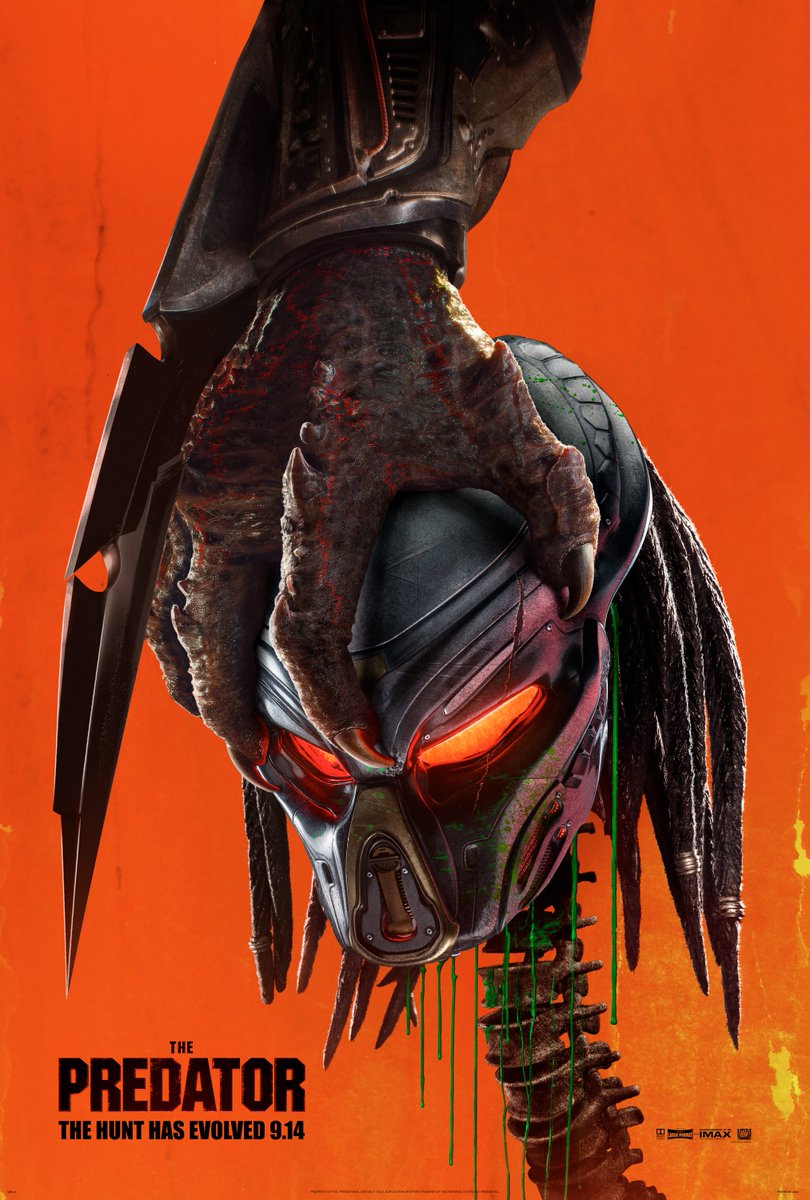
“A Quiet Place” horror film review

Heart-pounding. Spine-chilling. A creepy creature-feature that will leave you speechless. The demonstrable excellence in terrifying visual storytelling can effectively be summed up by the queen of silent film herself Norma Desmond, “we didn’t need dialogue, we had faces” (Sunset Boulevard). A Quiet Place truly earns its place among “certified fresh” horror films. Not since Don’t Breath and 10 Cloverfield Lane have I encountered such a thrillingly intelligent motion picture. Writer-director John Krasinski’s post-apocalyptic horror masterpiece showcases the power of visual storytelling within the horror genre. Furthermore Krasinski brilliantly channeled the soul of the iconic (mostly Universal Pictures) silent and early horror films for his modern interpretation of the creature-feature. No gimmicks here. Only a solid plot that builds an incredible, immersive cinematic experience upon the foundation of a simple plot with simple limitations. Simple plot, complex characters. That basic screenwriting principle is where so many filmmakers and writers go astray. Film is a visual medium, often supported by well-crafted, lean dialogue, and this film has visual storytelling in spades. This film represents one of the best examples of embracing the concept of “show don’t tell.”

Shhhh. Don’t make a sound. One family finds themselves surviving a post-apocalyptic world now inhabited by an alien species that hunts by sound.

There has certainly been a resurgence of exceptional horror films over the last few years. I mentioned Don’t Breath and 10 Cloverfield Lane earlier, we also have the Academy Award nominated Get Out from last year and many others. While many may shrug their shoulders at horror because it is a proliferated genre with many cheep, tawdry horror flicks, this same genre can be incredibly intelligent in how it makes an observation of society and offers commentary, a new perspective, or provides a means to a discussion. Some of the most critically acclaimed films over the decades have been horror. Being among the first films commercially released, horror has also stood the test of time and provides audiences with a experience that challenges worldviews, provokes physiological responses, and fuels nightmares and imaginations.

One of the most brilliant aspects to A Quiet Place is the film’s innate ability to instantly hook the audience with loud silence. Going into the movie, audiences know that the arachnid-like creatures kill anything within an earshot. Therefore, the audiences hang onto every bump, snap, or thud as the tension rises and suspense is drawn out to terrifying levels. Impeccable audience engagement. It takes a special kind of movie to completely immerse the audience into the world of the film in a multidimensional way. In terms of viability of the film and cross-promotion, this movie certainly has what it takes to be a popular and successful adaptation for a house at Universal’s Halloween Horror Nights or Busch Gardens’ Howl-O-Scream. Definitely has a place among the best horror film experiences to date.

The successful suspense and tension building can be attributed to seldom getting a good look at the alien-arachnid-like creatures. Had the audience seen the creature repeatedly throughout the film, it would lose fright value. As Hitchcock stated, “there is nothing scarier than an unopened door.” Meaning, the filmmaker’s ability to transfer the terror on screen to the minds of the audience is far more powerful and impressive than relying upon on-the-nose scares and jump-scare gimmicks. Well-crafted suspense and rising tension carries far more weight, and has the ability to support a narrative so much more effectively than a cheap scare. Although the atmosphere in this film may remind you of Don’t Breath, and rightly so, Krasinski’s film does not quite measure up to the macabre, terrifying atmosphere that Fede Alvarez provided audiences; however, Krasinski’s A Quiet Place is extremely close to the aforementioned and deserves the accolades that it has received.

In terms of how to closely read A Quiet Place, the film provides exceptional social commentary on the perils parenting and, by extension, protecting one’s offspring. In fact, I imagine that the experience for parents watching this film exceeds the levels of terror felt by those of us who do not have kids. There is also plenty of material on how far a parent is willing to go in order to protect their children. I also appreciate the film’s commentary on expected mothers, and how they stop at nothing to protect their unborn child from that which seeks to do it harm. Responding to and working through grave tragedy is another heavy and shocking subject matter in the film. We all respond to death differently; many of us grieve differently than one another. Some bottle up all the negative feelings for fear of how to deal with them, and others blame themselves because they feel that there is something that could’ve been done differently to protect a lost loved one. On a lighter note, the film also provides metaphor on how to work with and handle your older kids when they seek to push the boundaries–boundaries that may be dangerous and place them in harm’s way. There is so much here to talk about, and I have just touched on the surface. That is why horror is the best genre for creatively exploring psycho-social constructs and other observations about humanity and the world in which we live.

Quietly make your way to your seat in the auditorium. A Quiet Place is definitely a film to be experienced on the big screen with a theatre full of others who seek to be frightened. Enjoy the refreshing originality of a film that could have so easily went by way of so many other creatures features that lack anything memorable, and just blend into the background with countless others in this subgenre of horror. It may not have the well-defined external goal and end game of Don’t Breath, but it is certainly exciting and fun! You’ll certainly be absorbed into this terrifying post-apocalyptic world, where YOU are afraid to go bump in the night.

“Ready Player One” movie review

A spectacular journey that will have you on the edge of your seat. Ready Player One is a throwback to the classic Spielberg blockbuster films from the 70s, 80s, and 90s that many of us know, quote, and love. You’ll do far more than wax nostalgic in this film, because the focus is on the conflict at hand and not the pop culture references. Spielberg’s adaptation of the best-selling novel, written by Ernest Cline, takes on the challenge of crafting a visually compelling narrative that shows the benefits of virtual reality (VR) and gaming, juxtaposing it against the harshness of a reality following socio-economic and natural disasters in the near future. Although the story highlights the benefits of VR and shows the wonders of the imagination through the exquisitely designed scenes, there is one element seen throughout the story that transcends the illusion of Oasis (the virtual world); and that is humanity. Generosity of spirit and integrity are showcased brilliantly through the various central characters. I found myself, at the end of the movie, thinking about how much it reminds me of the magic of Willy Wonka and the Chocolate Factory. Never once, will you find an opportunity for boredom to set in. And you’ll find yourself rooting for this open source of entertainment and information to remain available to all those who want to participate, and not regulate content based upon how much someone is willing to pay.

From filmmaker Steven Spielberg comes the science fiction action adventure “Ready Player One,” based on Ernest Cline’s bestseller of the same name, which has become a worldwide phenomenon. The film is set in 2045, with the world on the brink of chaos and collapse. But the people have found salvation in the OASIS, an expansive virtual reality universe created by the brilliant and eccentric James Halliday (Mark Rylance). When Halliday dies, he leaves his immense fortune to the first person to find a digital Easter egg he has hidden somewhere in the OASIS, sparking a contest that grips the entire world. When an unlikely young hero named Wade Watts (Tye Sheridan) decides to join the contest, he is hurled into a breakneck, reality-bending treasure hunt through a fantastical universe of mystery, discovery and danger. (IMDb)

Pop culture, geek-dom, and nerd-dom for everyone! Whereas the book primarily contains 1980s references, the movie adaptation spans pop culture from the 80s to today. This was an important and strategically solid move in order to appeal to a wide age-range of movie-goers. Not being a gamer myself, I am unable to comment on the various references in the film and how they are placed perfectly in the narrative; however, I LOVE movies and TV, so I can definitely comment on those references, and they were spot on! Loved every one of them. And not just because these references were in the movie–anyone can just shove references and product placements into a movie without thought of the meaning or contribution to the plot–each and every movie or TV reference was selected specifically to fulfill a larger purpose and placed precisely where it needs to be. It would have been far too easy for the pop culture references to steel attention away from the plot, but the structure and pacing of the movie is such that the references enhance the experience without becoming sheer spectacle that could have been interpreted and pandering to audiences.

Of all the references, my favorite is Stanley Kubrick’s The Shining. That’s right. Return to the infamous Overlook Hotel during one of the quests to search for the Jade Key. The Overlook Hotel from Kubrick’s horror masterpiece (that was, interestingly enough, disliked strongly by Stephen King) was incredible. I felt that I was legitimately transported to the macabre setting in which we encounter unimaginable terror. This referenced worked particularly well because I cannot imagine another setting that could have been used in such an instrumental fashion. There are times in films that a location could be swapped out for another similar setting and achieve the same result because the plot is not predicated on it–essentially, the plot would play out just as well and effectively through another comparable location. The Overlook Hotel and specific events from The Shining (that I won’t go into because of spoiling the experience) were nearly as integral to the advancement of the plot as the characters themselves. No sooner could you replace The Shining sequence than you could the main turning points between Acts I/II and II/III. Although there are many excellent sequences to choose from in the movie, the series of scenes during the time spent at The Overlook are definitely my favorite.

It’s not often that an action-adventure or fantasy movie is deep enough to provide social commentary on real issues facing us in the real world or what it means to be human; but Ready Player One contains fantastic material for philosophical discussions regarding the current trends and challenges facing present-day society. The subtext of this movie contains material on human values, equitable access to content online, and the dangers of falling victim to only “existing” in a virtual world. Man vs technology, greed vs generosity are ways to look at the story, not to oversimplify the subtext. Because of the present crisis of the ending of net neutrality facing the United States, there is clearly a message that everyone has the right to equitable access to the universe of entertainment and information online. When a greedy capitalist attempts to disrupt that access and determine someone’s access based upon how much someone is willing to pay, we see that the system runs the risk of breaking down and not allowing for the joy that was once ran through the very framework of the virtual world. The film also provides audiences with commentary on the importance of actively participating in the real world to form tangible, physical relationships with others in order to find love and forge friendships. Furthermore, if a society becomes so fixated on avoiding the problems of the real world by transporting to a virtual world, then the problems of the real world grow worse, bigger, and more devastating than if society takes the time and effort to combat that which seeks to destroy our world.

Such an excellent movie! If you are a fan of the Black Mirror series on Netflix for its Twilight Zone approach to tackling tough subject matter involving the degree to which technology permeates our lives, then you’ll enjoy Ready Player One. I find that many elements of this movie feel like the San Junipero episode, and the successful show at large, because of the terrifying visions of the near future distorted by the abuse of technology. Thoroughly enjoyed every moment on the more than two-hour runtime. I was initially afraid that the movie would feel too much like a video game, but that is not the case. The design is such that the virtual world and real world feel just as tangible. Being that I am not a gamer, I don’t want to attend the cinema and feel that I am watching cut scenes from a video game, so this was handed extremely well. You’ll easily find characters that you can identify with and root for, and the opposition forces are well-developed too.