
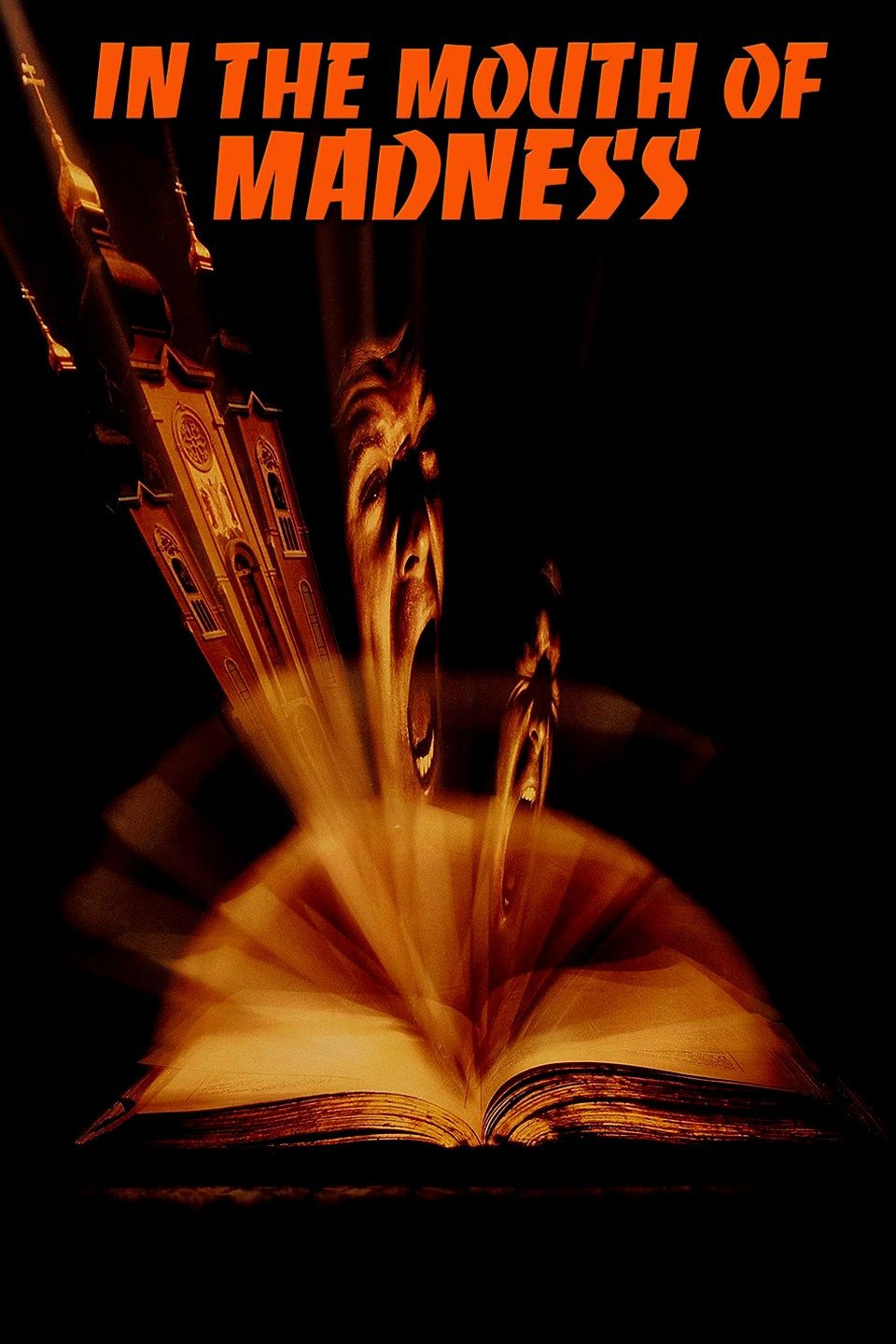
John Carpenter’s “In the Mouth of Madness” full review

Stephen King meets The Twilight Zone in this underrated Carpenter film! It isn’t often that I am introduced to a, what should be a well-known, horror film that is completely unknown by me. There are certainly many indie and obscure horror films that I am unfamiliar with; but because this is a Carpenter film in my lifetime, I should have known about it! Thankfully my penpal, fellow cinephile, and friend Leon in Germany selected this gem for our weekly film screening. Each week we take turns selecting a different film for us to watch. Sometimes it’s a movie that one of us likes and wants to share, other time, it’s a film that neither of us have seen but want to. This was the former. When Leon asked if I’ve seen In the Mouth of Madness, I replied with I haven’t even heard of it. When he told me it was John Carpenter in 1994, I was shocked! And is stars Dr. Alan Grant and Damian himself, Sam Neil! You may be wondering why you have not heard of this film, and that is most likely because it performed poorly at the box office and was panned by critics. Fortunately, a small cult following has developed over the years, but it’s largely still an obscure mid-90s horror film. The reason for this is likely because the film has been accused of difficult to follow, but I do not believe that to be true. It’s true if you need to be held by the hand through the plot, but this film is one of those that has so much depth that you will want to be fully engaged in every minute, every frame. In the Mouth of Madness contains many Stephen King, and Twilight Zone elements that truly make this incredibly rewatchable. The cinematography and score are beautiful, and I find the screenwriting fascinating! I’d even venture to conclude that this is Carpenter’s final masterpiece. Carpenter’s vision of John Trent’s (Neil) descent into madness is terrifyingly spine-chilling.

Summary: When horror novelist Sutter Kane (Jürgen Prochnow) goes missing, insurance investigator John Trent (Sam Neill) scrutinizes the claim made by his publisher, Jackson Harglow (Charlton Heston), and endeavors to retrieve a yet-to-be-released manuscript and ascertain the writer’s whereabouts. Accompanied by the novelist’s editor, Linda Styles (Julie Carmen), and disturbed by nightmares from reading Kane’s other novels, Trent makes an eerie nighttime trek to a supernatural town in New Hampshire. (IMDb)

Go into this movie with an open mind. I highly recommend this because I still do not fully understand everything. But. That is the beauty of this film. There are so many layers that you can peel back and do a close reading. Perhaps this film was ahead of its time in that there is a meta nature to the experience of watching this film. The central character of Trent must discern what is fantasy and what is reality; and by extension, we are challenged, as the audience, to very much the same task. We must decide if the imagery before our eyes is reality or fantasy, to be taken literally or figuratively. While meta films are much more popular now, it was highly experimental back in 1994/95. The beauty of horror is its ability to force us into uncomfortable places in which we come face to face with that which terrifies us–sometimes to our very core. And what is more terrifying than the possibility you may be crazy or a hoax is attempting to gaslight you? When our very psyche feels under attack, it’s fight or flight.

We are drawn into the story because we are naturally drawn to the repulsive, because there is a subconscious masochistic desire to experience a pleasurable unpleasure. Much like in Sunset Boulevard where we are not concerned or preoccupied with what happens to Joe Gillis (since we know he’s dead from the opening scene), we are profoundly curious about HOW he winds up floating facedown in a swimming pool. We can liken that to In the Mouth of Madness because we know Trent, whether sane or insane (though, that is a legal term), is institutionalized and placed in the padded room. Once we flash back to a few weeks earlier, we are morbidly curious as to how this otherwise intelligent, rational man winds up a prisoner of his own mind.

Another question that the film confronts us with is the power of literature. Is it possible for a writer to be so incredibly popular, and enough people become engrossed in the words that the line between fantasy and reality becomes blurred to the point that people begin to believe that the “fictional” characters and setting are a real place? That is certainly a powerful concept to tackle in a low-budget horror film. But Carpenter was never one to shy away from a bold concept or statement. It’s clear that the film is a commentary on the prolific writing and power of the words of authors like King or Lovecraft. Furthermore, the film suggests that there is a transcending power of the text to nest in the subconscious to tap into primal fears and carnal actions. Trent slowly comes to realize that the readers of Kane’s works have been placed under a spell, of sorts, that predisposes them to taking on the characteristics of the literary characters and giving themselves over to behaving like the monsters that are written about in Kane’s novels.

Kane likens his books to the Bible in a sacrilegious attempt to prove that if you convince enough people to read your books that you can control them, and ostensibly become a god. Kane certainly displays signs of a god-complex; he seeks to be in control over not only his fictional Hobbs End but the whole world. And instead of taking over the world by physical force, he seeks to take over the world through the power of the written word. It’s a fascinating concept to think about, and perhaps you can think of books that have greatly influenced society to the point that behavior changed. Can a book truly spark widespread delusions and paranoia? Trent certainly believes so. I love how this feels like an episode of the Twilight Zone on crack. The power and success of The Twilight Zone is due in large part to the show’s ability to comment on societal behavior through the use of bizarre or shocking imagery. Pose a big question grounded in reality, then use science-fiction, fantasy, or horror as a vehicle to explore various perspectives and possible outcomes.

John Carpenter provide us with a fantastic score that will penetrate you all the way down to the bone. It’s both shocking and beautiful all at the same time. Originally Carpenter desired to have Metalica score the film, but the combination of not fitting into the budget and an unwillingness to license the rights left John to compose his own score that mimicked what he wanted from Metalica. The score of In the Mouth of Madness was not intended to be spooky but to keep the audience ever so slightly off-balance. The cinematography is also an element to take note of when analyzing this film. The lighting, camera movement, and shot selections convey a neo-noir tone. Similar tones can be found in Mulholland Drive and Pulp Fiction. Although there are many horror elements in this movie, it bares a lot of similarities to neo-noir in how it handles the central character and the conflict he’s been thrown into that leaves him in over his head. And of course, it ends badly for Trent.

I am surprised that not more horror fans know of, much less, like this movie. It really seems to have two camps: one that loves this film and the other that hates it. Honestly, it appears to be one of the more polarizing films within the horror library. It’s one that I will certainly rewatch because of the highly intellectual component. There is tremendous depth to the narrative and it strikes me as the type of film that will give the viewer something different to think about every watch. It’s visually stunning and the imagery is macabre. Definitely one that I will recommend to fellow horror fiends like me.

Ryan teaches screenwriting at the University of Tampa. If you like this article, check out the others and FOLLOW this blog! Interested in Ryan making a guest appearance on your podcast or contributing to your website? Send him a DM on Twitter or email him at RLTerry1@gmail.com! If you’re ever in the Tampa area, feel free to catch a movie with him!

Follow him!

Twitter: RLTerry1

Instagram: RL_Terry
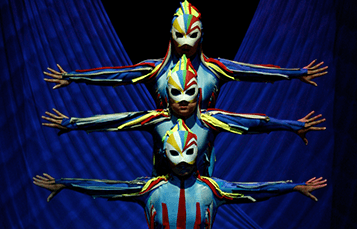
Sky’s the Limit at Cirque Vertigo at Busch Gardens

If you missed Cirque Vertigo last week at Busch Gardens’ Real Music Series during the park’s 60th Anniversary, don’t panic! It is coming back at the end of the Real Music series. This highly popular limited engagement was a packed house at each show. For those who miss the touring Ringling Bros. and Barnum & Bailey circus for all its death-defying acrobatics, then you are in for a treat! Returning for the final week of Real Music Real Masters series, Cirque Vertigo featuring the famous Wallenda Duo March 11-16. As none of the Real Music Real Masters shows run on Sunday, for those of us whom work Monday-Friday, make sure you catch the show on Saturday at either 11:30 or 1:30. Seriously, this show fills up faster than Fantasmic at Disney’s Hollywood Studios. And with good reason. It’s a limited run and is an absolutely spectacular extravaganza.

I cannot mention enough the importance of picking up a FREE show ticket (that essentially means you have A seat) before the show. The show WILL FILL UP. I imagine that the second run of the show will be even more popular because of all the Twitter and Instagram activity during the first run. So, you have a few weeks to plan your next visit.

At approximately 45-minutes, this is a long theme park show, but it is high impact the whole time. Cirque Vertigo has it all–comedy, acrobatics, audience interaction, and adrenaline pumping music! The show opens with a hilarious monologue and giant ball-spinning act by the emcee. This is a great transition from arriving at the theatre to the show because some tensions were high with the chaotic loading of the theatre. Comedy is a great way to calm down those who may be frustrated that they didn’t get the seat they hoped they would get. Throughout the show, the emcee proves audiences with some laughs between the balancing and acrobatic acts. Although much of his humor is self-deprecating, there is no question that he has some great talent for balancing large objects, Chinese yoyo tricks, and more.

The first act involves spinning lights lots of mindblowing balancing acts. All are fascinating to watch! As the lights fly by, the trail left behind the lights displays the Real Music series logo. This act is a combination of light spinning and gymnastics. Following the light spinning, another acrobat brings out a huge wire frame cube and spins and balances it. Pretty sure that cube was taller than the performer. By far the most impressive routine in the opening was the balancing act on the silver cylindrical shapes. As I am not a circus performer, I am not certain of the proper name for those elements of the act.

The second act takes extreme hula hooping to the next level! I have difficulty just hula-ing with one hoop let alone dozens! The first part of the routine involves juggling hula hoops in a fantastically choreographed routine followed by hula-ing dozens and dozens of hula-hoops.

The third act takes you to the sky as the silks falls from the ceiling and the acrobat ascends! Silk routines are among my favorite at Cirque or Circus shows. There is an incredible beauty to how the acrobat moves up and down the silks. It is clear where the show got its name because of all the vertically aligned acts that reach for the sky. More so than the other acts, this one stands out as aerial interpretive dancing–an experimental ballet suspended above the stage.

Act four starts on the ground, then towers to the rafters. The same acrobat that balanced the giant cube before is back with a different geometric shape. This time, he impresses the audience with incredible feats of balance and movement with the ring. There is literally nothing that this guy can do with the ring. Personally, my favorite routine was spinning on the round and rolling around the stage in it. Following the ring routine, the next acrobat stacks chairs more than 30ft in the air (maybe even higher) and does a handstand! Phenomenal! Such a magnificent display of acrobatic prowess.

The fifth and final act before the finale features the Wallenda Duo! I’ve seen trapeze routines, high-wire acts, and other circus staples, but I’ve never seen a circus act like this one before. With a vertically aligned bar suspended from the trusses, the Wallenda Duo mesmerizes the audience with a gravity-defying routine act that will hold you in suspense as death-defying acts are on display before your very eyes. No CGI, no fly system, no safety net–just world-class acrobats that are (if I remember correctly) fourth generation circus performers.

You do not want to miss a single epic moment of Cirque Vertigo!

Visit the Busch Gardens website for more information on this and the other exciting acts coming to the Real Music Real Masters series!

2018 in Review Plus My 10 Best and Worst Films

I’ve read everything from 2018 has been the best year for cinema in recent years to the worst. Aside from the valid argument that “best” or “worst” are highly subjective when basing it on a qualitative criteria, there is no doubt that it has certainly been a year with a lot of variety. There have been some great films and complete dumpster fires. If I were to evaluate 2018 cinema, I would say that this year’s selections skew much closer to best than worst in recent years. Personally, I feel that it has been an exciting year! This observation is evident through the plethora of dynamic conversations on #FilmTwitter. While I do not feel that there is any singular standout film in 2018, there are ones that I feel help to make this a banner year, a truly memorable time in cinema for blockbusters, auteur, and indie films. The combination of new releases in the theatre, through streaming services at home, or sometimes both concurrently, provides audiences with an unprecedented ability to access a wide assortment of movies and films to satisfy even the most discerning cinematic palate.

While it is certainly up for debate how 2018 performed compared to past years, there is little debate that the horror (and horror adjacent) genre has become increasingly mainstream. But is that what the horror community wants? As a longtime fan of the American horror film, I gotta be honest with you that I am not a huge fan of how popular this genre has become. For the longest time, to be a fan of the horror genre was something niche. It was seen as this weird or macabre subculture to which outcasts, geeks, and goths, for example, belonged. Without writing an entire research paper on the subject (which, now that I think about it, may be a good idea), the horror community felt like a family or perhaps a neighborhood. Now it’s getting to the point that it feels like a city. Horror has always been popular and bankable, but it hasn’t been until the last couple of years that it has exploded among a wide array of movie lovers. With the growing affinity among general audiences, that sense of family is slowly fading.

Perhaps it’s the idea that our attraction to the repulsive, the “pleasurable unpleasure” as Freud would say, does not feel as special as it once did. If there is a positive side to more and more people looking to be entertained by horror, it is the number of horror films and shows released. Standout movies and shows from 2018 are A Quiet PlaceHereditaryHalloweenThe Haunting of Hill HouseAmerican Horror Story: Apocalypse, and The Chilling Adventures of Sabrina. All highly successful and extremely well made, a few award-nominated and winning even! For 2019, many of us are eagerly awaiting the remake of Pet SemataryIT: Chapter 2Us, and others. I love how there seems to be new horror movies and films coming out all the time. Gives me new movies to watch! But the tradeoff is a lot of “new fans” who think they know the genre in the same way as us lifers; furthermore, flock to, not only the cinema, but to Halloween Horror Nights at Universal Studios to create 2-3hr waits for the world-class haunted mazes/houses, many of which are based on horror films and shows. HHN28 was the most crowded that I’ve ever seen it. Maybe it will be up to us lifelong fans of the horror genre to stick together to discuss what we’ve loved and have demonstrated an appreciation for a long time.

Horror isn’t the only genre or subject that has received a lot of attention in 2018, we also had some incredibly strong “non straight white male” writers, directors, central characters, and actors. From incredible performances delivered by Toni Collette, Viola Davis, Glenn Close, and Olivia Colman to films such as BlindspottingWidows, Boy Erased, and Can You Ever Forgive Me?, just to name a few, we have certainly seen a much-needed increase in representation from those whose stories had more difficulty making it to the silver screen. There are many other fine examples of this shift in cinema, and I hope that this trend continues into 2019 and beyond. With all the outlets for storytellers now, it’s a great time to have the money and resources to bring hidden stories to life for all the world to see.

Okay, enough with some of my 2018 observations, here is my Top 10 Films of 2018 list followed by my most disappointing films list. If I wrote a formal review on my blog, I added the link to the title. Some films are so bad that I don’t even bother reviewing them on here. Haha.

Top 10

Honorable Mention: Annihilation

10. Halloween

9. Tully

8. Widows

7. Green Book

6. A Simple Favor

5. A Quiet Place

4. Won’t You Be My Neighbor?

3. A Star Is Born

2. Hereditary

  1. The Favourite* After a lot of thought as I’ve been reviewing 2018, and when I was selecting my picks for the Oscars, I realized that I actually liked The Favourite a little more then ASIB. So, I’ve updated my blog to reflect that. (01/22/19).

Bottom 10

10. Christopher Robin

9. Happy Time Murders

8. 15:17 to Paris

7. Rampage

6. Skyscraper

5. AXL

4. Death Wish

3. Truth or Dare

2. Slender Man

  1. KIN

Check to see if I’ve reviewed a movie from 2018 that you are interested in by typing the title into the search bar at the top of the page. There are 44 reviewed NEW 2018 films on my blog plus more than 250 other films! For horror fans, checkout my All The Horror blog from October that has 31 brief reviews of horror and Halloween movies. Odds are, you’ll find some for which you are looking!

Ryan is a screenwriting professor at the University of Tampa. If you like this article, check out the others and FOLLOW this blog!

Follow him!

Twitter: RLTerry1

Instagram: RL_Terry

Thrillz (theme parks): Thrillz.co

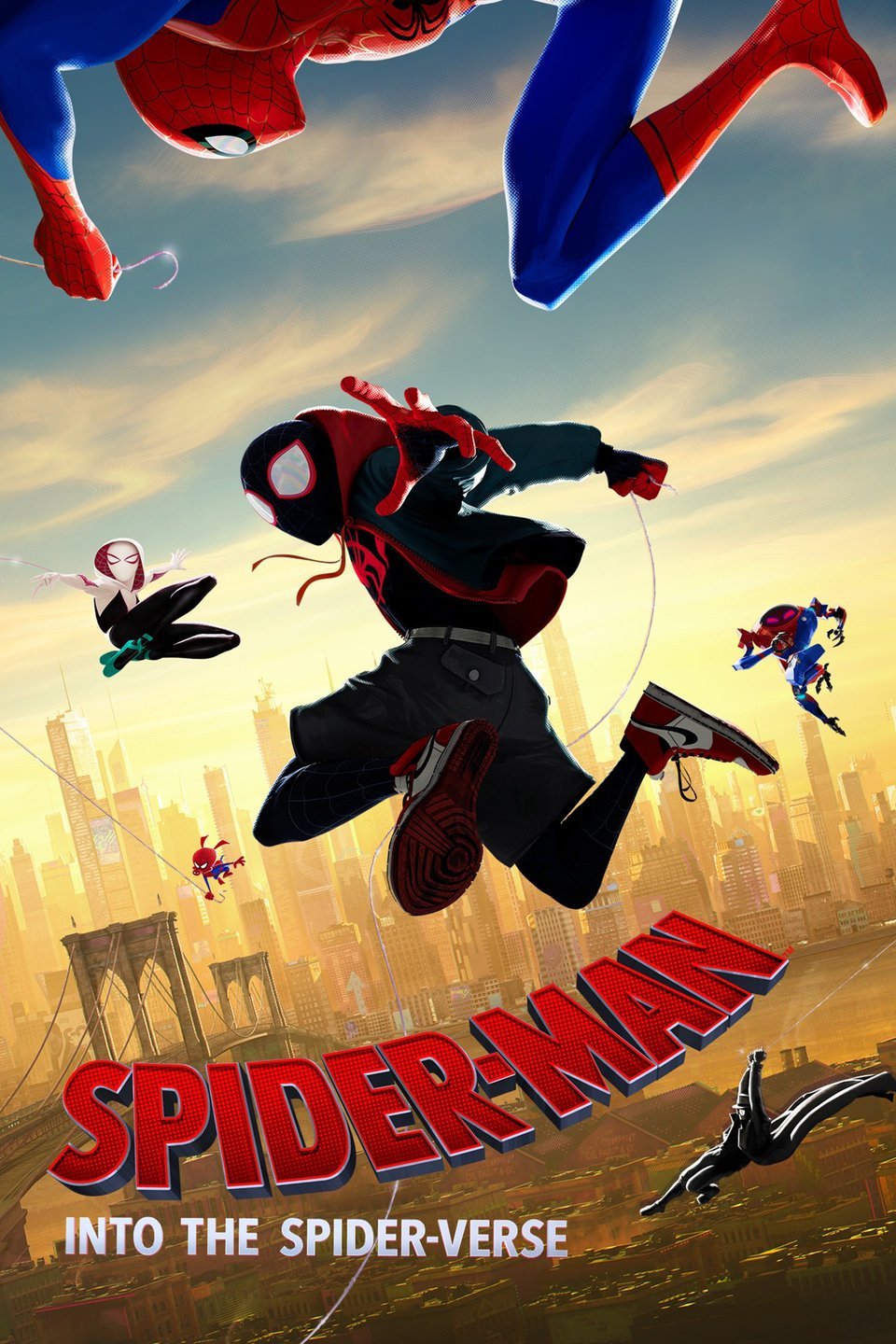
“Spider-Man: Into the Spider-Verse” brief film review

Now THIS is the amazing Spiderman! Eat your heart out Tom Holland and move over Incredibles and Ralph for the best animated feature of 2018. Even if you do not care for comic book or superhero movies, by in large, but love excellent motion pictures (animated or live-action), then I can almost guarantee that you will thoroughly enjoy and greatly appreciate Sony’s Spider-Man: Into the Spider-Verse. Although there have been a handful of animated films that I have liked in recent years, I have not felt emotionally and physiologically engaged with an animated feature to this degree since Kubo and the Two Strings. What both these animated features have in common is groundbreaking artistic precision that typifies the art of animated visual storytelling. Not only does Spider-Verse blow all other animated films out of the water this year, in terms of its contribution to the art and science of motion pictures, I put it on par with Kubo. The attention to production design details and mindblowing editing set the bar incredibly high for animated features moving forward. While the visuals have been likened to an acid trip, do not allow that to dissuade you because never once did I find the avant-garde artistic expression dizzying or obnoxious. It was completely immersive. There was genuine, tangible emotion felt in every frame. And the Stan Lee cameo was priceless. Underscoring everything on screen is the phenomenal screenplay upon which this mesmerizing animated feature is built. Undoubtedly, you will find yourself emotionally invested in the central character of Miles and the chief supporting cast, including the fantastic villain King Pin. There is so many layers to this story, and it works on several levels such as: family, love, self-sacrifice, and more. Highly recommend this film!

Ryan teaches screenwriting at the University of Tampa. If you like this article, check out the others and FOLLOW this blog! Interested in Ryan making a guest appearance on your podcast or contributing to your website? Send him a DM on Twitter or email him at RLTerry1@gmail.com! You can catch Ryan most weeks at Studio Movie Grill Tampa, so if you’re in the area, feel free to catch a movie with him!

Follow him!

Twitter: RLTerry1

Instagram: RL_Terry
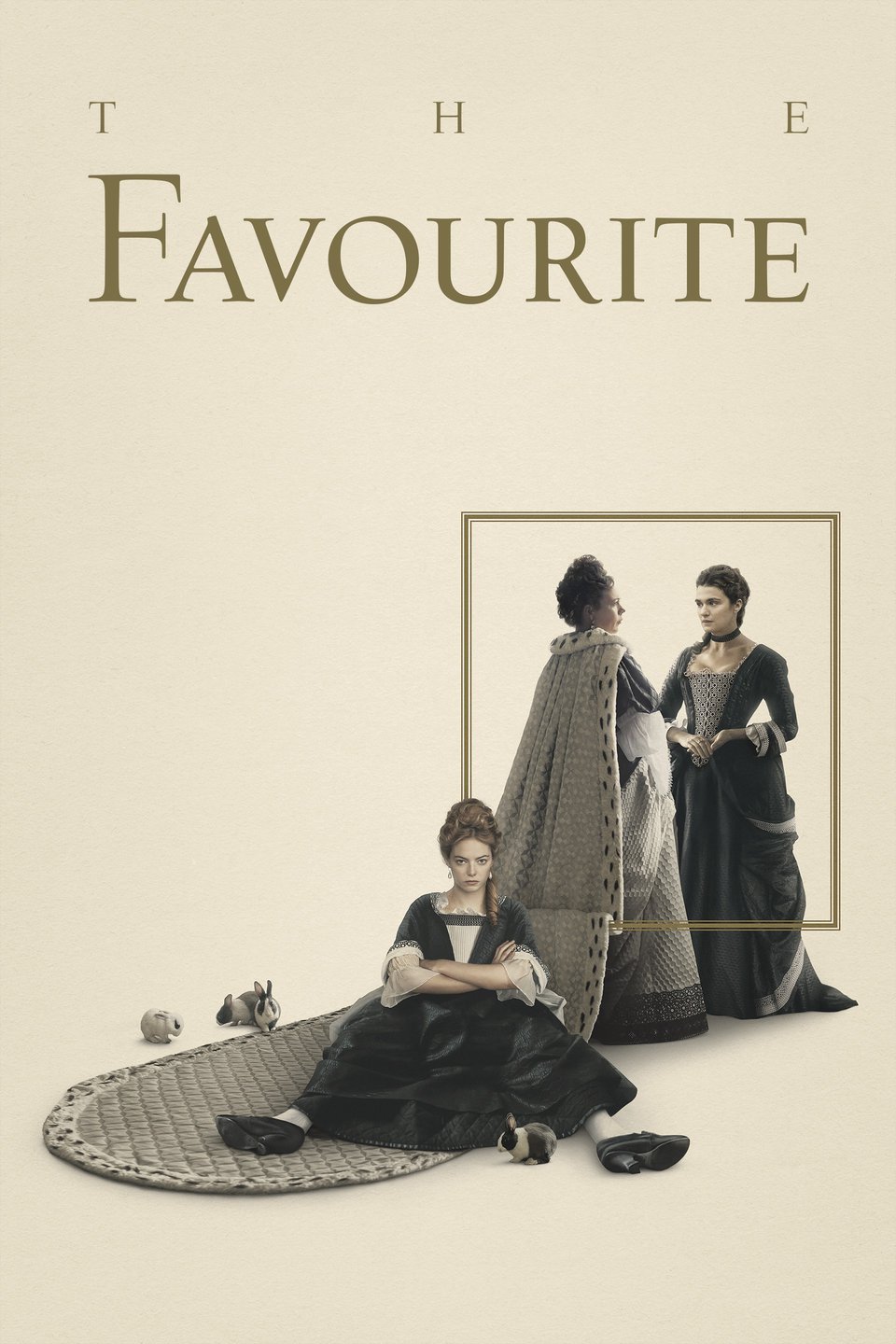
“The Favourite” full film review

A brilliantly entertaining satirical dramedy! Not your history channel biopic. Yorgos Lanthimos’ The Favourite is a motion picture inspired by the reign of 18th century Queen Anne of England. Even if Lanthimos has not previously won you over with his renown commitment to auteur filmmaking, The Favourite may just be the film to draw you into his penchant for dark dramedies that mock the absurdities of the world in which the story exists. Personally, I did not care for either Lanthimos’ The Lobster or Killing of a Sacred Dear, nor did I like last year’s highly stylized artistic film Phantom Thread directed by Paul Thomas Anderson. However, I truly enjoyed every second of The Favourite. A screenwriter’s dream, this film is built upon one of the year’s (if not THE) best screenplays, and brought to life by an incredible lead and supporting cast. And the degree to which this outstanding film impresses the audiences does not stop there. The costumes, locations, and set design are incredible. Upon watching this film, I was reminded of another worldclass period drama where each scene felt like it was an oil painting. I am talking about Stanley Kubrick’s Barry Lyndon. Never before have I seen a film come so close to delivering the experience that the Kubrick masterpiece did. Another film of note that this one reminds me of is All About Eve. When you’re comparing a film to some of the best films to ever be made, you know that is a good sign. This no-holds-barred dramedy provides audiences with a story about a twisted love triangle within the royal court of Queen Anne that is anything but prim and proper. You will be instantly sucked into just how bizarre and brilliant this film is because of the seductive visuals and razor-sharp wit.

In the early 18th century, England is at war with the French. Nevertheless, duck racing and pineapple eating are thriving. A frail Queen Anne occupies the throne, and her close friend Lady Sarah governs the country in her stead while tending to Anne’s ill health and mercurial temper. When a new servant, Abigail, arrives, her charm endears her to Sarah. Sarah takes Abigail under her wing, and Abigail sees a chance to return to her aristocratic roots. (IMDb)

With so much to love about this film, it is difficult to know precisely where to begin. Visually, this film is stunning. Between the cinematography executed with impeccable precision and the set design lit with a combination of natural lighting and candles, each scene is as if it was a commissioned painting by a Baroque artist. Not quite to the levels of Barry Lyndon but certainly encroaches upon that territory. The use of wide angle and fish eye lenses, the creative use of camera positioning to convey the tone of a scene or a subjective view of a character was masterfully directed. While the palace where we spend most of the time is already immense, the camera makes everything look even larger to convey the relationship between a character and the royal court or the emotion of a scene. Under most circumstances, it’s difficult to pull off a fish eye lens but Lanthimos does so excellently! The unconventional camera placement and angles reflect the emotional beat or warped nature of the scene. While this film is heavy on the dialogue, it is also equally heavy in the visual storytelling. There are moments in the movie that assault the eyes and others that are so hilariously candid that you are glad the camera allows us to get a glimpse into the twisted world of 18th century royal England. More than any other film I’ve seen this year, this one exemplifies the ability for the camera to be an extension of our own eyes to bring us even closer–intimately close–to the narrative.

A screenwriter’s dream! The writing in The Favourite is some of the best that I have seen in a long time. We’ve had many great screenplays this year, but there are usually flaws here and there–something that could have been streamlines, expanded upon, or reworked in order to make better. However, there is literally nothing about this screenplay that I would change. Every scene of a screenplay should begin as close to the end of the scene as possible and every scene needs to point to the realization at the diegetic conclusion. And this screenplay does precisely that. Even the development of the characters can be witnessed through the physical movement and dialogue of the characters. Not that commitment to the guidelines of screenwriting means the screenplay lacks imagination–definitely not. There is plenty of imagination in this story but it delivers every emotional beat, every turning point, every action with a powerful punch. The characters contain multiple layers and each scene reveals something new to add to these multidimensional characters. Sometimes it may be a subtle nuance that we learn about a character or it could be a big reveal that was hinted at earlier in the story. At times, your senses are assaulted with a sequence of actions that are wildly erotic or offensively contemptible. It’s that oscillation between extremes that keeps this drama titillating.

More than a satire on the 18th century British royal court, this film is about the lengths one goes to change one’s life or situation and all the costs associated with that. Screenwriter Tony McNamara worked with Lanthimos to adapt Deborah Davis’ original script into the outstanding script that serves as the foundation for this film. It’s also a grim reminder that you can change your surroundings, title, clothes, and job but you may still be selfish, power-hungry, lonely, and unfulfilled on the inside. Perhaps you think you’ve won one game, but you were completely unaware of all the rules or that you were actually playing a difference game altogether. Perhaps you are trying to rise up in a capitalist company or culture, and when you almost reach the top, you are reminded that you are just a lowly pawn in a greater scheme or plan. So many ways to read this film. There is depth to this film that Phantom Thread did not have (hence why I did not like it). It’s not just pretty to look at and listen to, but there is diegetic depth and dimension to this narrative brought to the screen. One of the most brilliant aspects to the story is how you feel about Abigail, Queen Anne, and Sarah. Because you will definitely change how you feel as the story unfolds. No spoilers, but you will witness a course of events that truly reveal who these characters are, what motivates them, and where allegiances lie. The character whom you think you should be rooting for, may actually be the very one who is the most deceptive of all. It’s been a long time since I’ve heard dialogue that is this vicious and beautiful all at the same time. And yet, nothing ever feels forced, fake, or annoyingly on-the-nose. The subtext of what is being said is rich and intriguing. Not only do these characters do and say some of the very things that we either do or imagine we would do but they execute it with razor sharp precision and in an organic manner. You will see it all and hear it all–that is certain. Be prepared to gasp, laugh, cringe, and more. Never before has cruelty, power, and desire been so delicious.

Yorgos couldn’t have asked for a better cast. The ensemble that makes up The Favourite is stellar. And there is lots of eye candy to go around. Whether we are talking the royal court, parliament, or even the servants, there are lots of pretty guy and gals whom make up this phenomenal cast. Beyond the look of the cast, the talent is breathtakingly good. Delivering figuratively sucker-punches one moment and conveying something seductive through the use of subtlety the next, the breadth of talent on display in this film is remarkable. Heavy dramedies like this one require chemistry levels near perfection. Because it is a character driven story that is supplemented by actions; therefore, it’s imperative that the actors work well together in order to never allow the audience to slip out of the story. Everything about this film works flawlessly.

Now that you’ve watched Bird Box, you need to head to your local cinema to experience one of the most audacious motion pictures of the year. You are certain to be entertained by the witty dialogue, picturesque locations and production design, and magnificent cast. Not your typical Jane Austen-esque period drama; it artistically pushes the envelop and holds nothing back. This film definitely ranks within my Top 10 films of 2018, and look forward to see how well it does at the major award shows coming up.

Ryan is a screenwriting professor at the University of Tampa. If you like this article, check out the others and FOLLOW this blog!

Follow him!

Twitter: RLTerry1

Instagram: RL_Terry
Thrillz (theme parks): Thrillz.co