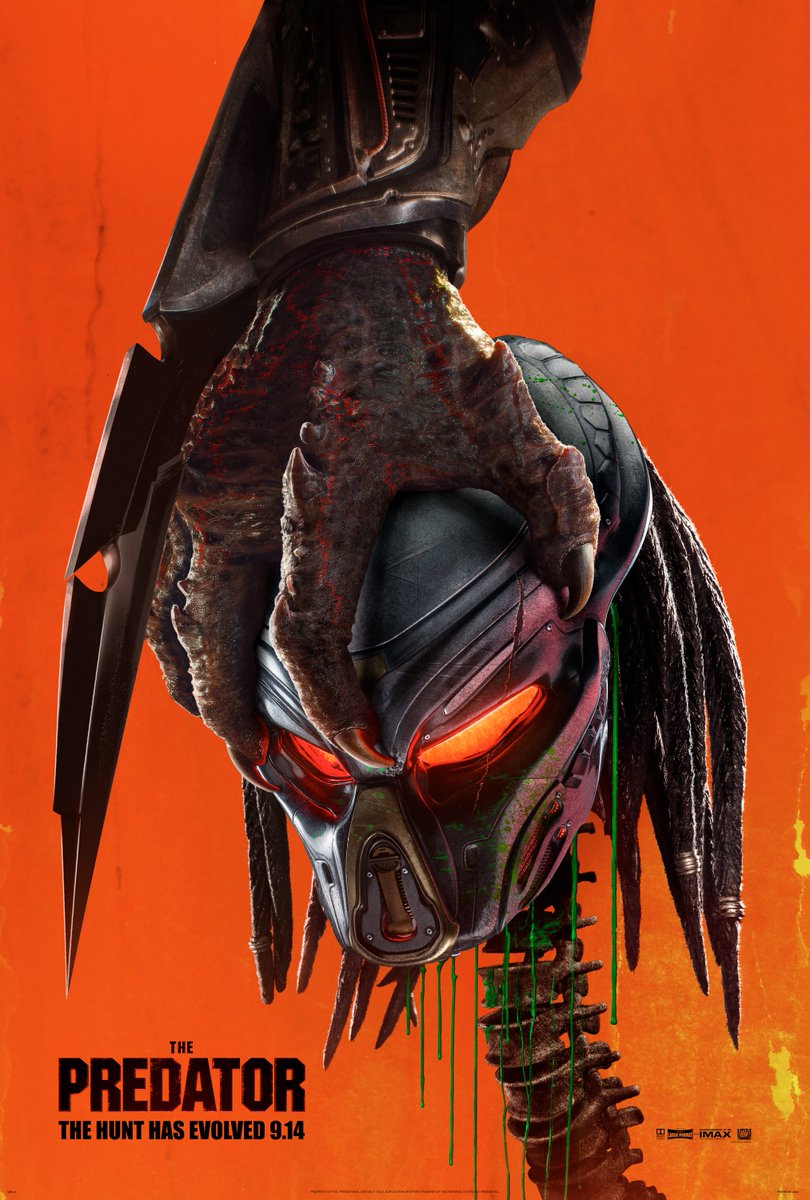
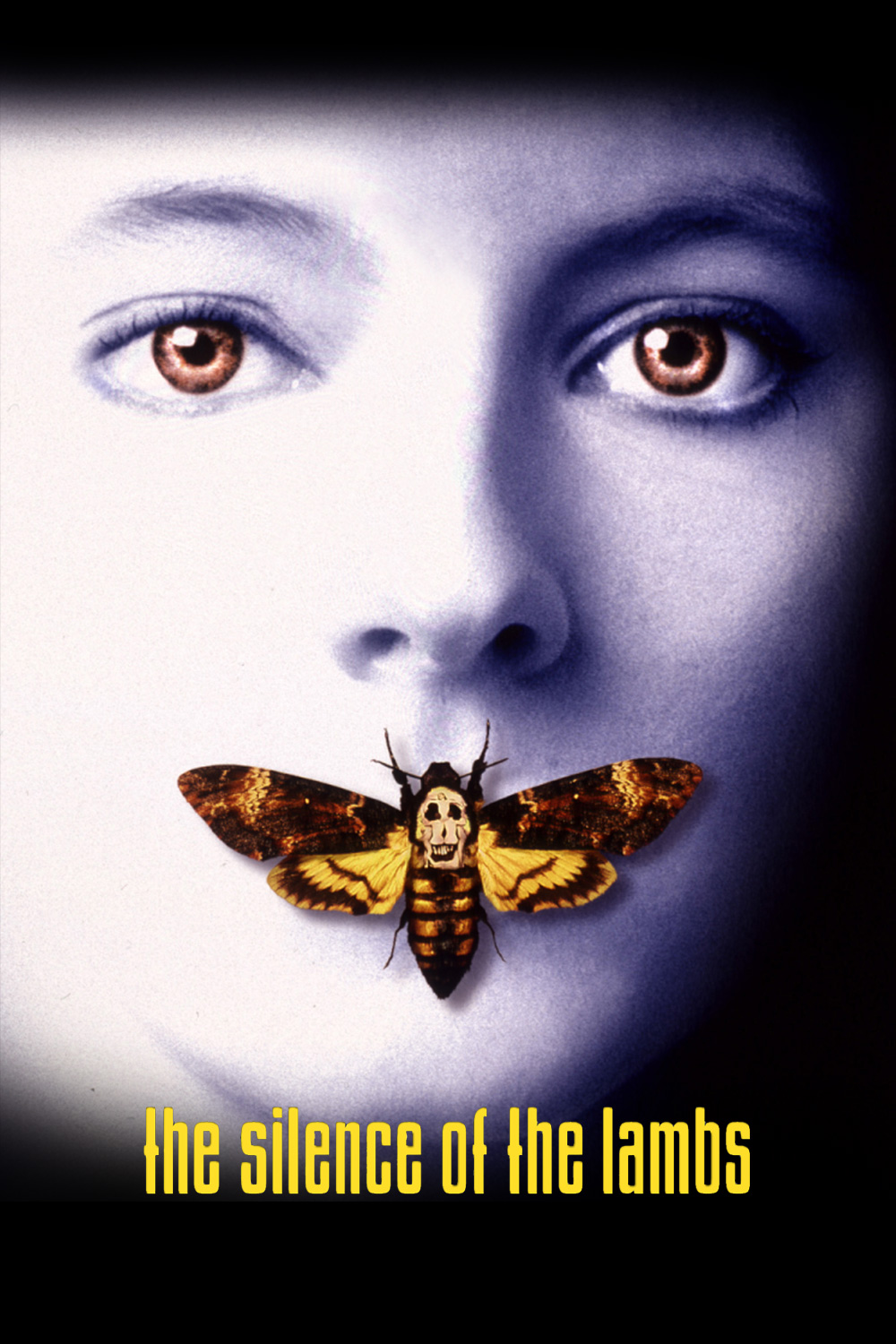
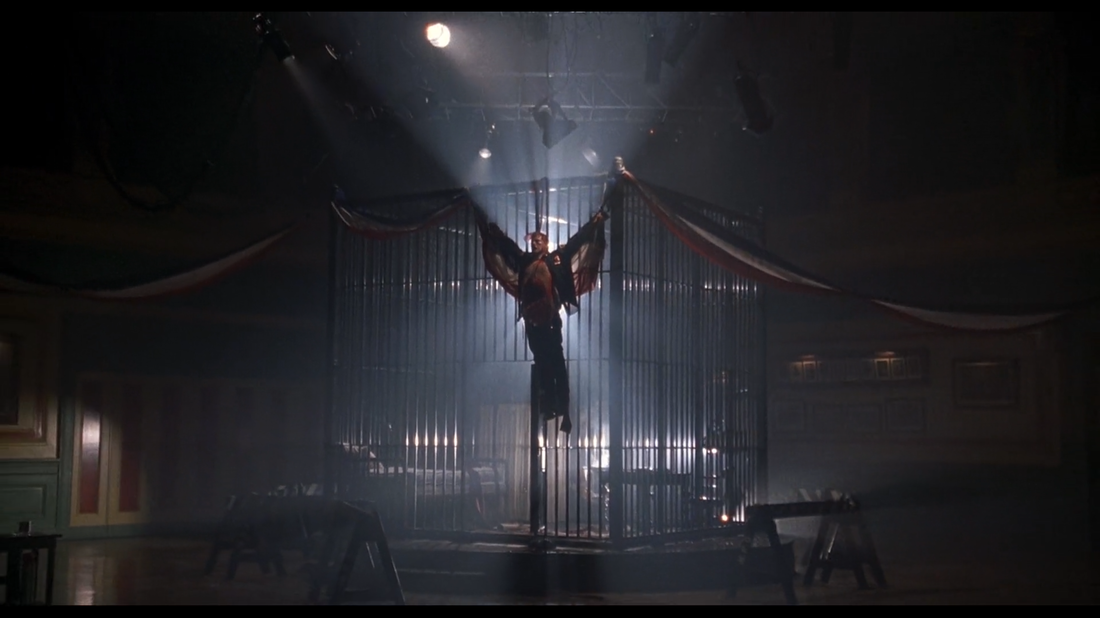
What an opening weekend! This past weekend saw the grand opening of Universal Orlando’s Halloween Horror Nights 28, and it has got to be the busiest weekend that I can remember in the last several years. Headlining this year’s HHN is Stranger Things and Poltergeist followed by eight other licensed and original IP houses. Boasting more houses than ever, HHN28 has got to be one of the best years yet. Although there is some disagreement on whether Stranger Things or Poltergeist is the best IP house or Slaughter Sinema or Scary Tales is the best original house this year, there is little (if any) disagreement on the level of attendance reaching epic proportions! Wait times for Stranger Things reached 150mins, and many other houses also had extreme wait times. Often, opening weekend tends to be less busy than the following weekends, but HHN fans were turning out in droves to attend Friday and/or Saturday nights. The energy level was incredible! Fans from all different age groups were all excited to enter the gates as the theme music from Stranger Things, Halloween, and Poltergeist filled the air. Armed with my Express Pass for Friday night and Rush of Fear HHN ticket, I was excited to meet up with my annual HHN crew for a night of frights and fun set to the beat of 1980s music and horror. One might even go so far as to say that this year’s HHN is an entertaining love letter to everything we loved about the 80s.
Prior to arriving at the archway, I just had get to the park. A lot easier said than done. There were so many horror fiends heading to HHN that the exit ramp from the 4 to the park was backed up to the driving lane. Not to mention the 40mph traffic all along I-4EB for miles and miles that I drove through. Once I finally got to the auto toll plaza for parking, I thought everything would move a little more smoothly. Nope. Although each of the toll booth holds two team members, from what I could tell, each booth had ONE–yes one–team member. After I finally parked, I looked at my watch and realized that nearly 45mins past from the exit ramp to the parking spot. Tip to Universal: please fully staff the booths to move cars through the plaza more efficiently. Once I made it to the archway, I had to pickup my tickets from the will-call kiosk. And just like usual, at the kiosk, neither liked my QR code nor my confirmation number. I encounter this problem every year. Any tips from those of you who do not have problems with the kiosk would be appreciated!
Finally, I was at HHN! Phew, what a process. But it was all worth it! One of my favorite things to observe is the variety of horror graphic T’s. So many different horror movies and fandoms represented. There is truly a sense of community at HHN. Maybe you don’t think about that at first because of the long standby (and even Express) wait times this year; but for those of us who love horror, this is the time of year (and the event) that we feel that we are not weird as characterized by popular culture at large. Even before I arrived, I had many fellow #FilmTwitter #Tweeps who hoped to see me, and I them, at the event. Unfortunately, I didn’t run into any of my Twitter followers at HHN this year, but I had a lot of fun following them, and reading what they thought about the different houses. Even though I did not end up meeting up with any of those I follow (or follow me) on Twitter, I felt connected to them through exchanging comments as we were all experiencing HHN at the same time. What I would like to see emerge from the Twitter and blogging communities as well as the #PodernFamily (podcasters) is to make an effort to connect in person as much as digitally. Perhaps many of us are covering HHN for our various media outlets; but at the end of the day, we are all there to have fun and should exhibit that same sense of community in person as we do through social media. Be social in real life!
(Twisted Tater has sense been added to the event)
Before I get into my brief review of each house, there is one other item of mention that I greatly missed at this year’s HHN. Twisted Tater. Yes. That spirally, starchy, fried goodness that has been a staple of HHN for what seems like forever. It was nowhere to be found. At least, I never found it nor did I see anyone post about it. Thankfully, my friend Dani and I had Twited Tater back during Mardi Gras, but we were both saddened that it was not part of HHN this year. Speaking of food, I do not feel that the selection of HHN food was as strong this year as it has been in the past. Yes, that Stranger Things cookie-like treat was popular on social media, but most of the HHN food seemed to skew towards sweets moreso than savory or starchy. In the future, aside from Twisted Tater returning, a nice balance of foods for any fix that an HHN guest may have, should be added. Oh yeah, Pizza-dogs need to return too! The fries just don’t do it. Speaking of fries, fresh cut fries would be a great addition to the food lineup!
Although it’s the houses that typically get the most attention running up to and during the event, after last year’s success of the elaborately immersive Trick ‘r Treat scare zone, the scare zones have begun to get an increased level of attention. Like with last year’s Trick ‘r Treat, it stands to reason that scare zones can definitely be used as a testing ground for future houses. The concept of testing an IP or concept for a house in a scare zone the previous year is not new, but it seems to be becoming more of the case over the last couple years. Scare zones this year are: The Harvest, Vamp ’85, Killer Clowns from Outer Space, Twisted Traditions, Revenge of Chucky, and I also count the annual chainsaw wielding clowns in Springfield.
The Harvest: Here you’ll encounter all the horrors you have ever feared were in your grandparents’ barn. I feel that this scare zone was a little weak compared to what is typically in this same area, but still a fun scare zone to get you in the mood for your night of horror. One of the best parts of the scare zone are the variety and amount of jack-o-lanterns! They are everywhere. It feels very much like Halloween!
Vamp ’85: Ring in the new year with 1980s vampires and music! Loved the small stage show! With many of the houses having roots in the 80s, this zone worked extremely well to continue that immersive love letter to the 1980s. Make sure to stay for the countdown but watch out for big haired vampires in flashy clothes!
Killer Clowns from Outer Space: My pick for favorite scare zone! Absolutely loved this scare zone, and I know you will to. Based on the cult classic, this scare zone has the best costumes and atmosphere. It successfully strikes that balance between horror and comedy, and works as a fun way to cleanse the pallet from the much darker areas of the rest of the park.
Twisted Traditions: Best part of this scare zone is the creepy church building! I walked though this scare zone a couple times, but unfortunately, I never felt that it actually accomplished what it set out to do. Only the church building is memorable. Couldn’t name one unique costume.
Revenge of Chucky: I was pretty hyped for this scare zone because I like the movies so much, but it was a bit disappointing. However, the interactive Good Guys display with Chucky was great! And that man baby you’ve probably seen on Twitter of IG was truly disturbing. I think it could have used a little more scare factor. Maybe even a Chucky jumping out at guests or something. It was okay, just not quite what I expected.
Now for what you really want to know about–the houses!
GET THE EXPRESS PASS even if just for one night, which is what I did. It is definitely worth the cost.
Poltergeist: MY FAVORITE HOUSE at HHN28! Such a successful translation from screen to live experience. All the moments from the movie that you want to see and experience are there! I wonder if real skeletons were used in the HHN house like in the movie, hence the curse and lore that follows Hooper and Spielberg’s movie to this day. You start in the back of the house in the pool then make your way through the infamous suburban home. The scares are perfectly effective and the production design is right out of the movie.
Stranger Things: This is likely the house that you may be looking forward to experiencing the most, as it is the other headliner house this year. The demogorgon will chase you throughout the house. All the scenes and locations from the show that you want to see are in the HHN28 house. And the lighting and special effects are spot on. From the living room with the Christmas lights to the Upside Dows, you will feel completely immersed in the world of Hawkins! The only negative criticism I have is the lack of live cast members. Yes, much has to do with an inability to cast kids in a house, but the absence was noticeable.
Halloween 4: With the highly anticipated Halloween (2018) releasing next month, Michael Myers once again returns to HHN! This is the third Michael house in the last few years with Halloween 1 and 2 with 3 being skipped since Michael is not actually in it. It’s a fun house for sure! And you get lots and lots of Michael. It’s been a while since I’ve seen H4; but from what I remember, this house does capture many scenes and elements of the movie. However, ultimately I feel that this house feels like more of a Michael Myers tribute than a “Halloween 4” house. This may be the case because HHN will be going on a Michael break for a while.
Trick ‘r Treat: In short, it works better as a scare zone than a house. That being said, it’s still a solid house with many of the scenes you want to see recreated. You’ll encounter Sam several times and you’ll get to see some of your favorite kills from the movie.
The Horrors of Blumhouse: If you need to skip a house for the sake of time, skip this one. Better than last year, but still (and according to most polls and reviews I’ve seen on Twitter) the least liked house at HHN28. At this house, you walk through Happy Death Day and First Purge. HDD was repetitive. Yes, I realize that is the point because the movie is a twisted Groundhog Day, but as a house it gets old quickly. And then The Purge movies just don’t translate well to a house, with the exception of the first one, which was more of a home invasion.
Scary Tales: My pick for best original house! From the moment you enter the Wicked Witch’s castle as she flies overhead, you will be completely immersed in the absolutely impressive production design that works perfectly around every corner. Each and every fairy tale was twisted beautifully. The effects were fantastic and the attention to detail was unlike anything I’ve seen in an original house before. What I find most interesting about the experience is that this house actually gets back to the original idea behind these tales in that most fairy tales were darkly cautionary stories told to influence a child’s behavior. Many are quite scary! So, this feels like an exaggerated version of how these tales were received back when originally written.
Slaughter Sinema: Close runner up to Scary Tales. Ever wanted to visit the world of those schlocky horror films of the 1980s??? Now is your opportunity to get inside the screen. Such a great house! While waiting in queue, you’ll get to watch trailers of some terrible, great horror movies. My personal favorite is Attack of the Swamp Yeti. The movies are so bad that I want to see each of them. Too bad that they are completely made up for this event. You’ll enter this house through an old drive in movie theatre then walk through each of the movies. There are some excellent kills and the production design is impressive!
Seeds of Extinction: Life after people! Visit an Arizona that is overrun by predatory plants and see you as their next dinner. A post-apocalyptic house is not entirely new, but this is a new twist on a past concept. We are used to being chased by zombies or creatures, but now you must fear plants. Some will eat you whole and others will shoot you with poisonous darts like the plants in Jumanji.
Carnival Graveyard: What is more terrifying than an abandoned carnival inhabited by hillbillies and killer clowns? Not much, haha. This house successfully combines the best of circus and hillbilly horror for one nightmarish house. Of all the original houses, this one is probably the most detailed. Even more than Scary Tales. The scares are so good! I like how the characters are extensions of the setting itself instead of feeling like their are just stuck in there to frighten us.
Dead Exposure: Ehh. This is a concept that has been done before, and like before, it fails to ever be truly scary. The idea is that you have been given an inoculation to prevent you from turning into a zombie after an outbreak at a facility. This shot is said to have nasty side effects such as disorientation. And on that, the house delivers in spades. The lighting design and special effects were so disorienting that I legitimately had trouble walking around to the point that is was annoying and not playful.
I did not experience Academy of Villains. And that is by choice. I felt like Harry Potter talking to Snape when he exclaims “how dare you stand where he stood…” That is how I felt because it’s now located in the stadium where Bill & Ted used to be. A horror comedy show that is built upon satire and parody is missing from the HHN28 lineup. If for no other reason, this show served as a means to take a break from the macabre and cleanse the pallet for more frights! I hope to see a show along these lines return one day.
Well, there you have it folks! A comprehensive review of Universal Orlando’s Halloween Horror Nights XXVIII. You definitely need to get out to HHN while it is going on. Fortunately for you, it just opened so you have several more weeks of HHN on select nights. With a variety of tickets and passes to choose from, there is a ticket for nearly every budget. If you can only go one night, I highly recommend getting the Express Pass. Otherwise, you may only make it to 2-3 or at the most 4 houses during your night.
Follow me on
The R.L. Terry ReelView (for films)
Twitter: RLTerry1
Instagram: RL_Terry
Checkout my book On the Convergence of Cinema and Theme Parks

 Whimsical and terrifying. A departure for the maestro of gory horror movies, Eli Roth’s foray into children’s horror-lite cinema is a hit! The House with a Clock in its Walls is the film adaptation of the 1973 novel, by the same name, written by John Bellairs. While there is a childlike wonder about the film, Roth’s trademark stylistic direction is clearly seen in brief glimpses into the movie’s much darker and disturbing moments. Already a rumored house for next year’s Halloween Horror Nights at Universal Studios Hollywood and Florida, this film provides many opportunities to adapt the house and its inhabitants into a fantastic haunted house maze. Jack Black and Cate Blanchett are incredibly entertaining, and offer an incredible banter that will leave you wanting a friendship like the one shared by these two characters. Our leading young star Owen Vaccaro is less interesting to watch and displays terrible crying skills; however, he does deliver a performance that shows he has potential to grow as a child actor. Although the movie largely takes place within the victorian mansion, it never feels limiting or redundantly boring. Eli Roth’s expertise for visual storytelling makes every room just an interesting as the previous one. For a children’s horror movie (what I’m calling horror lite), it has some scares and twisted moments that are actually terrifying if you stop to think about it. Roth takes this PG movie as close to a PG-13 movie without ever crossing that line. Never evoking strong emotion, you will still find moments that you will laugh and jump!