“Finding Dory” movie review

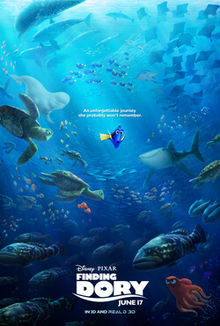
Finding_DoryA cute but ultimately emotionally static sequel to a beloved animated film. Disney-Pixar’s highly anticipated sequel Finding Dory makes a splash this week. Following the critically acclaimed success and continued popularity of Finding NemoFinding Dory hopes to find a place in your heart as well. Unfortunately, this film struggles to leave as lasting an impact as the first movie. Many film and Disney enthusiasts, approaching this film, knew that it was most likely going to be either a Cars 2 or a Toy Story 2; it falls somewhere between the two, but closer to the former. Not straying too far from from the plot of its predecessor, Finding Dory‘s message about disabilities turned strengths get a little lost in the emotionally static feel and somewhat forced turning points and dialog. The film certainly has its moments of laughter and surprise, but those are few and far between. Using its predecessor as an example, it is highly unlikely that Ellen DeGeneres could have been replaced by any other voice actor and the character of Dory still remain as endearing; however, honestly in this film, not just Ellen, but any of the other voice actors could have been replaced and the characters and plot play out just the same. A film needs to be a roller coaster of sorts–have its ups and downs–but Finding Dory pretty well stays rather somber the entire time. But yes, it does have some funny and pull-at-your-heart-strings moments. All in all, this movie feels like a forced sequel that wasn’t entirely necessary but produced in response to the high demand for a return to the world of Dory, Marlin, Nemo, and their friends.

Many years before Dory (Ellen DeGeneres) and Marlin (Albert Brooks) bumped into each other, Dory was just a baby fish with two loving parents. Struggling with short-term memory loss from an early age, Dory’s parents worked with her everyday to learn and grow. One day, she found herself all alone and couldn’t find her parents. And over the course of years searching, she found her way to the reef where she encountered a frantic dad searching for his son; and well, the rest is history. Moving up to present day. With an inability to shake the feeling that she keeps forgetting something really important, Dory finally remembers that she lost her parents. Although the memories are vague and spotty, she knows for certain that she needs to find them. After begging Marlin to go on another adventure out past the drop off, Marlin and Nemo agree to partner with Dory in search of her parents. From one side of the ocean to the other, nothing will stop Dory from locating her long lost parents to reunite as a family.

Like with Zootopia as well as other Disney films, there is usually a message in the subtext of its animated features and shorts. Finding Dory clearly has a message about perceived disabilities. Perceived in that, what is otherwise a physical or emotional disability, can be used to develop strengths. Most of the characters that you will encounter in this movie have some kind of disability. Dory and her memory is the main one, but there are definitely others. I don’t want to give much away, so we’ll just leave it at that. Although I feel the approach to writing this message into the diegesis of the film was a bit forced or heavy-handed, it doesn’t take away from the fact that it was handled very well and is mostly seamlessly integrated into the plot and mild character development. The two characters who offer the audience the most, in terms of character arc and development are Dory and her septopus friend Hank (Ed O’Neill). What’s a septopus? Just watch the film and find out. Both characters are mildly entertaining but lack that magical spark that was so much a part of Finding Nemo. One area that sequins sometimes find themselves in, is pulling from the first movie so much that you leave the sequel wondering why it was even necessary. Thankfully, that really isn’t the case with Finding Dory. But you’ll be happy to know that you will see some familiar faces from the first one, including everyone’s favorite sea turtle and stingray. Among the new characters in the movie, my absolute favorite was Becky!! Such a hot mess and quite possibly a little disturbing. Those eyes, though. She was so instrumental in my enjoyment of the movie!

I had the fortune of screening the film with one of the lead vocalists from Disney’s Animal Kingdom’s Finding Nemo the Musical. And I won’t disclose who it was, but he “totally” eats, breaths, and sleeps Nemo and his friends. This was a fantastic opportunity to include an analysis of, not only my point of view on the film, but someone else’s who has a lot of time and energy vested in this property. I half expected him to disagree with me after the movie ended when we began discussing it. But, it turns out that he feels very much the same as I do. He was able to point out some elements that were actually taken from the show at Animal Kingdom, which was really cool! It’s a show that I watch fairly often as well, as I am a former Cast Member myself and current Annual Passholder. Having the ability to discuss Finding Dory in regards to how it fits in with not only its predecessor but the live show was fantastic! He echoes many my same opinions on the movie, but also adds that the kid behind us told their mom that it was amazing. So, in terms of how well this film plays out for children, it does a great job. Many of the young people are about the same age I was when I saw the first one. I think what I missed most in Finding Dory as opposed to Finding Nemo is the lack of comedy. There is definitely some funny moments in the film but the comedic timing and structure simply doesn’t hold a candle to its predecessor. Reminds me of a quality just above a straight to DVD/BluRay or a commercial-free Disney Channel Original Movie. Let’s remember this: Toy Story 2 was also a fairly week sequel–albeit entertaining and heartwarming–and then it came back with the phenomenal tear-jerker Toy Story 3, so it is entirely possible that the Nemo property will go through the same evolution.

Competing against Central Intelligence and a handful of limited releases, Finding Dory is sure to beat out the competition this weekend. And for what it’s worth, it is a fun movie that warms those of us in our 20s and 30s with childlike nostalgia of when we first saw Nemo. Is this destined to be the next great Disney-Pixar film? Probably not. However, that doesn’t mean that you cannot enjoy it with your friends or family. Certainly, it is a wonderful movie to be enjoyed with those who love seeing familiar characters and meeting new ones. I just wouldn’t go into the movie looking for an excellent and dynamic story.
License to Create: Theme Parks and Intellectual Property

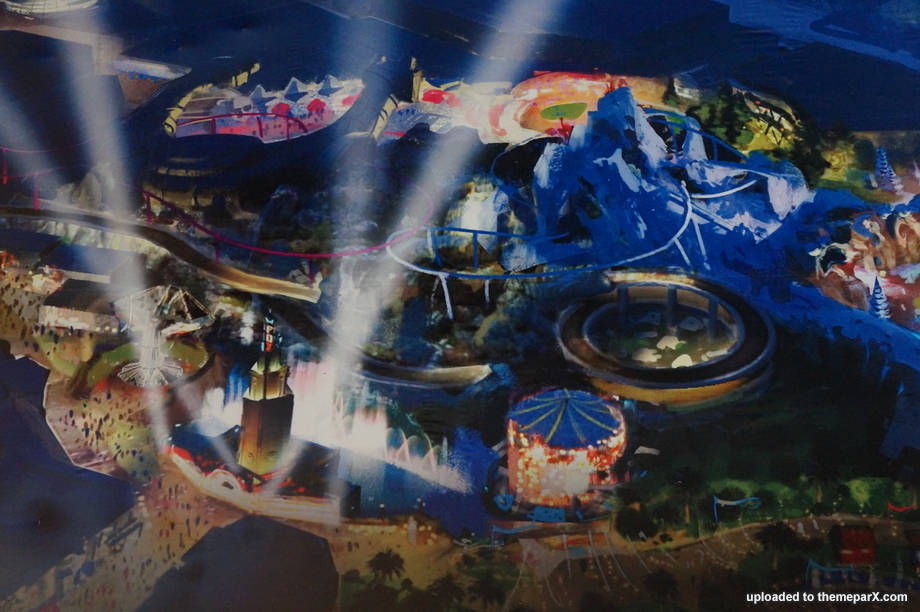
ThemeParkHighAngleLicense and registration please. With 20th Century Fox, Sony Entertainment, and Paramount Pictures entering the themed entertainment game as potential heavy hitters, and to some extent Warner Bros. as well, questions about cinema, television, and video game intellectual property (IP) begin to rise. Only having really had two main players in the industry for the last couple of decades, unless you count CBS/Paramount before selling off the amusement park investments to Cedar Fair, Disney and Comcast (parent company to NBC Universal) utilize their own respective IP libraries as well as licensed properties from other media companies. Not having as vast an IP library as Disney, many of Universal’s theme park properties have come from companies like TimeWarner, Viacom, and Fox. Whereas Disney primarily uses their own extensive library, they too have licensed other companies’ IP such as MGM Holdings, 20th Century Fox, and CBS. Although some of the once-licensed properties by either Disney or Universal have now been officially procured (i.e. Disney’s LucasFilm and Universal’s DreamWorks Animation), a common practice in the themed entertainment industry is to license, borrow, barter, trade, etc. But, with these new players demanding a slice of the hospitality and tourism pie, could we see more original television programming or movies?

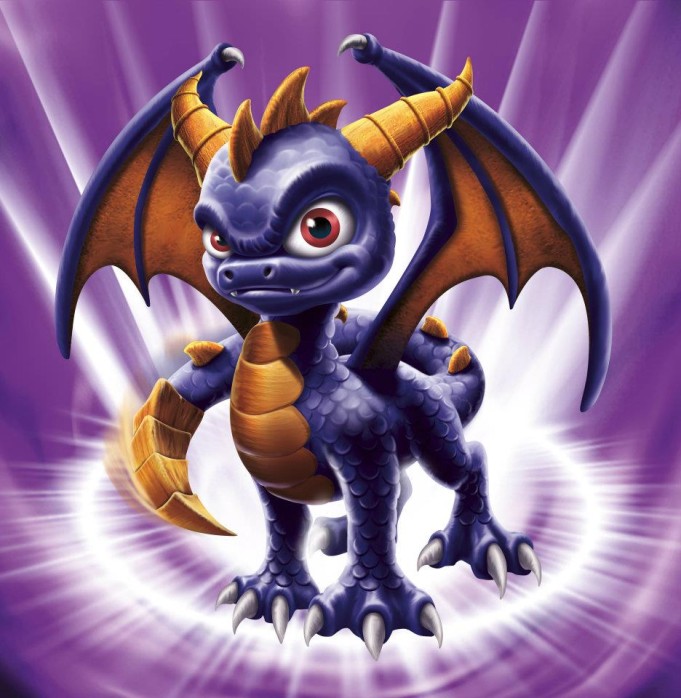
SpyroThink about it for a moment. Let’s look at some of the most well-known IPs from Sony, Fox, Paramount, and Warner Bros. Although there is a mild to moderate degree of subjectivity in what constitutes “well known,” I am going to go with commonly thought of properties. Starting with Sony. In no particular order, some of the most popular Sony properties include: James Bond (formerly MGM), Spider-Man, Men in Black, Smurfs, Terminator, Silence of the Lambs, Hotel Transylvania, Spyro, The Nanny, Wheel of Fortune, Jeopardy, Price is Right, Final Fantasy, and Crash Bandicoot. Switching gears to Fox. Some of the most well-known Fox properties include: Avatar, The Simpsons, Rocky Horror Picture Show, The X-Men, Bones, New Girl, American Horror Story, Alien, X-Files, Die Hard, Futurama, and Family Guy. Although not well known in the US, Warner Bros. operates a theme park in Australia and what is now called Movie Park Germany. Some of the most popular Warner Bros., IP are: Harry Potter, Game of Thrones, Looney Tunes, DC Entertainment, Lord of the Rings, A Nightmare on Elm Street, Friday the 13th, and Lego Entertainment. Viacom, parent company to Paramount Pictures, is one of the original Hollywood studios and owns IP such as: Mission Impossible, Titanic (partnership with Fox), Star Trek (films and TV shows), Forrest Gump, and the valuable Nickelodeon. Obviously the aforementioned lists are not exhaustive, but I wanted to try to paint as brief but effective a picture as possible to understand why IP is a hot topic.

JamesBondLogoRecognize some of those titles? You probably recognize most, if not all of them. Unfortunately, these companies have already licensed out some of those properties to Universal, Disney, and Six Flags. Avatar and Alien are licensed by Disney. Marvel Entertainment, Harry Potter, and Nintendo are licensed to Universal, DC Entertainment and Looney Tunes are licensed to Six Flags Parks, and the Nickelodeon IPs are split amongst different entities. Of course, when the licensing agreements were drawn up, it is unlikely that either Sony, Fox, Paramount, and to a lesser extent Warner Bros., thought that they would enter or re-enter into the themed entertainment industry. Now that this part of the tourism and hospitality (and live entertainment) is exploding, Sony, Fox, Paramount, and Warner Bros. need to rethink how to play catchup–and FAST. But, when you have licensed out some of your most valuable properties, how do you make up for it? The short answer is (1) refuse renewal when the license expires or (2) develop original content. Since some licenses run for decades, the former isn’t really an option unless the license is coming up for renewal in the next few years; so, we are left with one logical conclusion: pump out original content that is adaptable to a live experience. This is where research like mine comes into play since I have studied the relationship between cinema and theme parks, and moreover how to successfully translate a movie or TV show into an attraction. It’d be nice if one of these companies would snatch me up. But, I digress.

Film Strip BoardIt is entirely possible that Sony, Fox, Paramount, and Warner Bros. will be forced to generate new ideas for movies, tv shows, and video games. More specifically, original creative media content that can and needs to be able to be translated from the screen into a theme park near you. When developing original content that has the ability to be translated to a live experience, companies need to keep in mind that a high-concept plot with unique settings, characters, and action sequences are necessary for a movie turned attraction. There is a lot more to it than that, but at least this gives you an idea what is required and backed by empirical evidence. Although blockbusters are typically the sourced content for theme park attractions, not every blockbuster is appropriate. Take Titanic for example. It is a movie about the 20th century’s worst and most infamous maritime disaster. So, I don’t think Paramount or Fox will add “Titanic: Ride it Out” to its parks. The ability to cross-promote intellectual property is of great importance for the strategic exhibition and integration of movies, tv shows, or video games. One of the reasons why the Disney parks are so successful is because the Disney movies can be (1) seen in the cinema (2) character meet and greets in the parks (3) the platform for a video game (3) used in theming on the cruise line (4) A-list artists can record covers of the songs from musicals (and broadway musicals can be produced) and (5) the platform for attractions in the parks. Sony, Fox, Paramount, and Warner Bros. need to concentrate on producing movies and TV shows (and by extension video games) that can be used in strategic and creative cross-promotion.

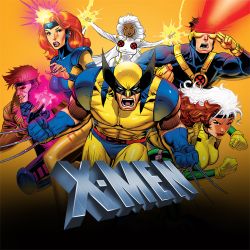
X-Men TASReturning to the present state of IP in the parks. Fortunately, some of those companies still–at least to the best of my knowledge–retain the theme park licensing for a few of the properties that were mentioned earlier; but for the most part, the most well-known movies, video games, and TV shows are already licensed by other companies. Viacom/Paramount operates the Nick Hotel near Disney in Orlando, so it still retains some licensing to its Nick IPs. However, since other parks use some of the Nick characters, there is probably some red tape to go through in order to fully use them in the Paramount park in the United Kingdom near London that is under development. Just like Disney wants to get their hands on Universal’s Marvel properties, Fox really needs to work on getting the X-Men back. On that note: since The Avengers is Disney’s heaviest of hitters and the same for Fox and the X-Men, perhaps eventually we will see that Disney has access to The Avengers and Fox the X-Men. Disney doesn’t really need The Avengers as much as Fox needs the X-Men. The X-Men is arguably Fox’s most successful film franchise in the last couple of decades and it is still going strong. Another Fox property that is licensed by Disney is James Cameron’s Avatar. As for Sony, they have not licensed out as many of their properties to themed entertainment companies, with the obvious exceptions of Terminator and Men in Black. Another area to explore is the reason why non Disney and Universal parks are mostly being built overseas. But that is the topic for another article; however, it is directly linked to IP and copyright.

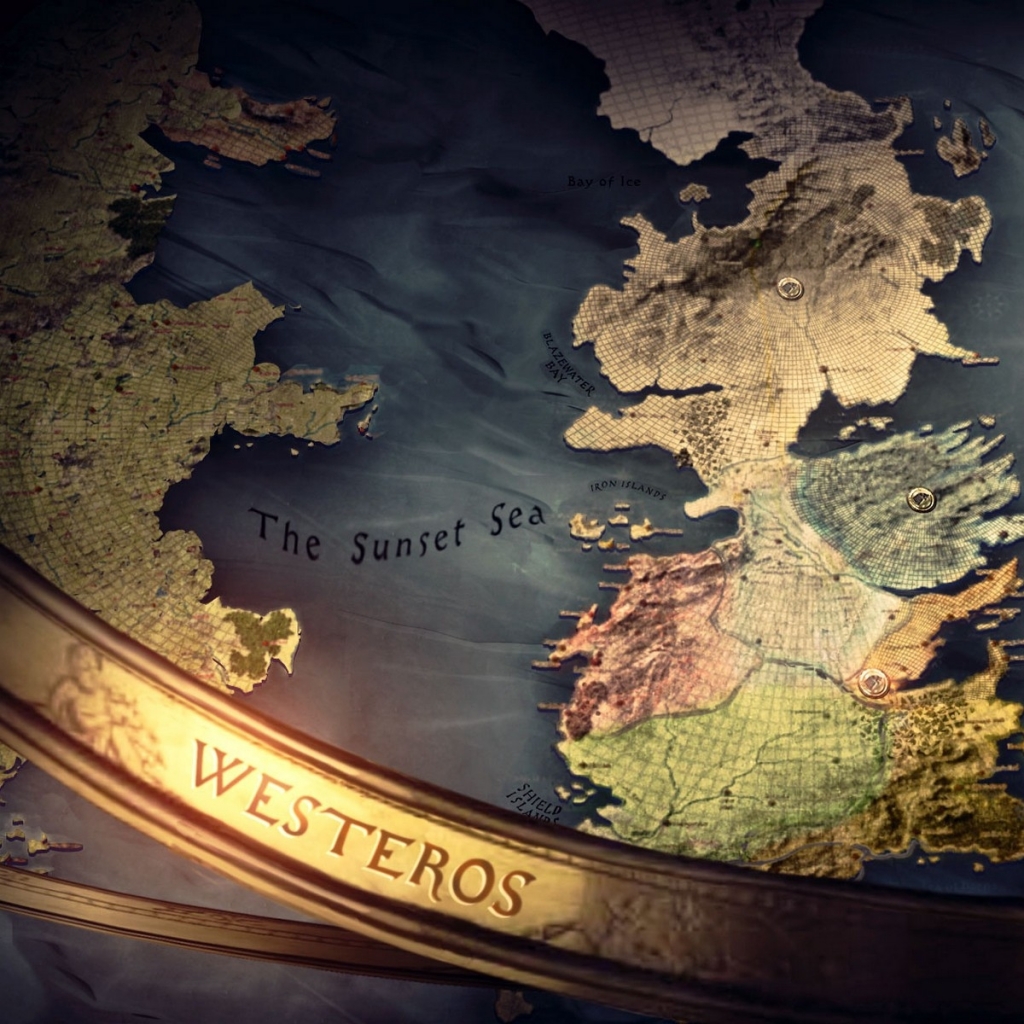
maps_game_of_thrones_a_song_of_1024x1024_wallpaperfo.comCurrent IPs that would make for great attractions in a U.S. Sony, Warner Bros., Paramount, or Fox theme park would be Game of Thrones, American Horror Story, X-Files, James Bond, Lord of the Rings (but that is a whole other discussion in and of itself), Hotel Transylvania, Spyro the Dragon, Maze Runner, Hunger Games (need to be licensed from Lionsgate), Ice Age, or Mission Impossible. Content is king. More innovative and original content from the big studios who also have theme park investments means that there will be more movies to see each year!! It will also open the door for new ideas from comics, literature, history, and legend. Instead of reboots and remakes, you will enjoy new ideas and narratives. So, the long and short of it is that media conglomerates with movie studio and theme park investments are at a crossroads. They can either not go full-force into themed entertainment and play around with the current IP in their respective libraries or can rise up to the challenge to develop original movies and tv shows that can also find their ways into theme parks in the U.S. and around the world.

“On Cinema and Theme Parks” (part 12 of 12)

My BookThe world of the business of media convergence is a fascinating and rapidly changing world! And, the convergence of cinema and theme parks is a dynamic example of how one form of media can be integrated into another in order to create a new experience for audiences around the world. Media conglomerates with theme park investments are often exploring what to do in order to remain competitive and increase the number of guests through the turnstiles. Sometimes this means using their own IPs to develop new rides or attractions, maybe an entire new park altogether, or perhaps striking a deal with another media company in order to use another’s IP as the source material for new attractions.

The opposite is also true. Media conglomerates with theme park interests may look to their own respective parks for the inspiration for the next movie. This was definitely the case with Disney’s Pirates of the Caribbean and is the case in the film Tomorrowland, in which an entire section of a park is the basis for a movie. It is all storytelling. But the stories being told take different shapes and are told through various means. And, even video game companies are getting in on the action. On May 7, 2015 Universal Parks and Resorts and Nintendo announced a first-ever partnership. Universal Parks and Resorts acquired the theme park rights from Nintendo to include the legacy video game company’s characters and games in new attractions and character meet and greets (BusinessWire, 2015).

At their respective roots, both movies and theme park attractions (and even entire parks themselves) tell stories. The medium through which they tell their stories is very different, but nevertheless helps to support one another. Media conglomerates have demonstrated this concept by taking existing movie/TV IPs and translating them into attractions and taking existing theme park attractions and translating them into movies. At its heart, the purpose of this study is to develop recommendations for media conglomerates when making decisions that are potentially worth millions of dollars, and could be a major success or a big flop.

Despite the more artistic or niche films still being amongst the individual favorites of the participants, the shared favorite movies were high concept and aimed at broad audiences, and typically fell into the science-fiction or fantasy/adventure genres. Specifically, the movie Jurassic Park and the Jurassic Park ride were cited numerous times. If an attraction were too disconnected from the story or plot of the movie, serving as the basis for the ride, then it appears to be received negatively. On the contrary, when a movie-based theme park attraction combines the best of the plot or characters, in a given movie, with a conventionally thrilling ride design, then it is received very well and enjoyed immensely.  Furthermore, the attraction needs to tell a story within the length of the ride from queue to exit. Fluid, coherent stories are driving forces behind the likability of an attraction or movie. Prompting the generation of emotional connections or responses from audiences/guests, in respect to the story of a movie or attraction, is key to creating reflections that will evoke nostalgic memories down the road; and thus, compel the audience member or park guest to experience the movie or ride again—perhaps with friends, family, or their children.

Well-executed themed design to support the story of a theme park attraction based on a movie is just as important as the story or intellectual property themselves respectively.  Story is the plot or sequence of events that take place during the ride experience (again, this is from the queue to the exit). Theme encompasses the building design, audiovisual elements, physical movement, and special effects during the attraction. The goal of an attraction or park area’s theme should be to completely immerse the park guest into the world being used as the basis or inspiration for the ride or section of the park. Everything from the employees to the restaurants to the surrounding buildings needs to work together to create an experiential degree that essentially transports the guest from the real world into the world of the park or ride. When developing themed areas of a park, designers need to be careful not to allow the outside world into what should amount to an escape from reality. Not that iconic brands or companies cannot be integrated into the theming of a park at all; but it needs to be more indirect, thus allowing the theme to continue and the story not be broken by outside invaders, so to speak.

The reason many attractions at movie-based theme parks were originally developed was to take Tom Gunning’s (1986) idea of the cinema of attractions and translate it literally. However, with the increasingly digital climate of movie making, the practical, analog effects and techniques that once made for the basis of attractions, are no longer foundation enough for successful attractions in today’s marketplace of themed entertainment ideas. Simply stated, it just isn’t exciting to watch an editor sit behind a computer creating digital effects. Despite the making of a movie just not being as secret or magical nowadays, it is still important for a movie-based theme park to hold onto its roots and work to creatively develop new ways of exhibiting this art that still mystifies to this day—just in different ways than it used to. For movie-based theme parks that exist on studio lots or house sound stages, it is imperative that studio tours continue and build areas that can be rented out for current productions. Even though many people know how movies are made presently, the art, skill, and magic of how similar effects and shot sequences were accomplished before the aid of computers (at least to the extent they are instrumental today) in classic movies has a place in the modern movie-based theme park. Hitchcock: the Art of Making Movies was cited as an example of this type of offering guests want to see alive in the parks.

The goal of a movie or theme park attraction is to generate some type of pleasurable experience in the movie patron or park guest. For both movies and themed parks, the idea needs to be to craft a story that will stimulate physiological and psychological/emotional responses from the audience/guests. A movie should contain a story or sequence of events that generate fear, affection, anxiousness, or levity in the bodies of the patrons. These responses are very much physiological. In the environment of a theme park attraction based off a given movie, these same physiological responses need to be generated by the use of movement and special or visual effects. When generating these physical responses, the patron or guest will instinctively develop psychological or emotional responses to accompany the complementary physiological response. Even if the physiological strain placed on the bodies is by all accounts a negative one, the park guest will most likely be compelled to experience it again and again because studies have shown an attraction to or affinity for sensations of pleasurable un-pleasures.

The principal idea behind this study is to create a predictable model for producers and designers. And, there has been a prolific amount of information to supply the evidence that creative designers, producers, and project managers need in order to make well-informed decisions in the beginning stages of the themed entertainment or motion picture production process. Developing a model for creative decision-making is not as simple as ‘include these things and your idea will be successful,’ as the creative process can be very subjective. However, with enough supporting evidences, a media conglomerate or other company with theme park investments can make decisions with sufficient empirical evidence pertaining to the projected success of an attraction or theme park. This study has outlined a model that is grounded in scholarly research, anecdotal evidence, and first-person focus groups and interviews.

For the complete study, head over to AMAZON and purchase the book. These 12 sections merely touch on some of the main points from the study but by no means take the place of reading the whole book. Hopefully these sections prompt a desire to experience the book/study in its entirety. It’s written to be enjoyed by anyone who loves movies and theme parks. What good is a study if it’s written of that only academics can understand. I have uncovered fascinating knowledge and insight into the craft of the relationship between cinema and themed entertainment that I want to share with the world.

To return to the beginning of the series, click HERE


“Captain America: Civil War” movie review

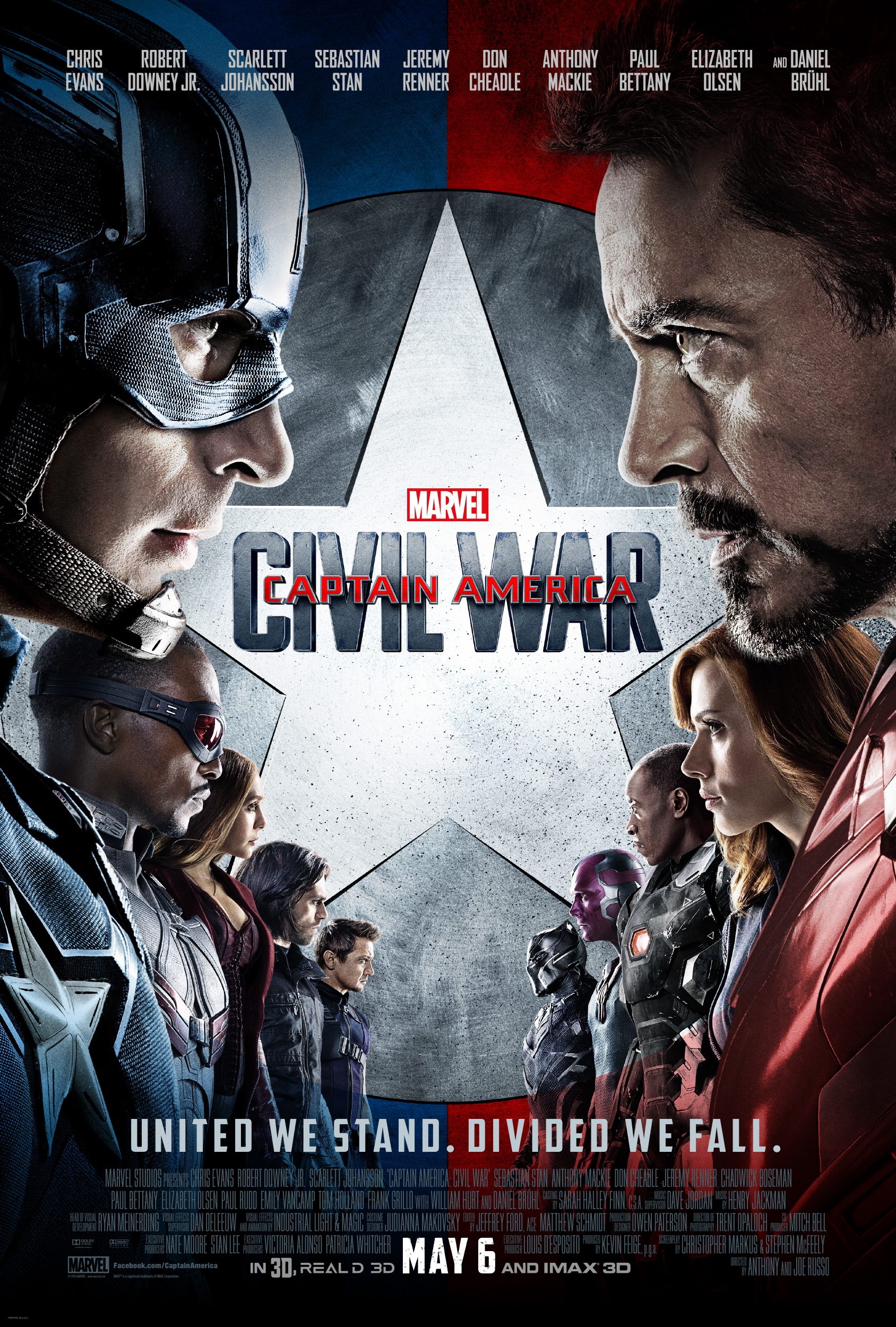
Civil_War_Final_Poster‘Marvel’ous! Nearly a complete departure from the conventional comic book superhero movie genre. Avengers 2.5 is a politically-charged superhero movie that will catch you off guard and provide you with a mostly non-cartoonish plot filled with well-developed conflict and character development. Witness some of your favorite Marvel superheroes secede from the Avengers and oppose those who they once fought side-by-side. Along the way, you also get to meet some new additions to the team that will provide some awkward comedic sequences in this otherwise serious movie. Deep dark secrets come to the surface that threaten the very possibility of the team ever having any hope of reunification. Captain America: Civil War is a brilliantly produced film that will have even those who typically do not care for most superhero films leaving the theatre satisfied and anticipating the next installment in the series. Although it is really an Avengers movie, there is still enough focus on the title character to support the choice of titles for this action-packed epic adventure.

Captain America: Civil War takes place not long after the catastrophic events at Sokovia and following another destructive battle, the United Nations and U.S. Government decide to intervene and put The Avengers in check. Opposing the team signing onto an international agreement defining how this group of “vigilantes,” Captain America (Chris Evans) falls away from the group and seeks his own destiny frocked with vengeance and misplaced allegiances. With the once unified team fracturing, a covert former Soviet operative is plotting the destruction of The Avengers from the inside out. Much in the vein of the American Civil War, The Avengers are split and Captain America forms his team while Iron Man (Robert Downey Jr) attempts to hold the team together and honor the agreement with the United Nations. The once inseparable Black Widow (Scarlett Johansson) and Hawkeye (Jeremy Renner) must choose sides and decide where allegiances truly lie.

It isn’t often that a genre typically filled with high concept, shallow plots can surprise you with a narrative radiating with anthropological and political themes and subtext. The brilliance of Captain America: Civil War is that it provides the audience with equal parts action-packed fight choreography and well-developed dramatic plot with prolific amounts of character conflict. Furthermore, the story will exceed your expectations of the ability to tap into one’s superficial response to action-packed stimuli and activate the deeper emotions of allegiance, betrayal, and self-preservation. For those who have not seen the previous movies in the Captain America series–another admirable element of this installment, is not causing those who have yet to watch the previous CA movies to feel left out of the excitement. Provided you have seen the preceding Avengers movies, this one will keep you trekking along with your favorite Avengers universe characters. There are certainly minor elements or past relationships that are introduced in the previous CA movies, but most likely you will be able to pick up on the aforementioned as you watch Civil War.

Another observation of this installment in the Captain America/Avengers franchises respectfully, is the movie’s success in both including current characters and introducing new ones without the film ever feeling too crowded, as it was with Batman v Superman. In addition to the Avengers minus Hulk and Thor, the audience is introduced to an adolescent Spider-Man (Tom Holland) and are re-acquainted with Ant Man (Paul Rudd). As I am not familiar with the comics, I cannot comment on this Spider-Man in respect to staying true to the comic, but I found this incarnation of Spider-Man to be on the verge of annoying. Perhaps that is how he is suppose to be, but it did not fit in with how he has been historically portrayed in cartoons and movies. However, the inclusion of both the respective characters did not feel forced as it so easily could have. Since the film primarily focussed on Captain America and secondly Iron Man, the large cast of characters was handled efficiently. The writers could include all these characters in one narrative, but shift the focus from character or character thus never overstimulating or overwhelming the audience with the development of such a dynamic ensemble cast.

Ordinarily, I do not speak so highly of superhero movies; but this film left me feeling quite satisfied and pleased with how well the film played off as a serious movie complete with plenty of opportunity for emotional connections. That being said, the one sequence of the movie that I did not find as entertaining or fitting is the elaborate “civil war” battle on the tarmac. Was it choreographed well? Yes. Was it instrumental in moving the plot forward? Yes. Did it effectively fit in with the rest of the mood and pacing of the film? No. Moreover, that entire sequence of scenes just felt awkward. And, that is mostly due to the inclusion of the naivety and immaturity of Spider-Man and witty/sarcastic/near-juvenile antics of Ant Man. Perhaps if only one adolescent-like character had been added, that part of the film would not have felt so awkward. As to not give away the reasons for the solemn mood of the film, I cannot go into much detail; but, the manner which this scene was written and directed just felt out of place and interrupted the otherwise excellent pacing and mood of the story. I agree that most serious movies need comedic relief in order to generate an emotional rollercoaster, but this was just a little too funny with respect to the rest of the film.

The summer blockbuster season is officially underway with the undoubtedly successful opening weekend of Captain America: Civil War aka Avengers 2.5. Unlike last year’s Avengers: Age of Ultron, this installment will take you on fantastic journey of emotional mountains and valleys of character and plot development. This film proves that a superhero movie can be both fantastically action-packed and dramatic. The political subtext will also provide friends and family countless hours of discussion and analysis. Although this is not an adult superhero movie in the way Deadpool was, there is still language and violence that may not be appropriate for young kids. Still, one of the earmarks of a summer blockbuster is a movie that can attract and please both teens and adults, and this is definitely a great example. Hopefully, this movie is an indicator of an exhilarating summer season at the cinema.

PS. Notice the nod to Disney’s D23 Club? I did!

“Huntsman: Winter’s War” movie review

HuntsmanWintersWar“Let it go” Universal, Disney already has dibs on the Snow Queen. Prepare for the unnecessary prequel/sequel Huntsman: Winter’s War this weekend. It won’t take long for you to realize that you have seen this story before. Albeit, a more family friendly and Disney’d version, but this plot nevertheless. However, after researching the actual Hans Christian Andersen fairly tale The Snow Queen, it is clear that Universal Pictures does a more accurate job of adapting the fairy tale’s words than Frozen did. The problem with this attempt is that it feels like it’s coming around a little too late. With one-dimensional characters and a predictable plot, Huntsman attempts to tell the “real” story of the Snow Queen that appeals to teens and adults, but it looks so incredibly “Frozen” that it leaves you feeling like you’ve done this all before. Although there are increased action and romance scenes in the film, the whole idea of close sisters having a falling out, the one heading to the frozen north, while the other remains in the south with the north creeping on its doorstep, and love melting frozen hearts, is the foundation of the narrative and feels like a bad case of deja vu with little to add.

Travel back to the land of Snow White, and come face to face with a little known story that has yet to be told. Before poison apples and dwarfs, Queen Ravenna (Charlize Theron) and her sister were running the kingdom after the death of the good king (Snow White’s father). Ravenna’s younger sister Freya (Emily Blunt) falls in love with a man promised to another woman but has come to bare his child. After Freya finds her lover having set fire to the nursery and the innocent child, Freya becomes acutely overcome with anger, grief, and hatred and suddenly displays powers of ice and snow. Unable to control her anger and power, Ravenna send her sister to the north to find a kingdom of her own. After having her child murdered, Freya decides to raise a kingdom by making love illegal and taking children from villages and raising them up as warriors known as huntsman. When she finds that two of the huntsman Brighton (Chris Hemsworth) and Sara (Jessica Chastain) have committed the unpardonable sin of falling in love, Freya steps in to put a stop to their forbidden love. Banished from the kingdom of the frozen north, Brighton is contacted by Snow White’s kingdom to retrieve the infamous mirror filled with dark magic before it falls into the wrong hands.

Every once in a while, I come across a movie that really doesn’t require a lengthy description of the critical elements of the film; and this is one of those. Just felt very much under-developed and forced. Anyone who has seen Frozenand let’s face it, that’s practically everyone whether they wanted to or not–will instantly pickup on the parallels between both movies. Huntsman: Winter’s War is definitely geared towards an adult audience but it still feels like it stole many elements from Frozen. Even the coloring and costuming are very similar. For those who have examined Frozen from a critical perspective and read up on the development of the blockbuster, you may be familiar with the evolution of the script: it starts out as an adaptation of The Snow Queen but then the writers scrapped that idea for more of a contemporary Disney animated feature story. But then the writers didn’t like that direction either, they essentially took the first half of the first draft of the script and spliced it together with the second half of the second draft, added in some catchy music and boom! You have FrozenHuntsman is similar to what you would have got in Frozen had the first draft been the produced movie.

On the plus side, this film contains some beautiful imagery and simple but stunning visual effects. The goblins are extremely well done–too bad you get so little time with them in a scene that is completely removable from the rest of the film. That scene and others were clearly under-budgeted and under-developed. Despite the fact that you can watch this movie in D-Box and IMAX, there is really no reason to spend the extra money. Watching it in a standard auditorium will suffice perfectly. If you want to get a better idea of the darkness of the original Hans Christian Andersen fairy tale before Elsa and Anna, then you may enjoy this movie. However, if you would rather wait for it to be on Amazon Prime or iTunes, then that works too.