Lin Shaye and Liam Neeson | January Box Office Gold

Both Insidious and The Commuter are gems in the graveyard that is typically true “January” release films. I say true because films like The Shape of WaterI Tonya, and The Post are wide-released in January but were originally released on a limited run during the Holidays in order to qualify for The Oscars. For those who follow cinema closely, it’s no surprise that months like January and September are typically referred to as movie graveyard because that is ordinarily where movies go to die that cannot stand up to Spring, Summer, Fall, or Holiday release times. However, the last couple of years have seen some very strong films in January/February. Last year’s examples are Get OutLogan, and A Cure for Wellness. Last week’s Insidious: the Last Key and this week’s The Commuter are very much paint-by-the-numbers horror/action films respectively; but the cast–in particular, the leads–makes these films fun and even exciting to watch. From background actress to leading horror queen, Lin Shaye truly makes the Insidious films ones to be experienced on the big screen. Her flair for paranormal/supernatural films is uncanny, and take mediocre horror movies and transform them into movies you don’t want to wait until it comes to VOD. Likewise, Liam Neeson wowed audiences with his trademark character with a “particular set of skills” in the Taken movies, and has since played similar characters in other films. When you see his name, you expect that character-type and often times you get it! The Commuter may be a cliche action-thriller, but Neeson makes the film one that is a non-stop ride, one you don’t’ wanna miss when it leaves the station.

But why do both Shaye and Neeson draw the audiences the way they do? By all accounts, movies like the Insidious and Taken franchises or some iteration of the aforementioned are filled with horror and action tropes that seldom provide a truly new experience for audiences. However, their movies generally do very well at the box office and are consistently thrilling to watch. Placing Neeson in an action thriller or Shaye in a supernatural horror is essentially a guaranteed box office success for audiences and investors. In a manner of speaking, what we are dealing with here are legitimate movie stars. Truth be told, 21st-century cinema does not see movie stars in the same way that the early and mid 20th century did. In early days of cinema, films were built on the back of the studio system stars. It was a Betty Hutton film, a Humphrey Bogart movie, a William Holden picture, a Bette Davis film, etc. I’d argue that Tom Cruise is the closest to a contemporary era movie star in the traditional sense that we have. But by extension, you can apply the same attributes to Liam Neeson and  Lin Shaye by the cache that they bring to their films–they are a box office draw. Just their respective names are enough to invigorate audiences and generate ticket sales. At the end of the day, that’s when you know you have a true movie star. The name alone is enough to excite audiences and drive ticket sales.

Both actors are equally talented in their respective ways. The level of talent, entertainment, and thrill is consistent. You are never disappointed in their performances. If you remove/replace either of them in Insidious: the Last Key or The Commuter, the movies would likely not play out nearly half as well as they presently do. I’m not knocking the writing, directing, scores, editing, or cinematography, I am stating that the films are nothing remarkable in and of themselves; however, Shaye and Neeson bring a powerful screen presence with them that take the mediocre horror and action films to transform them into a cinematic experience that is incredibly enjoyable.
“Thor Ragnarok” movie review

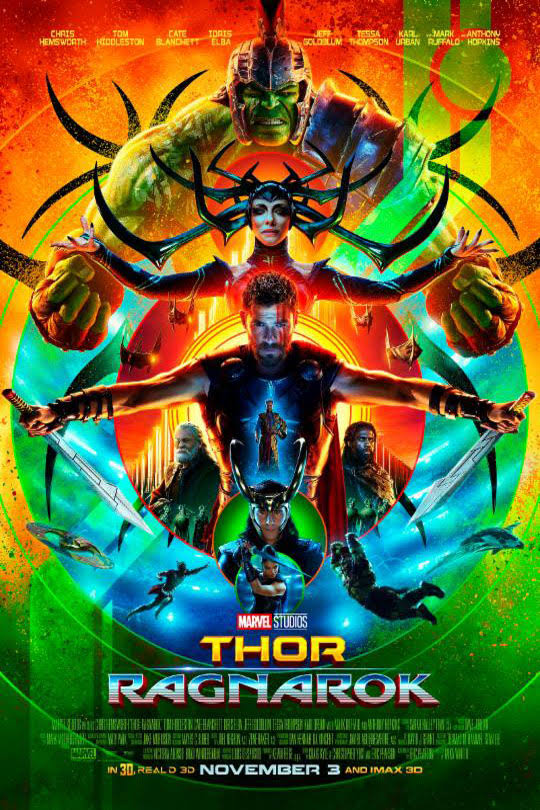
Norse mythology meets Gladiator meets 80s vintage video game in this non-stop adrenaline pumping action film. Suffice it to say, everything you’ve heard about Thor Ragnarok from your friends is true. It is an incredibly fun movie that is equally well written and directed. For anyone who follows my blog, it is no secret that I typically do not like the Disney-Marvel films (and for good reason), but the focus of this review is on THIS particular film. I state that because, honestly, I very much enjoyed this film! So, it comes from liking the structure, characters, plot etc. not just from being a fan boy, or lack thereof in this case. Not only an excellent third sequel, but this movie can easily stand on its own. Whether you have watched the other MCU (Marvel Cinematic Universe) films or not, you can rest assured that you can enjoy this superhero movie. With the way the initial trailers were cut, I thought that this was MCU’s way of jumping onto the 80s nostalgia band wagon–not so. Oh, there is definitely an 80s video game vibe about the film, but the focus is on the characters and storytelling, not the nostalgia. There is also a self-aware element of this film. Not to the extent Deadpool is self-aware, but Chris Hemsworth’s Thor has a twinkle about his eye that winks at the audience so that we know that he is aware of the corniness and ridiculousness of the characters and plot. But the magic of this film is just how well balanced the content of the film is. There were many times that the plot lended itself to falling apart, but the solid cast held the film together and provided audiences with one of the best movies in the MCU.

When Thor learns of a dark, hidden family secret, he must confront the deadliest enemy he has ever faced off with in his life. But the legendary hero encounters far more than he ever expected. The mighty Thor finds himself imprisoned on a faraway planet and forced to battle in gladiator-style games. Little does he know that the winningest challenger on the planet is his former ally The Hulk. Thor must survive the deadly gladiator-like battles in order to build his team to defeat Hela, the Asgardian goddess of death who is destroying his home world.

One of the principle themes in this film that enables this one to be more and deeper than other MCU films is just how similar it is to a conventional war picture. There are hints of courts of intrigue as well. The complex plot provides a comprehensive foundation upon which a more superficial story can be developed in order to appeal to wide audiences, with few appreciating the deeper themes and subtext. But it takes more than effective and well-developed writing to build such a solid movie, it takes multi-dimensional characters portrayed by impeccable screen talent. You’ll find all of that in Thor Ragnarok. Although his screen time is brief, Anthony Hopkins’ Odin commands the screen with confidence, wisdom, and sincerity. Few actor’s can take a few minutes of screen time and put more cinematic magic in it than Hopkins. After all, he won his Oscar for Silence of the Lambs for his collectively few minutes on screen. Joining the cast are Jurassic Park’s Jeff Goldblum and the beautiful, talented Cate Blanchette. Goldblum’s Grandmaster of Sakkar is hilarious and brilliant. As you’d expect a Goldblum character in a film like this to be: detached intellectually from that which is seen as conventional, smart-alecky; yet, he is also petty, sadistic, and relentless. Blanchette’s Hela is elegant, sadistic, and intelligent. She is perfectly able to be the comic book-esque villain she needs to be, all while bringing about a pedigreed acting to it.

All the technical elements of the film works excellently together. The most memorable of those elements is the music, for me, followed by the visual effects. I absolutely loved the nod to Willy Wonka and the Chocolate Factory during Thor’s transport to through Sakkar. This works because (1) the scene it shot and edited similarly to the boat scene in the aforementioned movie and (2) Goldblum’s Grandmaster is a Willy Wonka type. Throughout the film, there are 80s video game sound effects and a score that could fit into a nostalgic 8bit video game. However, the nods to Willy Wonka and video games do not overpower the more conventional score. Whereas the visual effects could have gone overboard and made the film play off as a video game, the video game like effects where carefully integrated in order for the film to maintain a high show quality.

The film was initially sold as a funky, colorful, comedic MCU film. And there are times that the film also encroaches upon that animated feel, but it never crosses that line–thankfully. The more serious aspects to the film balance out the slapstick moments. All of this works together to execute perfect pacing and plot/character development. Like with most MCU films, the more adventurous parts of the film are not quite adventurous enough to be an adventure film and there is typically a predictable nature about the film. I find that this film is not as predictable as previous MCU movies, but there is still that experience with this one. There is one particular part to the showdown of the film that prohibits this from falling victim to another cliche MCU ending with an epic battle, bodies flying through the air, and cities on fire, but I cannot reveal that without giving away the ending.

Looking for a fun movie to watch with your friends? Then this is a solid choice. Although the film has its diegetic flaws, the ways it succeeds outweighs the shortcomings. You also do not have to have seen the other Thor movies and really don’t even need to have seen the previous Avengers films, albeit helpful to understand some of the minor plot points. It’s definitely one that has re-watchabbility.

Review of Halloween Horror Nights XXVII at Universal Orlando

“Here’s Johnny!” Experience some of your favorite horror films and television shows as Halloween Horror Nights 27 (HHN27) at Universal Studios Florida showcases the iconic and contemporary in one terrifyingly fantastic celebration of the macabre. Be sure to catch Bill and Ted’s Excellent Halloween Adventure‘s final tour as they riff pop culture and relive some of the best moments in the popular comedy show for the last time. This year’s houses include a selection of movie-based houses and original concepts; furthermore, be sure to visit the scare zones as well! The movie or TV-based houses are: The Shining as the big headliner this year, American Horror Story (Asylum, Coven,  & Roanoke), Saw, The Horrors of Blumhouse, and Ash v. Evil Dead; the original IPs are: The FallenDead WaterScarecrow: the Reaping, & Hive. You’ll also find scare zones featuring familiar elements and scenes from The Purge and Trick’r Treat in the lineup as well as a nod to classic alien films from the 1930s-50s. From several park guests, the general consensus was that this year was solid, offered precisely what most were looking for and successfully brought nightmares to life.

For the full review, please visit Thrillz!

“It Comes at Night” movie review

The Doore of Red Death. A24’s highly anticipated horror film It Comes at Night by writer-director Trey Edward Shults looks beautiful and beckons for attention, but fails to live up to the storytelling and payoff of A24’s The Green Room. Another A24 film in the vein of It Comes at Night is 2016’s The Witch, which was ultimately a failed attempt to capture the magic of a horror/mystery film and leave audiences with too many unanswered questions. The only “terrifying ambiguity” (to quote The Huffington Post), in this film, is just how terrifying it is to realize you just dropped money on a film that works better for Netflix, and the ambiguity comes from the plethora of underdeveloped plot elements. Essentially, It Comes at Night reminds me of a bad M. Night Shyamalan film (before he made his outstanding comeback with The Visit and Split) and after the successes of The Sixth Sense and Lady in the Water. Like the aforementioned era of ehh Shyamalan films, the wind up is excellent but the delivery lacks any emotional impact and you’re left with realizing that you never truly cared about any one of the characters. Character development is lacking, and the third act is incredibly weak. However, there is something in particular that I find very interesting; and after reading other reviews, it seems to be something that has escaped most (if not all) the critics at this point. That is the striking similarities between this film and the timeless classic short story The Masque of Red Death by the brilliant Edgar Allan Poe. From the painting on the walls of the house depicting the bubonic plague to the ominous red door, there are quite a few parallels between It Comes at Night and The Masque of Red Death.

Nestled deep in the woods is a secluded boarded up house belonging to a family of three seeking refuge from an unknown threat. Whatever has caused this family to live off the grid and fend for their very survival is tasteless and odorless. Forced to wear gas masks whenever venturing out into the woods and even around their own home, the family is forced to take drastic measures to ensure there ability to avoid coming into direct contact with the disease. With only now way in or out of the house guarded by a red door, the family has stopped at nothing to protect themselves. One night, the family’s house is broken into and they must decide what to do with the man and his family. Having dispensed with courteousness and generosity in order to guard against any and all possible threats, the family must decide whether to listen to the man or kill him right then and there. Their decision will spark a fire that spreads into their deepest fears.

*spoiler alert* But, the analysis is fascinating.

Okay, now I know that the preceding paragraph describes what should be a brilliant horror film, but the problem lies in the greatly flawed poor storytelling, development, and realization. Lack of connection to any one of the characters is also partly responsible for the lackluster experience of watching this horror-thriller with a hint of mystery and dystopia. The only saving grace the film has is the connection to elements of Poe’s Masque of Red Death. For starters, the camera draws the audience’s (and diegetic POV) attention to a painting of a depiction of the bubonic plague (or black death). At first, I was puzzled as to why this painting. Then as I go through the movie, I realize why. Between the constant reference to and runtime spent on talking about and showing the red door, it hit me that this film reimagined Poe’s short story and set it in a dystopian or post-apocalyptic time and place. If you are unfamiliar with The Masque of Red Death, then I encourage you to read it or watch it on YouTube. It is allegory on the inevitability of death no matter how  hard you protect yourself, how much money you have, or how powerful you are. It also contains allusions to the seven deadly sins and the fate of those who party in the wake of mass death among a lower class of people. Although I find the short short to be a stronger narrative than Shults’ variation on this reimagination of the classic tale.

Both the short story and this film contain people hiding out in a fortress. Whereas The Masque of Red Death‘s Prince Prospero is held up ins abbey with his wealthy and noble friends while the red death is killing off the rest of the kingdom, A24’s It Comes at Night features a typical American family living off the land and secured in their rather tutor-looking mountain lodge. Like in Red Death, the family in It Comes receives an uninvited guest one night. Here’s where we see some difference. In Poe’s story, the guest is dressed to attend the masquerade ball and in this film, the guest attempts to break into the home. Although both stories take different approaches to the second act, once thing is in common. And that is the taking in of an outsider. All through the second act, there are hints at something not being right–a constant uneasiness. That apprehension and anxiety regarding the unknown works in the respective stories favors. The emotional impact and psychological payoff differs between the short story and film. Yes, the endings are very similar but feel incredibly different. You’ll just have to read The Masque of Red Death and watch It Comes at Night to know for yourself.

If you’re searching for a thriller to watch this weekend, as it is rain in many parts of the country, then perhaps you should watch Universal Pictures’ The Mummy instead. However, if you are curious about how well It Comes at Night parallels Poe’s short story, this definitely check it out. Not entirely sure why it’s rated R, but in case that’s important to you. To quote Dr. Ian Malcolm, “well, there it is.”

“A Cure for Wellness” movie review

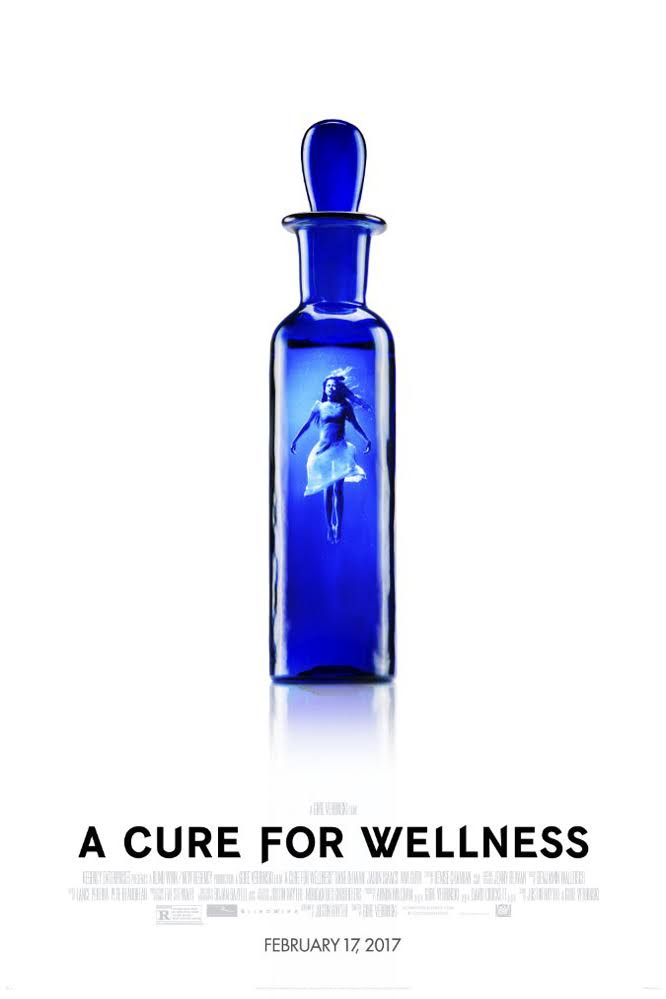
acureforwellnessAn intriguing, provocative psychological thriller that’s an innovative example of neo-noir avant-garde cinema with a touch of mystery. Gore Verbinski’s A Cure for Wellness is a thought-provoking film that hooks you from the very beginning and continues to draw you into the narrative with its labyrinth of subplots and incredibly beautiful cinematography. Although it certainly borrows turning points and plot devices from past films, A Cure for Wellness provides audiences with an experience that is unique and protects the film from being pigeonholed into any one sub-genre of horror or directly compared to other movies that have similar attributes. With impeccable production designs and serene landscapes juxtaposed against cringe-worthy disturbing imagery, Verbinski’s ambitious film is one that cinephiles will appreciate and find enjoyment in discussing the various themes, symbols, and visual storytelling elements that seamlessly work together to create a cinematic experience that stands out against the homogeneous horror/mystery-thriller past films. Justin Haythe’s screenplay sets him up for continued success as he demonstrates, with this film, that he can cross into new genres and hook the audience early on. Despite the occasional slow-burning periods in the narrative, you will not likely feel the nearly 2.5hr runtime.

After he receives a corner office in a high rise building, a stock broker finds himself involved in an investigation that requires the presence of the entire board. Mr. Lockhart (Dane DeHaan) is forced by his fellow directors, on the board, to fly to Switzerland to retrieve the CEO in order to complete a proposed merger to save the company from closure. Little does he know that those who voluntarily check in to the mysterious wellness center seldom desire to leave the prestigious mountaintop retreat-like spa and its famous water. When the CEO of his company refuses to leave the comfort of the retreat, Lockhart decides to wait it out in the village below the hilltop. After a bizarre car accident on his way back into town from the institution, Lockhart finds himself a patient due to his broken leg. Under the guidance of Dr. Volmer (Jason Isaacs), Lockhart experiences all the wellness center has to offer to the patients and guests. However, he cannot help but feel that there is a darkness surrounding the cult-like daily operations at the spa and begins to dig into the history of the prestigious wellness institution. After meeting a rather unusual patient at the institution named Hannah (Mia Goth), Lockhart is determined to unravel the mystery of how so many people, including himself, are diagnosed with the same bizarre ailment that keeps them there for the cure.

Beautiful. The first cinematic element that will jump out at you will be the incredible cinematography and picturesque landscapes of the Swiss Alps. From the moment the film opens, there is a tone that inspires you to look at and listen for details throughout the film. The fact that the teasers and trailers reveal very little about the plot is beneficial to the overall experience of the film. Just when you think you have the plot figured out, you will be thrown for a loop and question what you thought was predictable. In all fairness, I figured out a very important aspect to the plot midway through after a particular line delivered by one of the central characters prompted me to have one of those aha moments. However, I was still continually intrigued by the film’s diegetic delivery and visual storytelling. The fact that I figured some rather crucial information did not detract from the experience. Early on, it is clear that there is something not right with the spa, and gathering information and piecing together the puzzle will draw you in closer to the film. Without giving anything away, there are definitely clues along the way that reveal the dark mystery and history behind the exclusive mountain retreat wellness institution.

Dane DeHaan delivers an excellent performance as Lockhart, and provides the perfect balance of entitled Wall Street prick, detective, and humanitarian on a rescue mission. Jason Isaacs, no stranger to playing a creepy villain, delivers a disturbingly convincing performance as the strange doctor overseeing the almost clandestine treatments for an unknown sickness. Mia Goth’s performance adds a great deal of uneasiness to the film by coming across as innocent, child-like, all the while hiding something creepy and peculiar about her very pretense at the facility. Bojan Bazelli’s cinematography is breathtaking and is successful at completely immersing the audience into the mountain top world of the Swiss Alps. Whether following a train or an extreme close-up of the human eye (a staple in horror films), the visual art he paints with the camera serves to provide solid visual storytelling. Directing such a complex film requires great patience, organization, and effective guidance. Verbinski channels his success with The Ring (2002) by integrating some similar stylistic techniques in A Cure for Wellness. Speaking of the title itself, the irony in the title isn’t realized until the third act; but, delivers an outstanding payoff that will prompt many discussions in a film studies class. Stylistically, the film sits at a crossroads between avant-garde horror and neo-noir with some science-fiction and mystery thrown in for good measure and intrigue.

Despite many reviews slamming the film for a complex system of subplots and not enough traditional terror in the narrative, this film is a fine example of an outstanding vision that is seldom seen on the silver screen due to the fact that it will not likely make a lot of money, but it adds critical value to the art of motion pictures. Instead of creating a film that would have included many of the more typical tropes in this hybrid science-fiction mystery/thriller, Verbinski chooses to meticulously craft art for the screen. For the squeamish, there are definitely some scenes that will churn your stomach and even some disturbing imagery that many will like to unsee. If you enjoy avant-garde cinema or even innovative neo-noir storytelling, then you will likely enjoy this film and appreciate the vision of the director as well as the beautifully complex themes, subplots, and symbolism.

Written by R.L. Terry

Edited by J.M. Wead