Cinema is big. It’s the Oscars that got small.

From the Big Screen to the Smallest: The Oscars and the Final Lament for Cinema
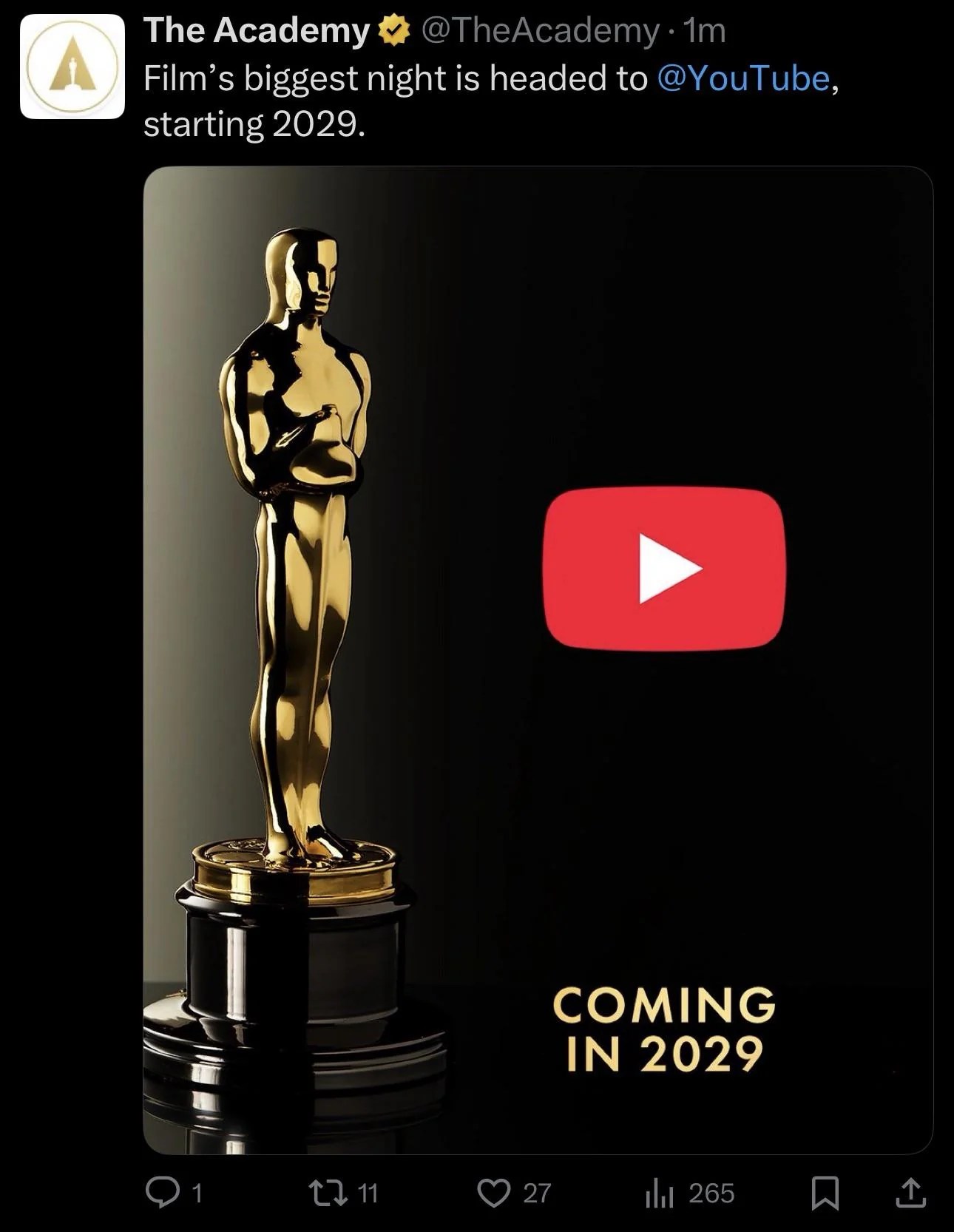
In 1929, the Academy Awards were born alongside the consolidation of cinema as the defining art form of the twentieth century. The Oscars did not merely honor motion pictures; they sanctified the big screen as a cathedral of light where stories were projected larger than life, and where audiences gathered together in reverent silence to be transformed. Nearly a century later, the announcement that the Oscars will move to YouTube in 2029 feels less like an adaptation and more like a capitulation. It’s a moment of inflection that reads, unmistakably, as a eulogy.

Anyone who has followed my work on Twitter or my blog for any length of time knows that I effectively gave up on the Oscars years ago. Even so, this announcement demands cultural analysis and reflection on its deeper implications. One needn’t be a devoted viewer of the ceremony to recognize the ongoing erosion of cinema itself; disengagement does not preclude clear sight, and distance often sharpens it.

There is a morbid irony in a ceremony created to celebrate cinema’s grand scale choosing to live on the smallest screen possible. The Oscars migrating to YouTube is not simply a platform change; it is a symbolic reversal of values. The institution that once affirmed spectacle, patience, and collective experience now aligns itself with the very medium that played a decisive role in cinema’s metaphoric death—fragmented attention, algorithmic taste-making, and content flattened into disposable scrolls. What was once king has voluntarily donned the motley of the court jester.

For decades, the Oscars functioned as a kind of cultural mass. Even when ratings declined, the ceremony retained its claim to seriousness. It insisted—sometimes stubbornly—that movies mattered, that craft mattered, that the labor of hundreds could still culminate in something worthy of ritual. To move this rite to YouTube is to concede that cinema no longer warrants ceremony at all. It is now content, indistinguishable from reaction videos, vlogs, and monetized outrage. The awards will play not to the gods of light and shadow, but to the lowest common denominator of engagement.

This decision cannot be disentangled from the broader arc traced in the manuscript on which I am presently writing Are You Still Watching? Solving the Case of the Death of Cinema, which is my followup book to Monsters, Madness, and Mayhem: Why People Love Horror releasing in October 2026. The internet did not merely change distribution; it reprogrammed desire. It replaced anticipation with immediacy, reverence with irony, and stars with personalities. The movie star—once a distant, luminous figure whose very remoteness fueled myth—has been rendered obsolete by constant access (except for you Tom Cruise–you are the last remaining movie star in the classical sense). When everyone is visible at all times, no one can remain larger than life. In this sense, the internet did not just kill the movie star; it dismantled the conditions required for stardom to exist.

The Golden Era understood something we have since forgotten: limitation creates meaning. The big screen mattered because it was rare. The theatrical experience mattered because it demanded surrender—of time, of attention, of comfort. The Oscars mattered because they crowned achievements that could not be reduced to metrics. Box office was discussed, but it did not dictate value. Craft, risk, and ambition still held currency. One cannot imagine the architects of Hollywood—those who built studios, nurtured stars, and believed in cinema as a national dream—viewing this moment without despair. The roll call of names etched into Oscar history now echoes like a rebuke.

The move to YouTube completes a long erosion. First came the shrinking theatrical window, then the dominance of streaming, then the rebranding of films as “content.” Each step was defended as pragmatic, inevitable, even democratic. Yet inevitability is often the language of surrender. By placing the Oscars on YouTube, the Academy signals that it no longer believes cinema deserves its own stage—literal or metaphorical. It accepts, finally, that movies are just another tile in the feed.

What makes this moment especially tragic is that it arrives cloaked in the rhetoric of accessibility. YouTube promises reach, youth, relevance. But to what end and at what cost? Cinema was never meant to be optimized for virality. Its power lay in duration, in immersion, in the audacity to ask audiences to sit still and feel deeply. An awards show on YouTube does not elevate cinema to the digital age; it drags cinema down to the logic of the internet, where attention is fleeting and meaning is provisional. That which is required by the desired algorithm will be that which dictates the ceremony and pageantry thereof.

And yet, this lament is not without pride. There was a time when this industry truly was an industry of dreams. When the Oscars crowned films that expanded the language of the medium. When a win could alter a career not through branding, but through trust—trust that audiences would follow artists into challenging territory. That history cannot be erased by an algorithm, even if it can be buried beneath one.

If the Oscars moving to YouTube does not signal the death of cinema, it is difficult to imagine what would. It is the final nail not because it kills something vibrant, but because it seals a coffin long prepared. What remains will continue to exist—films will still be made, awards will still be handed out—but the animating belief that cinema is a singular, communal art form has been surrendered.

The tragedy is not that the Oscars will stream on YouTube. The tragedy is that, in doing so, they admit they no longer know what they are mourning.

This loss of self-knowledge did not arrive overnight. Long before the platform shift, the ceremony began to erode its own authority through an increasing embrace of socio-political posturing by hosts and award recipients alike. What was once a night dedicated, however imperfectly, to the celebration of films, performances, and craft gradually transformed into a sequence of soapboxes. The Oscars mistook moral exhibitionism for relevance, and in doing so alienated a broad public that tuned in not for lectures, but for an affirmation that movies themselves still mattered.

This is not an argument against artists holding convictions, nor a denial that cinema has always intersected with politics. Rather, it is an indictment of a ceremony that lost the discipline to distinguish between art and advocacy. When acceptance speeches routinely overshadowed the work being honored, the implicit message was clear: the films were secondary. Viewers responded accordingly. Ratings declined not merely because of streaming competition, but because the ceremony no longer respected its own premise. Had hosts and winners remained anchored in the films—celebrating storytelling, performance, direction, and the collaborative miracle of production—the Oscars might have retained their standing as a cultural commons rather than a partisan spectacle.

In surrendering the focus on cinema itself, the Academy weakened the very case for its continued relevance.

Progress is often invoked as an unqualified good, but history suggests it is more accurately understood as an exchange—one that invariably involves loss. Sometimes that “loss” isn’t’ felt immediately, but there is inevitably some mild, moderate, or signifiant loss somewhere. Every cultural advance carries a cost, and the measure of true progress lies in whether what is gained outweighs what is surrendered. In the case of the Oscars, the pursuit of modernity, relevance, and moral signaling came at the expense of gravitas, neutrality, and shared cultural meaning. What was gained—momentary applause within narrow circles, fleeting relevance in the news cycle—proved insufficient compensation for what was lost: broad public trust, ceremonial dignity, and the sense that this night belonged to everyone who loved movies, not just those who spoke the loudest.

When institutions confuse change with improvement, they often wake to find that they have survived only in form, not in spirit.

Taken together, the Oscars decline follows a macabre logic—a ceremony founded to exalt scale, craft, and collective experience gradually surrendered its authority by de-centering movies themselves—first through moral grandstanding, then through technological appeasement, and finally through full assimilation into the internet’s attention economy. Each step was justified as necessary, inclusive, or inevitable. Yet the cumulative effect was corrosive. The Oscars did not lose relevance because audiences abandoned cinema; audiences abandoned the ceremony because it no longer stood for cinema as something distinct, demanding, and worthy of reverence.

What remains is a hollowed-out ritual, stripped of its gravitational pull, migrating to YouTube not as a bold reinvention but as an admission of defeat. The move completes the journey from cathedral to feed, from shared cultural moment to algorithmic afterthought. It confirms that the Academy has chosen survival at the cost of meaning—and in doing so, has preserved the shell of the institution while relinquishing its soul.

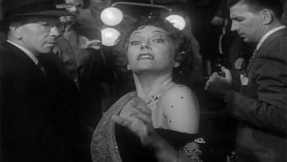
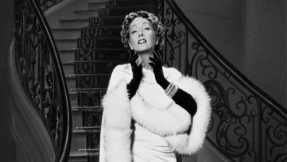
Gloria Swanson’s Norma Desmond, reflecting on the industry’s changing fortunes, once delivered an epitaph that now feels uncomfortably prophetic: “I am big. It’s the pictures that got small.” A century after the birth of the Oscars, her words resonate with renewed clarity. Cinema did not shrink because audiences demanded less; it shrank because its stewards accepted less.

The Oscars’ migration to the smallest screen is not progress; it’s the final confirmation that something vast, communal, and luminous has been allowed to diminish, and that what replaced it was not worth the cost. A ceremony that no longer centered movies should not be surprised when audiences stopped gathering to watch it. The move to YouTube, then, feels less like a sudden betrayal and more like the logical endpoint of a long retreat: from celebration to commentary, from reverence to rhetoric, from a shared night at the movies to just another argument in the feed.
Ryan is the general manager for 90.7 WKGC Public Media and host of the show ReelTalk “where you can join the cinematic conversations frame by frame each week.” Additionally, he is the author of the upcoming film studies book titled Monsters, Madness, and Mayhem: Why People Love Horror. After teaching film studies for over eight years at the University of Tampa, he transitioned from the classroom to public media. He is a member of the Critics Association of Central Florida and Indie Film Critics of America. If you like this article, check out the others and FOLLOW this blog! Follow him on Twitter: RLTerry1 and LetterBoxd: RLTerry
SUNSET BOULEVARD 75th Anniversary Retrospective

The magic of Sunset Boulevard is still capturing the “eyes of the world” from all those “wonderful people out there in the dark” seventy-five years later.

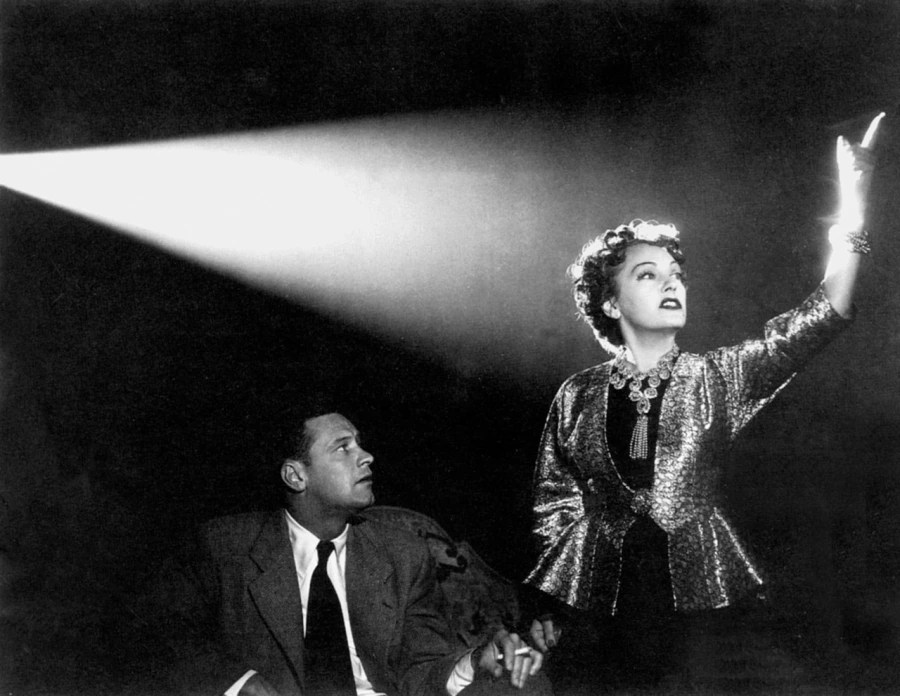
NormaDesmond

There is little question that Billy Wilder’s masterpiece Sunset Boulevard still captures the eyes, hearts, minds, and souls of audiences seventy-five years later. It continues to stare unblinking into the soul of Hollywood—and, perhaps uncomfortably, into the faces of all those people out there in the dark. Billy Wilder’s mordant masterpiece starring Gloria Swanson as Norma Desmond endures not only because of its sharp wit, noir elegance, and unforgettable performances, but because it remains a mirror for an industry—and an audience—forever tempted to trade substance for novelty. Its barbed satire of fading stars, disposable talent, and a studio system eager to discard the past feels eerily prescient in an era when algorithms decide what stories are worth telling and studios recycle intellectual property like celluloid scraps. Watching it now, one realizes the film is not merely a relic of old Hollywood’s cynicism—it is an indictment of the complacency of contemporary audiences and the short-term greed of the modern industry. Sunset Boulevard has not grown old; it’s the world around it that has refused to grow up.

Since its release on 10th of August in 1950, it has been the inspiration to countless films. But what does it mean to you? What makes it special or stand out to you? Perhaps you just see it as an iconic film; or just maybe, you see it as representing something personal to you. From classic noir cinematography to some of the most quoted lines of all time, Norma Desmond’s spirit lives on. So much for Joe Gillis’ line about her “still waving proudly to a parade that has long since passed her by;” she is still as alive today as she ever was. Serving as a mirror to the current state of Hollywood, Billy Wilder’s film shed light on the darker side of celebrity that still haunts to this very day. This timeless movie provoked Hollywood to take a cynical and honest look at itself, and the dangerous price of stardom–especially when the star is fading into obscurity. Poignantly arriving near the end of the Golden Era (or Studio System), this cinematic masterpiece continues to be the epitome of a Hollywood and anti-Hollywood film for all eternity. Beyond what it meant historically or industry-wise, it holds meaning and significance for many who watch it. One of its strengths to withstand the test of time is the fact is its ability to connect with people visuals and emotionally. That, combined with solid technical aspects, makes for a dynamic cinema experience.

Part of what still beckons the “eyes of the world” is the movie’s ability to tell the story within a story. Gloria Swanson’s performance as Norma Desmond is so perfectly calibrated that audiences sometimes forget she was playing a role at all. Billy Wilder and Charles Brackett deliberately wove elements of Gloria Swanson’s real life into Norma’s backstory, yet the parallels are only part of the truth. Swanson was both exactly Norma Desmond and nothing like her—especially when you consider her remarkable adaptability and forward-thinking nature. She saw greatness in the character and the film, and saw this as her triumphant return to the screen in an important picture. In many ways, Gloria took a role that was essentially making a mockery of everything she once stood for. Like Norma Desmond, Swanson was one of Hollywood’s highest paid performers from the teens until the early 1930s. Following the advent of talkies in 1927 and the changes in the studio system thereafter, her career floundered. Yet, she carried herself with poise, theatricality, and unapologetic glamour—qualities that translated naturally into Norma’s imperious, otherworldly presence. If you’re looking for a real life “Norma Desmond,” then look to silent film actress May Murray—she did live in the past after her star faded, and was reported to have been rather eccentric. Gloria, however, proved that those ghosts didn’t have to haunt you if you kept moving forward. Which she did—in radio, television, theatre, fashion, and even technology.

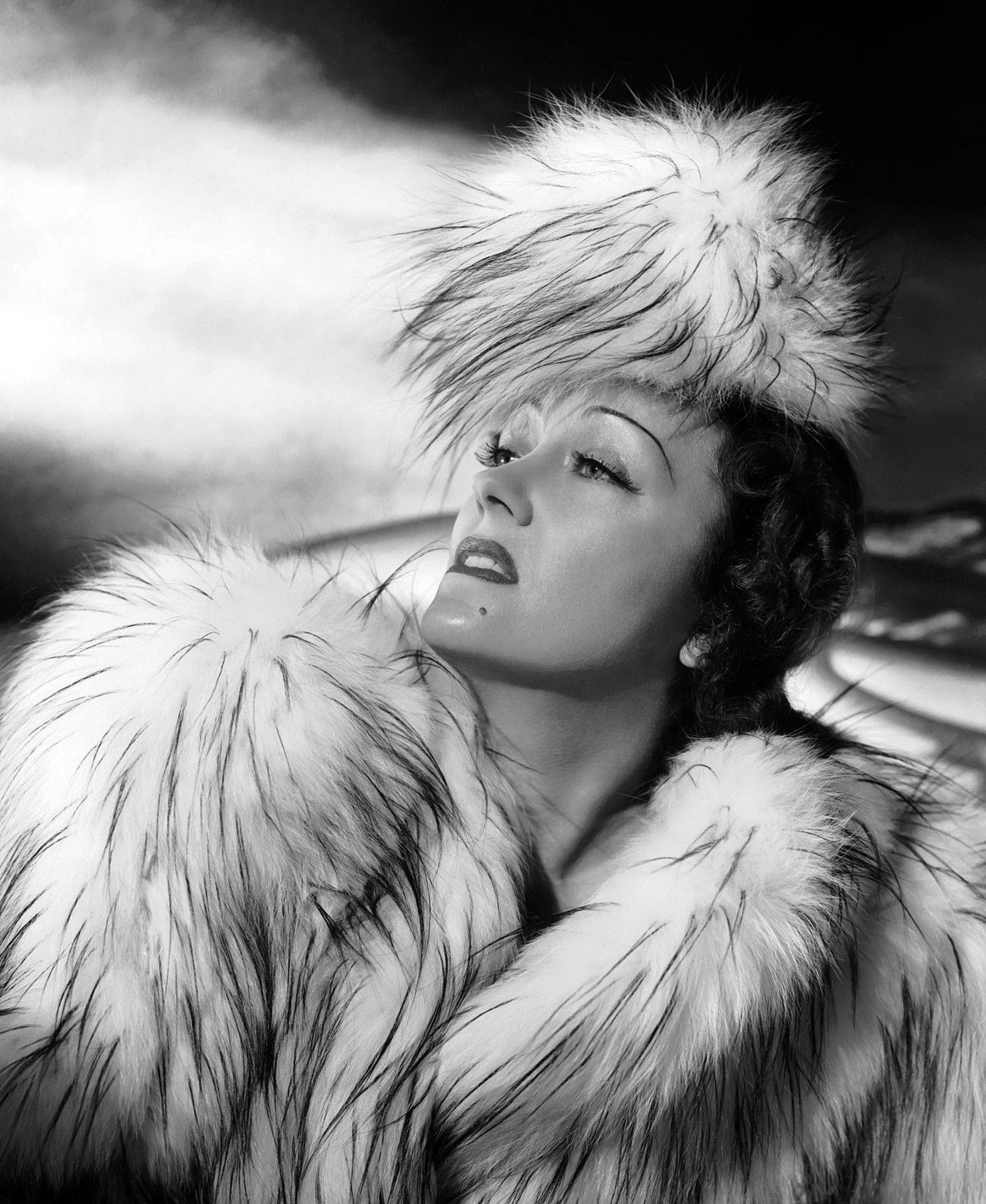
1941: American actress Gloria Swanson (1899 – 1983) plays glamorous film star Leslie Collier in ‘Father Takes a Wife’, directed by Jack Hively. (Photo by Ernest Bachrach)

The role of Norma Desmond was originally offered to Mae West and then Mary Pickford, but both turned it down. Pickford recommended Gloria. Suffice to say, the role cannot be imagined to have been brought to life by anyone else. No one could capture the character of Norma Desmond like Gloria Swanson. Throughout the movie, we witness the psychological breakdown of a woman who is already seriously afflicted with chronic depression and even agoraphobia. I feel as though many actors, and even some industry professionals who are not performers, can truly understand what must have been going through the mind of Norma Desmond. Actually, even for those who are not involved in entertainment or media can still see someone who felt betrayed and left alone to drift away. We’ve all been there. Feeling like we have so much to give the world, our community, or to the arts, and no one to take or acknowledge it. Norma isn’t going through anything that we have not been through. Essentially, Norma’s significant other, or partner, was her celluloid self, the studio, the industry. And when her partner left her, never to return, she developed serious psychological and cognitive disorders. Each person who chooses to watch her downward spiral into insanity, should be able to identify with her on some level regarding something in their life. For Norma, it was being back on screen again. For you, it may be something else.

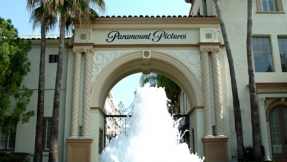
Paramount-Gate-287x162

Fascinating elements of this story include the bewildering world of what lies between the glory and the fall of a celebrity who feels as though she built Hollywood, more specifically Paramount Studios. Never before had there been a movie that was developed around the idea of what happens to a star after they are rejected by the very business that created them. Serving as the inspiration to the opening scene of American Beauty nearly 50 years prior, Wilder set the standard in the dead body of the protagonist narrating the film. Like the fog over London, Gillis’ spirit hovers over the entire movie, narrating the course of events that lead to his demise. Joe gets to do what any of us would enjoy doing–getting to observe what happens after we die and how everyone reacts. Just like having a soundtrack to your life would be amazing, getting to narrate your story after you die would be equally, if not more so, enamoring.

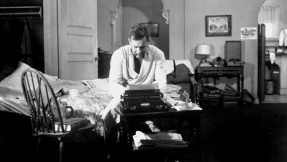
William (Bill) Holden’s character of Joe Gillis is the prime representation of a starving artist. He lives in a tiny apartment, has a few credits to his name and is in danger of having his car repossessed. That describes many artists today, thus allowing other aspiring screenwriters and filmmakers to identify with his frustrations. Like a true film noir, the ending is tragic for the protagonist. Part of the suspense is wondering just when will he meet his end and why. For those who are trying to make it in the industry as a screenwriter, the grief and depression Joe must been feeling is something with which aspiring screenwriters can empathize.

Sunset Boulevard contains something for everyone: elements of mystery, action, romance, and deceit are woven meticulously throughout the film. This allows for the story to transcend decades of movie evolution and maintain such a high regard in the minds of all the “people out there in the dark.” And, even land a spot on the Great White Way in Andrew Lloyd Webber’s Sunset Boulevard Broadway musical. It’s been rumored that Paramount plans to make a movie version of the Broadway show, but that rumor has been floating around Hollywood for years. As much as the the musical is a tribute to the original, the movie will always be more impactful because the stage simply cannot bring you as close to eyes of the actor as the screen can. And, Norma “can say anything with [her] eyes.” But, thanks to Barbra Streisand keeping the songs alive, “With One look” and “As if We Never Said Goodbye” are brilliantly written to capture the feelings and state of mind of Norma.

GillisWriting

Regarding the screenplay itself, it is not a matter of what’s going to happen as much as it is how’s it going to happen. This pioneering non-linear structure served as yet inspiration for another film that would not be produced for nearly 60 years. Along with All About Eve and Citizen KaneSunset Boulevard played an instrumental role in the development of the 1994 blockbuster Pulp Fiction. A lesser known 2001 movie borrows many plot points from Sunset Boulevard including the movie title being a street name, entitled Muholland Drive starring Naomi Watts, Justin Theroux, and Laura Harring. Sort of a neo-noir, this is a more modern twist on the foundation Wilder laid with his masterpiece. On that note, now-a-days, non-linear films aren’t necessarily anything special, but at the time, Sunset Boulevard broke ground that would be the standard in abandoning traditional story structure. To me, the screenplay was written in such a way that many people can find his or her own story in the screenplay. Perhaps, someone feels like they are Norma–all but forgotten. Perhaps, there is a starving artist out there who can understand the predicament Joe Gillis was in–just trying to get ahead. To a lesser extent, there may be Betty Schaefer’s watching the movie who feel they have a lot of talent, but very little is recognized and want to find a creative outlet.

Unlike previous films, this movie was also ahead of its time in terms of including dark sarcasm and humor as chief elements in the film. Other aspects that capture the ears of the world, to Miss Desmond’s disapproval, are the famous lines from the movie. Ironically, Desmond despised dialog; however, her movie possesses the coveted numbers 7 and 24 spots on AFI’s Top Movie Quotes list. At number 24, “…I am big! It’s the pictures that got small;” and at number 7, ranking above “Louis, I think this is the beginning of a beautiful friendship” and “what we have here, is a failure to communicate” is the often misquoted “Alright Mr. DeMille, I’m ready for my closeup.” There are many other more obscure, yet brilliant lines of dialog and exchanges between characters, landing the screenplay in the WGA’s Best Screenplays of All Time list at number 7! It’s important to now only appreciate the movie as a movie, but to appreciate the story itself. Let us never forget that “someone sits down to write a picture” and fool ourselves into thinking that most of the time the “actors make it up as they go along.” Part of what makes this a timeless classic, and even a sort of Bible if you will, is the brilliant writing.

“[Cinema] is BIG. It’s the [movies} that got small.” In Sunset Boulevard, Norma Desmond’s defiant declaration—“I am big. It’s the pictures that got small”—was meant as a lament for the silent era’s fall to talkies; but in 2025, it resonates as a prophecy for cinema in the age of streaming. Norma wasn’t just talking about herself; she was articulating a truth about the grandeur, spectacle, and communal magic of the movies—an art form designed for towering screens and shared gasps in the dark. Today, as streaming platforms flood audiences with bite-sized content, algorithm-churned thrillers, and disposable franchise spin-offs, the scope of cinema has been compressed to fit living rooms and phone screens. Norma was right: cinema is big, but it’s the movies that have been miniaturized—scaled down in ambition, craft, and cultural weight—until they often feel like little more than moving thumbnails. The tragedy isn’t Norma’s inability to adapt, but that the industry has stopped aspiring to be as big as she was.

One of the elements that stands out in the movie is the meticulous placement of lighting. Film Noirs are one of the best examples of how effective lighting can be in playing an intricate part of the storytelling process. Lighting can show us whether or not someone may have two personalities, whether someone is dark and sinister. Since films did not have access to color, in the same way we do today, lighting in a grayscale movie was very important. Since colors could not be distinguished, lighting played that role. In many ways, the lighting in a film noir is like the Norma of the movie itself. Color has caused lighting to be used in a different way. For more practical reasons that aren’t always artistic in nature. Furthermore, another element that makes a film noir a film noir is the cinematography. After all, the term noir is French for dark. So, essentially film noir simply means dark film. It holds up to the definition due to the physically dark scenes; and furthermore, the state of being psychologically dark. The 9-time Academy Award nominated cinematographer John F. Seitz is responsible for creating the haunting visuals and shadows that dominate most of the movie.

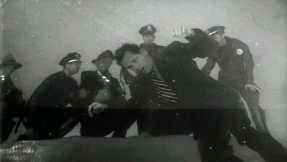
GIllisPool

One of the shots that is the most puzzling is how Wilder was able to shoot Joe Gillis’ floating body in the pool. Now-a-days, that is simple enough–even YouTubers do it–but in 1950, how does one accomplish such a special effect? The use of mirrors in the film went beyond macabre and haunting set pieces; a mirror was also used to shoot this scene. Seitz placed a mirror at the bottom of the pool and shot facing down towards the mirror while Holden floated in the water with the police officers around the deck. This gave the illusion the camera was in the water facing up.Thanks to the iconic cinematography, the mansion “stricken with a creeping paralysis” appeared lonely and massive. There is no better example of this than when Gillis descends the grand staircase to a party where he and Desmond are the only guests on an expansive tile dance floor recommended by Rudolph Valentino.

“Alright, Mr. DeMille, I’m ready for my closeup.”

Some of the most memorable cinematography comes at the end of the movie. Wilder and Seitz chose to shoot parts of the finale in slow motion to create an uneasy feeling in the minds of the audience. As Norma begins to descend the grand staircase one final time, she is shot in slow motion, as if it were Norma’s dream coming to life–her big come-back. Pardon, she never left; the pictures left her. In her mind, she is playing princess Salome entering the palace; when in all reality, it’s not movie cameras, but news cameras documenting her psychological decline into insanity. With her famous line “I’m ready for my closeup,” she encroaches upon the camera operator determined to get the closeup she wants, even though it is fixed at a medium shot. The audience, she is so desperate to connect with again, is tragically out of her reach.

Sunset Boulevard serves as a haunting reminder that cinema’s survival depends on more than novelty—it thrives on depth, craft, and stories that demand to be remembered. Wilder’s film shows us a Hollywood already willing to discard its own history for the next marketable thing, a cycle that feels alarmingly familiar in an age of streaming debuts and algorithm-curated “originals” designed for convenience over impact. Norma Desmond’s tragic insistence that she is still “big” speaks not just to her own faded glory, but to the enduring power of cinema when it aspires to grandeur rather than pandering to trends. The film urges today’s audiences to resist the allure of quick, disposable entertainment and to champion works that challenge, inspire, entertain, and linger in the mind. If we let convenience replace artistry, aesthetics to replace great storytelling, we risk playing our own part in the slow fade-out of the movies we claim to love.

Sunset Boulevard means a lot of things to a lot of people. And, each person may have their own respective reasons as to why this film holds a special place in the minds and heart of those who love cinematic art. This movie truly embodies the latin inscription around Leo the Lion in MGM’s logo “Ars Gratia Artis.” Art for Art’s Sake. To me, it is one of the purest examples of artistic cinema. It also served as a mirror, to the dismay of the big producers of its day, highlighting the state of the industry at that time. People still remain mesmerized at this timeless feature because of all it has to offer. This is partly due to the fact that it as relevant today as it was in 1950. It’s entirely possible that there are Norma Desmonds today in their decaying estates watching their movies on TCM or AMC under the delusion that they remain stars that command the attention of the world.

Regardless if you are a filmmaker or a connoisseur of movies, Sunset Boulevard captures the eyes of the world today. And, it will continue to be a source of inspiration and entertainment for decades to come.

Ryan is the general manager for 90.7 WKGC Public Media in Panama City and host of the public radio show ReelTalk “where you can join the cinematic conversations frame by frame each week.” Additionally, he is the author of the upcoming film studies book titled Monsters, Madness, and Mayhem: Why People Love Horror. After teaching film studies for over eight years at the University of Tampa, he transitioned from the classroom to public media. He is a member of the Critics Association of Central Florida and Indie Film Critics of America. If you like this article, check out the others and FOLLOW this blog! Follow him on Twitter: RLTerry1 and LetterBoxd: RLTerry
BABYLON (2022) film review

Whoa, that’s a lot of movie. Damien Chazelle’s decadent film of bombastic proportions is simultaneously mesmerizing and repulsive, coherent and incoherent, thoughtful and thoughtless. Suffice it to say, it’s interesting to behold. This overstuffed fever dream collage of 1920s and 1930s Hollywood is trying to tell so many stories, that it winds up not telling any of them effectively enough. There are competing A-stories (outside/action plots), each vying for to be the story about which the audience empathizes with the most. To dramatize these ideas, Chazelle assembles a mise-en-scene that’s ostensibly a combination of Singin’ in the Rain, Boogie Nights, Sunset Boulevard, and Once Upon a Time in Hollywood, with a little Caligula and Wolf of Wall Street thrown in to provocative proportions. Ultimately, what we have here is more of an exercise in montage–the assembly of a motion picture–more so than we have a clearly defined narrative. Undoubtedly, this will become a film that is shown in film studies classes in the future, and will be used for close reading discussions, much like I show Boogie Nights in my American Cinema class. There is a prolific amount of imagery to analyze, as the film follows four different Hollywood stories that all intersect one another. Just for whom was the film created? Certainly not general audiences. It is likely going to be most appreciated by Chazelle himself and with some critics and scholars (tho, not this scholar nor the majority of the critics with whom I screened this film).

Decadence, depravity, and outrageous excess lead to the rise and fall of several ambitious dreamers in 1920s Hollywood.

One thing is clear, Chazelle’s intention was to craft a boisterous love letter to the allure and power of cinema whilst negatively critiquing the Hollywood system that creates and destroys careers on a whim. Furthermore, the film seeks to provide thoughtful commentary (just how thoughtful? that is for you to decide) on the superficial, fleeting nature of fame and celebrity. Where the film excels is in the both the performative dimension and Chazelle’s direction. Unfortunately, Chazelle’s screenplay is all over the place.

While audiences may not remember the four individual story threads that make up the outside/action plot, audiences will definitely remember the prologue and final scene. Chazelle certainly captures the unbridled decadence that is probably not unlike the level of debauchery that ran rampant after the great movie people migration from Europe (mostly Germany and France) and eastern U.S. (avoiding Edison’s motion picture patent policing) after the first World War. It was certainly the wild west with a seemingly unending source of money (coupled with massive debt). To borrow from Outback’s former slogan no rules, just right, that describes the atmosphere of the greater Los Angeles area. No order, only chaos. Which is not unlike this film–lots of chaotic images and plot points.

The prologue to Babylon is truly a spectacle that words simply cannot capture accurately. That’s not to say that all of the creative decisions were plot or character-driven–I’ve said it before–that even provocative imagery can be used to further the plot or character; and therefore, that which would otherwise be evaluated as gratuitous, is actually purposeful. However, much of what goes on in the opening scenes is simply gratuitous for the sake of shocking the audience–for an extended period of runtime. I am reminded of the opening to Boogie Nights, and how at first glance it may seem gratuitous, but actually the opening scene is needed for plot and character development. It’s not so much shocking as it is crafted for a strategic purpose.

While elements of the prologue are justifiable, in the relationship to plot and character, there are many moments that are no more than prolific debauchery simply because Chazelle could. Now, what I did find most interesting–and to the point that I greatly appreciate the prologue–is that much of the deplorable chaos is underscored by the score from Fritz Lang’s masterpiece Metropolis in the Babylon scene with MechaMaria. Something Chazelle wove into the scene for the film scholars in the crowd.

Jumping to the end of the film, there is a–what amounts to a–clip show featuring iconic films from the 100+ years of cinema history we have. I get it, Chazelle is communicating to audiences that being part of filmmaking means that you’re part of something bigger than yourself, something that will live on decades and (by extension) centuries after you pass away. It’s this artform that will continually be rediscovered and influence people and cultures (good, bad, or indifferent). While it’s clearly designed to be an emotionally moving moment in the film, as indicated by the tears in the character in that scene, it comes off as lazy, derivative montage that does little more than remind the audience of better films for the rather long sequence of imagery. Instead of being a deeply, moving scene, it’s rather vapid.

The four competing A-stories depict four different (but not too dissimilar in substance) Hollywood stories. (1) an A-list star that feels the pain as he watches his star fade with changing times (2) An up and comer that is thrust into the spotlight for a brief time, just to continue to fall due to tragic flaws and a talent that simply didn’t transition to talkies (3) an immensely talented individual subject to the prejudices of the general public and Hollywood executives and (4) and an animal wrangler turned studio executive by being in the right place at the right time, but even that level of fame and success is not invincible to human error and poor judgment. Any one of these stories would have made for a great A-story, with others falling in line thereafter. But each one of them feels like it’s vying for the main outside/action story. This is where Chazelle should have worked with a screenwriter that could have taken his concepts and ideas, and fashioned them into a much better structured and plotted narrative.

Perhaps it’s a film ahead of its time, or perhaps, it truly is the Heavens Gate of 2022. Maybe it will see success on down the road like Boogie Nights and Showgirls has, but only time will tell. Presently, it’s a wild, bloated film that lacks basic storytelling.

Ryan teaches Film Studies and Screenwriting at the University of Tampa and is a member of the Critics Association of Central Florida. If you like this article, check out the others and FOLLOW this blog! Interested in Ryan making a guest appearance on your podcast or contributing to your website? Send him a DM on Twitter. If you’re ever in Tampa or Orlando, feel free to catch a movie with him.

Follow him on Twitter: RLTerry1

“I hate that word [comeback]. It’s a return! …”

“…a return to the millions of people who have never forgiven me for deserting the screen.” A powerful line from the iconic Norma Desmond in Sunset Boulevard–but–this also rings true for Michelle Pfeiffer, who is returning to the big screen following a self-imposed exile from Hollywood. After a long “famine” (the term Darren Aronofsky attributes to the Oscar-nominated actress’s absence), Pfeiffer is making a triumphant return to the big screen, and in BIG ways. Whether your favorite Pfeiffer performance is her universally critically acclaimed interpretation of Selina Kyle/Catwoman in Tim Burton’s Batman Returns or as Elvira Hancock in Scarface, cinephiles and fans alike can agree that the big screen has missed Pfeiffer’s bold screen presence and incredible beauty. What makes Pfeiffer unique in the world of cinema, is her ability to be incredibly ballsy and completely vulnerable all at the same time. Few actresses possess the ability to be a tomboy one minute and the portrait of sensuality the next. Why would one of the brightest stars in Hollywood in the 1980s and 90s slip away from the silver screen so conspicuously? The long and short of it is she desired to make time to raise her children. In a rare interview with Vanity Fair, Pfeiffer stated that she required so many schedule and location accommodations for her to continue to be a working-mother that she became “unhireable.” Now that her children are grown and out of the house, she is ready to get back to work!

While many may be focussing on Pfeiffer’s return to the big screen–to movies that are a match for her talent–the larger picture here could be lost. Approaching 60, Pfeiffer is at the age when many actresses are either not hired as often and/or are placed in grandmother roles; however, she is busier than ever! And in high profile roles in highly anticipated films. For the fans of her brilliant performance as the definitive Catwoman, she is returning to the superhero genre in the new Ant-Man and more recently she commanded the screen in Murder on the Orient Express. Pfeiffer also told Variety that should would very much like to reprise her role as Catwoman in a future film but not go to the lengths she had to before (citing placing the real bird in her mouth and the iconic sexy, but uncomfortable costume). Pfeiffer’s return to the screen is a testament that Hollywood is beginning to show that older established actresses are still bankable.

Pfeiffer comments that being an empty-nester has provided her with the push to get back out there. She wasn’t even sure that she would be able to step right back into acting because she often remarks that she sometimes feels like a fraud because she never received any formal training. Her rise from grocery store clerk to household name happened nearly overnight. Just goes to show that even though formal training and education are valuable tools in a show business professional’s tool belt, formal education itself does not an acclaimed actor make. Part of preparing to return to the superhero genre in Ant-Man and Wasp has her pouring over old comic books to prepare for her highest profile role in more than a decade. It is clear from the few interviews Pfeiffer grants (she is self-admittingly scared of interviews) that her favorite role in her career IS her role as Selina Kyle/Catwoman. Even today, she says that she is met by fans, young and old, of her work in that role. She quickly gives credit to Tim Burton who was highly instrumental in providing exceptional direction and a creative genius in the, what many critics call the, Batman movie that typifies the franchise. So, her return to the superhero movie genre is one that is highly anticipated.

While she is excited to get back out there, she still admits that she will continue to be choosy in her roles. She is an actress that has to feel a connection to a character in order to bring it to life. Whereas before she turned down roles in Silence of the Lambs and Thelma and Louise because of making sure she had time to be a mom, first and foremost, she will continue to exhibit her desire to not simply get out there and act again, but thoroughly enjoy the characters she plays. Part of Pfeiffer’s timeless charm is her ability to be 100% sexy feminine and 100% humorous tomboy at the same time. It’s this dichotomy that gives Pfeiffer her unique blend of charisma and screen presence that commands your attention and makes her memorable. Of all the qualities that aid in creating the standout actress that many of us love, she is equally humble and still learns from those actresses like Judi Dench and others that she continues to admire.

This past Halloween, I did my best to emulate her iconic Catwoman costume!


The Hollywood Studio System: Employment Then and Now

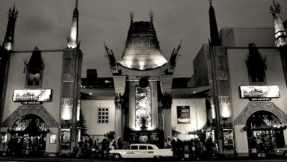
One of the last remnants of Hollywood’s Golden Age, Grauman’s Chinese Theatre stands as a tribute to the movies that started it all.

One of the last remnants of Hollywood’s Golden Age, Grauman’s Chinese Theatre stands as a tribute to the movies that started it all.

In light of the recent film Hail, Caesar!, I thought it would be interesting to take a closer look at the old studio system and whether resurrecting some of the practices might actually prove to be a positive affect upon employment in media and entertainment.

The entertainment industry is evolving more quickly than it ever has, and film production companies and distributors are of no exception. Just like the advent of television had a major influence on the sharp decline of movie patrons in the 1950s and 60s, the advent of on-demand and streaming “television” and movie content today is having a major impact on entertainment sources today. But this article does not aim to analyze distribution, production, nor revenue; its aim is to analyze the state of employment opportunities in the film and narrative television industries. What better way to begin to explore this controversial topic than with the studios that started it all.

HISTORY

The famous entry gate to Paramount Pictures as seen in the 1950 film, all about the studio system, “Sunset Blvd.”

The famous entry gate to Paramount Pictures as seen in the 1950 film, all about the studio system, “Sunset Blvd.”

The rise and fall of the former “studio system” lasted for a period from the 1920s to the late 1960s, with the 1940s to the 1960s being the period of the downfall. During this time, there were five major film studios known as the Big Five, essentially controlling the film industry from production to distribution. The Big Five consisted of Paramount, MGM, RKO, Loew’s, Fox Pictures, and Warner Brothers. Though not as prominent, three smaller studios known as the Little Three, consisting of United Artists, Universal, and Columbia Pictures, were the chief competition. Regarded as the end of Hollywood’s Golden Era, the landmark Supreme Court decision in United States v. Paramount in 1948 marked the delcine of the Studio System. In short, over about a 15-20 year timespan, studios began opening their lots to independent filmmakers–independent of the Big Five (not independent by today’s definition), terminating permanent staff members, and refraining from entering into longerm contracts with performers and movie houses. Although the Walt Disney Company was not part of the Big Five nor the Little Three, it is the only studio today still operating as a studio from the old Studio System.

PRESENT DAY

The Bronson Gate at Paramount Pictures as seen today

The Bronson Gate at Paramount Pictures as seen today

With the major studios today only producing about 20 films a year, the majority of films releasing in first-run movie theatres are produced by independent producers. As stated earlier, this is not independent as we think today; independent by this definition means movies produced outside of the major studios, but often distributed by them (or a subsidiary). Think: Star Wars or Jurassic Park. Since the fall of the Studio System, big banks are more reluctant to invest in or finance films, so producers are responsible for securing their own funding. Less funding means fewer job opportunities for film and television graduates. Most film and television professionals in the entertainment business today are independent contractors–being attached to films and television shows for however long the production time or run-length is. Although a long-running television show provides more employment stability than films do, both are high risk professions. Of course, along with the high risk comes potentially great rewards.

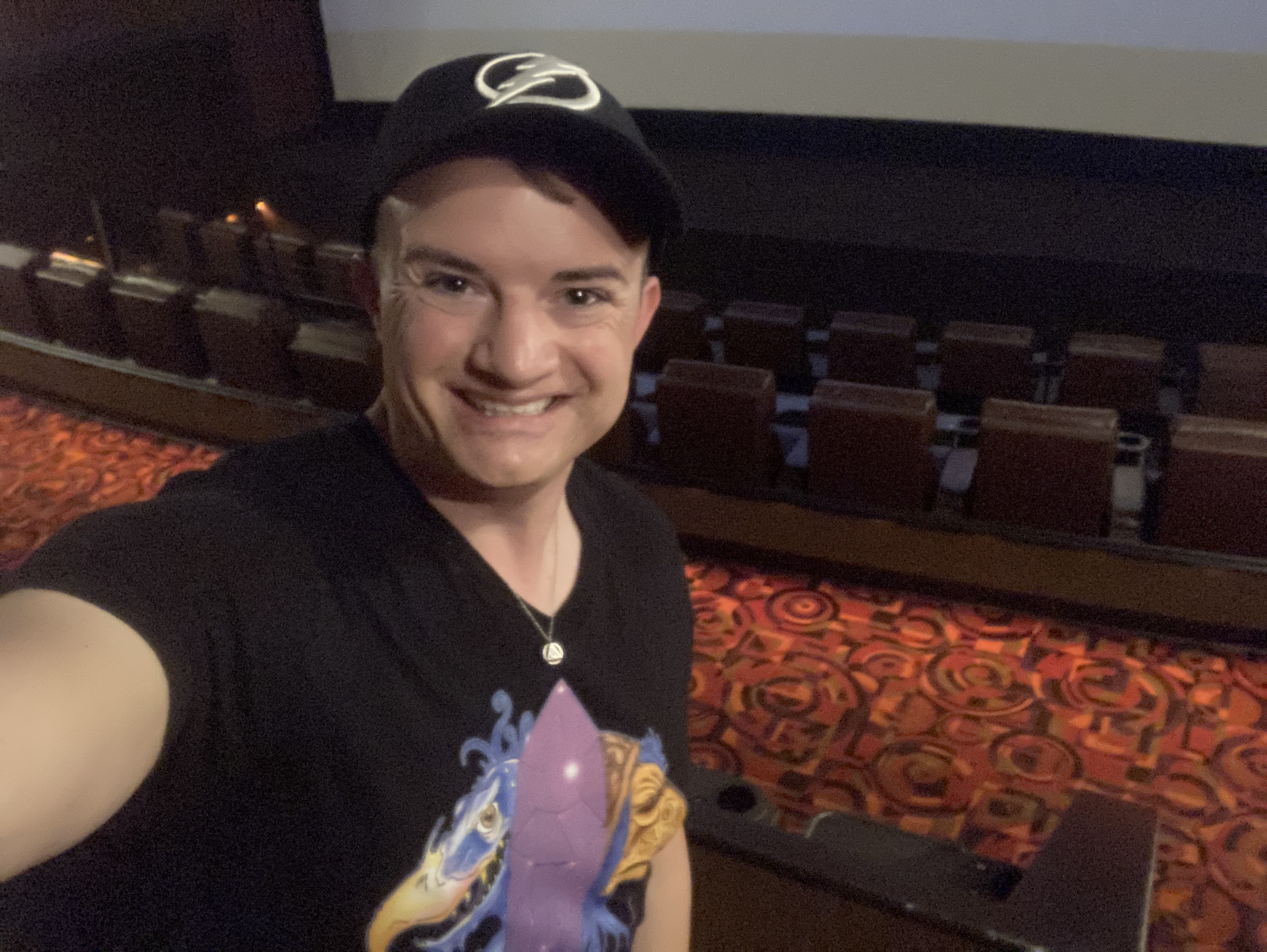
According to Hollywood folk lore, making a wish at the famed Bronson Gate is said to bring good luck. This is me (30lbs ago!) on the Paramount Studio tour in March 2015.

According to Hollywood folk lore, making a wish at the famed Bronson Gate is said to bring good luck. This is me (30lbs ago!) on the Paramount Studio tour in March 2015.

Why would the return of some semblance of the old Studio System be a good turn of events in today’s economy? Simply stated: more jobs and opportunities for budding professionals and college graduates. Why is that? Any first-year film student can tell you that studios keep a low threshold of permanent staff members in administration and production. The majority of talent and crew on each film is independently contracted. And with gaining entry into a union becoming increasingly difficult, it leaves many potentially talented professionals out of work or in low-pay positions on low and moderate budget films. If the Studio System were to return, they would have the collateral that big banks are looking for to invest in films. After all, film, television, and to some extent theatre, are the United States’ largest exports even though they are only recently counted as part of the U.S.’ GDP (gross domestic product) in terms of evaluating the health of the economy. If there were more permanent positions in production with studios and production companies, the unemployment rate would drop significantly in entertainment because budding professionals and college graduates could land positions in which they could grow and excel.

An aerial shot of the Desilu Stages in Hollywood in the 1960s

An aerial shot of the Desilu Stages in Hollywood in the 1960s

But what about exploitation and monopoly? Are those not reasons why the Supreme Court stepped in? Yes. However, there are many reasons why personnel in entertainment today, as permanent staff members, would not undergo the same treatment. The reason: unions. SAG-AFTRA, IATSE, TEAMSTERS, and EQUITY do an excellent job at protecting creative peoples’ rights and opening doors of opportunity. But, it is becoming increasingly difficult to gain access into these organizations. And with the unions being the gatekeepers to opportunity in the industry, where is a budding professional or college graduate supposed to go? If studios produced more in-house movies and television shows, then that would require them to hire permanent staff members. Those seeking a career in the industry would find their place. Some may argue that production companies offer internships to recent graduates; but with lawsuits increasing in the last few years, internships are increasingly being seen in a negative light. One hypothesis is that unpaid internships are taking the place of entry level jobs. With the number of entry-level jobs decreasing since the recession began, the unemployment rate in entertainment is rising.

One way to combat the increased unemployment in entertainment business is to bring back the large studios that have the financial assets to offer and hire permanent positions. This would enable the studios to hire a number of cinematographers, writers, directors, etc. And, those individuals would work on the films produced by the respective studios. If studios were to increase the number of films produced each year, as they once did, then there would be more opportunities for professionals. Regarding the monopoly studios had on movie houses, the present laws on the books would not allow for a studio to have complete control over a particular theatre chain.

There is plenty of room for studios and production companies large and small. Unlike the days of the Studio System, in which outside companies could not shoot films or television shows on another company’s lot, the smaller studios should be allowed to still rent the stage and lot space as they do today. Of course, if Studios were producing more movies on their lots, that may cause the smaller companies to have to look elsewhere for locations. But, that could be a good thing; because if they purchased land for a backlot or sound stages, that would create more jobs for craftsman. In order to combat the rising unemployment rate in the entertainment business, professionals need to get together to develop ideas as to how to hire more personnel. Bringing back the Studio System is just one idea as to how to create more full-time jobs in film and television production.

One of the entrances to MGM Studios (now owned by Sony Pictures) in Hollywood

One of the entrances to MGM Studios (now owned by Sony Pictures) in Hollywood

With studios forced to produce more movies in order to make payroll, that could potentially mean more writers can sell their scripts and perhaps more original ideas will make their way to the silver screen. This action could create human resource databases at the various studios and production companies that would advertise vacant positions. Just like applying for a job at Disney World, you could see what positions are available. Bringing back a new Studio System would allow for studios to advertise full and part-time regular positions. For instance, you could see which studios are hiring cinematographers, directors, composers, etc. Professionals in the creative and technical arts would also benefit from employer provided health insurance and retirement. Although as independent contractors, film and television professionals make more money than working as a regular employee, regular employees benefit from regular paychecks and benefits, and to an extent job security.

Technology is making the production of movies and television shows more efficient than ever, so a major studio could hire permanent staff members to work as producers, directors, screenwriters, cinematographers, etc. Employment opportunity and stability are key elements to the health of an industry–even creative ones. Even though the old Studio System ran unchecked for many years, causing the eventual breakup, carefully constructed and regulated today, the return of a new Studio System could mean more jobs and opportunity for college graduates pursuing entertainment business careers. And just maybe, more movies!


BIBLIOGRAPHY

  • US adds entertainment and innovation to GDP, Time Magazine, http://entertainment.time.com/2013/08/01/hey-america-entertainment-just-made-you-hundreds-of-dollars-richer/
  • History of the Studio System, Encyclopedia Britannica, http://www.britannica.com/EBchecked/topic/394161/history-of-the-motion-picture/52153/The-Hollywood-studio-system
  • Paramount Pictures v United States, 334 U.S. 131 (1948)
  • Glatt v. Fox Searchlight Pictures, New York Southern District court, http://www.nysd.uscourts.gov/cases/show.php?db=special&id=300
  • US Bureau of Labor Statistics, http://www.bls.gov/ooh/entertainment-and-sports/home.htm
  • Glatt v. Fox Searchlight Pictures Inc. 2013 WL 2495140 (S.D.N.Y.) – See more at: http://blog.legalsolutions.thomsonreuters.com/legal-research/westlaw-topical-highlights-labor-and-employment-july-10-2013/#sthash.J9tcpnM1.dpuf
  • Hollywood Studio System Collection, http://mediahistoryproject.org/hollywood/
  • Bigelow v. RKO Radio Pictures, Inc., 327 U.S. 251 (1946)