
BASIC INSTINCT (1992) a Throwback Thursday review

Still suspenseful and seductive! The Paul Verhoeven hypnotic neo-noir thriller continues to entertain and fascinate us more than three decades later. Exemplary direction, writing, and acting. Every storytelling element works flawlessly together to craft a film that was a cultural phenomenon and made Sharon Stone a household name. The heavily Hitchcockian-inspired film also contains characteristics of giallo that assault the senses and add a cloak and dagger quality to the string of mysterious, gruesome crimes. The effective use of red herrings and misdirection adds to the tension, keeping audiences guessing until the final reveal. Recently, I used this film in class, and my students, none of whom had seen it before, found it to be captivating, thoughtful, and provocative.

The mysterious Catherine Tramell (Sharon Stone), a beautiful crime novelist, becomes a suspect when she is linked to the brutal death of a rock star. Investigated by homicide detective Nick Curran (Michael Douglas), Catherine seduces him into an intense relationship. Meanwhile, the murder case becomes increasingly complicated when more seemingly connected deaths occur and Nick’s psychologist and lover, Beth Garner (Jeanne Tripplehorn), appears to be another suspect.

Basic Instinct both pays homage to and yet subverts expectations and tropes we have of film noir. This psychosexual suspense thriller draws inspiration from the works of Alfred Hitchcock and Dario Argento, particularly Vertigo, Psycho, and Suspiria in its exploration of manipulation, sexuality, and obsession. The use of shadowy lighting, ominous music, and morally ambiguous characters all contribute to the film’s rich noir aesthetic. That, coupled with unraveling the alluring mystery of the ice pic wielding killer, makes this a gripping sensory explosion motion picture tour de force.

Jerry Goldsmith’s phenomenal score plays a vital role in shaping the film’s atmosphere, mood, and emotional impact. Through its seductive melodies, tense rhythms, and character motifs, the music enhances the storytelling and helps to create a compelling and immersive cinematic experience. Whether accompanying intimate moments or intense suspense and violence, the music enhances the audience’s experience and adds an immersion to the storytelling. Goldsmith is an underrated composer because, not only did he deliver this seductive score, but he also wrote themes and music for Gremlins, Alien, Star Trek: the Next Generation, The Omen, and more. In addition to a prolific library of work in cinema and television, his compositions also demonstrate a wide rage of styles, unlike most other composers. When discussing great composers of the music of cinema, he should definitely be in the conversation.

At its core, this seductive film explores themes of obsession, desire, power, and manipulation. The film delves into the darker aspects of human psychology, particularly the blurred lines between love, lust, and violence. It also examines the idea of control, both in personal relationships and within the criminal justice system. In an analysis of the film, one of my students described it as a chess game, with Tramell being the white pieces and Nick being black. After all these years, I never thought to read the film as a chess match, each character attempting to out maneuver the other. While the film has long sense been thought of as an elaborate cat and mouse game, I feel my student offers a much more precise reading of the film as a chess game.

Sharon Stone’s iconic career-defining role as Catherine Tramell is characterized by her magnetic presence and undeniable charisma. From the moment we meet her lounging at her beach house by the waterside, she exudes confidence and allure, drawing others into her orbit with ease. Her character subverts stereotypes, presenting a complex and empowered female character of opposition whom is both alluring and dangerous. In every scene in which she appears, she delivers her performance with incredible gravitas. And it’s this performance by which the film owes so much of its enduring legacy. That interrogation scene alone, wherein she is simultaneously in complete control of the interview whilst embracing her sexuality is still one of the best single scenes of all time, especially when exploring feminist cinema.

She isn’t a strong female character because the men around her are weak or incompetent at their jobs, she is a strong character–period–because those that surround her are smart and driven. Yet, Catherine Tramell continually proves herself throughout the film to be cunning, calm, confident, and in control of any situation in which she finds herself. Suffice it to say, Stone’s Tramell is a complex and enigmatic character who embodies the archetype of the femme fatale, a seductive and dangerous woman who manipulates those around her for her own gain. The femme fatale represents a beautiful symphony of duality that continually draws us into the story.

Tramell’s sexuality is a central aspect of her character, and Stone portrays her with a sense of agency and empowerment. She is unabashedly sexual, embracing her desires without apology or shame. Stone’s performance balances Tramell’s overt sexuality with a sense of control and autonomy, challenging traditional gender norms and expectations. Tramell is a complex character that defies social norms and mores, wielding her sexuality as a means of empowerment in a male-dominated world.

In the film’s exploration of the darker aspects of the human psyche, both Nick and Catherine become completely consumed by their mutual attraction and psychological gamesmanship, blurring the lines between lust and danger. In many ways, they are mirror images of one another, which may explain the instant fascination each has with the other. The film explores the consequences of unchecked desire and the destructive nature of obsession. Moreover, the film explores heteronormative gender norms and that liminal space between personal and professional boundaries.

Tramell’s overt sexuality challenges Nick’s masculinity and authority, leading to a complex dynamic characterized by dominance and submission. This exploration of heteronormative gender dynamics adds dimension to their relationship and underscores the film’s themes of control and manipulation. One can even take this further to read the ice pic itself as a phallic weapon that Tramell has commandeered. She exerts control over the penetrative ice pic just as she has exerted control over Nick, or at least Nick’s perception of her. Concerning the manipulation of perception, this aspect to the plot and characters is a fantastic homage to Vertigo.

Michael Douglas’ performance of the deeply flawed detective Nick Curran may not get the attention that Stone’s Catherine Tramell does, but he delivers an incredibly strong performance of the recovering alcoholic and struggling sex-addict. Nick, a man whose moral and ethical compass is constantly being tested, struggles with his past and his predisposition to impulsive behavior. His vulnerabilities and inner demons make him a compelling character, as he navigates a dangerous world while battling his personal demons.

His attraction to Tramell blurs the lines between his personal desires and professional duties, compromising his judgment and objectivity. This vulnerability adds depth to his character, showcasing his susceptibility to manipulation. Throughout the film, Nick seeks redemption for his past mistakes, making his character journey one of self-discovery and catharsis. Nick’s experiences in the roller-coaster of an investigation provide him with the tools to confront his inner turmoil and ultimately finds closure. This character arc adds emotional depth to the narrative and allows the audience to empathize with his struggles.

Basic Instinct simultaneously checks all the boxes for neo-noir, and still manages to break ground! It’s a mind-bending, mesmerizing thrill ride from start to finish that continues to age beautifully like a fine wine. It’s a bold and controversial thriller that continues to captivate audiences with its exploration of sexuality, heteronormative roles, power, and psychological intrigue.

Ryan teaches Film Studies and Screenwriting at the University of Tampa and is a member of the Critics Association of Central Florida and Indie Film Critics of America. If you like this article, check out the others and FOLLOW this blog! Interested in Ryan making a guest appearance on your podcast or contributing to your website? Send him a DM on Twitter. If you’re ever in Tampa or Orlando, feel free to catch a movie with him.
Follow him on Twitter: RLTerry1 and LetterBoxd: RLTerry

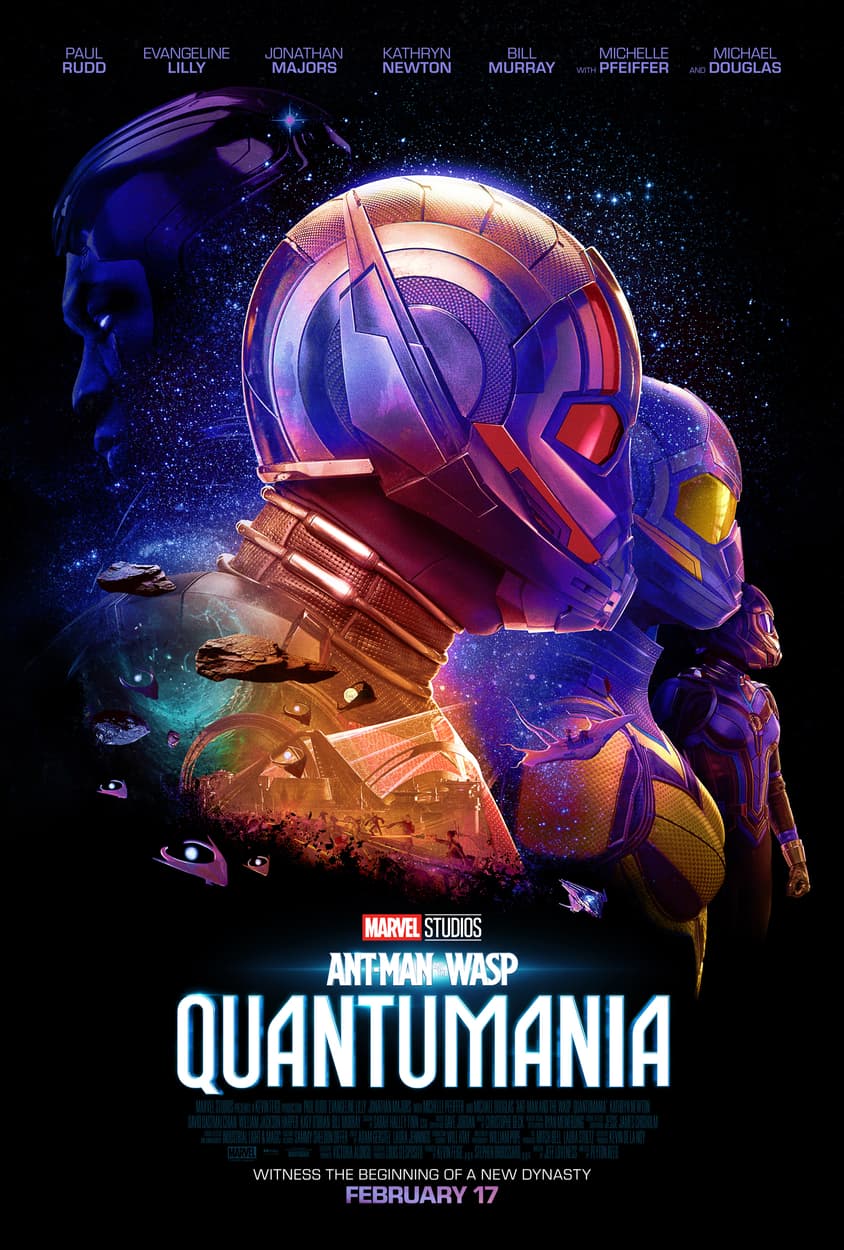
ANT-MAN AND THE WASP: QUANTUMANIA movie review

Entertaining and world-building. Phase 5 of the Marvel Cinematic Universe launches with Disney-Marvel’s Ant-Man and the Wasp: Quantumania (AWQ). This (paint-by-numbers) adventure of epic proportions benefits from a small central cast, which allows for effective character arcs and development. Furthermore, the central cast is elevated to near purrrrrrfection with the incomparable Michelle Pfeiffer’s significant screen presence as the original Wasp Janet Van Dyne. For someone that can take or leave the MCU, simply knowing that Michelle Pfeiffer is in a pivotal role, is enough to get me to watch. Perhaps that is also like you. While this is not her first time returning to the superhero genre (first did it in Ant-Man and the Wasp), this is the first time that she is front and center, giving hope that we may yet still see Pfeiffer return to her career-defining role as the definitive Catwoman.

Ant-Man and the Wasp find themselves exploring the Quantum Realm, interacting with strange new creatures and embarking on an adventure that pushes them beyond the limits of what they thought was possible.

The latest installment in the MCU mostly functions as a standalone movie, but there is clearly world building to lay the piping for Phase 5. Now, I do not follow the comics nor have seen any of the TV shows, and I was able to follow sufficiently enough, which means that anyone that has seen the MCU theatrical movies will have sufficient knowledge to follow the journey. Yes, the visual effects are expertly generated by graphics engineers, but I am seldom impressed by entire worlds that exist within the confines of a computer. There is very little real set design, which mitigates the ability to become immersed in the Quantum realm. AWQ represents what happens when a single media conglomerate owns both Marvel and Star Wars because this movie feel like the combination of Star Wars and Avengers. There is even a scene right out of the cantina on Tatooine. To the superhero movie’s credit, the plot is simple and the characters complex, so it receives high marks for screenwriting mechanics.

Par for the Disney course these days, there cannot possibly be a movie released without a dose of the cynical worldview of applied postmodernism. For AWQ, this dose comes in the first sequence of scenes following the prologue. Cassie is in jail for antagonizing law enforcement that (we are told) launched tear gas into a (we are told) peaceful protest. This serves little to no purpose, and most certainly has no bearing on the plot; therefore, it was in there simply to check off a virtue signaling box. I can see what they were trying to do–trying to show that Cassie has the early signs of going down her father’s path of delinquent behavior. If Disney-Marvel wanted this to be more poetic and elicit greater empathy from the audience, then Cassie should have been shown engaging in petty crime not activism. This would have demonstrated that Scott’s lack of engagement as a parents (due to his personal brand and professional pursuits) has had a negative impact on Cassie’s development. Furthermore, this would have provided for a greater character arc when she in instrumental in saving the universe.

What a fantastic cast!! Cast highlights include (as mentioned earlier) Michelle Pfeiffer, Michael Douglas, and a surprise cameo from Bill Murray! This otherwise paint-by-numbers superhero movie is elevated by the contributions of these exemplary actors. Even if you don’t see all the MCU movies, I highly recommend the Ant-Man movies because they are far more character-driven than the others, and the small central cast benefits from time and attention paid to their respective interpersonal journeys that provide depth to the high concept plot. For the most part, the running theme of the Ant-Man movies generally revolves around the idea of fatherhood and (by extension) parenting.

If MCU fans were looking for their next big bad, then they will find the new archenemy bent on the destruction of the known universe, without going into spoilerific details, I can say that this new villain makes Thanos look like Bowser from the Mario games, with King Koopa being our newest main villain. Be sure to stay for both the mid and post-credit scenes as they raise the stakes to exponential levels.

If you’re looking for a fun movie that you can just kick back and enjoy, then this may be your ticket. I highly recommend watching it in a premium format (such as IMAX, Dolby, or XD) because the CGI sets will shine best with the best sound and screen at your local movie theatre.

Ryan teaches Film Studies and Screenwriting at the University of Tampa and is a member of the Critics Association of Central Florida and Indie Film Critics of America. If you like this article, check out the others and FOLLOW this blog! Interested in Ryan making a guest appearance on your podcast or contributing to your website? Send him a DM on Twitter. If you’re ever in Tampa or Orlando, feel free to catch a movie with him.
Follow him on Twitter: RLTerry1 and LetterBoxd: RLTerry

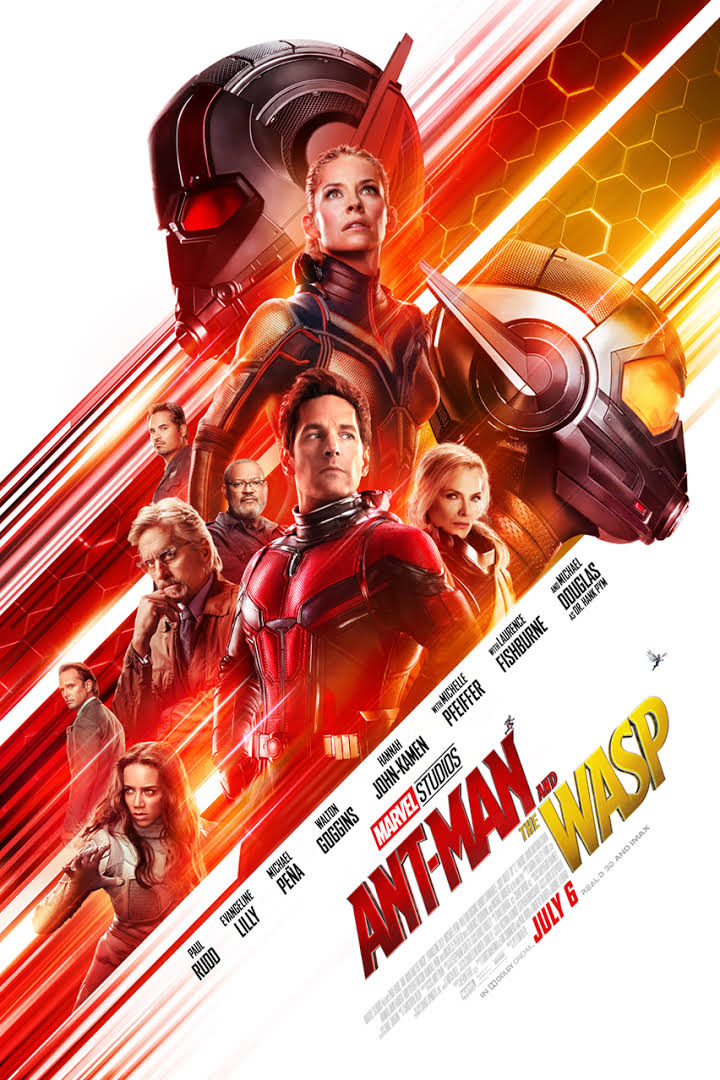
Marvel “Ant-Man and The Wasp” movie review

fANTastic! Although this installment may lack the grandeur of many of the Marvel Studios films, including the recent Avengers: Infinity War, director Peyton Reed delivers a fun, heartfelt, action-packed movie in the Ant-Man series that is sure to be a crowd pleaser. As someone who doesn’t typically fawn over superhero movies, with some exceptions like Batman Returns, I went into this movie with moderate expectations at best. Needless-to-day, my expectations were exceeded and I had a great time. Perhaps the story is rather shallow and even paint-by-the-numbers, but the straight-forward story is made fun and exciting by the incredible cast. This installment in the MCU is also marked by the significance of the captivating Michelle Pfeiffer’s return to the superhero genre. It’s been more than 26yrs since she wowed audiences with her roll as the definitive Cat Woman, and she still packs a punch during her short time on screen in Ant-Man and The Wasp. Is this a movie that requires a close reading or in-depth analysis? Certainly not. But, there is a running theme of change/size that is both literal and metaphoric. This may not be the at the top of your MCU favorites, but I can honestly state that you will not feel as if your time is wasted if you choose to take the quantum leap into this micro superhero movie.

After the events in Germany, Scott Lang (Paul Rudd) is under house arrest. Dealing with the consequences of being both a superhero and a father, Lang is challenged to still be a loving father to Cassie while figuring out how to continue his role as Ant-Man. Compounding the demands of being a father and superhero, Lang is also working diligently from home to build his security company in order to be the provider he wants for his daughter. Just when he has his routine down, and is getting close to being released from house arrest, he is kidnapped by Hope van Dyne (Evangeline Lilly) and Dr. Hank Pym (Michael Douglas) to help with a mission to rescue Janet van Dyne (Michelle Pfeiffer) from the quantum realm, a result of disarming a nuclear bomb many years prior. The search and rescue operation is thwarted by a ruthless southern businessman and a mysterious new ghost-like adversary. Under the ever-oppressing constraint of time and place, Ant-Man and The Wasp must cooperate in order to protect the quantum technology from falling into the wrong hands that could prohibit Dr. Pym from rescuing his wife.

While the movie, by in large, is pretty basic (solid, but basic), there is a great example of Hitchcock’s MacGuffin! If you’re unaware, a MacGuffin is the object that drives the plot forward, begins the domino effect, but ultimately does little more than trigger the plot. The definitive example of this is the money Marion Crane steals from the real estate office that sends her on the journey that lands her at the Bates Motel in Psycho. Not nearly as macabre, the MacGuffin in Ant-Man and The Wasp is the size-shifting office building of Dr. Hank Pym. Sometimes it was as large as a city block, and other times it was the size of a roller suitcase. In fact, if it isn’t already, I imagine that we will soon see this AS luggage that can be purchased at a Disney Park near you. The theme of size is demonstrated through small objects that become large and large objects that become small. Furthermore, this idea of playing around with size can also be witnessed figuratively through egos. Some egos are inflated–large–and need to shrink down to size or others are barely there and need to grow in order to not be overrun or overlooked. This theme is also displayed in how small people or objects can rise to the occasion, become a metaphoric giant in order to stop those who pose as obstacles to the goal. It is well-known that ants can carry several times their body weight, and we see characters in this film shouldering more than their fair share, but still manage to overcome any resistance or hurdles to accomplishing the mission.

Be sure to state for the mid-credits scene because it will answer the question that has been on your mind, “where was Ant-Man during Infinity War”? There is also a post-credit scene that is cute but won’t provide any further insight into the next Ant-Man or Avengers movie. With the return of Michelle Pfeiffer to the superhero genre, I am excited to see how the MCU will integrate her into the narrative because she possesses a powerful screen presence that should not be under-utilized. Unfortunately, this could mean that we may not get to see her reprise her role as Cat Woman in a future DCEU film, but her beauty and charisma will certainly add a touch of class and strength to the MCU.

While most MCU movies are suitable for all audiences, there is some content in the dialogue that may not be appropriate for those under 13. So parents and siblings, just be aware of this before taking children to this film. It’s not nearly as adult as Deadpool but it leans more toward a teen and adult film more than kids.