
A Compelling Hero in Search of a Consistent, Equally Compelling Villain

Spider-Man: Brand New Day may be the darkest live-action Spider-Man film since The Amazing Spider-Man 2. More significantly, it may be the most human. Peter Parker no longer emerges from every battle protected by the reassuring elasticity of comic-book storytelling. He bleeds, bruises, and brushes against death with an immediacy rarely felt in earlier installments. The physical injuries linger, as do the psychological ones.
That vulnerability gives Tom Holland some of the strongest material he has received as Peter Parker. It may, in fact, be his finest performance in the role. Holland appears older, wearier, and more fully aware of the cost attached to his extraordinary life. This is not merely a hero confronting another threat; it is a young man discovering that courage does not make him invulnerable.
The entire ensemble performs well. From beginning to end, the performative dimension is considerably stronger than the screenplay supporting it. Unfortunately, the actors are too often asked to sustain scenes that linger without sufficiently advancing character, conflict, or consequence. They give the film emotional credibility, but the writing rarely provides enough dramatic momentum to match their efforts.
Listen to the ReelTalk episode by clicking HERE. You can also find it on Apple, Spotify, and other pod-catchers.
The central problem is the absence of a sustained character of opposition. Brand New Day contains adversaries and dangerous circumstances, but it never establishes a traditional central villain capable of defining the conflict and forcing Peter through a complete heroic journey. What initially appears to be the enemy does not remain the enemy. Simply stated, this is a superhero movie with a hero but no true villain.
Breaking with convention is not inherently more intelligent, sophisticated, or artful than following it. Conventions often endure because they perform essential dramatic functions. A formidable antagonist does more than provide someone for the hero to defeat. The antagonist applies pressure, clarifies the stakes, exposes the hero’s weaknesses, and forces decisions that transform the character. Internal conflict can certainly drive a story, but cinema must still dramatize that struggle through meaningful external opposition.
Without that sustained force, Peter’s journey lacks a clear dramatic destination. The movie contains considerable emotional weight but surprisingly little propulsion.
This contributes to the film’s pacing problems. Although Brand New Day is shorter than several entries in the Marvel Cinematic Universe, it frequently feels longer. Runtime and pacing are not synonymous. A lengthy film can pass quickly when every scene builds naturally upon the one preceding it; a shorter film can drag when its scenes repeat emotional information or fail to change the dramatic equation. Too much of Brand New Day remains at the same level of solemn intensity.
Darkness itself is not the problem. Tim Burton’s Batman and Batman Returns demonstrated that comic-book films could be brooding, psychologically complicated, and visually macabre while still providing considerable entertainment. Brand New Day, by contrast, delivers a heavy helping of melodrama without enough tonal contrast, exhilaration, or playfulness. Its seriousness is often admirable, but seriousness alone does not create depth.
There is nevertheless much to appreciate. The decision to emphasize Peter’s physical and emotional fragility restores something essential to the character. Spider-Man has always endured because his powers do not liberate him from ordinary human suffering. He still experiences fear, exhaustion, disappointment, and loss. His victories cost him something, and Holland communicates that burden with remarkable conviction.
Spider-Man: Brand New Day ultimately works better as a Peter Parker character study than as satisfying superhero entertainment. Its interest in consequence is thoughtful, its performances are strong, and its humanity is genuine. Yet the absence of a clearly defined villain and the resulting lack of dramatic momentum leave the film feeling incomplete.
Tom Holland gives the movie a compelling hero. The screenplay simply forgets that even the most human hero still needs something—or someone—substantial to oppose him. However, it’s an enjoyable movie that sticks to one universe–and that’s a relief.
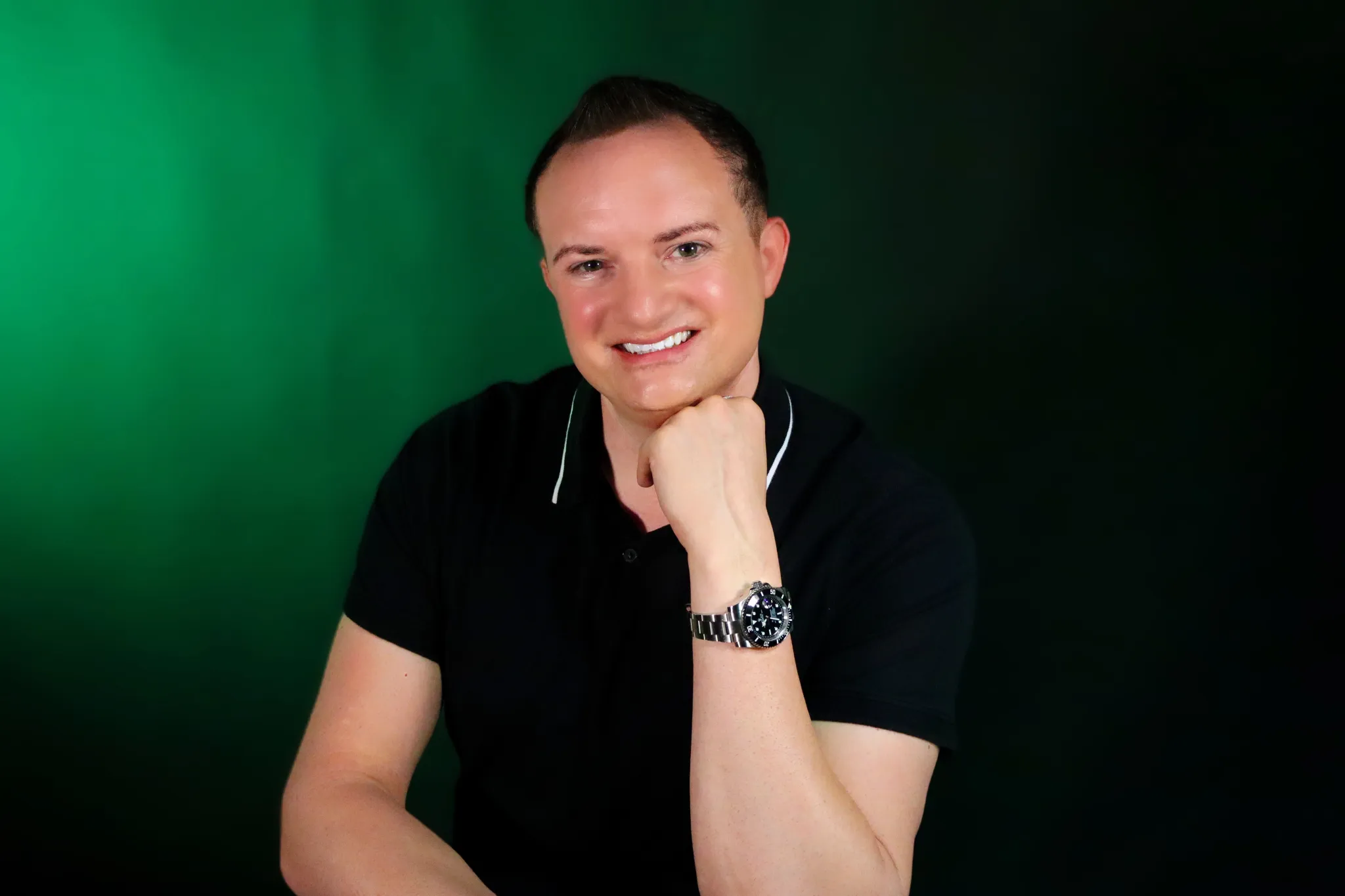
Ryan is the morning host on WLRH Public Radio in Huntsville, AL and host of the show ReelTalk “where you can enjoy the cinematic conversations frame by frame each week.” Additionally, he is the author of the upcoming film studies book titled Monsters, Madness, and Mayhem: Why People Love Horror. After teaching film studies for over eight years at the University of Tampa, he transitioned from the classroom to public media. He is a member of the Critics Association of Central Florida and Indie Film Critics of America. If you like this article, check out the others and FOLLOW this blog! Follow him on Twitter: RLTerry1 and LetterBoxd: RLTerry


