
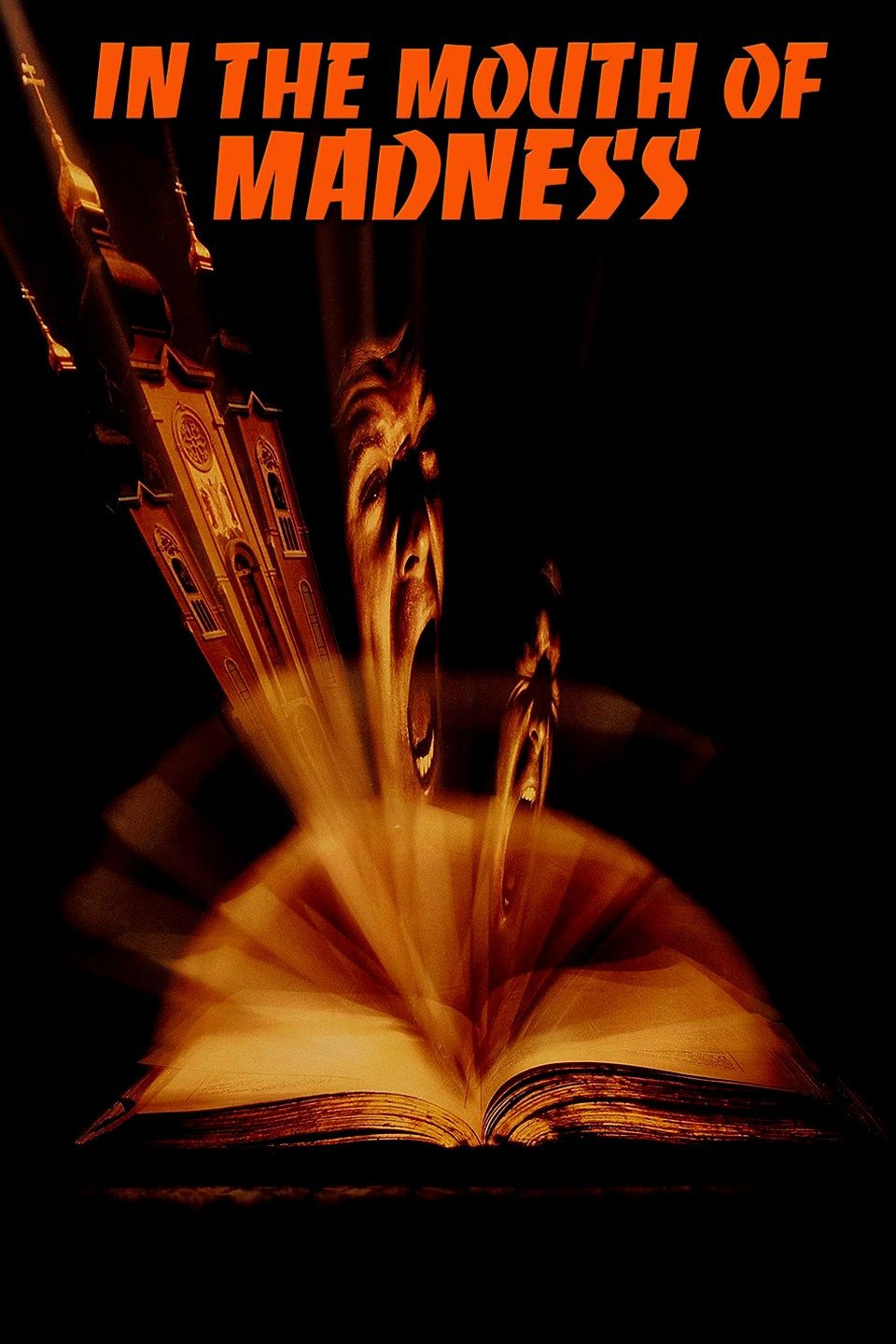
John Carpenter’s “In the Mouth of Madness” full review

Stephen King meets The Twilight Zone in this underrated Carpenter film! It isn’t often that I am introduced to a, what should be a well-known, horror film that is completely unknown by me. There are certainly many indie and obscure horror films that I am unfamiliar with; but because this is a Carpenter film in my lifetime, I should have known about it! Thankfully my penpal, fellow cinephile, and friend Leon in Germany selected this gem for our weekly film screening. Each week we take turns selecting a different film for us to watch. Sometimes it’s a movie that one of us likes and wants to share, other time, it’s a film that neither of us have seen but want to. This was the former. When Leon asked if I’ve seen In the Mouth of Madness, I replied with I haven’t even heard of it. When he told me it was John Carpenter in 1994, I was shocked! And is stars Dr. Alan Grant and Damian himself, Sam Neil! You may be wondering why you have not heard of this film, and that is most likely because it performed poorly at the box office and was panned by critics. Fortunately, a small cult following has developed over the years, but it’s largely still an obscure mid-90s horror film. The reason for this is likely because the film has been accused of difficult to follow, but I do not believe that to be true. It’s true if you need to be held by the hand through the plot, but this film is one of those that has so much depth that you will want to be fully engaged in every minute, every frame. In the Mouth of Madness contains many Stephen King, and Twilight Zone elements that truly make this incredibly rewatchable. The cinematography and score are beautiful, and I find the screenwriting fascinating! I’d even venture to conclude that this is Carpenter’s final masterpiece. Carpenter’s vision of John Trent’s (Neil) descent into madness is terrifyingly spine-chilling.

Summary: When horror novelist Sutter Kane (Jürgen Prochnow) goes missing, insurance investigator John Trent (Sam Neill) scrutinizes the claim made by his publisher, Jackson Harglow (Charlton Heston), and endeavors to retrieve a yet-to-be-released manuscript and ascertain the writer’s whereabouts. Accompanied by the novelist’s editor, Linda Styles (Julie Carmen), and disturbed by nightmares from reading Kane’s other novels, Trent makes an eerie nighttime trek to a supernatural town in New Hampshire. (IMDb)

Go into this movie with an open mind. I highly recommend this because I still do not fully understand everything. But. That is the beauty of this film. There are so many layers that you can peel back and do a close reading. Perhaps this film was ahead of its time in that there is a meta nature to the experience of watching this film. The central character of Trent must discern what is fantasy and what is reality; and by extension, we are challenged, as the audience, to very much the same task. We must decide if the imagery before our eyes is reality or fantasy, to be taken literally or figuratively. While meta films are much more popular now, it was highly experimental back in 1994/95. The beauty of horror is its ability to force us into uncomfortable places in which we come face to face with that which terrifies us–sometimes to our very core. And what is more terrifying than the possibility you may be crazy or a hoax is attempting to gaslight you? When our very psyche feels under attack, it’s fight or flight.

We are drawn into the story because we are naturally drawn to the repulsive, because there is a subconscious masochistic desire to experience a pleasurable unpleasure. Much like in Sunset Boulevard where we are not concerned or preoccupied with what happens to Joe Gillis (since we know he’s dead from the opening scene), we are profoundly curious about HOW he winds up floating facedown in a swimming pool. We can liken that to In the Mouth of Madness because we know Trent, whether sane or insane (though, that is a legal term), is institutionalized and placed in the padded room. Once we flash back to a few weeks earlier, we are morbidly curious as to how this otherwise intelligent, rational man winds up a prisoner of his own mind.

Another question that the film confronts us with is the power of literature. Is it possible for a writer to be so incredibly popular, and enough people become engrossed in the words that the line between fantasy and reality becomes blurred to the point that people begin to believe that the “fictional” characters and setting are a real place? That is certainly a powerful concept to tackle in a low-budget horror film. But Carpenter was never one to shy away from a bold concept or statement. It’s clear that the film is a commentary on the prolific writing and power of the words of authors like King or Lovecraft. Furthermore, the film suggests that there is a transcending power of the text to nest in the subconscious to tap into primal fears and carnal actions. Trent slowly comes to realize that the readers of Kane’s works have been placed under a spell, of sorts, that predisposes them to taking on the characteristics of the literary characters and giving themselves over to behaving like the monsters that are written about in Kane’s novels.

Kane likens his books to the Bible in a sacrilegious attempt to prove that if you convince enough people to read your books that you can control them, and ostensibly become a god. Kane certainly displays signs of a god-complex; he seeks to be in control over not only his fictional Hobbs End but the whole world. And instead of taking over the world by physical force, he seeks to take over the world through the power of the written word. It’s a fascinating concept to think about, and perhaps you can think of books that have greatly influenced society to the point that behavior changed. Can a book truly spark widespread delusions and paranoia? Trent certainly believes so. I love how this feels like an episode of the Twilight Zone on crack. The power and success of The Twilight Zone is due in large part to the show’s ability to comment on societal behavior through the use of bizarre or shocking imagery. Pose a big question grounded in reality, then use science-fiction, fantasy, or horror as a vehicle to explore various perspectives and possible outcomes.

John Carpenter provide us with a fantastic score that will penetrate you all the way down to the bone. It’s both shocking and beautiful all at the same time. Originally Carpenter desired to have Metalica score the film, but the combination of not fitting into the budget and an unwillingness to license the rights left John to compose his own score that mimicked what he wanted from Metalica. The score of In the Mouth of Madness was not intended to be spooky but to keep the audience ever so slightly off-balance. The cinematography is also an element to take note of when analyzing this film. The lighting, camera movement, and shot selections convey a neo-noir tone. Similar tones can be found in Mulholland Drive and Pulp Fiction. Although there are many horror elements in this movie, it bares a lot of similarities to neo-noir in how it handles the central character and the conflict he’s been thrown into that leaves him in over his head. And of course, it ends badly for Trent.

I am surprised that not more horror fans know of, much less, like this movie. It really seems to have two camps: one that loves this film and the other that hates it. Honestly, it appears to be one of the more polarizing films within the horror library. It’s one that I will certainly rewatch because of the highly intellectual component. There is tremendous depth to the narrative and it strikes me as the type of film that will give the viewer something different to think about every watch. It’s visually stunning and the imagery is macabre. Definitely one that I will recommend to fellow horror fiends like me.

Ryan teaches screenwriting at the University of Tampa. If you like this article, check out the others and FOLLOW this blog! Interested in Ryan making a guest appearance on your podcast or contributing to your website? Send him a DM on Twitter or email him at RLTerry1@gmail.com! If you’re ever in the Tampa area, feel free to catch a movie with him!

Follow him!

Twitter: RLTerry1

Instagram: RL_Terry

2018 in Review Plus My 10 Best and Worst Films

I’ve read everything from 2018 has been the best year for cinema in recent years to the worst. Aside from the valid argument that “best” or “worst” are highly subjective when basing it on a qualitative criteria, there is no doubt that it has certainly been a year with a lot of variety. There have been some great films and complete dumpster fires. If I were to evaluate 2018 cinema, I would say that this year’s selections skew much closer to best than worst in recent years. Personally, I feel that it has been an exciting year! This observation is evident through the plethora of dynamic conversations on #FilmTwitter. While I do not feel that there is any singular standout film in 2018, there are ones that I feel help to make this a banner year, a truly memorable time in cinema for blockbusters, auteur, and indie films. The combination of new releases in the theatre, through streaming services at home, or sometimes both concurrently, provides audiences with an unprecedented ability to access a wide assortment of movies and films to satisfy even the most discerning cinematic palate.

While it is certainly up for debate how 2018 performed compared to past years, there is little debate that the horror (and horror adjacent) genre has become increasingly mainstream. But is that what the horror community wants? As a longtime fan of the American horror film, I gotta be honest with you that I am not a huge fan of how popular this genre has become. For the longest time, to be a fan of the horror genre was something niche. It was seen as this weird or macabre subculture to which outcasts, geeks, and goths, for example, belonged. Without writing an entire research paper on the subject (which, now that I think about it, may be a good idea), the horror community felt like a family or perhaps a neighborhood. Now it’s getting to the point that it feels like a city. Horror has always been popular and bankable, but it hasn’t been until the last couple of years that it has exploded among a wide array of movie lovers. With the growing affinity among general audiences, that sense of family is slowly fading.

Perhaps it’s the idea that our attraction to the repulsive, the “pleasurable unpleasure” as Freud would say, does not feel as special as it once did. If there is a positive side to more and more people looking to be entertained by horror, it is the number of horror films and shows released. Standout movies and shows from 2018 are A Quiet PlaceHereditaryHalloweenThe Haunting of Hill HouseAmerican Horror Story: Apocalypse, and The Chilling Adventures of Sabrina. All highly successful and extremely well made, a few award-nominated and winning even! For 2019, many of us are eagerly awaiting the remake of Pet SemataryIT: Chapter 2Us, and others. I love how there seems to be new horror movies and films coming out all the time. Gives me new movies to watch! But the tradeoff is a lot of “new fans” who think they know the genre in the same way as us lifers; furthermore, flock to, not only the cinema, but to Halloween Horror Nights at Universal Studios to create 2-3hr waits for the world-class haunted mazes/houses, many of which are based on horror films and shows. HHN28 was the most crowded that I’ve ever seen it. Maybe it will be up to us lifelong fans of the horror genre to stick together to discuss what we’ve loved and have demonstrated an appreciation for a long time.

Horror isn’t the only genre or subject that has received a lot of attention in 2018, we also had some incredibly strong “non straight white male” writers, directors, central characters, and actors. From incredible performances delivered by Toni Collette, Viola Davis, Glenn Close, and Olivia Colman to films such as BlindspottingWidows, Boy Erased, and Can You Ever Forgive Me?, just to name a few, we have certainly seen a much-needed increase in representation from those whose stories had more difficulty making it to the silver screen. There are many other fine examples of this shift in cinema, and I hope that this trend continues into 2019 and beyond. With all the outlets for storytellers now, it’s a great time to have the money and resources to bring hidden stories to life for all the world to see.

Okay, enough with some of my 2018 observations, here is my Top 10 Films of 2018 list followed by my most disappointing films list. If I wrote a formal review on my blog, I added the link to the title. Some films are so bad that I don’t even bother reviewing them on here. Haha.

Top 10

Honorable Mention: Annihilation

10. Halloween

9. Tully

8. Widows

7. Green Book

6. A Simple Favor

5. A Quiet Place

4. Won’t You Be My Neighbor?

3. A Star Is Born

2. Hereditary

  1. The Favourite* After a lot of thought as I’ve been reviewing 2018, and when I was selecting my picks for the Oscars, I realized that I actually liked The Favourite a little more then ASIB. So, I’ve updated my blog to reflect that. (01/22/19).

Bottom 10

10. Christopher Robin

9. Happy Time Murders

8. 15:17 to Paris

7. Rampage

6. Skyscraper

5. AXL

4. Death Wish

3. Truth or Dare

2. Slender Man

  1. KIN

Check to see if I’ve reviewed a movie from 2018 that you are interested in by typing the title into the search bar at the top of the page. There are 44 reviewed NEW 2018 films on my blog plus more than 250 other films! For horror fans, checkout my All The Horror blog from October that has 31 brief reviews of horror and Halloween movies. Odds are, you’ll find some for which you are looking!

Ryan is a screenwriting professor at the University of Tampa. If you like this article, check out the others and FOLLOW this blog!

Follow him!

Twitter: RLTerry1

Instagram: RL_Terry

Thrillz (theme parks): Thrillz.co

“Black Christmas” full horror film review

Move over Ralphie for Bob Clark’s original Christmas story. Released in 1974 and predating John Carpenter’s Halloween by four years, Clark’s Black Christmas is actually the the first modern slasher film. In fact, many have argued that Carpenter’s iconic holiday horror film, that made Michael Myers a household name, is an unofficial sequel to Black Christmas. Bob Clark laid the groundwork for Michael to terrorize Haddonfield; but, both Black Christmas and Halloween along with 1979’s When a Stranger Calls collectively created the foundation upon which the 1980s slashers were built. Although I had heard of this film prior to this year, I did not make time to watch it until many of my podcast friends talked about it. So, for the weekly film screening with my cinephile penpal a couple of weeks ago. Originally, I had not intended to review it since so many others have covered it this Christmas season; however, after being encouraged to review it by a few of my friends in the #PodernFamily community, I’m going to talk about my opinions on this film. In short, it is one of the most terrifying horror films that I have ever watched. And it’s not because it’s particularly violent or gory, but because of its incredibly unsettling atmosphere caused by the mysterious, vulgar phone calls and the creepy POV of the slasher entering the sorority house during the Christmas party. That bit of dramatic irony paired with the sequence of disturbing events, work together to generate nightmare-inducing thoughts and imagery in the mind of the audience.

Now for the IMDb summary before we dive deeper! As winter break begins, a group of sorority sisters, including Jess (Olivia Hussey) and the often inebriated Barb (Margot Kidder), begin to receive anonymous, lascivious phone calls. Initially, Barb eggs the caller on, but stops when he responds threateningly. Soon, Barb’s friend Claire (Lynne Griffin) goes missing from the sorority house, and a local adolescent girl is murdered, leading the girls to suspect a serial killer is on the loose. But no one realizes just how near the culprit is.

The first moment in the movie to truly catch my attention was the POV of the serial killer. Before watching this, I was under the impression that the first horror film to open with a POV in this fashion was Carpenter’s Halloween. It was at that moment that I looked up the release year and shocked to find that Black Christmas was released four years prior. The unnerving atmosphere of dread is generated in part by the dramatic irony of the killer being in the house and the vulgar mysterious phone calls that consistently plague the sorority girls. Although there are scenes that take place outside of the house, the horrific events largely take place inside a house. A house–more specifically–a home–where you should be and feel safe. The invasion, the penetration of safety is a terrifying prospect for anyone who has ever walked into their home alone wondering if someone may be there. The idea that someone may be in your house sticks with you long after the movie ends. And that is the power of the unnerving horror of Black Christmas. I argue that the level of terror is higher in this movie than Halloween because of just when this story takes place. Both Halloween and Black Christmas concern themselves with a serial killer sneaking inside the home unbeknownst to the owners but Black Christmas takes place at the time of year that we should feel the warmest and safest. It’s that stark contrast between the magic of Christmas and the horror befalling the sorority house that impacts us more than the events in Haddonfield on Halloween. Halloween is a time that we expect to be scared, whereas Christmas is a time that we expect to be warm and safe.

Unlike the merciless or meta-kills of Jason or Freddy, the killer only known as Billy specializes in psychological horror. Although there is more to Jason than just killing teens and college students, he essentially seeks to rack up as many kills as possible. Much in the same way, Freddy enjoys increasing his kill count too. However, Billy stands in contrast because he is not merely concerned with racking up a body count as he is truly terrifying the girls and their house mom. The actions of Billy are a vehicle for the fears of the audience. His victims and methods of execution, if you will, comment on the character types that he’s going after. Moreover, the beauty of Billy’s true identity remaining mysterious is that he can be whomever you want him to be. Furthermore, the victims can be whomever you want them to be. It’s the type of horror film that provides the audience with the ability to place themselves in the shoes of the killer. But Billy isn’t the only star of the film, we spend sufficient time with each of the characters to understand their personalities and desires. This makes them more than just eye candy for Billy or the audience. We can empathize with each of the victims and those with him they have friendships or a relationship. There are few moments that we get to see Billy. For the most part, we are always looking through Billy’s eyes. Billy has nothing distinct about him. No motive, mask, backstory, proprietary weapon–nothing. And it works so incredibly well! It’s this lack of anything in particular that would make him out to be someone unique that terrifies us. He can literally be anyone who is simply terrifying these girls because “they were home” (where have we heard that before?) or they left the door unlocked or a window open.

Hitchcock stated stated on more than one occasion that (and I am paraphrasing) there is no greater fear than that of an opened door. Bob Clark takes a queue from Hitch in that he relies heavily upon that which in unseen or unknown. Relying upon that which is unseen forces the audience to engage the film on a personal level by creating scenarios for the violence off screen. Another quote of Hitchcock is related to Clark’s approach in this film, “always make the audience suffer as much as possible.” And there are plenty of scenes in Black Christmas that will induce suffering in the minds of the audience. We aren’t given a backstory on or motives of the killer, but evidence suggests that he has a preoccupation with the idea of pregnancy or motherhood. Moreover, there are different types of mothers or maternity examples in the film from a sorority house mother to a knocked-up college student contemplating an abortion. Interestingly, this is where Black Christmas refuses to conform to the morality play underscoring many horror films in which teen and college students engaging in deviant or indiscriminate sexual behaviors are the ones killed off. The point-of-view movements and kills take you out of your seat and into the narrative as a quasi accomplice to the murders. Of course, we are not prevued to all the murders as there is a rape and murder in the same area that is said to be linked to Billy but we never truly learn the origin of these murders or even the true identity of Billy.

Although Black Christmas is a serious slasher, it is not without its comedic moments. The sorority mom and her booze will keep you laughing while one of the police officers will have you rolling over in your chair with his complete incompetence and lack of knowledge of fellatio. The film never falls into the area of self-aware or parody, but it does successfully balance out the dark narrative with the more lighthearted elements.

If you’re looking for another holiday horror movie to add to your list of Christmas films to watch, then you definitely want to add this one to your lineup. It’s perfectly dark and sinister, takes place in an ominous sorority house that provides us with an incredibly creepy atmosphere, and infamous ending. Instead of shelving it until the holiday season each year, it should be treated like Halloween and other slashers. It’s good year-round! It’s an important film in the horror library because it was the first to give us so many of the tropes that would show up later, and even thought to be originally attributed to later films.

Ryan is a screenwriting professor at the University of Tampa. If you like this article, check out the others and FOLLOW this blog!

Follow him!

Twitter: RLTerry1

Instagram: RL_Terry
Thrillz (theme parks): Thrillz.co

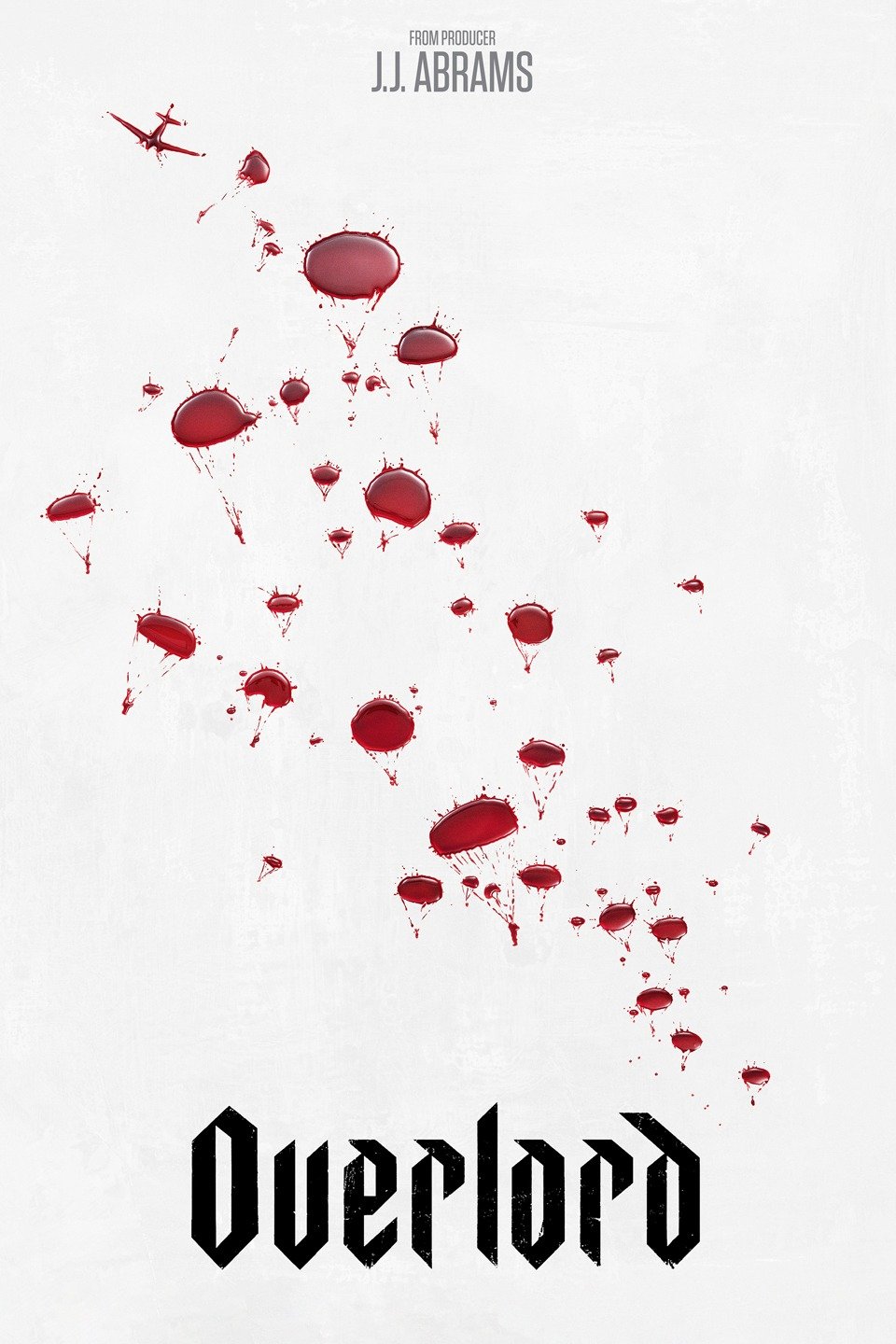
“Overlord” full movie review

Surprisingly deep! The best kind of bait and switch is when you go in with moderately low expectations and get blown away by how incredibly well an experimental film dances the line between two genres and provides us with rich writing and excellent direction. At the end of the day, it is still a glorified B-movie, but it’s a B-movie that has so many A-list qualities about it. Often when the term experimental is attributed to a film or movie, it is usually because of a particular stylistic choice by the director; however, I chose that description for this movie because it blends the war (WWII) genre with horror and action to create a movie experience that is incredibly thrilling and creepy. Not for the weak stomached, this movie contains quite a lot of war and horror violence, but the gore and violence are never the focus but used to enhance the visceral experience of the movie. The focus of the movie is on the mission of the American soldiers to take out a signaling tower for the Nazi forces, and we never forget that. For all the complexities of the film, the plot is superbly simple and the main characters moderately complex. If there is one singular fault of the movie, it is that the character of opposition (Wafner) is not as interesting as our central character of Boyce. Supporting the lead cast are fantastic side characters who are mostly there for some comedic relief. While the horrors of Nazi medical experimentation led by the sadistic Josef Mengele are still stomach-churning to this day, the end of this movie contains a brilliant payoff that takes what the Nazis may have been doing right before D-Day, and turns it against them. The Nazi’s are defeated by a member of a group that would have been on their extermination list. If you’re thinking that this is going to be another Dead Snow, you would be wrong. Takes what Dead Snow did well and combines it with the best of WWII movies to deliver an exhilarating movie!

Hours before the real life D-Day, a small group of American soldiers survive a airborne battle above France, and must work together, through their differences, to destroy a signaling tower in village near Normandy in order to allow the Allied forces to storm that infamous beach to deliver France from the clutches of Nazi occupation. The US soldiers soon realize that there is more going on than an oppressive Nazi occupation in the village. As the soldiers inch their way toward the former church, now a Nazi camp, they discover that the evil Nazi medical experimentation goes way beyond unethical and even immoral to downright sadistic. In an effort to solidify the Third Reich’s rein over the world, they have developed a serum to make super soldiers that has some horrific side effects. The allied forces must face not only the Nazi forces but the undead as well.

Why does this movie work as well as it does? Easy. The screenplay by Billy Ray and Mark L. Smith and direction by Julius Avery. Ray is known for Captain Philips and The Hunger Games, Smith for The Revenant. Avery is still relatively new to directing feature films, but demonstrates a strong ability to work with a blended genre that provides audiences with an exciting big screen time. With Avery still earning his chops for feature films, the fantastic screenwriting and story serve as a solid foundation upon which the other elements are built. At first glance, this movie seems like one that would essentially one that is just schlocky fun, or perhaps one that tries to take itself seriously but fails miserably in a way that makes it painful to watch, and ultimately forgettable. But to great surprise, the movie not only delivers a thrilling WWII horror movie but one that is produced with dimension, depth, and visual precision. Although not writing or directing, J.J. Abrams penchant for incredible visuals and heart-pumping action is seen throughout the movie.

Before discussing the performances and visuals of the film, I want to focus more on why this film is much deeper than it first appears. On the surface, it is a WWII action horror movie but beneath the surface, the screenwriters confront the audience with concepts and questions that are creatively woven into the high concept plot. Chief among these is found in our central character of Boyce. He’s a young black male fighting alongside these hard-hearted soldiers. While his counterparts are mostly jaded, he maintains a morally sound world view amidst the harsh realities of war. The fact that the film depicts a young black male as the hero during a time in our country that was about to experience great civil rights unrest, is a testament to the creative and effective approach to this story. He plays the role that is often given to a white actor, but I immensely enjoyed the charisma and talent he brought to this role that shows a progressive film. Regarding the rest of the American soldiers, each soldier represents a different kind of character, providing audiences one with whom they may be able to identify.

In addition to the fantastic casting choice in Boyce (Jovan Adepo), the screenwriters also confront the audience with the question of what truly separates us from our enemies when the only means to defeat them is stooping to their level. Including a message such as this one allows us to use the situation as an allegory in our present culture that is growing increasingly divided, and hate seems to abound. Where do you draw the line in the course of war or a philosophical battle? Ostensibly giving the middle finger to the damsel in distress, this film delivers an independent badass heroine in Chloe (Mathilde Ollivier). Such a strong female character in this movie, Chloe refuses to stay in her home and allow the American soldiers to fight for her. And she is so strong that even the most masculine of the soldiers accepts her tenacity and unbreakable spirit. Fortunately, the movie does not turn her into a love interest for the American soldiers. Many of the solders find her attractive, but she is never objectified by the Americans; however, she is objectified by the despicable Nazis. But fortunately for her, the infatuation the Wafner has with her, eventually brings about his demise.

Overlord delivers it’s visual tension brilliantly. And this is in party to the high degree of visual storytelling in this movie. The action sequences and special effects are extremely well produced. Avery’s movie rises above what we generally expect out of high concept action/horror movies to provide audiences with gritty, gnarly special effects and makeup effects. There is a realness to the atrocities of war felt in this movie that can be greatly appreciated. That realness is achieved by a large percentage of practical effects supplemented with digital effects. As I have pointed out before, relying upon mostly CGI robs the audience and the actors of authenticity. CGI cannot completely replicate the way real light bounces off real objects and into the camera. That sound mix, tho! If anything assaults your senses as much, if not more than the gruesome visuals, it is the ridiculous good sound design and mix. Definitely watch this film in IMAX or Dolby Digital (or the equivalent) if it is available in your area.

If you are seeking a horroresque gritty action movie, then this is one that you do not want to miss. It’s got everything you want from a movie that dances the line between horror and action. I cannot think of another horror action movie that does this as well with the exception of James Cameron’s Aliens (though, that one leans more towards action than horror).

Ryan is a screenwriting professor at the University of Tampa. If you like this article, check out the others and FOLLOW this blog!

Follow him!

Twitter: RLTerry1

Instagram: RL_Terry
Thrillz (theme parks): Thrillz.co

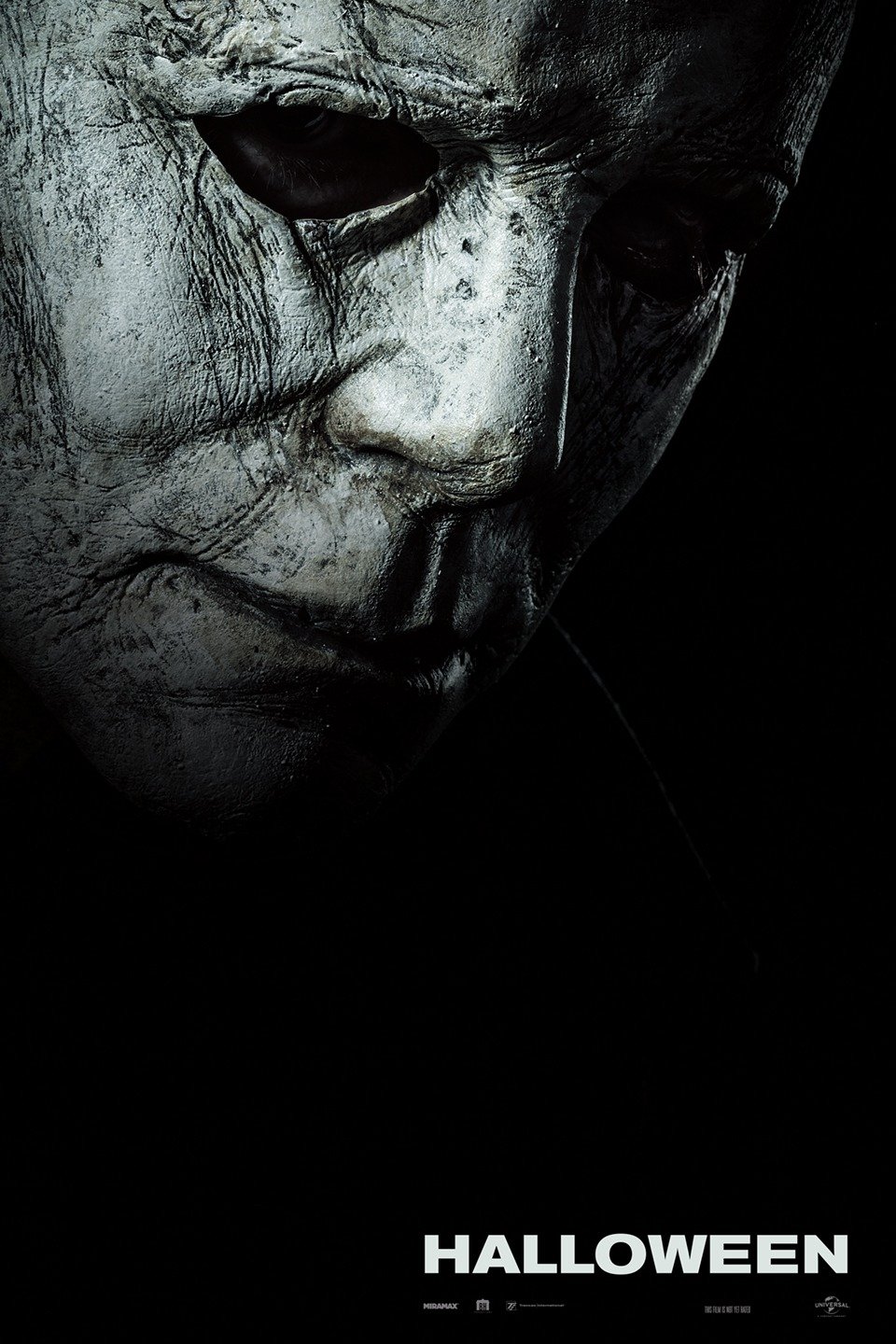
Halloween (2018) Full Horror Film Review

Happy Halloween Michael! David Gordon Green’s Halloween truly is the sequel that we have been waiting for in the Halloween franchise. Green set out to direct a Halloween movie that he desired to work both as an homage to the original whilst crafting an original story that could do more than be a great horror film, but be a great film period. And suffice it to say, he delivered in spades (or knives, as it were haha). Words cannot even begin to capture the energy of the auditorium last night. From screen to entrance Studio Movie Grill Tampa (my regular cinema) was filled with a level of energy that I’ve only ever witnessed at JurassicAvengers, and Star Wars movies. Twitter is all a’buzz this morning with those who saw it at pre-screenings and those of us who saw it at 7 o’clock last night. When I’ve been asked what I think, I am quick to respond that you need to throw out the rule book because Michael is writing this story. From echoes of the original (and some of Halloween 2) it still succeeds in providing longtime fans and those newly discovering the franchise with an original story that will hook you from the very beginning when you realize that all bets are off because no one is safe. It’s thrilling, engaging, and fun. It may lack Dean Cundey’s brilliant cinematography from the original (he was also the cinematographer for Jurassic Park, Carpenter’s The Thing and Back to the Future), but visually the film has those quintessential moments that act as a throwback to Carpenter’s original groundbreaking slasher. From the vintage opening title sequence accompanied by that iconic score to the showdown, Blum House’s Halloween is a brilliant addition to the franchise and is destined to be a future classic.

For my conversation about Halloween with the guys across the pond at the Movie Drone Podcast, be sure to watch for that episode dropping on Sunday wherever you get your pods.

It’s been 40 years to the day that Michael Myers (James Jude Courtney), the boogeyman, committed the infamous Haddonfield Halloween murders and 55 years since Judith Myers was stabbed to death. On Halloween night, Michael escapes from a bus that was transferring him from Smith Grove to a maximum security prison when the transfer goes horribly wrong. News of this escape puts Laurie Strode (Jamie Lee Curtis) on high alert as she knows he is heading for Haddonfield. Only this time, she is ready for him. Laurie is challenged with protecting herself while also protecting her daughter’s family. More than protecting herself and her family, Laurie is out for blood. With it being so long since the infamous murders, the town has largely let its guard down. History has faded into myth. But Laurie knew that Michael would be back one day, and she is fully prepared to face-off with the real-life boogeyman.

From the moment the film cuts to the vintage titles and the smashed jack-o-lantern becoming whole again, after the prologue, I knew that I was in for a real treat. That music is so incredibly iconic; those familiar chords are enough to strike fear in those who listen. Although many in the general audience may overlook the power of an opening title sequence, the typeface, transitions, music, and jack-o-lantern work together in order to communicate to the audience that David Gordon Green recognizes and respects the original and knows that you will love this installment that goes back to what made the first one work so well. It’s as if he is stating to the audience “I’ve heard you and I love the original too.” Instead of falling in line with current trends in horror films, Green is communicating to the audience that he is taking this franchise back to the roots. and back to the roots, he did. For fans of the franchise, you will undoubtedly recognize some easter eggs and other moments in the plot and kills that are nods to the original. Nods with a slight twist. I love the moments that connected me to the original. Same may call it shallow fan service, but I call that branding. Branding is important to a franchise, because those are the moments that are quintessential to the experience. And these moments in the film, that I see as branding, connect us to the original. Holding back on that branding would inhibit the nostalgia from shining briefly here and there. So much of Michael and Laurie’s identities are connected to those branding moments. However, don’t allow the return to channeling what made the first one work so well lead you to believe that you have it all figured out. While the soul of the original is there, the plot is full of twists and turns because just as Laurie was ready for Michael, he was ready for all of us sitting out there in the dark.

Written by Green, Danny McBride, and Jeff Fragley, this installment in the Halloween franchise was written to be a true continuation of the original story, ignoring everything that came after it. On that note, I like Halloween 2 and Halloween H20 but I am also equally pleased that this one essentially takes all the sequels and chalks them up to fan fiction. Could H2 and H20 have been included and the film still play out just as original and powerful? I think so, but at the same time, I did not find myself missing those installments. By placing this story 40 years after the original, it was able to remove all the absurdities of most of the others and start afresh. Missing from many of the other sequels was the playful nature of the original. Horror movies are supposed to be fun! Scary but fun. Even though there is murder and mayhem in a horror movie, that does not mean that it should be without those humorous moments. Fortunately for Green’s Halloween, the screenplay provides us with a simple revenge plot with a fantastically complex cast of principal characters. There is this refreshing exuberance I felt in the experience of this film. It was almost the same feeling that I got when I watched the original Halloween for the first time. The reason horror is used in events like Halloween Horror Nights and Howl-O-Scream is because there is a high level of amusement in it. And the screenplay of this film has perfect levels of horror and humor to keep you hooked and entertained for the whole time. Beyond the excellent direction Green provided, Jamie Lee looks so incredibly satisfying reprising her breakout role, we get a throwback Michael, and more. The key to the success of this film is the solid screenwriting. Moreover, this is not only a fantastic horror movie, it’s a solid film with no clarifier needed.

Before getting into content that requires me to talk spoilers, I want to explore the characters of Michael and Laurie specifically. Entire theses could be written on this subject, but let’s look at some of the main points. You may have asked yourself “what makes Michael tick?” The short answer: we do not know enough about his psychology, sociology, or physiology to know for sure. And that is a good thing! Why? Because if we knew too much about his mind and body, he would cease to be the boogeyman. And being the boogeyman is so important to, not only this franchise, but horror in general. That little bit of mystery and fantasy allow him to remain a monster to be feared and never truly understood. You see what happens to people in the film who seek to understand Michael better–hint–it’s not good. But since we are voyeurs who are obsessed with knowing, here is the long and short of what we know. According to Casandra Dodge (Ph.D. in criminology candidate at the University of South Florida), Michael likely suffers from and displays signs of a combination of antisocial personality disorder, schizophrenia, and obsessive compulsive disorder. We do not know enough to draw these conclusions, but there are signs of a combination of these psycho-social disorders.

Laurie is even more fascinating in this film than she was in the original. In many ways, she takes on some of the characteristics of Dr. Loomis from the first movie. He warned everyone about Michael’s violent behavior and would not be swayed into thinking that he could be rehabilitated. He was ready to kill Michael at every turn. Like Michael likely suffers from OCD, Laurie and Dr. Loomis also show signs of this disorder. Moreover, Laurie also displays signs of being a psychopath herself. Loomis, Laurie, and Michael could all be psychopaths. But contrary to popular belief, very few psychopaths are violent. In fact, careers for people that could be classified as psychopaths include: lawyers, surgeons, law enforcement, professors, artists, and more. Albeit I am overly simplifying, psychopathy means that you are predisposed to thrill-seeking behaviors and tend to be self-centered (among other characteristics). Laurie is less the final girl in this movie than she was in the original because she is very masculine and protective from the very beginning. There is no one defining moment that she sheds her (heteronormatively speaking) feminine self and takes on the traditional role of a man in stories to save the day and ultimately survive the killer. She is out for revenge the whole movie. I also appreciate how her character provides commentary on the realness of PTSD, and and the affects it has upon the whole body. On the note of revenge, the plot of this film aligns more closely with a revenge plot than a morality play. No mistaking it, Laurie Strode is back, and more phenomenal than ever! I love her character.

(spoilers ahead)

Substance and commentary. The original slashers such as HalloweenFriday the 13thA Nightmare on Elm Street, and other horror films (that do not fall into the slasher genre) hold up so incredibly well because there is a high degree of subtext that provides a solid foundation upon which to build the more superficial elements of the plot. At its core, the traditional slasher and is a morality play. And this morality goes beyond have casual sex and die or do drugs and die. But the aforementioned are recurring themes in these films. What I appreciate about the new Halloween is not following that approach–at least, not in the same way. It would be all too easy to pick-out the murders based upon that theoretical framework, and Michael is not about to have that. Characters you think will die do not, and other characters that you may not think will die, wind up another Haddonfield victim. The best example of this abandonment of the more traditional approach to slashers is the first kills. One of the past tropes of horror films is that if you are a kid or gay (or queer) you don’t die. Guess again, the 12yo boy who happens upon Michael’s transport bus who prefers dancing to hunting (tipping the hand to the fact he is likely gay) becomes one of Michael’s first victims. This is an indicator that all bets are off–no one is safe. Furthermore, the babysitter that is killed is someone whom is rather likable. She’s a good babysitter–loves her kid–and even when with her boyfriend comes over to the house, they do not engage in anything beyond “dry humping” and some weed smoking. No sex or hardcore drug usage here. Such a great approach because we like the babysitter; however, she winds up a victim anyhow. And Allison’s (Laurie’s grand-daughter) boyfriend kisses another girl at the school dance, but he does not wind up a victim. Although I would have preferred that he died, I like the fact that the rule book is thrown out.

The film also toys around with the idea of the Final Girl by playing around with the hard definition that we’ve recognized for all these years. And it pays off! Furthermore, we have some excellent commentary on and foreshadowing of the role Allison will play later on in the film. She and her boyfriend go to the high school Halloween dance as Bonnie and Clyde–with a twist! They gender bent the costumes. Showing Allison in the pants, foreshadows that she has that same androgynous image that Laurie had in the first film, tipping the hat that she is our final girl. However, she is not the only final girl. We have final girls in this movie. But this concept runs deeper than just the simple fact that we have a trifecta of female heroines. There is pattern established in the movie that when one faces Michael alone that he cannot be defeated. While the journalists at the beginning may seem like mere plot devices through which Michael gets his mask returned, they are so much more. They start the pattern because by themselves, they cannot defeat Michael, and die. The babysitter couldn’t defeat him alone, and her boyfriend died trying to protect his girlfriend. All of them on their own. Even Laurie, though being a solid match for Michael, cannot defeat him on her own either. It’s only when Laurie teams up with her daughter and grand-daughter that Michael can be taken down. Love this!

We also have some poetic justice kills. Loomis’ protege who seeks to use Michael for his own personal gain in the fields of science and academia. He is so incredibly prideful in the capabilities of his brain that his kill is symbolic that Michael will not be used to further his pretentious intellect. He stomps on his head like a pumpkin and the brain matter explodes like pumpkin seeds n a flash on screen (note: this is the most graphic kill). Likewise, the journalists who were using Michael to further their own careers by attempting to be smarter than Michael and even patronizing, wind up dead with primarily injuries to the head. Incredibly symbolic! Furthermore, there are other kills that serve purposes to comment on behavior and intention as well. In addition to symbolic kills and homages to the original, there is a recurring pumpkin and jack-o-lantern motif in the film. I need to watch again, but I believe we have a jack-o-lantern in nearly every scene like we do in the original. In fact, two of the heads of victims are turned into jack-o-lanterns with a flashlight shining out through the decapitated heads. While much of what I have described sounds grossly violent, there is far more violence off screen than what we actually see. Even the kills that are on the screen do not linger. This is important because lingering violence detracts from the narrative and becomes shallow spectacle. Green has a nice balance between narrative and spectacle. He truly showcases he art of storytelling all through Halloween.

Do yourself a favor and go see this movie! It was everything that I wanted it to be. Not only is it a great horror film, it’s a great film period. From the writing to the direction, production design, music and more. It is destined to be a future horror classic worthy of many rewatches.

Profile_PicRyan teaches screenwriting at the University of Tampa. If you like this article, check out the others and FOLLOW this blog! Interested in Ryan making a guest appearance on your podcast or contributing to your website? Send him a DM on Twitter or email him at RLTerry1@gmail.com! If you’re ever in the Tampa area, feel free to catch a movie with him!

Follow him!

Twitter: RLTerry1

Instagram: RL_Terry