“It Comes at Night” movie review

The Doore of Red Death. A24’s highly anticipated horror film It Comes at Night by writer-director Trey Edward Shults looks beautiful and beckons for attention, but fails to live up to the storytelling and payoff of A24’s The Green Room. Another A24 film in the vein of It Comes at Night is 2016’s The Witch, which was ultimately a failed attempt to capture the magic of a horror/mystery film and leave audiences with too many unanswered questions. The only “terrifying ambiguity” (to quote The Huffington Post), in this film, is just how terrifying it is to realize you just dropped money on a film that works better for Netflix, and the ambiguity comes from the plethora of underdeveloped plot elements. Essentially, It Comes at Night reminds me of a bad M. Night Shyamalan film (before he made his outstanding comeback with The Visit and Split) and after the successes of The Sixth Sense and Lady in the Water. Like the aforementioned era of ehh Shyamalan films, the wind up is excellent but the delivery lacks any emotional impact and you’re left with realizing that you never truly cared about any one of the characters. Character development is lacking, and the third act is incredibly weak. However, there is something in particular that I find very interesting; and after reading other reviews, it seems to be something that has escaped most (if not all) the critics at this point. That is the striking similarities between this film and the timeless classic short story The Masque of Red Death by the brilliant Edgar Allan Poe. From the painting on the walls of the house depicting the bubonic plague to the ominous red door, there are quite a few parallels between It Comes at Night and The Masque of Red Death.

Nestled deep in the woods is a secluded boarded up house belonging to a family of three seeking refuge from an unknown threat. Whatever has caused this family to live off the grid and fend for their very survival is tasteless and odorless. Forced to wear gas masks whenever venturing out into the woods and even around their own home, the family is forced to take drastic measures to ensure there ability to avoid coming into direct contact with the disease. With only now way in or out of the house guarded by a red door, the family has stopped at nothing to protect themselves. One night, the family’s house is broken into and they must decide what to do with the man and his family. Having dispensed with courteousness and generosity in order to guard against any and all possible threats, the family must decide whether to listen to the man or kill him right then and there. Their decision will spark a fire that spreads into their deepest fears.

*spoiler alert* But, the analysis is fascinating.

Okay, now I know that the preceding paragraph describes what should be a brilliant horror film, but the problem lies in the greatly flawed poor storytelling, development, and realization. Lack of connection to any one of the characters is also partly responsible for the lackluster experience of watching this horror-thriller with a hint of mystery and dystopia. The only saving grace the film has is the connection to elements of Poe’s Masque of Red Death. For starters, the camera draws the audience’s (and diegetic POV) attention to a painting of a depiction of the bubonic plague (or black death). At first, I was puzzled as to why this painting. Then as I go through the movie, I realize why. Between the constant reference to and runtime spent on talking about and showing the red door, it hit me that this film reimagined Poe’s short story and set it in a dystopian or post-apocalyptic time and place. If you are unfamiliar with The Masque of Red Death, then I encourage you to read it or watch it on YouTube. It is allegory on the inevitability of death no matter how  hard you protect yourself, how much money you have, or how powerful you are. It also contains allusions to the seven deadly sins and the fate of those who party in the wake of mass death among a lower class of people. Although I find the short short to be a stronger narrative than Shults’ variation on this reimagination of the classic tale.

Both the short story and this film contain people hiding out in a fortress. Whereas The Masque of Red Death‘s Prince Prospero is held up ins abbey with his wealthy and noble friends while the red death is killing off the rest of the kingdom, A24’s It Comes at Night features a typical American family living off the land and secured in their rather tutor-looking mountain lodge. Like in Red Death, the family in It Comes receives an uninvited guest one night. Here’s where we see some difference. In Poe’s story, the guest is dressed to attend the masquerade ball and in this film, the guest attempts to break into the home. Although both stories take different approaches to the second act, once thing is in common. And that is the taking in of an outsider. All through the second act, there are hints at something not being right–a constant uneasiness. That apprehension and anxiety regarding the unknown works in the respective stories favors. The emotional impact and psychological payoff differs between the short story and film. Yes, the endings are very similar but feel incredibly different. You’ll just have to read The Masque of Red Death and watch It Comes at Night to know for yourself.

If you’re searching for a thriller to watch this weekend, as it is rain in many parts of the country, then perhaps you should watch Universal Pictures’ The Mummy instead. However, if you are curious about how well It Comes at Night parallels Poe’s short story, this definitely check it out. Not entirely sure why it’s rated R, but in case that’s important to you. To quote Dr. Ian Malcolm, “well, there it is.”
“Pirates of the Caribbean: Dead Men Tell No Tales” movie review

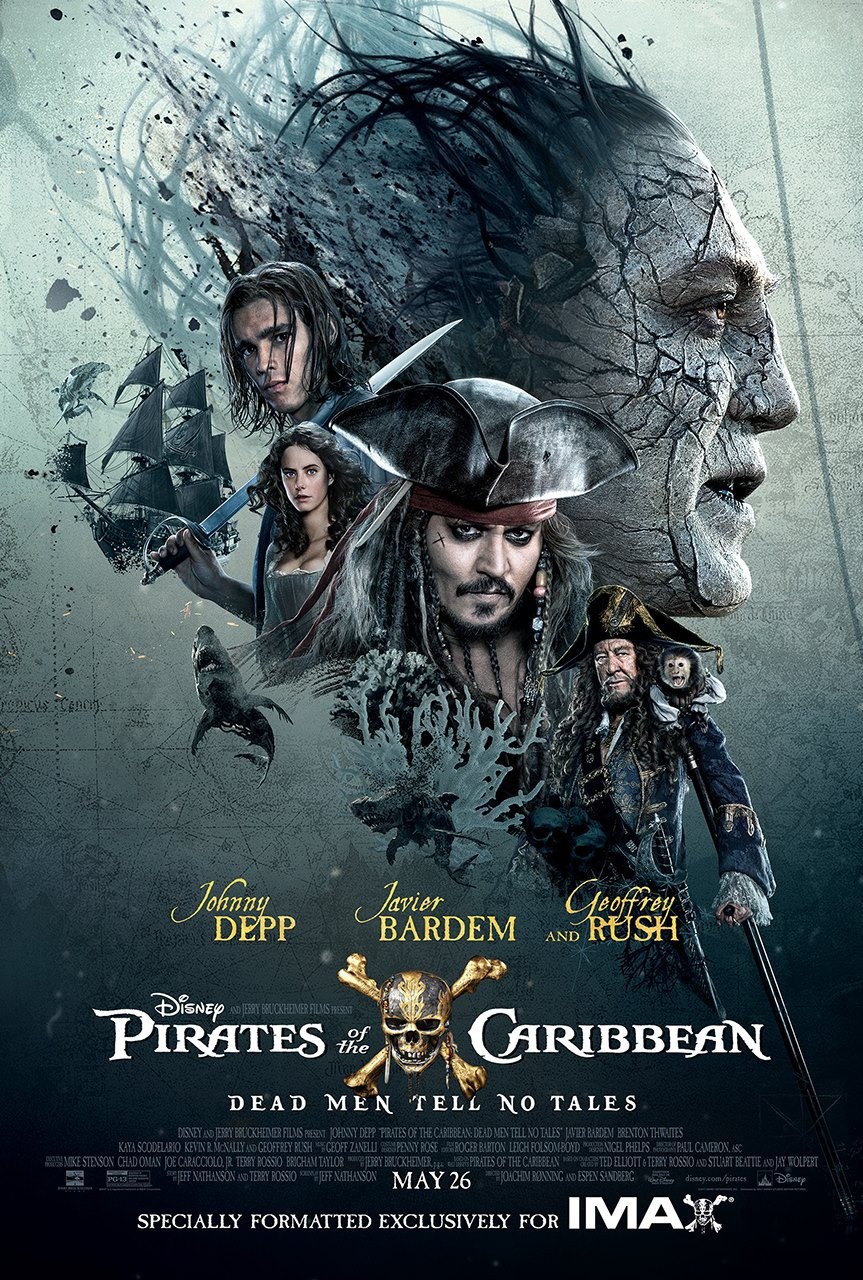
Of all the tales that the depths of the ocean contain, this one is quite shallow. Disney’s latest installment in the swashbuckling franchise Pirates of the Caribbean: Dead Men Tell no Tales proves that neither changing directors, writers, nor the inclusion of an undead Javier Bardem, can bail enough water out of a sinking ship. No doubt the next chapter in the life and times of Jack Sparrow was one to be anticipated by fans, but sadly the writing was not strong or developed enough to carry the waning film series. This film reminds me of the Child’s Play franchise. What??? That is likely what you’re saying. But hear me out. After the first two Chucky films, the studio realized that the series was not working as a hard horror film, so the studio went the camp route and capitalized on the ridiculousness of the characters and the situations. Dead Men Tell No Tales contains many camp elements such as completely ludicrous antics and escapes that are even too much for a Mission Impossible movie. Although there is an attempt at some closure between characters at the end of the film, it plays out as forced and on-the-nose. Still, there are moments that will mildly tug at your heartstrings during the showdown, but it’s not enough to add any dimension to this flat tale. One thing that this Pirates movie has going for it is the impressive visual effects. Both the editing and score are pretty outstanding, and certainly add to the experience of the film. However, if you watch the movie in 3D, as I did because there wasn’t a 2D option at the earliest showing, some of the magic of the undead pirates will be lost due to noticeability of editing. Over all, Disney’s Pirates of the Caribbean: Dead Men Tell No Tales is a great popcorn movie and a fun one to watch with friends or the family. Be sure to stay after the credits for a sneak peek at the next (and hopefully last) one.

Return to the swashbuckling world of the franchise inspired by the iconic Pirates of the Caribbean attraction at Disney Parks! Many years after the encounter with Davy Jones, Jack Sparrow (Depp) is being sought out by a young Henry Turner (Brenton Thwaites)–yes, that Turner. After witnessing his entire ship’s compliment slaughtered by ghost pirates led by Captain Salazar (Bardem), Turner is even more determined to find Captain Jack. Unbeknownst to Turner, Jack Sparrow’s fortune is not what it used to be. With his luck turned sour, Sparrow is captured and Turner must free him if the ghost pirates are to be stopped and the curse of Davy Jones lifted. By sheer happenstance, Sparrow is sentenced to die alongside an accused witch named Carina (Kaya Scodelario). If that wasn’t bad enough, Captain Barbosa (Rush) has been cornered by Salazar into leading him to Sparrow as well. Other than a need to find Jack, Turner, Salazar, and Carina all share a common interest in locating the trident of Poseidon. That trident is the key to unlocking the power of the ocean and breaking curses.

Like so many franchises that have come before, Disney’s Pirates of the Caribbean appears to have suffered the same fate. Although this can’t be said of every franchise, the area that fairly consistently fails to deliver is strong writing inclusive of plot and character development. Often times it seems that story is exchanged for merchandising, impressive visual effects, or pandering in longstanding franchises. After an outstanding opening sequence that instantly hooks you, the rest of the movie just plays out so paint-by-the-numbers that it becomes nearly predictable and lacks any real substance. Sometimes franchises fall into the trap of realizing that it can no longer take itself seriously and allows the camp factor to increase significantly. That is the one word that pretty much sums up this film: camp. Whether you are talking the perpetually drunk Jack Sparrow (yes, even more than usual), unbelievable escapes that defy all logic and past precedents set is previous films, or the supernatural playing off more as a joke than a serious plot device, there are many elements in this film that attempt to cover up poor writing by going for the flash in a pan approach.

One of the down sides to the recent Guardians of the Galaxy I found was the film only focusing on Acts I and III, leaving out the chunk of story development typically found in Act II. By the same token, Dead Men Tell No Tales spends most of the time in Act II, leaving Act I and again Act III to be rushed through. The common variable in both scenarios is a weak third act. To explain where I feel that this movie should have ended and the next one begin would give away a plot spoiler, so I won’t mention it. However, there is a place in this film in which there is a great opportunity to end this story on a high note of anticipation of what is to come but it just rushes through the rest of the story. Had more time been spent on developing a solid story, then this Pirates movie would definitely have turned out much better. Sadly, it seems like more time was spent in post-production and scoring the film. Certainly, the talent behind the lead characters is excellent. Perhaps the writing is poor and the screenplay was weak, but with a lead cast of Depp, Rush, and Bardem, the movie is fun to watch. And sometimes that’s all you want–a good popcorn movie.

If you ARE looking for a good popcorn movie to watch with your family or friends over the holiday weekend, then checkout Disney’s Pirates of the Caribbean: Dead Men Tell No Tales. Can’t promise that you will enjoy the story as much as the original, but you’ll still have a good time. Perhaps the sequel to this film will be stronger and pick up where this one failed to deliver.

Written by R.L. Terry

Edited by J.M. Wead

“Alien: Covenant” movie review

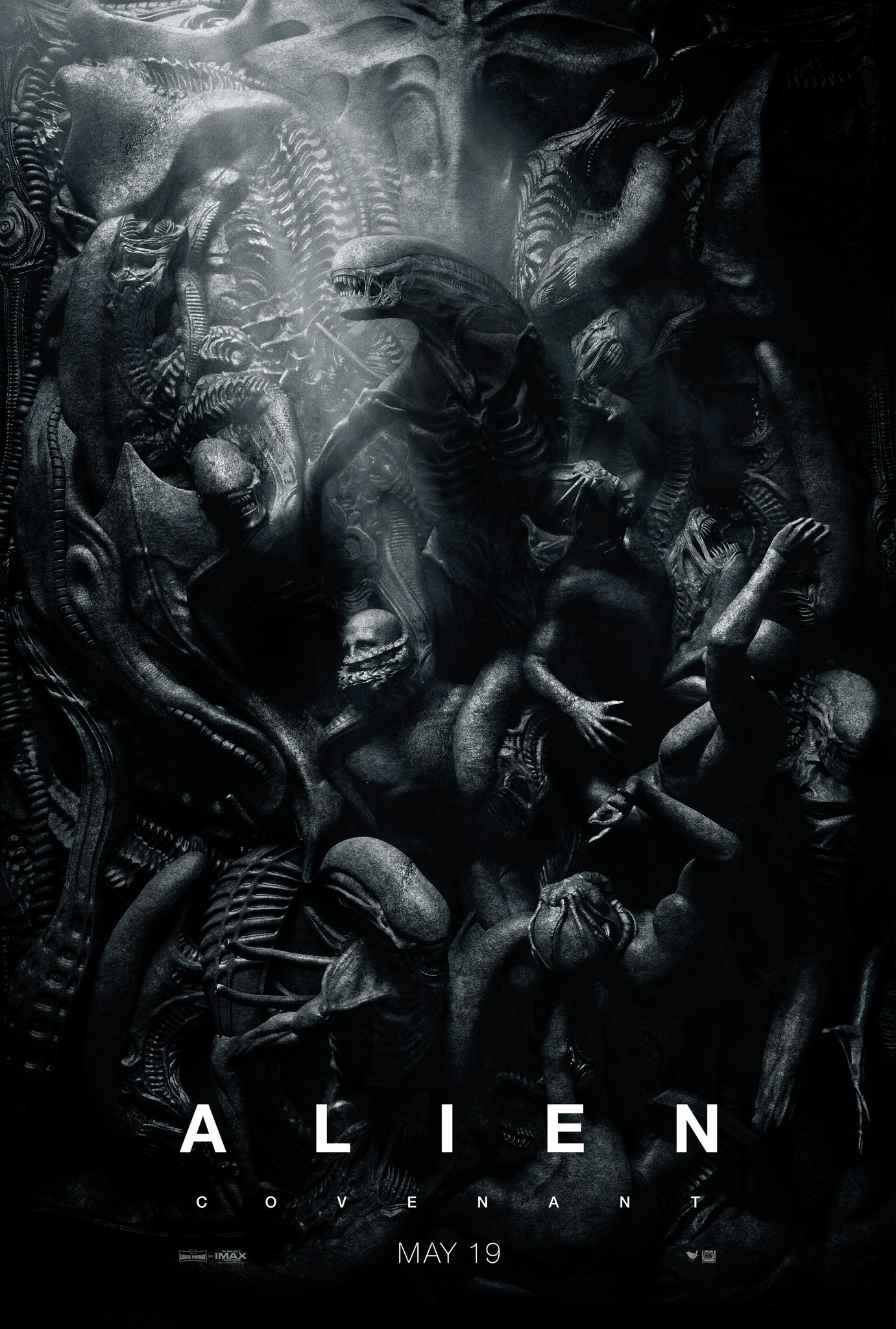
Alien: Covenant returns to its roots in horror. In 1979, Ridley Scott convinced audiences around the world that “in space, no one can hear you scream.” And the newest film in the line of prequels leading up to the terrifying events aboard the Nostromo, attempts to make up for the rejection of 2012’s Prometheus as a true prequel to Alien. Fortunately for fans of the franchise, Alien: Covenant is mostly successful at delivering what audiences loved about the original and missed in the subsequent Cameron and Fincher movies–the trademark horror of the xenomorph and facegrabbers. Starting off like Prometheus and finishing more like the original Alien, the newest film in the nearly 40-year-old franchise will have you screaming, cringing, and completely immersed in blood-curdling terror. That is, until you realize that only some questions from Prometheus are answered, and all new questions about events in this movie are generated and left unanswered. That appears to be Ridley Scott’s Achilles heal: always leaving more questions unanswered than providing closure or exposition, thus prohibiting the movie from being as great as it certainly had the potential to be. With one more film between this current installment and 1979’s Alien, perhaps there will be far fewer unanswered questions and provide the history for which fans are looking.

On a colonization mission, the complement of the Covenant is traveling into deep space towards a new planet that earth’s humans hope to make a new home. After encountering some severe spacial turbulence enroute to the destination, the crew of the Covenant intercept a transmission from an uncharted planet that, according to the sensors, appears to be a complete paradise. After some deliberation, it’s decided to head for this new planet. Most of the time, when something is too good to be true, it usually is. Led by the new captain Oram (Crudup) and first officer Daniels (Waterson). After an attack from an alien species, the crew is rescued by David (Fassbender), a synthetic android-like human, who is the only remaining survivor of the Prometheus expedition from some years earlier. Unbeknonst to the crew and scientists of the Covenant, they are about to come face to face with the most terrifying nightmare imaginable–make that–an unimaginable fight for survival when paradise turns to hell.

One of the first technical elements that fans of Alien will notice is the opening title sequence. It is reminiscent of the manner in which the opening credits and title of the original were revealed in the emptiness of space on screen. I appreciated this homage to the original because it set me up to prepare for an Alien movie and not a second Prometheus. Perhaps that does not seem important to non-fans; but to make a long story short, while Scott was in the conceptual phase of a sequel to Prometheus (prequel to Alien), he was told by the studio that audiences didn’t want another Prometheus–they wanted Ridley Scott’s Alien. And now the rest is history. In order to best understand the flaws of Alien: Covenant it’s necessary to understand the similar flaws of Prometheus. One of the many diegetic and technical problems with Prometheus was the fact that there was little direct connection to Alien and it felt like a whole new franchise and not an extension of the original. This lack of connection is best represented by the number of unanswered questions dwarfing the answered ones. Essentially, audiences only learned about David’s origin and, to a lesser extent, why that particular planet. But enough about Prometheus, we are here to talk Alien: Covenant.

Although vastly improved, Covenant also leaves audiences with many unanswered questions; albeit, it is successful at making up for many of the diegetic flaws of the preceding film. To get into the questions would reveal too much about the film and perhaps hint at some spoilers, so I won’t go into specifics. But enough about the flaws of this otherwise exciting and well-produced film–just know that the writing is weak but hopefully will be better in the next installment. The most impressive elements of the movie are related to the cinematography, editing, and visual effects. From the sweeping landscape shots to intimate closeups of the xenomorph and its victims, Covenant is absolutely visually stunning. There is even a mild romantic encounter between David and a member of the Covenant crew that was shot incredibly well and strategically placed in the narrative. Where the story is weak, Scott makes up for in creating an impressive cinematic experience for long-time and new fans alike. There are even shot sequences that are taken directly out of Alien. Often times, I am extremely critical of computer-generated effects and characters versus practical effects and animatronics–and for good reason–nothing can replace the way real light bounces off real objects and is really captured by the glass lenses on a camera. Furthermore, it’s rare that a character react in genuine fear to an object, villain, or murderous alien that is not really present on set. However, the combination of CGI and practical effects in Covenant is breathtaking and convincingly real. You will almost feel the facegrabber latching onto you and the xenomorph’s wet acid-breath on your skin.

Aside from the unanswered questions still residing in the minds of those who have seen the film, Covenant fails to live up to Alien in another rather conspicuous way. For everything that this film did right and make up for (in respect to Prometheus), it lacked any memorable crew members–more specifically–this film differs from Alien by not developing Dani(els) to be the strong female character that she had the potential to be. Dani could have been Covenant‘s answer to Sigourney Weaver’s Ripley in Alien. One of the diegetic elements that is most talked about and is often the topic of horror film humanities classes is the breaking of gender roles and heteronormative expectations by Ripley in Alien. Perhaps that is why Alien is almost avant-garde in the cinematic experience whereas Covenant is impressive but does not typify the art of cinematic storytelling nor contributes to groundbreaking character-types. Beyond strong female lead, the film simply fails to leave the audience with any one memorable character period. No one will be talking about any one particular character years from now. Both the unanswered questions and the lack of memorable significant characters can be traced by to one root cause: flawed writing.

If you loved the original Alien, then you will mostly enjoy Alien: Covenant. The experience is equally terrifying as it is beautiful. Whether you have seen Prometheus or not will not affect your enjoyment factor in this film. If you have seen Prometheus, then I would suggest watching the Ridley Scott short film The Crossing because it ties Prometheus to Alien: Covenant. Think of it as an extended prologue. This short film helps audiences to make the connection between the two films in hopes that it does answer some otherwise unexplained circumstances and events. After watching this film, I have an urge to rewatch the original in order to begin making those direct connections between this one and Alien. With one more film to release to finalize the events between Prometheus and Alien, I am eager to have my remaining questions answered. Bottom line: Alien: Covenant demonstrates Scott’s newfound commitment to return audiences to the space horror that makes the original so iconic.

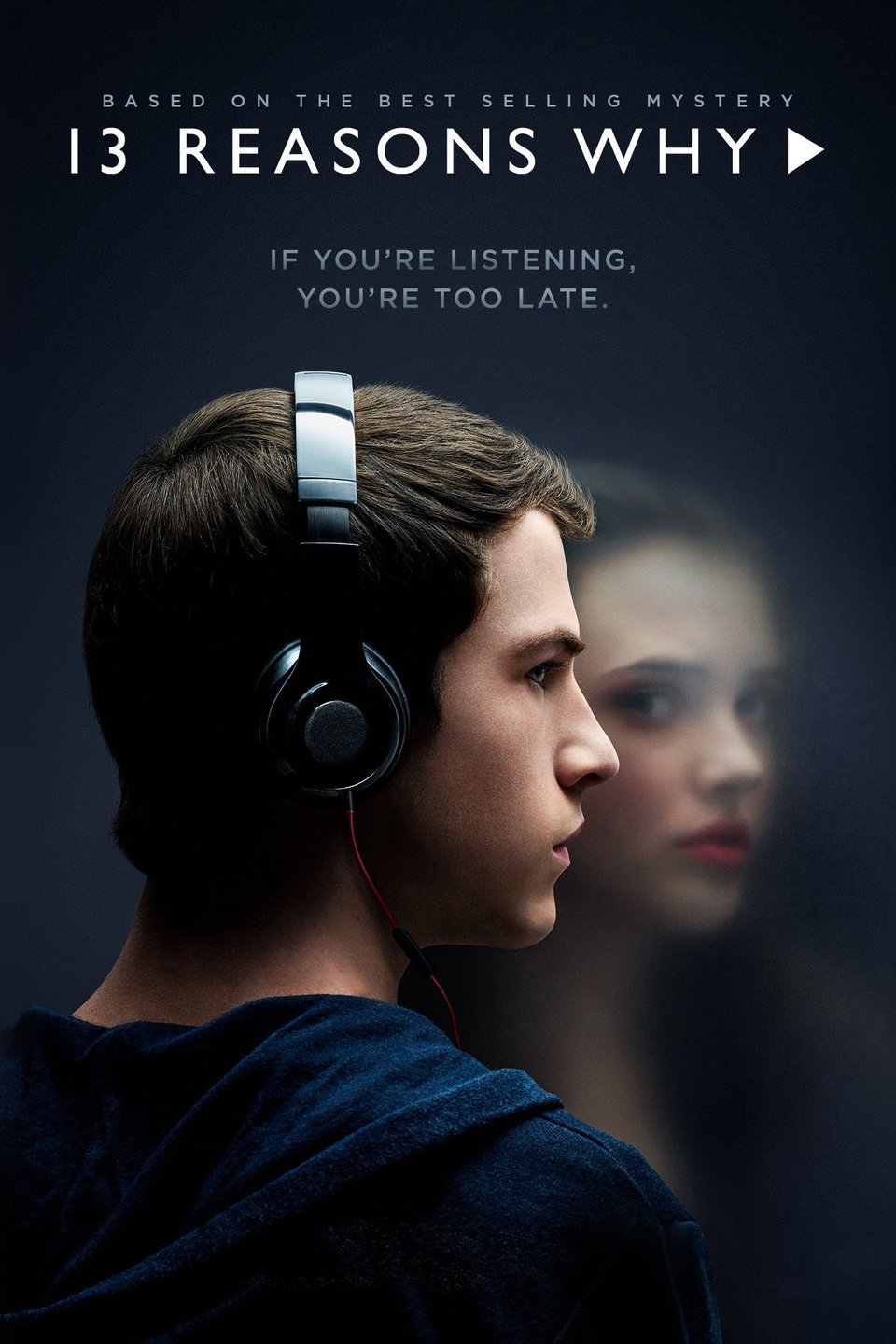
“13 Reasons Why” television review

A fascinating approach to the exploration of the butterfly effect in terms of how that theory plays out in interpersonal relationships. Or, the most comprehensive anti-bullying PSA out there. Unless you have been off the social media grid, there is little doubt that you are unaware of the impact and following of the Netflix original show 13 Reasons Why. Although it took a few weeks for the show to really catch on, once it became a topic of memes, Tweets, and other social media posts, the popularity of the show spread quicker than a viral meme. Responses to the show have been quite polarizing. There is the camp that feels strongly that the show provided an organic unfiltered approach to the gradual mitigation of one’s psycho-social health upon constant negative encounters with peers and bullying; likewise, there is the camp that feels equally strongly that the show glamorizes the ultimate pay-back effect of making peers and authority figures feel responsible for an individual’s decision to commit suicide, and therefore plants the idea that you can exert the pinnacle of revenge by telling your story after the fact. At the end of the day, one’s response to the show will depend on how one interprets the rather meta narrative. Beyond the contentious diegetic components of the show, the production value and editing are superior to other YA shows and even movies.

It’s been quite a while since I reviewed a television show, so I though that this one would be quite interesting to delve into. I’ll be up front and state that I belong to the camp that feels the show is a mirror to bullying and those who suffer psycho-socially moreso than the camp that feels the show supports the belief that it’s perfectly acceptable to blame others for how one feels. Not that I do not see evidence of the latter–I do–but I think the danger in that camp is throwing out the important anti-bullying messages too. Again, it comes down to how YOU interpreted the show’s narrative. The beauty of shows like this one–like this one, in that there is much left up to interpretation–is the simple fact that it gets people talking about a taboo topic or topics that are seen as difficult to talk about. Doesn’t matter the camp to which you may belong; this show accomplished what I believe it set out to do: get people talking about bullying, relationships, and sexual assault in an organic way. Whether you feel that Hannah (Katherine Langford) was justified in her decision, was selfishly seeking attention and desired revenge, or the one that best describes me: disagree with her decision to commit suicide but understand how she got to that point, 13 Reasons Why provides audiences (mostly those in their 20-30s) with ample material to explore the narrative itself and the impact it has had upon the present cultural climate.

Much like in the same vein as the prologue in Shakespeare’s Romeo and Juliet in which we are prevued, through dramatic irony, to the unalterable fact that “two star-cross’d lovers” take their lives and [the audience] will spend the next two hours watching events unfold upon the stage thus learning how and why, Netflix’ 13 Reasons Why begins with the unalterable fact that a young lady has taken her life, and you’ll spend the next 13 episodes learning just why. While the show in question may not completely align with a Shakespearean tragedy, there are many similar components in the story. Moreover, had the show been shot in grayscale and set in the 1950s, it could have easily been a film noir. As it were, it can be classified as a neo noir show. But what keeps audiences engaged with each and every episode is the anxiety that builds up in regards to just why is Clay (Minnette) on those tapes, because everything the audience sees is the nicest guy next door that you could ever meet. There is also a ticking time bomb plot device mildly used because there are only six double-sides tapes and one single (13 sides in total); so the closer we get to the end, the more tension builds. As I cannot comment on the best-selling novel by Jay Asher because I have not read it, the writing of the television adaptation is absolutely brilliant–it’s designed to be addictive and succeeds in keeping eyes glued to “whatever device you are using” to watch the show. Interestingly, just like Clay cannot put the tapes down, neither can many out here put the show down.

Throughout the story, we encounter significant peers and authority figures in Hannah’s life that either directly or indirectly contributed to her decision to end her life and leave the tapes. Yes, I am aware that ultimately she made the decision–that is not what I am arguing for or against here. My point is, we encounter different people who each possess unique character attributes, flaws, and personality traits that impacted Hannah’s psyche. Exploring each character could be entire reviews in and of themselves, so I will be brief. You have characters ranging from disclosing secrets for the sake of showcasing art to not being brave enough to stop something horrible, from stalking those who you feel are more popular than you to something as simple as abandoning your friends at “FML” coffee sessions, and even a character who is so blinded by friendship that they cannot see and return the love of another, finally there is a character who cannot hear cries for help, for those cries are falling upon deaf ears. Each character represents a different character archetype. Along the lines of films and shows that personify the seven deadly sins, this show personified character traits that should be avoided in order to not contribute to someone’s overwhelming negative outlook on life. In short, do not be a dick. Treat one another with respect and love.

(This paragraph contains some mild spoilers) Although one of the characters has two tapes, each tape focuses on a particular person and the thing he or she did to add one more marble to the scale, slowly tipping it. For those who have dealt with perpetual taunting, teasing, or bullying or experienced it while going through K-12 school and living with the emotional scares as an adult, the show does an excellent job of not shying away from the little things, as well as the big, that each break you down a little at a time. Furthermore, the show also provided audiences with brief glimpses into what drives a potential school mass shooter to begin plotting his or her revenge and that one student’s suicide can prompt another because of the hurt someone else may be facing that feels unbearable–or brought on by the guilt of having contributed to the former’s decision to kill herself (Hannah). I think what hurts the full potential of the show’s ability to call for positive change is never taking a stance on Hannah’s suicide–never does a character state that what Hannah did was wrong, or that it deeply hurt those who DID love and respect her. Of course, the moral implications are topics best saved for another day and another forum.

Upon reading the news of a sequel, I cannot escape the fact that this story does not need a sequel–it IS a complete story; however, there could be “13 reasons” why the attempted suicide in the show during the final episode happened or why another character began to plot for a school mass shooting. Those are potential spin-offs that take place within the same universe and with the same characters. In terms of the show’s production value and editing, I was impressed with the subtle nuances of the present day versus the flashbacks. As a rule of thumb, I do not usually care for flashbacks. I mean, if you spend most of your time in a flashback(s), then let THAT be your main story. That being said, 13 Reasons Why successfully integrates the flashback into the diegesis because it makes the present story just as interesting to watch as the past stories. I also loved the color temperature changes from the present to the past. The stylistic editing techniques employed enable the audience to know when they are watching a flashback versus present day. In addition to the editing, there are also wardrobe, makeup, and costuming differences as well. Over all, this show is definitely one to watch in order to fully grasp just how much the little negative interactions or experience with one another can add up to leave someone feeling like there is no way out or whether or not they have the strength to go on.

“Guardians of the Galaxy: Vol.2” movie review

Par for the course and predictable. This movie review was written by R.L. Terry ReelView contributor and writer/producer Leon Z. Coming to you all the way from Germany where Guardians of the Galaxy Vo.2  was released last week, I thought you would be interested to hear from someone other than me this week–think of it as a fresh perspective. Meanwhile, I will be watching it in Tampa tomorrow evening at 7.

“Set to the backdrop of ‘Awesome Mixtape #2,’ Marvel’s Guardians of the Galaxy Vol. 2 continues the team’s adventures as they traverse the outer reaches of the cosmos. The Guardians must fight to keep their newfound family together as they unravel the mysteries of Peter Quill’s true parentage. Old foes become new allies and fan-favorite characters from the classic comics will come to our heroes’ aid as the Marvel cinematic universe continues to expand.“
-Marvel Studios

Guardians of the Galaxy Vol. 2 is a bit of a disappointment when compared to the first one. This might be because the novelty factor the first one had for being a funny superhero movie is gone, or because it’s just very predictable and lacks excitement and emotional engagement. Pretty much all of the CGI action extravaganzas fall flat because there is never any real danger for the characters so the viewer does not care about them. There were times in this movie where the action was pretty much all CG, which I didn’t care much about since nowadays pretty much everything can be done with a computer but audiences don’t seem to get enough of it. But fortunately, the filmmakers are not overly reliant on those scenes. The movies strong points are its humor and character development. Although most of the setup and payoff jokes are very predictable, there are still many jokes that hit. Since the movie is primarily about Peter “Starlord” Quill meeting his father, there is actually some character development; and not just for him, but also for the other guardians–well except for Groot, Rocket and Drax so basically just Gamora, but some secondary characters from the first one like Yondu and Gamora’s sister, Nebula an although some of it is clichéd it still works, mostly.

Most of the emotional moments are genuine, but some of them are a little to on the nose.

The movie also introduces new secondary characters like Peters appropriately named father Ego and his companion Mantis, which are moderately interesting, Mantis probably more so than Ego because her interactions with Drax, which cause a lot of laughter.

What drags the movie’s quality down significantly is that it is just so predictable and cliché, which makes you care a lot less because you already know what will happen most of the time.

Overall, I would recommend this movie to Marvel fans and casual moviegoers; but for more hardcore cinephiles, this movie–if at all–is a one time watch.

Written by Leon