Alfred Hitchcock: the First Director to Brand Himself (Part 1)

More than an instantly recognizable silhouette. Before the idea of a director branding him or herself became as common a goal as it is today, Alfred Hitchcock pioneered the very concept of a director developing a brand that would instantly be recognizable by millions. Not only was Hitch the Master of Suspense, and still is, but he was also a master of marketing. Unknown to many, Hitchcock worked in sales and marketing before he became one of, if not the, most recognizable name in cinematic history. Between his experience in marketing and with silent filmmaking, he was a master of captivating visual storytelling way before his most well known works of cinema. I teach media and screenwriting at the University of Tampa, and I’ve often told my students that writing a compelling, memorable, effective thirty-second commercial can be more difficult than writing a two-hour film. I realize that illustration overly simplifies the respective concepts; however, the idea is that if you can proficiently tell an intriguing or impactful story in thirty-seconds, then you can proficiently write a two-hour movie. Taking what worked well in advertising and marketing, and adapting it to a cinematic diegetic structure, Hitchcock was able to capitalize on his penchant for visual storytelling and ability to prompt desired physiological and emotional responses from the audience. The American Marketing Association defines a brand as “a name, term, design, symbol, or any other feature that identifies one seller’s good or service as distinct from those of other sellers.” The fact that Hitch’s name and silhouette have instant meaning, definition attached to them, is evidence enough that he was a master of branding.

Prior to understanding just how Hitchcock became the first director to brand himself, it is paramount to understand how a brand–more specifically brand recognition–comes to exist in the first place. A simplistic method of understanding what defines a brand takes the form of a relationship between an image (or idea) and the individual. Relationship is key. There is an emotion attached to the relationship between the image and the products or services that it represents; moreover, this relationship is not without a practical component such as cozy fur-lined boots or an automobile with consistent impeccable quality. By extension, the relationship between an individual and a brand can create a sense of importance, safety, or class. Once a relationship is formed, then the individual experiences both physiological and emotional reactions to the sight or sound of the image or idea. Think of that feeling you get when you see the Disney castle or hear “Wish Upon a Star.” Or perhaps, imagine how you feel or react when you see a BMW or wear a Rolex. These are iconic brands that mean something to many individuals. The mere exposure to the sight, sound, or message will prompt a comprehensive response within the mind and body. As the maxim goes, “imitation is the highest form of flattery;” therefore a quality, successful product or service will be copied but never fully replicated because there is always a secret ingredient that makes the original unique. In addition to the aforementioned, when an image or idea becomes a recognizable brand, then there is a power endowed upon that image that gives that company (that owns the image, product, or service) a kind of soft power that cannot easily be quantified but it’s quite real and figuratively measurable.

Not unlike Rolex, BMW, and Disney, Alfred Hitchcock was and is also a brand–and a powerful one at that. He was the first director to become a brand; and since then, others have tried to brand themselves as well. Some with success and others with defeat. One of the keys to Hitchcock’s ability to combine the words of marketing and filmmaking in order to not only develop a reputation but become a brand, Hitchcock recognized early in his career (especially after coming to the United States) the importance of promoting himself–his actual image–in conjunction with the promotion of a particular film. He demonstrated a clearly intentional desire to ensure that his name was at the forefront of the conscious of the American public. When a particular director, who consistently delivers quality or groundbreaking films, links the outstanding performance of the films with his or her image, then the mere sight of or name of that director carries priceless value. Following the breakup of the studio system over the late 1940s through the 50s, there arose an increased opportunity for to claim authorship of a motion picture. Prior to the decentralization of Hollywood, most movies were completely packaged by the Studio/distribution company, with the director playing a minor role. With the new opportunities to connect a motion picture to the director during marketing, it paved the way for directors to advance their own careers as well as the success of the movie. As studio authorship decreased, individual (director or producer) authorship increased!

According to Janet Staiger in her essay Creating the Brand: the Hitchcock Touch, she outlines four significant criterion that apply to image or brand as it relates to showbusiness. (1) the character persona that is created by selection of performances in film, tv, web media, etc (2) the performer (acting ability) in those mediums (3) the worker/laborer that develops from what is learned about the individual’s professional life in respect to business dealings and (4) the private persona that derives from the individual’s off-camera personal life. Whereas these criteria are more aligned with an actor or actress, these elements can be applied, by extension, to understanding Hitchcock as a brand. Hitchcock’s character can be seen through his genre selection–the types of films that a director authors. Think of his genre selection as the equivalent of the types of characters an actor or actress chooses to play. We recognize the performer element in Hitchcock’s consistent ability to direct the motion pictures with incredible precision and innovate programming for then-new mediums like television. Hitch’s worker/laborer attribute is found in what we know about his behind-the-scenes work on set and in the business offices. Most famously is his near-departure from Paramount when he went to make Psycho, for which they earmarked zero funding. He self-financed the iconic film and used his Alfred Hitchcock Presents crew. Passion, determination, and commitment witnessed. In terms of his private persona, Hitch was famously a practical joker and a family man. In fact, his daughter appeared in multiple episodes of Presents. All these elements together combine to create Hitchcock’s image.

But there is more to branding oneself than crafting an figurative or metaphysical image. There is the physical image that is recognized by the naked eye. After injecting himself into film social circles comprised of well-established directors, screenwriters, and even critics and journalists, he had a well-known name. And even though a name can carry power, it needs a tangible representation. Although one may assess that Hitchcock came up with that trademark minimalistic nine stroke silhouette, the inspiration came from a series of director sketches that appeared in The Motion Picture Studio journal in 1923. There, we have a group of then and now famous directors with Hitch appearing sideways with his famous belly out and hands in his pockets. By the 1930, Hitchcock was being heralded as a master of suspense. And that description of Hitch’s work continued until the moniker stuck in perpetuity.

In addition to the soon-to-be-moniker, film magazines took notice of his notable weight. By the late 1930s, it is said that Hitch already weighed in excess of 300lbs. As the maxim goes, “there is no bad publicity,” and that can definitely be witnessed in how Hitch’s brand continued to develop during his early days in America. The constant articles about his weight, the unprecedented success of his films, his cameos in those films, and sketched of Hitch, all those elements together created Hitch’s image. You can very much liken the evolution of the Hitchcock figurative image and physical logo to the evolution of Walt Disney’s image and either the Mickey ears or castle logo. Whereas the content of the motion pictures that both produced/directed respectively are quite different, they share one important element in common. They both injected themselves into the production and marketing of their work as much as possible. Although Walt Disney made himself into a brand (most solidly after Snow White), it was Hitchcock who was the pioneer in the very idea of a director creating his (or her) recognizable brand. In many ways, Walt follow Hitch’s direction to make his brand. But where did the famous nine stroke sketch come from? Well, according to author Robert Kapsis in his book Hitchcock: the Making of a Reputation, he drew the sketch himself in 1927 for the purpose of making it into a gift for his friends and colleagues. He created a wooden jigsaw puzzle with the iconic image an placed it in a small linen bag. I cannot think of anything more Hitchcock. This parallels how Hitch injected himself into his cinematic work both in the story itself, as a cameo, and in the marketing of his films.

Hitchcock knew that to create a brand–as everything he has accomplished for this result has been completely intentional–he needed to make a connection between his films and himself, and then himself to his name, and his name to the abstract profile. Then when someone sees the logo, they are immediately predisposed to feeling a certain way about Hitch and his films. It’s a bi-directional highway, so to speak.

Part 2

Ryan is a screenwriting professor at the University of Tampa. If you like this article, check out the others and FOLLOW this blog!

Follow him!

Twitter: RLTerry1

Instagram: RL_Terry

Thrillz (theme parks): Thrillz.co
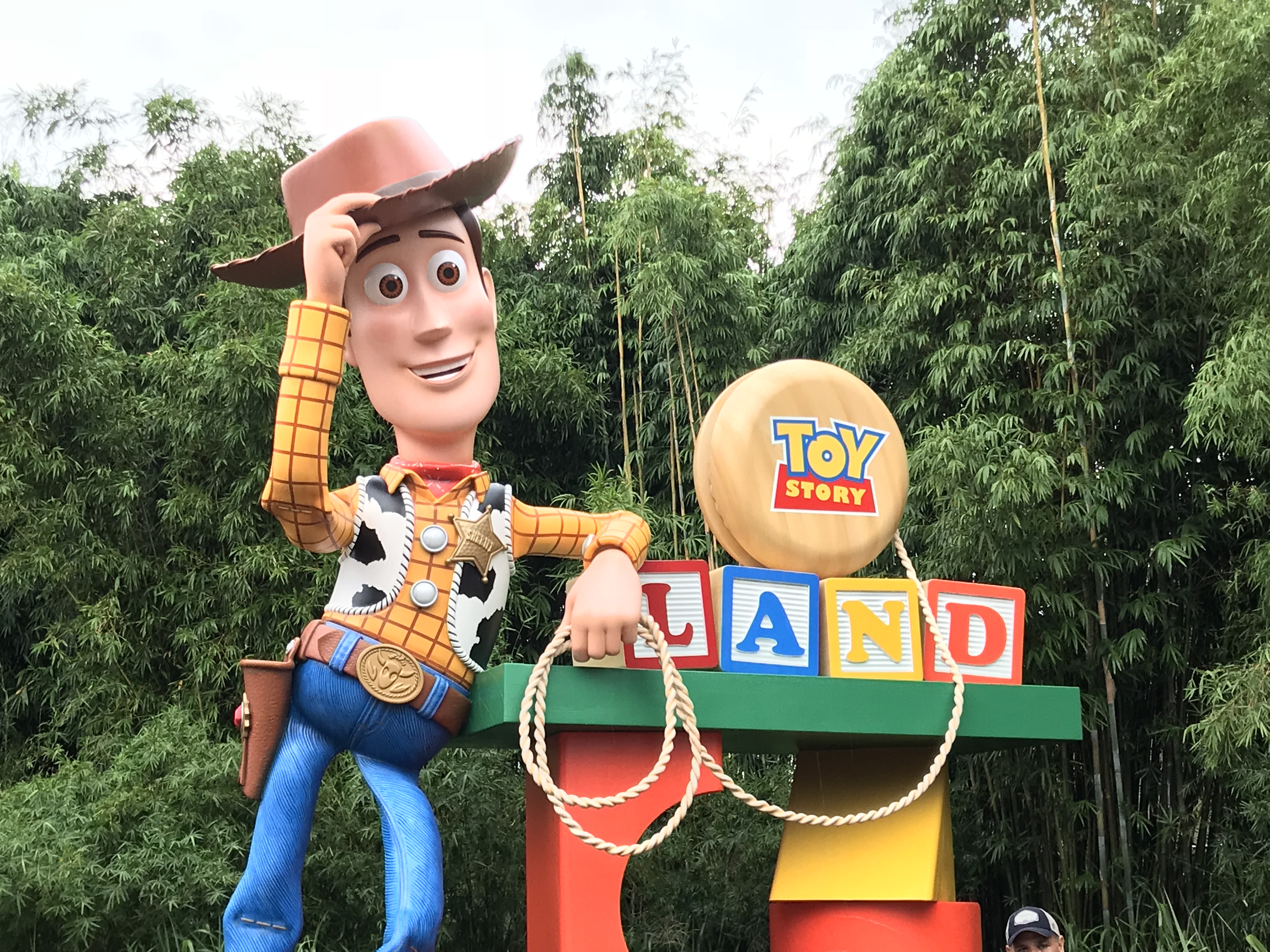
You’ve Got a Friend in Toy Story Land

Now you can hang with Woody, Buzz, and the rest of the gang from Andy’s toy chest at Disney’s Hollywood Studios. Opening at the end of June, this is the newest expansion at Hollywood Studios located behind the former Pixar Place. This colorful land is sure to make you smile and wax nostalgic. Not only do you get to enjoy the company of Andy’s toys, but you’ll also find many toys, craft supplies, board games, and more from your childhood in and around the area. It was unfortunately raining when my friend and I went, but we still had a great time! The rain certainly didn’t put a damper on our fun. So many wonderful details in the atmospheric design of Toy Story Land. Incidentally, you also get some great views of the progress on Galaxy’s Edge!

When entering Toy Story Land, you are greeted by Woody! You’ll definitely want to stop by for a photo. When you pass through the gateway to this land of toys, you’ll be shrunk down to toy size in order to fully enjoy all that Andy’s toy box has to offer. The element that stands out to me more than anything is the colorful nature of everything. Even on the overcast, dreary day that we were having, the colors brightened up the land. Between the giant footprints and towering privacy fence, it truly feels like you are one of Andy’s toys.

Unlike when the land first opened at the end of June, the wait times in the queues for Alien Swirling Saucers and Slinky Dog Dash are considerably less. Fortunately, the rainy weather contributed to the even lower than typical wait times while I was there. The main attraction (or E Ticket attraction for Disney enthusiasts) is the family roller coaster Slinky Dog Dash. Just to put the experience into perspective, the coaster falls somewhere between Seven Dwarfs Mine Train at Magic Kingdom and Cheetah Hunt at Busch Gardens Tampa. My favorite part of the Slinky Dog coaster is the launch! Not nearly as intense as Cheetah Hunt, but quite enjoyable! In terms of duration, it lasts longer than typical family coasters. I was also impressed by the guest cycle time. The cast members were on their A game with loading and unloading park guests. Although we waited in queue for about one hour, the line was consistently moving. You’ll notice there are ceiling fans throughout the queue and plenty to look at. My friend Brittany and I both immensely enjoyed Slinky Dog and felt it was worth the hour we waited.

Woodys Lunch Box is a window (quick service) restaurant in Toy Story Land, and although the menu has changed since opening day, there is still a sufficient variety for a quick meal. Check out the menu here!

Slink Dog Dash isn’t the only new attraction in Toy Story Land. You can experience some swirling fun with the aliens from Pizza Planet at Alien Swirling Saucers. In this glorified “tea cup” attraction, you and your friend board a flying saucer to whirl through the universe. Unlike Alice’s Magic Tea Cups, you have no control over how fast you spin as your flying saucer is connected to the mother ship. Still, it’s a cute, fun ride that was a need for Hollywood Studios.

Make Toy Story Land a must-do on your next Disney trip! Now that the summer is winding down, you’ll probably benefit from shorter wait times in this brand new area. With the rain, I was unable to experience any of the character meet and greets, but I did see green army men walking about. Hopefully next time, I’ll get a chance to say hi to Woody and the gang.

Disney’s “Christopher Robin” full movie review

Silly ol’ movie. Disney’s latest live-action re-imagination of a classic property is Christopher Robin, directed by Marc Forster with a story and screenplay by several writers. And that is likely where the fault lies with a movie that should have been heartwarming and magical. Although the movie has a whimsical fancy about it, and there are moments that will tug at your heartstrings, those moments are very few. It is as if each contributor to the story/screenplay had his or her own idea of how to handle a middle-aged Christopher Robin returning to the Hundred Acre Wood; but instead of selecting one story, one plot, we have bits and pieces of the different takes on how to write a story dealing with a rediscovery of the inner child and realizing that friends and family are more important than work. Plots such as the aforementioned are commonplace, almost cliche. So, it needed a fresh take on it. Needless to say, the movie plays it safe and paints by number. Not to say the film is not without its accolades. The quality of the CGI for Pooh and his fellow Hundred Acre Wood residents is outstanding. There are moments that you forget that they are not actually real. However, I am confused as to why Owl and Rabbit are based on real animals whereas the others are based on stuffed animals–that decision is a little odd. Suffice it to say, the best scenes in the movie are the ones with Pooh, because McGregor’s Christopher Robin ultimately fails to genuinely connect with the audience. Although the past iterations of Winnie-the-Pooh (animated and live action) have more heart than this film, you can still enjoy waxing nostalgic as the film takes you back to the Hundred Acre Wood and displays a little heart despite the cumbersome story.

Faced with having to find 20% in cuts at the Winslow Luggage Company or be forced to lay off a significant number of employees, Christopher Robin (Ewan McGregor) is forcibly asked to work the weekend to prepare for a big presentation Monday morning. Unfortunately, that means he has to send his family away to his boyhood countryside home without him. When his childhood best friend Winnie-the-Pooh pays him a surprise visit in London, Pooh asks that Christopher return to the Hundred Acre Wood in order to help find Tigger, Piglet, Rabbit, Eeyore, Owl, Kanga, and Roo. Resistant at first, Christopher Robin returns to the wood where he spent most of his early childhood. It is in these whimsical woods that he is reminded of the child he once was. But after finding Pooh’s friends, Christopher Robin must return to London for his big meeting. Returning all the help and friendship Christopher Robin showed the Hundred Acre Wood all throughout his childhood, Pooh, Tigger, Eeyore, and Piglet embark on an xpadition to London in order to help Christopher Robin to rediscover the joy of life.

At its core, Winnie-the-Pooh author A.A. Milne would likely approve of the story Forster attempted to tell. Unfortunately, Milne would likely be unhappy with the final product. “Too many hands in the pot will spoil the sauce.” When a film or movie has multiple writers contributing to the story and screenplay (in this case 7), the plot typically suffers from too many ideas and too little direction. Clearly the movie is trying to be a cross between Finding Neverland and Hook. Two excellent models to follow for rediscovering childhood magic, Christopher Robin would have benefited from relying upon one or two writers to extract the best elements of the aforementioned and use them as supporting structure upon which to build the present Winnie-the-Pooh concept. For those of us who are familiar with Winnie-the-Pooh through the years from the books, TV shows, and theme park attractions, the story includes many nods to past stories and contains several Easter eggs. And these will be some of the fondest moments from the film. There is one pounding question left from the film. And that is whether or not Winnie-the-Pooh and his friends are toys that have come to life or actual living creatures that Christopher Robin abandoned, which complicates what it means for Christopher to leave them behind for more than three decades. It also doesn’t help matters any that Christopher comes across as a jerk, and not older equivalent of Toy Story‘s Andy who brought tears to our eyes.

A far riskier plot, but one that allows for more introspect, is the one used in 2017’s Goodbye Christopher Robin. In short, Goodbye Christopher Robin takes audiences on a journey that explores the literary success of author A.A. Milne and the estranged relationship with his son who came to resent the character of Pooh. Emotional depth is missing from Christopher Robin. Much of the mild emotional connection between the audience and the characters feels forced. So, yes there is a bit of a relationship between the audience and the characters but not enough of one that takes you on the journey that this film could have been. Some of this lack of a connection can be explained by spending way too much time in the factory to the point it feels tedious. Imagine if you will, spending most of Mary Poppins at the bank? That is precisely what you have here. Another aspect to the film that takes away from its ability to successfully connect with the audience is the lazy plot device used to get Christopher Robin back to the Hundred Acre Wood. His own daughter and wife couldn’t get him to spend even a day in the countryside, but he quickly decides to return once he encounters Winnie-the-Pooh on a park bench. The story would have been so much more compelling and the childlike wonder could have been increased if Robin’s daughter stumbled across the Hundred Acre Wood to discover her father’s drawings were of real creatures. And together with Pooh’s friends, Robin’s daughter could have been more instrumental in helping her father rediscover the joys of life.

The overall message of this film is to “do nothing.” Although it is explained what that means, it is not terribly constructive. There was such potential here to comment on friendship and family, but the movie barely moves beyond the surface level. Moreover, Christopher Robin struggles to connect the audience to the characters and make Robin a relatable character with whom you can sufficiently empathize. You will definitely enjoy the moments in the movie that feature Robin and Pooh together and nods to the past Pooh stories. And Tigger even sings his song! Whereas I never felt on the verge of tears, I enjoyed the moments that made me smile and giggle. I just wish there were more of those.

OutFoxed: Exploring the Effects of the Disney-Fox Acquisition

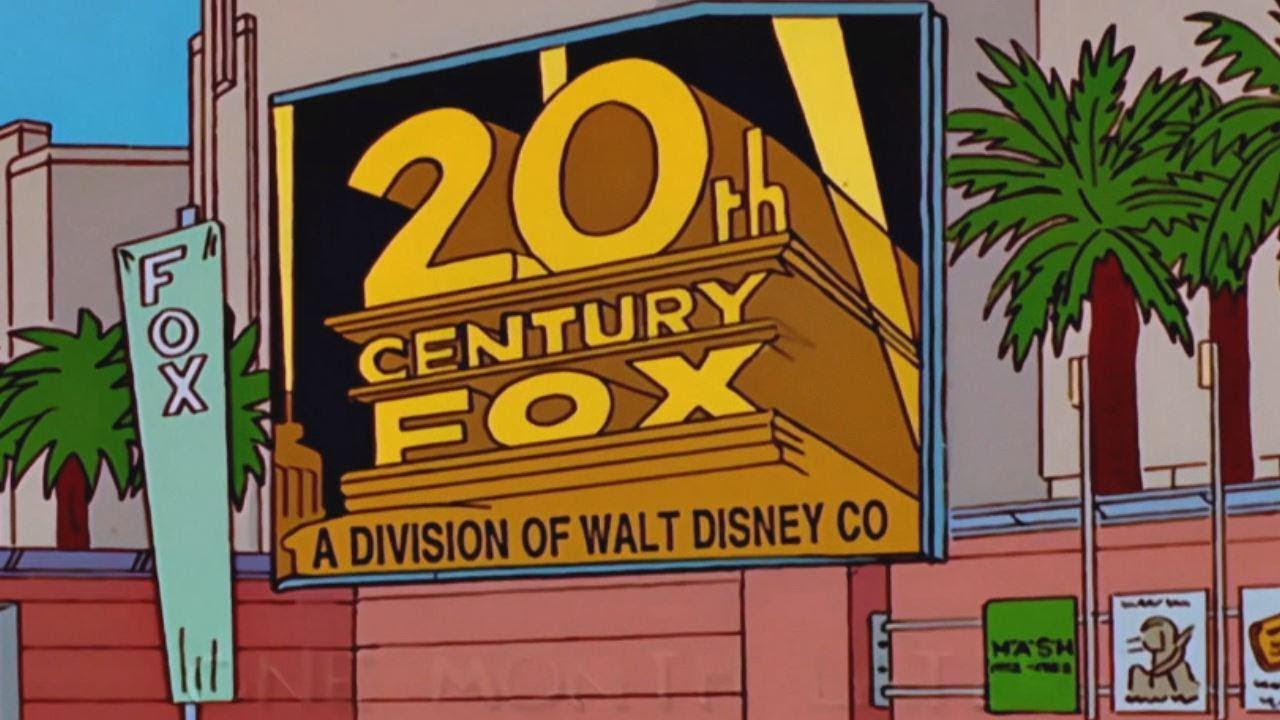
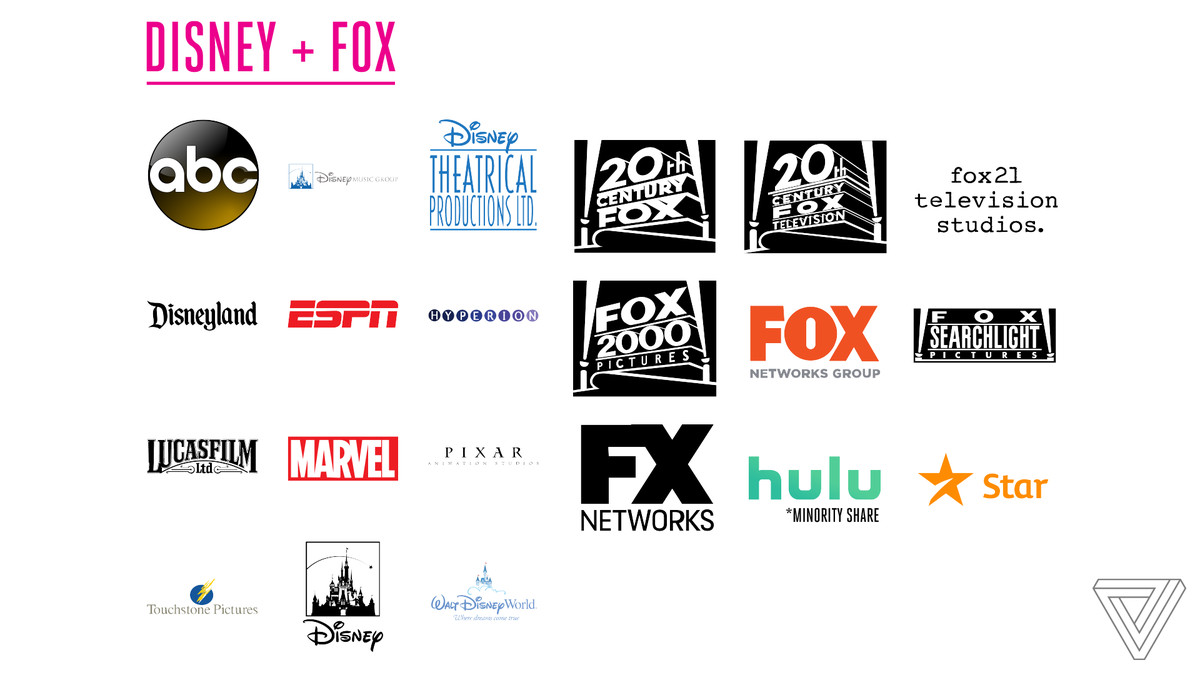
The Simpsons predicted it nearly twenty years ago, but it’s now a reality. Last week Comcast (parent company to NBC Universal) conceded victory to The Walt Disney Company for the acquisition of most of 21st Century Fox. This bidding war has been closely followed over the months, however, the war has ended and to the victor go the spoils. Today, shareholders approved the acquisition. While the broadcast channel, news, and sports will be absorbed by NewsCorp, most of the Cable/TV, Hulu, and cinema IPs will now be owned by Mickey Mouse including American Horror StoryX-MenFamily Guy, Alien, Halloween, and Deadpool, several cable/satellite channels, and more. While Disney theme park enthusiasts and MCU fanboys and girls out there are, by in large, celebrating this news, there is a lot more at stake that may alter the landscape of cinema and theme parks. Furthermore, the recent AT&T-TimeWarner and Disney-Fox deals may affect the rate at which independent filmmakers can secure distribution for their films or sell/option screenplays to producers. The world of media and entertainment is rapidly changing, but all these changes may not be for the betterment of society.

It’s not everyday that a major news story falls within my niche area of expertise on media conglomerates with major investments in themed entertainment and cinema, but this is definitely one that does. During graduate school at the preeminent University of South Florida, I studied the convergence of cinema and theme parks. This empirical study (available on Amazon) analyzed the relationship between motion pictures and theme parks/attractions as it pertained to the media holdings companies that make decisions that affect both their theme park and cinema divisions. A predictable model for creative design was produced for companies that have investments in both, are the licenser, or the licensee. Although my areas of expertise on theme park and cinema studies can be pulled on often when talking about one and/or the other, this story gets to the heart of my thesis because we are dealing with not only two, but three companies. Three? Yes. Disney and Fox are obvious, but NBC Universal may also be effected since it licenses Marvel (X-Men and Fantastic 4) and Fox (American Horror Story, Simpsons, and more) IPs for its parks. Spiderman belongs to Sony, but we won’t get that deep into this issue. With lots of IPs moving ownership and with a mostly vertically integrated company absorbing a more horizontally integrated company, there are positive and negative effects that concern producers, screenwriters, attraction designers, and others in motion picture, “television,” live entertainment, and theme parks. And not only those of us who work in showbusiness (live themed/family entertainment, here), but the fans too.

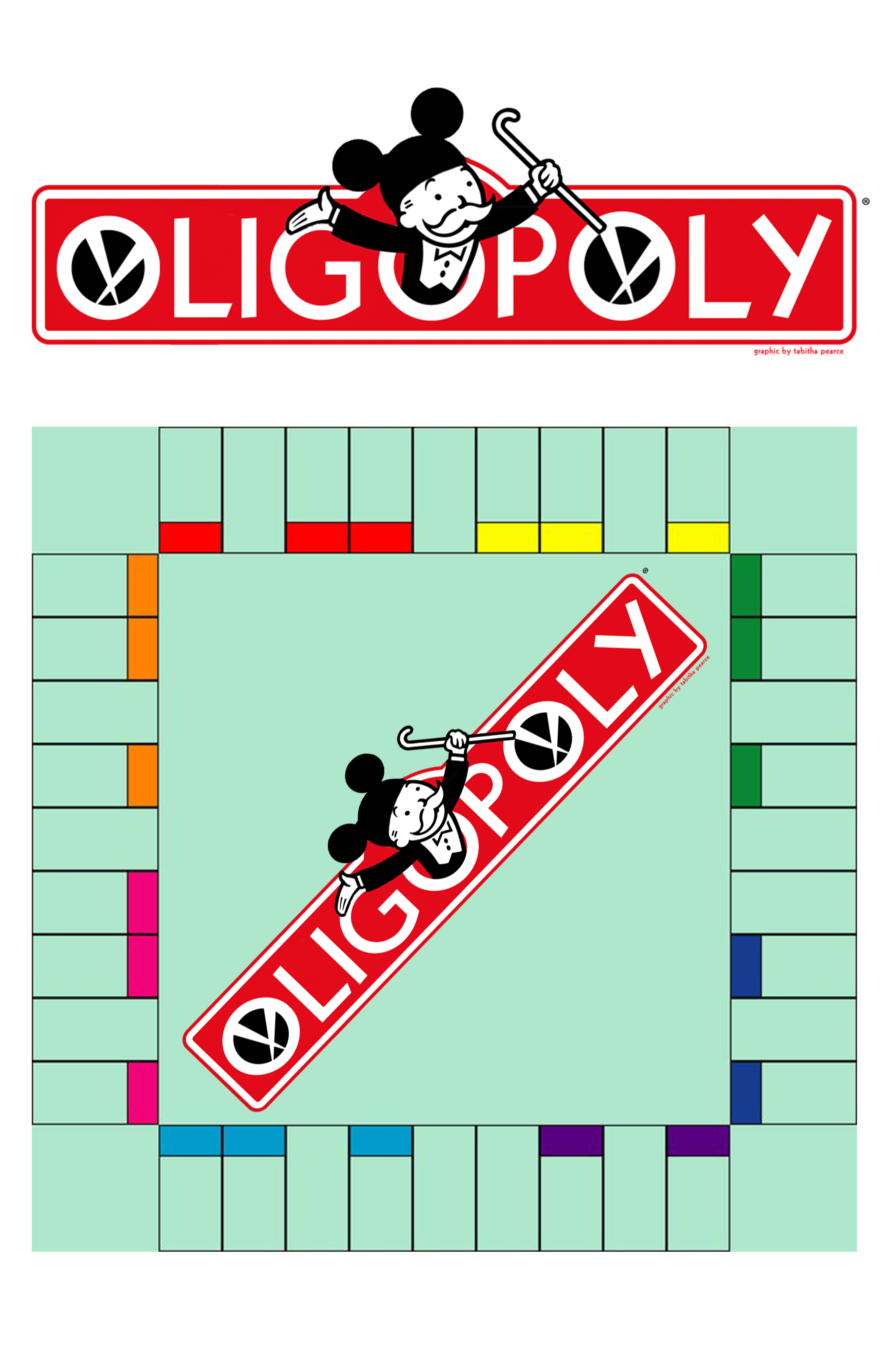
Corporate monopoly is the enemy of creativity and variety. This deal, which is one of the biggest film/media deals ever, has far reaching effects upon the industry. Some may even argue that it has danger written all over it. If there wasn’t already a rigid oligopoly amongst the studio/distribution companies, there will be now. The lion’s share of the cinematic marketplace is now controlled by Disney, TimeWarner (Warner Bros.), and Comcast (Universal), with Sony (Columbia) and Viacom (Paramount) bringing up the rear. Five. That’s right. Five companies essentially determine the future of the industry, and control the majority of the motion pictures released in theaters and the content on cable television (and the streaming services that access it). It’s a mirror image of the 1940s. Instead of The Big Five and The Little Three, we have The BIG Three and the Little Two. In the mid-20th century when the U.S. government cited anti-trust issues with the vertically structured Hollywood entertainment business model, the forced the studios to divest themselves of movie theatres, longterm talent contracts, and more in order to level the playing field for competition and creativity to thrive. The decision to end the process of being vertically integrated is known as The Paramount Decision (U.S. vs Paramount Pictures, 1948). From the big screen to the small screen, from screen to theme park, you will notice the effects of this merger. When one company controls the majority of any marketplace, it usually spells disaster for the consumer; furthermore, it means that there will be a primary gatekeeper in future artists getting his or her work out there.

Let’s explore The Paramount Decision [(U.S. V. PARAMOUNT PICTURES, INC., 334 U.S. 131 (1948)] a little more. Firstly, prior to the Paramount Decision, the motion picture industry was controlled by a few companies. Secondly, the studio owned the facilities, production companies, staff (under long-term contracts), the films themselves, distribution channels, and the movie theaters. When the studios were growing so large that they began infringing upon the free marketplace, the US Government forced the (then) eight major/minor studio players to end the practice of block booking (meaning, films would now be sold on an individual basis), divest themselves of their respective theatre chains (sell them off), and modify the practice of long-term employee contracts (though, this would continue until the 1960s). This marked the beginning of the end of the Studio System, AKA Hollywood’s decentralization. There are many similarities between the situation in the late 1940s and today. In fact, it’s a little worse today because the industry is mostly controlled by five (instead of eight) companies, and these companies have heavy investments in streaming and television programming.

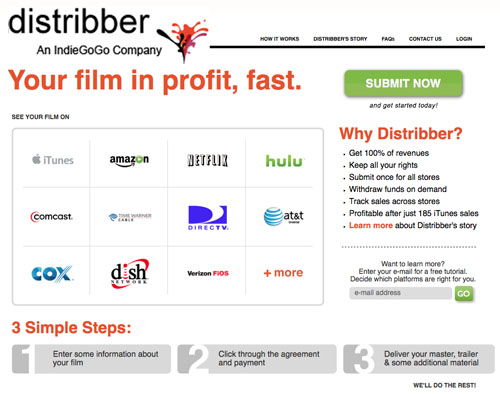
Essentially, the number of gatekeepers is shrinking. The streaming service landscape is also changing because Disney’s acquisition of Fox means that Disney now has the controlling share of the streaming giant Hulu. It’s entirely probable that independent production companies and filmmakers will find it more difficult to get their content out to the public on a well-known platform. Fortunately, Amazon still allows for self-publication but Disney’s control of Hulu will probably see fewer indie films added in the future. The media conglomerates are growing so large that if you’re not in their circle, it will be increasingly difficult to secure a distribution deal for theatrical or streaming. For many, it will feel like there are only 2-3 primary companies controlling the majority of programming on TV and a few more companies controlling a large portion of the movies that get released in movie theaters. Independent filmmakers will have to hustle and work exponentially smarter to navigate the film marketplace. It may get to the point that theatrical releases are no longer realistic or viable for small to medium sized companies because of the stiff competition for the few massive media giants pumping out blockbuster after blockbuster. Conventions like the American Film Market and companies like Distribber will become even more important for indie filmmakers.

The problem with the current state of capitalism in the United States isn’t worries of monopolies but oligopolies (monopolistic practices between a few firms that essentially control a market). Certainly the state of the film industry already lends itself to an oligopoly because of the few companies; but the buyout of 21st Century Fox by The Walt Disney Company greatly increases this issue of a blatant oligopoly. If a monopolist (in many other industries) did what Disney has done, neither the public nor the government would stand for it; but because it’s Disney, and because it’s the film industry, most of the general public is unaware of the negative consequences of such a buyout and therefore only focus on the X-Men being added to the MCU and the trademark trumpet fanfare preceding the opening title sequence of the Star Wars movies once again. Technically speaking, oligopolies are not illegal nor is monopolistic competition; however, this can be a slippery slope towards stifling creativity or making it increasingly difficult to break into any given industry as a newly emerging competitor. Incidentally, monopolistic competition causes the variety or level of differentiation of similar products (i.e. moves and TV shows) to become less heterogeneous and nearly come across as homogenous.

When a strong oligopoly exists within a specialized industry (for our purposes, media & entertainment), one of the side effects is a concept known as parallel exclusion. This concept can be described as the collective efforts of the few industry leaders who essentially act as the main gatekeepers to prevent or make it difficult for would-be newcomers to enter the arena. Parallel exclusion is nothing new, and has been in the news as recently as the last 2-3 decades within the airline and credit card industries. Throughout the eighties and nineties, Visa and MasterCard essentially blacklisted any bank that set out to do business with AmEx. Thankfully, the U.S. Justice Department stepped in when the manner in which the exclusionary rules were written crossed legal, fair trade boundaries. There were similar issues within the airline industry as well. When a few companies control the content or services in the marketplace, antitrust issues are raised

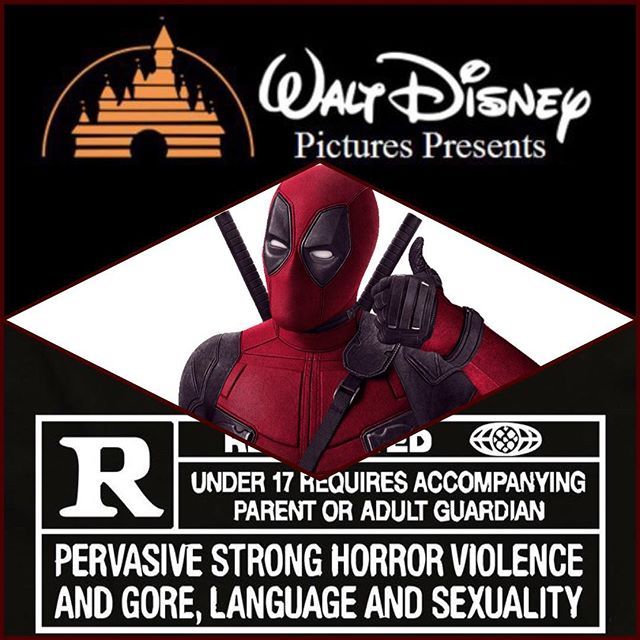
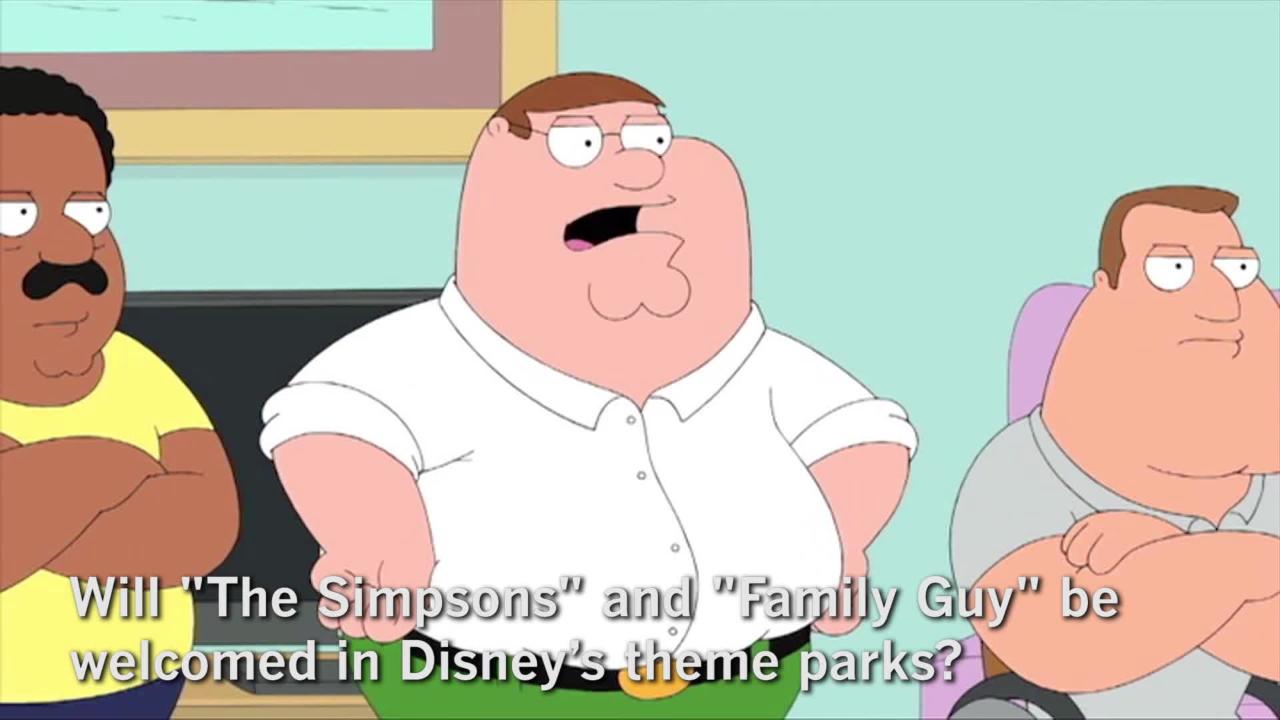
Although we are not technically facing a monopoly with the Disney-Fox acquisition, we are looking at an abuse of power that may lead to anticompetitive conduct. If nothing else, the consumer should be worried about having fewer options for programming. Not that the number of programs or movies will shrink, but there will be little difference between what is released under the Disney banner and the Fox name (if it’s still even called that). In a deal like this, it’s the consumer who gets the short end of the stick. Examples of this may be found in future Simpsons and Family Guy episodes. One of the consistently running lines of jokes are at the expense of The Walt Disney Company. Jabs at Disney can also be found in Deadpool. It will not surprise me that the humor of Simpsons, Family Guy, and Deadpool will change to no longer include jokes at the expense of the hand that now feeds them. If, through contract negotiations, shows and movies like these moved to a different company, then the humor that we have come to know and love may largely be unaffected. As it stands, we will likely see fewer (if any at all) Disney jokes in the aforementioned. These are just examples of the larger problem a few companies controlling the majority of media and entertainment content. The consumer would be wise to the possibility of a lack of competition between brands thus mitigating innovation, variety, and creativity. Innovation is often the product of healthy competition in a free marketplace just as necessity is the mother of invention.

Because the Walt Disney Company is primarily focussed on producing the biggest movies possible (after all, they made the majority of the highest grossing films last year and this), the mid-budget dramas and comedies that used to thrive in Hollywood–you know, the ones that cause you to cry and laugh–could dwindle in number–there now may be little room for them to make their respective ways into theaters with Disney controlling a significant percentage of the industry. Of course, Disney is not alone. With the recent acquisition of TimeWarner by AT&T, both Disney and AT&T are now at the top of the food chain, followed closely by Comcast and then the rest of the media companies who are small in comparison. What we are essentially talking about here are entertainment corporate monoliths, the likes of which, have never been seen before. There is one key difference in the Disney-Fox and AT&T-TimeWarner deals, and one that gives AT&T a slight advantage over Disney and deeper pockets. Disney does not own the hardware in the ground that serves as the conduit for your internet service provider (or ISP) but AT&T does. Not only does AT&T control a huge share of the media/entertainment marketplace, but it also owns a significant share of the technology that brings entertainment content to your home and mobile devices including cable, satellite services, and wireless services. Issues of net neutrality are more important now than ever because the pool of competition is shrinking in number but growing in sheer size.

Cinema and TV are not the only arms of the media and entertainment industry that will feel the effects. Major theme parks, the cash cows of media conglomerates, will change as well. How exactly is this deal going to effect the theme park industry? The short answer is, it is too early to tell; however, we can explore this topic nevertheless. If you’ve been to Universal Orlando resort, you’ve undoubtedly noticed that Marvel and the X-Men have an entire island AND the Simpsons is a land in and of itself. While I am not aware of the license agreement details with both IPs, I can tell you that typically if the ownership of an IP changes hands during the lifetime of license agreement, the agreement is grandfathered in for the length of time that is left in the contract. There are sometimes caveats to that. Often a company that holds the license (for purposes of our example)–a license that belongs to someone different than the original licenser–for a theme park attraction, the licensee cannot make any significant modifications to the look, add to the established attractions, or allow the image to fall into disrepair. If significant changes are made to the look or if the attraction falls into disrepair or if additions are made under the old agreement without consent from the new licenser, the agreement could be nullified. There is a lot more to copyright and IP law than what I’ve outlined, but I wanted to hit some main points on this issue but keep it as simplified as possible. Universal Parks may have to rebrand existing Marvel and Fox attractions as another IP within its library or license an IP from Paramount, MGM, Sony, or another media conglomerate. Presently, the licensing agreement between Universal and now Disney-Fox (Marvel, etc), should stand for now. Regarding the addition of new IPs as replacements, fortunately, DreamWorks and Nintendo give NBC-Universal plenty of latitude for creativity.

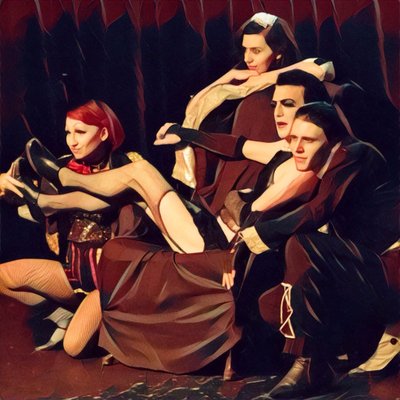
Suffice it to say, it is reasonable to conclude that Universal Parks will have to eventually remove the Marvel and Fox properties from the parks because not being able to significantly modify or add to the offerings will become too burdensome. Universal’s Halloween Horror Nights will likely also see some changes in the future because it may become more difficult to license Fox properties for houses and scare zones as Universal and Disney are direct competitors in themed entertainment. This includes American Horror Story, Alien, Predator, and Halloween. In terms of how Disney parks will benefit after this deal, the theme park division will save money on Pandora: the World of Avatar because it will no longer need to be licensed from Fox because Disney now owns the Avatar movies. Eventually, a significant Marvel presence will be felt at Disney World and any loose ends in the ownership of Star Wars will be nullified because Disney now owns the original trilogy, and not just the distribution rights. The ability to enjoy shadow casts of the iconic cult classic Rocky Horror Picture Show may also be effected because it is not unrealistic to think that Disney may crack down on RHPS troops around the country or make the licensing fees so high that many troops may not be able to afford to continue with the live performances. These weekly or monthly performances of troops around the country are an important part of the visual and performing arts. Speaking of which, if you’re in the Orlando area, checkout the Rich Weirdos at Universal Studios CityWalk and if you’re in Tampa, checkout Hell on Heels at the Villagio Cinema and Bar.

While the full effects of the recent mega media deals won’t be felt for a while, it is important to be aware of how acquisitions can effect cinema, TV, theme parks, and independent filmmakers. Corporate oligopoly is a slippery slope that can lead to anticompetitive conduct, fewer options, and become the enemy of creativity and variety.

Marvel “Ant-Man and The Wasp” movie review

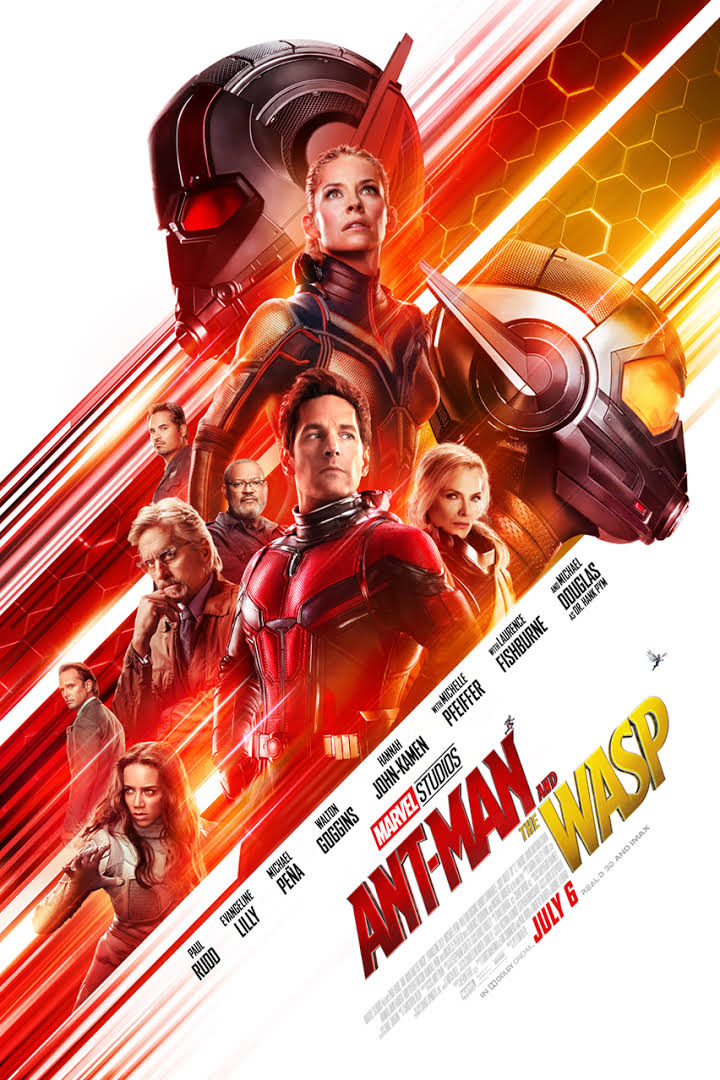
fANTastic! Although this installment may lack the grandeur of many of the Marvel Studios films, including the recent Avengers: Infinity War, director Peyton Reed delivers a fun, heartfelt, action-packed movie in the Ant-Man series that is sure to be a crowd pleaser. As someone who doesn’t typically fawn over superhero movies, with some exceptions like Batman Returns, I went into this movie with moderate expectations at best. Needless-to-day, my expectations were exceeded and I had a great time. Perhaps the story is rather shallow and even paint-by-the-numbers, but the straight-forward story is made fun and exciting by the incredible cast. This installment in the MCU is also marked by the significance of the captivating Michelle Pfeiffer’s return to the superhero genre. It’s been more than 26yrs since she wowed audiences with her roll as the definitive Cat Woman, and she still packs a punch during her short time on screen in Ant-Man and The Wasp. Is this a movie that requires a close reading or in-depth analysis? Certainly not. But, there is a running theme of change/size that is both literal and metaphoric. This may not be the at the top of your MCU favorites, but I can honestly state that you will not feel as if your time is wasted if you choose to take the quantum leap into this micro superhero movie.

After the events in Germany, Scott Lang (Paul Rudd) is under house arrest. Dealing with the consequences of being both a superhero and a father, Lang is challenged to still be a loving father to Cassie while figuring out how to continue his role as Ant-Man. Compounding the demands of being a father and superhero, Lang is also working diligently from home to build his security company in order to be the provider he wants for his daughter. Just when he has his routine down, and is getting close to being released from house arrest, he is kidnapped by Hope van Dyne (Evangeline Lilly) and Dr. Hank Pym (Michael Douglas) to help with a mission to rescue Janet van Dyne (Michelle Pfeiffer) from the quantum realm, a result of disarming a nuclear bomb many years prior. The search and rescue operation is thwarted by a ruthless southern businessman and a mysterious new ghost-like adversary. Under the ever-oppressing constraint of time and place, Ant-Man and The Wasp must cooperate in order to protect the quantum technology from falling into the wrong hands that could prohibit Dr. Pym from rescuing his wife.

While the movie, by in large, is pretty basic (solid, but basic), there is a great example of Hitchcock’s MacGuffin! If you’re unaware, a MacGuffin is the object that drives the plot forward, begins the domino effect, but ultimately does little more than trigger the plot. The definitive example of this is the money Marion Crane steals from the real estate office that sends her on the journey that lands her at the Bates Motel in Psycho. Not nearly as macabre, the MacGuffin in Ant-Man and The Wasp is the size-shifting office building of Dr. Hank Pym. Sometimes it was as large as a city block, and other times it was the size of a roller suitcase. In fact, if it isn’t already, I imagine that we will soon see this AS luggage that can be purchased at a Disney Park near you. The theme of size is demonstrated through small objects that become large and large objects that become small. Furthermore, this idea of playing around with size can also be witnessed figuratively through egos. Some egos are inflated–large–and need to shrink down to size or others are barely there and need to grow in order to not be overrun or overlooked. This theme is also displayed in how small people or objects can rise to the occasion, become a metaphoric giant in order to stop those who pose as obstacles to the goal. It is well-known that ants can carry several times their body weight, and we see characters in this film shouldering more than their fair share, but still manage to overcome any resistance or hurdles to accomplishing the mission.

Be sure to state for the mid-credits scene because it will answer the question that has been on your mind, “where was Ant-Man during Infinity War”? There is also a post-credit scene that is cute but won’t provide any further insight into the next Ant-Man or Avengers movie. With the return of Michelle Pfeiffer to the superhero genre, I am excited to see how the MCU will integrate her into the narrative because she possesses a powerful screen presence that should not be under-utilized. Unfortunately, this could mean that we may not get to see her reprise her role as Cat Woman in a future DCEU film, but her beauty and charisma will certainly add a touch of class and strength to the MCU.

While most MCU movies are suitable for all audiences, there is some content in the dialogue that may not be appropriate for those under 13. So parents and siblings, just be aware of this before taking children to this film. It’s not nearly as adult as Deadpool but it leans more toward a teen and adult film more than kids.