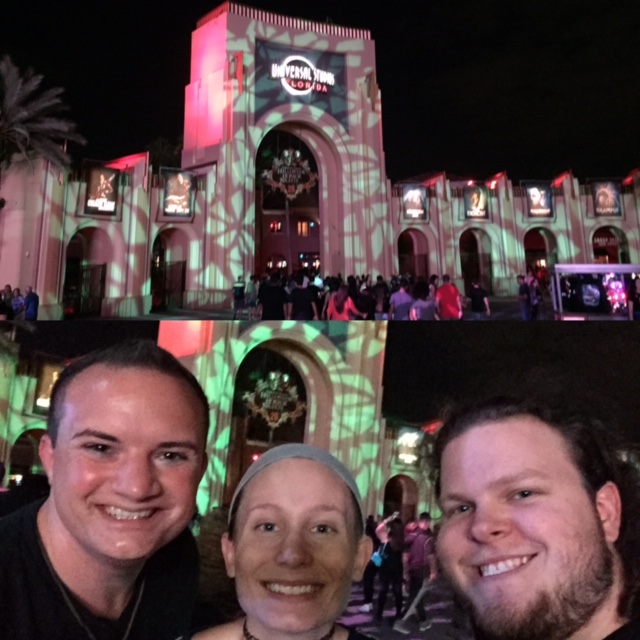
 A dynamic range of houses and horrifying encounters! Of all the Halloween Horror Nights (HHN) over the last few years, this year could likely be my favorite. From the houses based on familiar IPs to the original concepts, there is something for everyone as HHN turns 26. Even the wildly popular and iconic Bill and Ted’s Excellent Halloween Adventure was refreshingly funny this year. Although HHN has the reputation for being an event at which it’s nearly impossible to experience all the houses and the Bill and Ted Show in one evening, I’ve concluded that if you arrive at open and remain until 2am that you CAN make it to all the experiences on a typical crowd night. Unfortunately, my friends and I lacked three houses to complete them all since we arrived at 9pm; but two of those three were not ones that I was planning on experiencing anyway. Since I pay for annual passes to Disney, Universal, Busch Gardens, and SeaWorld, I do not opt for the frequent fear pass that Universal Orlando
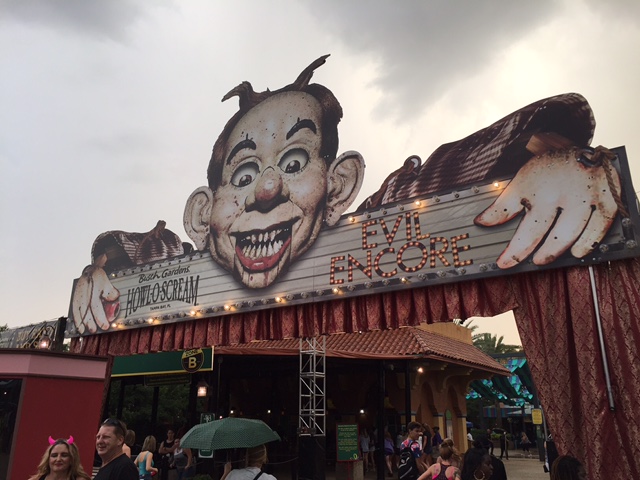
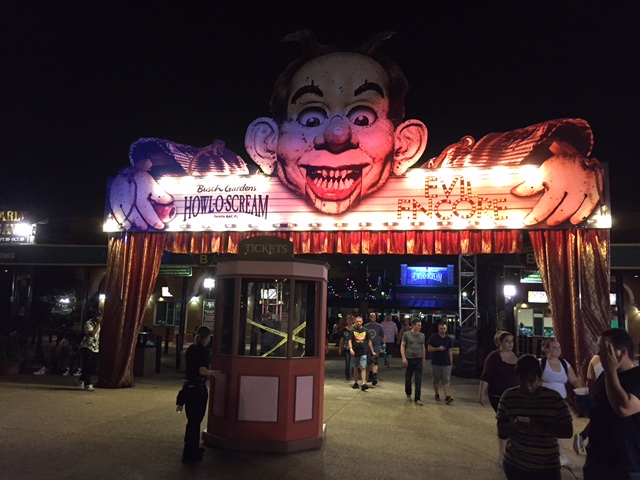
 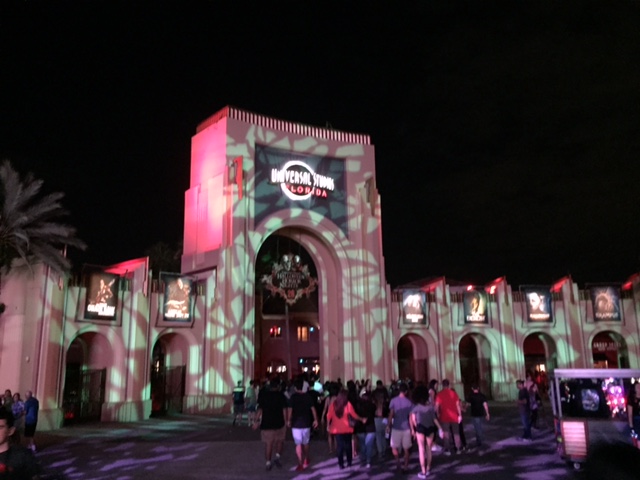 offers for multiple visits to the celebration of the macabre, so I try to do as much as I can in one night. And this year, I am quite pleased with what I was able to accomplish during my time at one of the areas two best Halloween events (the other being Howl-O-Scream at Busch Gardens Tampa Bay). If you haven’t been to HHN (or HOS) this year, there is still a couple of weeks to visit Universal Orlando or Busch Gardens and experience some outstanding scares, irreverently funny shows, and special times with friends.
Visit Thrillz for the latest in theme park information from around the world! You can find this and many other articles covering themed entertainment, dining, and more.
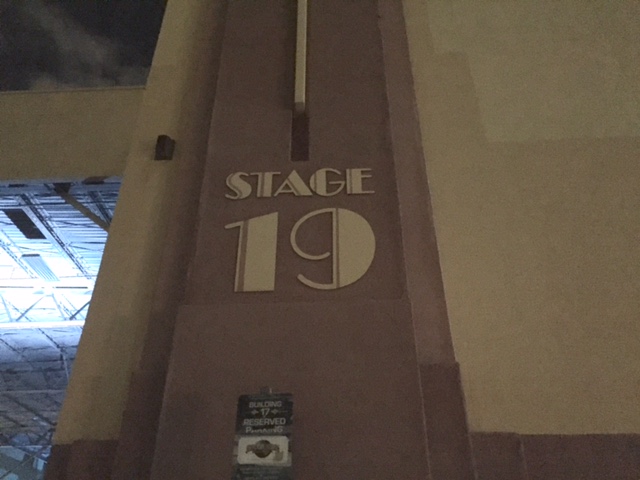 One of my favorite parts of the seasonal Halloween events at the theme parks is experiencing the transformation from daytime operations to Halloween. From the music to the lighting, the very atmosphere of the park sets the mood to be scared. Another personal favorite experience at HHN specifically is witnessing the uncanny (that which should remain hidden but reveals itself) by venturing behind the scenes of the park and entering sound stages that used to house television productions and former attractions. The two most nostalgic and uncanny memories from last night is walking through American Horror Story in Stage 19 and Krampus. If you’re a long-time visitor to Universal Orlando or simply a theme park enthusiast, you might recognize why Stage 19 would be nostalgic. Stages 18 and 19 are where Nick was made! Soundstages 18 and 19, along with 17 as part of the Universal Studios Florida studios tour and 21 leased occasionally, were the home of Nickelodeon Studios in the 1980s-90s (minimally in the early 2000s). I love the juxtaposition between the classic Nick shows that were produced there against the present haunted houses. The Krampus haunted house is located in the former Alfred Hitchcock soundstage that was part of the Hitchcock: the Art of Making Movies attraction until 2002. I had not been in that stage since before the iconic opening day attraction closed its doors to make way for Shrek 4D. While walking through Krampus, I couldn’t help by wonder if we were standing where the Bates House, Motel, or infamous shower used to be.
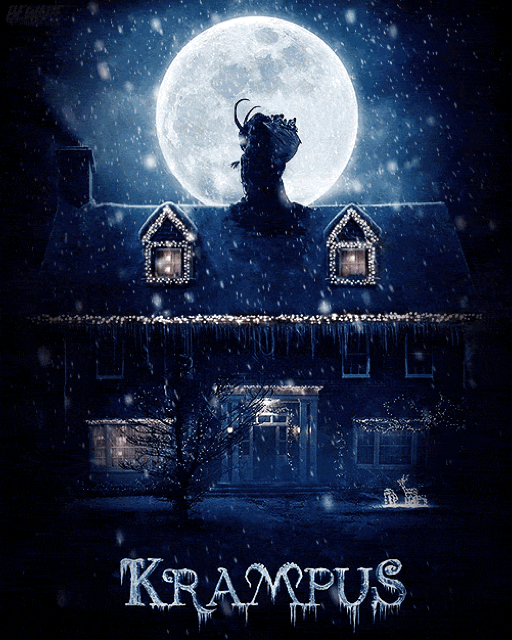 The first house that my friends Derek, Adrianne, and I experienced was Krampus. With only a 30min wait, it was definitely a great way to begin the evening since the parking garage was a complete cluster (not one parking attendant was to be found in the garages). Located within the former Hitchcock Stage, Krampus is an impressive translation from screen to live experience. Since my research area and peer-reviewed publications are on the topic of experiential storytelling and film/theme park convergence, this is an element to which I pay particular attention. Doesn’t mean that I don’t concurrently enjoy the entertainment value of the house, but I am always looking around to see if I can get a glimpse of the magic behind the experience. Since we are four weeks into HHN, there’s a good bet that many of you have experienced the house, but I don’t want to spoil it for those of you who have not. Upon entering the soundstage, the skies grow dark, the wind howls, and the snow blows across your face as you enter the stately home from the movie Krampus. Each and every room depicts an event from the movie. From the sinister jack-in-the-box to the demented gingerbread men, you will encounter nearly all the creatures from the movie. And yes, Krampus himself makes appearances here and there. Probably the most surprising effect in the house was the smell of gingerbread when walking through the kitchen–truly felt like an immersive experience. Just like I loved the contrast between horror and holiday cheer in the movie, I equally loved the juxtaposition of a house all decorated for the “most wonderful time of the year” located within a brilliant Halloween event.
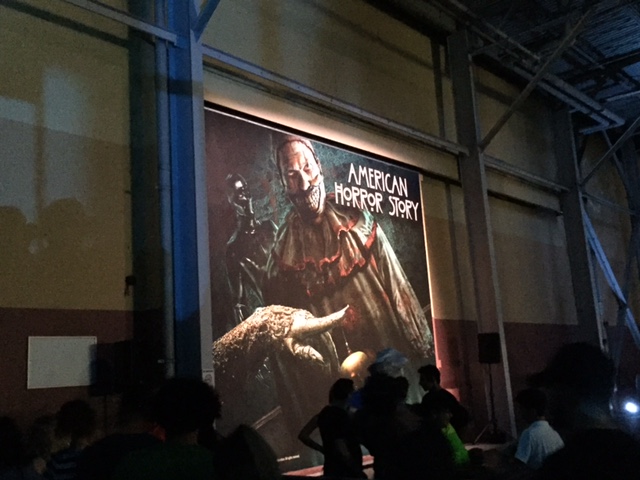 After experiencing Universal’s ‘nightmare’ before Christmas, we were left with deciding what to do next. Since we wanted to hit the 12:00 Bill and Ted’s Excellent Halloween Adventure, we needed to choose something in the mean time. It was at that time, that we began to experience some light rain. With the queue for American Horror Story down to a 60-minute wait time–all indoors, we could easily hit that house and then the show. On the way to the house, we stoped for a pretzel and churro (salty and sweet). I was excited that the AHS house was located in the old Nickelodeon soundstage. What makes the AHS house unique, is the fact that it’s really three houses in one. The seasons of the series that the house covers is “Murder House,” “Freak Show,” and “Hotel.” Instead of combining elements from each of them into one house, Universal Creative made the decision to separate them. I was impressed with the character performers selected to bring such characters to life. Those selected to play Kathy Bates and Lady Gaga’s respective characters were ‘dead’ ringers for the leading ladies. If you’re scared of clowns, this house is definitely not for you because you are going to encounter Twisty on more than one occasion. There are a few entire scenes from the show that are recreated for the house. John Hammond would be proud of this house because in bringing the three seasons to life, Universal “spared no expense.” I am definitely looking forward to the next AHS house as I image that Universal will bring it back next year. Perhaps we will get “Asylum” and “Coven” (arguably the favorite of most of the fans of the series) in the next house for HHN 27, and the most recent “Roanoke” combined with whatever season 7 is or HHN 28.
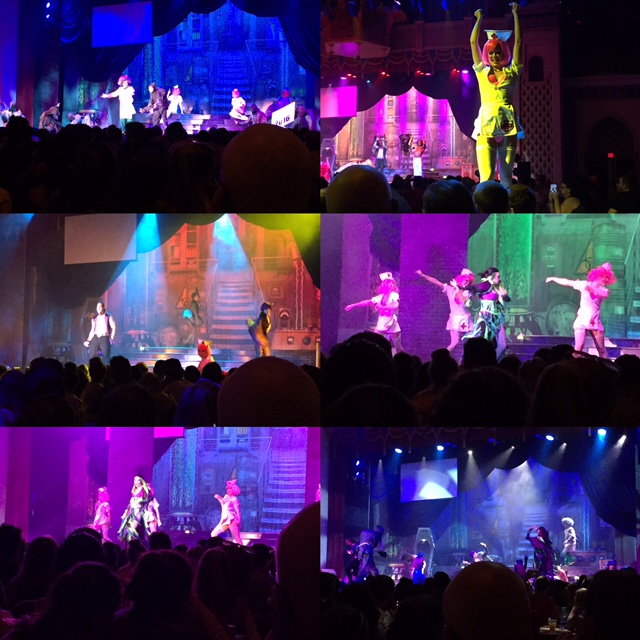
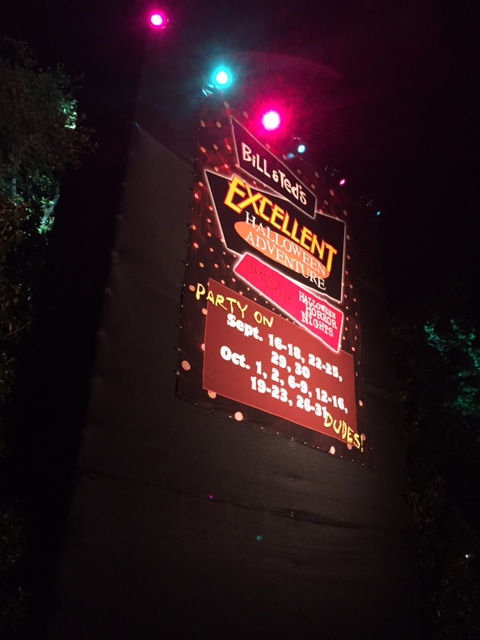 Following two exceptional haunted houses, it was time for some laughs! One of the highlights of my HHN experience every year is the Bill and Ted’s Excellent Halloween Adventure because it often does a great job of commenting on pop-culture, parodying crowd favorite movies and tv shows, and socio-political satire. Not for the kids that are at HHN, this show is about as offensive and irreverent as they come–it’s brilliant! Usually, anyway. Honestly, I did not care for last year’s show at all. Knowing that the last couple of years have seen the show go downhill in terms of the cleverness of the writing, I did not have high expectations; however, I knew I would laugh and sometimes that’s all that matters. To my pleasant surprise, the show this year was outstanding (most of it anyway). The first 2/3 of the show were filled with witty jokes, facetious behavior, and brilliant one-liners. The overall plot was to figure out Rylo-Ken’s (a parody of Kylo Ren from The Force Awakens) plan to take over the world. Over the course of the more than 30-minute show, the audience encounters pop-culture icons such as Daenerys Targaryen (Game of Thrones), Chewbacca Mom, a Pokemon GO trainer, 11 (Stranger Things), and even Hillary Clinton and Donald Trump. Of course, no Bill and Ted show would be complete without throwing shade on and jabs at Disney World. There is even a joke at the end (a hand gesture) that only true fans of the Disney Parks would get. Unlike previous years, this year’s show had a coherent plot until the showdown consisting of an “Ultimate Versus” that was pretty much just a cluster of most of the cameos from the show in a Captain America: Civil War tarmac battle that resembles a reimagined Super Smash Bros. meets Mortal Kombat battle scene. I find shows that push the envelope–even if right off the counter–in the theme park settings to be some of my favorites. Shows like these are typically open to adding and striking jokes as pop-culture shifts its focus. You’ll find some political jabs that came out of news from just a couple weeks ago in the show. Strong writing is important even in an irreverent comedy. This year’s Bill and Ted contains mostly solid writing and slapstick antics sure to entertain! Other than reworking the showdown, the
 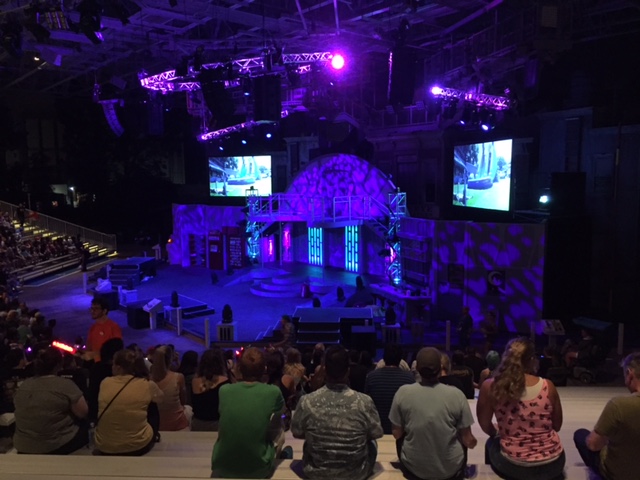 only element of the show I would change would be the pre-show funny videos taken directly from YouTube. Yes, some of them are funny; but they are also videos that many in the audience have already seen. I think a better idea would be to have a camera operator follow some of the preparations during construction and rehearsal and cut together a gag or outtake reel. That would be funny and something that you couldn’t get online.
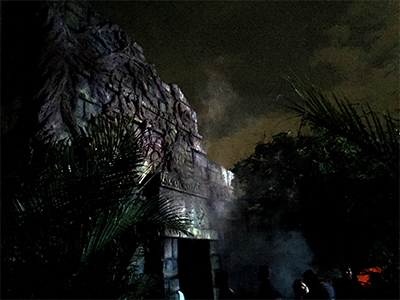 Next, it was time to go on an expedition to uncover some dark secrets that ancient civilizations kept in Tomb of the Ancients. An original IP for Universal Orlando this year, Tomb was probably the most impressive house as far as production design. While many, if not most, guests are at HHN for the film/tv IP houses–and to a great extent, so am I–I really enjoy and look forward to the original concepts designed by Universal Creative’s HHN teams. There are themes and elements taken from ancient civilizations an cultures such as Egyptian, Mayan, Incan, Cambodian, and more. After analyzing all the houses I experienced, I am left with the conclusion that Tomb was the most immersive out of all the houses. While walking through Tomb, I made a very interesting observation. It’s an observation that only those who have been to both HHN and HOS could pick up on. Since Busch Gardens cannot compete with Universal on production design, over all, they learned how to perfect the ‘scare.’ One of the methods for scaring guests is false walls, windows, mirror, etc that drop with a loud bang and a scare-actor jumps out. In film terms, this is the classic jump scare. Not having experience every original IP house HHN has done in the past, I cannot say for sure that this concept is new, but I definitely noticed it this time. Just like Busch probably borrows ideas from Universal, this is a great example of how Universal has borrowed from the Busch’s HOS houses.
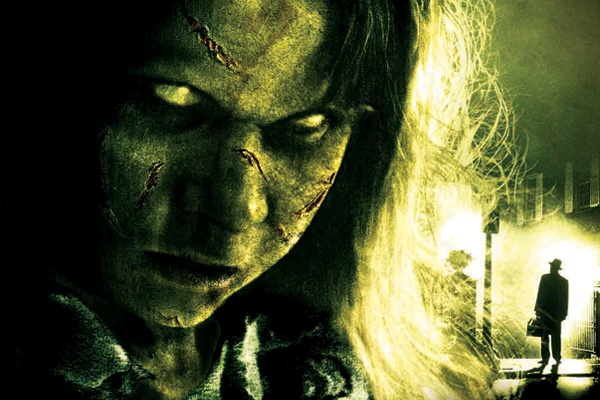 Leaving archeological excavations, it was time to head to Maryland. To the home of Regan MacNeil. That’s right. The Exorcist. It is the first time HHN had themed a house based on the iconic cult horror classic. Spinning head, pea soup, Holy Water and all. You’ll come face-to-face with one of the most terrifying horror films of all time. Universal has always done a remarkable job with the forced perspective of its facades. It really feels like walking off the street into the MacNeil house. One of the most interesting aspects to the production design of this house is the practical ceiling. In most haunted houses, the illusion can be ruined by simply looking up and staring at the trusses and air ducts above in the soundstage. Not true with The Exorcist. Through much of the house, if you look up, you’ll see a practical ceiling. This adds to the claustrophobic feel of the house. Other than spending time in at the excavation site, foyer, living room, and other common areas, the majority of the house takes place within Regan’s room (much like with the movie itself). The park guests walk through multiple rooms depicting, in sequence, the events of Regan’s possession and exorcism by the priest. There aren’t too many jump scares in this house. Regan pops out at you each time you walk from one room to the next. But, what’s great about this house is how real it felt. Universal did an excellent job recreating the most notable scenes from the movie and translating it into a live experience.
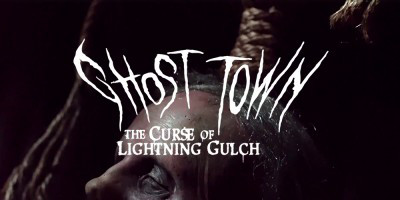 Who would’ve known that the MacNeils lived next door to a ghost town. Another HHN original IP is Ghost Town. Taking a classic haunted house approach, Ghost Town puts park guest in the middle of an old gold mining ghost town that looks as though it stepped right off the screen of an old-timy western. Kind of reminded me of the western sequence from Hollywood Studios‘ The Great Movie Ride. Instead of a bank robbery, you encounter sinister apparitions of gold miners, bar maids, and there’s even a hangin’. Although this house takes a more traditional approach to scaring park guests, it’s not for the timid as there are a great many disturbing images and experiences in this house. Unlike the other houses this year (at least the ones that I experienced personally), this house comes complete with scare-actors in the rafters above. After you are startled by a ranch hand grabbing at you from above, your senses will be greatly heightened because you have to not only worry about what’s around the next corner but what is also lurking above.
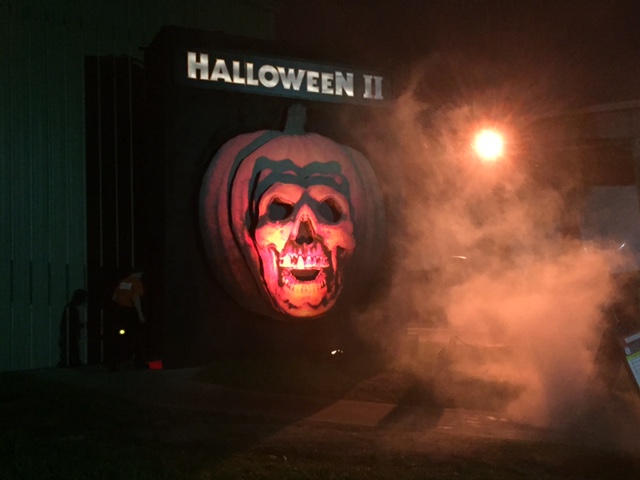 The final house I was able to experience this weekend was Halloween II. HHN offered the Halloween I house two years ago, and much like how the sequel (film) picks up right where Halloween I left off, this house picks up right where the previous one left guests. No real surprises in this house. It is pretty well straight forward and includes all that is expected of a house paying tribute to the iconic Michael Myers. From the closet to the hospital, Michael is everywhere. Sometimes everywhere a little too much. There are definitely times that he appears in two separate places in the same room which impacts the believability of the scares. Pretty sure I saw two Michaels standing close to one another at some point. The quality of the house is on par with most of HHN’s houses, and put you right in the middle of the hospital. Much like with the Exorcist house, this one also walks you through and depicts the various kills in the movie. My favorite part of the house comes at the very end, but I won’t spoil it for those who have not been through it.
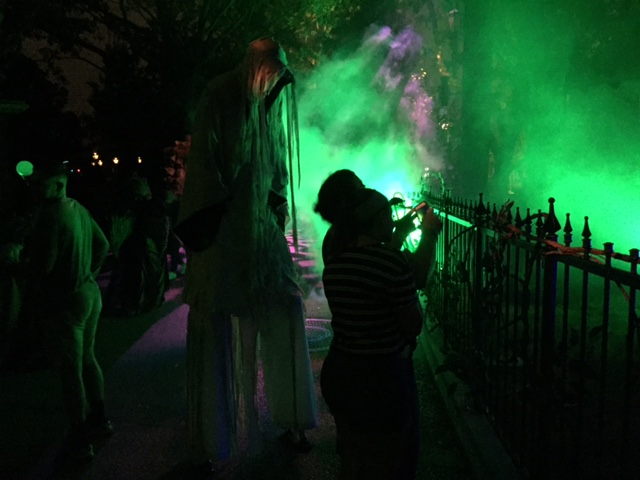 Beyond the houses and Bill and Ted show, HHN also offers guests the opportunity to walk through various scare zones. These are areas that typically contain themed scare-actors, music, and minimal production design. Most of the ambiance is created through lights and sound. And of course fog! Conspicuously missing from the scare zones this year is The Purge. Earlier in the summer following the Pulse massacre, it was announced that The Purge was going to be removed from the HHN offerings as either a house or scare zone. The massacre at Pulse had a profound affect upon HHN. One of the observations I made about this year is the lack of death and violence. For the most part, there was very little murder, dismemberment, and seldom a showing of the glorification of violence. Compared past years, this year was quite tame. Although there could be multiple reasons for the mitigation of violent acts, it is most likely related to the tragedy that affects not only the community but team members at Universal Orlando. Just goes to show that there is not need for explicit violence in order to create an outstanding celebration of the macabre during the Halloween season.
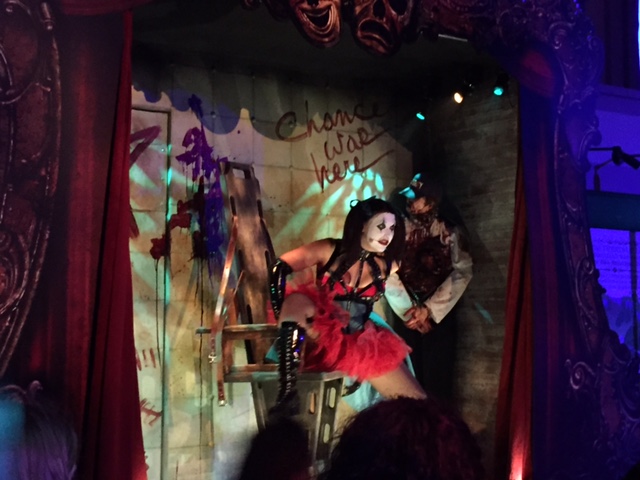 Not having experienced The Walking Dead, Lunatics Playground 3D, or Texas Chainsaw Massacre, I am unable to provide any feedback on or analysis of those houses; but, friends of mine that have experienced them tell me that they are excellent as well. Although Texas Chainsaw has been part of HHN in the past, this year is difference because it is based on the original 1974 Tobe Hooper film instead of the 2003 remake produced by Michael Bay. With the wild success of Netflix’ Stranger Things, it would not surprise me if we see that as a scare zone or haunted house next year. Twenty-six years in, HHN is still going strong. Still debating on whether to attend HHN or HOS this year? Debate no more because both events are fantastic. Want to experience your favorite horror movies and TV shows? Then HHN 26 is your destination. You’ll definitely enjoy all that is offered to the guests this Halloween Season.
Access Thrillz.co by clicking here!