When we look back at the films of the 1980s, it’s impossible to separate the images on screen from the songs that scored them. This was the decade when movie music didn’t just underscore the action—it defined it. A single track could embody the spirit of a film while simultaneously capturing the mood of an entire generation. And remarkably, so many of those songs remain with us today. They’re still streamed on playlists, still belted out at karaoke, still instantly recognizable from their opening chords. The 1980s gave us movie songs that became cultural landmarks, and in many ways, they’ve never stopped playing.
Among the long arc of cinema history, the 1980s stand out as the high-water mark of the movie song. This was the era when a soundtrack single could leap to the top of the charts overnight, transforming into a cultural event in its own right. Whether it was an infectious pop hook or a soaring power ballad, these songs weren’t just background music; they were stitched into the fabric of the films and the culture itself. Think of the triumphant synth-drenched pulse of Flashdance…What a Feeling, the high-octane rush of Danger Zone, or the emotional catharsis of Wind Beneath My Wings. The decade leaned into the marriage of sound and image with unapologetic boldness, and in doing so created songs as enduring as the films they came from—sometimes even more so.
Why have they endured? Partly because they articulated universal experiences—ambition, risk, heartbreak, friendship—in melodies and lyrics that were at once sincere and unforgettable. The 1980s were an era of spectacle, melodrama, and unabashed emotion, and the songs mirrored that ethos. They became sonic shorthand for youth, energy, rebellion, and joy. In an age when MTV amplified every movie track into a visual pop event, these songs weren’t merely incidental—they were emotional anchors, marketing juggernauts, and narrative engines. Nothing’s Gonna Stop Us Now carried Mannequin’s optimism beyond the multiplex and into wedding halls. Dolly Parton’s 9 to 5 gave voice to working-class frustration while climbing the radio charts. And Don’t You (Forget About Me) is now inseparable from Judd Nelson’s raised fist in The Breakfast Club. These weren’t just songs in movies; they became shorthand for the decade’s imagination.
Why don’t we have these same kind of songs today? There’s been a cultural shift–most noticeably in the 2020s, but has its roots in the mid to late 1990s. By the 1990s and 2000s, the conditions that made such songs possible began to fade. Pop soundtracks increasingly licensed pre-existing hits rather than commissioning originals. Franchise filmmaking turned toward instrumental scores and brand cohesion rather than big, show-stopping anthems. And as music videos lost their central cultural role, so too did the symbiotic relationship between cinema and pop radio. The cultural machine that once elevated a movie song into a generational anthem simply no longer works the same way.
Reflecting upon more recent years, much of 2020s pop and movie music is created in a climate of deep cynicism and fragmentation. Songs today are often crafted for algorithms, for virality on TikTok, or as ironic counterpoints in film soundtracks rather than as emotional anchors. Other songs carry with them a tone of anger or polarization. Audiences, steeped in skepticism toward institutions, media, and even each other, tend to reward irony, detachment, or knowing self-parody over the kind of unguarded sincerity that defined the 80s. A song that earnestly belts out its hopes risks being labeled “cheesy” or “dated,” whereas in the 1980s, that very boldness was the point.
One of the most striking contrasts between the 1980s and the 2020s is the sense of permanence. The movies and music of the 1980s were made with a boldness that seemed intent on lasting—on making an impression that would outlive the decade itself. By contrast, much of today’s popular culture, both in film and in music, feels designed for rapid consumption rather than long-term resonance–its largely disposable.
Songs today are often crafted not for endurance but rather for algorithms—engineered to spike on streaming platforms, go viral on TikTok, or capture a brief window of attention on curated playlists. In that sense, music has become increasingly functional: it serves a moment, a meme, a mood, but rarely aspires to the kind of cultural monumentality that defined the best of the 1980s. The hooks are short, the structures lean toward repetition, and the lifespan of a hit can sometimes be measured in weeks rather than years. The same phenomenon is evident in today’s movies. Franchise blockbusters dominate the box office, but their cultural imprint often fades once the next installment arrives. Films are built as nodes in larger intellectual property ecosystems, not as singular artistic statements. Just as contemporary songs often feel interchangeable—quickly eclipsed by the next release—so too do many films function as disposable content, part of a cycle of endless consumption rather than enduring cultural landmarks.
By comparison, the movies and songs of the 1980s embraced scale and spectacle not just for immediate impact but for legacy. A hit song wasn’t simply filler for a soundtrack; it was an anthem meant to outlive its film, designed to thrive on the radio, MTV, and in the cultural memory. Similarly, films were often built as self-contained phenomena: E.T., Top Gun, Back to the Future—movies that carried an aura of event cinema and refused to feel like disposable installments. This is not to say that contemporary culture lacks quality (although that appears to be increasingly true, in the opinion of this scholar and critic), but rather that its structures encourage disposability. With so much “content” (the use of content versus film or music is intentional) being produced at such speed, both music and movies are often designed to capture attention briefly rather than to linger. The result is a cultural landscape that feels ephemeral, where few works are positioned to endure in the way that 1980s soundtracks and films continue to do.
Suffice it to say, the movie songs of the1980s sought to define a generation; today, music and movies often just try to define a moment.
It appears all too clear that in the 1980s, movies weren’t just stories we watched; they were songs we sang, dances we learned, and emotions we carried. It wasn’t simply a golden age of movie music—this era was the last time cinema’s soundtrack felt like the heartbeat of the culture. In our present times, wherein pop culture often reflects uncertainty and disillusionment, the 1980s (extending into the 1990s) stand as the last great era when music from movies felt larger than life, confident enough to aim for forever. Moreover, these songs transcend generations by speaking directly to universal desires—love, empowerment, joy, escape—modern songs often feel locked, chained to their cultural moment or fixated on a particular socio-political lament.
The 1980s–when cinema sang! What the 1970s did for cinematic scores, the 1980s did for music that wrapped us in the cinematic experience.
This week, on my show ReelTalk on WKGC Public Media, I sat down with returning guest and friend of the show music professor Dr. Steven DiBlasi to countdown our Top Ten Movie Songs of the 1980s. Our respective lists both aligned and diverged, covering the wide spectrum of great, memorable movie songs. This is where I am going to direct you to listen to the show (approx 1hr) to avoid spoilers, but if you’re more of a reader than a listener, then you can find our ranked lists below.
More, just search WKGC Public Media in your podcast service of choice
Top Ten Movie Songs of the 1980s
Mine (Ryan’s)
Dr. DiBlasi’s
10.Stir It Up (Beverly Hills Cop)
9. Trust (Batman)
8. Danger Zone (Top Gun)
7. Wind Beneath My Wings (Beaches)
6. Nothing’s Gonna Stop Us Now (Mannequin)
5. 9 to 5 (9 to 5)
4. Goonies R Good Enough (The Goonies)
3. Maniac (Flashdance)
2. NeverEnding Story (The NeverEnding Story)
1. Flashdance…What a Feeling (Flashdance)
10. In Your Eyes (Say Anything)
9. The Heat is On (Beverly Hills Cop)
8. Don’t You Forget About Me (The Breakfast Club)
7. Footloose (Footloose)
6. Fight the Power (Do the Right Thing)
5. Take My Breath Away (Top Gun)
4. Purple Rain (Purple Rain)
3. Eye of the Tiger (Rocky)
2. The Power of Love (Back to the Future)
1. Ghostbusters (Ghostbusters)
Ryan is the general manager for 90.7 WKGC Public Media and host of the public radio show ReelTalk “where you can join the cinematic conversations frame by frame each week.” Additionally, he is the author of the upcoming film studies book titled Monsters, Madness, and Mayhem: Why People Love Horror. After teaching film studies for over eight years at the University of Tampa, he transitioned from the classroom to public media. He is a member of the Critics Association of Central Florida and Indie Film Critics of America. If you like this article, check out the others and FOLLOW this blog! Follow him on Twitter: RLTerry1 and LetterBoxd: RLTerry
Christmastime is here again! And you may be wondering what to watch all month long. That is, unless you’re planning to watch Hallmark Channel or Freeform all month. If you’re looking for something that doesn’t follow the small town girl versus big city guy but falls for the small town heartthrob, then checkout this curation of titles! Some of my favorites are traditional Christmas movies, whilst others are more unconventional. But they all have one thing in common, the story, plot, and/or characters are significantly affected by Christmas.
With so many movies to watch at Christmastime, it’s hard to narrow down any list, much less down to 10! So, I thought I would go with 12 because of the 12 Days of Christmas.
Fun fact: Technically, the 12 Days of Christmas marks the time between Christ’s birth and the symbolic arrival of the magi (which, interestingly, wasn’t for about two years after the birth). The 12 Days of Christmas concludes with Three Kings Day in January. But I digress.
Here are my 12 Movies of Christmas (in no particular order)!
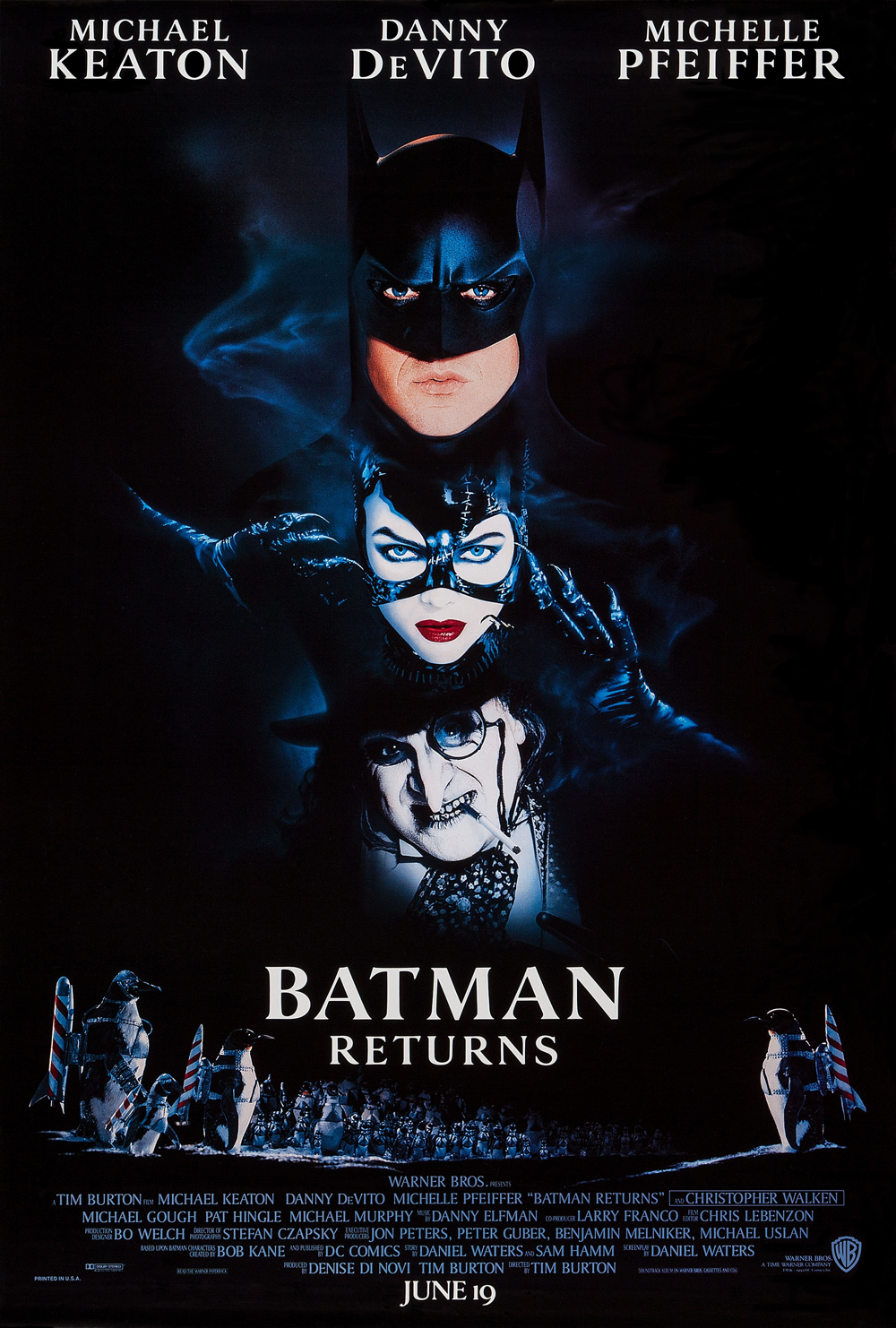
Batman Returns
Batman Returns, a Christmas movie? Why yes! Prologue to credits, the movie takes place at Christmas and we are reminded of it being Christmas throughout the movie. From the lighting of the Gotham City Christmas tree to the Bruce Wayne’s final line, “…peace on earth, good will towards men–and women,” Christmas is everywhere in this film! And who can forget the romantic exchange between Catwoman and Batman, “Mistletoe can be deadly if you eat it. But a kiss can be even deadlier if you mean it.” No Christmas is complete without Tim Burton’s arthouse film masquerading around as superhero movie!
I regard this movie as the most Batman movie ever! Even though the title character is only on screen for about 15-minutes. While Keaton’s Batman is the definitive, in my opinion, we don’t love this movie simply because of that, we love it because of the incomparable Michelle Pfeiffer’s tour de force performance as Catwoman! And with good reason, she’s Incredibly sexy, seductive, slightly psycho, playful, and conniving. Pfeiffer’s seductive Catwoman is juxtaposed against Danny DeVito’s monstrous Penguin, and throw in the self-centered and ruthless Christopher Walken’s Max Shreck, and you have a brilliant cast bringing to life.
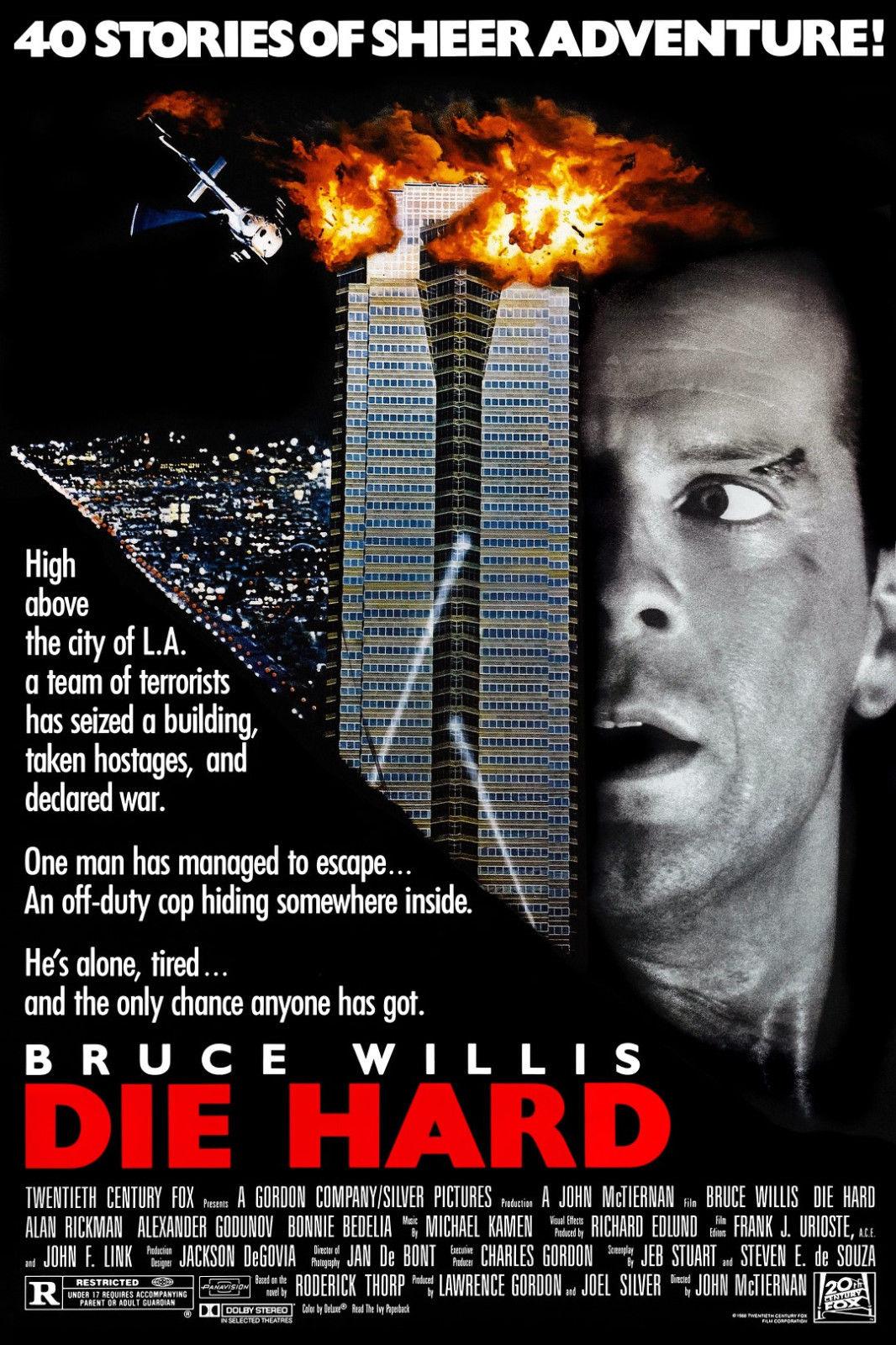
Die Hard
Every year, the debate over whether or not Die Hard is a Christmas movie inspires many discourses on social media, and I am here to set the record straight. Indeed, Die Hard IS a Christmas movie. For many of the same reasons Batman Returns is a Christmas movie. The whole reason the plot of Die Hard exists is because of the office Christmas party! In fact, John McClane reminds us, “got invited to the office Christmas party by mistake. Who knew?” Moreover, it takes place on Christmas Eve. Not Thanksgiving nor the Fourth of July. It could have been set any week of the year, but wasn’t; it takes place at Christmas. And the soundtrack is full of Christmas songs.
This really is Bruce Willis’ most inconic role! He redefined what it meant to be an action hero! The fact he was an everyman made him more relatable than others and provided him with the platform to deliver the funny as well as the action. Moreover, we have one of the best villains of all time in the late Allen Rickman’s Hans Grüber. While he is incredibly ruthless, he is also highly entertaining. And it’s the balance between violent action and laughter that makes Die Hard a great film, and a fantastic Christmas movie.
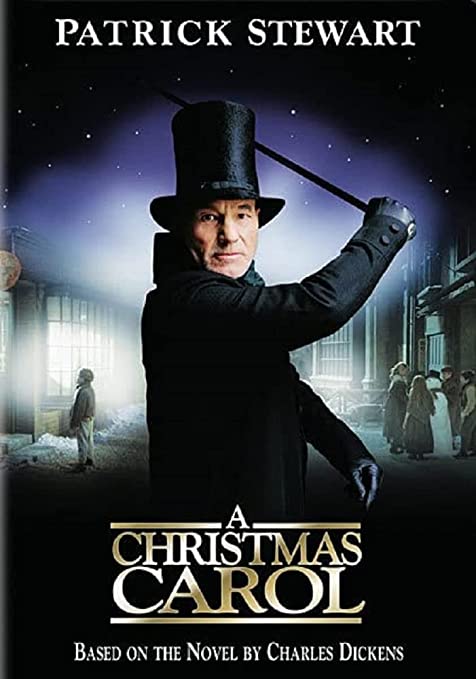
A Christmas Carol (Patrick Stewart and Disney 2009 versions)
Charles Dickens’ titular Christmas ghost story was adapted early on in the days of cinema. In fact, there are silent movie adaptations dating back to 1901. And for good reason: it’s timeless! It has been adapted for big and small screens, radio, and stage more times than any other literary work. And because of that, everyone has his or her favorite versions of Scrooge’s powerful redemption story.
To boldly go where no Scrooge has gone before! Many notable actors over the decades have played the towering literary figure, but only one is also a Starfleet captain. Sir Patrick Stewart brought Scrooge to the small screen in the 1999 TNT movie-of-the-week. More than any other, Stewart’s portrayal as Scrooge is my favorite! Not only does the performative dimension of the character benefit from Stewart’s gravitas as a Shakespearean actor, but also benefits from his years as Captain Picard, completely with all the nuance that makes him the definitive Starfleet captain.
While Stewart’s Scrooge is my favorite Scrooge, my pick for best page to screen adaptation of the narrative as a whole is Disney’s A Christmas Carol from 2009. It’s an exhilarating visual array of breathtaking motion-capture animation with a touch of the macabre!
Directed by Robert Zemeckis, it is an outstanding adaptation of the literary classic. One of the principle differences between this and other adaptations is just how supercharged it is with visual effects, intense chase scenes, and flying through the streets of London. But, as Scrooge himself acknowledged, spirits can do anything–they’re spirits. Zemeckis does not hold back on the dark elements of the story. After all, how else was Scrooge going be so scared that he would make a 180º and change his miserly ways??? He was scared by his future.
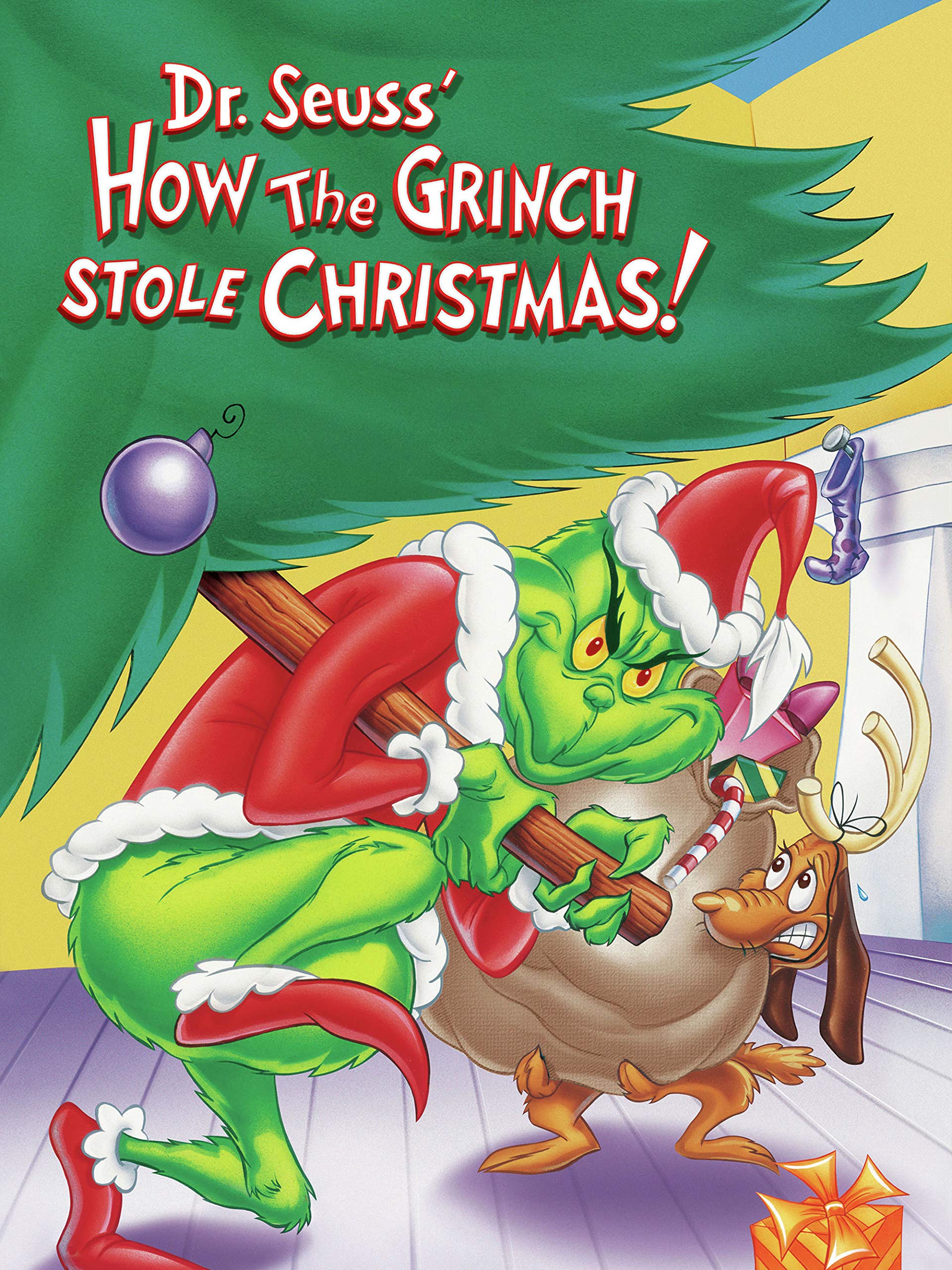
How the Grinch Stole Christmas (1966)
While there have been several page to screen adaptations of Dr. Seuss’ masterful literary work, there is only one that I watch annually. And that is the original 1966 version narrated by Universal Monster veteran actor Boris Karloff. Some might argue that this version isn’t a movie, because it was on TV and only about 25mins in length. But I counter that argument with the simple fact that films are not films based upon run time, but based upon the structure of the narrative and intended purpose. Perhaps How the Grinch Stole Christmas is a short film, but a film nevertheless. After A Christmas Carol, no other fictional literary work has had a greater impact upon the Christmas season than HTGSC. At different seasons of life, we can all identify with both The Grinch and the Whos. Dr. Seuss wrote HTGSC as a critique on the increasing commercialization of Christmas. Something we can certainly identify with nearly 60 years later. While the decorations are beautiful and the giving and receiving of gifts is so much fun, Dr. Seuss reminds us through The Grinch, ” Maybe Christmas, he thought…doesn’t come from a store. Maybe Christmas, perhaps…means a little bit more!”
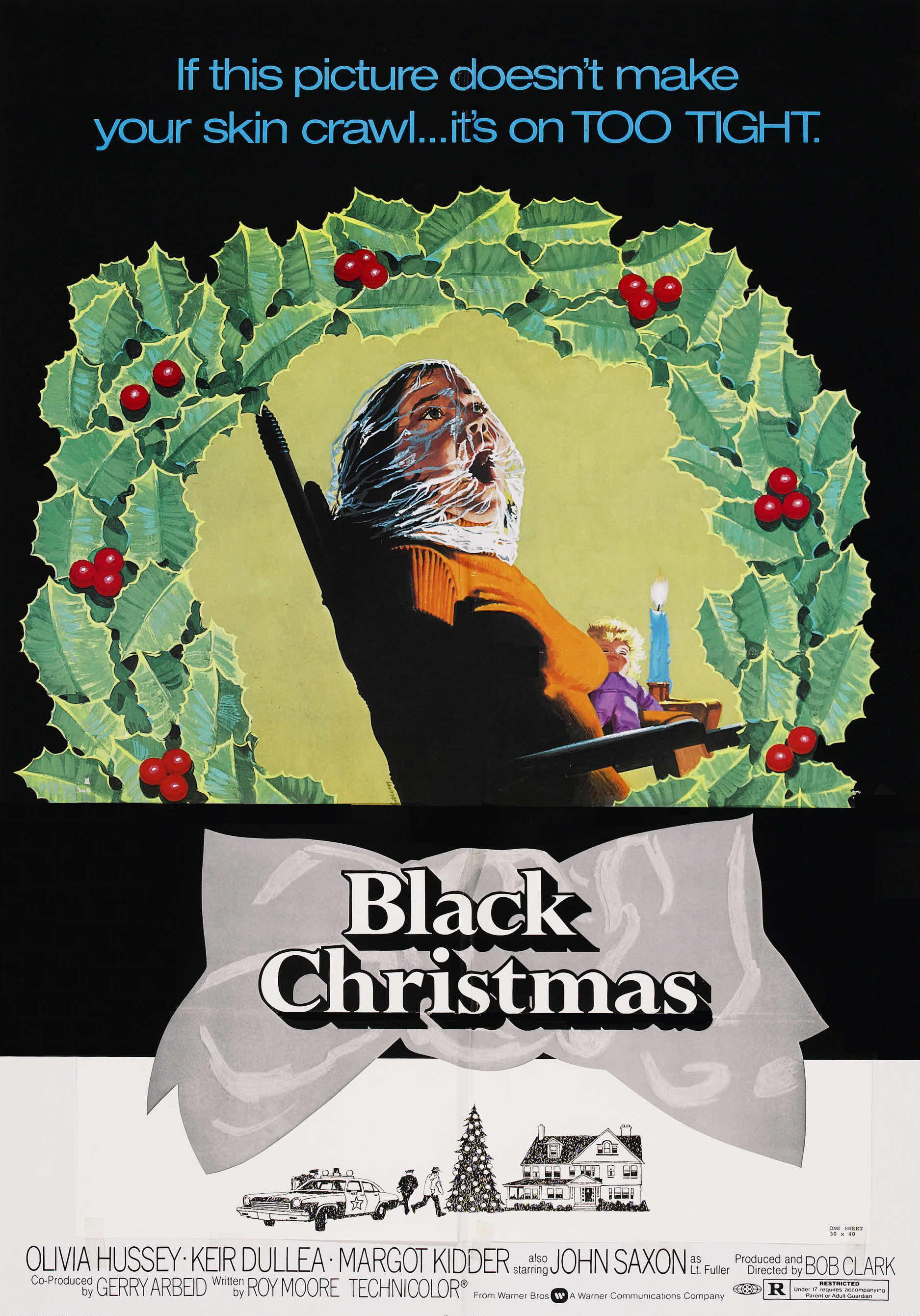
Black Christmas (1974)
Move over Ralphie for Bob Clark’s original Christmas story. Released in 1974 and predating John Carpenter’s Halloween by four years, Clark’s Black Christmas is actually the the first modern slasher film. It is one of the most terrifying horror films that I have ever watched. And it’s not because it’s particularly violent or gory, but because of its incredibly unsettling atmosphere caused by the mysterious, vulgar phone calls and the creepy POV of the slasher entering the sorority house during the Christmas party. That bit of dramatic irony paired with the sequence of disturbing events, work together to generate nightmare-inducing thoughts and imagery in the mind of the audience. If you’re looking for another holiday horror movie to add to your list of Christmas films to watch, then you definitely want to add this one to your lineup.
Although there are scenes that take place outside of the house, the horrific events largely take place inside a house. A house–more specifically–a home–where you should be and feel safe. The invasion, the penetration of safety is a terrifying prospect for anyone who has ever walked into their home alone wondering if someone may be there. The idea that someone may be in your house sticks with you long after the movie ends. And that is the power of the unnerving horror of Black Christmas.
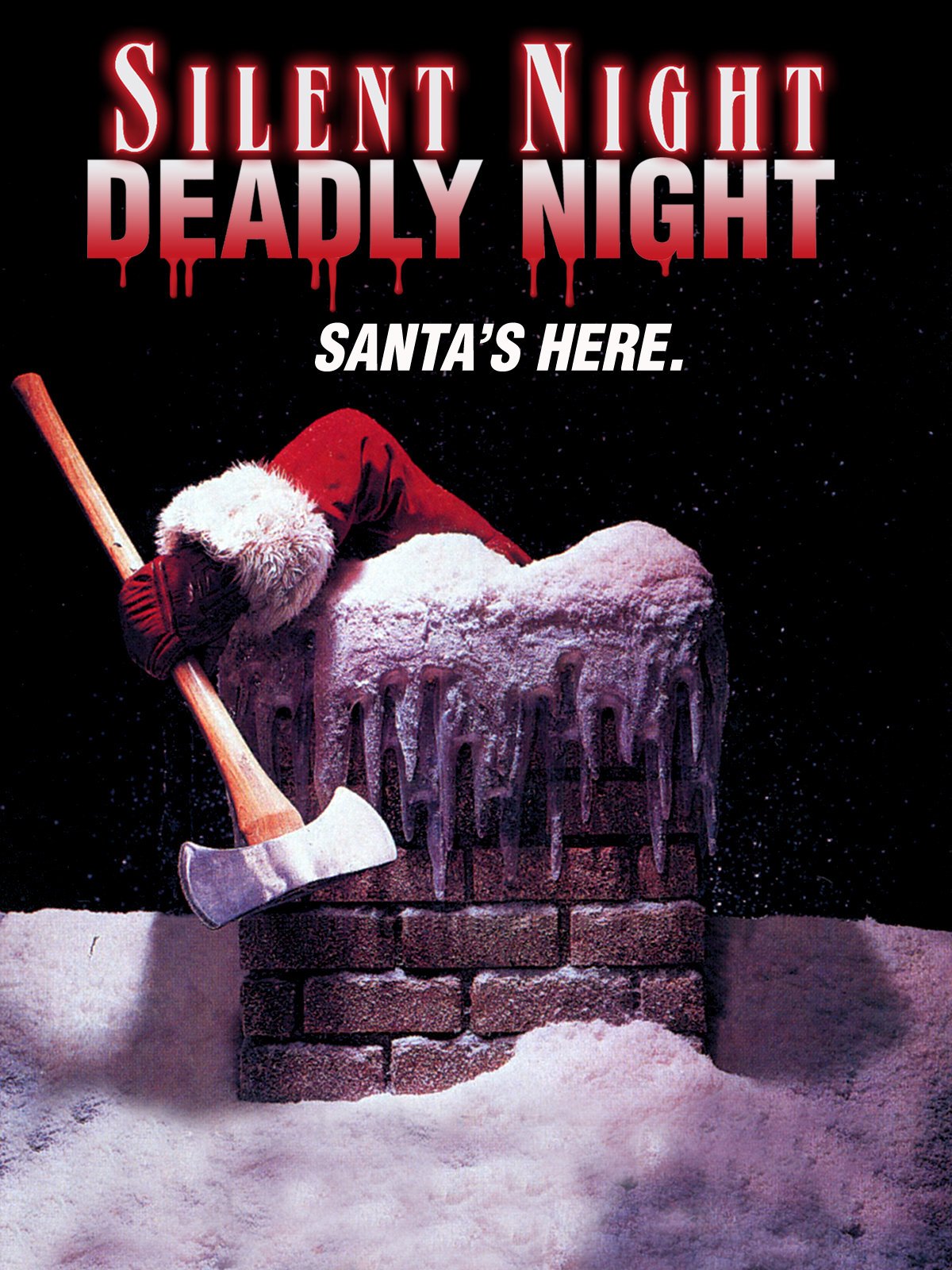
Silent Night Deadly Night (1984)
Silent Night Deadly Night is a wildly uneven horror movie that jerks audiences around from the deadly serious to the highly campy. Seen as controversial when it released in 1984 to today, this is one bonkers Christmas horror movie, and one of the most unique out there. This movie takes the idea of simply plot, complex characters to all new dizzying levels. At its core, it’s about a traumatized young man going on a killing spree while dressed as Santa Claus. Not so unusual, right? But therein is where the film lulls you into a sense of expectation of that to which you may be more accustomed. After the simplistic beginning, the film goes off int he most bizarre and entertaining direction. You may ask yourself “what did I just watch,” but you won’t care because it was that much fun!
The Polar Express (2004)
This big screen adaption of the children’s literary (modern) classic The Polar Express is a complete delightful! Sure to thrill and stir the hears of audiences of all ages. While it may seem like another children’s Christmas movie on the surface, there are really two films here (1) the one for children and (2) the other for adults. For children, it’s a fantastic adventure, full of excitement, splendor, and prolific Christmas cheer. For adults, the film goes much deeper. The film forces adults to reconcile adult maturity and cynicism against childhood innocence and hope. Our central character finds himself–albeit begrudgingly–on a quest for a renewed belief in the spirit of Christmas. Along the way, he meets others on a magical train to the North Pole that are seeking their own goals finding or growing in confidence, courage, and humility. We never know if the adventure is merely in the mind of our central character, or if he really did board The Polar Express, but there is plenty of heart to perhaps help you hear the silver jingle bells of Christmas again.
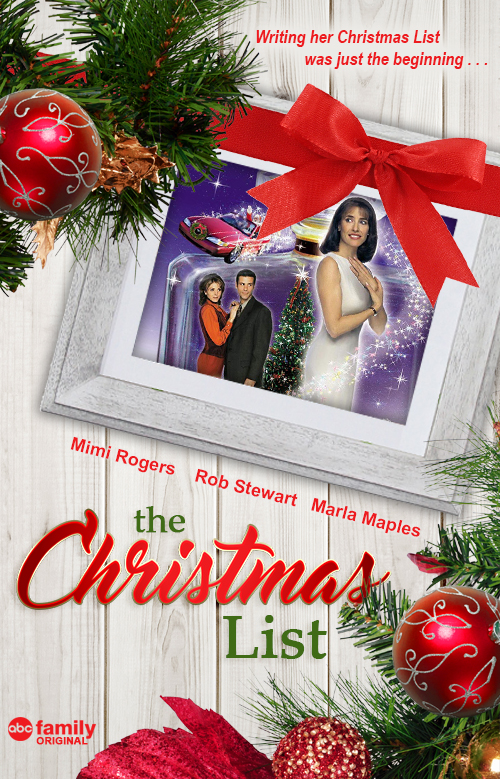
The Christmas List (1997)
My mom and I watch this every year together when I go home over Christmas break! We were first introduced to it on the (then) Family Channel, and caught it on TV for many years thereafter (even as the Family Channel got absorbed by other companies. Eventually it wasn’t shown anymore, so I bought it on eBay. So, if you want to watch it, you’ll need to find it on eBay or perhaps you can catch it on YouTube. But I digress.
Mimi Rogers stars as Melody Parris, a perfume sales professional at Montgomery Ward style department store. When her best friend places her Christmas list in Santa’s mailbox, Melody suddenly begins to get everything on the list, but it doesn’t always turn out how she imagined it would. The Christmas List is an incredibly uplifting Christmas movie that is sure to bring joy to all those that put in a little effort to find it. It’s especially relatable for those of us that are in our 30s and still single, perhaps even waiting for our lives to start. When we realize that the waiting for life to start, has become our life. Sure, the plot is a bit whimsical, but that’s part of what makes this a fun movie! It’s also quite funny! And not in an ironic way, genuinely hilarious at points. You don’t want to miss out on sharing in the journey as Melody discovers the spirit of Christmas and refocuses her life in a more productive direction!
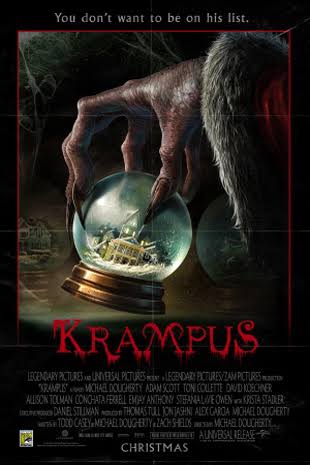
Krampus
Twas truly a nightmare before Christmas! What would happen if Charles Dickens, Dr. Seuss, and the Brothers Grimm would combine their unparalleled literary social commentary and storytelling abilities for a Christmas movie? The answer is Krampus. Based on an actual legend of German origin, Krampus is the antithesis of Santa Claus. Whereas this narrative is not based solely on the legend per se, many of the insidious characters are rooted in the legend. In an unconventional way, this movie highlights what Seuss and Dickens wrote about in their timeless tales: Christmas becoming more commercialized and about selfish material gain rather than the spirit of sacrifice, giving, and relationships. Just like Scrooge was so terrified emotionally and physically by the ghosts of Christmas past, present, and yet to come, that he believed in Christmas with all his heart, you may also call your behavior, this holiday season, into question as a result of coming face to face with Krampus. Directed by Michael Dougherty, of Trick r Treat fame, you don’t want to miss adding Krampus to your Christmas lineup!
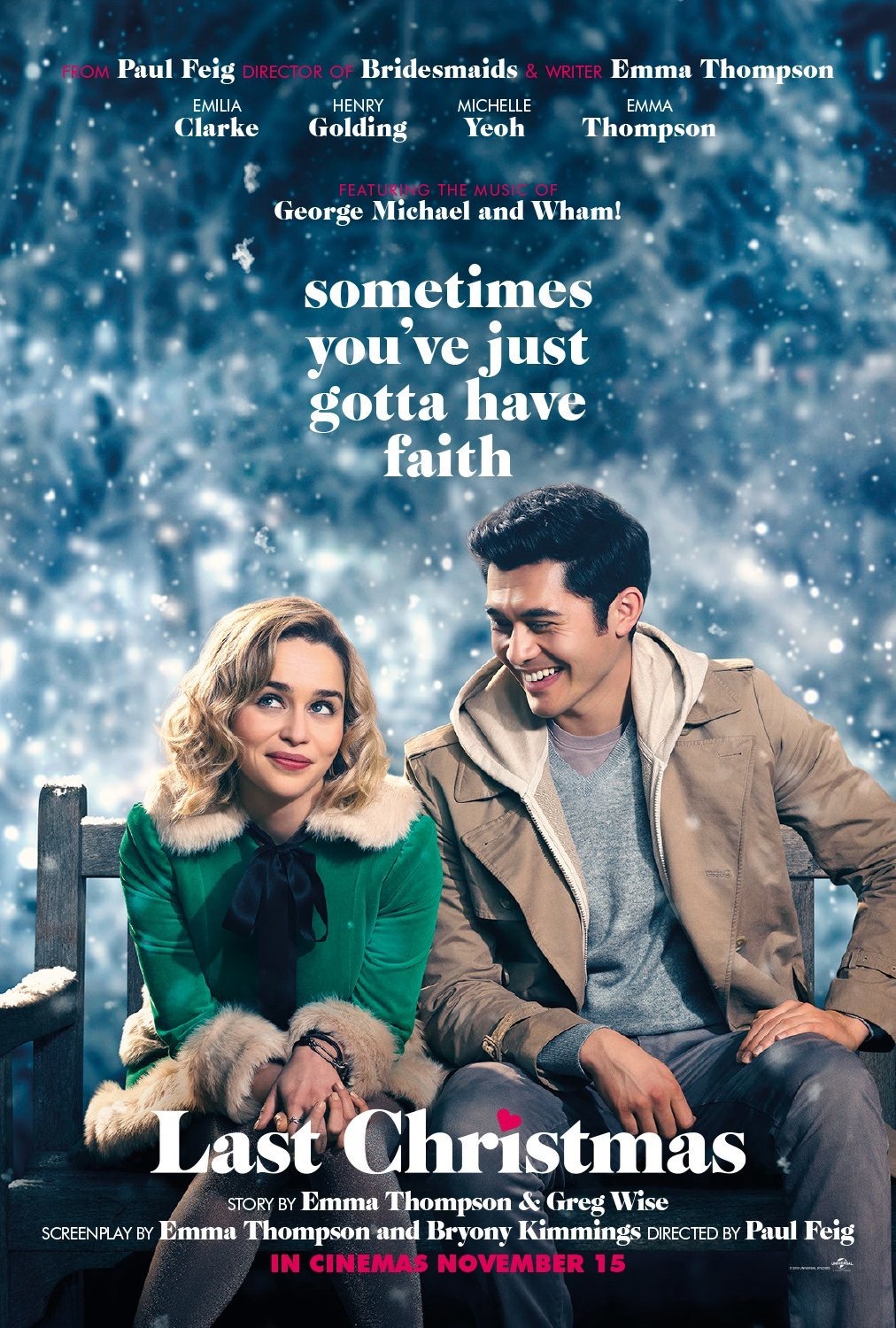
Last Christmas (2019)
Paul Feig’s Last Christmas is a heartwarming Christmas movie that is surprisingly deep and thought-provoking. It stars everyone’s favorite Mother of Dragons Emilia Clark as our central character of Kate! Follow Kate on a transformational journey that explores how constantly playing the victim and blaming everyone else for your problems can lead to destructive behavior.
I appreciate the unconventional approach to Christmas movies this one takes. It doesn’t hold back on the cynicism that many people have about life or about the holiday season. The movie depicts true-to-life people that experience real struggles within the family unit and from the outside. In addition to the interpersonal relationship conflict, Kate’s family is also from the former Yugoslavia. This is an important subplot in the movie because the movie seeks to comment on the prejudice that some refugees-turned-citizens experience, especially in the midst of political turmoil. Like I said, this Christmas movie is surprisingly deep.
The most powerful Christmas story ever (other than the Nativity) is Charles Dickens’ A Christmas Carol, and why is that? Because it’s a story of redemption. If Scrooge can be redeemed, we can all be redeemed. Kate is our Scrooge in this story. Perhaps that is why so many people love it, it parallels A Christmas Carol in beautiful ways, yet it doesn’t–on face value–appear to be an interpretation of it. Do yourself a favor and plan to make Last Christmas part of your holiday season.
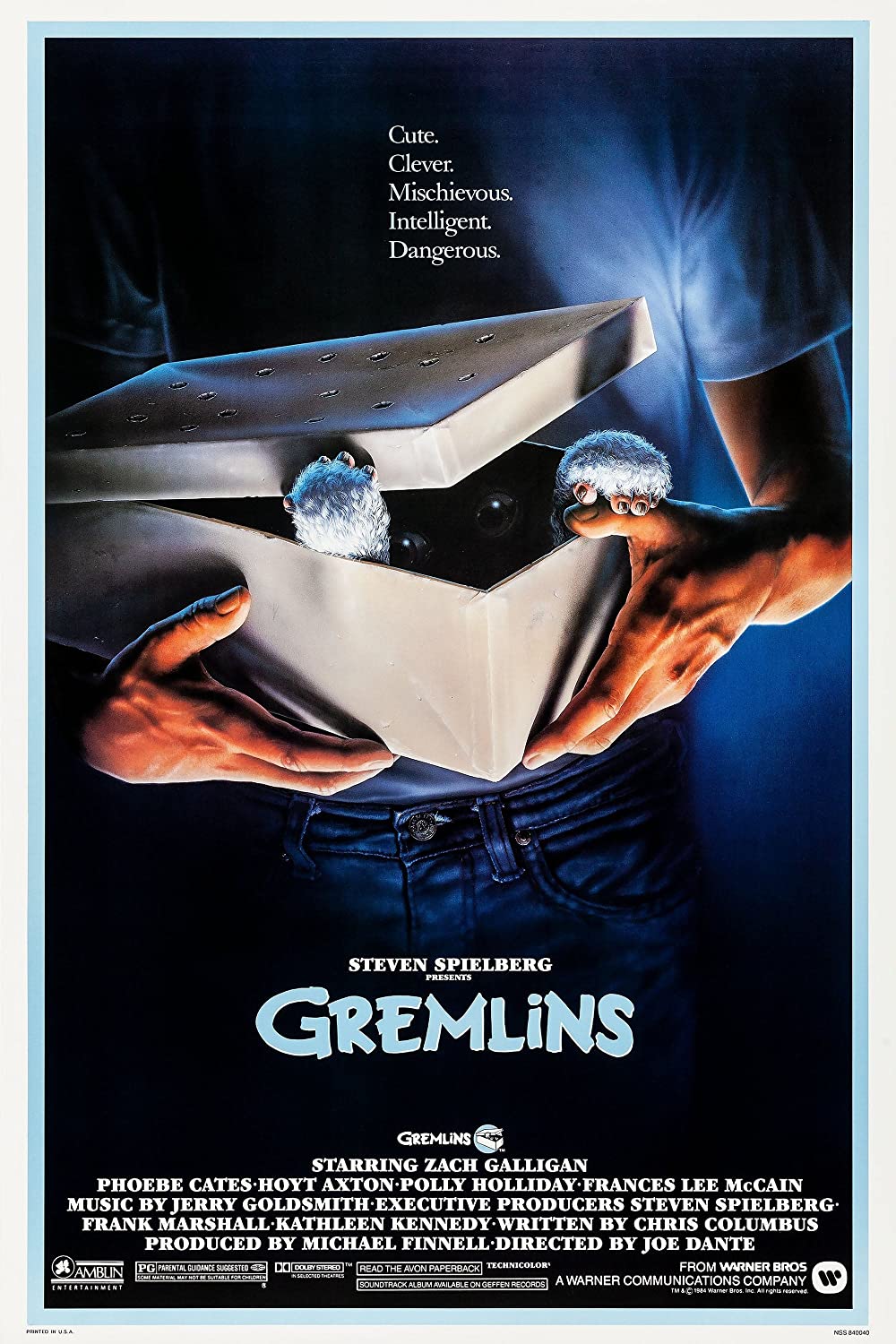
Gremlins
Can’t you hear that infectious theme music by Jerry Goldsmith now?!? Joe Dante’s Gremlins is one of the most brilliant horror comedies ever! And I say comedy because the entire movie is played for laughs! All the way down to how a young lady learns there is no Santa Claus. The campy violence and juxtaposition between Christmas imagery and horror is uncanny! Lightning in a bottle, that’s precisely what this is. It’s as if Joe Dante and Spielberg said “let’s take the idyllic, cozy suburban setting from It’s a Wonderful Life and use it as the backdrop of a creature feature! The setting and characters in it manage to simultaneously be timeless, nostalgic, and ridiculous.
Like Die Hard and Batman Returns, this movie could have taken place any any other time of year, but Christmas was selected because there is no time of year that is more idyllic than Christmas. It really is an ingenious movie! Gizmo, the cuddly magwai, yanks at our heartstrings, all the while, fantastic suspense is building because we know the rules. And when the gremlins hatch, the idyllic town becomes a wacky, satirical, spectacle of total chaos.s! But even in the darkest moments, Dante finds a way to increase the levity so nothing is ever too dark. At its core, Gremlins is a satirical spin on materialism, but it never forgets to have fun and thrill audiences all at the same time.
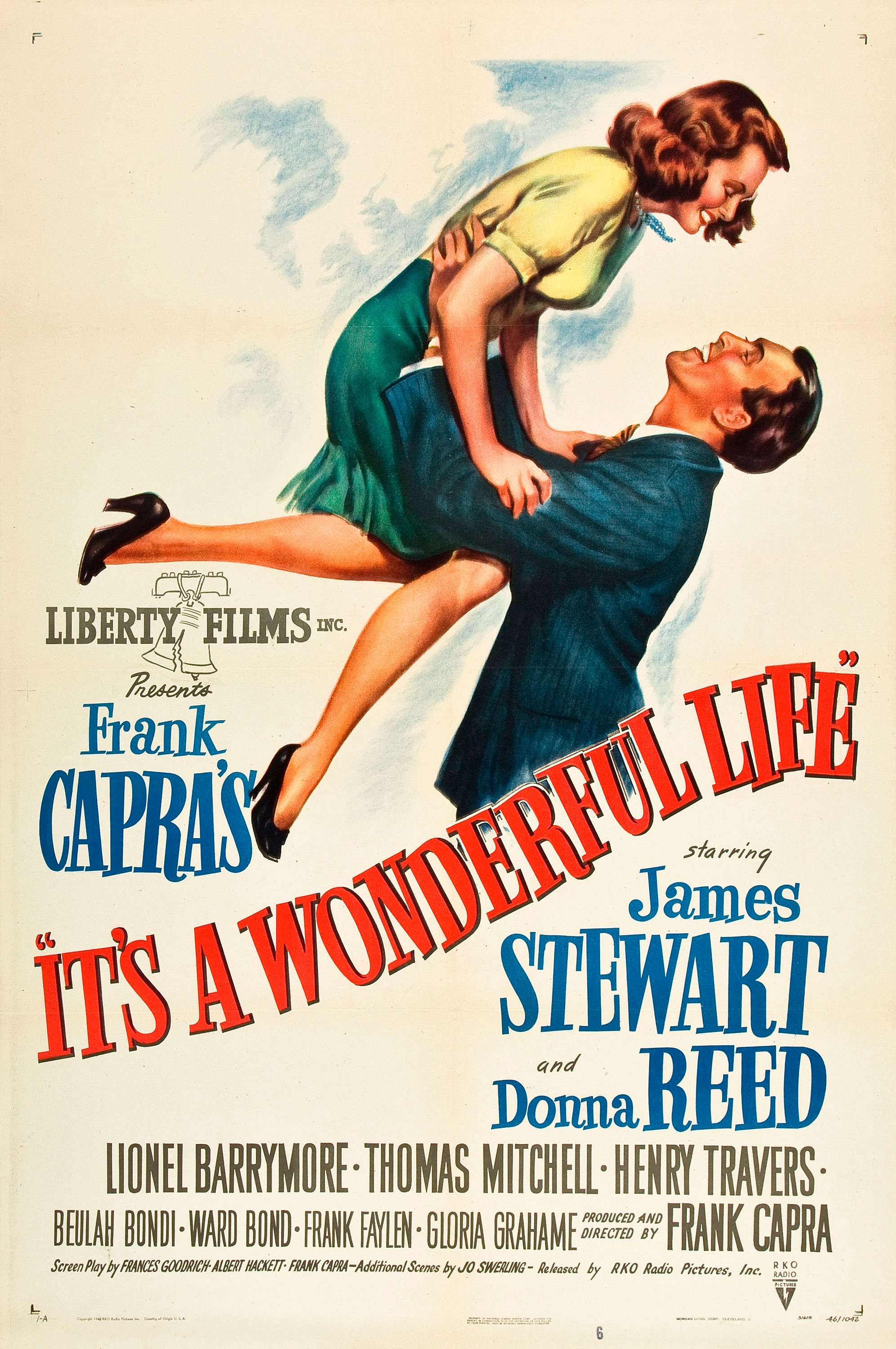
It’s a Wonderful Life
Frank Capra’s masterpiece is timeless! I can’t imagine a Christmas going by without watching it with my parents. What’s funny, is that this movie is considered by many to be the greatest Christmas movie of all time, but most of the movie doesn’t even take place at Christmas. It starts at Christmas and ends at Christmas (although it is the same day), but most of the narrative takes place at other times of year in George Bailey’s past.
Films concerning suicide or suicidal thoughts are not new today, but back in the 1940s, it was nearly unheard of. Much like Gremlins pits the idyllic suburban Christmas backdrop against violent (yet playful) creatures, Philip Van Doren Stern’s screenplay combined with Capra’s genius work together to juxtapose real-world, relatable feelings against the most wonderful time of the year. Capra’s film would not be the classic that it is without the outstanding cast that brings the story to life for the screen. I love how the film takes audiences on a rollercoaster through conflicts big and small. Paired with visceral mood swings the film gets to the very heart of what it means to be human–and the value every life has on this earth. While it would have been easy for the film to maintain a somber tone throughout, it is not without comedy. The end result is a supremely entertaining film that takes that which is most relatable and simple to craft a compelling narrative. No matter what one faces, “no man is alone whom has friends…”
Honorable Mentions
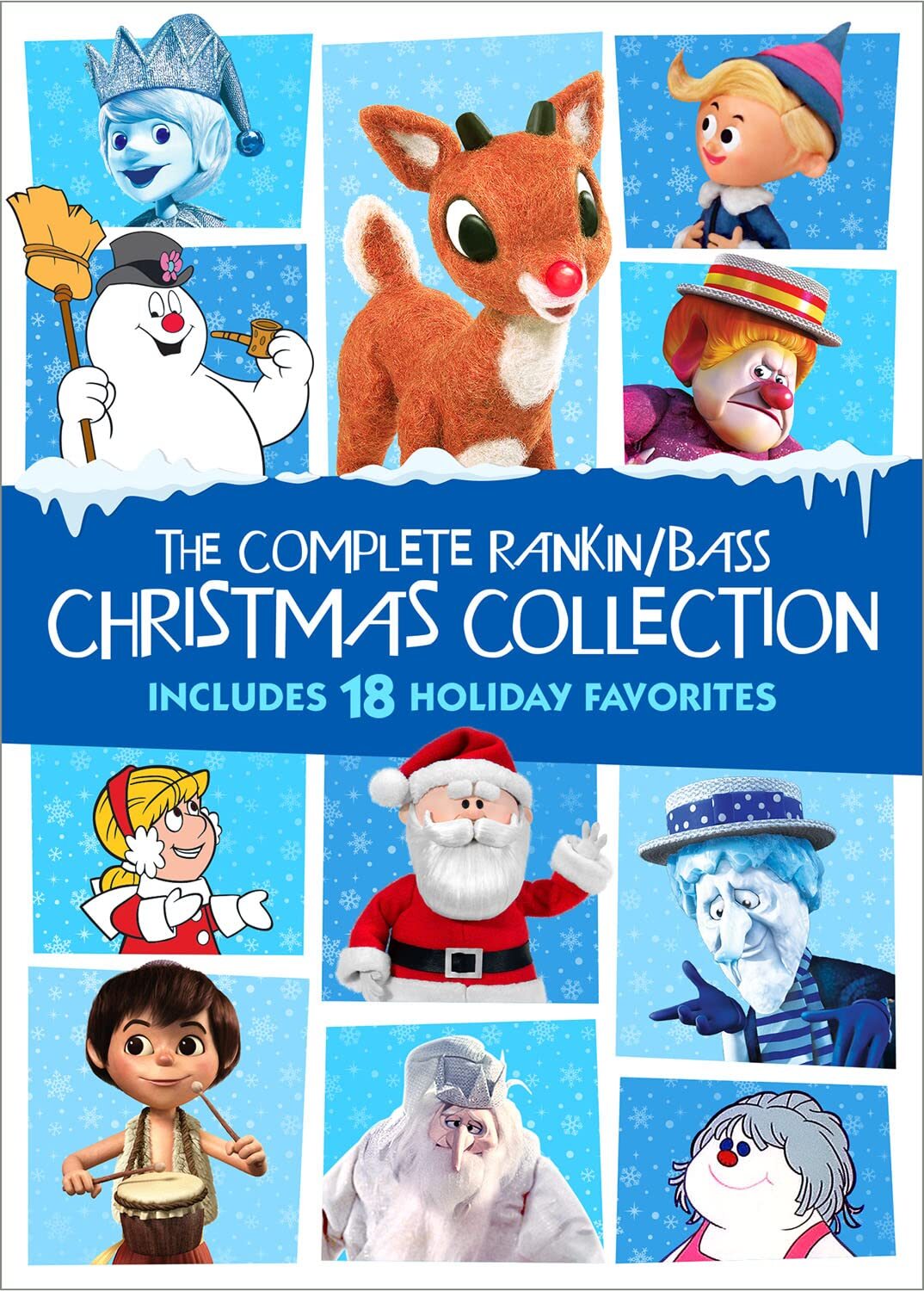
The Rankin-Bass Classics
No Christmas movie list would be complete with out mentioning the Rankin-Bass claymation and traditionally animated mid-20th century classics! The Little Drummer Boy, Frosty, Rudolph, Kris Kringle, they’re all here! Chances are, you make one or more of the Rankin-Bass television specials part of your Christmas every year. Rudolph the Red Nosed Reindeer is actually the longest continually airing television special in TV history! Outside of Frosty and a new others, the majority of the RB specials are claymation, which is an artform that is nearly gone, save the recent Pinocchio and 2016’s Kubo and the Two Strings. It’s not simply witnessing the hand of the artist in these specials that make them–well–special, it’s the uncanny ability for each of these to transport you back to your childhood home, sitting in your PJs with hot cocoa or a bowl of popcorn, watching the television specials with your family or friends. RB’s love of the whimsical, relational, and spiritual dynamics of Christmas rings loud and clear in each of their specials.
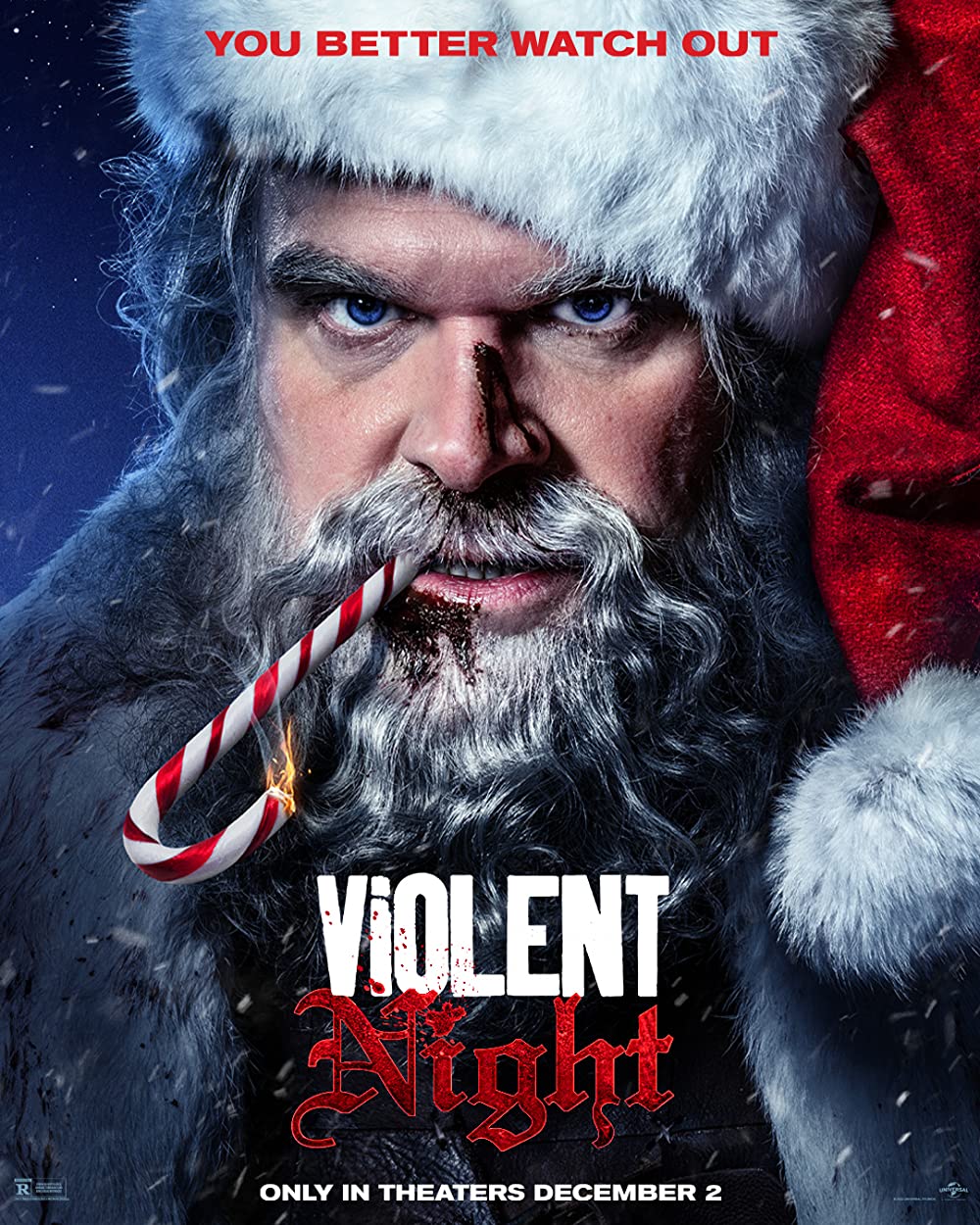
Violent Night (late add, but had to mention!)
Highly entertaining and hilarious! Better watch out burglars, Santa’s coming to town. Universal Pictures’ Violent Night hits theatres this week. And you don’t want to miss this fantastically fun horror-adjacent Christmas action movie, which is equal parts Die Hard and Home Alone with some Krampus thrown in for good measure–and it that still has plenty of Christmas spirit! Not since Krampus have we had such unconventional Christmas movie in cinemas. Not quite unsettling enough to be a horror movie, but gorier than a typical action movie, Violent Night sits comfortably in the middle (but a little closer to action). One of the things that makes both Gremlins and Krampus work so well is that the violence is played for laughs, and audiences will find that to also be true in this movie. Even though the violence is prolific, it is schlocky and even campy, at times. Despite the creative, gory kills and pulse-pounding action sequences, Violent Night takes times to impart valuable lessons in family, hope, and even redemption. It simultaneously acknowledges how hard the holidays can be on folks that have become disillusioned with Christmas and yet manages to show the importance of never losing hope in the magic of Christmastime. Even though we may not know how it works; it’s important not to allow cynicism of this world to overpower the optimism of hope the holidays bring. With a solid screenplay, effective direction, and entertaining kills, Violent Night is an instant modern classic
Merry Christmas!!
Ryan teaches Film Studies and Screenwriting at the University of Tampa and is a member of the Critics Association of Central Florida. If you like this article, check out the others and FOLLOW this blog! Interested in Ryan making a guest appearance on your podcast or contributing to your website? Send him a DM on Twitter. If you’re ever in Tampa or Orlando, feel free to catch a movie with him.


 R.L. Terry ReelView