“Searching” Spoiler-Free Full Review

Remarkably spellbinding! Searching takes the concept of “screen life” movies to impeccable levels. Although the concept of a film relying entirely on computer screens is not new, this is the first time that it has been executed perfectly. The first wide-release film to take this approach was 2015’s Unfriended, and it was quite the pioneer in its approach to essentially adapting Agatha Christie’s And Then There Were None, with the end result being pretty good. The following films to take the approach, including the more recent Unfriended: Dark Web, failed to tell a coherent story. Learning from the successes and failures of this cinematic concept of the past “computer screen” films, writer-director Aneesh Chaganty, along with co-writer/producer Sev Ohanian, crafts a suspenseful thriller that truly understands the power of the internet and how it enables and affects our actions. There is genuine emotion felt in this film. You will truly care about the lead characters and remain hooked for the entire film. Chaganty seems to have taken a page right out of the Alfred Hitchcock playbook for suspenseful storytelling that relies upon character development, twists of the everyday, and only use on-screen violence or graphic details to supplement the story. This tension-filled voyeuristic crime drama is successfully created–not through viruses, the supernatural, dark web or illegal activities–but through the mundane things we do everyday. Perhaps this film uses modern technologies to tell the story, but the soul of this film is brilliant old-fashioned suspense. And that solid foundation is why this film will do incredibly well.

Following the tragic death of wife and mother Pam, David (John Cho) and his daughter Margot are forced to move on with their lives, doing their best to cope with the loss of their loved one. Over the couple of years since his wife’s death, David and his daughter have drifted apart but still maintain a relationship. Loss of a mother and wife has a major impact upon a family. After Margot fails to return home after a study group session at a classmate’s house and repeated unreturned texts and phone calls, David fears that something terrible has happened to his daughter. When another classmate informs David that Margot never showed for a trip on which she was invited, David reports her as missing to the police. Detective Vick (Debra Messing) heads up the investigation into the whereabouts of Margot that immediately leads nowhere. Lead after lead leads the investigation to believe that Margot may have simply ran away. Convinced that his daughter did not run away, because of so many elements of the investigation not adding up, David turns to the one piece of evidence that was initially overlooked by the police, Margot’s laptop. Following the cookie crumbs left in the seemingly mundane websites visited by Margot, David begins to connect the dots that will hopefully lead him to what happened to his daughter.

No spoilers here. In fact, I urge those who have seen it to NOT spoil it for everyone else. In a manner of speaking, this film feels very much like Psycho must’ve felt when it was released. Hitchcock mandated that no one be allowed to enter the auditorium after the movie began; and furthermore, he insisted on an adherence to strict show times. In fact, much of how our modern cineplexes are run today are a product, in part, by the release of Psycho. The closest I will get to spoiling is informing you that there is an amazing twist ending. Just when you think the story is coming to a close, watch out! Taking what Unfriended (the original, not crappy indirect sequel) did well, and learning from what Dark Web failed to do, Chaganty’s Searching provides audiences with a fantastic experience visually, and anchors the plot with strategic, effective emotional beats.

The story is just as much emotional as it is visual. Possibly even more emotionally and psychologically-driven than the images the frame can capture. Whereas other films that rely upon what we do on our computers fail to have genuine, authentic characters, Searching depicts everyday, real life people doing what millions of others do. How often have many of us been able to talk to complete strangers about something that we are uncomfortable talking to our family or closest friends about? That is precisely what Margot does. Providing additional commentary on the mediation of society through digital media, Chaganty highlights our digital selves versus our actual selves. This is evident in the healthy social life Margot was leading her dad to believe she was experiencing; when in actuality, she was quite alone and simply focussed on school work and little else. David realizes that he didn’t know his daughter at all.

Previous “computer screen” concept movies pretty much involved never leaving the primary computer screen–easily becoming visually exhausting. Chaganty’s thriller chooses to switch from iMac, to iPhone, to PC (with Windows XP), to online news footage. These changes prohibit the setting from ever becoming too familiar or boring. The minor changes keep the senses heightened. Hitchcock earned his moniker by consistently delivering suspenseful cinematic excellence; and this suspense was executed with visual precision coupled with strong emotion. Chaganty very much patterns his modern suspenseful crime drama after the exemplary work of Hitchcock. Different from previous films using real-time on a computer to allow the plot to unfold, this film takes place over a week–closer to more traditional “movie time.” One may be inclined to conclude that the tension feel less intense because of not watching the plot unfold in real time, but that is definitely not true with Searching.

From the moment Margot’s missed facetime and phone calls fail to waken her father to the heart-pounding conclusion, the tension is in high gear. Hitchcock describes suspense as the having to do with the audience having sympathy for the characters and an intense need for something dramatic or shocking to happen. While the audience does not want something bad to happen to the lead characters, they are still at the movie in hopes that something terrible happens. Ironic, isn’t’ it? Much like Hitch delivered suspense through information, Chaganty does the very much the same with Searching. Another way Hitch delivered and ensured a suspenseful atmosphere in his films was having two important events happing concurrently. With David and Vick very much leading their own investigations respectively, we often experience this dichotomy. And Hitch is certainly famous for his twits, and this film contains some fantastic red herrings and twists to the tension-filled plot.

Presently in a limited release, with the film opening everywhere August 31st, Searching is a phenomenal whodunit build upon effective suspense and visceral tension. You will be glued to the plot and feel the emotional rollercoaster experienced by David as he searches for his daughter. Chaganty has proven himself through demonstrable evidence that he understands suspenseful storytelling. Because the film exists in the everyday world we live in, it may get you thinking twice about the degree to which your own life is mediated by technology. The social commentary in the movie also reminds us to be ever vigilant who we correspond with through live video and chats. For you never know to whim you are really speaking.

If you’ve enjoyed this article, be sure to check out all my past ones! You can search for a film by title to see if I’ve written on it. Don’t forget to follow my blog by clicking the blue button in the upper left!
Sinister Summer: “Jaws” Retrospective Horror Film Review

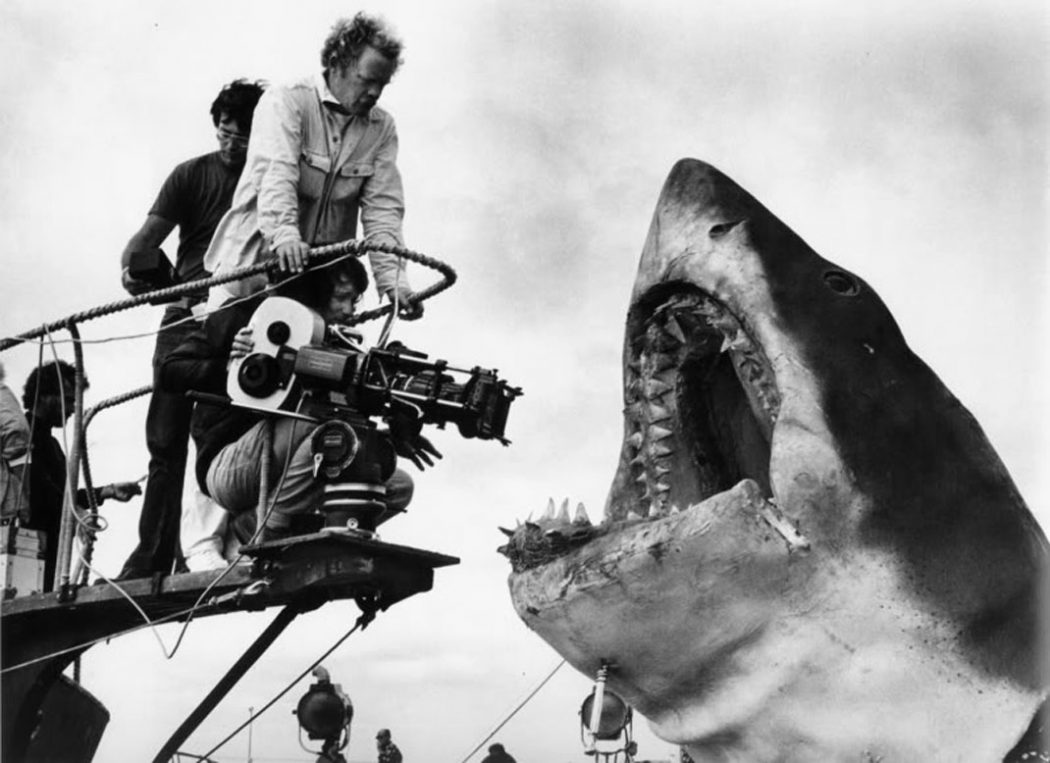
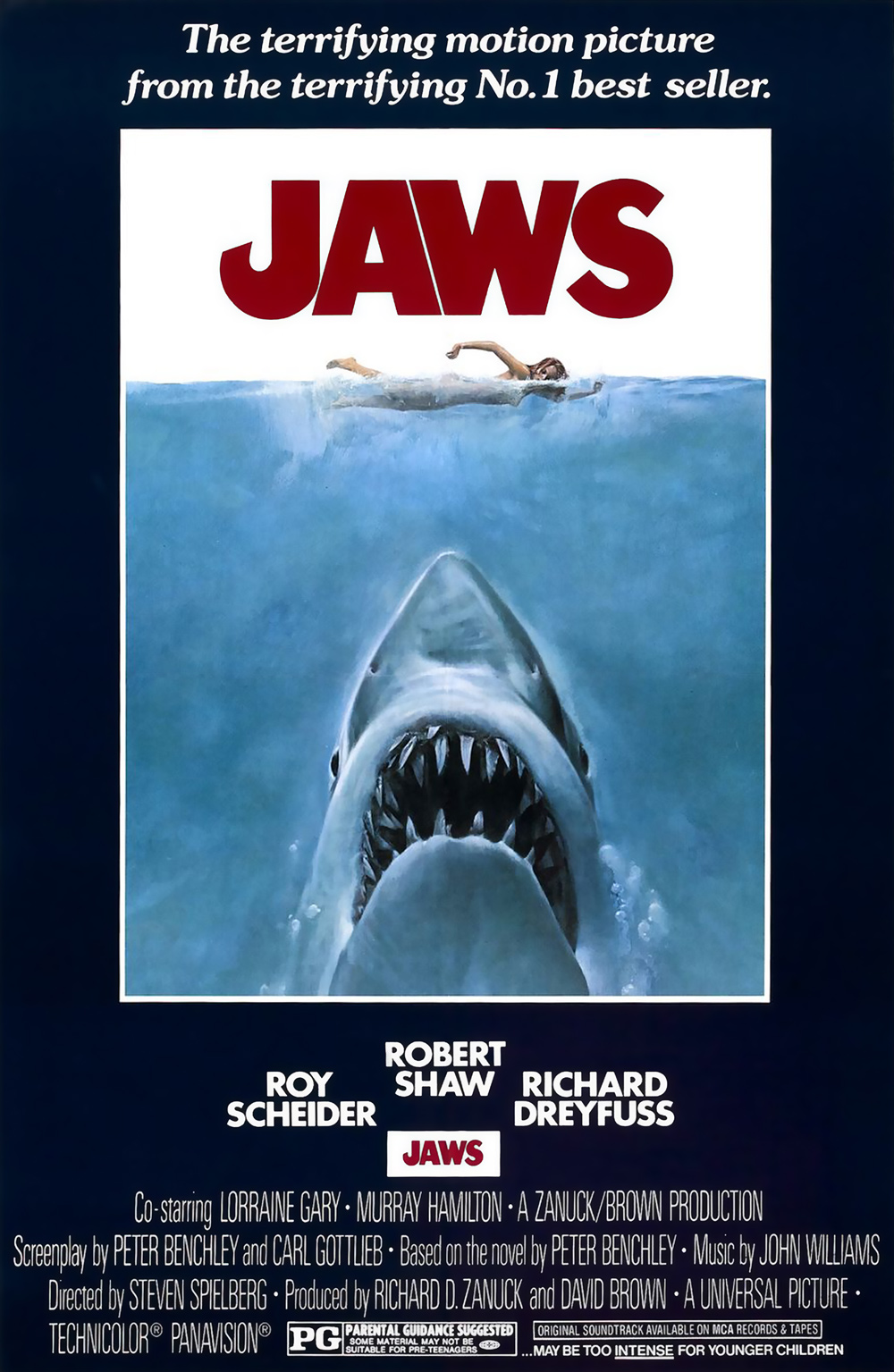
The original blockbuster! With The Meg opening tonight, the next article in my Sinister Summer series is a retrospective on Jaws (1975). And, we still “need a bigger boat” after all these years. Beginning with the iconic minimalistic score by John Williams, Steven Spielberg’s Jaws is still keeping people out of the water more than forty years later. Beyond the film, you can still face off with the most famous shark in cinema history at Universal Studios Hollywood. A favorite for folks to watch on July 4th each year (as I do), this film became the standard for the modern horror creature feature. And at only four minutes on screen, Bruce (Jaws’ nickname), successfully terrified audiences then and continues to frighten beachgoers today. For all intents and purposes, this iconic film set the bar for and essentially created this subgenre of horror movies featuring man-eating monsters from the natural world that exist in places where we typically find joy and relaxation. The ocean, theme parks, rivers, lakes–these innocent places become the setting for unimaginable terror.

If you are old enough to have watched it in theatres in 1975 or fortunate enough to have attended the special 40th Anniversary screenings back in 2015, then you can attest to the film’s evergreen ability to scare you out of your wits. When I watched it on the big screen in 2015, the auditorium was filled nearly to capacity with kids, teenagers, and adults. To see this iconic film on the big screen was truly a memorable experience. Especially so around where I live, since the gulf beaches are just down the road. The atmosphere was incredibly fun. All of these fans, most of which had likely seen Jaws before, were gathered together to relive the terrifying experience of a man-eating shark terrorizing a small New England town during the July 4th holiday season. But why would so many people pay to see a film that they had seen at no additional cost on TV or watched on DVD/BluRay?

Much in the same way Alfred Hitchcock’s Psycho is often credited, and rightly so, for being the first modern horror film and forerunner to the classic slasher; likewise, Spielberg’s adaptation of Peter Benchley’s novel Jaws is credited as the first modern creature feature horror film and forerunner to the blockbuster (or event movie). I am not negating King Kong, Creature from the Black Lagoon, or other predecessors; it’s important to take note of the word modern. Aside from excellent, visionary direction, both Psycho and Jaws have three important elements in common (1) powerhouse cast (2) strategic suspense and (3) a brilliant, oft-parodied, burned in your mind musical score.

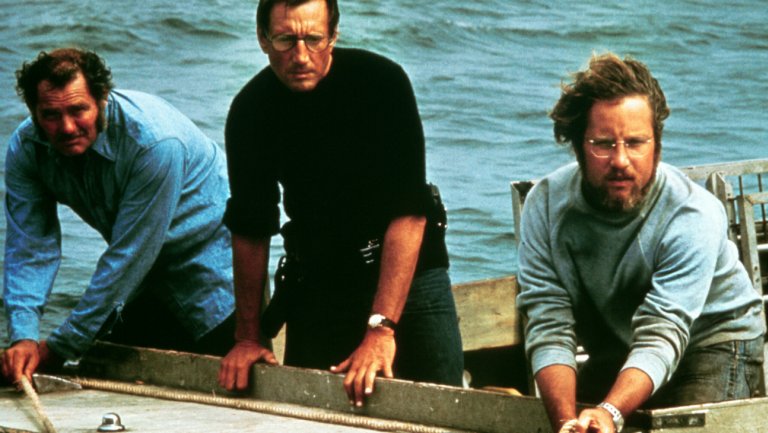
It probably seems like you were born with John William’s two-note Jaws theme in your head, much like Bernard Hermann’s Psycho screeches. The terrifying suspense of Jaws comes in the form of a PG movie. That’s right, Jaws is rated PG. But this film delivers a bigger and more memorable punch than any gory torture porn horror film ever could. The groundbreaking structure of both these legendary films are the prototypes from which their respective branches of horror films are derived. They are the blueprint, if you will, for suspense and horror. The manner in which the suspense is drawn out for most of the movie assists in the ability to enjoy it over and over again, without it ever feeling like a B movie. The drawn out suspense engages you emotionally and psychologically. The feeling of dread lingers and lingers. In fact, you don’t truly see Bruce until the third act of the film when he jumps out of the water in an attempt to bite off the arm of Chief Brody. This intentional drawing out of suspense makes the delivery of that moment pack a powerful punch, an assault on the eyes and mind. Both Psycho and Jaws benefit from an excellent cast. The respective casts could not have been any better. Interestingly, in order to not allow the cast to overpower the story or shark, Spielberg didn’t choose actors with an instant command presence. But they displayed a strong presence nevertheless. It never feels as if they are acting, but truly become the characters they are portraying. The relatability of the characters is partly due to the screenplays, but it takes phenomenal actors to successfully bring these characters to life. Spielberg would repeat this same successful approach to creating blockbusters E.T. the Extra Terrestrial and Jurassic Park.

For more on suspense, checkout this video featuring Hitchcock himself.

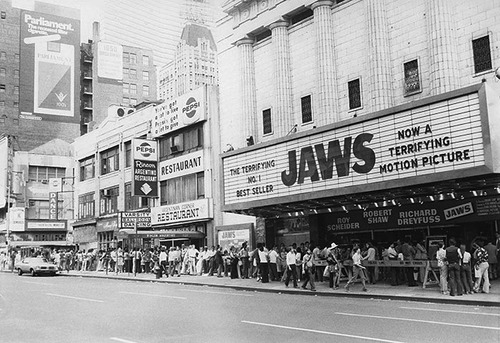
When Jaws is referred to as the original blockbuster, it’s not simply due to being the first film to break the $100mil box office sales mark, toppling the records previously set and held by The Exorcist and The Godfather. That is a valid observation, but is ultimately incidental. Reasoning behind this thriller’s ability to create the concept of a blockbuster movie is the fact Jaws was seen as an event not to be missed. Looking back at the original crowds of 1975, you’d think the movie was a one-night-only big event. Hence the term blockbuster. The common adjective attributed to big summer movies literally derives from the fact that queues for the box office wrapped around city blocks. It busted the block, so to speak. And the rest is history! Coupled with the summer release date and ticket sales, the allure of Jaws generated levels of enthusiasm and interest never seen before. The film took in so much money at its opening, that it nearly made up the entire production budget by the end of the first week. Furthermore, distribution and marketing companies began to use Jaws as a model for future marketing efforts in order to attempt to generate another blockbuster effect. After Jaws in 1975, the next big blockbuster would be George Lucas’ Star Wars IV: A New Hope in 1977. All these factors contribute to the iconic status of Jaws in terms of its contribution to film business.

Instead of building a thriller on shock value, disturbing imagery, or jump scares, author Peter Benchley’s screenplay for Jaws focussed on crafting a cinematic atmosphere that had an intimate, claustrophobic feel built upon well-crafted drama through character development and conflict, at the center of which is a little heart. Different from contemporary creature features, Jaws picks off swimmers in the single digits and those attacks all happen at a single beach on a small island off the coast of Massachusetts. And instead of an entire agency hunting down the man-killer shark, three unlikely men are forcibly thrown together in order to track down and eliminate the terror from the waters off Amity Island. Keeping the principle cast and environment small, enabled the drama to perform strongly. Big things do come in small packages. Coupled with the strong performances from the entire leading cast, this brilliant combination of cinematic elements works together to give us some of the most memorable lines, scenes, and cinematography in movie history. Furthermore, real people swept up into an impossible situation and foolish decisions enable the audience to identify with the characters and the setting in ways that make the terror feel all the more real and close to home–or the beach.

While Bruce is often thought to be the villain of Jaws–and no mistaking it, he is definitely an antagonist–I argue that the true opposition to the goal in the plot is Amity’s mayor. If we accept the goal is to apprehend or kill the man-eating shark, then Vaughn serves as opposing that action. Perhaps you’ve never though of the true villain of Jaws being Mayor Larry Vaughn. A close analysis of the plot reveals that Jaws (Bruce) functions more as a catalyst for the principle conflict between Chief Brody and Vaughn. Other than the death at the beginning of the film, the Mayor is indirectly responsible for the remaining deaths. After all, it’s due to his utter complacency, negligence, and classic greed that led to the other deaths. For most of the film, we spend far more time with Chief Brody’s continued conflict dealing with the social pressures, desires, and ill-fated decisions of his boss than we do with shark attacks. Mayor Vaughn fails to acknowledge the sheer gravity of the dangerous situation, and close Amity’s beaches in order to keep his citizens safe. In effect, he fed them to the shark. Seems like a villainous action to me. Bruce was being a shark, Vaughn was the villain.

Often the central character’s development hinges on the direct and indirect conflict with the opposition to the goal of the plot. In this scenario, Mayor Vaughn stands between Brody and Bruce. The moments in which Brody demonstrates measurable growth in his character arc are when he attempts to stand up to the Mayor showcasing a contrast between public safety and a combination of politics and economics. Unfortunately, we never witness Brody truly standing up to the Mayor to enact measurable change per se; however, it isn’t needed because we witness several moments of Brody shouldering the responsibility of protecting the citizens of Amity as a civil servant. By contrast, Vaughn is more preoccupied with a warped view of  civic responsibility that places more importance on increasing the bottom line of the local businesses than public safety. He rationalizes his position opposing the advice of Brody by engaging in classic psychological defense mechanisms such as denial, displacement, and projection. Vaughn’s actions throughout the film depict an elected leader with misplaced priorities in order to better his own career.

The success of Jaws and reasons why it continues to stand the test of time has more to do with the beauty in simplicity and strategic marketing than Spielberg’s filmmaking. Don’t get me wrong, Spielberg is an excellent storyteller and directed many of our favorite films such as this one, Jurassic ParkE.T.Poltergeist (with Tobe Hooper), and more, but it’s the strong screenplay and innovative marketing efforts that give Jaws the chutzpah it has. Jaws quite literally changed the way studios market “blockbuster” films. Prior to Jaws‘ release, the only films to get wide, general releases were B-movies and exploitation films, but Universal Pictures took the chance at cramming Jaws into as many screens as possible, and it paid off in spades! Jaws wasn’t the first film to book theatres in this was, but it was the first to be well-received by by critics and fans. The film was an instant success!

Even if you trust the statistics that you are more likely to be injured or die in a car accident than be attacked by a shark, Jaws still leaves you wondering what may lurk in the depths of the ocean, and by extension lakes and rivers (thanks in part to Animal Planet’s River Monsters). There is a lingering feeling, even if in the back of your mind, that a man-eating shark could live in our oceans. That is the power of this film and why it has continued to pervade popular culture for more than 40 years. Its influence on popular culture is certainly not limited to the dozens or imitations such as Lake PlacidPiranha, Deep Blue Sea, or parodies like Sharknado, but it serves as the inspiration for Discovery Channel’s Shark Week, the Monster Jam monster truck Megalodon, theme park attractions, and the music is often used in unrelated TV shows and movies. Lines, imagery, music, and characters are permanently embedded in the psyche of the general public.

The Psychology of Horror: An Exploration of Freud’s ‘Uncanny’ through “Psycho”

“Oh no, don’t go in that house!” “Watch out! He’s right behind you.” Some of the most memorable movies of all time are horror films, of which, some of the best and most revolutionary were made in the 1930s and 40s by the original production house of horror Universal Studios. The early horror films set the foundation upon which all other horror films would be judged. Ask anyone, and the single most famous scene in all of cinema is the famous shower scene from Hitchcock’s Psycho, widely regarded as the most pivotal horror film in all cinema history. The aforementioned scene gains a greater eerie feel upon the close of the movie when the audience realizes that Norman has little to no control over his mind and actions. There is something about horror films that beckons the audiences to find enjoyment in that which in real life would not be enjoyable—and not only see it once but repeat it over and over again. And furthermore, find the unfamiliar and grotesque fascinating to behold as what should remain hidden comes to light. The return of the repressed.

Throughout history, from the fights in the Roman Coliseum to Michael Myers’ slaying of people in Halloween, audiences have been both entertained and repeatedly drawn to stories and shows that highlight horrific acts of violence or feelings of terror and anxiety. Perhaps there is a deep seeded reason as to why millions of people find entertainment value in horror films. This question has been tackled by many psychiatrists and psychologists, each has come up with a different explanation as to “why horror?” Most notably, famed psychiatrist, Sigmund Freud provided great insight into an explanation of why people find horror films fascinating in his essay on the Uncanny.

Although many of the conclusions drawn by Freud have been challenged over the years, he spent a great deal of time on the uncanny; and his analysis on such has helped a great deal in understanding the psychology behind horror. The word uncanny comes from the German word unheimlich, which is literally translated as something unfamiliar. However, that which is unfamiliar is not necessarily uncanny. In particular, he was interested in the return of the repressed. And, in this return of the repressed, “other” scenes, to which we do not have direct access, would reveal themselves. It is this revelation that is what Freud terms the uncanny. This theory is an explicitly aesthetic inquiry regarding what in art (or life) produces sensations of dread and horror, repulsion, and a return to such unpleasurable sensations. There are many elements or groups of elements that Freud deemed as uncanny. Each one is burdened to exceed intellectual uncertainty in order to fit the definition of uncanny as laid out by Freud.

In order to fully understand unheimlich, it is necessary to understand the antithesis of the aforementioned which is heimlich. The word Heimlich means something that belongs to the familiar, something not strange, and is friendly. Diving into a deeper reading of the word Heimlich, it can also mean something that is concealed from the conscious—not accessible by our conscious mind. Freud even goes as far as to suggest that this refers to something that is kept from sight so that others do not get to know about it. Knowing the definition of Heimlich, it is easier to understand how and why Freud chooses to use it in his evaluation of art (in which, we have literature, theatre, and cinema). According to Freud, “unheimlich is the name for everything that ought to have remained…secret and hidden, but has come into the light.” In his study on the uncanny, Freud takes on the literary imagination (this same literary analysis can and is used to analyze film) by dividing his theory up into three sections. He first defines the concept of the uncanny, then performs an examination of the context required for understanding the experience of the uncanny, and finally explores the effects of the uncanny on the psyche through literature and fiction. Some of the running themes throughout his essay are loss of eyes, castration, the double-ego, and self-reflexivity. Through the framework laid out by Freud, scholars and film critics can explore the themes in horror film as it relates to the human subconscious.

Freud explains the realm of the uncanny as the place at which aesthetics and psychoanalysis merge because it deals with a particular feeling or sensation combined with emotional impulses. The substances or manifestations of the uncanny are elements that are fearful and frightening. Proceeding with Freud’s definition of the uncanny being a class of frightening elements, plaguing the psyche, ushering an individual back to what is familiar (heimlich) and known (as opposed to what is unknown). Freud refers to the uncanny as that “which should have remained secret and hidden, but has come to the light.” Furthermore, he goes on to further describe the uncanny as the “mark of the return of the repressed.” The concept of the uncanny is a type of unwilling or mistaken exposure to something surprising, unexpected, or horrific.

Freud claims that the source of the uncanny in literature is the recurrence of something long forgotten and repressed. However, not everything that returns from the psychic depths of repression is uncanny. The mere return of repressed feelings and experiences is not sufficient for the uncanny to occur. It requires something repressed having returned but represented by an unexpected and outside the realm of reality. This is easily accomplished in literature (and by extension, movies, and plays) because fantasy is different from reality. Just because something works as uncanny in a work of literature doesn’t mean it can work in real-life as well. Within literature, if the author makes a pretense to realism, then he or she opens the door to supplying the story with the uncanny. Often times, the uncanny in literature and film is the projection of the psyche of the central character on another object or person combined with a warped view of the objective and subjective of a given situation. It’s like something within the fictional world creeps into the real world. And, this is definitely manifested within the character of Norman Bates in Psycho.

Within the horror genre, there are many different stories or narratives that exist. And, each type of horror film tells its story in different ways; however, they are all concerned with getting the same emotional response from the “people out there in the dark,” as famously stated by Norma Desmond in the timeless film noir classic Sunset Boulevard. Sometimes the audience will go on a journey into the crazed mind of a psychopathic serial killer or they may witness a supernatural monster terrorizing a small Bavarian village. In either case, Freud believes that the writers of horror are concerned with exposing the audience to “other” scenes. And, these “other” scenes are rooted in the subconscious. Freud’s psychoanalytic theory is a perfect lens through which to evaluate horror films and the effects of them.

The character of Norman Bates became a revolutionary breakthrough in cinema and entertainment as Freud’s psychoanalytic theory gained prominence in a major motion picture. Not only using it as a character archetype but using the motion picture’s exposition, via the psychiatrist at the end of the film, as a way to explore the subconscious of Norman. Keeping inline with the pace and substantive matter of the film, Hitchcock meticulously and skillfully used the characters and dialog to frame and reveal Norman’s feelings, subconscious thoughts, and conscious behaviors despite the aforementioned being very pleasant. Although the feelings and behaviors were unpleasant, subconsciously Norman enjoyed them. And, Freud touches on this too. He refers to it as the pleasurable unpleasureable. Despite Freud’s revelations of the subconscious mind, the subconscious is not something anyone has access to or can, much less, exhibit control over its goals. Therefore, as Norman was unable to exhibit control over the actions and tendencies of his subconscious mind, he did not realize he subconsciously allowed his mother to take control over his body and turn this “normal” guy into a serial killer.

Understanding Freud’s theory of the uncanny can best be fully grasped and comprehended by applying it to a particular scene(s) in a work of horror. In this case, the actions leading up to, and including, the infamous shower scene in Alfred Hitchcock’s masterpiece Psycho will be used. Before the screeches of the violins, before the more than fifty cuts (edits) to the film, and before the audience slowly spins away from the lifeless eye of Marion Crane (Janet Leigh), Norman Bates (Anthony Perkins) shows signs of being intrigued with generating erotic feelings of arousal in his mind and body. Prior to removing the portrait of the bird from the wall of his office, Norman exhibited mostly homosexual-ish signs. He did not appear to be sexually attracted to Marion and behaved more like a new girlfriend than a potential sexual partner. However, this is all about to change.

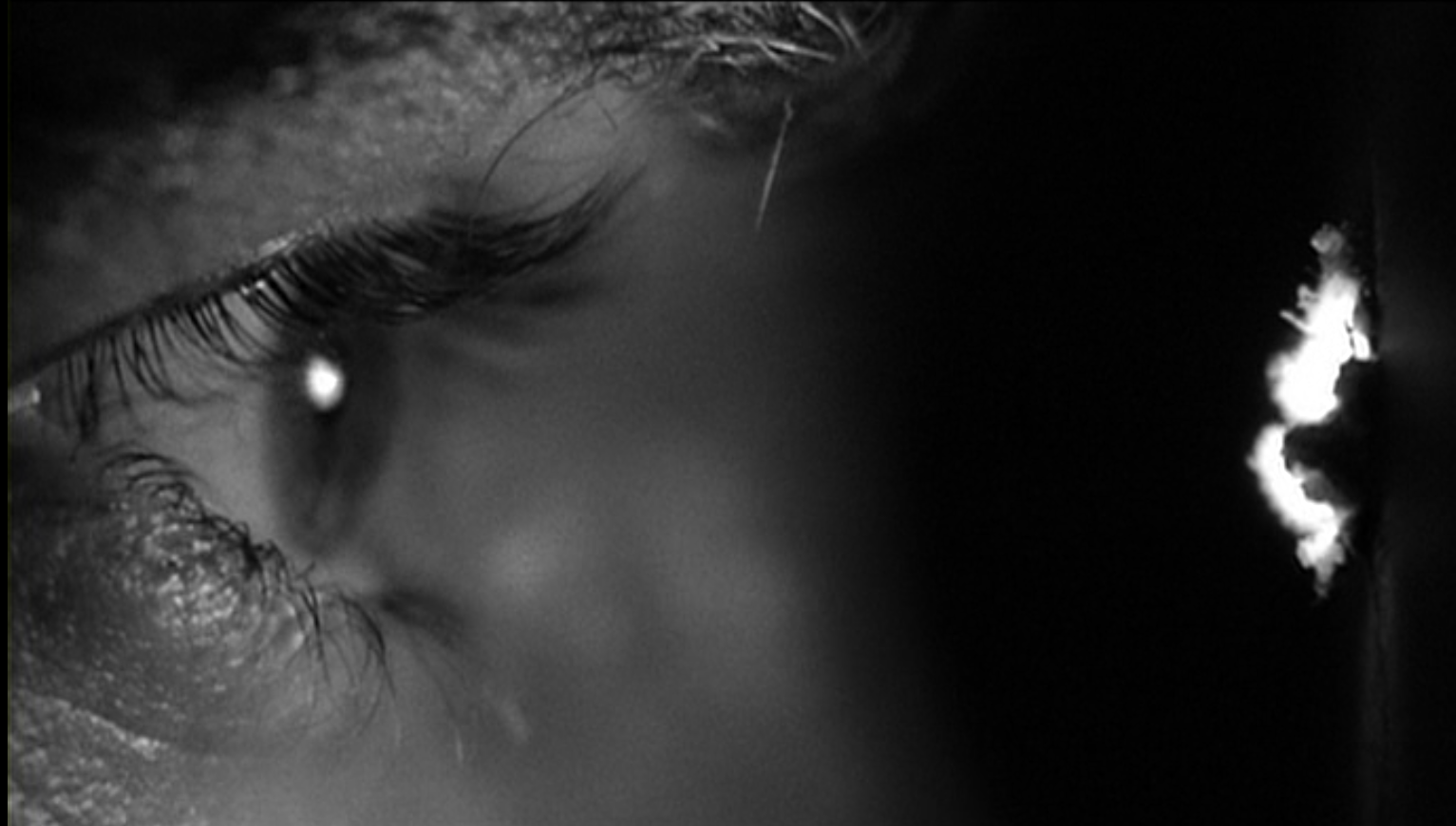
To quickly navigate the scene prior to applying Freud’s theory of the uncanny to it, Norman bids farewell to Marion after a good dinner turns to the creepy side. Marion begins to disrobe and prepare to take a relaxing shower. Unbeknownst to her, Norman has removed a portrait of a bird from his wall and is using a peephole to gaze into her room. After spending some time on an extreme closeup of Norman’s eye, Marion puts on a robe and sits down at the desk. Norman replaces the picture on the wall and heads back to his house. Marion does some math (pertaining to the $40 thousand she stole) and then gets in the shower. Not long into the relaxing hot water, Marion is attacked by a shadowy figure resembling an old woman. She is stabbed repeatedly and left to die. We slowly spin out from Marion’s lifeless eye to close out the scene.

There is a great juxtaposition in the Norman before his peeping-tom voyeuristic actions and during (and after) his choice to peep into the bedroom on the unsuspecting Marion. It is as though there was something repressed–hidden down deep inside–Norman that unexpectedly returned to the surface of the conscious. This return then prompted him to go from exhibiting homosexual (or perhaps asexual) behaviors to clear hormone-driven heterosexual male behaviors.  Although on the juvenile side, Norman clearly shows that he not only wants to be friends with Marion but to experience sexual relations with her. And, he gets his rocks off by watching her disrobe. Interestingly, the fact he is behaving similarly to a 14 or 15-year-old male plays directly to the notion that these heterosexual emotions were repressed since he was young.

But, Norman does not continue indefinitely gazing into the room of Marion; he eventually replaces the picture and heads to his house and sits. Perhaps he is in contemplation of what he wants and what he knows he cannot have. He clearly wrestles with this uncanny appearance of these feelings he is not used to experiencing. An important aspect to the uncanny is that the individual has no control over when this return of repressed unfamiliar feelings emerges. So, this isn’t something that he, in all likelihood knows how to control. So, instead of controlling it, these repressed feelings begin to take over his conscious by using pathways in the unconscious (the home of that which is uncanny).

Back in the bathroom of Marion’s room, Marion steps into the shower and is soon attacked by a dark shadowy old-woman-like shadow. This shadow is Norman dressed as his mother. Since the uncanny lives in the unconscious, over which we can exhibit no control, it develops its own mechanisms of dealing with this return of the repressed. By killing the object that aroused these unconscious feelings, the unconscious is able to then return to a balance. Of course, this isn’t truly a balance because it is directly linked to socio-pathological behaviors that rely on violence to purge the emotions and drive them back to the unconscious where they belong.

Norman’s initial response, following the iconic brutal murder of Marion, was denial and projected blame onto Mother. From the time the audience is first introduced to Norman, they are presented with an individual who is timid, shy, and nervous. But, when Mother breaks through his cognitive defense mechanisms, he becomes aggressive, destructive, and volatile. As a result of this cognitive struggle between the conscious and subconscious, the presence of Mother causes pain, anguish, and both internal and external conflicts within the mind of Norman. As the psychiatrist Dr. Fred Richmond, in the movie, stated, “At times he could be both personalities, carry on conversations. At other times, the mother half took over completely. Now he was never all Norman, but he was often only mother. And because he was so pathologically jealous of her, he assumed that she was jealous of him. Therefore, if he felt a strong attraction to any other woman, the mother side of him would go wild.”

Through the psychiatrist’s psychoanalysis, rooted in Freud’s theories, the audience learns that Mother was a permanent part of his mind. After watching the movie, the audience is only ever faced with a brief moment of the pathological side of Norman. However, this brief moment is enough for the psychiatrist to conduct a preliminary evaluation of Norman’s psyche. Playing to the unheimlich of the film, umheimlich referring to what’s “uncanny” about the film (or more literally translated as unfamiliar), despite the mere glimpse into the crazy side of Norman, the audience begins to allow fear and terror to take over and imagine what he is truly like. Oddly enough, even though the audience is terrified of Norman, they also sympathize with him because of the trauma exercised on Norman from his domineering mother, thus debilitating Norman for the rest of his life.

Using Freud’s model and theory of The Uncanny to evaluate these famous scenes from Psycho, it is clear that Freud was ahead of his time and was able to explain what would drive someone to behave in such a horrific manner. By breaking it down this way, Freud actually makes Norman seem like someone that could exist in real life, and that is perhaps the most terrifying aspect to the movie. The fact that Norman could be your next-door neighbor, is enough to spark fear and horror into the lives of those who watch this masterpiece.

If you enjoyed this article, please share and SUBSCRIBE! The button is at the top of the page.

Ryan is a screenwriting professor at the University of Tampa. If you like this article, check out the others and FOLLOW this blog!

Follow him!

Twitter: RLTerry1

Instagram: RL_Terry

Thrillz (theme parks): Thrillz.co

Peering Through the Hole into “Bates Motel”

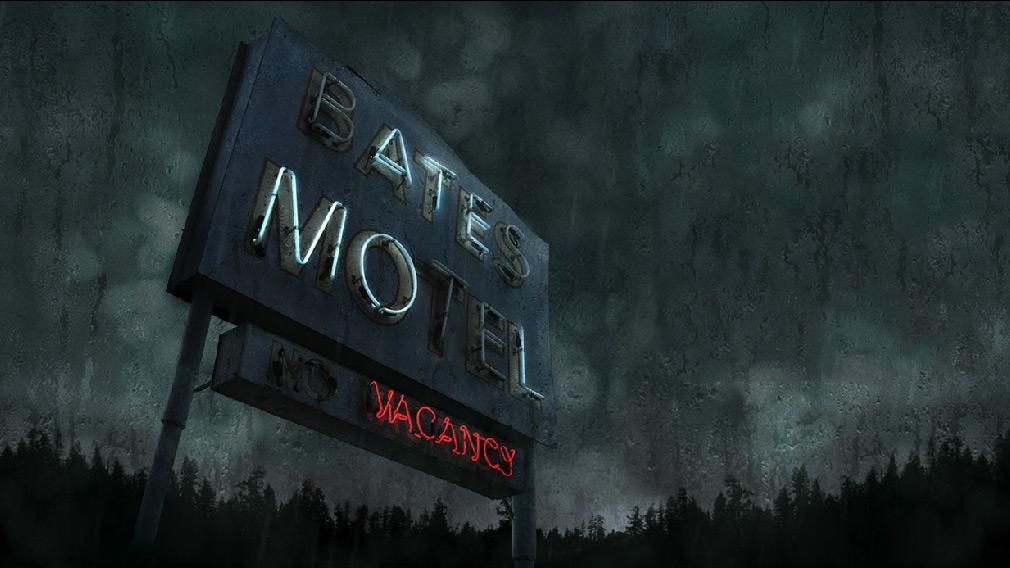
BatesMotelTVPremiering in 2013, the longest running scripted drama in the history of the Arts and Entertainment (A&E) channel is Universal Television’s Bates Motel starring Freddie Highmore, Vera Farmiga, Max Thieriot, Nestor Carbonell, and Olivia Cooke. Based on the iconic film Psycho (1960), directed by the master of suspense Alfred Hitchcock with story by Robert Bloch, Bates Motel takes us back to Norman’s early days when he was just a teenager–who was anything but normal. If you have kept up with the series, it is at a huge turning point in the character development of Norman and it just keeps getting better and better. Often shows as dark and heavy as Bates Motel do not have staying power or begin to wane after 2-3 seasons. Not this one. Just like Hitchcock’s masterpiece Psycho continues to impress, terrify, and influence even today’s suspense/horror movies, Bates Motel provides audiences with a glimpse into how Norman came to be while concurrently focussing on others who are directly and indirectly connected to the development of the most infamous psychopath in all cinema history. From visual and verbal nods even in today’s horror films to inspiring theme park attractions to television shows, the drama at Bates Motel continues to beckon audiences and intrigue those who find the characters fascinating.

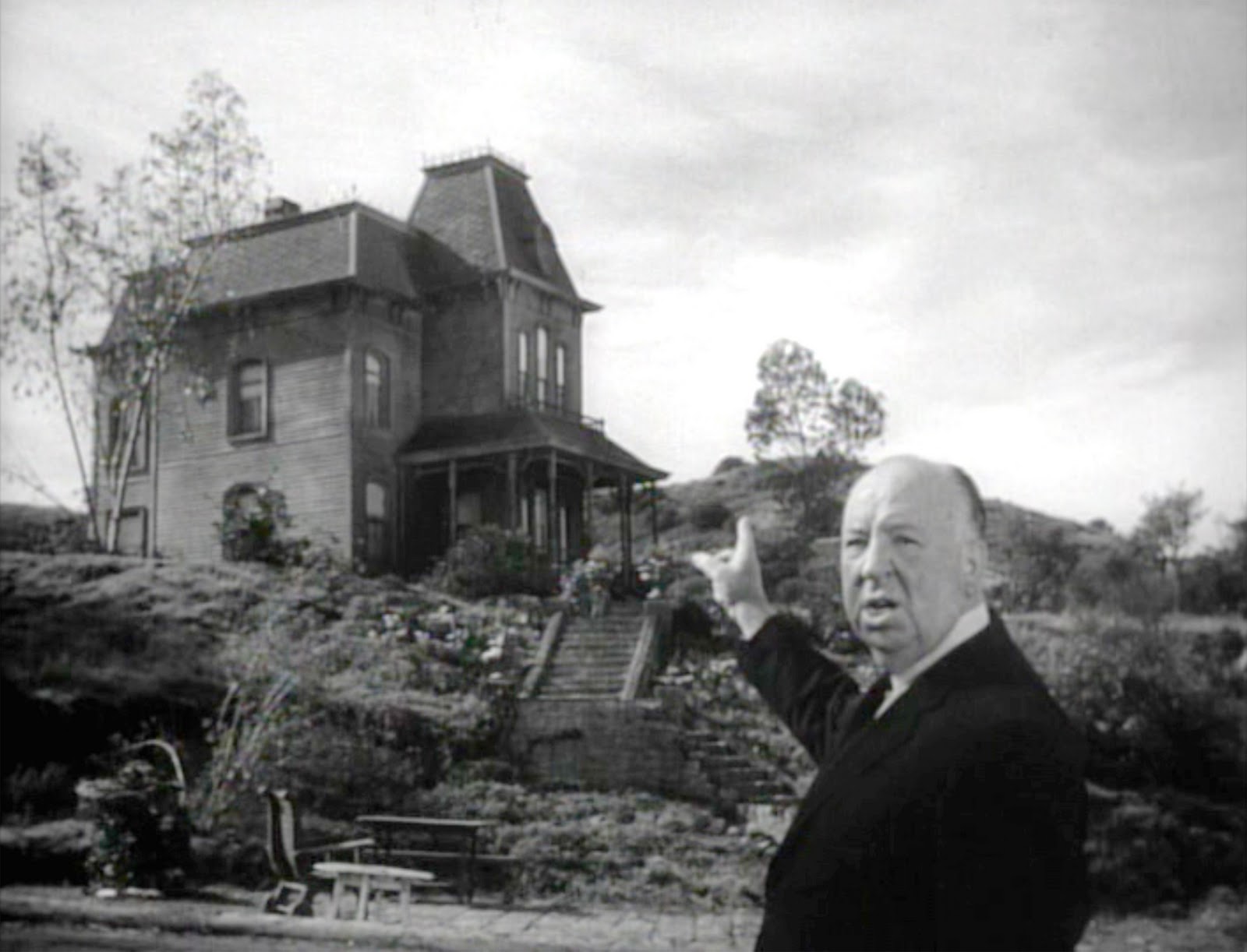
Hitch_HouseSadly, executive producer Carlton Cuse confirmed that the show’s next season is slated to be the last, and will adapt the events of the series’ namesake. Although I wish the show could go on, it is clear that we are approaching the events that started it all. That being said, this upcoming season is sure to be exciting as we get to witness the gap between where we are and where Marion Crane checks into the infamous motel begin to narrow and close. Whether we are going to end the series at the point Marion walks in or recreate the diegesis from Hitchcock’s film leaves to be seen. One of the reasons that a series like this one can even be produced is that it has prolific material from which to pull and interpret–the fact that the character of Norman Bates has been studied for years, much in the same way the film itself has been explored–provides writers and producers ample opportunity for inspiration.

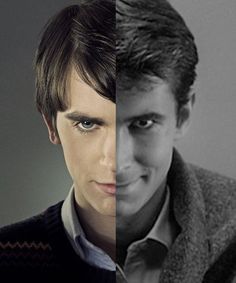
Norman and NormanSince we are given little information about Norman in the movie–note: that does nothing to mitigate the experience or effectiveness of the plot–his childhood to adolescent years and transition into adulthood is open for interpretation. For many years, film scholars like myself and others have often hypothesized what psychological and emotional experiences plagued Norman and affected his development. It would be all too easy and even a copout to state that he simply suffers a psychological disorder that was present when he was born. What I appreciate about the show’s portrayal of Norman is taking the cognitive and emotional atypical condition he was likely born with and throwing other experiences into the mix. It’s nature v nurture on a whole new level. Through the storytelling of Bates Motel, we have witnessed how his upbringing has had a profound impact on his development into the single most famous psychopath in cinema and now television history.

Emma_DylanThe show is not limited to the development and history of Norman, but also includes influential people in his life. Of course there’s Mother (Norma), but we also have grown to love his estranged brother Dylan, close friend Emma, and frienemy Sheriff Romero. Obviously Norman is obviously interesting to watch, but the writers and producers of the show make sure that each of the principle and reoccurring characters are fascinating as well. Dylan represents the only male figure in Norman’s life who consistently tries to help him, even though Norman often cannot see the love in his brother’s actions. Much like Norman, Dylan has also encountered much negativity and abandonment issues as a kid. Unlike Norman though, he found ways to deal with it and build a life for himself. In recent times, Norman keeps pushing the one positive male role model in his life away to further isolate himself. His close friend and coworker Emma is a very interesting female figure in his life. Unlike Mother or other females we have encountered over the series, he loves Emma and has done nothing to bring about permanent harm to her–at least so far. Emma is the only person who really gets to see the Norman hidden behind all his bizarre actions and obsession with Mother. Like Norman and Dylan, Emma had her own struggles with cystic fibrosis. Each of the characters is dealing with their own respective psychological or physical problems.

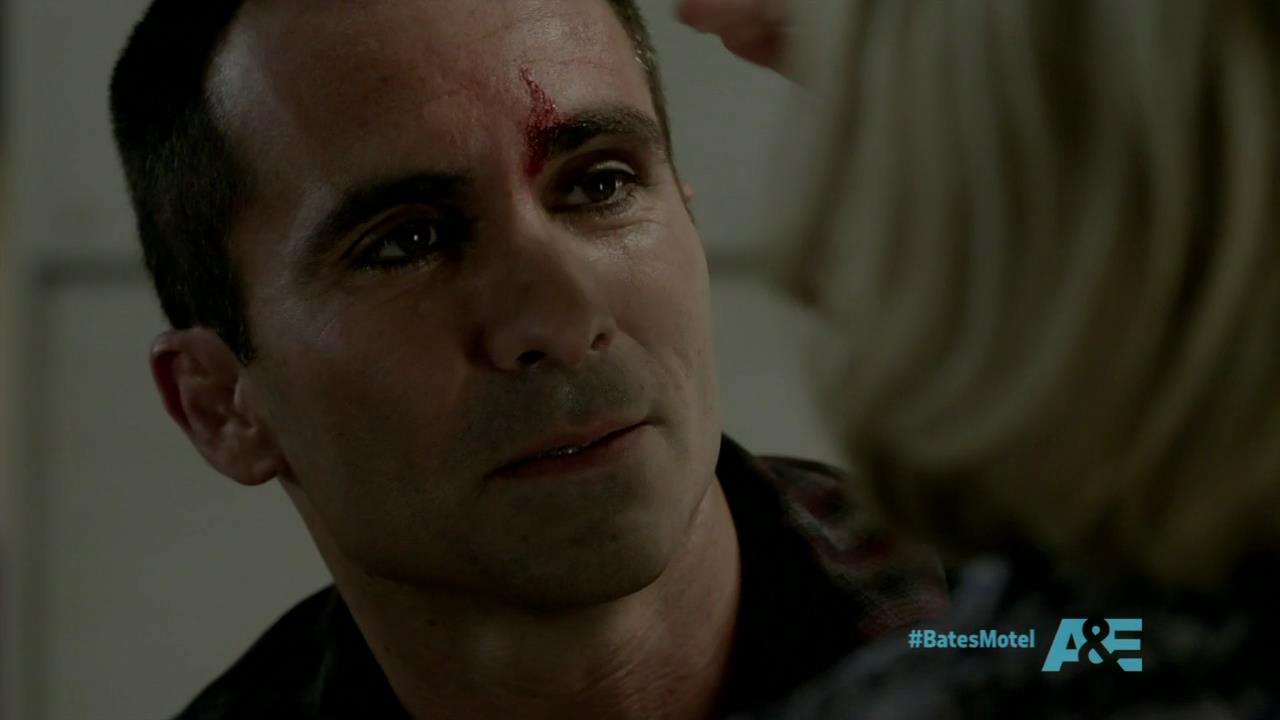
Romero_AlexLastly, prior to analyzing Norma, Sheriff Romero has played a key role in the life of Norman. Like Dylan he too is a consistent male figure in his life, but Norman has grown to resent Romero for his relationship with Norma. Romero has worked through his involvement in the drug trade and has grown as a result of it. Again, we have an individual with their own personal conflicts amidst the consistent conflict of Norman. The only other character, besides Dylan, who really knows what Norman is capable of. Romero is constantly trying to protect Norma from what he dreads Norman is truly capable of.

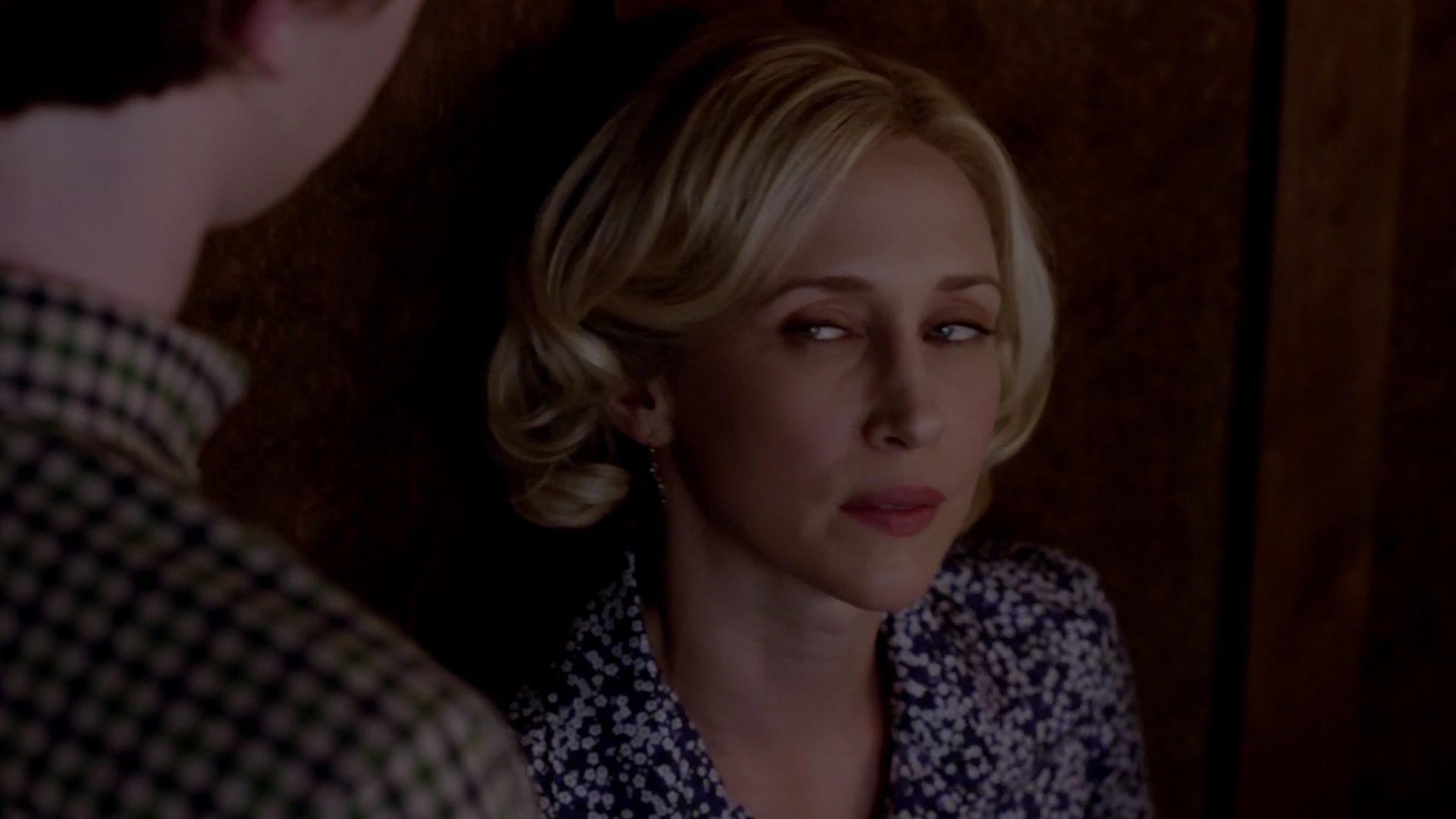
NormaBates1“Mother, what have you done?!?” Norma Bates is probably the most fascinating character after Norman. She is the closest to him and has been directly and indirectly responsible for his atypical development from his time as a child into an adult. Although she all but denies Norman’s psycho-social and emotional problems, she truly does recognize they exist. Unfortunately, she is so incredibly attached to him, having been abused and abandoned herself in the past, that she cannot truly provide the help he needs. Fortunately, she finally got him the help he needed–and should’ve received years prior–at the Pine View facility as we have seen in this season. It’s too little help too late. For the longest time, she felt that mother knew best and that no one could help Norman the way she could. Oh the irony. The attachment she was so fond of is regrettably the very thing that would bring about her undoing. Despite her best intentions, she really was the most instrumental in creating a monster. Her fits of rage and jealousy transferred into the mind of Norman and intensified the predisposition to sociopathic behaviors already present. Had she taken him to get help as a child, it is entirely possible that he may not have turned out to be the “psycho” after all. But, mother will always be with Norman; and no woman is allowed to take the place of her in his life.

bates_motelWell, here we are! At the crossroads between seasons four and five. This upcoming season is sure to terrify and excite as we buildup to the single most famous scene in all of cinema history. The reason the shower scene is the single most famous scene can be recognized by analyzing the length, actions, and sounds included in those few seconds. You can learn more about that scene by reading my article The “Attraction” of  Horror: a “Psycho”analysis. After more than 50 years, the Bates Motel and Norman still haunt our dreams and provide direction and inspiration for today’s cinematic storytellers. An interesting thought on the direction of these immortal characters and setting is the potential for a live theatrical production. There is certainly enough dialog driven material that Psycho and Bates Motel can easily be translated into a live theatre experience. It takes rich material to be able to be so versatile. Here’s to the final season of A&E and Universal Television’s five year homage to the infamous and macabre happenings at the Bates Motel. Thank you Hitchcock for truly being the master of suspense.

The “Attraction” of Horror: a ‘Psycho’analysis (part 2 of 2)

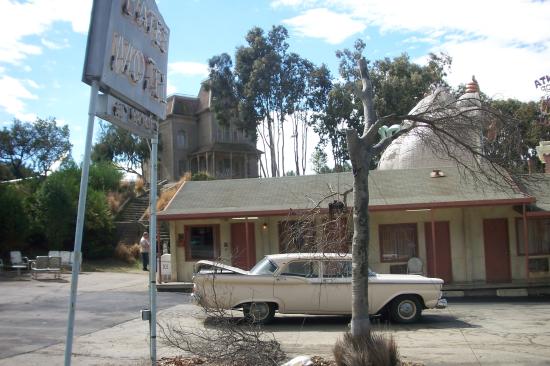
UnivHollywood_BatesMotelSuccessful movie-themed attractions (stage shows or rides) create an atmosphere that is often built upon a foundation consisting of confrontation and direct simulation rather than long, sustained narratives (King, 2000). This is true of the horror film as well. Horror is a genre nearly as old as cinema itself. The horror film, according to Linda Williams, contains three basic elements: narrative, character, and setting. These same elements can be found in movie-themed attractions at theme parks (2000).

Regarding Psycho in particular, the setting consists of very liminal* spaces such as the opening hotel, the Bates house, and bathroom. This same idea can be applied to a theme park attraction because the park guests are often corralled into smaller, intimate places that serve to advance the next element. Narrative is the foundation that both themed attractions and movies are built upon. The narrative, or diegesis, is the story. Diegetically, horror films contain a story that is segmented into the following sequence: order–>disorder–>order. Increasingly, the modern horror film is often left in disorder, or an order that is dissimilar from the original (2000). Movie-themed attractions usually introduce the park guests to a short-form story based on the original, and the ride is the vehicle that takes the guests through the story that can consist of threats and chases, followed by triumphs. In regards to the character element, the characters are those who are the instruments through which the plot is advanced. Normally, characters are people or animals, but can also be inanimate objects of significance (Williams, 2000). The park guests usually encounter characters from the source material along the journey of the ride.

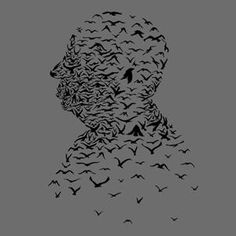
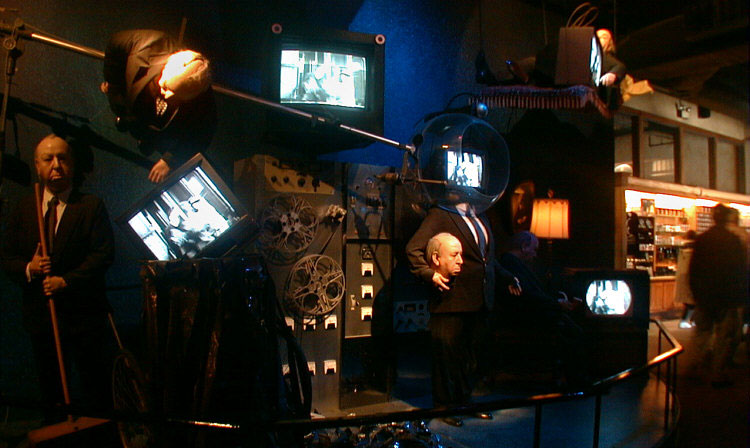
HitchcockBirds“Alfred Hitchcock: the Art of Making Movies” (Universal Studios Florida) was divided up into four distinct parts, with the famous shower scene being the central focus (ThePsychoMovies.com, 2014). Just like a horror movie is divided up into parts, or has a cinematic structure, so too did the Hitchcock attraction. Hitchcock: The Art of Making Movies was divided up into the following areas: preshow, 3D theatre, Psycho stage, and interactive area. There are may parallels between the famous shower scene and the live attraction. In the movie, the sequence leading up to the shower scene is very much a preshow in the same way the attraction contains a preshow area. The preshow in the movie is when Norman is gazing through the peephole into the room of Marion as she undresses. Just like Norman is visually gathering information about Marion, the park guests in the preshow area gather information about Hitchcock’s career. The preshow is the area that preps the audience for what they are too experience. By using the same principles of creating suspense that Hitchcock used, the preshow area reveals just enough to elicit feelings of anticipation and anxiousness.

Next, the park guests sit through clips of 3D versions of Dial M for Murder and The Birds. This preps the mind for experiencing the horror in the next room. Likewise, between the time Norman looked upon Marion through the peephole and puts on the wig and dress, he sits in the kitchen and presumably debates with mother on what to do. Following that scene, we return to the bathroom and enter the shower with Marion. After the 3D movie, the park guests enter the Hitchcock Stage and look upon recreations of the motel, shower, and house.

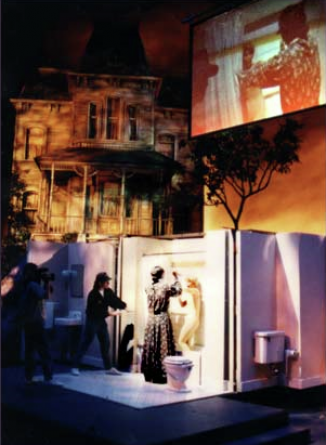
The main show at the attraction is the Hitchcock Stage where the infamous shower scene is reenacted before a live audience. In addition to the Bates House and Motel, there is a recreation of the tub/shower used by Hitchcock to film the scene. At this point in the movie, Marion is thoroughly enjoying her shower, and the audience gets both objective and subjective camera shots from inside and outside the shower. All of a sudden a shadowy figure approaches the opaque shower curtain and throws it open, wielding a knife. The sinister figure stabs Marion repeatedly and through more than fifty cuts (editing cuts), the scene is played before the people in the dark. Likewise, this same scene is brought to life for the studio audience at Hitchcock: The Art of Making Movies. Through mechanical engineering and film production techniques, the cast of the show reveals how the master of suspense filmed this iconic scene.

HitchcockAttractionFinalRoomFollowing the show on the Hitchcock Stage, the park guests walk into a museum-like interactive room revealing many of Hitchcock’s secrets and techniques in some of his most notable films. It parallels the end of Psycho when the psychiatrist is analyzing Norman and explaining how and why he did what he did. Just like Norman is the master of slasher films, so is Hitchcock the master of the art of suspense and horror cinema. A close reading of these areas reveals that they each take an element of the setting, narrative, or characters and use the tool of spectacle to bring them to life for the live audience. The preshow area acts as the prime for the horror/suspense pump that is gearing up. Watching the 3D scenes from The Birds and Dial M for Murder serves to generate feelings of ensuing chaos and acts as the big event that causes something to go wrong in the otherwise narrative that is in order (remember: orderdisorderorder). Following the 3D Theatre, is the central Psycho stage that takes any order and casts it to the wind and enables the horror of the shower scene to come to life for the naked eyes of the audience.

Hitchcock AttractionThis was a main attraction at the theme park until its dismantlement in 2002 to make way for the Shrek: 4D experience. From the aforementioned explanation by one of the producers of the attraction, the audience was completely immersed in the magic of bringing a Hitchcock thriller to life, and got to witness the most famous single scene in all of cinema history. This was all done with practical effects, just as Hitchcock would have done it. But, with the advent of computer generated imagery and incredibly accurate and time efficient non-linear video editing, most of the effects can be generated in other ways. Although it remained one of the most popular attractions at the theme park until its closure, Universal saw the future of attractions and decided to do away with nostalgia and pave the way for digital simulated attractions (Singer, 2013).

Click HERE for Part 1

*(adjective) 1. of or relating to a transitional or initial stage of a process; 2. occupying a position at, or on both sides of, a boundary or threshold