Combining reviews because its still more time than was spent on either of these screenplays.
OTHER MOMMY
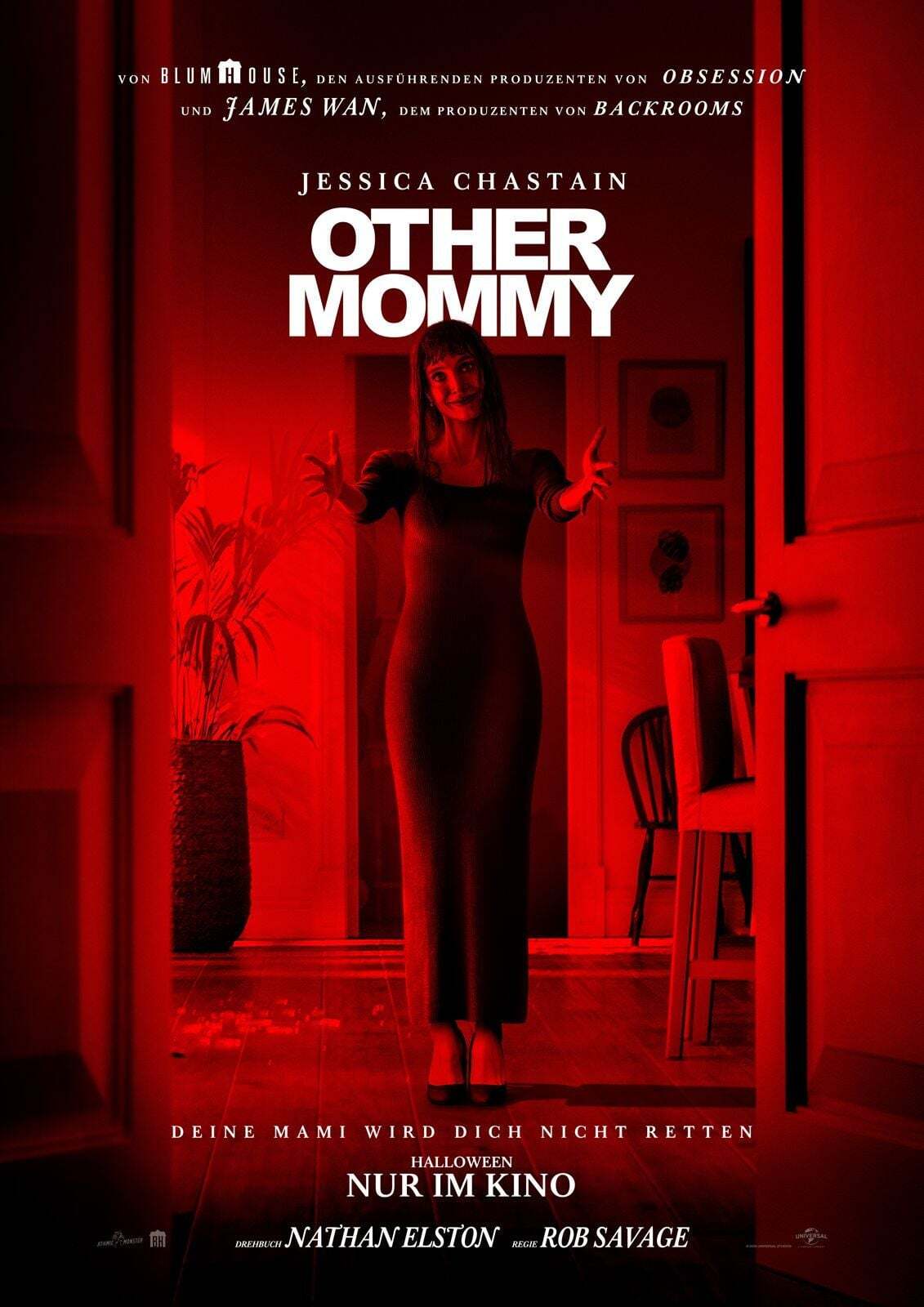
Based on Josh Malerman’s novel Incidents Around the House, Other Mommy boldly explores a rarely examined fear surrounding motherhood. It is a fantastic idea—one I will not explain further because doing so would venture into spoiler territory. Unfortunately, neither a compelling narrative nor meaningful characters emerge from the disjointed cacophony of vapid scenes surrounding that idea.
The premise is intriguing. The concept is intriguing. Even what I have discerned as the filmmakers’ vision is intriguing. Rob Savage—director of Host and The Boogeyman is behind the camera. But intriguing ideas alone do not make a successful movie.
No amount of disturbing imagery, stylized camera movement, or elaborate visual effects can disguise the absence of dramatic cohesion. The screenplay feels more like an outline than a fully developed story.
If half as much time had been devoted to writing and story editing as appears to have been devoted to creating the movie’s unsettling imagery, “Other Mommy” might have been considerably more effective.
Even the accomplished Jessica Chastain cannot rescue this slapdash assortment of half-developed ideas. Her dual performance provides some entertainment value, and it is wonderful to see her embrace a role unlike most of those in her filmography. She is clearly enjoying the opportunity to play both the mother and her sinister counterpart. There is no phoning it in here.
But enthusiasm and talent can only accomplish so much when an actor has not been given sufficiently compelling material.
In retrospect, the revelation at the center of the story redeems the film ever so slightly. It provides some thematic context for what came before and confirms that there was, indeed, a meaningful idea buried beneath all the visual chaos. After reviewing this movie on ReelTalk with recurring guest and friend of the show Brad Biewer, host of the Cinema Speak Podcast, I feel there is more to explore if I ever watch this movie again. He brought up that–the more he thought about it–that the movie may (consciously or unconsciously) be providing commentary on the ideas of absent mothers and/or fathers in a child’s life, because if mom isn’t there to provide nurture and comfort and dad isn’t there (mentally or physically) to provide guidance and stability, then someone (or in the case of this movie, something) will be the mother/father–that void will be filled. And perhaps that angle gives this movie’s thematic explorations more weight.
But that late recognition is not significant enough to justify even the relatively brief ninety-three-minute runtime. Other Mommy wants audiences to believe that the importance of its central idea excuses the hour and a half spent reaching it–it does not.
There is a provocative and genuinely unsettling exploration of motherhood buried somewhere inside this film. Unfortunately, Other Mommy never develops the story or characters needed to bring it fully to life.
STREET FIGHTER (2026)
This fight delivers a knockout—to the audience.
The individual scenes feel less like parts of a carefully constructed narrative and more like images lifted directly from the first draft of a storyboard. They exist because someone imagined how unsettling they might look—not because one moment meaningfully leads to the next.
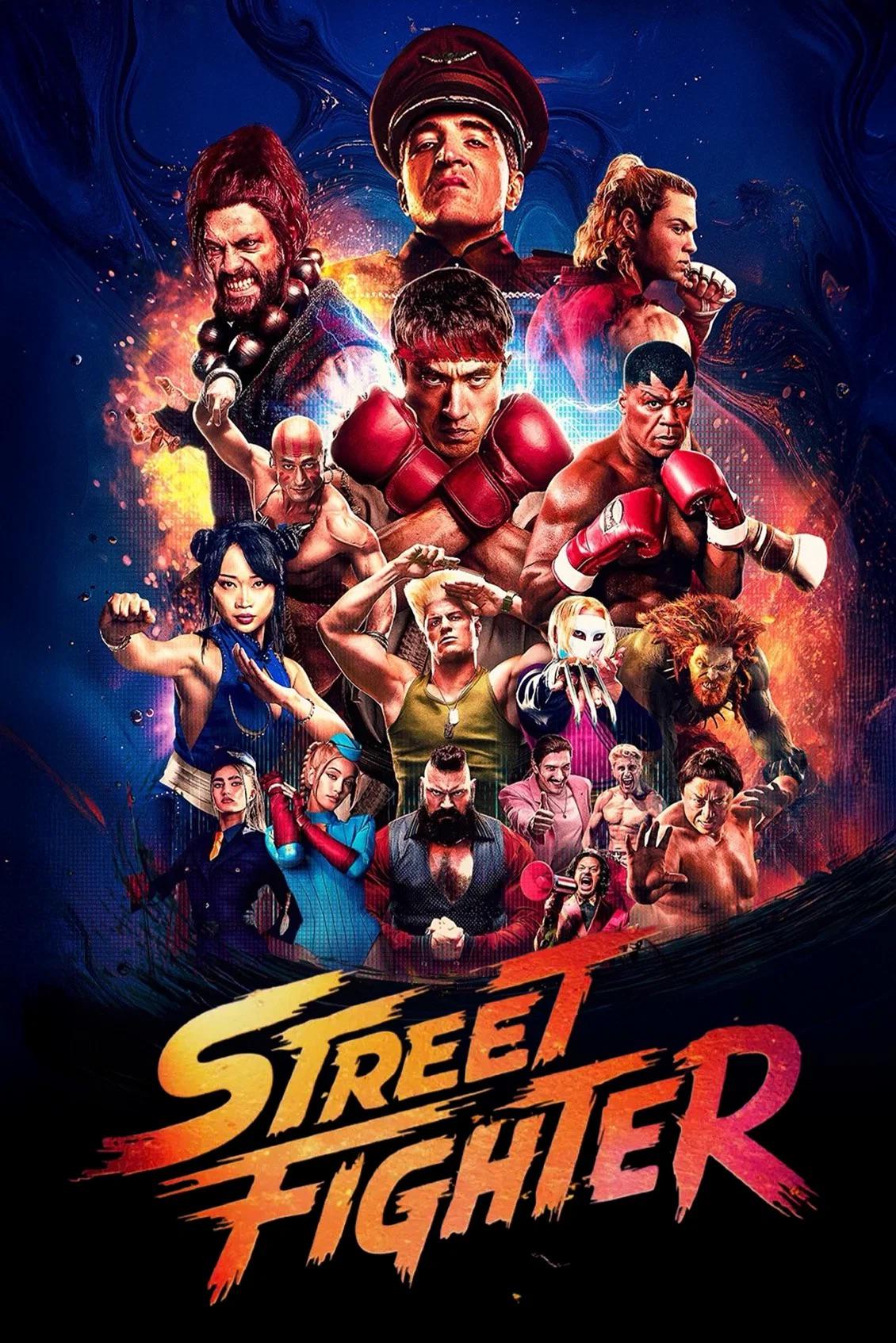
Street Fighter is clunky, exhausting, and just plain bizarre. I have seen video-game cutscenes with more narrative. The characters, costumes, signature moves, and ’90s nostalgia are all here. The soundtrack is fun, and the movie delivers numerous references longtime fans will recognize immediately. But there is very little point to any of it.
The plot feels as though it was penciled in as an afterthought between rounds of combat. Once the movie becomes a live-action “choose your fighter” screen, any hope that it might recover from its slapdash opening disappears. What follows is a barrage of character introductions and story arcs lifted from the games and animated spin-offs. The film often feels less like a constructed narrative than something assembled on a six-button control pad.
Fortunately, it does get the characters right. They look and behave like their video-game counterparts, and the likable cast appears genuinely committed to the material. Those performances are simply buried beneath the garish, incoherent movie surrounding them.
Callina Liang’s Chun-Li is a particular bright spot.
Chun-Li was always my favorite character to play in Street Fighter II, and Liang preserves everything that made her memorable. She is physically powerful, agile, self-assured, and permitted to retain her sex appeal without sacrificing strength or agency. And yes, the movie even includes a reference to Chun-Li’s famously muscular thighs. That knowing nod earns one of its genuine laughs.
There are several such winks aimed directly at fans. If you played Street Fighter II, as I did, you will recognize them immediately. Unfortunately, many do not emerge naturally from the characters or plot. Instead, the movie seems to acknowledge its own silliness as a defense against criticism. That approach might have worked if the film ever rose above the material it was mocking—or if it were consistently funny. It does neither.
Street Fighter occupies an uncomfortable middle ground: it is not funny enough to succeed as camp or comedy, yet it is not serious or dramatically coherent enough to work as an action movie in the vein of this year’s much stronger Mortal Kombat II. At best, it sporadically amuses. At worst, it is an assault of noise, color, references, and fighting without sufficient narrative purpose.
It barely improves upon the much-maligned 1994 adaptation—and after more than three decades, that is an extraordinarily low bar to clear.
So, select your opponent: Street Fighter versus you–you lose.

Ryan is the morning host on WLRH Public Radio in Huntsville, AL and host of the show ReelTalk “where you can enjoy the cinematic conversations frame by frame each week.” He also teaches film studies at the University of Alabama in Huntsville. Additionally, he is the author of the upcoming film studies book titled Monsters, Madness, and Mayhem: Why People Love Horror. Prior to public broadcasting, he taught film studies for over eight years at the University of Tampa. He is a member of the Critics Association of Central Florida and Indie Film Critics of America. If you like this article, check out the others and FOLLOW this blog! Follow him on Twitter: RLTerry1 and LetterBoxd: RLTerry

