“Tomb Raider” (2018) review PLUS exploring the “video game movie” problem

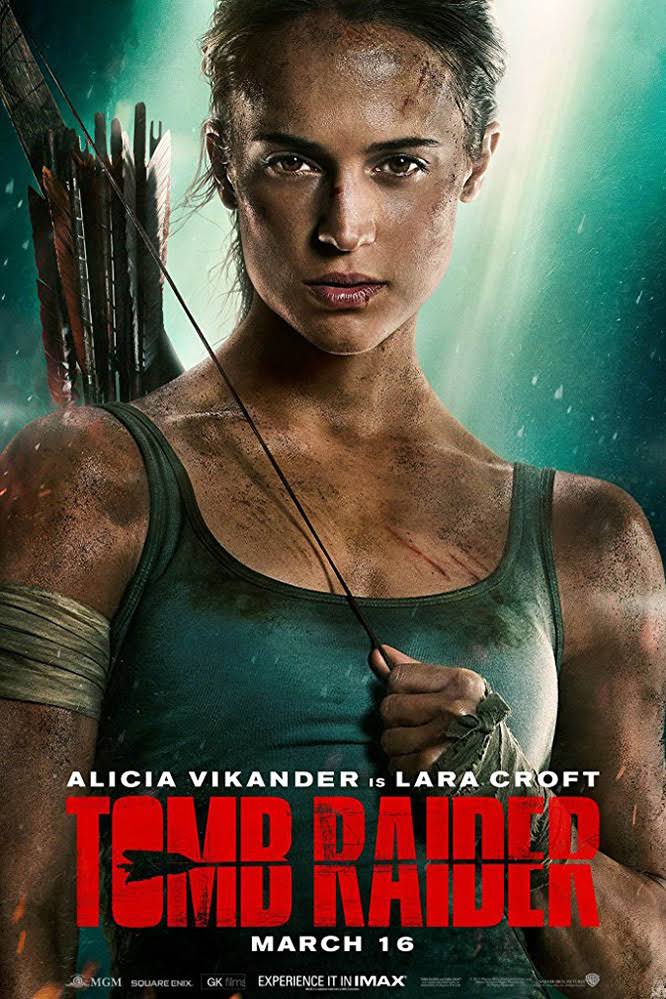
Strives to put cinematic storytelling first and video game representation second, but still comes across as tropey and borrows heavily from Indiana Jones and the Raiders of the Lost Ark and The Last Crusade. However, in all fairness, it does provide this generation with a moderately good action-adventure film based on a best-selling video game series. Alicia Vikander’s Lara Croft differs from that of Angelina Jolie’s in that she comes across to audiences as someone who’s impulsive, reckless, and experiencing difficulty in managing her life. Furthermore, she does not excel at everything she is trying to do to survive life and make ends meat. Those qualities give this Lara Croft a level of humanity that allows her to connect more with audiences. Moreover, she is a believable character–she feels real. In fact, that is probably the best element that this reboot has going for it–the realness of the adventure. Not that the film is without exaggerations and fantasy elements; but, the story almost feels like an adventure that could take place under the right circumstances and with the right tools. The realness might have been increased by not feeling like, at times, you were sitting there playing the video game version. Although this initial return to the video game turned motion picture adaptation is frocked with predictable plot beats and turning points, it does show promise for a solid franchise if tweaked. Moving forward, the stories need to be stronger, original, and leave room for SUBTEXT.

Lara Croft is the fiercely independent daughter of an eccentric adventurer who vanished years earlier. Hoping to solve the mystery of her father’s disappearance, Croft embarks on a perilous journey to his last-known destination — a fabled tomb on a mythical island that might be somewhere off the coast of Japan. The stakes couldn’t be higher as Lara must rely on her sharp mind, blind faith and stubborn spirit to venture into the unknown. (IMDb)

Video games turned motion pictures aren’t anything new. From Super Mario Bros to Mortal Kombat to Resident Evil to this year’s Tomb Raider, there have been many attempts to adapt interactive media (video games) for scripted/narrative cinematic storytelling. Ultimately, it has proven to be nearly impossible to create a successful motion picture from a video game. In short, Hollywood simply cannot seem to crack the code for a movie adaptation of a video game. There has yet to be a video game to film adaptation that has even encroached upon the fresh threshold of Rotten Tomatoes. But why is that? Often, movie adaptations of video games fail because their is more emphasis placed upon video game brand representation than the art of cinematic storytelling. In its defense, 2018’s Tomb Raider shows an effort to overcome that obstacle. Today’s Tomb Raider made a solid effort to spend time worrying about it’s quality as a film, but still fell victim to being too grounded in its interactive media roots. If studios who either own or license a video game intellectual property (IP) can spend time analyzing the source material for purposes of tapping into what makes the story itself work, then perhaps a successful video game movie can be produced.

Not just limited to interactive media –>film adaptations, but anytime there is a well-established franchise, the writers and director struggle to find where the happy medium is in satisfying the core of the fan base and translating the story between two forms of media. As much as modern interactive media has in common with films (referring to the cut scenes), there is still the human component that cannot be translated for the screen because there is no “choose your own adventure;” it’s this disconnect that often contributes to the poorly written plot for the screen. Much in the same way that movies based on comic books struggled for a long time until Iron Man, with the brilliant exceptions of Tim Burton’s Batman (a Barman movie directed by Burton) and Batman Returns (a Tim Burton movie that happens to have Batman characters), interactive media based movies will eventually find the sweet spot. I feel that this sweet spot will be found when writers and directors take the characters from a video game IP and place them in an original cinematic story that skews more towards the focus being on the cinematic storytelling than adhering to brand recognition and the existing story that can be played, and has been played, on the console or computer. Take Burton’s approach to Batman Returns. Create a story that works for the screen that happens to have the characters from the video game.

Movies aren’t the only adaptations of interactive media; themed entertainment has also spent time adapting a game for an entire attraction. According to Theme Park Tourist (2014), popular seasonally operating Paramount’s Kings Island (purchased by Cedar Fair in 2007 and all Paramount property removed) spent $20MIL on a ride that lasted a mere five years. Based on the hit video game and blockbuster action movie Tomb Raider: The Ride was on par with Disney and Universal in respect to story, setting, and special audio/visual effects; however, after Paramount sold off its theme park investments to Cedar Fair, the ride got rebranded as The Crypt, a generic theme, and all direct associations with the movie and game Tomb Raider were removed following the 2007 operating year. Interestingly, the ride attendance continually dropped following the rebranding, and the ride was eventually moved to Kings Dominion in Virginia in 2012. Although there may be other reasons as to why the ride became less popular and eventually moved to another park, it is conceivable to conclude that there is a special relationship between the characters and story of the game and a themed entertainment attraction. Both the attraction and the game have the advantage of the human component–the ability to truly experience the elements of the game. 

Over all, I found the new Tomb Raider to be a fun watch! Certainly don’t feel that my time or money was wasted. I remember playing Tomb Raider on the original Playstation and Playstation II (it was soon after that, that I lost interest in gaming), and as a mild fan, I feel that this film did the characters and story justice. By the end of the movie, it is obvious that MGM’s intention is to attempt to produce a blockbuster franchise. And to the film’s credit, this first installment had a satisfying ending plus it quickly setup the next movie. If you like action-adventure movies or even a fan of the video game series, I feel that you will enjoy Alicia Vikander as Lara Croft: Tomb Raider!

“Poltergeist” (1982) Retrospective Film Review

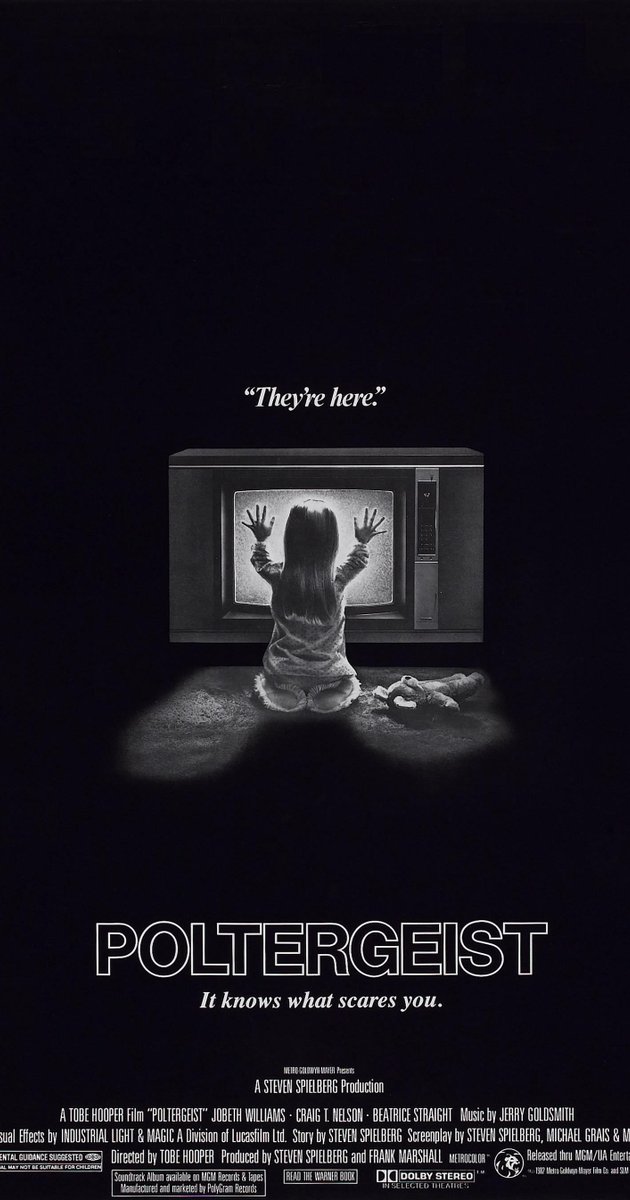
“They’re [still] here!” 35 years later, Stephen Spielberg and Tobe Hooper’s Poltergeist still terrifies audiences today. Coming off the successes of Spielberg’s Jaws & Close Encounters of the Third Kind and Hooper’s Texas Chainsaw Massacre, this powerhouse producer-director team (note: Hooper received the official director credit) crafted a horror film that became an instant classic then, and still holds up today. With Spielberg heading up the story and Hooper in the director’s chair, both cinematic geniuses combined their talent for generating material for nightmares to take the “haunted” house film sub-genre of horror to the next level. Storytelling and cinematic elements aside, another primary reason the film still haunts and intrigues audiences today is the lore of a lengendary curse attached to this film. For audiences back in 1982, and possibly still to this day, following watching the film, friends may have found themselves only venturing by an alleged haunted house on a dare. The film’s impressive ability to take the haunted house concept up to a level never seen before–in fact–it essentially created the modern haunted house genre seen in today’s horror films. In short, Poltergeist is an icon, and stands alongside films such as PsychoThe Exorcist, and The Shining. Probably the most terrifying element of all is the setting–mundane upper middle class America suburbia. No longer where “haunted” houses confided to old mansions or hotels, but could be located next door to you. That is, if your neighborhood is also built upon a burial ground.

At the end of the day, regardless of who actually directed this film, Poltergeist remains one of the strongest films in either Spielberg’s or Hooper’s canon. And the legend of a curse certainly doesn’t hurt the strong fanbase of this horror classic. Curse and directorial authorship aside (though, the latter is a valid topic for discussion), the brilliance of this film is almost self-reflexive in that it displays quite the dichotomy while commenting on the secularized versions of heaven and hell as seen in the film due to both having their due screen time. This bifurcation paves the way to read past the ghostly apparitions and (real) skeletons, to the root of what I feel Spielberg and Hooper were foreshadowing as the real threat to a traditional familial bond–that box in your living room with moving images flickering on the screen. The way the movie opens and closes are very much book ends to one another as it attempts to deal with the quandary of an inability to “choose between life and death, when [we’re] dealing with what is in between.” The foreshadow of the seemingly one-sided conversation between Carol Ann (the late Heather O’Rourke) is a great depiction of how families are today. The kids are entertaining themselves by and form connections with characters seen on the TV while mom and dad are in their own world getting lit. That is not unlike what is seen today. Now, keep in mind, televisions are not responsible for fracturing the nuclear family; but the television is often relied upon as a babysitter and becomes the object that receives the most attention to the point that some get sucked into the moving picture world. Perhaps there is a lesson here in that the television should not be the center of attention in a household.

Poltergeist has much in common with a roller coaster at a theme park, and that metaphor can can aid in explaining why a film with such a simple plot and one-dimensional characters was and still is so incredibly successful in terms of cultural references and the fan base today. Why do most people go see a horror film? Is it the complex plots and multi-dimensional characters with brilliant on screen chemistry and excellent development? Not particularly, as great as those things are AND are often found in the best horror films. The pacing of this film reminds me of the pacing of a roller coaster at a theme park because of the lift at the beginning, the plummet into danger, the feeling that it’s almost over, followed by one final plunge into the twists and turns before pulling into the station. Compared to films such as The ConjuringAmerican Psycho, and Nightmare on Elm Street (not to mention many others), the plot is somewhat nonsense; however, the film is–without argument–sensationally effective, terrifying, memorable, and the horror imagery is beautiful–filled with metaphor and familial commentary. It’s an impressive array of haunting visual effects juxtaposed against a typical American family living in the suburbs. That, and ever since this movie, static on a TV is frightening! If you can find it anywhere anymore. With all channels on 24hr programming now, I suppose that the ghosts have to find another way into our world.

The innocence of the characters is also an intriguing and atypical part of this movie that aids in the frightening imagery and nightmarish inducing apparitions. It’s atypical because the victims of death, haunting, or injury in a horror film are usually horny teenagers who are sexually promiscuous, adults who have skeletons in the closet, played God, broken the law, or just plain old sociopaths. Not true with this family. Everyone in the Freeling household are wholesome family members from the hardworking father who wants the best for his family to stay-at-home mom who loves her kids, and even the siblings who appear to get along just fine. Almost too picturesque, and ultimately a bit unrealistic. Despite the tight, healthy nuclear family, the Freelings are thrown into chaos when Carol Ann gets sucked into the world that exists between life and death behind a thin veil. That innocence helps to uncross the level of terror in the movie because it hits members of the audience that no one is safe from the reigns of evil. The fact that everything in the film happened to a normal family creates added anxiety in the minds of the audience as many go home to a similar world first depicted in the movie. Looking back, Middle American must’ve been completely shocked when a family, not unlike its own, was plunged into a world of hellish gateways, ghosts, and ghouls and other circumstances out of its control.

There is something for everyone in this film. Because it is likely that most in the audiences then and now are afraid of something in the film: unexplained physics-defying phenomena, clowns, the underside of the bed, ghosts, closets, scary trees, pools, or subdivisions. Perhaps the relatability to the characters or the scary elements of the film are what help to connect new audiences to this classic horror film. There is a wittiness about the film that reminds me of something that Alfred Hitchcock may have developed for the screen had he ventured into paranormal movies. As nightmares go, Poltergeist is thoroughly enjoyable because you know your an always wake up from it and none of the characters are permanently damages at the end of the film. Eerie, beautiful, gruesome. That’s why this film still holds up today and will continue to haunt audiences for many years to come.

Of Mice and Movies

Twitter is a’buzz with the latest from the 2017 D23 Expo. Not to be outdone, Facebook, Instagram, and the theme park blogosphere are all but fully consumed with the big announcements for Walt Disney World out of D23 in Anaheim. BIG changes are coming, and will radically modify the existing attraction offerings at Epcot and Disney’s Hollywood Studios (DHS). While there were many announcements, the biggest ones are arguably the detailed look at the new Star Wars Land, the update on Toy Story Land (opening next summer), Ellen’s Energy Adventure (Epcot) getting replaced by Guardians of the Galaxy. Lastly, the final big announcement that will really hit close to home for many who have been going to DHS for a large portion of his or her life–the announcement of the closure of The Great Movie Ride (GMR) to make way for Mickey and Minnie’s first [dark] ride at Walt Disney World. And it’s that last announcement that speaks volumes regarding the direction that the Walt Disney Company is moving.

Although it’s been fairly common knowledge that the Ellen attraction was going to be replaced with something more contemporary and relevant, the announcement of the closure of GMR came as a shock to many (note: this change WAS hinted at within the last few months). Fortunately, the Grauman’s Chinese Theatre facade is slated to be largely untouched, so it will remain the icon of the park; however, GMR will go by way of The Streets of America. On the plus side, this change paves the way for Mickey and Minnie’s first [dark] ride in the parks period. That’s right. Neither Mickey nor Minnie had a ride based off their respective characters. Strange, right? Since “it all started with a Mouse.” Yes, Mickey has been included in other attractions (i.e. Philharmagic, Fantasmic, etc), but this presents the first time that he will have an actual ride in the parks. Of all the changes coming to Walt Disney World, this represents the most symbolic, and some might argue, the most significant. In order to understand just why this particular change is so important, and to many controversial, we have to look back at a brief history of The Great Movie Ride and by extension DHS itself. If you have read my article entitled A Theme Park in Flux, published back in September 2016, you may be familiar with the following. For all others, let’s hop in the wayback machine!

It’s the mid 1980s. And Disney Imagineers are pictching the idea to add an attraction that explores iconic films to Epcot’s Wonders of Life pavilion. The name of that attraction: The Great Movie Ride. At the same time, Disney is working with MGM/UA to build movie and television production facilities to be the Florida counterparts to the California operations. Concurrent to Disney, Universal Studios and Nickelodeon are doing the same thing just up the road from Disney. Anyway. Led by Michael Eisner at the time, he made the executive decision to–instead of adding a movie-based attraction to Epcot–to build an entire theme park with a filmmaking or film industry theme. Long story short, in 1989 then Disney-MGM Studios opened up with facility tours and two attractions: GMR and the former Studio Backlot Tour inclusive of Streets of America and Residential Street. After the licensing deal with MGM was ended, the park changed its name to Disney’s Hollywood Studios in 2008 and removed all the MGM branding. Shortly thereafter, Residential Street was removed and Lights Motors Action was added. Since that time, all attractions in that area of the park have been closed to make way for Star Wars and Toy Story Lands.

Speeding up to present day. The decision to remove GMR from DHS represents the end of an era. With the closure of that iconic attraction, the park’s original concept, original idea, the very soul of the park is being rewritten. What was once material for waxing nostalgic at the parks–nostalgia being a significant draw to theme parks–will now merely be a distant memory. It’s not that theme parks should avoid evolving to remain relevant–quite the contrary. They need to! But to remove an attraction that represents the original identity of the park, stirs up quite a lot of emotions. Many might argue that this is the equivalent of closing Epcot’s iconic Spaceship Earth because Epcot’s direction has shifted from an educational component to food and thrills. More than riding the movies, DHS (much like Universal Studios) was a park that immersed park guests into filmmaking itself. Granted, the filmmaking process is not as magical as it once was, given that most of the magic exists within a computer and is comprised of 0s and 1s; still, there was a magic to the whole thing that park guests found fascinating, and enjoyed approaching films from a different perspective. If GMR isn’t safe, if the tides of time wash this park-opener attraction off the maps, then is any attraction safe???

Keeping roots in the original concept of a park is truly important, but it seems the powers that be do not feel that any connection to the soul of the park, the history of the park, is important. Not that I don’t think Mickey and Minnie deserve a ride. Of course they do! And there are likely other places where their new attraction could have gone. Take One Man’s Dream for instance. If you’ve been to DHS, you know this as the Walt Disney museum with a focus his early filmmaking days as well as the plans for Disneyland and Walt Disney World. It’s a biographical museum, of sorts. Great attraction. Does it need to be at DHS? No. It’s an example of an attraction that can be moved to another location without a negative impact left by its absence. Disney Springs would be a great location for the museum, and would probably see more guests than it does now. The present One Man’s Dream location could be retrofitted and remodeled for a new attraction. In fact, that area of the park is referred to as the Animation Courtyard. Therefore, it’s best suited for a new attraction where Mickey and Minnie are the stars! For years, I’ve thought that GMR needed to be refurbished. So, I am fully aware that many of the scenes lack sufficient relevance to the kids and teens today–even some young adults. But, because the attraction needed a massive refurbishment does not mean that it should be removed altogether.

It is clear from the announcements at D23 that Disney’s Hollywood Studios will see a complete departure from its founding theme and concept–old Hollywood and the magic of the movies–and move to a sort of diegetic immersion. Instead of learning about the movies, the guests will feel as if they are IN the movies. Instead of celebrating movies, Star Wars and Toy Story will provide guests with a complete escape from the outside world and into the world of these popular franchises. The addition of these properties and lands is exciting! They look beautiful and will offer some fascinating attractions; but, I wish it had not come at the expense of losing the very foundational idea that inspired Disney’s Hollywood Studios.

The best laid plans…

License to Create: Theme Parks and Intellectual Property

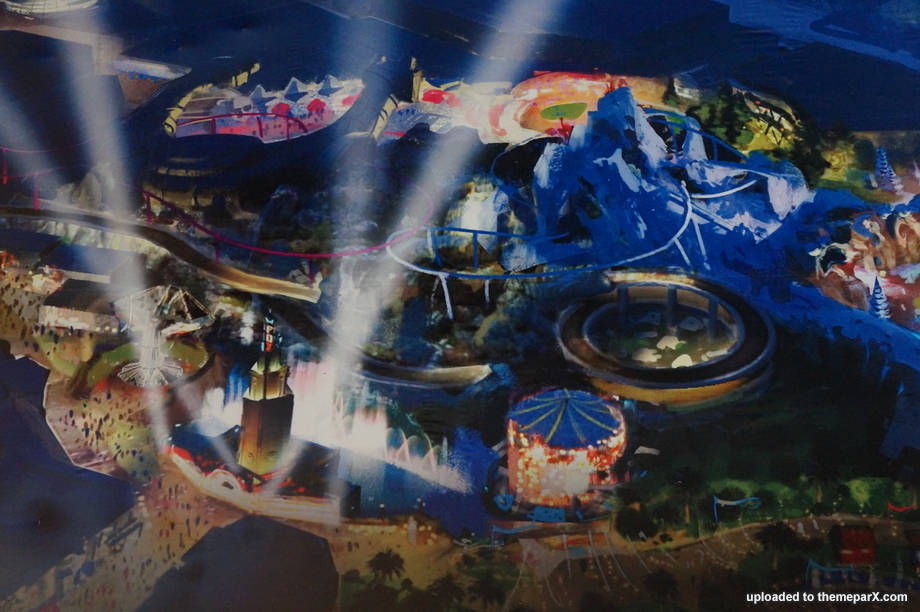
ThemeParkHighAngleLicense and registration please. With 20th Century Fox, Sony Entertainment, and Paramount Pictures entering the themed entertainment game as potential heavy hitters, and to some extent Warner Bros. as well, questions about cinema, television, and video game intellectual property (IP) begin to rise. Only having really had two main players in the industry for the last couple of decades, unless you count CBS/Paramount before selling off the amusement park investments to Cedar Fair, Disney and Comcast (parent company to NBC Universal) utilize their own respective IP libraries as well as licensed properties from other media companies. Not having as vast an IP library as Disney, many of Universal’s theme park properties have come from companies like TimeWarner, Viacom, and Fox. Whereas Disney primarily uses their own extensive library, they too have licensed other companies’ IP such as MGM Holdings, 20th Century Fox, and CBS. Although some of the once-licensed properties by either Disney or Universal have now been officially procured (i.e. Disney’s LucasFilm and Universal’s DreamWorks Animation), a common practice in the themed entertainment industry is to license, borrow, barter, trade, etc. But, with these new players demanding a slice of the hospitality and tourism pie, could we see more original television programming or movies?

SpyroThink about it for a moment. Let’s look at some of the most well-known IPs from Sony, Fox, Paramount, and Warner Bros. Although there is a mild to moderate degree of subjectivity in what constitutes “well known,” I am going to go with commonly thought of properties. Starting with Sony. In no particular order, some of the most popular Sony properties include: James Bond (formerly MGM), Spider-Man, Men in Black, Smurfs, Terminator, Silence of the Lambs, Hotel Transylvania, Spyro, The Nanny, Wheel of Fortune, Jeopardy, Price is Right, Final Fantasy, and Crash Bandicoot. Switching gears to Fox. Some of the most well-known Fox properties include: Avatar, The Simpsons, Rocky Horror Picture Show, The X-Men, Bones, New Girl, American Horror Story, Alien, X-Files, Die Hard, Futurama, and Family Guy. Although not well known in the US, Warner Bros. operates a theme park in Australia and what is now called Movie Park Germany. Some of the most popular Warner Bros., IP are: Harry Potter, Game of Thrones, Looney Tunes, DC Entertainment, Lord of the Rings, A Nightmare on Elm Street, Friday the 13th, and Lego Entertainment. Viacom, parent company to Paramount Pictures, is one of the original Hollywood studios and owns IP such as: Mission Impossible, Titanic (partnership with Fox), Star Trek (films and TV shows), Forrest Gump, and the valuable Nickelodeon. Obviously the aforementioned lists are not exhaustive, but I wanted to try to paint as brief but effective a picture as possible to understand why IP is a hot topic.

JamesBondLogoRecognize some of those titles? You probably recognize most, if not all of them. Unfortunately, these companies have already licensed out some of those properties to Universal, Disney, and Six Flags. Avatar and Alien are licensed by Disney. Marvel Entertainment, Harry Potter, and Nintendo are licensed to Universal, DC Entertainment and Looney Tunes are licensed to Six Flags Parks, and the Nickelodeon IPs are split amongst different entities. Of course, when the licensing agreements were drawn up, it is unlikely that either Sony, Fox, Paramount, and to a lesser extent Warner Bros., thought that they would enter or re-enter into the themed entertainment industry. Now that this part of the tourism and hospitality (and live entertainment) is exploding, Sony, Fox, Paramount, and Warner Bros. need to rethink how to play catchup–and FAST. But, when you have licensed out some of your most valuable properties, how do you make up for it? The short answer is (1) refuse renewal when the license expires or (2) develop original content. Since some licenses run for decades, the former isn’t really an option unless the license is coming up for renewal in the next few years; so, we are left with one logical conclusion: pump out original content that is adaptable to a live experience. This is where research like mine comes into play since I have studied the relationship between cinema and theme parks, and moreover how to successfully translate a movie or TV show into an attraction. It’d be nice if one of these companies would snatch me up. But, I digress.

Film Strip BoardIt is entirely possible that Sony, Fox, Paramount, and Warner Bros. will be forced to generate new ideas for movies, tv shows, and video games. More specifically, original creative media content that can and needs to be able to be translated from the screen into a theme park near you. When developing original content that has the ability to be translated to a live experience, companies need to keep in mind that a high-concept plot with unique settings, characters, and action sequences are necessary for a movie turned attraction. There is a lot more to it than that, but at least this gives you an idea what is required and backed by empirical evidence. Although blockbusters are typically the sourced content for theme park attractions, not every blockbuster is appropriate. Take Titanic for example. It is a movie about the 20th century’s worst and most infamous maritime disaster. So, I don’t think Paramount or Fox will add “Titanic: Ride it Out” to its parks. The ability to cross-promote intellectual property is of great importance for the strategic exhibition and integration of movies, tv shows, or video games. One of the reasons why the Disney parks are so successful is because the Disney movies can be (1) seen in the cinema (2) character meet and greets in the parks (3) the platform for a video game (3) used in theming on the cruise line (4) A-list artists can record covers of the songs from musicals (and broadway musicals can be produced) and (5) the platform for attractions in the parks. Sony, Fox, Paramount, and Warner Bros. need to concentrate on producing movies and TV shows (and by extension video games) that can be used in strategic and creative cross-promotion.

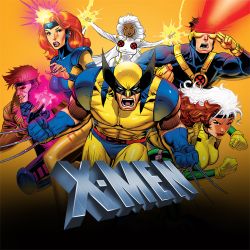
X-Men TASReturning to the present state of IP in the parks. Fortunately, some of those companies still–at least to the best of my knowledge–retain the theme park licensing for a few of the properties that were mentioned earlier; but for the most part, the most well-known movies, video games, and TV shows are already licensed by other companies. Viacom/Paramount operates the Nick Hotel near Disney in Orlando, so it still retains some licensing to its Nick IPs. However, since other parks use some of the Nick characters, there is probably some red tape to go through in order to fully use them in the Paramount park in the United Kingdom near London that is under development. Just like Disney wants to get their hands on Universal’s Marvel properties, Fox really needs to work on getting the X-Men back. On that note: since The Avengers is Disney’s heaviest of hitters and the same for Fox and the X-Men, perhaps eventually we will see that Disney has access to The Avengers and Fox the X-Men. Disney doesn’t really need The Avengers as much as Fox needs the X-Men. The X-Men is arguably Fox’s most successful film franchise in the last couple of decades and it is still going strong. Another Fox property that is licensed by Disney is James Cameron’s Avatar. As for Sony, they have not licensed out as many of their properties to themed entertainment companies, with the obvious exceptions of Terminator and Men in Black. Another area to explore is the reason why non Disney and Universal parks are mostly being built overseas. But that is the topic for another article; however, it is directly linked to IP and copyright.

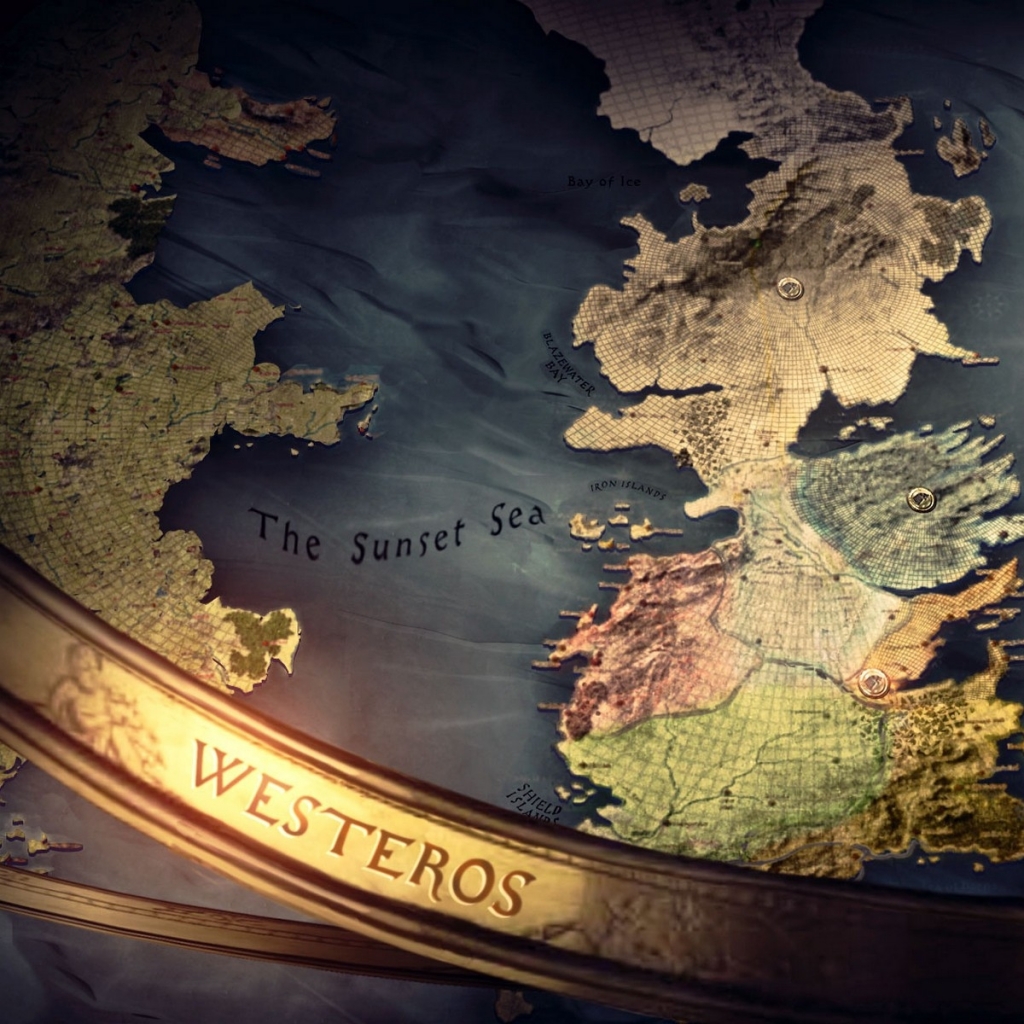
maps_game_of_thrones_a_song_of_1024x1024_wallpaperfo.comCurrent IPs that would make for great attractions in a U.S. Sony, Warner Bros., Paramount, or Fox theme park would be Game of Thrones, American Horror Story, X-Files, James Bond, Lord of the Rings (but that is a whole other discussion in and of itself), Hotel Transylvania, Spyro the Dragon, Maze Runner, Hunger Games (need to be licensed from Lionsgate), Ice Age, or Mission Impossible. Content is king. More innovative and original content from the big studios who also have theme park investments means that there will be more movies to see each year!! It will also open the door for new ideas from comics, literature, history, and legend. Instead of reboots and remakes, you will enjoy new ideas and narratives. So, the long and short of it is that media conglomerates with movie studio and theme park investments are at a crossroads. They can either not go full-force into themed entertainment and play around with the current IP in their respective libraries or can rise up to the challenge to develop original movies and tv shows that can also find their ways into theme parks in the U.S. and around the world.

The Hollywood Studio System: Employment Then and Now

One of the last remnants of Hollywood’s Golden Age, Grauman’s Chinese Theatre stands as a tribute to the movies that started it all.

One of the last remnants of Hollywood’s Golden Age, Grauman’s Chinese Theatre stands as a tribute to the movies that started it all.

In light of the recent film Hail, Caesar!, I thought it would be interesting to take a closer look at the old studio system and whether resurrecting some of the practices might actually prove to be a positive affect upon employment in media and entertainment.

The entertainment industry is evolving more quickly than it ever has, and film production companies and distributors are of no exception. Just like the advent of television had a major influence on the sharp decline of movie patrons in the 1950s and 60s, the advent of on-demand and streaming “television” and movie content today is having a major impact on entertainment sources today. But this article does not aim to analyze distribution, production, nor revenue; its aim is to analyze the state of employment opportunities in the film and narrative television industries. What better way to begin to explore this controversial topic than with the studios that started it all.

HISTORY

The famous entry gate to Paramount Pictures as seen in the 1950 film, all about the studio system, “Sunset Blvd.”

The famous entry gate to Paramount Pictures as seen in the 1950 film, all about the studio system, “Sunset Blvd.”

The rise and fall of the former “studio system” lasted for a period from the 1920s to the late 1960s, with the 1940s to the 1960s being the period of the downfall. During this time, there were five major film studios known as the Big Five, essentially controlling the film industry from production to distribution. The Big Five consisted of Paramount, MGM, RKO, Loew’s, Fox Pictures, and Warner Brothers. Though not as prominent, three smaller studios known as the Little Three, consisting of United Artists, Universal, and Columbia Pictures, were the chief competition. Regarded as the end of Hollywood’s Golden Era, the landmark Supreme Court decision in United States v. Paramount in 1948 marked the delcine of the Studio System. In short, over about a 15-20 year timespan, studios began opening their lots to independent filmmakers–independent of the Big Five (not independent by today’s definition), terminating permanent staff members, and refraining from entering into longerm contracts with performers and movie houses. Although the Walt Disney Company was not part of the Big Five nor the Little Three, it is the only studio today still operating as a studio from the old Studio System.

PRESENT DAY

The Bronson Gate at Paramount Pictures as seen today

The Bronson Gate at Paramount Pictures as seen today

With the major studios today only producing about 20 films a year, the majority of films releasing in first-run movie theatres are produced by independent producers. As stated earlier, this is not independent as we think today; independent by this definition means movies produced outside of the major studios, but often distributed by them (or a subsidiary). Think: Star Wars or Jurassic Park. Since the fall of the Studio System, big banks are more reluctant to invest in or finance films, so producers are responsible for securing their own funding. Less funding means fewer job opportunities for film and television graduates. Most film and television professionals in the entertainment business today are independent contractors–being attached to films and television shows for however long the production time or run-length is. Although a long-running television show provides more employment stability than films do, both are high risk professions. Of course, along with the high risk comes potentially great rewards.

According to Hollywood folk lore, making a wish at the famed Bronson Gate is said to bring good luck. This is me (30lbs ago!) on the Paramount Studio tour in March 2015.

According to Hollywood folk lore, making a wish at the famed Bronson Gate is said to bring good luck. This is me (30lbs ago!) on the Paramount Studio tour in March 2015.

Why would the return of some semblance of the old Studio System be a good turn of events in today’s economy? Simply stated: more jobs and opportunities for budding professionals and college graduates. Why is that? Any first-year film student can tell you that studios keep a low threshold of permanent staff members in administration and production. The majority of talent and crew on each film is independently contracted. And with gaining entry into a union becoming increasingly difficult, it leaves many potentially talented professionals out of work or in low-pay positions on low and moderate budget films. If the Studio System were to return, they would have the collateral that big banks are looking for to invest in films. After all, film, television, and to some extent theatre, are the United States’ largest exports even though they are only recently counted as part of the U.S.’ GDP (gross domestic product) in terms of evaluating the health of the economy. If there were more permanent positions in production with studios and production companies, the unemployment rate would drop significantly in entertainment because budding professionals and college graduates could land positions in which they could grow and excel.

An aerial shot of the Desilu Stages in Hollywood in the 1960s

An aerial shot of the Desilu Stages in Hollywood in the 1960s

But what about exploitation and monopoly? Are those not reasons why the Supreme Court stepped in? Yes. However, there are many reasons why personnel in entertainment today, as permanent staff members, would not undergo the same treatment. The reason: unions. SAG-AFTRA, IATSE, TEAMSTERS, and EQUITY do an excellent job at protecting creative peoples’ rights and opening doors of opportunity. But, it is becoming increasingly difficult to gain access into these organizations. And with the unions being the gatekeepers to opportunity in the industry, where is a budding professional or college graduate supposed to go? If studios produced more in-house movies and television shows, then that would require them to hire permanent staff members. Those seeking a career in the industry would find their place. Some may argue that production companies offer internships to recent graduates; but with lawsuits increasing in the last few years, internships are increasingly being seen in a negative light. One hypothesis is that unpaid internships are taking the place of entry level jobs. With the number of entry-level jobs decreasing since the recession began, the unemployment rate in entertainment is rising.

One way to combat the increased unemployment in entertainment business is to bring back the large studios that have the financial assets to offer and hire permanent positions. This would enable the studios to hire a number of cinematographers, writers, directors, etc. And, those individuals would work on the films produced by the respective studios. If studios were to increase the number of films produced each year, as they once did, then there would be more opportunities for professionals. Regarding the monopoly studios had on movie houses, the present laws on the books would not allow for a studio to have complete control over a particular theatre chain.

There is plenty of room for studios and production companies large and small. Unlike the days of the Studio System, in which outside companies could not shoot films or television shows on another company’s lot, the smaller studios should be allowed to still rent the stage and lot space as they do today. Of course, if Studios were producing more movies on their lots, that may cause the smaller companies to have to look elsewhere for locations. But, that could be a good thing; because if they purchased land for a backlot or sound stages, that would create more jobs for craftsman. In order to combat the rising unemployment rate in the entertainment business, professionals need to get together to develop ideas as to how to hire more personnel. Bringing back the Studio System is just one idea as to how to create more full-time jobs in film and television production.

One of the entrances to MGM Studios (now owned by Sony Pictures) in Hollywood

One of the entrances to MGM Studios (now owned by Sony Pictures) in Hollywood

With studios forced to produce more movies in order to make payroll, that could potentially mean more writers can sell their scripts and perhaps more original ideas will make their way to the silver screen. This action could create human resource databases at the various studios and production companies that would advertise vacant positions. Just like applying for a job at Disney World, you could see what positions are available. Bringing back a new Studio System would allow for studios to advertise full and part-time regular positions. For instance, you could see which studios are hiring cinematographers, directors, composers, etc. Professionals in the creative and technical arts would also benefit from employer provided health insurance and retirement. Although as independent contractors, film and television professionals make more money than working as a regular employee, regular employees benefit from regular paychecks and benefits, and to an extent job security.

Technology is making the production of movies and television shows more efficient than ever, so a major studio could hire permanent staff members to work as producers, directors, screenwriters, cinematographers, etc. Employment opportunity and stability are key elements to the health of an industry–even creative ones. Even though the old Studio System ran unchecked for many years, causing the eventual breakup, carefully constructed and regulated today, the return of a new Studio System could mean more jobs and opportunity for college graduates pursuing entertainment business careers. And just maybe, more movies!


BIBLIOGRAPHY

  • US adds entertainment and innovation to GDP, Time Magazine, http://entertainment.time.com/2013/08/01/hey-america-entertainment-just-made-you-hundreds-of-dollars-richer/
  • History of the Studio System, Encyclopedia Britannica, http://www.britannica.com/EBchecked/topic/394161/history-of-the-motion-picture/52153/The-Hollywood-studio-system
  • Paramount Pictures v United States, 334 U.S. 131 (1948)
  • Glatt v. Fox Searchlight Pictures, New York Southern District court, http://www.nysd.uscourts.gov/cases/show.php?db=special&id=300
  • US Bureau of Labor Statistics, http://www.bls.gov/ooh/entertainment-and-sports/home.htm
  • Glatt v. Fox Searchlight Pictures Inc. 2013 WL 2495140 (S.D.N.Y.) – See more at: http://blog.legalsolutions.thomsonreuters.com/legal-research/westlaw-topical-highlights-labor-and-employment-july-10-2013/#sthash.J9tcpnM1.dpuf
  • Hollywood Studio System Collection, http://mediahistoryproject.org/hollywood/
  • Bigelow v. RKO Radio Pictures, Inc., 327 U.S. 251 (1946)