“On Cinema and Theme Parks” (part 12 of 12)

My BookThe world of the business of media convergence is a fascinating and rapidly changing world! And, the convergence of cinema and theme parks is a dynamic example of how one form of media can be integrated into another in order to create a new experience for audiences around the world. Media conglomerates with theme park investments are often exploring what to do in order to remain competitive and increase the number of guests through the turnstiles. Sometimes this means using their own IPs to develop new rides or attractions, maybe an entire new park altogether, or perhaps striking a deal with another media company in order to use another’s IP as the source material for new attractions.

The opposite is also true. Media conglomerates with theme park interests may look to their own respective parks for the inspiration for the next movie. This was definitely the case with Disney’s Pirates of the Caribbean and is the case in the film Tomorrowland, in which an entire section of a park is the basis for a movie. It is all storytelling. But the stories being told take different shapes and are told through various means. And, even video game companies are getting in on the action. On May 7, 2015 Universal Parks and Resorts and Nintendo announced a first-ever partnership. Universal Parks and Resorts acquired the theme park rights from Nintendo to include the legacy video game company’s characters and games in new attractions and character meet and greets (BusinessWire, 2015).

At their respective roots, both movies and theme park attractions (and even entire parks themselves) tell stories. The medium through which they tell their stories is very different, but nevertheless helps to support one another. Media conglomerates have demonstrated this concept by taking existing movie/TV IPs and translating them into attractions and taking existing theme park attractions and translating them into movies. At its heart, the purpose of this study is to develop recommendations for media conglomerates when making decisions that are potentially worth millions of dollars, and could be a major success or a big flop.

Despite the more artistic or niche films still being amongst the individual favorites of the participants, the shared favorite movies were high concept and aimed at broad audiences, and typically fell into the science-fiction or fantasy/adventure genres. Specifically, the movie Jurassic Park and the Jurassic Park ride were cited numerous times. If an attraction were too disconnected from the story or plot of the movie, serving as the basis for the ride, then it appears to be received negatively. On the contrary, when a movie-based theme park attraction combines the best of the plot or characters, in a given movie, with a conventionally thrilling ride design, then it is received very well and enjoyed immensely.  Furthermore, the attraction needs to tell a story within the length of the ride from queue to exit. Fluid, coherent stories are driving forces behind the likability of an attraction or movie. Prompting the generation of emotional connections or responses from audiences/guests, in respect to the story of a movie or attraction, is key to creating reflections that will evoke nostalgic memories down the road; and thus, compel the audience member or park guest to experience the movie or ride again—perhaps with friends, family, or their children.

Well-executed themed design to support the story of a theme park attraction based on a movie is just as important as the story or intellectual property themselves respectively.  Story is the plot or sequence of events that take place during the ride experience (again, this is from the queue to the exit). Theme encompasses the building design, audiovisual elements, physical movement, and special effects during the attraction. The goal of an attraction or park area’s theme should be to completely immerse the park guest into the world being used as the basis or inspiration for the ride or section of the park. Everything from the employees to the restaurants to the surrounding buildings needs to work together to create an experiential degree that essentially transports the guest from the real world into the world of the park or ride. When developing themed areas of a park, designers need to be careful not to allow the outside world into what should amount to an escape from reality. Not that iconic brands or companies cannot be integrated into the theming of a park at all; but it needs to be more indirect, thus allowing the theme to continue and the story not be broken by outside invaders, so to speak.

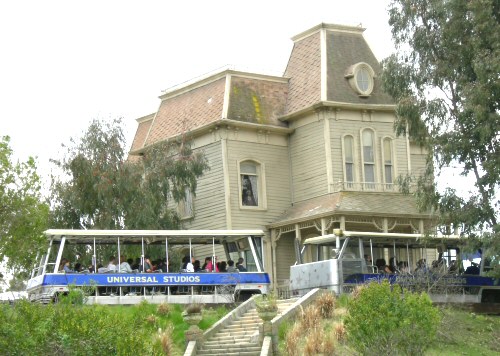
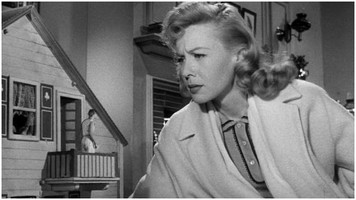
The reason many attractions at movie-based theme parks were originally developed was to take Tom Gunning’s (1986) idea of the cinema of attractions and translate it literally. However, with the increasingly digital climate of movie making, the practical, analog effects and techniques that once made for the basis of attractions, are no longer foundation enough for successful attractions in today’s marketplace of themed entertainment ideas. Simply stated, it just isn’t exciting to watch an editor sit behind a computer creating digital effects. Despite the making of a movie just not being as secret or magical nowadays, it is still important for a movie-based theme park to hold onto its roots and work to creatively develop new ways of exhibiting this art that still mystifies to this day—just in different ways than it used to. For movie-based theme parks that exist on studio lots or house sound stages, it is imperative that studio tours continue and build areas that can be rented out for current productions. Even though many people know how movies are made presently, the art, skill, and magic of how similar effects and shot sequences were accomplished before the aid of computers (at least to the extent they are instrumental today) in classic movies has a place in the modern movie-based theme park. Hitchcock: the Art of Making Movies was cited as an example of this type of offering guests want to see alive in the parks.

The goal of a movie or theme park attraction is to generate some type of pleasurable experience in the movie patron or park guest. For both movies and themed parks, the idea needs to be to craft a story that will stimulate physiological and psychological/emotional responses from the audience/guests. A movie should contain a story or sequence of events that generate fear, affection, anxiousness, or levity in the bodies of the patrons. These responses are very much physiological. In the environment of a theme park attraction based off a given movie, these same physiological responses need to be generated by the use of movement and special or visual effects. When generating these physical responses, the patron or guest will instinctively develop psychological or emotional responses to accompany the complementary physiological response. Even if the physiological strain placed on the bodies is by all accounts a negative one, the park guest will most likely be compelled to experience it again and again because studies have shown an attraction to or affinity for sensations of pleasurable un-pleasures.

The principal idea behind this study is to create a predictable model for producers and designers. And, there has been a prolific amount of information to supply the evidence that creative designers, producers, and project managers need in order to make well-informed decisions in the beginning stages of the themed entertainment or motion picture production process. Developing a model for creative decision-making is not as simple as ‘include these things and your idea will be successful,’ as the creative process can be very subjective. However, with enough supporting evidences, a media conglomerate or other company with theme park investments can make decisions with sufficient empirical evidence pertaining to the projected success of an attraction or theme park. This study has outlined a model that is grounded in scholarly research, anecdotal evidence, and first-person focus groups and interviews.

For the complete study, head over to AMAZON and purchase the book. These 12 sections merely touch on some of the main points from the study but by no means take the place of reading the whole book. Hopefully these sections prompt a desire to experience the book/study in its entirety. It’s written to be enjoyed by anyone who loves movies and theme parks. What good is a study if it’s written of that only academics can understand. I have uncovered fascinating knowledge and insight into the craft of the relationship between cinema and themed entertainment that I want to share with the world.

To return to the beginning of the series, click HERE
 

“On Cinema and Theme Parks” (part 8)

My Book

For the movie studio (or media conglomerate), the theme park provides a seemingly limitless opportunity to cross-promote imagery and narratives from the screen into the park. This accomplishes the desire to advertise new movies and television programs and to sell merchandise pertaining to the various movies and themes that the park showcases. Either way, this two-fold process generates income to sustain the endeavors of the company (Davis, 1996)

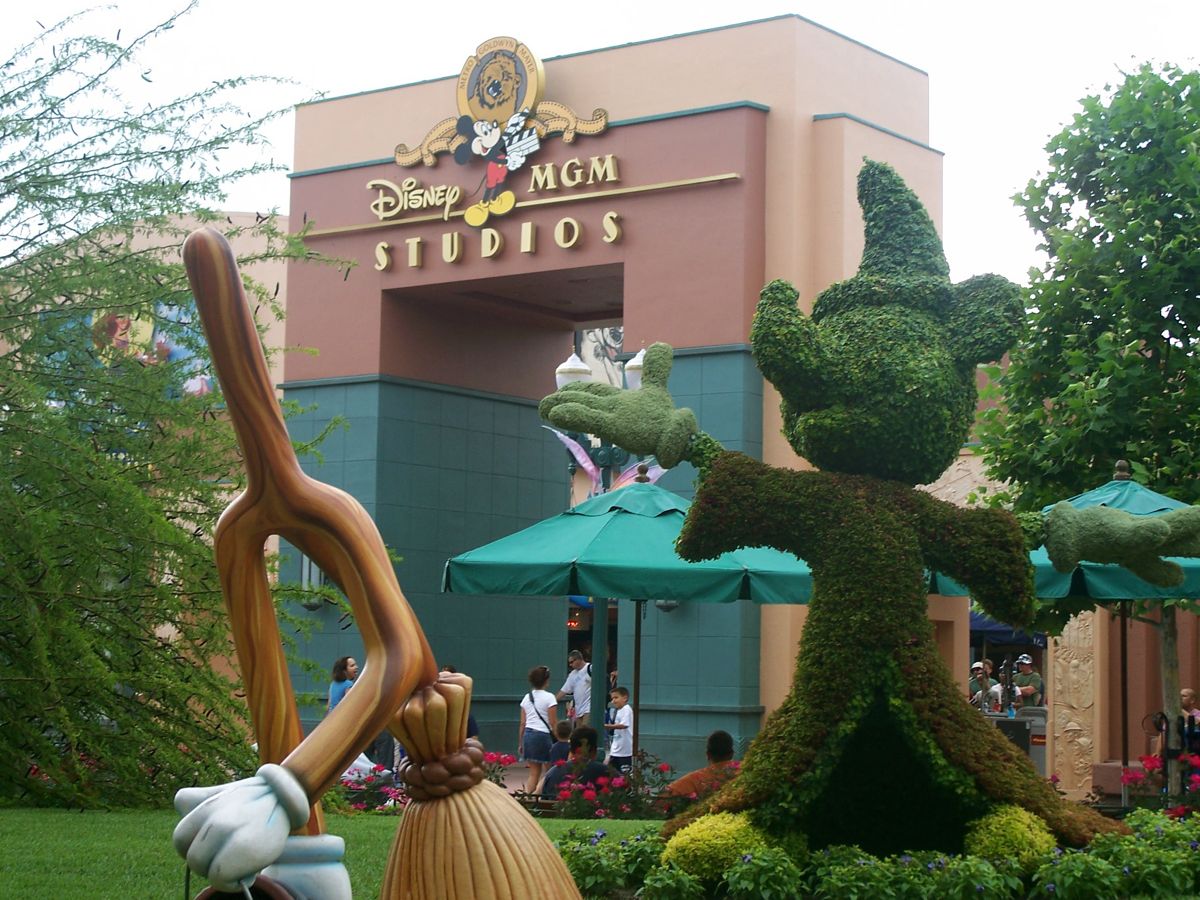
Unlike SeaWorld Parks and Entertainment and Cedar Fair (parent company to Cedar Point), Disney and Universal use their parks for more than cross-promotion and merchandising opportunities. Until the late 1990s/early 2000s, they also used their parks as production studios and offices that acted as a counterpart to the Hollywood divisions (StudioCentral.com). The television channel Nickelodeon also operated two sound stages plus production offices at Universal Studios Florida (Riley, 1998). So, in addition to using the intellectual property provided by the movie and television studios, the two media giants used their parks as production facilities to create new media and entertainment content and create production jobs in Central Florida (Milman, 2001). Beyond MGM’s timeless logo featuring the Latin inscription ars gratia artis (art for art’s sake) surrounding Leo the Lion, the cinematic works and television programs can be converted from visual art to commodities because they now have a material place to exist in the real world accessible by millions.

DisneyMGMIn essence, the entertainment elements and advertising materials are so thoroughly fused that it is nearly impossible for the average park guest to tell them apart. Beyond the surface level of movies and theme parks, there is evidence that, when planning a blockbuster movie, the studio has it in its mind whether of not this movie would be good to ride or be used as a theme in a park for shows and other attractions. Susan Davis (1996) explains that the media conglomerates, that primarily run the theme park industry, can pull from other media resources by way of acquisitions, partnerships, and licensing in order to grow and widen audiences and park guests. A classic example of this is the (no longer active) partnership Disney had with MGM Studios. Disney’s licensing deal with MGM allowed the company to use the iconic MGM logo and pull from its film library.

2006_psychotramIt’s well established that theme parks are an outlet for the parent companies that own them, and the movie studios they also own, to act as conduits for one another: the end result being cash flow. But, there are different ways of utilizing the cinema to benefit the theme park experience (Riley, 1998). Whereas Disney uses the characters in its movies to bolster the parks’ influence, Universal Studios (Hollywood and Florida) took a different approach (although, Universal is trending toward the Disney model in recent years). Universal Studios uses its studio tour(s) to blend labor with spectacle (Murdy, 2002). This offers the park guests a glimpse into how films are made. In recent years, this has provided less of a pull since it is common knowledge that a large portion of filmmaking exists within a computer. Universal Studios presents cinema and television history, production techniques, and special effects to impress the audiences and guests. So, one could assess that Universal Studios parks are self-reflexive in their choice of entertainment. At least this was true until park guests demanded more thrill rides and less education and appreciation for film and television art and history (Murdy, 2002).

Find out what you missed by buying my book on AMAZON!

To return to the beginning of this series, click HERE

How to Get American Netflix in Canada

Screen Shot 2016-04-07 at 3.47.05 PMBreaking away from my typical entries, I found this interesting and desired to share it with you. Having recently attended a conference with a speaker from Toronto, this topic came up. The speaker commented over drinks that she is unable to watch American Netflix in Canada. Since analyzing media and entertainment is something I do, I decided to explore how one could enjoy American Netflix in Canada. While I was browsing the internet for ideas that I may be able to share, I stumbled across this website. I found it to be quite useful and seems to solve the problem of the inability to access American (U.S.) Netflix in our neighbor to the north. Click HERE.

“On Cinema and Theme Parks” part 4

My Book

Continued from Part 3

One medium being the extension of, or exhibiting a direct connection to, another medium is not a new concept. In fact, this concept of media convergence has been around for as long as multiple mediums have existed. In order to better understand the convergence or synergy that exists between cinema, in particular horror film, and theme parks, it is crucial to understand how we arrived at this point. One thing that film and themed entertainment both have in common is that each tells a story—in a different manner. But, the narrative is often quite similar. Prior to theme parks and cinema (film), there were plays, novels, and oral stories/traditions. The novel is an extension of the oral story, the play is an extension of the novel, cinema is an extension of the play, and the theme park is an extension of cinema. According to Dr. Henry Jenkins, “there has been an alarming concentration of the ownership of mainstream commercial media, with a small handful of multinational media conglomerates dominating all sectors of the entertainment industry” (2004, p1). This is clearly seen in the acquisition, exhibition, and development of theme park attractions based upon movies and, to a lesser extent, television shows.

The first cinemas were setup more like attractions than actual theatres. Perhaps more than coincidentally, theatres began springing up at the same time Coney Island opened its turnstiles around the beginning of the twentieth century; and at this time, cinema itself was still very much viewed as an attraction (Gunning, 1986). According to Tom Gunning (1986), “it was precisely the exhibitionist quality of turn-of-the-century popular art that made it attractive to the avant-garde” (1986, p66). So this concept of the convergence of cinema and theme park (or attraction) is one that dates all the way back to the early 1900s. Since some of the earliest films were of a surreal or horror nature, it is of no surprise that horror played a large role in the development of the cinema attraction. Much in the same way that early cinema was essentially a variety show, in essence, lacked a continuous diegesis, or narrative, the convergence of cinema and theme parks offers a variety of cinema-based attractions that are, indirectly at best, connected to each other. However, instead of the film, itself, being the attraction, cinema-based theme parks and attractions use the narrative provided by a work of cinema and uses elements of that film that can be translated into a real-world experience.

But as with any media convergence, there are also pitfalls to such a synergy between two powerful media. In order to best understand the pitfalls and promises in such a meeting, it is imperative to discuss convergence of two media in and of itself. Understanding the concept of convergence will better prepare filmmakers and themed entertainment designers to select the best elements of films to translate into themed attractions based on movies, in particular horror or action. According to the leader of research into the area of media convergence Henry Jenkins (2004), “media convergence is more than simply a technological shift. Convergence alters the relationship between existing technologies, industries, markets, genres, and audiences. Convergence refers to a process, but not an endpoint” (P1). Over the years, the relationship between cinema and theme parks has shifted. Before, cinema was the attraction; and now, the attraction is infused with cinema. And the handful of multinational media conglomerates own both methods of the exhibition of creativity. With the exception of the Walt Disney Company, many of the other media conglomerates have prominent interests in theme parks and film and television studios; and some also have interests in Broadway productions (i.e. Universal Studios’ Wicked and Sony Pictures’ Spider-Man).

Crossing over into new arenas of revenue requires access to vast media libraries, and that is what many of media conglomerates have at their disposal. This ability to converge areas of media interest in order to generate more revenue is something that contrasts with old Hollywood. Jenkins (2004) remarks that “old Hollywood focused on cinema, [and] the new media conglomerates have controlling interests across the entire entertainment industry” (P34). This convergence greatly influences the way society consumes media and entertainment (everything from movies to theme parks to music to toys and games). More than a cross-promotion of entertainment and media products, the convergence of cinema and theme parks is “a reconfiguration of media power and a reshaping of media aesthetics and economics” (Jenkins, 2004, P35). This reconfiguration comes in many shapes and forms. And, the horror film has found a place within the new configuration of entertainment media synergy. Specifically, the horror film has been used instrumentally in this reconfiguration; evidence of this can be seen in the prolific number of television shows (most popularly zombie shows), movies, and horror/Halloween themed events at theme parks (e.g. Busch Gardens’ Howl-O-Scream and Universal Studios’ Halloween Horror Nights). In these events, horror films provide a vast heritage from which theme parks can draw characters and plots to create temporary attractions to generate more income for the media company. Looking at many of the opening day attractions at movie-based theme parks, horror films were the first films to be translated into themed entertainment.

Part 1

Part 2

Part 3

The Man Vanishes

ShrinkingManEvery once in a while, I make observations of trends in entertainment and media that I like to explore in hopes of encouraging further discussion; this is one of those topics: The portrayal of white heterosexual men in media has definitely changed since the days of Father Knows Best, Silver SpoonsAndy Griffith, and Leave it to Beaver. Just so we are clear, I am neither condemning nor condoning this changing portrayal in television and advertising. I am merely highlighting an element of the media based on both empirical and anecdotal evidences that, if for no other reason, is simply interesting to think about. Media should aim to be fair to all races, ethnicities, sexual orientations, religious beliefs, and genders in terms of their respective narrative portrayals. Of course, there is nothing wrong with stereotyping for comedic or dramatic effect; but, it should not become the norm or the status quo. But I digress; you could call the white heterosexual male in media the vanishing man because of how he has been treated over the years, especially in the last 20. The title I selected for this article is a play on of one of Hitchcock’s earliest film titles The Lady Vanishes.

Lucille Ball in her most famous roles in the series, except the Freezer episode.

Lucille Ball in some of her most famous roles in the series.

During the early days of entertainment media (both radio and television, and to some extent movies), the traditional male stereotype was one of strength, intelligence, rationale, and leadership; whereas the stereotype of women was unfairly characterized as ditzy, homebodies, less intelligent, overly emotional and mainly concerned with house chores and child rearing. Note: Lucille Ball’s character in I Love Lucy definitely doesn’t fit the aforementioned stereotype–and thankfully so–she did so much for the portrayal of women in media and gave us one of the most iconic characters that became such a part of Americana. Perhaps that’s why the show is still relevant today. On a side note, I watch it every morning at Planet Fitness while I use the elliptical. Anyway, over time, the stereotypes of men and women (and for the most part, unless otherwise stated, this article is referring to white heterosexual men and women) have shifted greatly. In recent decades, the past traditional female stereotypes have been rightly criticized for being unfair to women.

Cast of "Married with Children"

Cast of “Married with Children”

But, in an effort to be more fair to women, have men been dealt an unfair blow? In the past 10-20 years–mostly concentrated in, but not limited to, sitcoms–men are now almost regularly portrayed as unintelligent, irrational, disconnected, bumbling, and child-like; however, women are now shown as the grownups, leaders, intelligent, rational, and practical. This new type of man is seen in shows like The SimpsonsMarried with Children, Home Improvement, and most any Disney Channel or Nickelodeon show. When men are now shown in traditional roles, they are often portrayed as buffoons, clueless, and in need of guidance, often times by a woman or their kids. On the other hand, female characters in the media, like Progressive’s Flo, have evolved over time to be highly intelligent and superior to any male in the commercial. [Please note that I absolutely adore Flo, and find her commercials to be as entertaining as a typical television show.]

Throughout the media, we are seeing a greater diversity of players and representations of various groups such as gay men, in popular entertainment media; we are also seeing different roles for straight men. Mixed race couples can be seen, single parents are no longer regularly shown to be helpless, and non-traditional and extended family units can be found regularly. But in this effort to do good, the scales may have tipped in the opposite direction too much. Among other attributes mentioned earlier, the role of the father in the home is often devalued if existent at all; and men/partners/husbands are often seen as ineffectual and incompetant. A recent example of this can be seen in the Gogurt commercials where the father is preparing his kid’s lunch and the wife “busts his balls,” so to speak, for not packing a well-balenced lunch, which, for purposes of the commercial, means a Gugurt. Another example is the Allstate commercial where the couple is sitting in a cafe and the female driver receives the safe driving bonus check where as her husband or boyfriend does not. That is a common theme in many Allstate commercials. Interestingly enough, this vanishing man dilemma appears to be mostly limited to white men, while black men are usually portrayed as strong, masculine, and leaders in the house. However, in movies, black men are still more often portrayed as the villain and the white guy as the hero–a discussion for another time.

The cast of "Will and Grace." From left: Will, Jack, Karen, Grace

The cast of “Will and Grace.” From left: Will, Jack, Karen, Grace

Switching gears for a moment, the portrayal of gay males (mostly white) in the media has also changed over the last decade. Traditionally when portrayed, if portrayed at all, they were portrayed as silly, goofy, socially awkward, and the side-kick. But a lot has happened since the days of Will and Grace, which is arguably the launchpad of positive portrayal of a principle gay cast in a popular show. Generally speaking, gay [mostly white] males are now shown in a very positive light with characteristics from the silly to the serious in ads, television, and movies. A good example of this would be ABC’s Modern Family or the cancelled NBC show The New Normal, SmashProject Runway, and Glee are also examples of recent shows that feature prominent gay characters in a very positive/normal light, as opposed to the exaggerated characters of gay males in past shows.

Critically examining the media, it becomes clear that white heterosexual men are being systematically stereotyped as week, stupid, immature; and, it appears as though they are the only demographic group being portrayed that way on a regular basis. The desire not to offend gay men and heterosexual women has caused heterosexual men to be on the short end of the stick. In an effort to balance the scale of the representation of white men versus all other demographic groups/minorities, the media has tipped the scale in favor of the minority groups and not thought of how the portrayal is affecting men over the long run. In real life, there are gay, straight, black, white men of all personality types from the serious and responsible to the silly and ill-driven. So when we see only one side of that picture, the media just isn’t portraying a realistic portrait of men as they are today. In both television and movies, it appears as though women are being appealed to by making fun of men and showing them as ineffectual lovers and incompetent. This is increasingly witnessed in sitcoms because dramas have to be more serious and realistic, and not as regularly portrayed in works of cinema.

Not only in narrative television do you find this depiction of men, but you can increasingly find it in advertising as well. Advertisers have always known they need to write the commercials for the one in the family (or household) who does the shopping. Since a growing number of women are the keepers of the purse strings, it makes since for advertisers to gear advertisements toward women because it increases the probability that the product will be purchased. In the past, advertisements showed women how they could please their men by purchasing the right products and services. But now, we see advertising appealing to women by making fun of men. And, this is often combined with the topics that often come up during a girls night out. So, you will often see commercials highlight the incompetent father. In recent studies, research shows that 2/3 of younger men (teens, 20s, and 30s) enjoy shopping. Furthermore, with the numbers of married or partnered couples dwindling and young professionals staying single much longer than in the last generation, it will become necessary for advertisers of household items to appeal to both men and women. And if they are to sell to men, advertisers will need to ease up on how men have been portrayed in household item commercials. Again, this is a generalization because obviously there are commercials that are either neutral or appeal to the men of the house.

By making fun of men in order to appeal to women, are producers and advertisers accomplishing their goal? And, does this actually affect women’s attitudes toward produces, services, and entertainment? Perhaps this is a backlash to being looked down upon for such a long time. Many may see it that way. But, it still does not make it right or fair. Whatever the case, societal norms are changing and men and women are finding themselves in new roles. And, the American idea of masculinity is evolving rapidly as there is a wide range of stereotypes of male in the media ranging from the abusive to the grotesque and from the serious to the silly. In these roles, men are portrayed from only being able to solve problems through brut force to the gay male who relies upon sensitivity and creativity to the metrosexual (straight/effeminate) male. And in that realm of confusion, that may explain why we see these more negative representations of heterosexual males.

Striking a balance in the portrayal of genders in the media is a game

Striking a balance in the portrayal of genders in the media is a game

Hopefully, highlighting this issue will open the door for communication and discussion in terms of gender roles in todays’ society and how various groups of people are represented in the media. Perhaps, maybe this will help producers and advertisers to show all types of people in a more realistic light and not stereotype one group more negatively than another. Due to children being probably more porous than ever, and shaping their world view of men by how they view males in the media, perhaps this will encourage the creators of content not to paint men in such a negative way because there are plenty of examples of wonderful fathers, husbands, and boyfriends out in the world. Research shows that kids’ perceptions of men on television are not positive. And this is a dangerous slope. Many children see men on television as stupid and inept and women are portrayed as effective and intelligent. However, more recent commercials and shows have made an effort to show men in a more favorable light, and we could be seeing the pendulum swing back to a more neutral position.

One thing is for sure, it is up to the parent(s) to guide children as to what is real and not real. And, that males and females in television may not always exhibit characteristics that are desirable in the real world. It is important to stress that stereotypes do not represent reality, but merely a creative twist or embellishment on reality. At the end of the day, characters are created to sell a show. But, it is important to recognize that men may be being dealt a bad hand by the media, and creators should step back to see that the very thing that happened to women and gay males in the past is effecting the portrayal of heterosexual men today.

Ryan teaches Film Studies and Screenwriting at the University of Tampa. If you like this article, check out the others and FOLLOW this blog! Interested in Ryan making a guest appearance on your podcast or contributing to your website? Send him a DM on Twitter or email him at RLTerry1@gmail.com! If you’re ever in Tampa or Orlando, feel free to catch a movie with him.

Follow him on Twitter: RLTerry1

References

  • Abernathy, M., Professor of Communication Studies, Indiana University
  • Lucas, S., Professor of Sociology and Anthropology, Lake Tahoe Community College
  • Gender Ads Project, Accessed from http://www.genderads.com
  • Basow, S.A., Stereotypes and Roles, Thomson/Brooks Cole, 1992
  • Reeves, B., Children’s Perceptions of TV Characters, Human Communication Research, Vol 3, Issue 2