Should’ve Left the Red Door Locked
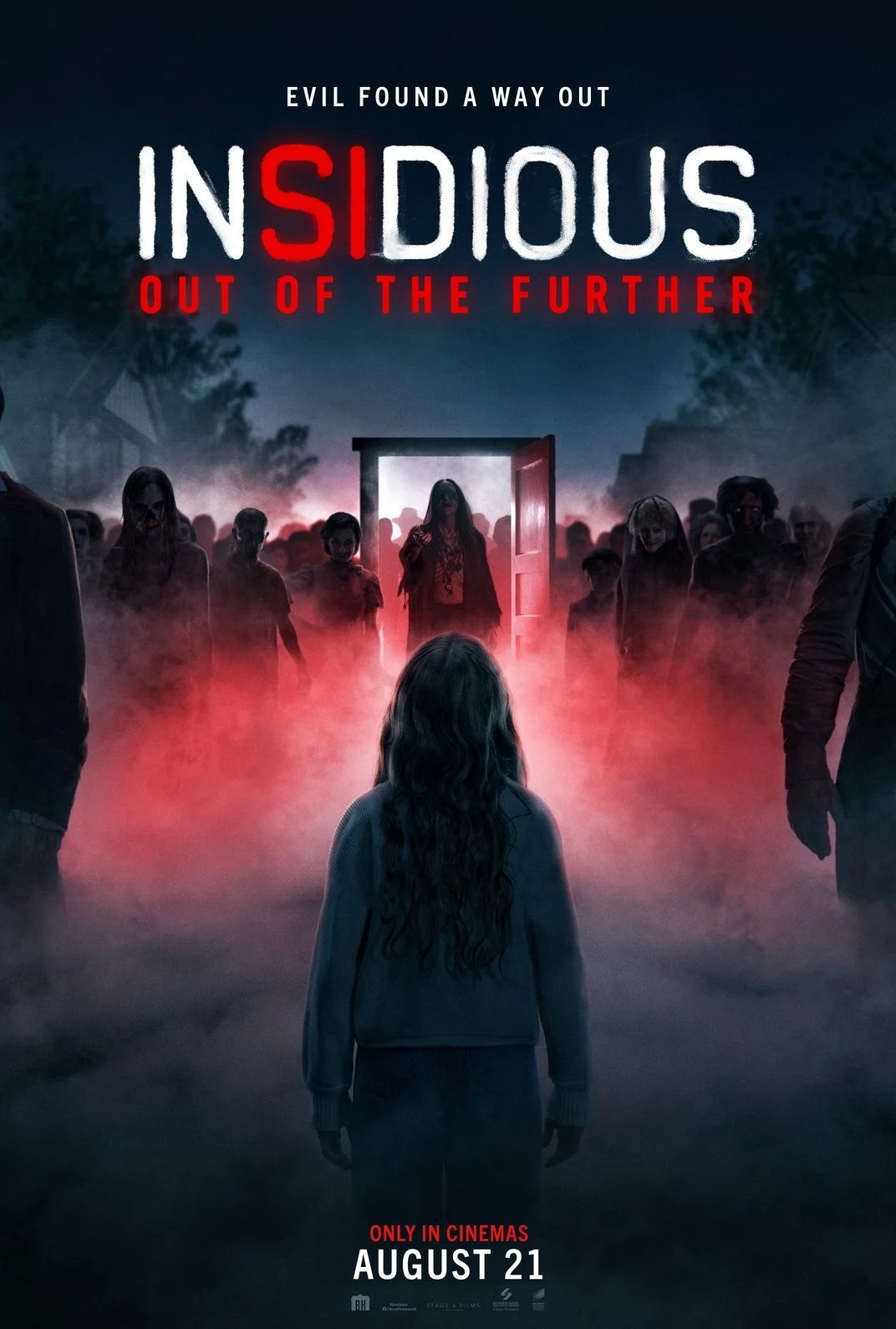
The newest installment in the Insidious franchise is a reminder that atmosphere, mythology, and strong individual ideas are only the ingredients of a motion picture—not the motion picture itself. Jacob Chase clearly has several intriguing concepts at work: a story rooted in grief, characters shaped by trauma, supernatural elements designed to expand the mythology of the franchise, and the return of horror icon Lin Shaye. Yet those ideas rarely connect into a cohesive dramatic experience. Instead, the film often feels like a collection of scenes and sequences searching for the narrative that will bind them together.
Insidious: Out of the Further introduces Gemma, a young mother who discovers she possesses the ability to enter the Further—the purgatorial realm of lost souls established throughout the franchise. However, Gemma’s ability comes with a dangerous consequence: she can bring the entities she encounters back into our world.
The simplest description of the film may be Insidious meets Poltergeist, with a little A Nightmare on Elm Street mixed in for good measure. Chase clearly understands the lineage of these films and the horror traditions from which they emerged. There is an appreciation for the genre’s history and an attempt to build upon familiar ideas. Unfortunately, the film’s vision would have benefited from a stronger screenplay—one capable of shaping those influences into a more dramatically compelling narrative.
Horror has always been a genre where atmosphere can compensate for many shortcomings. A haunting location, unsettling sound design, frightening imagery, or a memorable performance can carry an audience through imperfect storytelling. But atmosphere cannot replace character development, and franchise recognition cannot substitute for emotional stakes. Even the presence of Lin Shaye—whose portrayal of Elise Rainier has become one of the defining elements of the Insidious universe—cannot overcome material that struggles to transform its concepts into meaningful drama.
The result is a film containing many of the elements audiences expect from an Insidious installment, but without the dramatic foundation necessary to make those elements resonate. There is simultaneously too much happening and not enough meaningful material to sustain the film’s 105-minute runtime. The story introduces several promising concepts but rarely develops them beyond their initial premise.
At the center of the problem is the screenplay. Allowing the Further’s entities to cross into the physical world is an intriguing expansion of the franchise mythology, but the film never fully explores the possibilities created by that idea. Instead, it becomes another extended attempt to escape the supernatural dangers lurking beyond the red door.
That weakness extends to the characters as well. Outside of Gemma, her daughter Maya, and returning paranormal investigator Elise Rainier, several principal characters function almost like non-player characters in a video game. They appear when the protagonist needs assistance completing a specific task, but they possess little independent dramatic identity or purpose.
What ultimately saves the movie—and makes it watchable—is Lin Shaye.
Shaye remains the heart of this franchise, bringing warmth, credibility, and humanity to its supernatural mythology. Unfortunately, she is given surprisingly little to do. Her presence occasionally feels less like an essential component of the story and more like an acknowledgment that longtime fans expect Elise Rainier to be present.
Atmospherically, however, the film succeeds. The Further remains an effective nightmare landscape, populated by disturbing entities that longtime fans will immediately recognize. In fact, the world created here feels almost perfectly suited for a Halloween Horror Nights attraction—perhaps even a stronger haunted house than a feature film.
The scares themselves are competently staged, although many of the strongest moments appear to have been revealed in the marketing. I generally avoid trailers, but even the limited footage I encountered made several major scare sequences feel familiar before they arrived.
Insidious: Out of the Further contains numerous individually effective ideas, memorable imagery, and another welcome appearance by Lin Shaye. What it lacks is the dramatic structure necessary to connect those elements into a satisfying whole.
It is another example of a fundamental truth about filmmaking: a director’s vision requires a screenplay capable of refining, organizing, and transforming that vision into a complete story. Without that collaboration, even promising concepts risk becoming little more than a stream of ideas.
Fans of the franchise may enjoy another atmospheric journey into the Further. Everyone else can wait until this door opens on streaming.
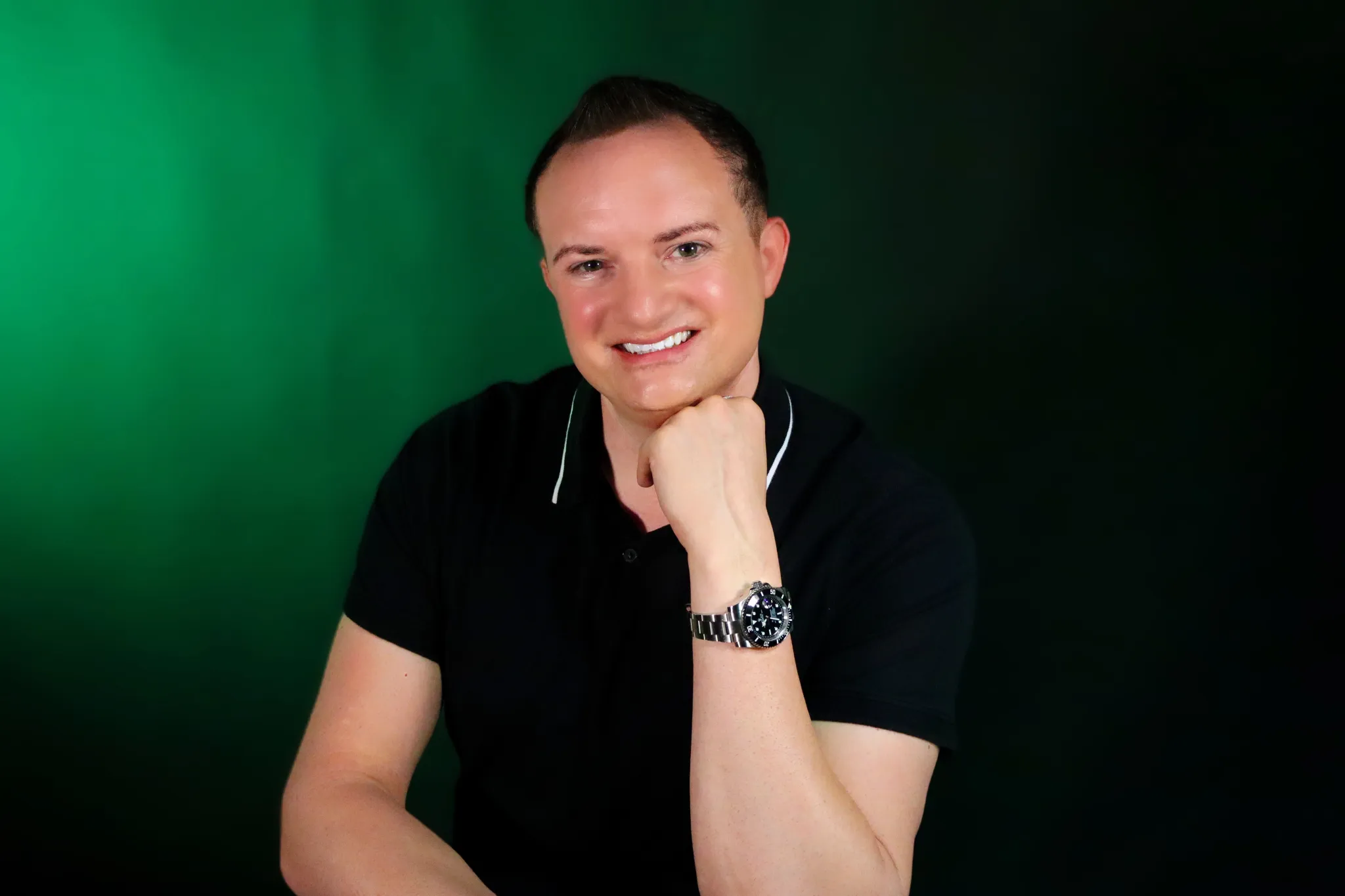
Ryan is the morning host on WLRH Public Radio in Huntsville, AL and host of the show ReelTalk “where you can enjoy the cinematic conversations frame by frame each week.” Additionally, he is the author of the upcoming film studies book titled Monsters, Madness, and Mayhem: Why People Love Horror. After teaching film studies for over eight years at the University of Tampa, he transitioned from the classroom to public media. He is a member of the Critics Association of Central Florida and Indie Film Critics of America. If you like this article, check out the others and FOLLOW this blog! Follow him on Twitter: RLTerry1 and LetterBoxd: RLTerry