“I hate that word [comeback]. It’s a return! …”

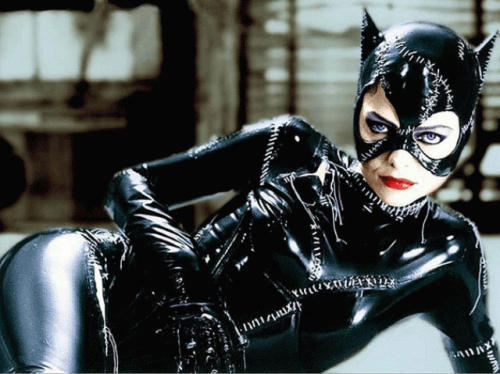
“…a return to the millions of people who have never forgiven me for deserting the screen.” A powerful line from the iconic Norma Desmond in Sunset Boulevard–but–this also rings true for Michelle Pfeiffer, who is returning to the big screen following a self-imposed exile from Hollywood. After a long “famine” (the term Darren Aronofsky attributes to the Oscar-nominated actress’s absence), Pfeiffer is making a triumphant return to the big screen, and in BIG ways. Whether your favorite Pfeiffer performance is her universally critically acclaimed interpretation of Selina Kyle/Catwoman in Tim Burton’s Batman Returns or as Elvira Hancock in Scarface, cinephiles and fans alike can agree that the big screen has missed Pfeiffer’s bold screen presence and incredible beauty. What makes Pfeiffer unique in the world of cinema, is her ability to be incredibly ballsy and completely vulnerable all at the same time. Few actresses possess the ability to be a tomboy one minute and the portrait of sensuality the next. Why would one of the brightest stars in Hollywood in the 1980s and 90s slip away from the silver screen so conspicuously? The long and short of it is she desired to make time to raise her children. In a rare interview with Vanity Fair, Pfeiffer stated that she required so many schedule and location accommodations for her to continue to be a working-mother that she became “unhireable.” Now that her children are grown and out of the house, she is ready to get back to work!

While many may be focussing on Pfeiffer’s return to the big screen–to movies that are a match for her talent–the larger picture here could be lost. Approaching 60, Pfeiffer is at the age when many actresses are either not hired as often and/or are placed in grandmother roles; however, she is busier than ever! And in high profile roles in highly anticipated films. For the fans of her brilliant performance as the definitive Catwoman, she is returning to the superhero genre in the new Ant-Man and more recently she commanded the screen in Murder on the Orient Express. Pfeiffer also told Variety that should would very much like to reprise her role as Catwoman in a future film but not go to the lengths she had to before (citing placing the real bird in her mouth and the iconic sexy, but uncomfortable costume). Pfeiffer’s return to the screen is a testament that Hollywood is beginning to show that older established actresses are still bankable.

Pfeiffer comments that being an empty-nester has provided her with the push to get back out there. She wasn’t even sure that she would be able to step right back into acting because she often remarks that she sometimes feels like a fraud because she never received any formal training. Her rise from grocery store clerk to household name happened nearly overnight. Just goes to show that even though formal training and education are valuable tools in a show business professional’s tool belt, formal education itself does not an acclaimed actor make. Part of preparing to return to the superhero genre in Ant-Man and Wasp has her pouring over old comic books to prepare for her highest profile role in more than a decade. It is clear from the few interviews Pfeiffer grants (she is self-admittingly scared of interviews) that her favorite role in her career IS her role as Selina Kyle/Catwoman. Even today, she says that she is met by fans, young and old, of her work in that role. She quickly gives credit to Tim Burton who was highly instrumental in providing exceptional direction and a creative genius in the, what many critics call the, Batman movie that typifies the franchise. So, her return to the superhero movie genre is one that is highly anticipated.

While she is excited to get back out there, she still admits that she will continue to be choosy in her roles. She is an actress that has to feel a connection to a character in order to bring it to life. Whereas before she turned down roles in Silence of the Lambs and Thelma and Louise because of making sure she had time to be a mom, first and foremost, she will continue to exhibit her desire to not simply get out there and act again, but thoroughly enjoy the characters she plays. Part of Pfeiffer’s timeless charm is her ability to be 100% sexy feminine and 100% humorous tomboy at the same time. It’s this dichotomy that gives Pfeiffer her unique blend of charisma and screen presence that commands your attention and makes her memorable. Of all the qualities that aid in creating the standout actress that many of us love, she is equally humble and still learns from those actresses like Judi Dench and others that she continues to admire.

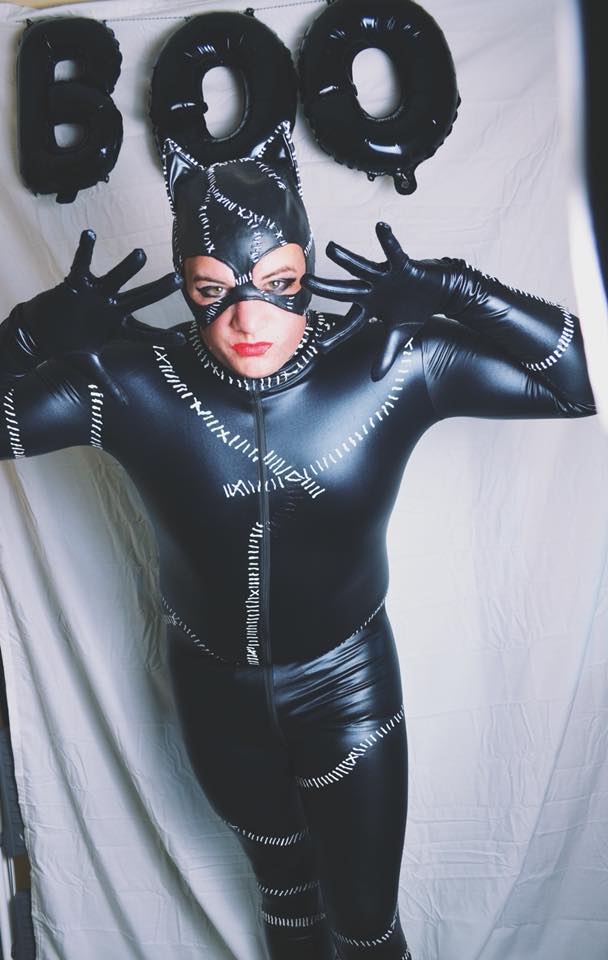
This past Halloween, I did my best to emulate her iconic Catwoman costume!


Don’t Pass GO, Don’t Collect Your Oscar

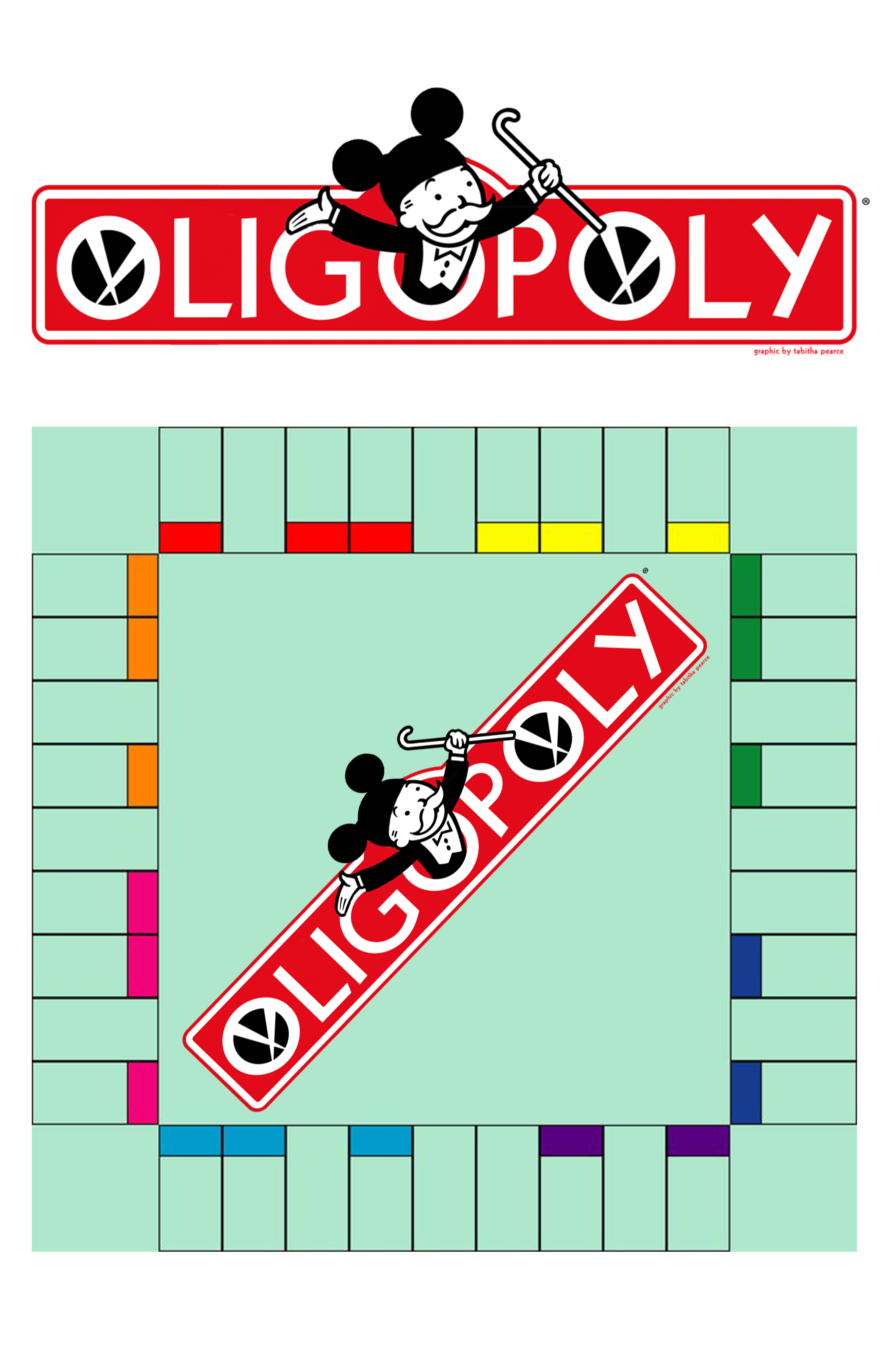
Corporate monopoly is the enemy of creativity and variety. The biggest news in entertainment this week was the talks between Disney and Fox to sell most of 21st Century Fox to The Walt Disney Company. Whether the talks are still going on behind closed doors or not presents a fascinating topic to discuss! This deal, which would be the biggest film/media deal ever, has far reaching effects upon the industry. Some may even argue that it has danger written all over it. If there wasn’t already a rigid oligopoly amongst the studio/distribution companies, there will be if this goes through. Should this go through without the government swooping in to save the day with monopoly claims in the vein of the historic Paramount Decision, the lion’s share of the cinematic marketplace would be controlled by Disney, TimeWarner (Warner Bros.), and Comcast (Universal), with Sony (Columbia) and Viacom (Paramount) bringing up the rear. Five. That’s right. Five companies would essentially determine the future of the industry, and control the majority of the motion pictures released in theaters and the content on cable television (and the streaming services that access it). It’s a mirror image of the 1940s. Instead of The Big Five and The Little Three, we have The BIG Three and the Little Two.

From the big screen to the small screen, you will notice the effects in the programs you watch. When one company controls the majority of any marketplace, it usually spells disaster for the consumer; furthermore, it means that there will be a primary gatekeeper in future artists getting his or her work out there. Not to mention that the programming on FX and other Fox (non-broadcast) subsidiaries could begin to gradually feel and look more like ABC programming. Could this put shows like The Simpsons and Family Guy on an endangered species list of sorts? Not right now. The deal, in off-and-on talks, would sell off 21st Century Fox (movie studios) and not Fox or Fox Sports (an acquisition of that sort would not be permitted because it WOULD be illegal). So, even if this buyout were to happen, The Walt Disney Company would still continue to be the brunt of many jokes on The Simpsons and Family Guy. A buyout could mean, however, that program options will seem less varied and just more of the same ABC-schlock that already pervades the bandwidth. The two companies that have the most TV programming are Fox and Disney, with Sony (CBS), Viacom (non-broadcast Nickelodeon), Comcast (NBC), and TimeWarner (CW) trailing in original programming. That being said, TimeWarner has done very well with The CW, and I hope it continues to churn out programs such as Vampire Diaries, Supernatural, Riverdale, etc.

Beyond the negative impacts on content, which, in all honestly, can be quite subjective in nature, are there legal or ethical implications here? Is there perhaps a past precedent that could be used in the courts to stop such a buyout (or sellout rather–Fox)? Let’s look at the most famous suit brought against the major motion picture studios: The Paramount Decision [(U.S. V. PARAMOUNT PICTURES, INC., 334 U.S. 131 (1948)]. Prior to the Paramount Decision, the motion picture industry was controlled by a few companies that were heavily vertically integrated. The Studio owned the facilities, production companies, staff (under long-term contracts), the films themselves, distribution channels, and the movie theaters. When the studios were growing so large that they began infringing upon the free marketplace, the US Government forced the (then) eight major/minor studio players to end the practice of block booking (meaning, films would now be sold on an individual basis), divest themselves of their respective theatre chains (sell them off), and modify the practice of long-term employee contracts (though, this would continue until the 1960s). This marked the beginning of the end of the Studio System, AKA Hollywood’s decentralization. There are many similarities between the situation in the late 1940s and today. In fact, it’s a little worse today because the industry is mostly controlled by five (instead of eight) companies, and these companies have heavy investments in streaming and television programming.

The problem with the current state of capitalism in the Unites States isn’t worries of monopolies but oligopolies (monopolistic practices between a few firms that essentially control a market). Certainly the state of the film industry already lends itself to an oligopoly because of the few companies; but the buyout of 21st Century Fox by The Disney Company would greatly increase this issue of a blatant oligopoly. If a monopolist (in many other industries) did what Disney is doing, neither the public nor the government would stand for it; but because it’s Disney, and because it’s the film industry, most of the general public is unaware of the negative consequences of such a buyout. Technically speaking, oligopolies are not illegal nor is monopolistic competition; however, this can be a slippery slope towards stifling creativity or making is increasingly difficult to break into any given industry as a newly emerging competitor. Incidentally, monopolistic competition causes the variety or level of differentiation of similar products (i.e. moves and TV shows) to become less heterogeneous and nearly come across as homogenous. For many, it will feel like there are only two primary companies controlling the majority of programming on TV and a few companies controlling a large portion of the movies that get released in movie theaters.

When a strong oligopoly exists within a specialized industry (for our purposes, media & entertainment), one of the side effects is a concept known as parallel exclusion. This concept can be described as the collective efforts of the few industry leaders who essentially act as the main gatekeepers to prevent or make it difficult for would-be newcomers to enter the arena. Parallel exclusion is nothing new, and has been in the news as recently as the last 2-3 decades within the airline and credit card industries. Throughout the eighties and nineties, Visa and MasterCard essentially blacklisted any bank that set out to do business with AmEx. Thankfully, the U.S. Justice Department stepped in when the manner in which the exclusionary rules were written crossed legal, fair trade boundaries. There were similar issues within the airline industry as well. When a few companies control the content or services in the marketplace, antitrust issues are raised.

Although we are not facing a technical monopoly with the possible acquisition of Fox by Disney, we are looking at an abuse of power that leads to anticompetitive conduct. If nothing else, the consumer should be worried about having fewer options for programming. Not that the number of programs or movies will shrink, but there will be little difference between what is released under the Disney banner and the Fox name (if it’s still even called that). In a deal like this, it’s the consumer who gets the short end of the stick. The consumer would be wise not to give Disney a pass just because there are a small group of big film studios instead of just one. While Marvel fans may be excited that the X-Men can join the MCU (Marvel Cinematic Universe), there is the possibility of a lack of competition between brands thus mitigating innovation and ingenuity. Competition is the mother of innovation just as necessity is the mother of invention.

Because the Walt Disney Company is primarily focussed on producing the biggest movies possible (after all, they made five of the 10 most successful films last year), the mid-budget dramas and comedies that used to thrive in Hollywood–you know, the ones that cause you to cry and laugh–would dwindle in number–there would be little room for them to make their respective ways into theaters in a predominantly Disney controlled industry. What we are essentially talking about here is a corporate cinematic monolith, the likes of which, has never been seen before.

Written by R.L. Terry

Graphic by Tabitha Pearce

“La La Land” movie review

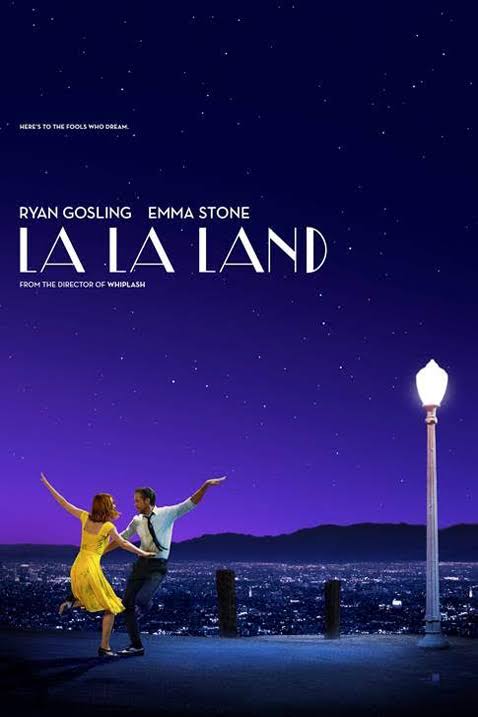
lalalandSimply dazzling! A beautifully produced motion picture musical that is sure to delight audiences around the world. Ryan Gosling (Sebastian) and Emma Stone (Mia) shine brightly in this self-reflexive modern romantic film set on the backdrop of a classically composed movie musical echoing the song and dance numbers that Busby Berkeley brought to the silver screen through Hollywood studio system powerhouse Warner Bros. Summit Entertainment’s La La Land will have you laughing one moment and crying the next in this roller coaster of emotions. Every aspiring professional who has the dream of a substantive career as an artist in the visual and performing arts–or just an artist in general–needs to watch this film. If you have ever been discouraged on your career path, or lack thereof, this film will aid in reigniting the flame that fuels your dreams of writing, acting, playing, or whatever your passion happens to be. Whereas many films similar to this one would have shot it as a period OR modern piece, this film is nothing short of a masterpiece that harnesses the nostalgic appeal of the classic musical with the power of modern cinematic storytelling.

Stories of struggling to reach your dreams are nothing new, but there is so much more to the story of Mia (Stone) and Sebastian’s (Gosling) respective goals of successful careers in the city of angels. Following a chance meeting at a night club in LA where Sebastian was playing a set list of traditional Christmas carols, Mia and Sebastian continue to bump into each other at parties and in the work place. The focus of this musical is on the everyday life of two struggling artists trying to make it in a city notorious for shattering dreams and breaking hearts. Mia and Sebastian must learn what is more important: chasing dreams of being in the spotlight or a once-in-a-lifetime opportunity for a beautiful love unmatched by any other.

Best part about Damien Chazelle’s La La Land? The old-school movie musical feel from the moment the film opens. From set pieces to matte paintings to the manner in which the cameras capture the story as the drama unfolds, this is both a modern story of romance and conflict and classic Hollywood musical. While some may find the cinematography, lighting, and editing to be nothing remarkable, the fact of the matter is that it required great skill and hundreds of hours of effort to capture the essence of an old Hollywood musical. To recreate a nearly extinct film genre, is an outstanding achievement in cinematic storytelling and deserves all the 9s and 10s this film is receiving from critics and fans alike. La La Land takes pages right out of the books of Busby Berkeley (Footlight Parade) and Gene Kelly (Singin’ in the Rain). Such a gorgeous combination of a classically structured and choreographed musical within a modern Hollywood. And the film could have easily rested its laurels on the technical and artistic achievements alone, but the film also possesses an incredibly beautiful love story between two aspiring artists.

In a modern studio system who appears all too often to be more concerned with franchise building, merchandising, theme park integration, and rebooting, this film is fresh, real, gritty, and endearing. In a climate so predisposed to the Star WarsesHarry PottersJurassic Parks, and Avengerses, this film brings with is a breath of fresh air that is nearly unmatched by any other film this year. While many are concerned with the lack of original stories coming out of Hollywood, may this film be a testament that masterpieces can still make their way into cinemas nationwide and not simply the art house theatre of the US’ largest metro areas. Although film is a visual medium and should not rely upon the score or songs to carry the bulk of the film (i.e. Frozen), this film is very much about the music. However, unlike films that integrate music in order to cover up poorly structured and developed writing, La La Land embraces the music as much a part of the story as the writing itself. In many ways, the film plays out like music and flows like a musical score. The way the cameras moves, the editor cut, and the blocking of the characters is very much like a musical staff, like the way music is composed and performed. But at the same time, the movie is not simply about the music but about the relationship between Mia and Sebastian; and furthermore, about their aspirations for the spotlight. Solid writing and a solid score.

The casting of La La Land could not have been more brilliant! Both Stone and Gosling successfully bring about that 1940s feel in a modern story. That could be due to the successes of both in 1940s era films prior. Stone in Magic in the Moonlight and Gosling in The Notebook. While both can successfully carry a period piece on their own respectively, together they are a powerhouse couple like Fred Astaire and Ginger Rogers. Their performances in this film were so incredibly natural, so real, and believable. At the same time, the actors are also very much contemporary–just like the film: classic yet contemporary. Even though the audience is well aware that Stone and Gosling are anything but struggling artists, they play their respective parts so convincingly that you’d swear that we were actually watching a pair of struggling artists who do desperately want a substantive piece of that Hollywood pie. A great screenplay possesses protagonists that the audience will love or love to hate, and the characters in La La Land connect so incredibly well with classic and contemporary audiences.

Inspirational. This film will help to inspire those who have a talent for storytelling, music, or writing to continue to work hard and remain dedicated to one’s craft because that is the only way that a career can pay off. The moment you stop trying is the moment that the dream dies along with settling for less. Not that day-jobs aren’t important. Certainly the importance of a day job is shown in the film, but it’s imperative that the day job never cause an artist to sell out or give up on the dream. Day jobs should fund imaginative dreams not eclipse them. There is much to love about this film; so much so that you will likely find yourself with a desire to watch it again. This IS definitely my pick for Best Picture as we head into award season with the holidays coming to a close.

“Allied” movie review

alliedQuite the duplicitous plot! Robert Zemeckis’ Allied released by Paramount Pictures is a thrilling tale of espionage and love. We have certainly seen a few different “spy” movies over the last couple of years; some more about espionage and others more about the drama that ensues afterwards. Fortunately, Allied feels like a genuine spy movie that actually contains espionage. The production design and costumes are a beautiful throwback to the fabulous 40s. You’ll find yourself reaching for a glass of champagne and swing dancing to Benny Goodman’s timeless big band jazz hit Sing, Sing, Sing. There is one city synonymous with WWII, espionage, and romance and you will appropriately return to that iconic city of Casablanca in Allied. This is definitely not a reimagined Casablanca but there are indirect references to that movie sprinkled throughout this new story. Films like this one require top notch talent, and both Brad Pitt and Marion Cotillard deliver outstanding performances to accompany this staple in film genres. Not limited to the love story between Pitt’s and Cotillard’s respective characters, the movie also includes some deadly shootout scenes and dangerously close encounters with the Nazis behind enemy lines.

Commander and intelligence officer Max Vatan (Pitt) is stationed in the famous city of Casablanca in French Morocco where he teams up with French resistance movement leader Marianne Beausejour (Cotillard). Impressed by her ability to so effectively blend in and create her authentic cover, Vatan soon finds himself falling in love with his partner. Following the assassination of a Nazi ambassador, Beausejour and Vatan flee to London to start their life together. Everything is going beautifully for the happy couple in their second year of marriage with a child when Vatan’s superiors confront him with the suspicion that Marianne is in fact a Nazi spy. Refusing to believe it to be true, Max must now conduct his own investigation into his wife’s history to protect the ones he loves so dearly.

I absolutely adored the look and feel of the film as it echoes the era of the Golden Age of Hollywood. Although this movie plays off a tad listless as a result of failing to elicit a strong emotional response from the audience, it is not without it outstanding elements. It benefits from solid acting and beautiful cinematography as well as some fantastic symbolism. Robert Zemeckis’ talent for visual storytelling is clearly visible in this period film. The weakness in the ability to successfully leave a lasting emotional impact on the audience is in the writing and executive producership of Steven Knight (Eastern Promises). For films that are not as much about the spectacle as they are the drama between characters and the challenges faced therein, it is vitally important that the personal/interpersonal relationships transcend the screen and directly impact the audience. All the makings were there for a deeply moving cinematic story, but it just doesn’t quite make that transition from the mostly superficial and distant.

Mirror, mirror, on the wall…(interesting fun fact: this misquoted line from Snow White is actually “magic mirror on the wall”). But, I digress. The strategic use of mirrors is an  incredible use of visual storytelling and symbolism. For those who have studied film or literary rhetoric, the mirror is a classic means of conveying duplicity (two sides, faces, etc of a character). Even without knowing that this was a spy movie, I would have been able to infer that from how the mirrors are shot and placed within the composition of the 24 frames a second. When using powerful symbolism as part of the visual story, it conveys so much more meaning in a scene than words could actually describe. Mirrors have long sense been a powerful metaphor even before moving pictures. But motion pictures allow for a greater use of the importance it plays in a cinematic story. Not limited to duplicity, mirrors can also be used as a metaphor for self-reflection. Whether talking duplicity or reflection, the mirror aids in conveying so much to the audience in this movie.

Ordinarily, I am not a fan of classic films getting remakes; however, there are always exceptions when the core or essence of the film is held in tact but the production design, direction, and cinematography are brought up to speed with contemporary cinema. If you’re a fan of WWII era films or the timelsss spy movie, then you will definitely enjoy Allied. After witnessing the significance of Casablanca in this movie, I am actually looking forward to a remake if there ever is one. Provided. That the overall look and feel of the movie is in line with classical motion picture storytelling. I could definitely see Robert Zemeckis directing a remake of Casablanca. Occasionally there are directors who can strike the balance between a classic tale told through contemporary technology, and Zemeckis definitely struck that balance in Allied.

Don’t allow the weak writing to dissuade you from watching it; there is actually a lot to enjoy in this film. After the slow burn during the first act, acts II and III are full of intrigue and suspense.

A Theme Park in Flux

DHS_MainIt’s no secret that the Walt Disney World Resort (WDW) is undergoing some massive builds and refurbishments. With Universal Orlando (UO) stealing the leading market share from the media and entertainment conglomerate’s flagship resort, Disney is running to catch up. Although there are a number of refurbishments and builds presently taking place, the one that is the most obvious and potentially dangerous is the near-reboot of Disney’s Hollywood Studios (DHS). Just this week, it was announced that the extremely popular thrill ride Rock ‘in’ Roller Coaster is soon to be closed for a relatively short amount of time; however, during this time, all references to Aerosmith will be removed. Whether that is due to inside or outside influences is not what’s really important. What IS important is the number of closures over the last couple of years and even ones that are reported to be taking place within the next few.

For the latest in theme park news and information, head over to Thrillz where you can read this and other articles. From the United States to Eurpoe, Asia, and beyond, the team at Thrillz.co has got it covered!

GMR_VintageIt’s the late 1980s, and then Disney CEO Michael Eisner has an idea for a new theme park at WDW. Unlike other parks which were more strategically planned, this one has a rather spontaneous birth. In short, Eisner desired to put a movie-based ride at Epcot. The name of that attraction? The Great Movie Ride (GMR). Sound familiar? From that attraction concept sprung the now Disney’s Hollywood Studios. The genesis of this park parallels Universal Studios Florida in many ways. Both began as Florida production counterparts to their respective Los Angeles headquarters and both opened within one year of one another featuring attractions based on film/TV IP; furthermore, both parks were active film and television production facilities and offered tours, live audience opportunities, and meet and greets with some of the stars. Back then (from 1989-2008) DHS was named Disney-MGM Studios with a scale replica of Grauman’s Chinese Theatre as the centerpiece. The operating hours were less than Magic Kingdom or Epcot because of the few offerings, so DHS was originally operated as a half-day park. The design of the park was mostly based on the idea of Hollywood at the hight of its golden age in the 1930s and 40s. From the buildings to the backlot, it was clear that this park was celebrating the art of motion pictures.

Map_MGM_Studios

Here is a map of the park at the height of attractions offerings (minus Toy Story Midway Mania and The American Idol Experience both added in 2008).

Disney_GG_HouseDuring the late 1990s and early 2000s, both Disney and Universal began to phase out the Florida production facilities. With that phasing out, the connection to the art of motion picture making began to mitigate. Specifically speaking about, Disney-MGM Studios, there were two major changes that directly affected the identity of the park during this first period of flux. While many may not recall the set tours of Adventures in Wonderland or playing Who Wants to Be a Millionaire, many long-time fans and guests of the park will remember the closure of Residential Street (part of the Backlot Tour) to make way for the now-closed Lights, Motors, Action Stunt Show. Residential Street included, among other houses, THE Golden Girls‘ house (used for the exterior shots starting in the 2nd season). During the pilot episode and the first season of the critically acclaimed show–still–with a huge fan base today, the house seen in the exterior shots (which you can drive to today) was/is located in Brentwood, CA. But I digress. With the closure of Residential Street, the now-closed Backlot Tour had to be reinvented to accommodate the new stunt show. This closure represented the first steps in the eventual identity crisis of the park.

DHS_TOTRegarding the addition of new attractions, the 1990s were a booming time for DHS because in 1994, something huge dropped in. The iconic and popular flagship attraction The Twilight Zone Tower of Terror (TOT) opened on Sunset Blvd! At the time, it was considered the most technologically advanced theme park attraction in the world. The attraction was so popular in Florida that a counterpart was constructed at Disneyland as part of Disney’s California Adventure (DCA). Sadly, Disney has confirmed all rumors and timeframes regarding the rebranding of the DCA Tower of Terror to be rethemed with Guardians of the Galaxy. Beauty and the Beast: Live on Stage and The Tower of Terror welcomed the addition of Rock ‘in’ Roller Coaster Starring Aerosmith (RRC) in 1999. RRC was the first (and still only) roller coaster at DHS and continues to be a huge draw today. In addition to the 1990s welcoming TOT and RRC, Sunset Boulevard would also become the home of the nighttime spectacular Fantasmic! With room for close to 10K park guests, Fantasmic continues to be a popular show that requires guests to arrive 1-1.5hrs prior to showtime. However, the popularity of Sunset Blvd is not immune to radical changes. As you may be aware, and as I wrote in the opening paragraph, it was announced recently that RRC will be undergoing a short but drastic refurbishment in the next month that will transform the coaster into a more generic version of its current self. (Personally, I’d like to see RRC Starring Journey, 21 Pilots, Bleachers, or a range of songs by bands/artists about rollercoasters).

My sister "wearing" Mickey's hat!

My sister “wearing” Mickey’s hat!

The mid to late 2000s began to see some changes that would completely redefine the identity of the park as it continued to move away from the production of television and film. From Residential Street to the center of the park, due to licensing issues with the then new owners of the real Grauman’s Chinese Theatre, Disney erected Mickey’s Sorcerer’s Hat to serve as the centerpiece for the park and as the logo for marketing. In retrospect, the erection of this hat upstaged the Chinese Theatre, representing the end of the first season of Disney-MGM and ushered in the second season. Contrary to popular opinion, the hat was not connected to the eventual renaming of the park in 2008 but the result of the owners of the Chinese Theatre wanting more money for the famous Hollywood landmark to be featured in marketing materials. Obviously, if you have been to the park in the last year, you have noticed that the Chinese Theatre is back to being the centerpiece thanks to–again–new owners of The Chinese Theatre (TCL). It would appear that DHS is going back to its roots in the art of motion picture production, but that may not be the case. While the entrance to the park is almost back to its vintage state, the rest of the park is being redefined and is presently in a state of flux as the seasons change once again.

DHS_NewLogoEven before Star Wars and Frozen, DHS was already in a identity crisis. The most notable change, whether you are a park regular or not, was the complete renaming of the park in 2008 from Disney-MGM Studios to Disney’s Hollywood Studios (on that note, the park will be getting a new name again with the opening of Star Wars and Toy Story lands). Although the renaming is partly due to the disconnect from motion picture making, it is mostly due to MGM falling into bankruptcy. 2008 continued to be a big year of changes with the opening of the still-popular Toy Story Midway Mania attraction located in the Pixar area near then-Animation. Furthermore in 2008, DHS opened the now-closed American Idol Experience (licensed from Fox). It took the place of Doug Live in the show building that was vacant from 2001-2008. From 2008-2012ish, it was extremely popular and hundreds, if not thousands, of park guests auditioned everyday. Towards the end, the attraction would have to cancel shows because so few guests auditioned. The attraction finally closed its doors at the Superstar Theatre in 2014 to make way for the Frozen Live show that can now be seen daily. More recently, the–what was left of the–Backlot Tour is now closed, DHS_ OFSDLalong with the Honey I Shrunk the Kids playground, Streets of America (home to the now deceased Osborne Family Spectacle of Dancing Lights during the holidays); and it’s rumored that in 2018 that The Great Movie Ride (GMR) will be massively rethemed to a Mickey dark ride. Supporting evidence of this is in the decline to renew the–actually still new–licensing agreement and sponsorship of GMR by Turner Classic Movies. The removal of GMR would essentially mean the park will lose all connections to the original idea for the park. Theme park researchers are also predicting the closure of the Indiana Jones Stunt Show to make way for more Start Wars. Looks like DHS is moving into season three of its life. What does all this mean?

dhs_map_2016_aHere is a map of Disney’s Hollywood Studios today. Notice anything?

DHS_TSL_WallIt is clear that this park is continuing to truly find and solidify its identity. If you look at the map above, you will notice that there are far fewer offerings than in the mid-late 2000s at DHS. This new season of DHS is simply the next in a long history of fluctuations. Originally designed as a half-day park, it appears as though DHS is unofficially returning to that model–for now, anyway. Once RRC closes (even though it is for a relatively short time), there will only be a few rides left: Star Tours, Great Movie Ride, Tower of Terror, and Toy Story. As far as other attractions, guests will still be able to enjoy Indiana Jones, Frozen, Beauty and the Beast, Fantasmic, Little Mermaid, and Muppet Vision 3D. Comparing that list to what was offered in DHS’ prime years, the offerings are somewhat anemic. Although it is too early to announce a target opening date for either Toy Story or Star Wars Lands respectively, Disney is known for prolonged expansion construction. So, it is safe to assume that we are looking at 3-5yrs until the lands open. The danger in closing so many attractions over the years and nearly cutting the park in half (when it was already small) is a potential side effect of a significant drop in guest numbers. Hopefully, the numbers will climb back up once the lands open. DHS_SWL_WallThat being said, here is an idea. It’s no secret that Disney is presently losing out to Universal. Of all the parks, DHS is definitely seeing the sharpest decline in numbers (which translates to revenue). Not knowing what the daily operating cost of the park is, I can only speculate; but,  WDW may be in a better position if it were to completely close DHS for 18-24mos and ramp up the construction of Star Wars and Toy Story. With the park remaining open, the construction moves more slowly than if the entire park were to shut down. Cities have proven that this approach works when it comes to massive repairs or expansions of expressways. Would you rather keep a park open that has a few attractions and the new lands take twice as long to build or would it be better to close the park (which could potentially save money in the long run) and the lands open up in half the time? Whatever the case, it’s definitely something interesting to think about. All we can do is watch as Disney’s “movie” based theme park transforms yet again. On the plus side, the new lands look awesome! I will, though, miss the magic of the movies at this park.

Me and my sister during her first trip to Disney World.

Me and my sister during her first trip to Disney World.