
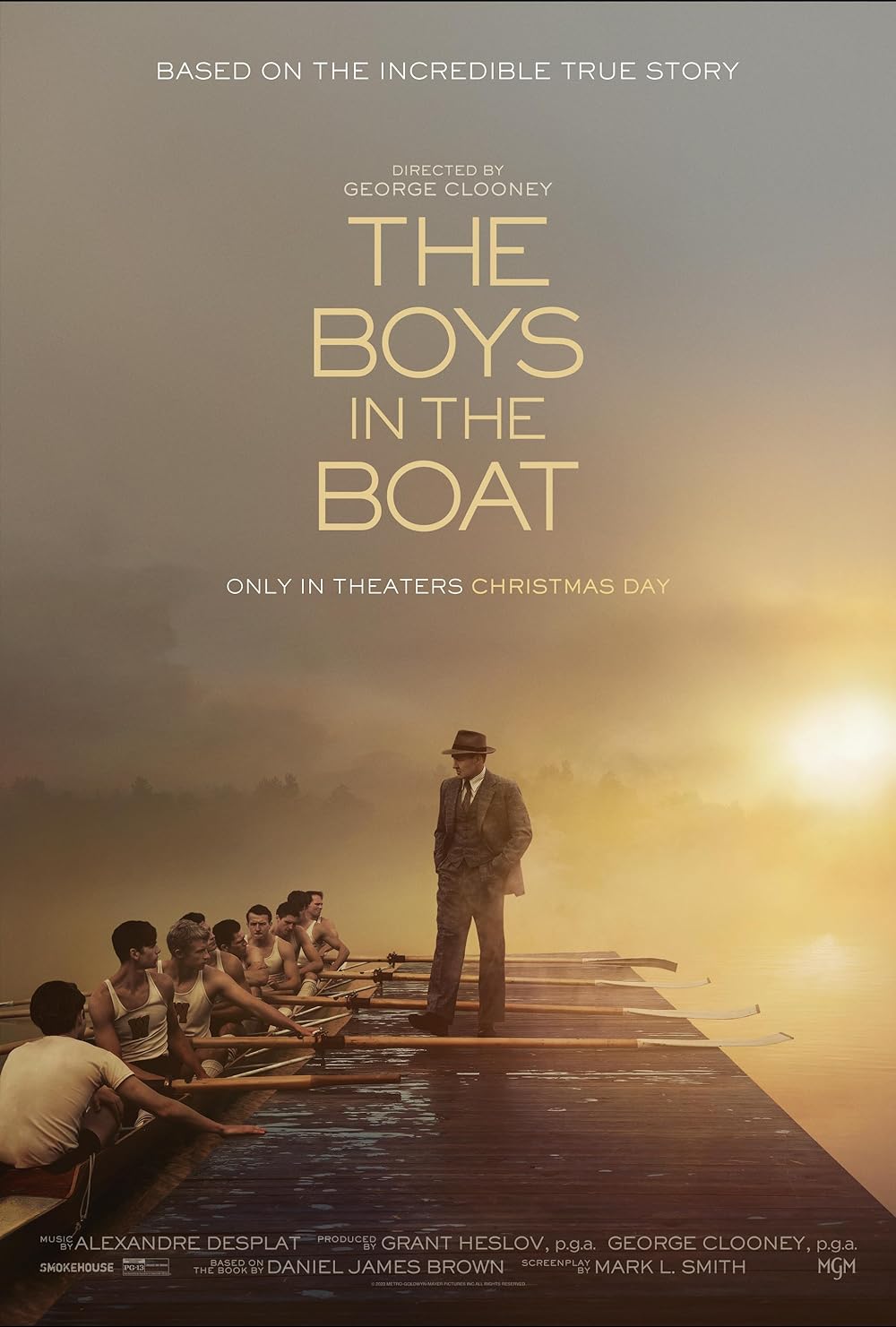
THE BOYS IN THE BOAT film review

A solid but unremarkable film. The Boys in the Boat is a standard historical drama that sufficiently meets expectations. Unfortunately, there lacks anything truly remarkable about the film. While the performances are better than average, the directing and screenwriting fall slightly short of where they should have been for this film. Thematically, the film delivers a big screen adaptation of a truly inspirational story, but beyond the uplifting feeling of a traditional underdog story, the film itself doesn’t particularly leave an emotive mark upon the mind and soul. Still, I was unaware of this story connected with the 1936 Summer Olympics held in Berlin, and am thankful that I now know about it. If nothing else, this film does a sufficient job of reminding us that we are more than the sum of our parts and really can achieve greatness by working collaboratively with one another to overcome the obstacles of life.

During the height of the Great Depression, members of the rowing team at the University of Washington get thrust into the spotlight as they compete for gold at the 1936 Olympics in Berlin.

While the screenplay demonstrates an understanding of what it means and the importance of a well-developed outside/action story with solid plotting, the screenplay falters in delivering a well-developed emotional drive that supports the action plot. Moreover, the screenplay fails to develop ancillary plots that it sets up in the first act. Without going into details, our central character has a need for a job (which is what leads him to go out for Rowing Crew) but we never revisit that need. And later, a member of the crew is deathly ill, but we never revisit that either. The author of the book upon which the film is based, co-wrote the screenplay, and it shows. Often times, novelists demonstrate difficulties in a storytelling medium that is cognitively-driven to one that is visually-driven. And we have a lot of telling instead of dramatizing in this film.

George Clooney makes some questionable directorial choices that leave me scratching my head. Clearly the talent for directing is there, but scenes that should be allowed to breathe aren’t given the chance, and other scenes that steep, should have been ended or started later. Some scenes work very well, but there are too few of those. Funnily, there is this sexual tension that is observable in two characters between whom there is no romantic interest, and that is based upon how the scenes were directed and subsequently assembled in the editing room. There is even a quick scene (and scene is being generous as it’s more of a cutaway) between the Crew from Washington and famed Olympian Jesse Owens that was sloppily executed.

The Boys in the Boat reminds me more of a movie that I’d expect to find as content on a streaming platform than it does genuine cinema. In the hands of a different director and screenwriter, this movie could’ve easily been crafted to be more impactful that it presently is. It has it’s high points, and for that, the filmi s above average, but the lack of anything truly remarkable about it drags it down from where I feel it wanted to be. Perhaps had more attention been paid to developing characters instead of focusing on the outside/action story, then we may have had something more meaningful than it is. Many movies these days place a substantial amount of focus on the ethos, subtext, or emotional parts of a story, thus sacrificing the art and science of proper plotting, so I am glad to witness proper A-story plotting; however, that does not excuse the lack of care paid to the B and C stories and emotional drive that parallels and supports the outside/action narrative.

While I don’t find anything remarkable about the film, it’s not a bad film either. In fact, I am so glad that I now know of this inspirational underdog story. I wish more than the mere knowledge of the historical event is was what was inspirational, but we can take from it that those that are perceived to be least likely to succeed, may just need the right coach and opportunity to demonstrate to the world what they are made of and capable to accomplish.
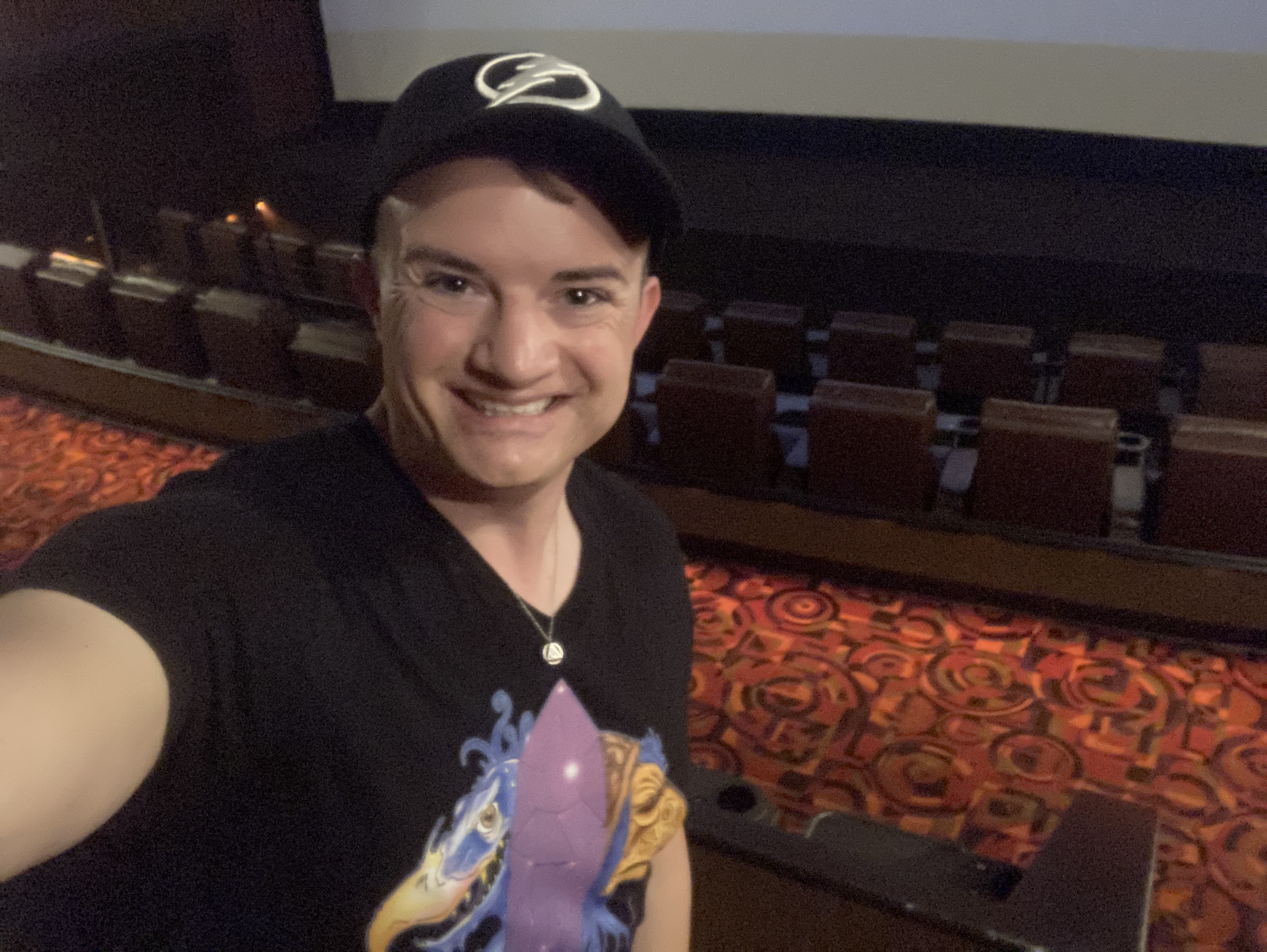
Ryan teaches Film Studies and Screenwriting at the University of Tampa and is a member of the Critics Association of Central Florida and Indie Film Critics of America. If you like this article, check out the others and FOLLOW this blog! Interested in Ryan making a guest appearance on your podcast or contributing to your website? Send him a DM on Twitter. If you’re ever in Tampa or Orlando, feel free to catch a movie with him.
Follow him on Twitter: RLTerry1 and LetterBoxd: RLTerry

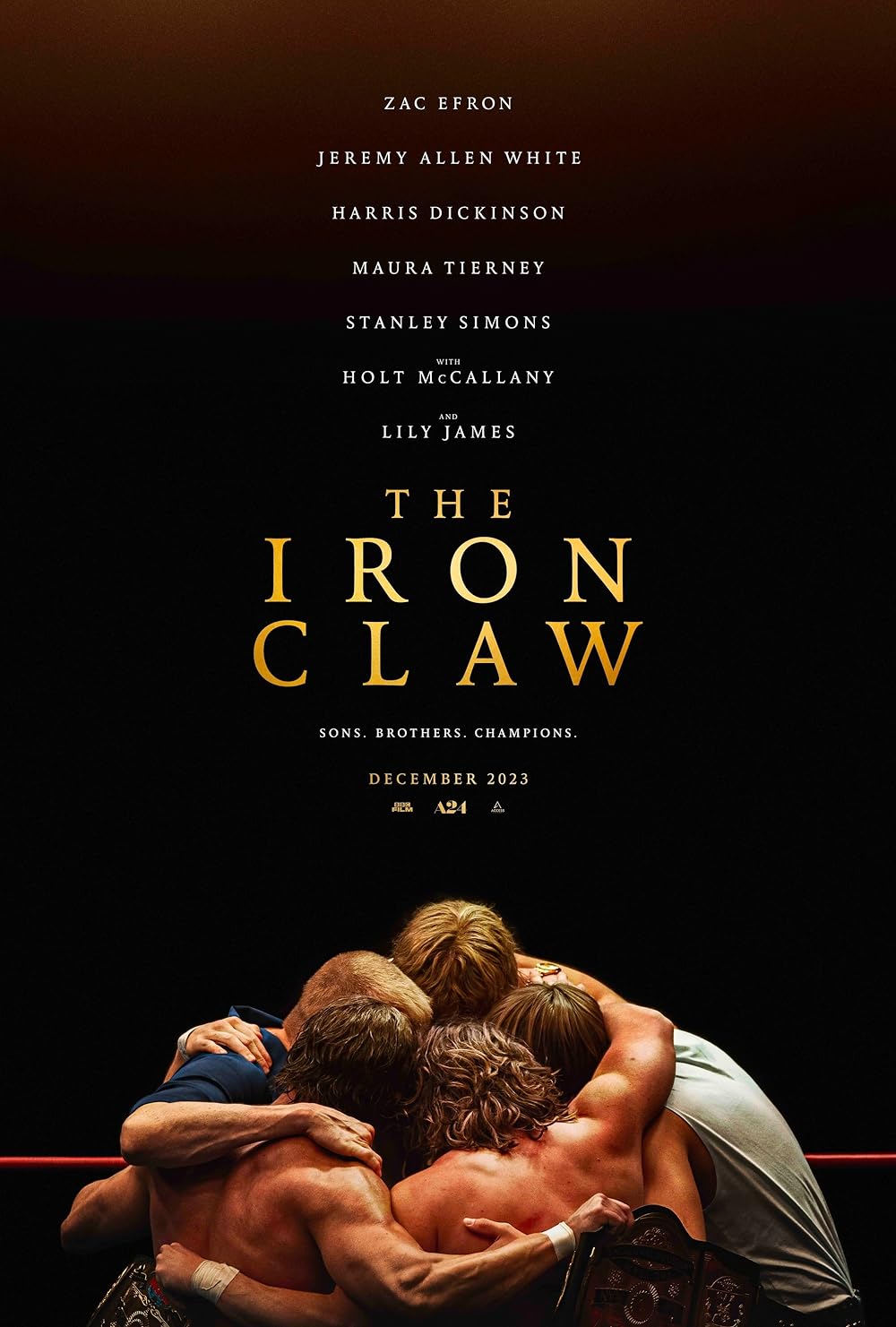
THE IRON CLAW film review

A compelling story with one-dimensional characters. The Iron Claw has all the ingredients for a masterpiece, but still misses the punch. My initial reaction to this film was an eagerness to like it much more than I did, for it was missing something. At the time, I was unsure what was missing, but the most likely culprit is the lack of character dimension and development. However, the film is saved from falling completely flat by the outstanding performance by Zac Efron. He has the weight of this film on his shoulders and it shows clearly throughout the story. Like with other sports-related biopics or sports movies, it’s not really about the wrestling; but rather, it is about the life of wrestling legend Kevin Von Erich and his relationship with his family and the tragedies that haunted them. It’s a film to watch for the excellent performance by Efron and to learn about the biggest competitor to the WWE from the 1960s-80s. Clearly the real-life story is incredibly tragic, but as it was expressed in the film, it leaves me with a feeling that there was a great film in there somewhere, but it unfortunately fell victim to lackluster screenwriting.

The true story of the inseparable Von Erich brothers, who make history in the intensely competitive world of professional wrestling in the early 1980s. Through tragedy and triumph, under the shadow of their domineering father and coach, the brothers seek larger-than-life immortality on the biggest stage in sports.

When I say I wanted to like this film more, I am certainly not alone. Most of the other critic in my screening had the same or similar reaction. We were in agreement that this film was missing something, but at the time, we did not know what that was. After much thought, I am left with the fault being in the screenwriting, specifically, the lack of character development. This is most noticeable during the three deaths (this isn’t a spoiler as this is based on real family). None of the deaths feel particularly impactful because we failed to spend a sufficient amount of time with any of the characters prior to the tragedy.

Most of our time is spent with Kevin Von Erich (Efron) and the patriarch of the family Fritz, They are the only two characters that are ever given anything substantive to do during the film. This is especially true for Kevin’s girlfriend/wife Pam Adkinsson (Lily James) and the Von Erich matriarch Doris (Maura TIerney). Neither character is given much to do; therefore, in most scenes, both ladies are unfortunately treated like little more than furniture. Yes, this is a story about the Von Erich bothers; however, your central cast is often only as interesting and dynamic as the supporting cast around them. You can remove either Pam or Doris from this movie, and it plays out nearly the same, until the very end.

While in real life, death can come at any moment, therefore there lacks a measurable buildup to the tragic passing, in a film, there is the creative latitude to both pace and structure the story in such a way that characters are developed sufficiently and there is adequate breathing room between deaths. When deaths occur occur in the film, it feels like a matter of fact. Yes, it is a factual event, but the deaths do not exactly emote much. Combine this with the lack of connection between the audience and most of the characters in the film, and it’s nearly impossible for the deaths to truly impact–suffice it to say–the deaths in this film are felt more or less cerebrally. You will find yourself thinking about them, but you won’t feel them to any great extent.

Saving the film from completely falling flat is the outstanding performance by Efron as Kevin Von Erich. We’ve seen Efron flex his acting chops in the past, but this role is certainly the most dramatic of his career. Not knowing anything about the real Kevin Von Erich, aside from what I learned in the film, it appears that Efron completely transforms into the wrestling legend. And I am not just talking physique, but mentally and physically he became Von Erich. In every scene, he delivers a nuanced performance that communicates in spades to the audience the weight of the world on his shoulders. Never once did I feel that I was watching Efron portray Von Erich, I felt I was watching Kevin Von Erich on screen. His performance and characterization of Kevin Von Erich will captivate you, and almost make you forget the film is lacking in the writing department.

Lastly, a theme that the film touches on, but fails to lean into more heavily is legacy; moreover, a cautionary story of what can happen when a parent attempts to live out his or her career or professional accomplishments through their chid even when the child is not necessarily gifted in the same way nor has the same goals and ambitions. Fritz Von Erich represents a toxic parenting trait of forcing kids to fit his mold and to accomplish what he couldn’t, thus allowing him to vicariously live out the dreams he never realized. The emotional and psychological (and sometimes physical) effects upon the child often end in negative growth because the child is rarely ever able to live up to the expectations of the parent demanding the child achieve for the family what the parents was unable to do.

If you’re a wrestling fan, I highly encourage you to watch The Iron Claw in cinemas, but if you are not particularly a wrestling fan, then it’s one that is still a good watch, but watching it at home will be sufficient enough. It’s an intimate film, but the family is larger than life.

Ryan teaches Film Studies and Screenwriting at the University of Tampa and is a member of the Critics Association of Central Florida and Indie Film Critics of America. If you like this article, check out the others and FOLLOW this blog! Interested in Ryan making a guest appearance on your podcast or contributing to your website? Send him a DM on Twitter. If you’re ever in Tampa or Orlando, feel free to catch a movie with him.
Follow him on Twitter: RLTerry1 and LetterBoxd: RLTerry

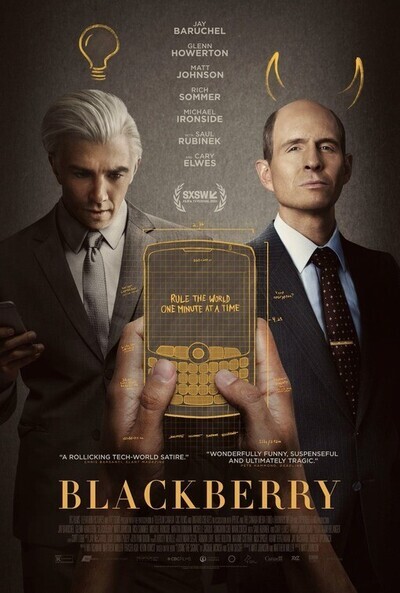
BLACKBERRY film review

Positively kinetic! This wildly entertaining biographical drama just clicks on so many levels! From beginning to end, the film commands your attention as it delivers razor sharp dialogue and outstanding performances. Whether you are a former CrackBerry addict like myself (2007–2011) or are fascinated by how the world’s first smartphone came to be, there is something for everyone in this film.

BlackBerry explores the incredible growth and tragic collapse of the world’s first smartphone and how it smashed huge enterprises before surrendering to Silicon Valley’s fiercely competitive companies.

Destined to be a film shown in business and technology classes, this cautionary tale is a brilliant depiction of what happens when you give into the system you so desperately tried to avoid or the dangers of extreme naivety and stubbornness. Moreover, the characters are both repulsive and sympathetic. You will both empathize with their plight and shake your had at the obvious missteps that would eventually lead Research In Motion, which rocketed to the top of the tech food chain, to its cataclysmic downfall. It’s in the vein of Wolf of Wall Street and The Big Short.

There is a Greek tragic or mythological quality about this film as it reminds me of the story of how Icarus flew too close to the sun and had his wings clipped. BlackBerry was king of the smartphone world for however brief a time, but its impact upon the industry will be felt in perpetuity. But this movie isn’t about the history of smartphones per se or even the company Research in Motion itself, but rather three human stories of the men whom founded, developed, and (two of which) eventually crashed the company. So, it’s a very human story.

There are three different personalities at play in the film, each represented by one of the key figures int he meteoric rise and cataclysmic fall of BlackBerry/Research in Motion. Jim Balsillie (played by Glenn Howerton) represents insatiable greed and control, Mike Lazaridis (played by Jay Baruchel represents insecurity and naivety, and Doug Fregin (played by Matthew Johnson) represents childlike pride and blind belief. Each one of these men, especially the former two, played significant roles in the rise and fall of Research in Motion. Each one demonstrated a tragic flaw that was instrumental in the eventual demise of the tech giant. Greed, naivety, and pride greatly limit resiliency, adaptability, and teachability. And it’s the refusal to apply common sense and adapt that sent BlackBerry to the exit for Defunctland.

Everything works so demonstrably well in this film! The directing, screenwriting, and performative elements are all working at peak efficiency and at incredible precision. However, even efficiency can have a downside; and in this film, the third act’s pacing isn’t quite on par with the first two. Often times in films, it’s the first or second acts that suffer from poor pacing, setup, or development; but in BlackBerry, it’s the third act. That said, it’s still mostly written and directed well, but the third act is wherein we do find flaws in the story delivery.

From the three central characters to the chief supporting players, the performances are outstanding! Supported with razor sharp dialogue that snaps, crackles, and pops, all the actors will entertain you from beginning to end! It’s one of few films this year that feels quotable and earns multiple rewatches. Perhaps the performances border on caricatures or exaggerated versions of the real people, but they are appropriate for the over-the-top nature of the film. BlackBerry was, at a time, a larger than life company, ran by larger-than-life people, so the performative dimension should be just as over-the-top, which it was, and in all the best ways possible.

One might be tempted to refer to this movie as a depiction of the word’s most famous losers that quite literally paved the way for iPhone, Galaxy, Pixel, and more. Believe it or not, if it wasn’t for Research In Motion/BlackBerry chartering new territories and pioneering new communications technologies and formulas for data/voice coverage, we may not have iPhone or Galaxy today. BlackBerry simultaneously created a new communications device and completely re-imagined how cell service works on principle. The characters are fascinating and the story mesmerizing. Easily one of the year’s best films!

Ryan teaches Film Studies and Screenwriting at the University of Tampa and is a member of the Critics Association of Central Florida and Indie Film Critics of America. If you like this article, check out the others and FOLLOW this blog! Interested in Ryan making a guest appearance on your podcast or contributing to your website? Send him a DM on Twitter. If you’re ever in Tampa or Orlando, feel free to catch a movie with him.
Follow him on Twitter: RLTerry1 and LetterBoxd: RLTerry

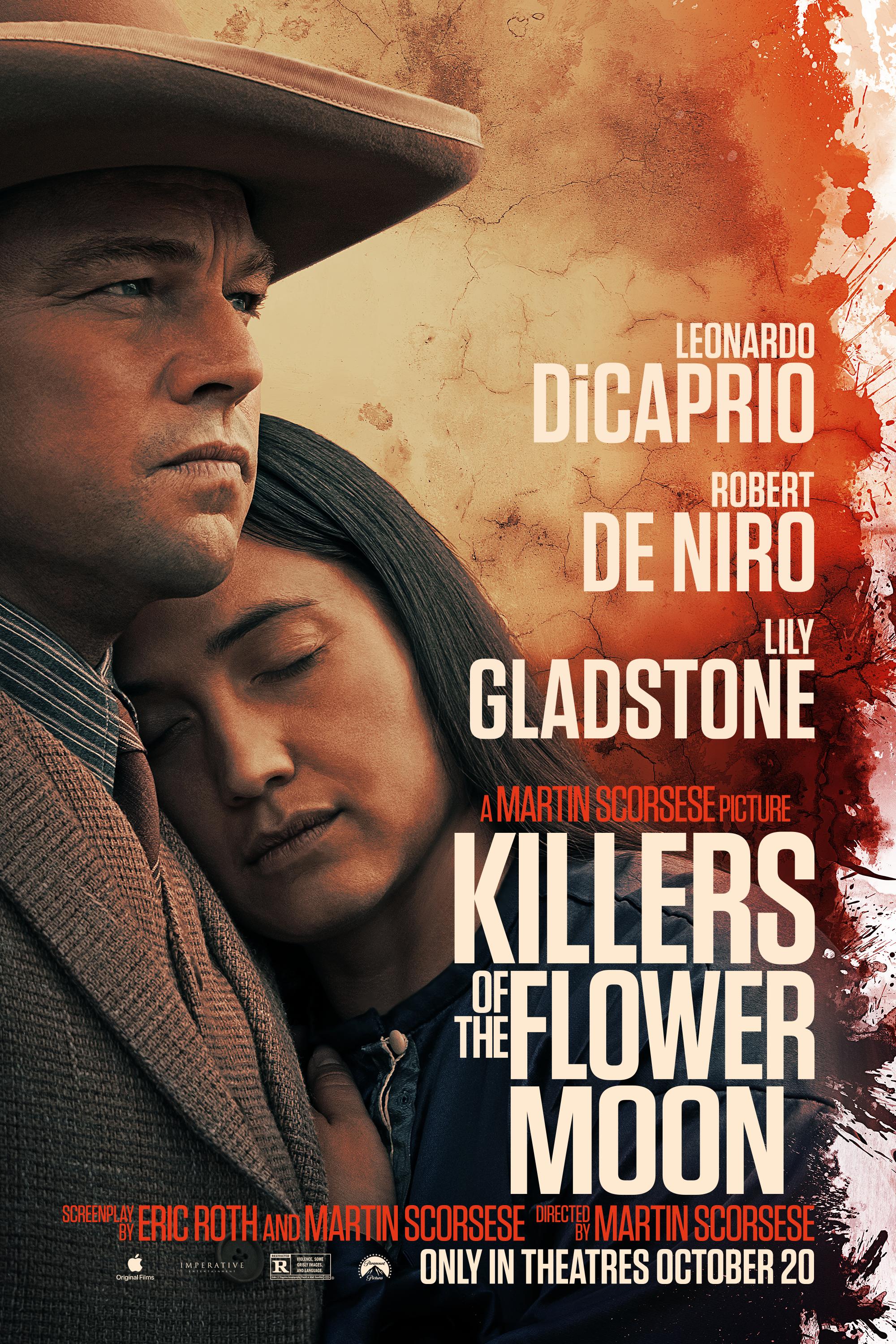
KILLERS OF THE FLOWER MOOON film review

Killers of the tension: an important story in desperate need of a better screenplay and editor. It’s a 3.5hr film that feels every bit of 3.5hrs. I’ve nothing against long run times per se; however, the run time needs to be justified dramatically. But unfortunately, the screenplay mechanics and editing (or lack thereof) hold this otherwise compelling story back from the great potential it demonstrably had. Lacking in any significant tension, this film had me looking at my watch after the first hour and a half. I kept waiting for it to kick into gear, but it never truly managed to amp up the tension. Furthermore, all the individual narrative elements never develop strong connective tissue. Even the performative dimension is good, but there lacks any singular performance that truly stands out. While cinema knows no run time, some stories are best told in 90 or 120mins, and this is definitely one of them.

In the 1920s, members of the Osage Native American tribe of Osage County, Oklahoma, are murdered after oil is found on their land, and the FBI decides to investigate.

One of the most highly anticipated films of the year over-promises and under-delivers. Which is a real shame because it depicts such an important story. While many will fixate on the run time alone, that would be unfair as it’s not the run time that is to blame for the lackluster narrative nature of this film. Rather, it is the screenplay mechanics and lack of precision editing.

As I have written many times previously, most directors are not writers. Are some? Well, sure. But most are not equally gifted in both areas. However, many writer-directors allow their ego to get in the way of excellence in writing because they feel it’s the only way to be a true auteur. Scorsese has nothing to prove to solidify him as an auteur, He is inarguably one of the greatest directors of all time. Scorsese’s Taxi Driver is one of the greatest films of all time and it’s under 120mins (2hrs). However, between The Irishman and now Killers of the Flower Moon, it’s as if he feels compelled to intentionally create films with prodigious run times to separate them from streaming content. Cinema knows no run time. Cinema is an experience, and that experience can be had in 90mins as well as 180mins. Like Nicole Kidman says, cinema is where we come together to experience the same film at the same time on a giant screen. Stories that have both plots and characters that are larger than life or incredibly intimate encounters. But I digress.

When a director is writing the screenplay, or has a significant role in the screenplay, then there lacks adequate checks and balances for screenwriting structure and mechanics. The long and short of it is that the story, ethos and all, may make sense in the director’s mind, but that doesn’t mean that it makes sense for the audience. Whereas when the screenwriter and directors are separate individuals, the screenwriter is able to focus solely on the pages in front of him or her without interference from a director. Killers of the Flower Moon strikes me as the type of story that would’ve benefitted from the director not being involved in the actual process. Because of all the nuance of the story and relationships between characters, perhaps this is a situation in which author David Grann writes the first draft and another more established screenwirter comes in from behind and shapes it into its film form (on page, anyway). We saw this with Jurassic Park, in which Crichton’s original screenplay was too novely and David Koepp was responsible for the final screen version.

Even though the screenplay is partly responsible for the improper pacing and lack of dramatic tension in the film, it shares the blame with the film editing (or dramatic montage). Alfred Hitchcock stated that writers and directors should “start each scene as close to the end of the scene as possible” What this means is that each and every scene should be lean and mean, only leaving room for that which advances either plot or character in a dramatic direction. The editing issue that plagues Killers of the Flower Moon is that scenes were either started too early or weren’t cut off in dramatic time. There is almost too much information in each scene that the lack of meaningful, precise editing acts as an anchor, dragging the film’s pacing. Contrary to popular belief, there is no too fast or too slow when it comes to the cadence of a film; but, there is such a thing as proper pacing. It’s the ideal pacing for the dramatic elements in the story.

Killers of the Flower Moon will make you want to read the book or simply look up information on the murders and investigation thereof. The film looks gorgeous and the performative dimension is solid, but as a total package, the film is underwhelming.

Ryan teaches Film Studies and Screenwriting at the University of Tampa and is a member of the Critics Association of Central Florida and Indie Film Critics of America. If you like this article, check out the others and FOLLOW this blog! Interested in Ryan making a guest appearance on your podcast or contributing to your website? Send him a DM on Twitter. If you’re ever in Tampa or Orlando, feel free to catch a movie with him.

Follow him on Twitter: RLTerry1 and LetterBoxd: RLTerry

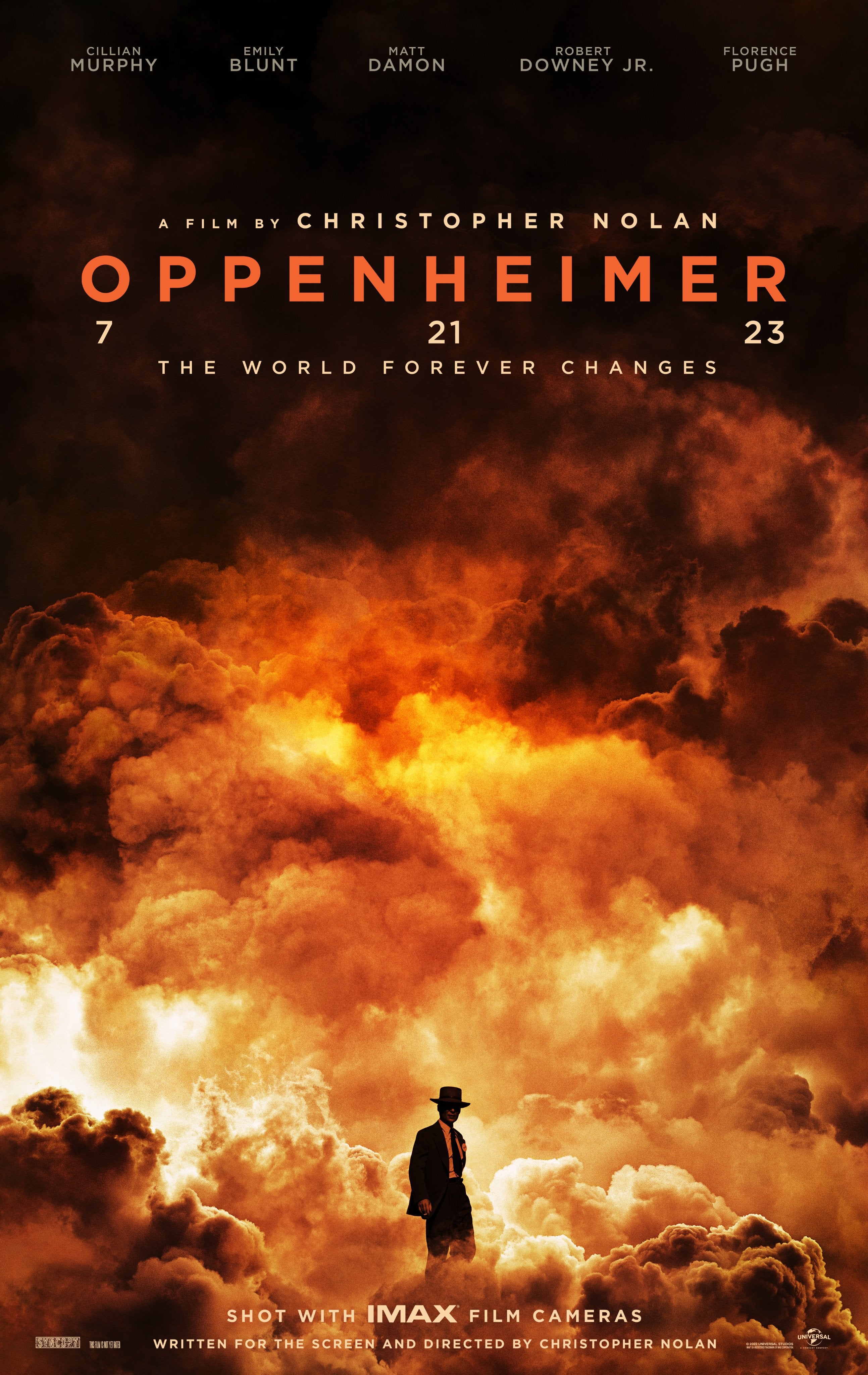
OPPENHEIMER film review

Sensational! Christopher Nolan’s highly anticipated cinematic spectacular Oppenheimer is an extraordinary motion picture that delivers a story as explosive as the subject matter. Not since Nolan’s earlier work on pictures such as Memento and The Prestige have I enjoyed both the form and function of his stylistic brand of filmmaking. Although the film chronicles the development, use of, and subsequent scientific and sociological affects of the A-Bomb, the story it really about the rise and fall of J. Robert Oppenheimer. Moreover, the subtext of the story is one that carries with it such commentary as the true cost of notoriety and serving one’s country and the destructive nature of unsubstantiated witch hunts. It’s a character-driven story more than it is a plot-driven story about the creation of the A-Bomb.

Oppenheimer is the story of American scientist J. Robert Oppenheimer and his role in the development of the atomic bomb. The film explores how one man’s brilliance, hubris, and relentless drive changed the nature of war forever, led to the deaths of hundreds of thousands of people and unleashed mass hysteria, and how, subsequently, the same man’s attempts to end one World War began a Cold War that would last for nearly fifty years.

While I have some reservations in the structural integrity of Nolan’s plotting in this film, which no strangers to my blog should know since that is often where I am hardest on films, his plotting and characterization hasn’t been this strong since Memento and The Prestige.

It should come of no surprise that Nolan’s latest motion picture excels in technical achievement. And I am not mentioning that to in anyway detract from that achievement; but, I mention that because had the film simply been an exercise in pushing the boundaries of filmmaking, then it would be another intentionally avant-garde vanity project. Which, it is not. Oppenheimer excels in both form and function; it shows care for both how the motion picture is montaged and presented and for the function of both plot and character.

With few exceptions, whether the plotting of a film is linear or non-linear, the plot should still follow foundational storytelling conventions to achieve the full impact it desires. Contrary to a postmodernist view of rules of art, just because one breaks the rules does not mean that a work of art or endeavor is somehow more substantive or meaningful in value. Nolan strikes a fantastic balance between form and function in this picture to completely transport audiences to the world of Los Alamos, NM in the mid-20th century.

Not since Dario Argento’s masterpiece Suspiria have I witnessed a motion picture employ the use of lighting, color (or lack thereof), and score to such a fantastical and effective level. These visual and auditory elements combine to immerse audiences in both the narrative and emotive dimensions of Oppenheimer’s story. Never overshadowing the story, but working in tandem with it, the visual and audible elements of the mise-en-scene craft a picture that simultaneously feels part of our world and yet somehow other worldly. Moreover, the story of Oppenheimer is told through both subjective and objective camera placement. In less experienced hands, this could have proven to be disastrous, but Nolan demonstrates his command of the screen in the uncanny combination of both.

One of the most stylistic montage and editing devices used is the black and white (more accurately described as grayscale) imagery for a specific timeline. And it would appear to my observation that it is indeed grayscale stock film–not desaturated in post-production. This observation is in part gleaned by way of the effects of lighting on the film stock. From a story organization perspective, this use of grayscale film stock helps in understanding the part of the non-linear timeline in which we find ourselves.

Where Nolan often struggles is in character authenticity. More times than not, the characters in his films are often lacking in believability, relatability, and vulnerability. Not that his characters are generally flawless, but they have demonstrated a lack in that which makes us most human. Each and every character in this film feels incredibly human–true to life. Whether or not the film is an accurate representation of the real-life counterparts, is not something on which I can comment. But, the characters, as presented, are relatable and feel authentic within their world. On the topic of characters, Nolan also injects humor into this film, which isn’t characteristic of his past films; and that use of humor helps to provide tension relief as an emotional reset between dramatic beats or scenes.

The central theme in the film is the true cost of notoriety and serving one’s country. And this is expressed primarily through Oppenheimer’s relationship with the development of the A-Bomb, but supplemented by his interactions with Albert Einstein, and therein Einstein’s relationship with his Theory of Relativity and success as the greatest scientific mind of all time. Or, as Oppenheimer puts it, “the greatest scientific mind of his day.” The story has to be seen to truly felt, but Oppenheimer spotlights how when one’s usefulness is seen as exhausted or no longer relevant to one’s country, that one is disposable.

We not only witness this in the film, but in real life as well. To this day, there are those that fought for their country that are not treated with the dignity and respect they both earned and deserve. The film paints a rather negative portrait of federal government operations as it relates to international and domestic policies. Suffice it to say, after Oppenheimer delivered the A-Bomb, he was soon thereafter cast aside as his (objectively reasonable) opposition to further development of weapons of mass destruction began to influence policy decisions. And this rise and fall story isn’t relatable to merely the government, but can be said of any company or organization that hails one as a visionary one minute, but after the project is realized, the same company or organization moves on. Fame is fleeting.

While many brilliant scientists were undoubtedly envious of Oppenheimer’s commercial success (except for Einstein, whom was a soothsayer of sorts), perhaps the rise and fall of Oppenheimer serves as a reminder that there are many whom have had notoriety forced upon them, but the oft infamy that follows can create a figurative prison out of which there is no escape.

Another observation I make, into the film’s themes and motifs, is the depiction of communism vs capitalism. Unfortunately, the loudest on social media do not likely have an accurate interpretation of what communism and capitalism are. And without getting into details, suffice it to say, the film does not accurately portray either communism or capitalism. So, I worry that many will watch the movie and begin to make connections and associations that are not accurate. On the topic, I’ll leave you with this: destructive ideologies that devalue individuality, based in universal truth and logic, in exchange for group identity based on emotions and impossible utopias is still an enemy of the people today.

This film is not to be missed on the biggest screen AND on 70mm film. Seeing a picture on film is truly magical. The depth lighting and shadow and richness of the color spectrum will always be expressed the best on celluloid. A chemical reaction beats 0s and 1s any day. Oh, and there is no reported use of CGI in this motion picture.

Ryan teaches Film Studies and Screenwriting at the University of Tampa and is a member of the Critics Association of Central Florida and Indie Film Critics of America. If you like this article, check out the others and FOLLOW this blog! Interested in Ryan making a guest appearance on your podcast or contributing to your website? Send him a DM on Twitter. If you’re ever in Tampa or Orlando, feel free to catch a movie with him.

Follow him on Twitter: RLTerry1 and LetterBoxd: RLTerry