
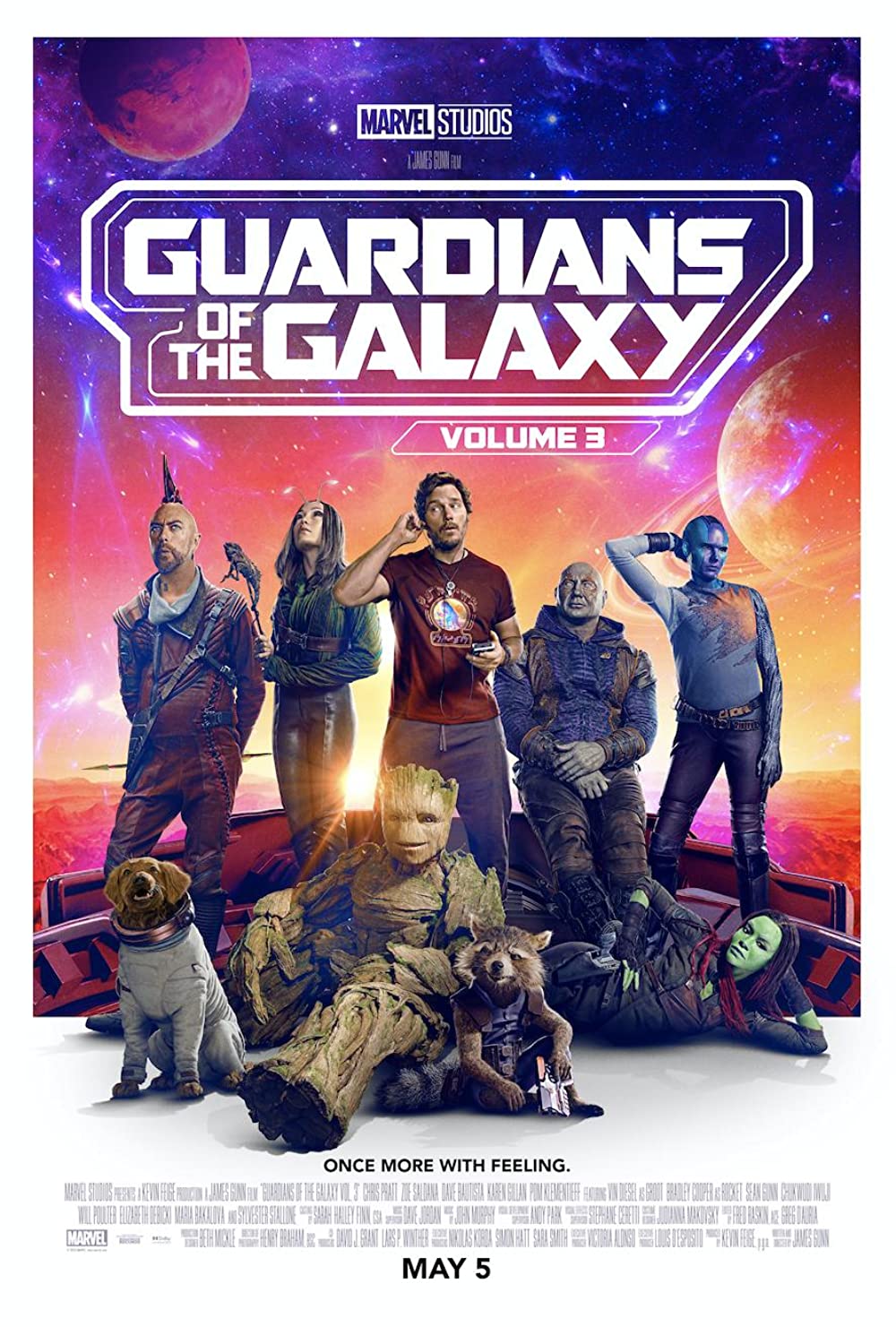
GUARDIANS OF THE GALAXY VOL.3 movie review

Whoa! That’s a lot of movie, and a lot to unpack. While James Gunn’s MCU swan song Guardians of the Galaxy vol.3 works well as an allegory of the Third Reich, exploring the atrocities of that nightmarish ideology and movement, the superhero movie is greatly lacking in entertainment value.

Still reeling from the loss of Gamora, Peter Quill must rally his team to defend the universe and protect one of their own. If the mission is not completely successful, it could possibly lead to the end of the Guardians as we know them.

The story is emotionally manipulative and many scenes and dialogue are inappropriate for young audiences. (As a reminder, kids are NOT little adults; kids are lacking in critical thinking skills). Furthermore, the movie suffers from squeezing too much plot into a single movie–the film overstays its welcome by about 30–45-minutes.

Clearly, James Gunn loves theses characters, and I can tell that he is a writer that genuinely cares (a trait I spotlight in my screenwriting classes), but I feel he forgot that a large segment of his MCU audience is comprised of kids, whether he accepts or likes that fact or not, and should have considered that dynamic when crafting this story. A storytelling element that is common amongst the MCU, especially within the Guardians of the Galaxy previous two movies, is levity. There is too little levity to counterbalance the dark elements of the movie. As such, the movie is incredibly heavy and sucks all the joy out of going to the cinema to attend a superhero movie. The movie is not completely without redeeming qualities or uplifting moments, but they are vastly outweighed by the somber tone of the movie as a whole.

Even though the film’s incredibly dark visual elements and themes are tastefully handled for older teen and adult audiences, as whole, this MCU installment is not appropriate for kids. If the movie’s marketing made it a point that this Guardians of the Galaxy movie was not for kids, I wouldn’t have a big a problem with content of the movie, but it’s the fact that kids were not dissuaded in any way from attending this, insofar as I am aware. When Deadpool first released, there was an entire tongue in cheek campaign to remind parents and siblings that this Marvel movie was not for kids–tastefully handled. Perhaps the studio dropped the f-bomb and increased the crass language and violence as a means to warm kids up to Deadpool 3, but that is a completely unhealthy approach as is disrespectful of what it means to be a child and young.

Looking to another franchise with which a whole generation of kids grew up, the Harry Potter movies became more mature as the seminole audience grew. Which is important, as life IS complicated and success, grief, loss, death, and disappointment are part of the human experience. However, the movies never became overly violent, increased crass language, or went to too dark a place (without counterbalancing it with levity and more lighthearted moments). Guardians of the Galaxy vol.3 is representative of the direction Marvel and Disney are going, and it’s not good nor healthy. If the MCU wants to create more movies that are adult in nature, then do that–but don’t take what has appealed to kids and decide to increase the more mature content. As I understand it, there is a whole universe of Marvel characters, and I am confident that a sub-franchise can be started that is geared towards mature audiences from the onset. And when kids get older, they can choose to eventually experience the Marvel movies that were, at one time, inappropriate for them.

What I found most fascinating about the movie is the commentary on the Third Reich (and for those that don’t remember, that is the ideology turned movement that was manifested by the Nazi party). Without going into great detail, one of the common practices at Nazi-controlled concentration camps was to further medical science by experimenting on the prisoners. Unfortunately, some of what we know today, some of the advancements that we use for healing today, came out of those nightmarish compounds. The idea was to learn from the experiments in order to increase the life experience of the master race perfect–correct that which was flawed. Moreover, the idea of a master society was carried into the idea of creating a utopia (something the Nazis had in common with the Soviets). But of course, utopia is an impossibility, and the pursuit of it often comes at the cost of life, individuality, and freedom.

The big bad villain in this movie known as the High Evolutionary is representation of and analogous with Hitler. At the core of the High Evolutionary’s goals and ambitions is the same ideology that drove and inspired Hitler. Furthermore, his speeches that feel they could have been written for a modern day Hitler. I appreciate what James Gunn did here, because it is monstrously challenging to craft a story around such heavy subject matter. Analogy and extended metaphor are outstanding tools to use in storytelling to provide commentary on a topic without talking about it. The ideology that inspired Hitler didn’t go away with him and his party, but it’s still out there, and must be kept at bay. Fictional storytelling can be used as a means to explore an observation of reality that may otherwise be uncomfortable.

If only as much thought had been put into the sets and effects of the movie. Like the perennial house guest that has worn out their welcome but continues to return anyway, prolific CGI continues to be employed instead of showcasing the craftsmanship of practical effects, real sets, and models. I’ve said it before, and I will say it again, CGI can never replace the way real light bounces off real objects into the camera lens. When I look at a monstrous creation of CGI, I am never left with the feeling that I witnessed the hand of an artist—brilliant engineer, yes–artist, no. Furthermore, not only is the CGI screaming in your face, but the movie’s music and sound effects mixes are also deafening. The kid seated next to me had his hands over his ears for a good portion of the movie. There is nothing subtle or nuanced about this movie.

Guardians of the Galaxy vol.3 represents James Gunn’s MCU swan song as he is now working on DCEU (or whatever it’s going to be called) movies. And he certainly left an indelible mark upon the MCU because few other directors (if any) could have worked the magic he did with the Guardians, a one-time obscure Marvel comic series. While I have many reservations of taking your kids to see this movie, it is one that should inspire thoughtful conversations about the parallels the villain(s) shares with the Third Reich.

Guardians of the Galaxy review | Guardians of the Galaxy vol.2 review
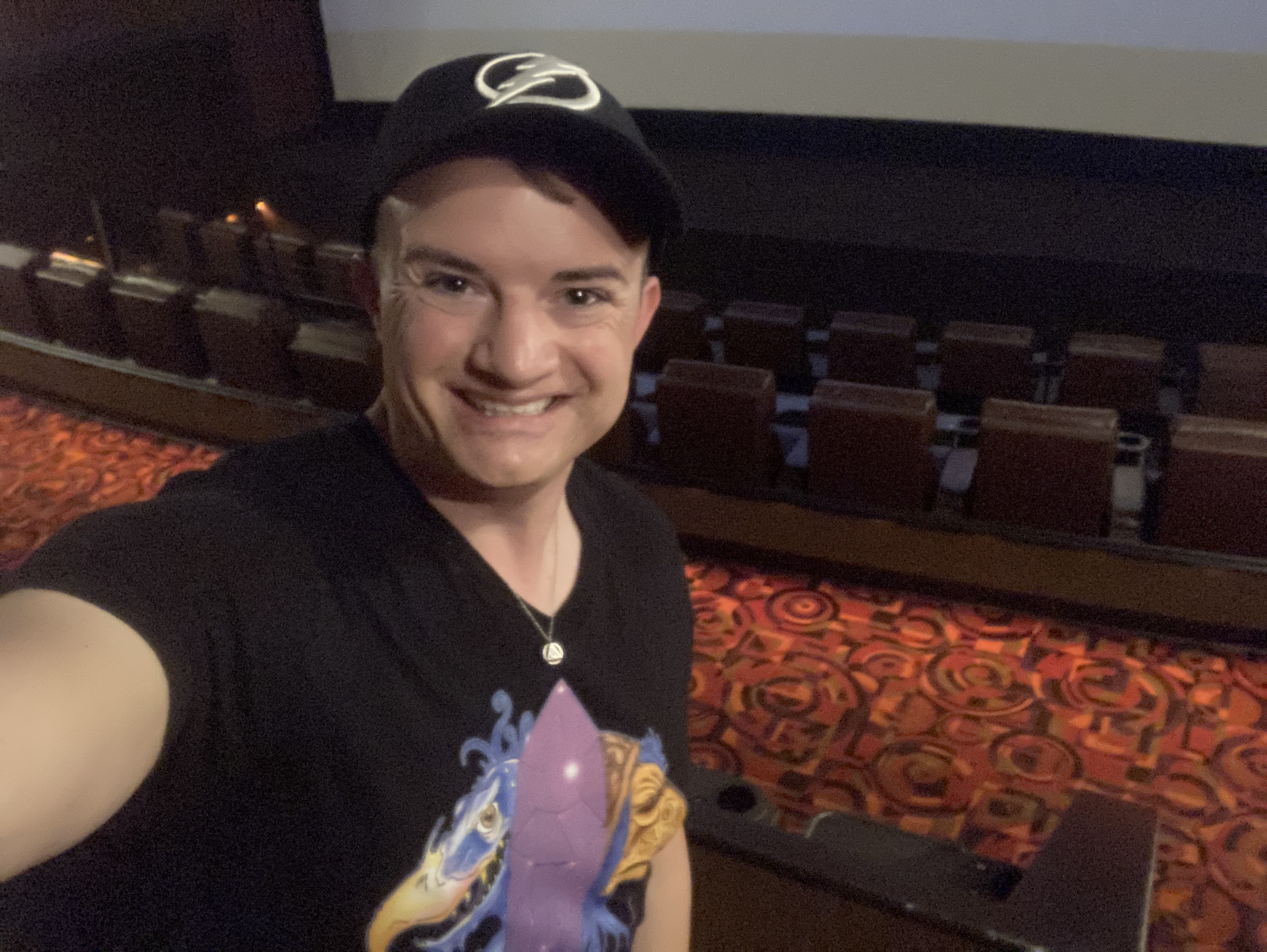
Ryan teaches Film Studies and Screenwriting at the University of Tampa and is a member of the Critics Association of Central Florida and Indie Film Critics of America. If you like this article, check out the others and FOLLOW this blog! Interested in Ryan making a guest appearance on your podcast or contributing to your website? Send him a DM on Twitter. If you’re ever in Tampa or Orlando, feel free to catch a movie with him.
Follow him on Twitter: RLTerry1 and LetterBoxd: RLTerry

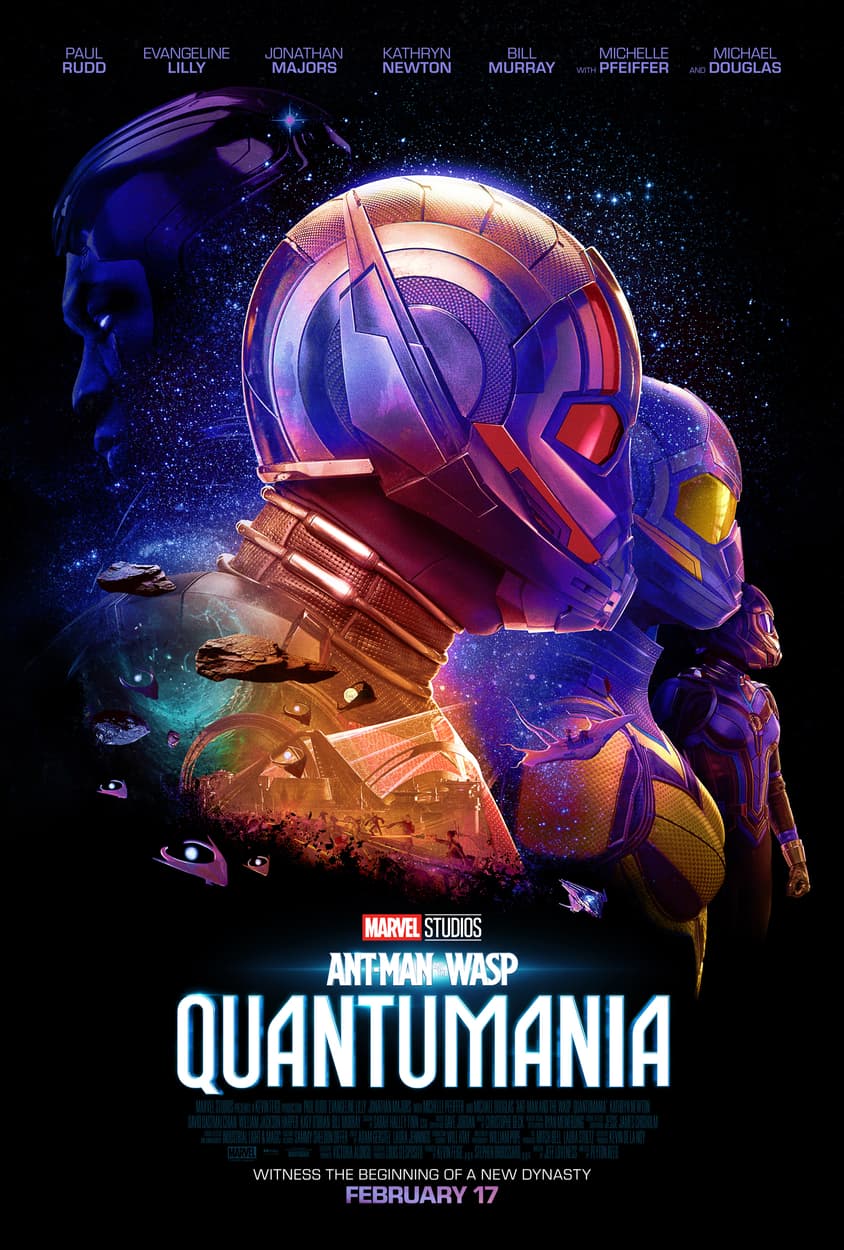
ANT-MAN AND THE WASP: QUANTUMANIA movie review

Entertaining and world-building. Phase 5 of the Marvel Cinematic Universe launches with Disney-Marvel’s Ant-Man and the Wasp: Quantumania (AWQ). This (paint-by-numbers) adventure of epic proportions benefits from a small central cast, which allows for effective character arcs and development. Furthermore, the central cast is elevated to near purrrrrrfection with the incomparable Michelle Pfeiffer’s significant screen presence as the original Wasp Janet Van Dyne. For someone that can take or leave the MCU, simply knowing that Michelle Pfeiffer is in a pivotal role, is enough to get me to watch. Perhaps that is also like you. While this is not her first time returning to the superhero genre (first did it in Ant-Man and the Wasp), this is the first time that she is front and center, giving hope that we may yet still see Pfeiffer return to her career-defining role as the definitive Catwoman.

Ant-Man and the Wasp find themselves exploring the Quantum Realm, interacting with strange new creatures and embarking on an adventure that pushes them beyond the limits of what they thought was possible.

The latest installment in the MCU mostly functions as a standalone movie, but there is clearly world building to lay the piping for Phase 5. Now, I do not follow the comics nor have seen any of the TV shows, and I was able to follow sufficiently enough, which means that anyone that has seen the MCU theatrical movies will have sufficient knowledge to follow the journey. Yes, the visual effects are expertly generated by graphics engineers, but I am seldom impressed by entire worlds that exist within the confines of a computer. There is very little real set design, which mitigates the ability to become immersed in the Quantum realm. AWQ represents what happens when a single media conglomerate owns both Marvel and Star Wars because this movie feel like the combination of Star Wars and Avengers. There is even a scene right out of the cantina on Tatooine. To the superhero movie’s credit, the plot is simple and the characters complex, so it receives high marks for screenwriting mechanics.

Par for the Disney course these days, there cannot possibly be a movie released without a dose of the cynical worldview of applied postmodernism. For AWQ, this dose comes in the first sequence of scenes following the prologue. Cassie is in jail for antagonizing law enforcement that (we are told) launched tear gas into a (we are told) peaceful protest. This serves little to no purpose, and most certainly has no bearing on the plot; therefore, it was in there simply to check off a virtue signaling box. I can see what they were trying to do–trying to show that Cassie has the early signs of going down her father’s path of delinquent behavior. If Disney-Marvel wanted this to be more poetic and elicit greater empathy from the audience, then Cassie should have been shown engaging in petty crime not activism. This would have demonstrated that Scott’s lack of engagement as a parents (due to his personal brand and professional pursuits) has had a negative impact on Cassie’s development. Furthermore, this would have provided for a greater character arc when she in instrumental in saving the universe.

What a fantastic cast!! Cast highlights include (as mentioned earlier) Michelle Pfeiffer, Michael Douglas, and a surprise cameo from Bill Murray! This otherwise paint-by-numbers superhero movie is elevated by the contributions of these exemplary actors. Even if you don’t see all the MCU movies, I highly recommend the Ant-Man movies because they are far more character-driven than the others, and the small central cast benefits from time and attention paid to their respective interpersonal journeys that provide depth to the high concept plot. For the most part, the running theme of the Ant-Man movies generally revolves around the idea of fatherhood and (by extension) parenting.

If MCU fans were looking for their next big bad, then they will find the new archenemy bent on the destruction of the known universe, without going into spoilerific details, I can say that this new villain makes Thanos look like Bowser from the Mario games, with King Koopa being our newest main villain. Be sure to stay for both the mid and post-credit scenes as they raise the stakes to exponential levels.

If you’re looking for a fun movie that you can just kick back and enjoy, then this may be your ticket. I highly recommend watching it in a premium format (such as IMAX, Dolby, or XD) because the CGI sets will shine best with the best sound and screen at your local movie theatre.

Ryan teaches Film Studies and Screenwriting at the University of Tampa and is a member of the Critics Association of Central Florida and Indie Film Critics of America. If you like this article, check out the others and FOLLOW this blog! Interested in Ryan making a guest appearance on your podcast or contributing to your website? Send him a DM on Twitter. If you’re ever in Tampa or Orlando, feel free to catch a movie with him.

Follow him on Twitter: RLTerry1 and LetterBoxd: RLTerry

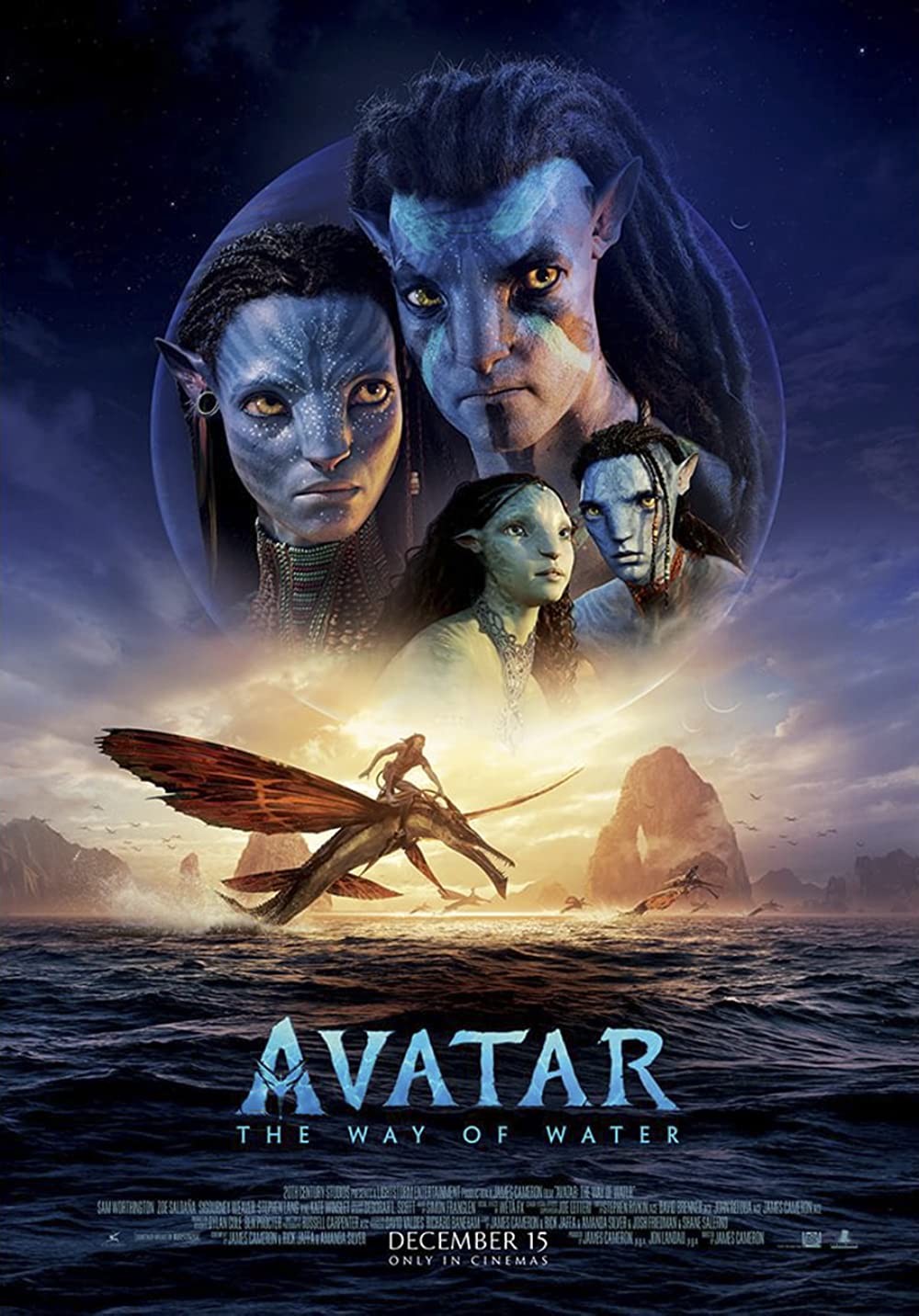
AVATAR: THE WAY OF WATER movie review

AKA The Way of Woker. James Cameron’s highly anticipated followup to Avatar (2009) is an ambitious world-building visual effects extravaganza that is a predictable, poorly paced and plotted movie, which is plagued by many problematic elements in both substance and form. Moreover, it’s a 3-hour movie that feels like a 3-hour movie, for which no amount of impressive visual displays can compensate. Often times, a filmmaker’s ideology can be interpreted through a critical analysis (or close reading), but the blatantly anti-west (or pro applied postmodernism) sentiment is right there on the surface of this troublesome movie. Suffice it to say, all the themes can be summarized as the destruction of modernity, which is manifested in various motifs. From beginning to end, Cameron’s Avatar: the Way of Water is anti-military (literally uses Marines “semper fi”), anti-western medicine, and propagates postcolonial theory (which I write about in my review of Black Panther: Wakanda Forever). It’s one thing to critique or question a societal observation; it’s another to actively work to completely deconstruct and shame entire groups of people and cultures. Cinema is a powerful tool because film is a reflection of life and can help us better understand the human experience; however, Cameron’s latest movie is a reflection of his disdain for the west (by extension, modernity), and wielded more like an offensive weapon than clever storytelling tool. The themes, reeking of applied postmodernism, aren’t the only problematic issues plaguing this 3-hour epic, but the story structure itself suffers from poor pacing and a proliferation of subplots that fail to work together to craft a compelling narrative.

Jake Sully and Ney’tiri have formed a family and are doing everything to stay together. However, they must leave their home and explore the regions of Pandora. When an ancient threat resurfaces, Jake must fight a difficult war against the humans.

Overstuffed with one-dimensional characters devoid of character arcs, Cameron appears to be more concerned with his ideology than creating thoughtful characters. Heroes that are projected as nearly flawless and invincible seldom connect with audiences because it is often our flaws, failings, and lessons-learned that connect us to one another. When villains fail to display any likable qualities, the villain fails to connect with audiences, thus erasing any possible entertainment value. More specifically, central and opposition characters should share similar goals; however, what makes villains and heroes different is HOW they express their methodologies to reach the goal(s). The most interesting characters of opposition are those with human dimension and characteristics that can be appreciated; likewise, the most interesting central characters are those with flaws and weaknesses that make them relatable. Our heroes are flawless and our villians utterly detestable. That is NOT a good character mix or balance.

Moreover, the film’s characters demonstrate a gross representation problem. Nearly all the human characters are white men–not one person of color and only one prominent female character. In a day and age in which reasonable, fair representation in media is important (again, as film is a reflection of life, it should look like real life), Cameron ignores fairness in representation. While some may find this to be a coincidence, it is not. Every diegetic element of the mise-en-scene montaged into a film is intentional. Because of the clear manifestation of postcolonial theory, this can be read as Cameron’s method for perpetuating the sentiment that white people (particularly men) are toxic by nature. Before you say I am extreme in this interpretation, in a recent interview, Cameron stated, “testosterone is a toxin that must be worked out of the system.” Not only is this a shameful statement, it’s grossly inaccurate. Neither testosterone nor estrogen are problems that need solved. Both are biology, plain and simple. Each respectively amoral.

Cameron’s anti-military sentiment is the most provocative of all his themes concerning the complete destruction of modernity (the goal of applied postmodernism). Where he crosses the line, is referencing the para-military presence as Marines, and evoking the rallying cry of semper fi. Undoubtedly, this is not going to sit well with the U.S. military and general public (nor should it). Ostensibly painting one’s country/military in a negative, inaccurate light is inexcusable. Again, it’s one thing to critique, it’s another to actively shame and attack. If he wanted to use a para-military force, he would have been better off crafting this one to be FORMER military that have been privatized for exploratory and extraction purposes. Sell swords as Game of Thrones would put it. Even that may have painted the military in a negative light, but it wouldn’t have been so blatant and aimed at a particular branch of the U.S. armed forces.

With all the themes, symbols, and motifs Cameron includes in the movie, the plotting is insufficient to support such a mess of ideas and stories. Perhaps he should revisit the screenwriting tenants of writing lean or starting a scene as close to the end as possible, and ending it as soon as possible. These tenants of screenwriting help to prevent a bloated, fatty screenplay. As it stands, the storytelling in Avatar: the Way of Water is clunky and forced. Often times the reason for something happening is simply because the plot needed it. This makes for a predictable story, one that is devoid of anything remotely constructive, fun, or inspirational.

Lastly, I’d be remiss if I failed to mention the many references to Flight of Passage in the World of Pandora at Disney’s Animal Kingdom. Many of the creatures from the flagship attraction and surrounding area are found within this movie. I rather enjoyed identifying elements that were lifted from the hugely popular and impressive attraction. If you do see this movie and have been to Pandora, then look to see if you can find some of the land and sea creatures from the attraction.

At the end of the day, this movie is a reminder that spectacular visual effects does not a great movie make.

Ryan teaches Film Studies and Screenwriting at the University of Tampa and is a member of the Critics Association of Central Florida. If you like this article, check out the others and FOLLOW this blog! Interested in Ryan making a guest appearance on your podcast or contributing to your website? Send him a DM on Twitter. If you’re ever in Tampa or Orlando, feel free to catch a movie with him.
Follow him on Twitter: RLTerry1

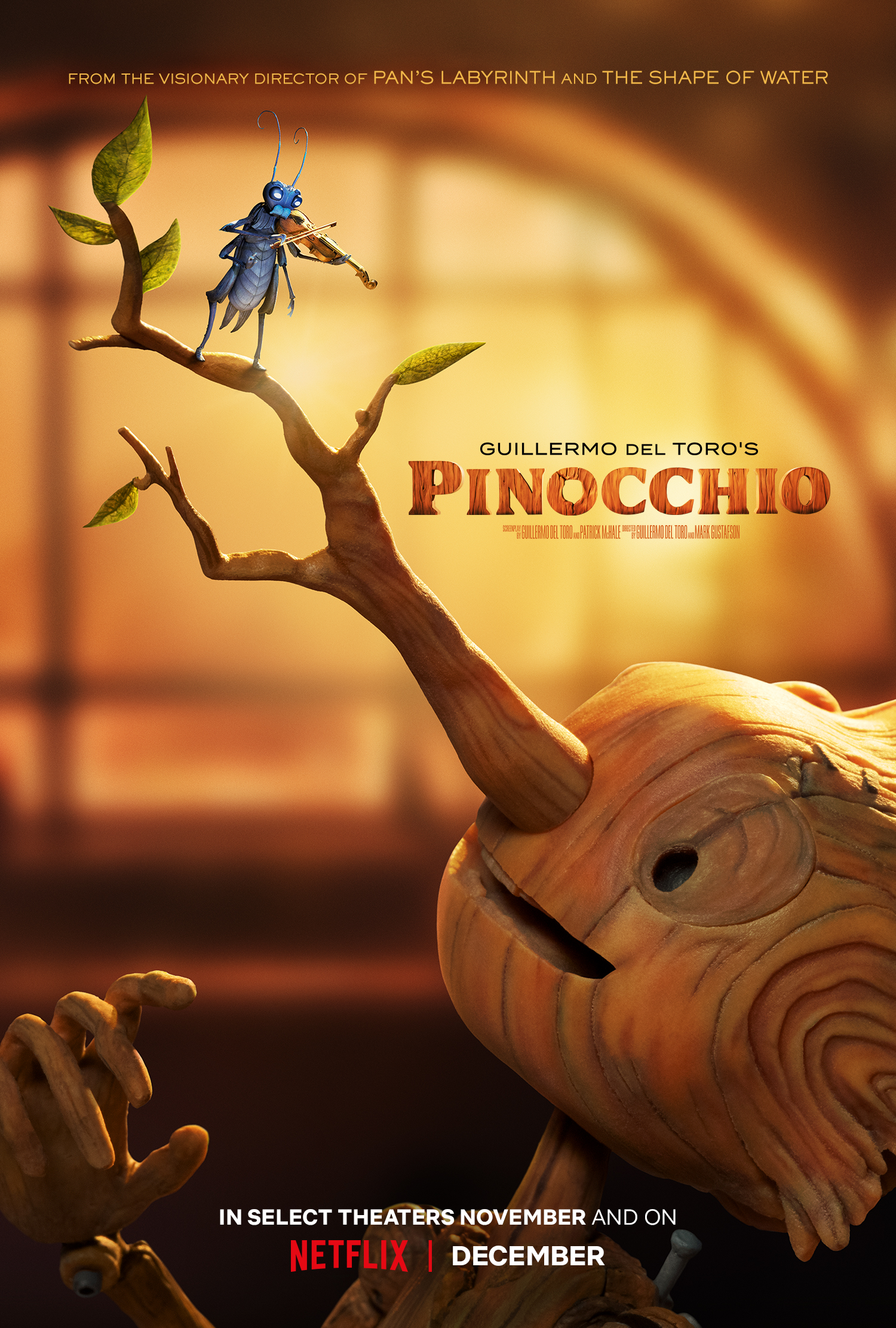
GUILLERMO DEL TORO’S PINOCCHIO motion picture review

Positively avant-garde! Easily among the best pictures of the year, period. Guillermo del Toro’s Pinocchio is a brilliant stop-motion picture that will stir the hearts and minds of any audience! In many ways it’s reminiscent of 80s dark fantasies such as The NeverEnding Story and The Dark Crystal. Which should come as no surprise that del Toro worked in collaboration with the Jim Henson Company. Audience will be completely transported to the post-World War I Italian world that del Toto meticulously recreates, complete with the fascist movement, which underscores much of the film. Not since Kubo and the Two Strings have we had such a gorgeous, imaginative animated feature film–a film that was robbed of its deserved and earned Beast Animated Film Oscar (no, Zootopia is in no universe a superior film). Let’s hope that the Mouse doesn’t rob Pinocchio of it’s well-deserved Academy Award for Best Animated Feature.

The story may seem familiar: A father’s wish magically brings a wooden boy to life in Italy, giving him a chance to care for the child. But you’ve never seen Pinocchio like this before!

Before you dismiss Del Toro’s Pinocchio as another soulless, cash-grab remake, this much more macabre version of the titular puppet’s story delivers immense depth and dimension. Not only of technical achievement, but of theme, plot, and character development. This animated film proves that animation isn’t only for kids, because this film is far more thoughtfully crafted than most live action films this ear. And yes, I agree with recent comments from Quintin Tarrantino that we are experiencing one of the worst eras of cinema in history. No doubt this is true. However, this year has seen some real winners such as Top Gun: Maverick and now Pinocchio. Suffice it to say, this is not your kid’s Pinocchio. And, although there are important life lessons in the film, it goes to places, both figuratively and literally, that may not be appropriate for kinds under 12 years of age. While Pinocchio is in its limited theatrical run, see it on the BIG screen!

While there are certainly plot beats which are shared by the original 19th century story, the 1940 Disney adaptation, the wretched Robert Zemeckis’ remake earlier this year, and countless stage adaptations (funnily enough, I saw the operetta Pinocchio this week as well), Guillermo del Toro’s Pinocchio takes on a life of its own. It isn’t often that the filmmaker added a possessive to the film title. Whereas it’s commonplace for Disney to add Disney’s… to literally everything, it’s uncommon for director’s or producers to add a possessive to the film’s title. Notable exceptions include Tim Burton’s Nightmare Before Christmas (directed by Henry Selick), Bram Stoker’s Dracula (directed by Francis Ford Coppola), and now Guillermo del Toro’s Pinocchio. This possessive form of title is often employed to signify (1) the filmmaker’s confidence in his or her work of motion picture art and (2) to separate it from all other versions of the same story (and/or title). Moreover, this often indicates to audiences that they are about to witness the work of a true auteur (not the case when we see Disney’s…–that’s just plain branding).

Is it del Toro’s arrogance or an ego trip that prompts such chutzpah in this film’s title? Not at all. Del Toro has been working on this passion project for over 15 years. Before you feel that’s an exaggeration, let the finished motion picture be the demonstrable evidence of meticulous work frame-by-frame in this nearly two-hour film. Images are most often captured at 25-frames-per-second, so to achieve the fluid motion del Toro has, you just do that math. Del Toro crafted intricate animation captured by a camera that is repeatedly started and stopped over the course of day, weeks, years. Each mouth, arm ear, eye, literally any object that has movement, is moves a little at a time, frame-by-frame. Not only does del Toro’s craftsmanship translate to beautiful, seamless movement by the characters and environment in the film, he successfully captures the visual and emotional miracles that can only be accomplished through stop motion animation. There’s a reason why we go back to the Rankin & Bass Christmas classics every year; there is immense simplicity and beauty in stop-motion animation. Why? Same reason why practical effects will always be superior to (overt) CGI effects–depth, dimension, the way real light bounces off objects and into the camera lens.

Even though the film is quite dark from the moment the atrocities of war are witnessed, it is not without its levity and uplifting scenes. To get into a central theme of the film involving stages of grief (which makes it unique compared to other iterations), would mean venturing too far into spoilers, which I would like to avoid, and with that theme, there are many scenes that force the audience to confront what many fear most. Because of this theme, one might think the film is somber most of of the time, and fortunately, this is not true. There are plenty of moments that break up the sadness to inject a healthy dose of laughter. And more often than not, we have Sebastian J. Cricket to thank for that! (I’m sure the “J” is a playful jab at Disney). DelToro’s sardonic, raconteur cricket always has the perfect witty remark or anecdote to provide insight into a given plot point or emotional beat. Because of Sebastian J. Cricket’s running commentary and moral/ethical guidance, the audience is willing to go on this emotional roller coaster. The moment of levity allow for an emotional and psychological reset to face the darker moments.

Outside of the imagery of the stages of grief, there are other fascinating areas of social commentary in the film as well. I love how del Toro moves the real boy imagery, how it’s traditionally interpreted: wood vs. flesh, to one that posits ideas of what it means to be a real man. These arguments are mostly seen in the Mussolini’s youth armies scenes. In the world of fascist Italy, to be a real man meant taking up the arms and creeds of Mussolini’s Italy to fight the allied forces. Pinocchio must decide what it means to be a real man. Another area that is interesting is the relationship between Geppetto and the village (Catholic) Church. While there may be various ways of interpreting this imagery and these scenes, which are bookends for the film, I feel it is best interpreted as Geppetto never compromising on his faith in God even though the Catholic Church, at that time in Italy, was being infiltrated by Mussolini’s fascist ideals (cleverly disguised to sway some in the faith community).

Lastly, we cannot talk about this film without highlighting the moving score and outstanding original songs. While Pinocchio is not a musical, it has several original songs that will move audiences! Not only does this film boast exquisite animation, but it delivers outstanding original music and lyrics as well. Audiences will find both diegetic and non-diegetic musical numbers in the film. This combination works incredibly well to wrap audiences in the mesmerizing story!

Even though Guillermo del Toro’s Pinocchio is coming to Netflix in December, look to see if it’s playing at theatre near you for the full experience!

Ryan teaches Film Studies and Screenwriting at the University of Tampa and is a member of the Critics Association of Central Florida. If you like this article, check out the others and FOLLOW this blog! Interested in Ryan making a guest appearance on your podcast or contributing to your website? Send him a DM on Twitter. If you’re ever in Tampa or Orlando, feel free to catch a movie with him.
Follow him on Twitter: RLTerry1

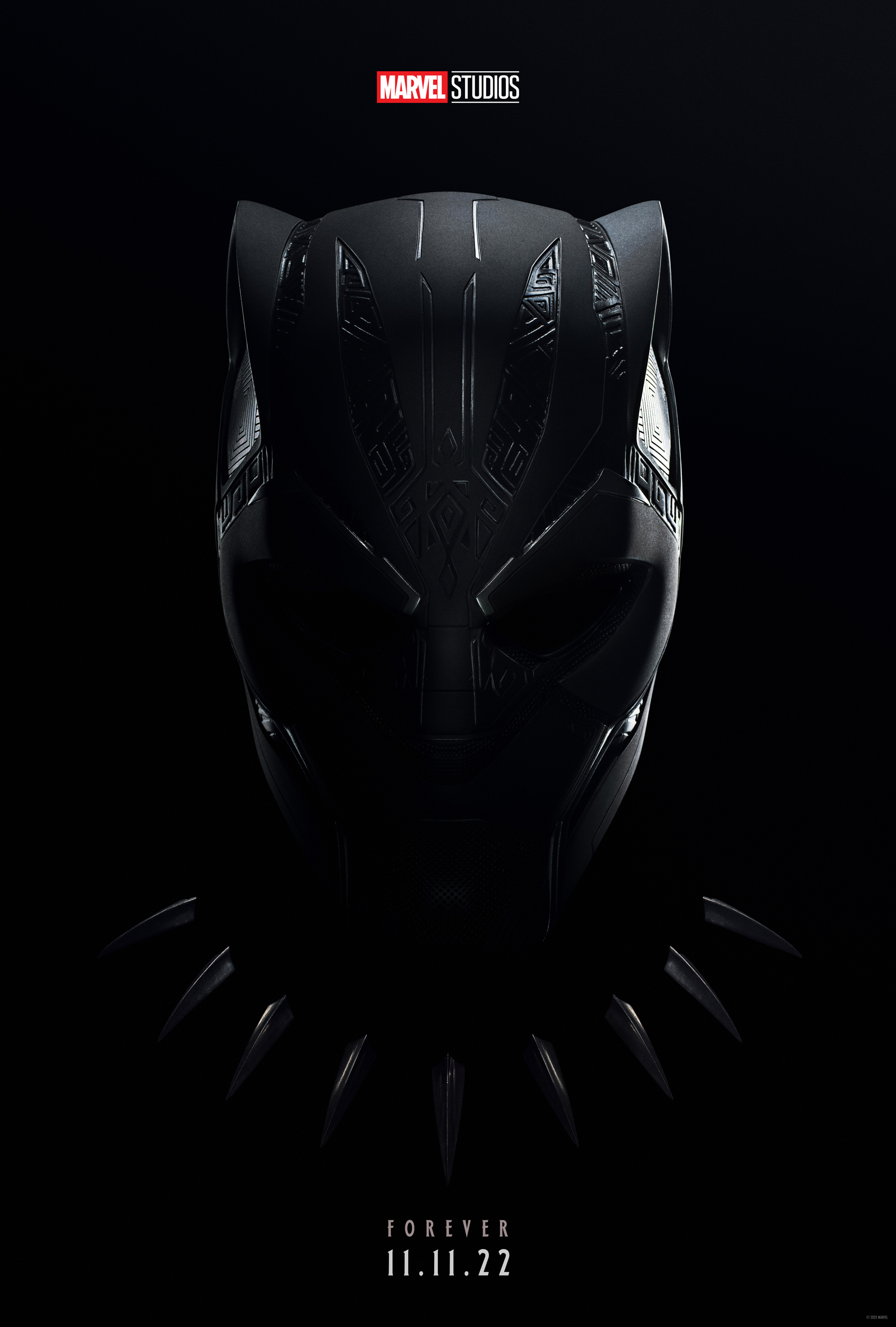
BLACK PANTHER: WAKANDA FOREVER movie review

Wakanda Forever a.k.a. Postcolonial Theory: the Movie. The overly long, poorly paced latest installment in the MCU feels disjointed. Black Panther: Wakanda Forever goes on forever, and ever, and ever, and ever, because the movie is overstuffed with subplots to nowhere and one-dimensional (or plot device) characters that serve little substantive purpose except to augment the runtime. About 45-minutes can easily be carved out of the movie, and the action plot would be largely unaffected. Other times, it feels as if entire sequences or scenes are missing, because the editing (montage or assembly) is choppy. The absence of the late Chadwick Boseman is felt from beginning to end, and the movie constantly struggles to find its footing as it moves forward in the MCU. The tributes to Boseman at the beginning and of the movie are tastefully, and reverently crafted. While the writing of the movie is insufferable, the performative element of the mise-en-scene is chiefly supported by the incomparable Angela Bassett. Wouldn’t be surprised to see her receive a Golden Globe nomination for actress in a supporting role next year. There is a good followup to Black Panther somewhere in this nearly 2.75hr movie, but it must’ve been caught up in the snap.

Queen Ramonda (Bassett), Shuri (Letitia Wright), M’Baku, Okoye and the Dora Milaje fight to protect their nation from intervening world powers in the wake of King T’Challa’s death. As the Wakandans strive to embrace their next chapter, the heroes must band together with Nakia and Everett Ross to forge a new path for their beloved kingdom.

The command performance by Bassett is the highlight of the movie! Every scene that features her instantly increases in quality and gravitas. With just one look, she steels the scene and convinces you that what she is saying or feeling is incredibly important. Unfortunately, the rest of the characters are largely one-dimensional and lack meaningful arcs or characters development. One of the biggest problems is the writers’ refusal to bloody your central character, which holds the other lead and supporting characters back from forming empathetic connections with the audience. Princess Shuri is nearly a deus ex machnina in and of herself. In other words, we have (Star Wars) Rey: Vol.2 featured in Wakanda Forever.

When characters are too perfect, too capable (to an uncanny level), and the writer(s) refuses to bloody the central character, then the characters lacks–well–character (or a believable human dimension). Meaning, there is little doubt the character will succeed, and typically success is paired with a false sense of dread or suspense that the character will undoubtedly achieve that which will make them a de facto superhuman. Simply stated, superhuman (or superhuman-like) characters are neither fun to watch nor do they service the plot in a meaningful way. More like characters as a plot device.

Functioning as an overt attempt at subtext, there is a constant reminder of the narrative’s embrace of the cynical postcolonial theory, which is the overarching idea of the systematic deconstruction of The West in order to save the other, thus erasing universal truths and metanarratives from the world.

The goal of postcolonial theory is to decolonize our world: the systemic undoing of colonialism in all its manifestations and impacts. Powerful, albeit difficult to support with logic, postcolonial theory is concerned with the critique of the affects when a dominant culture interjects its values, beliefs, and cultural norms upon another culture. Twice in the film, Martin Freeman’s character is referred to as a colonizer in a rather pejorative attempt at humor. Not limited to the relationship between Wakanda and the rest of the world (mainly The West), but the same overt parallel is dramatized between another important world in the movie and The West.

This theoretical approach to sociology and scholarly activism advocates that colonized people react violently in order to maintain their increasingly fragile mental health and self-respect. Postcolonialism has formed the radical foundation upon which many marxist politics are built. Objective knowledge (and by extension science, facts, universal truth)—that which is true for everyone, regardless of cultural values—is seen as unobtainable because knowledge is a construct of the dominant group’s worldview, and must be forcibly removed from the world. Which is a large part of the movie–the elimination of The West. This factors into two competing story threads.

But why is this a dangerous theory upon which to build an entire movie? The framework of postcolonial theory urges those that see themselves as oppressed (even if that oppression was decades or centuries ago), to abandon evidence-based, rigorous testing, research, and critical thinking in exchange for assumptions, subjective observations, and hypotheses. Ironically, postcolonial scholar-activists attack systems of power by erecting systems of power. The radical, proactive denial of the existence of universality actually pushes a different universality (hmm…sounds like a metanarrative…but aren’t those supposed to be bad?).

Another cynical theory that is manifested in this movie is feminist theory. Whereas I do not feel the need to spend too much time on this more commonly known theory, it’s important to note that all the lead and chiefly supporting characters are women–powerful–women, and all the villains are men–inept or evil–men. When writers craft a mix of characters, there should be room for both, as that would be more representative of real life. Both the X-Men and The Avengers showcase a great mix of both powerful, cunning, intelligent men and women. Therefore, general audiences can connect with a character(s).

Augmenting the runtime of the movie is both a subplot that ostensibly goes nowhere and a supporting character that is little more than a plot device. Without getting into spoilers, there is a subplot featuring Freeman’s Everett K. Ross that fails to add anything substantive to the movie. Just when you think it’s going to provide a reveal about a rather mysterious characters from other MCU movies and Wanda Vision, nothing happens. If you remove this subplot from the movie, little to nothing changes. Connected with this subplot is a supporting character that is (supposed to be) the MacGuffin. But the writers attempt to give this character gravitas. Unfortunately, but there isn’t enough substance to this character, thus rendered one-dimensional. Furthermore, this character could be removed without changing much. And what little would change, could easily be given to another character of plotting element.

No doubt that Black Panther: Wakanda Forever will be a huge financial success at the box office, but without the late Chadwick Boseman, the movie feels like a bunch of ideas from a woke writers room that were thrown against the wall, and forcibly connected as coherently as possible. But, the movie does create a way, albeit of little to no surprise, for the Black Panther to continue protecting Wakanda.

Ryan teaches Film Studies and Screenwriting at the University of Tampa and is a member of the Critics Association of Central Florida. If you like this article, check out the others and FOLLOW this blog! Interested in Ryan making a guest appearance on your podcast or contributing to your website? Send him a DM on Twitter. If you’re ever in Tampa or Orlando, feel free to catch a movie with him.

Follow him on Twitter: RLTerry1