Theme Parks’ Newest Attraction: Pokemon GO!

Screen Shot 2016-08-01 at 9.14.37 AM“Gotta Catch ‘Em All,” and catching’em in the theme parks adds a whole new level of fun! In many ways, as the record breaking app from Niantic continues to develop and attract new players, an unofficial attraction is being added to many theme parks, if not all of them at this point. In Florida, the park that has taken the lead in attracting Pokémon trainers is Busch Gardens Tampa Bay. But catching common and rare Pokémon is not limited to Busch Gardens, but SeaWorldDisney, and Universal are also hotbeds of PokéHunting! Although catching Pokémon is possible in all the Theme Parks, to the best of my knowledge, Busch Gardens Tampa Bay launched continual lurethons in July and August to capitalize on the summer crowds. A lure is an item earned or purchased in the game that can be placed at a PokéStop to draw Pokémon to that area for 30 mins and a PokéStop is a landmark or location that offers you items like Pokéballs and potions when you are in close range of said stop. These lurethons are also highly effective for luring in locals after work during the week and on weekends. As I have been catching Pokémon in the parks over the last couple of weeks, I have made some anecdotal observations that I’d like to share. The most important one being, better invest in a portable charger!

Safety Note: Please remember to always look where you’re walking, do not trespass, cut lines or run. There’s tons of Pokémon out there!

If you have been to the theme parks, whether in Florida, California, or pretty much anywhere for the matter, you have likely noticed many park guests with their respective faces glued to their phones–more than usual that is. Or, you may have been behind someone briskly walking and then all of a sudden slows down, if not stops. Most likely, those park guests are playing Pokémon GO. Perhaps YOU are that park guest–I know I am. Haha. One of the first observations I’ve made as I have played in the parks is the social element. There is already a social element to the game in general, but it appears to be amplified in the parks. While walking around the parks, it was not uncommon for other Pokémon GO players to ask me what team I was on (Mystic, btw) or what I was trying to catch. A security guard at Hollywood Studios asked me how many Pokéballs I had lost while catching three Pokémon near his post. We then proceeded to talk Pokémon for several minutes. I greatly appreciate this new dynamic to the theme park experience. As I seem to be perpetually caught in the single life (ugh), I normally go to the parks alone. Knowing that this app provides a great platform for starting conversations with others who may be by themselves or with other Pokémon Trainers is really encouraging! Perhaps you and your friends love to take over gyms together. If gym battling is of great importance to you, then you will find some great gyms in the parks, especially if you’re looking for level 3+.

From the social to the experiential, this app has you covered while enjoying the parks! Although Florida is nicknamed the sunshine state, summer thunderstorms are no stranger to the typical afternoon. For parks like Busch Gardens and SeaWorld that have many outdoor attractions, the lightning can greatly hinder ride operations. Last week on a PokéHunt at Busch Gardens Tampa Bay, a message over the loudspeakers stated something to the effect of “outdoor attractions are temporarily closed due to inclement weather.” Under normal circumstances, I may have been disappointed that I couldn’t ride Cobra’s Curse, Montu, and more, but I was having so much fun catching Pokémon that I didn’t think twice about the coasters being closed. Many times when an announcement like that one is made, it is not uncommon to hear park guests complaining. Despite the closures, I did not hear nearly as many guests complaining about not being able to experience the coasters. Could that be because many of the guests, like me, were also playing Pokémon GO? Perhaps; although, without asking a significant number of guests, there is no way of knowing for sure. Pokémon GO is not unlike other scavenger hunts in the parks. Notably, Disney’s Sorcerers game is a prime example of an interactive scavenger hunt. It is entirely possible that there could be exclusive Pokémon primarily found in the parks if this trend continues. Playing games to pass the time in queue or walking between attractions is definitely not a new concept, but Pokémon GO provides park guests with a game that helps pass the time, provides opportunities to interact with other guests, contains many challenging and strategic elements, and will keep you entertained even when attractions are closed.

There have been many articles written previously on the health benefits of playing Pokémon GO, so I don’t feel the need to explore the required increased physical activity–required, that is, if you want to enjoy all the benefits of the game–that is associated with the app. However, I think it’s important to look at the physical activity element as it relates to playing in the theme parks. It can be quite physically, emotionally, and psychologically draining to walk from attraction to attraction in the summer heat. Fortunately, it appears as though playing Pokémon GO distracts one from negative thoughts or feelings during the endless walking. Now, walking between attractions or around the park, in general, is part of the fun! Racking up kilometers in the parks is a great way to hatch eggs. If you are unfamiliar with the game, one element of it is walking a certain number of kilometers (1.54mi/1K) to hatch the respective egg in the incubator. There are different distances (2km/5km/10km), and the longer the distance the more rare the Pokémon generally. I found myself taking the long way around a park or between attractions just to increase the number of kilometers walked.

Instead of taking away from the park experience, it appears as though playing Pokémon GO adds to the enjoyment of the parks. This is definitely true for those of us who frequent the parks weekly. Playing in the parks on a regular basis may generate a feeling of the theme park feeling like one’s backyard or neighborhood playground. And like with your childhood back yard or neighborhood playground, it forced you to use your imagination to create new adventures for you and your friends. It’s not that the neighborhood park was boring; it’s just that it was a regular part of your life. Being a theme park regular is not unlike the aforementioned. I have thoroughly enjoyed this new experiential element to my time in the parks. It’s like a whole new experience! In addition to enjoying my favorite rides, I can continually enjoy catching Pokémon and spinning the wheel at PokéStops. Oh yeah, there are SO MANY PokéStops in the parks. You may even find yourself having to empty your backpack because it becomes full. Although there have been some concerns about park guests finding themselves venturing into backstage areas, this does not appear to be a common occurrence. I am looking forward to witnessing how this game continues to affect theme park operations, offerings, and special events. Perhaps exclusive Pokémon will be added to the parks or special Disney Pokémon. With Universal acquiring the theme park rights to Nintendo in 2015, it is entirely possible that Pokémon GO may have a strong presence in the Nintendo themed areas even though Nintendo itself does not reserve the theme park rights to Pokémon GO. While Nintendo does own the rights to the regular Pokemon games, Nintendo currently has nothing to do with Pokémon GO; it’s strictly Niantic and The Pokémon Company. If you do not live close to the parks, I definitely want to encourage you not to be glued to the game when you have the opportunity to go; you may miss incredible sights, sounds, and time with family and friends. Playing Pokémon GO in the parks should add to the experience, not take away from valuable time with others. I’m always looking for folks with whom to catch Pokémon, so if you are ever in the Tampa or Orlando area, hit me up!

Find a rare Pokémon in a cool spot!? Tag @ThrillzCo or #Thrillz in your post to have a chance to win a Pokémon GO team decal for FREE! *Contest ends August 20, 2016. Many will play, not all will win.

Thank you Derek Rosenberg from Unmasked On Air for contributing to this article! If you enjoy video games, comic books, and movies, visit their website by clicking the link below.

https://www.youtube.com/channel/UCcjqKl_VAhsYj2uqbupAfQA

 

Reimagining Halloween in the Parks this Year: the Mind of Horror v. the Eye of Terror

After taking break from posting last week, as it was a holiday, I am happy to provide you with another stimulating article once again on the themed entertainment industry! All week long, I have been thinking about what to write this week. I’ve covered some of the recently opened or previews of attractions and theme parks opening soon; but, I thought that I would take a slightly different approach this week. Over the last year, the United States and other countries have been experiencing a rise in violence. Whether that violence has (1) always been there, but because of the great mediation of society (a proliferation of media capturing devices and distribution outlets), we simply see it more often or (2) if there truly is a signifiant rise in mass violence compared to past decades, is not what I am here to discuss. I would, however, like to discuss the upcoming Halloween events in the parks this year, and specifically, how they might have to adapt or change as a result of the recent mass shootings.

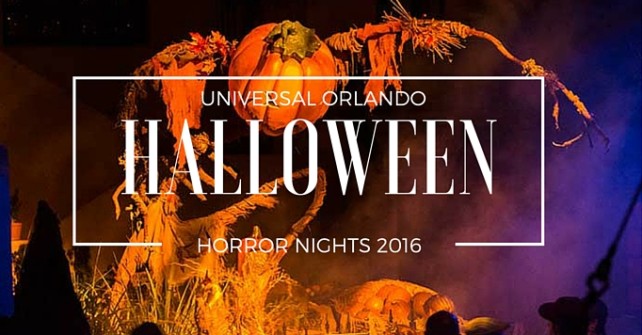
HHN2016Already, Universal Orlando has alluded to the fact that it may be revisiting some of its offerings for this year’s Halloween Horror Nights (HHN), and it would not surprise me if Busch Gardens Tampa Bay makes a similar decision with Howl-O-Scream (HOS), as both parks primarily draw from the Central Florida area and of course tourists still flock to the parks for the annual celebration of the macabre. The recent massacre at the Pulse Night Club will undoubtedly have an affect upon the planning and logistics of primarily HHN followed by HOS to a lesser extent. Since the horror film, and by extension the haunted house attraction (or scare zone) are both grounded in the same anthropological (inclusive of sociology) and psychological theories, there is definitely an opportunity to explore this area of themed entertainment. As Disney’s Mickey’s Not So Scary Halloween Party and SeaWorld’s Spook-tacular do not include glorified violence or death, I will not spend time analyzing how those events may change, because they are mostly benign. Suffice it to say, there will likely be some changes coming to HHN and HOS this year. What are those changes? Well, I am not prevued to those decisions; but can extrapolate from logic and theory what may happen in light of recent events in Orlando and beyond. It is important to note that both Universal Orlando and Busch Gardens Tampa Bay mostly likely have to revisit some of the scare zones or houses this year but not implement changes that may have a negative affect upon drawing from guests outside the Central Florida area. Striking a balance between curtailing some of the violence in respect to those who died and still satisfying those who were not emotionally or psychologically impacted is the key.

HOS2016The events certainly still have to feel like Halloween but perhaps reimagining some of the offerings will aid in finding that delicate balance. It is entirely possible that many who have enjoyed going to HHN and HOS in the past may back off this year in an effort not to come face-to-face with violence as it has greatly impacted many people. Here’s an interesting question: does horror have to be violent? Yes and no. Some of the greatest horror movies of all time are not terribly violent at all, but the eye witnessing violent acts certainly creates terror in the minds and bodies of the audience (or park guest). Alfred Hitchcock once said, “there is no greater threat than an unopened door.” This is indicative of the master of suspense’s ability to generate the fear of something or someone that may not even be a threat. There is another Hitchcock quote (or, at least I believe it’s Hitch) to the effect of “greater is the fear that’s in the mind than on the screen” (if you know of this exact quote, please let me know). That being said, likewise, seeing Freddy, Jason, Leatherface, or Michael is equally terrifying because of the trademark violence they have displayed on the screen over the years. It is important to year-round or seasonally operating Halloween-themed attractions to include both the physical and psychological/emotional aspects of horror in order for the guests to have a dynamic and full experience facing that which terrifies them and from which guests would otherwise run away.

unheimlichThroughout history, from the fights in the Roman Coliseum to Michael Myers’ slaying of people in Halloween, audiences have been both entertained and repeatedly drawn to stories and shows that highlight horrific acts of violence or feelings of terror and anxiety. Perhaps there is a deep seeded reason as to why millions of people find entertainment value in horror films. This question has been tackled by many psychiatrists and psychologists, each has come up with a different explanation as to “why horror?” Most notably, famed psychiatrist Sigmund Freud provided great insight into an explanation of why people find horror films fascinating in his essay on the Uncanny.  In his study on the uncanny, Freud takes on the literary imagination (this same literary analysis can and is used to analyze film and themed entertainment) by dividing his theory up into three sections. He first defines the concept of the uncanny, then performs an examination of the context required for understanding the experience of the uncanny, and finally explores the affects of the uncanny on the psyche through literature and fiction. Some of the running themes throughout his essay are loss of eyes, castration, the double-ego, and self-reflexivity. Through the framework laid out by Freud, scholars and film critics can explore the themes in horror film as it relates to the human subconscious; and for purposes of our discussion, the horror attraction.

Freud explains the realm of the uncanny as the place at which aesthetics and psychoanalysis merge, because it deals with a particular feeling or sensation combined with emotional impulses. The substances or manifestations of the uncanny are elements that are fearful and frightening. Proceeding with Freud’s definition of the uncanny being a class of frightening elements, plaguing the psyche, ushering an individual back to what is familiar (heimlich) and known (as opposed to what is unknown). Freud refers to the uncanny as that “which should have remained secret and hidden, but has come to the light.” Furthermore, he goes on to further describe the uncanny as the “mark of the return of the repressed.” The concept of the uncanny is a type of unwilling or mistaken exposure to something surprising, unexpected, or horrific. Freud claims that the source of the uncanny in literature is the recurrence of something long forgotten and repressed. However, not everything that returns from the psychic depths of repression is uncanny. The mere return of repressed feelings and experiences is not sufficient for the uncanny to occur. It requires something repressed having returned but represented by an unexpected and outside the realm of reality. This is easily accomplished in literature (and by extension, movies, theme park attractions, and plays) because fantasy is different from reality.

Just because something works as uncanny in a work of literature doesn’t mean it can work in real-life as well. During times of tragedy felt by an entire group of people or nation, the same concepts which work in literature and film may not work as well, for a period of time anyway, in themed entertainment. Within literature, if the author makes a pretense to realism, then he or she opens the door to supplying the story with the uncanny. Often times, the uncanny in literature and film is the projection of the psyche of the central character on another object or person combined with a warped view of the objective and subjective of a given situation. It’s like something within the fictional world creeps into the real world. Within the horror genre, there are many different stories or narratives that exist. And, each type of horror film tells its story in different ways; however, they are all concerned with getting the same emotional response from the “people out there in the dark,” as famously stated by Norma Desmond in the timeless film noir classic Sunset Blvd. Sometimes the audience will go on a journey into the crazed mind of a psychopathic serial killer or they may witness a supernatural monster terrorizing a small Bavarian village. In either case, Freud believes that the writers of horror, and by extension themed entertainment designers, are concerned with exposing the audience to “other” scenes. And, these “other” scenes are rooted in the subconscious.

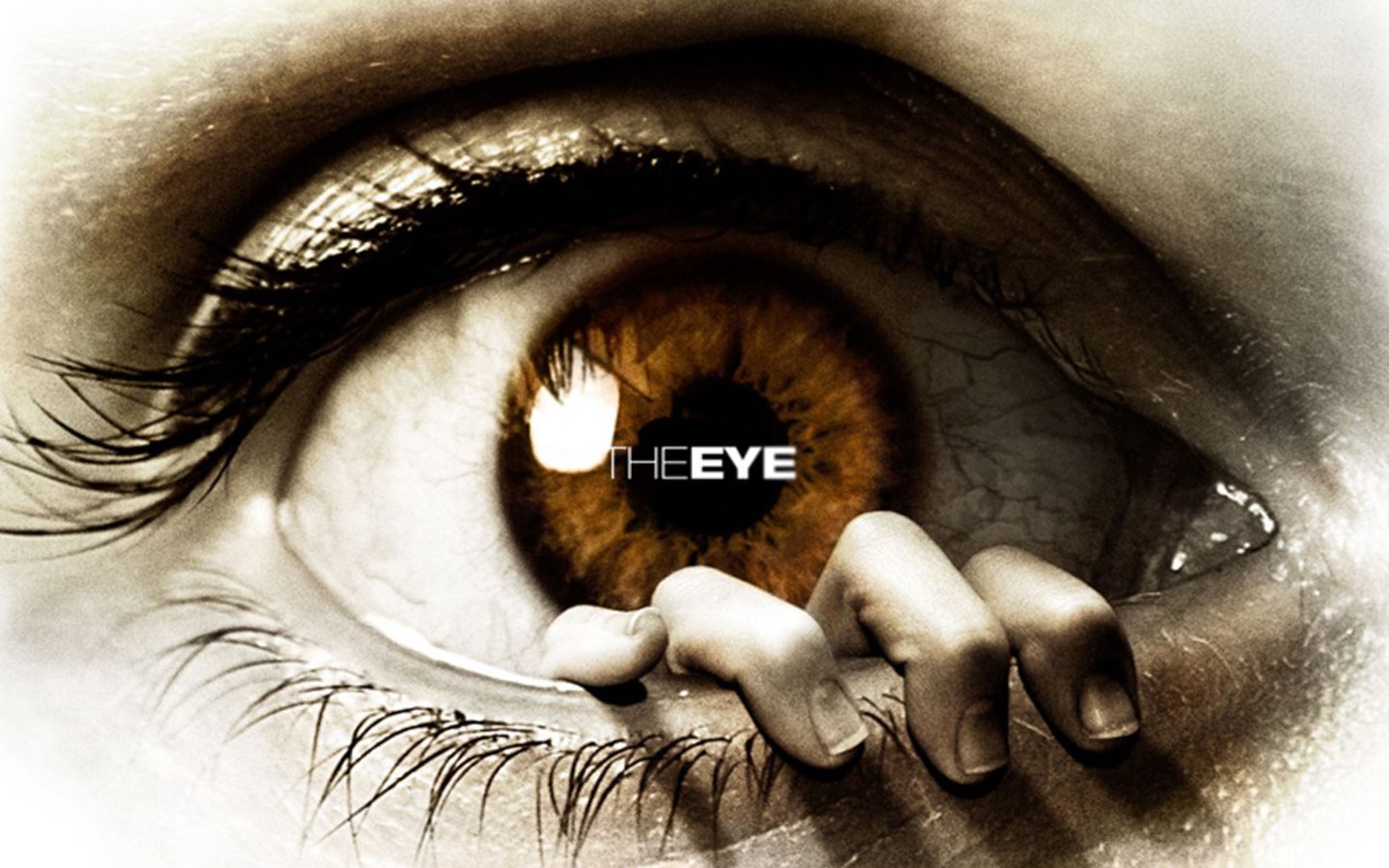
eyeofhorrorMoreover, Carol Clover also provides insight into the fascination with the horror theme park attraction. After all, horror films and theme park attractions are mostly concerned with what you actually see. Horror attractions, much like their movie counterparts, are visual stories that are translated into experiential narratives. The Halloween themed attractions in the parks have to include different eyes. The three principle types of eyes used in horror attractions are the assaultive gaze (active, penetrating), reactive gaze (passive, penetrated, the most common in horror storytelling), and repeated gaze (masochism for characters and spectators alike). This is one reason why extreme closeups (ECU) of the eye are popular in horror films turned attractions. The eye is extremely symbolic in narratives driven by fear. The design of horror attractions and films is extremely fascinating because of the convergence of visual storytelling and engineering. It’s more than blood, gore, screams, and knives; there is almost a poetry behind it. A brilliantly insightful quote from Clover is, “Inasmuch as the vision of the subjective camera calls attention to what it cannot see–to dark corners and recesses of its vision … and what might be … just off-frame–it gives rise to the sense not of mastery but of vulnerability.” At the end of the day, both HHN and HOS highlight our vulnerability and prey on our fears of that which assaults the eye and should remain hidden.

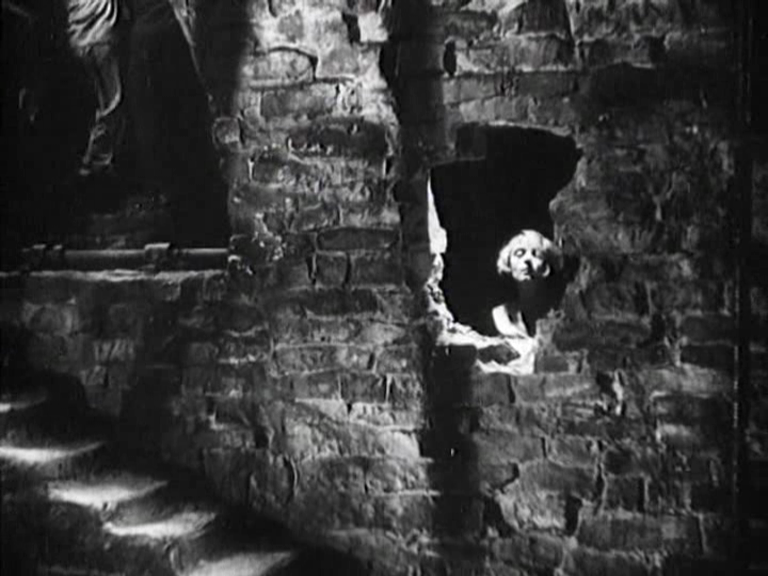
corridorBut what about HHN and HOS this year? Looking to the past, and how Universal Orlando handled mass violence in society that had a profound impact on a group or whole culture of people may help shed light on what might be expected this year. During HHN XI (2001), Universal Creative pulled Eddie, the chainsaw wielding maniac with a complex and fascinating backstory, from the lineup after the attacks on 9/11/2001. It was decided that the mood of the United States was such that it would have been in poor taste to include such a violent icon in the theming. In addition to the removal of the HHN icon, most signs of blood, gore, and the glorification of violence were removed–even names of characters and zones were modified. Because of the recent deaths of nearly 50 people (some of whom were connected to the parks as employees, bloggers, or past performers), we might witness a similar reimagination of events at Halloween Horror Nights and Howl-O-Scream this season. Hopefully, I have been able to open a discussion on how things could be reimagined at the annual Halloween events this year. An attraction can be equally terrifying even if there is no violence to be seen. However, the inclusion of cliche horror film violence is an integral part of the modern Halloween attraction experience. Even Carol Clover explores the importance of men, women, and chainsaws in horror storytelling. Perhaps the creative engineers and designers at the parks will look beyond what has typically been a staple of these events and embrace other avenues of terror that will still prompt screams. In all likelihood, we will probably see the dial turned back on the knives and guns during HHN and HOS but that certainly does not mean that the attractions will be any less terrifying. It’s entirely possible that the mind of horror will outweigh the eye of terror in the theming, planning, and design of HHN and HOS this year.

Busch Gardens’ “Cobra’s Curse” roller coaster review

Thrillz-LogoIndoor queue. If that seems like an odd opening remark, then you obviously have not been to Busch Gardens Tampa Bay (BGTB). Cobra’s Curse is the first attraction to include an indoor interactive queue at BGTB. Not interactive in how the queue is at Magic Kingdom’s Space Mountain, but the queue does include real snakes (varieties of cobra), props, and a pretty cool map projection room. Speaking of the map projection room, if you are a long-time visitor to the park, then you may recognize that room as the central piece to the former King Tut museum walkthrough—it’s where the famous sarcophagus of the boy pharaoh was displayed. It is exciting to see that BGTB is including show systems technologies in this queue and I hope this is a trend that will continue. Upon a closer examination of the map projection wall with the giant cobra, you will notice that the small hieroglyphics are kind of doing their own thing. Some of them even fall off the screen or get into comedic skirmishes. The main attraction of the map projection room is the cobra that goes through a couple of different story cycles. Each story with its respective special effects. Although the quality is a little on the cheesy side, I got admit that this is groundbreaking for the park. In all honesty, it reminds me of an early Universal Studios queue—not quite up to par with the current indoor queues; but honestly, not that far off either. I really enjoyed the room! It all gets back to storytelling. Although this attraction is not connected to any intellectual property (IP), it does a good job of immersing the park guests into the world of Ancient Egypt complete with a cobra and a curse. What more do you need??? The color scheme chosen flows very well and contains many complementary colors in the queue and on the ride itself. Word to the wise: since the ride platform lacks any single-use cubbies at the load point, so be sure to use the lockers to store your phone, wallet, etc.

If you are wondering what kind of coaster this is, I would suggest that my impression of it lends it to a coaster that is definitely more exciting than The Barnstormer or Flight of the Hippogriff, but less thrilling than Cheetah Hunt. Don’t let that dissuade you from enjoying it! There are lots of elements to enjoy on the coaster. But for families of elementary schools kids who haven’t quite hit the height requirement for many coasters, the whole family can enjoy this one. And not just families, but anyone. There is something for everyone on this fun ride. How many coasters offer an elevator style lift??? Well this is the first at BGTB… “….features an outdoor vertical lift that’s never been done before” (At Busch Gardens Tampa Bay). I really enjoyed the audio effects that accompany you on the elevator lift up to the face of the cobra. Then you swing out and ride out the curse of the cobra. Cobra’s Curse offers a smooth ride in cars that boast plenty of legroom for those of us with long legs. Fortunately, I had the privilege of experiencing Cobra’s Curse earlier this week on the first day that BGTB was permitting non-team member guests to ride it. However, I was unable to write my article until now because there is something very important to note. You are probably familiar with the spinning cars, as that was a major part of the marketing campaign. That being said, the first time I rode it, my friend (who is, in full disclosure, a photographer in the park) and I did not experience much spinning. That was odd because she told me that she and her boyfriend (who is a manager at the park and a friend of mine) got their car to spin a lot. Upon speaking with her boyfriend about the ride design, it was clear that the degree to which your respective car spins is directly affected by the weight distribution. So, if weight is fairly evenly distributed in the car, then it’s going to be difficult to get the vehicle to make many revolutions. Also, I learned from a team member that you do not want cars 2 or 8 if you want to better your chances of spinning. After riding the vehicle again yesterday, I can now support the hypothesis of weight distribution, for I experienced many more spins than my initial ride experience.

Another really cool element to Cobra’s Curse isn’t even in the queue or the ride itself; it’s the grounds and gift shop. Why the grounds? This is one of the fewest coasters out there that you can get up close and personal with. The design of the coast is such that you can meander beneath its track to get a great view of the riders! Being next to the Serengeti preserve also offers animals to enjoy while you wait for your friends to get off the ride. Montu always seemed kind of far away from the rest of the park; but adding Cobra’s Curse mitigates that feeling a great deal. Just as the queue offers more than just a covered place to wait for the ride, the gift shop contains more than just merchandise. There is an interactive area for kids and anyone else who enjoys activities. Maybe you’ll find the next great pharaoh! Haha. All in all, I was very pleased with BGTB’s newest member of the attraction family and look forward to riding it again!

“On Cinema and Theme Parks” (part 12 of 12)

My BookThe world of the business of media convergence is a fascinating and rapidly changing world! And, the convergence of cinema and theme parks is a dynamic example of how one form of media can be integrated into another in order to create a new experience for audiences around the world. Media conglomerates with theme park investments are often exploring what to do in order to remain competitive and increase the number of guests through the turnstiles. Sometimes this means using their own IPs to develop new rides or attractions, maybe an entire new park altogether, or perhaps striking a deal with another media company in order to use another’s IP as the source material for new attractions.

The opposite is also true. Media conglomerates with theme park interests may look to their own respective parks for the inspiration for the next movie. This was definitely the case with Disney’s Pirates of the Caribbean and is the case in the film Tomorrowland, in which an entire section of a park is the basis for a movie. It is all storytelling. But the stories being told take different shapes and are told through various means. And, even video game companies are getting in on the action. On May 7, 2015 Universal Parks and Resorts and Nintendo announced a first-ever partnership. Universal Parks and Resorts acquired the theme park rights from Nintendo to include the legacy video game company’s characters and games in new attractions and character meet and greets (BusinessWire, 2015).

At their respective roots, both movies and theme park attractions (and even entire parks themselves) tell stories. The medium through which they tell their stories is very different, but nevertheless helps to support one another. Media conglomerates have demonstrated this concept by taking existing movie/TV IPs and translating them into attractions and taking existing theme park attractions and translating them into movies. At its heart, the purpose of this study is to develop recommendations for media conglomerates when making decisions that are potentially worth millions of dollars, and could be a major success or a big flop.

Despite the more artistic or niche films still being amongst the individual favorites of the participants, the shared favorite movies were high concept and aimed at broad audiences, and typically fell into the science-fiction or fantasy/adventure genres. Specifically, the movie Jurassic Park and the Jurassic Park ride were cited numerous times. If an attraction were too disconnected from the story or plot of the movie, serving as the basis for the ride, then it appears to be received negatively. On the contrary, when a movie-based theme park attraction combines the best of the plot or characters, in a given movie, with a conventionally thrilling ride design, then it is received very well and enjoyed immensely.  Furthermore, the attraction needs to tell a story within the length of the ride from queue to exit. Fluid, coherent stories are driving forces behind the likability of an attraction or movie. Prompting the generation of emotional connections or responses from audiences/guests, in respect to the story of a movie or attraction, is key to creating reflections that will evoke nostalgic memories down the road; and thus, compel the audience member or park guest to experience the movie or ride again—perhaps with friends, family, or their children.

Well-executed themed design to support the story of a theme park attraction based on a movie is just as important as the story or intellectual property themselves respectively.  Story is the plot or sequence of events that take place during the ride experience (again, this is from the queue to the exit). Theme encompasses the building design, audiovisual elements, physical movement, and special effects during the attraction. The goal of an attraction or park area’s theme should be to completely immerse the park guest into the world being used as the basis or inspiration for the ride or section of the park. Everything from the employees to the restaurants to the surrounding buildings needs to work together to create an experiential degree that essentially transports the guest from the real world into the world of the park or ride. When developing themed areas of a park, designers need to be careful not to allow the outside world into what should amount to an escape from reality. Not that iconic brands or companies cannot be integrated into the theming of a park at all; but it needs to be more indirect, thus allowing the theme to continue and the story not be broken by outside invaders, so to speak.

The reason many attractions at movie-based theme parks were originally developed was to take Tom Gunning’s (1986) idea of the cinema of attractions and translate it literally. However, with the increasingly digital climate of movie making, the practical, analog effects and techniques that once made for the basis of attractions, are no longer foundation enough for successful attractions in today’s marketplace of themed entertainment ideas. Simply stated, it just isn’t exciting to watch an editor sit behind a computer creating digital effects. Despite the making of a movie just not being as secret or magical nowadays, it is still important for a movie-based theme park to hold onto its roots and work to creatively develop new ways of exhibiting this art that still mystifies to this day—just in different ways than it used to. For movie-based theme parks that exist on studio lots or house sound stages, it is imperative that studio tours continue and build areas that can be rented out for current productions. Even though many people know how movies are made presently, the art, skill, and magic of how similar effects and shot sequences were accomplished before the aid of computers (at least to the extent they are instrumental today) in classic movies has a place in the modern movie-based theme park. Hitchcock: the Art of Making Movies was cited as an example of this type of offering guests want to see alive in the parks.

The goal of a movie or theme park attraction is to generate some type of pleasurable experience in the movie patron or park guest. For both movies and themed parks, the idea needs to be to craft a story that will stimulate physiological and psychological/emotional responses from the audience/guests. A movie should contain a story or sequence of events that generate fear, affection, anxiousness, or levity in the bodies of the patrons. These responses are very much physiological. In the environment of a theme park attraction based off a given movie, these same physiological responses need to be generated by the use of movement and special or visual effects. When generating these physical responses, the patron or guest will instinctively develop psychological or emotional responses to accompany the complementary physiological response. Even if the physiological strain placed on the bodies is by all accounts a negative one, the park guest will most likely be compelled to experience it again and again because studies have shown an attraction to or affinity for sensations of pleasurable un-pleasures.

The principal idea behind this study is to create a predictable model for producers and designers. And, there has been a prolific amount of information to supply the evidence that creative designers, producers, and project managers need in order to make well-informed decisions in the beginning stages of the themed entertainment or motion picture production process. Developing a model for creative decision-making is not as simple as ‘include these things and your idea will be successful,’ as the creative process can be very subjective. However, with enough supporting evidences, a media conglomerate or other company with theme park investments can make decisions with sufficient empirical evidence pertaining to the projected success of an attraction or theme park. This study has outlined a model that is grounded in scholarly research, anecdotal evidence, and first-person focus groups and interviews.

For the complete study, head over to AMAZON and purchase the book. These 12 sections merely touch on some of the main points from the study but by no means take the place of reading the whole book. Hopefully these sections prompt a desire to experience the book/study in its entirety. It’s written to be enjoyed by anyone who loves movies and theme parks. What good is a study if it’s written of that only academics can understand. I have uncovered fascinating knowledge and insight into the craft of the relationship between cinema and themed entertainment that I want to share with the world.

To return to the beginning of the series, click HERE


“On Cinema and Theme Parks” (part 11)

My BookThis is the second to last part for this series of excerpts from my peer-reviewed book and research study. So, if you’ve enjoyed reading and following, head over to Amazon to order a copy of the complete study with lots of added material from the focus groups and interviews.

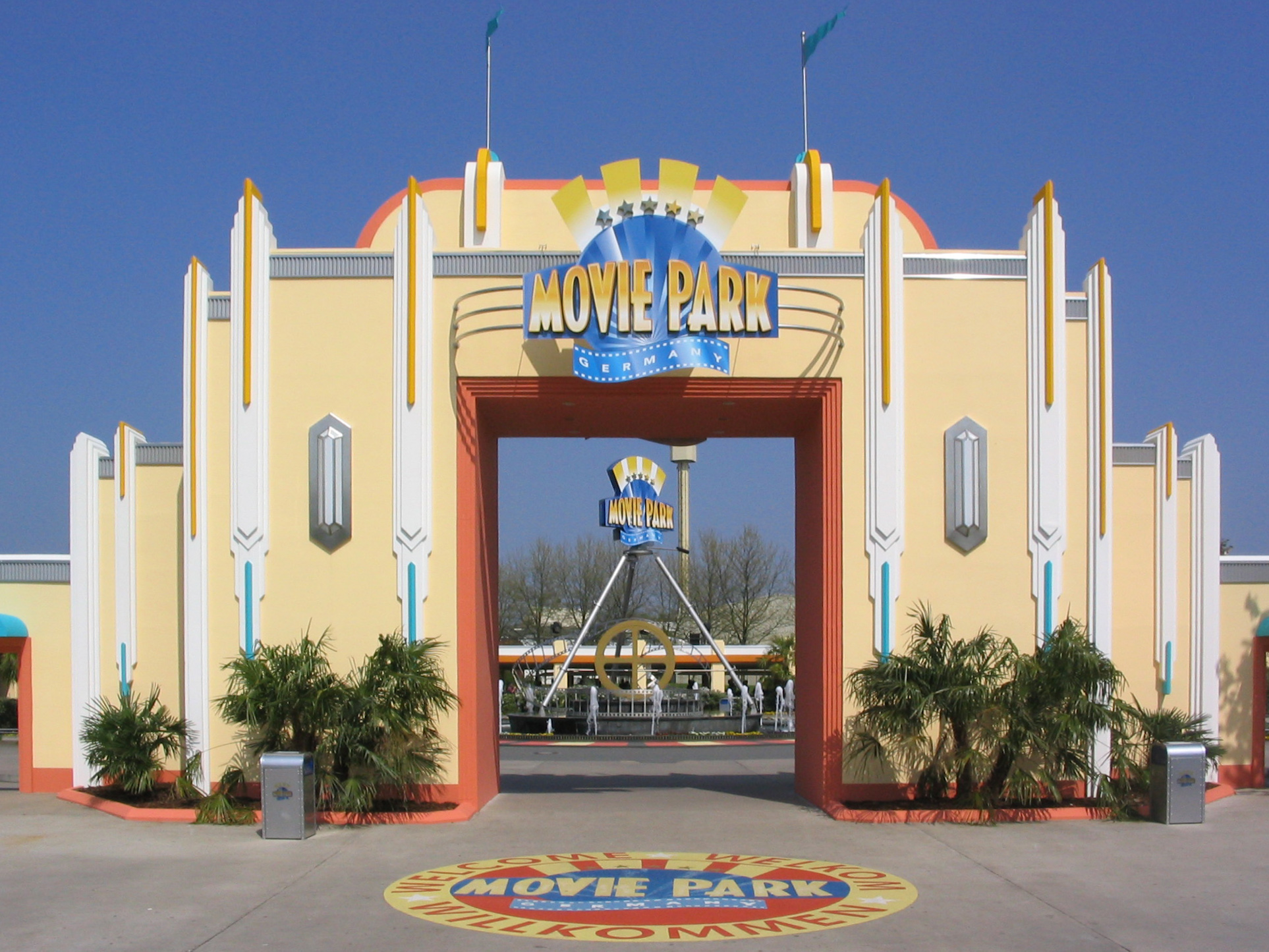
Away from hustle and bustle and bright lights of Hollywood, past the palm treelined streets and white sand beaches of Florida, and beyond the Roman ruins on a century-old Italian studio lot is another example of the convergence of cinema and theme parks. Movie Park Germany is a cinema-based theme park in Bottrop-Kirchhellen. It “is a unique theme park, which is devoted entirely to movies. The former Warner Bros Movie World has six theme areas and more than 40 attractions and shows. It will not take long before you feel like a movie star or cartoon hero!” (About Us, 2014).

Moviepark-TorMuch in the vein of Universal Studios Florida, Movie Park Germany blends both the benefits of an amusement park with movie-based themes throughout the whole park. Its motto is “Wow! I’m in the Movies.” According to the website, “Our visitors will not only have the opportunity to meet well-known series Heroes but also get to enjoy first class entertainment like an action-packed stunt show as well as two song and dance shows. For those guests who like it a bit more spooky, the park transforms itself at sunset into an extraordinaire chamber of horrors. In short: There’s a personal highlight for everyone!” (Movie Park Germany, 2014). Unlike Universal Studios parks which have a Halloween theme for two months a year, Movie Park Germany holds on to the very cinema theory that birthed out of Germany and found its way to Hollywood—German Expressionism. Some of the first movies were horror movies, and it is refreshing to see that this park is holding on to its horror heritage throughout the year (Movie Park Germany, 2014).

MovieParkGermanyTourClearly, the idea to create synergy between cinema and theme parks is at the forefront of media conglomerates and business holdings companies. It takes the best of 43 what each has to offer respectively and combines them to create a business entity that has the power to entertain, educate, immerse, and inspire all at the same time. For the guest this means that they can experience the magic of movies and TV in dynamic ways, and for the owners, this means unparalleled cash flows to fund movies, reinvest in the parks, or fund other ventures. But, one set of questions remains. How should a media company choose to theme the parks, what rides to make based on movies, and should a theme park attraction be in the minds of studio executives when looking at screenplays for future movies? At the end of the day, studio executives/media moguls who also run theme park divisions need to know what connections and moves to make in order to assure the mutual success of both the movies and the theme parks.

The final part in this series will be uploaded next week! It will include themes learned from the empirical research method used in this study. The focus groups were located in Florida, New York, Ohio, and California.

In order to return to the beginning of this series, click HERE!