BLACK PHONE 2 horror movie review

Don’t answer the call—best to let go to voicemail.
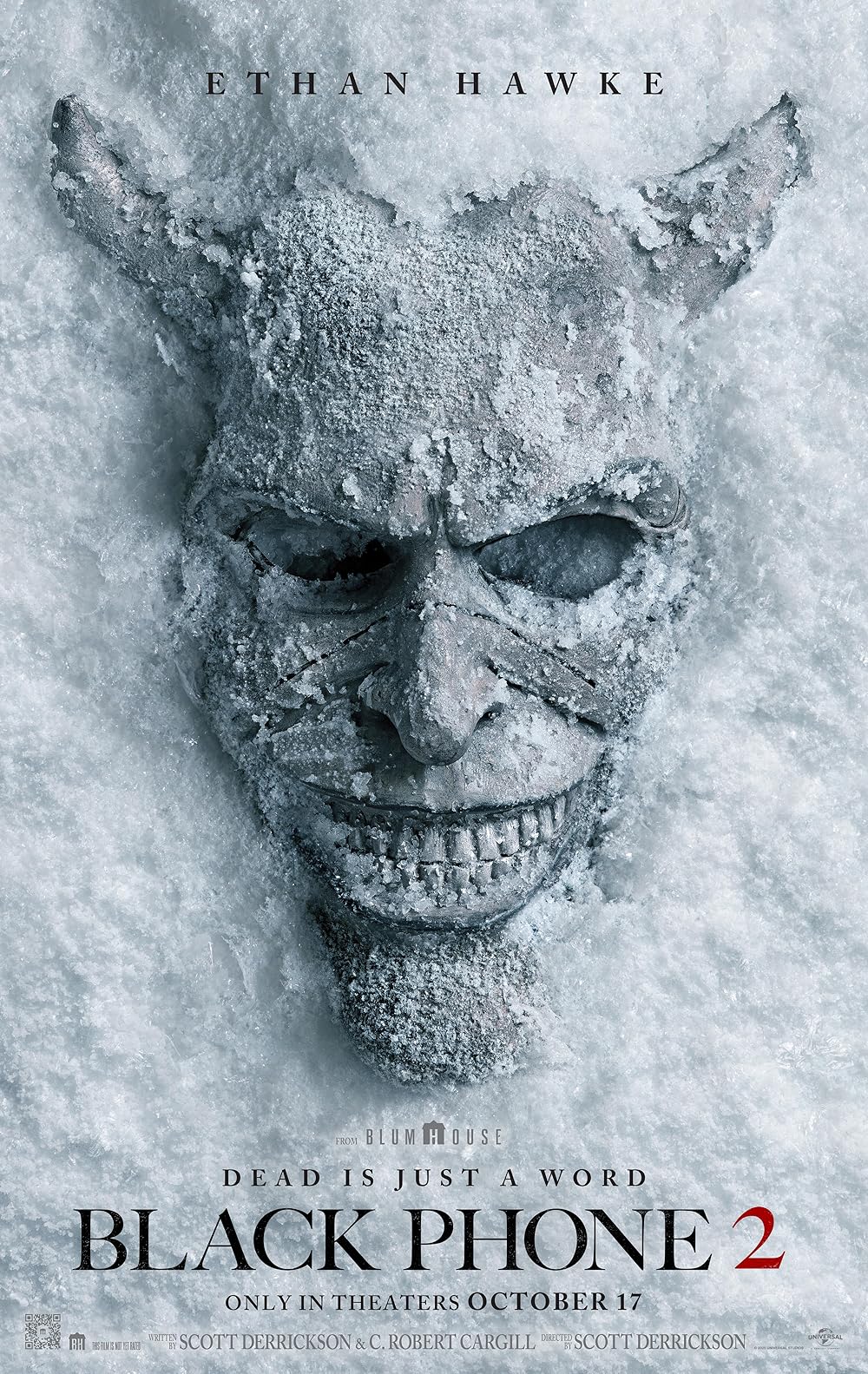
Atmospheric but empty. Black Phone 2 may ring with eerie potential, but what you’ll hear on the other end is mostly static. You just as soon use a telegraph service to form a connection between the big screen and audience than the calls this movie desperately makes. Derrickson demonstrates that he can certainly direct the heck out of a horror movie, but it might be time for someone else to write the next call–or at the very least, he should perhaps stop hiring his friend as a writing partner. While the film succeeds in delivering a chilling, oppressive atmosphere, reminding us that Derrickson remains one of horror’s more visually articulate directors, it also reinforces the unfortunate truth that he’s a far better director than writer. What we have here is another casualty of the writer-director syndrome; which is to suggest that one can be a stylistic filmmaker or even auteur without need to wear both hats. Some filmmakers are better directors, some better writers–and that’s okay! While Black Phone 2 begins with promise, it quickly devolves into a frustrating exercise in squandered ideas, tonal inconsistency, and narrative disarray.

Bad dreams haunt 15-year-old Gwen as she receives calls from the black phone and sees disturbing visions of three boys being stalked at a winter camp. Accompanied by her brother, Finn, they head to the camp to solve the mystery, only to confront the Grabber — a killer who’s grown even more powerful in death.

The film ambitiously sets out to expand upon the supernatural mythology introduced in the 2022 original. Derrickson clearly wants to explore the dream world as a deeper psychological battleground—echoing the meta-horror energy of A Nightmare on Elm Street III: Dream Warriors. But instead of capturing that sequel’s inspired creativity and emotional cohesion, Black Phone 2 feels more like a discount version of a superior brand. The screenplay introduces a fascinating set of “rules” for how this dream realm operates, only to immediately ignore or contradict them, leaving the audience confused rather than intrigued. Internal logic is sacrificed for jump scares and contrived character beats that go nowhere.

And speaking of characters—if you can call them that—most are little more than human wallpaper. Half the ensemble feels like a collection of movie people consisting of broadly sketched types that serve a single plot function before fading into irrelevance. Others border on offensive caricature, perpetuating inaccurate and disparaging stereotypes. For all intents and purposes, about three-and-a-half characters can be removed from the movie, and the story play out much the same. Why that half-character? Because, they do help develop the plot in a measurable way–albeit a modicum of development. When a film’s supporting cast functions more like furniture versus people, no amount of spooky atmosphere can save it. The best written and developed character was Demián Bichir’s Armando.

Still, there are moments, scenes, and even entire sequences that remind us of Derrickson’s undeniable craftsmanship. His camera captures dread beautifully; his sense of timing and space within the frame conjures genuine unease. There are glimpses of a haunting, emotionally resonant movie buried somewhere beneath the fractured structure and incoherent script. Unfortunately, those glimpses are fleeting. And that’s the great tragedy here—not just for Black Phone 2, but for a growing trend in contemporary filmmaking: the writer-director who insists on doing it all, in the name of authorship.

Once upon a time, filmmakers understood that collaboration was the lifeblood of cinema. Directors directed. Writers wrote. And when both crafts worked in harmony, we got films that not only looked great but meant something. Somewhere along the line, “auteur” became synonymous with “solo act,” and too many directors convinced themselves that to have a voice, they had to pen the script too. The result? Movies that look immaculate but feel hollow—visual symphonies built on shaky foundations.

Derrickson is a perfect example (another is Jordan Peele). As a director, his command of tone and atmosphere is nearly peerless; his work in horror often hums with intelligence and mood. But Black Phone 2 exposes the limits of his pen. The foundation for a compelling story is here—the bones of something rich and psychologically resonant—but the film never benefits from a writer who truly cares about character, motivation, or thematic depth. It’s as though Derrickson fell so in love with his own concept and craft that he forgot to ask whether the story itself deserved that devotion.

A gifted director needn’t be the writer to be an auteur. In fact, some of the greatest auteurs—Hitchcock, Spielberg, even Fincher–are those who know the value of letting a skilled screenwriter shape the clay before they bring it to life. Black Phone 2 might have been a haunting triumph had Derrickson trusted someone else, other than his friend, to write the words for the world he so clearly knows how to visualize. Instead, we’re left with a reminder that even the most talented filmmaker can’t build a cathedral on a cracked foundation.

By the time the credits roll, Black Phone 2 feels like a series of individually thoughtful scenes strung together by a story that never quite finds its pulse. It’s a patchwork of ideas that might have worked—had they been developed, connected, or earned. The result is a film that looks and sounds like a horror movie, but never feels like one worth the cost of time.
Ryan is the general manager for 90.7 WKGC Public Media in Panama City and host of the public radio show ReelTalk “where you can join the cinematic conversations frame by frame each week.” Additionally, he is the author of the upcoming film studies book titled Monsters, Madness, and Mayhem: Why People Love Horror. After teaching film studies for over eight years at the University of Tampa, he transitioned from the classroom to public media. He is a member of the Critics Association of Central Florida and Indie Film Critics of America. If you like this article, check out the others and FOLLOW this blog! Follow him on Twitter: RLTerry1 and LetterBoxd: RLTerry
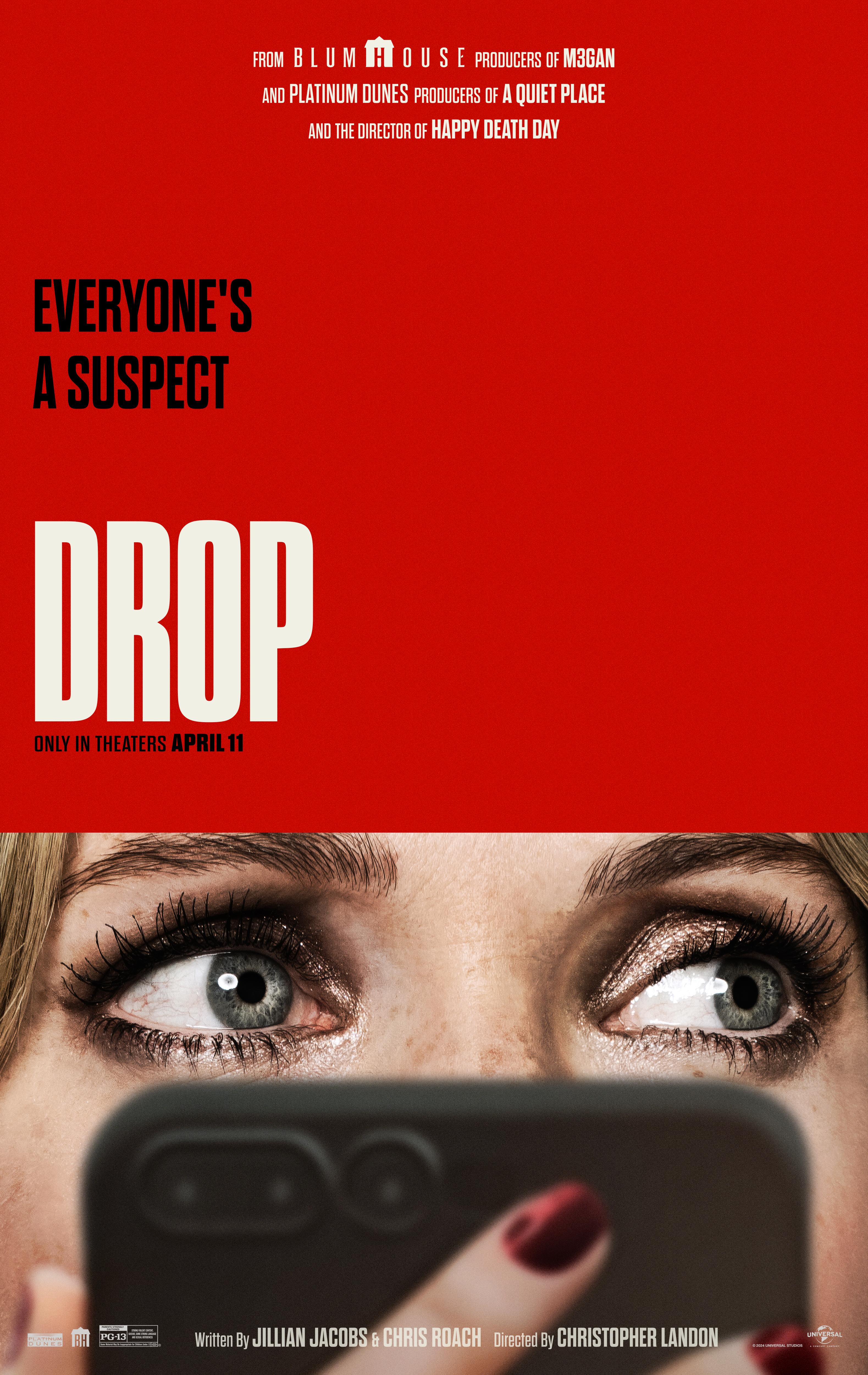
DROP (2025) movie mini-review

“Drop” in on a lot of fun at the cinema. Universal and Blumhouse’s Drop is a highly entertaining Lifetime-esque thriller that requires a prescription-strength dosage of suspension of disbelief. With a charming cast and adrenaline pumping suspense and tension, Christopher Landon’s latest movie delivers an engaging time at the cinema.

Violet is a widowed mother who goes to an upscale restaurant to meet Henry, her charming and handsome date. However, her pleasant evening soon turns into a living nightmare when she receives phone messages from a mysterious, hooded figure who threatens to kill her young son and sister unless she kills Henry.

If you enjoy the Lifetime movies of the 2000s, then this is right up your alley. The stakes are high and you’ll empathize with our central character of Violet, and root for her and her family’s survival. Because the lead cast quickly makes a meaningful connection with the audience, the plot holes (and there are many) almost feel irrelevant because the movie’s strength isn’t so much in the realism of the plot as much as it is in the naturalism of the plot. The movie is disconnected sufficiently enough from reality that it functions as an escapist picture, therefore the fact that there is little to no way this plot could ever happen due to the ridiculous nature. Between the high camp, high stakes, and charming cast, Drop blends the aesthetics of a high-budget thriller with the emotional pitch of a Lifetime movie—often to hilarious and unexpectedly entertaining results.

From writer-director Christopher Landon, Drop is directed with the kind of slick, over-serious tone that almost dares you not to laugh, Drop thrives in that uncanny cinematic space where implausibility meets irresistible entertainment (a.k.a. the Lifetime movie formula). The film is not so much interested in realism as it is in emotional immediacy—and it serves it with gusto. What makes Drop work is the sheet Oscar-level commitment. In an era wherein movies that typically fall in the vein of this one, wink at the audience to cue them in on the joke, this movie never acknowledges the absurdity of the premise. Which proves to be the winning hand, because the audience’s experience is surprisingly immersive. The stakes may be inflated, but the emotions feel real in the moment, and that’s what keeps viewers engaged. it to be consumed by its tornado of drama.

Even though the movie never becomes self-aware of its absurdity, that isn’t to say that the campy levels of plot devices and drama don’t play a role–on the contrary–the movie’s absurdity is its strength. Whether you’re watching in genuine suspense or howling with friends at the sheer audacity of it all, Drop delivers. And it’s way more fun than it has any right to be. Solid as the plot is from a storytelling mechanics perspective, it definitely defies conventional logic. But the movie completely surpasses any expectations I had going into the movie. Drop is a deliciously unhinged suspense thriller that feels like a Lifetime movie on a Red Bull bender—highly recommended for fans of unintentional camp and cathartic chaos.

Ryan is the general manager for 90.7 WKGC Public Media in Panama City and host of the public radio show ReelTalk about all things cinema. Additionally, he is the author of the upcoming film studies book titled Monsters, Madness, and Mayhem: Why People Love Horror. After teaching film studies for over eight years at the University of Tampa, he transitioned from the classroom to public media. He is a member of the Critics Association of Central Florida and Indie Film Critics of America. If you like this article, check out the others and FOLLOW this blog! Follow him on Twitter: RLTerry1 and LetterBoxd: RLTerry
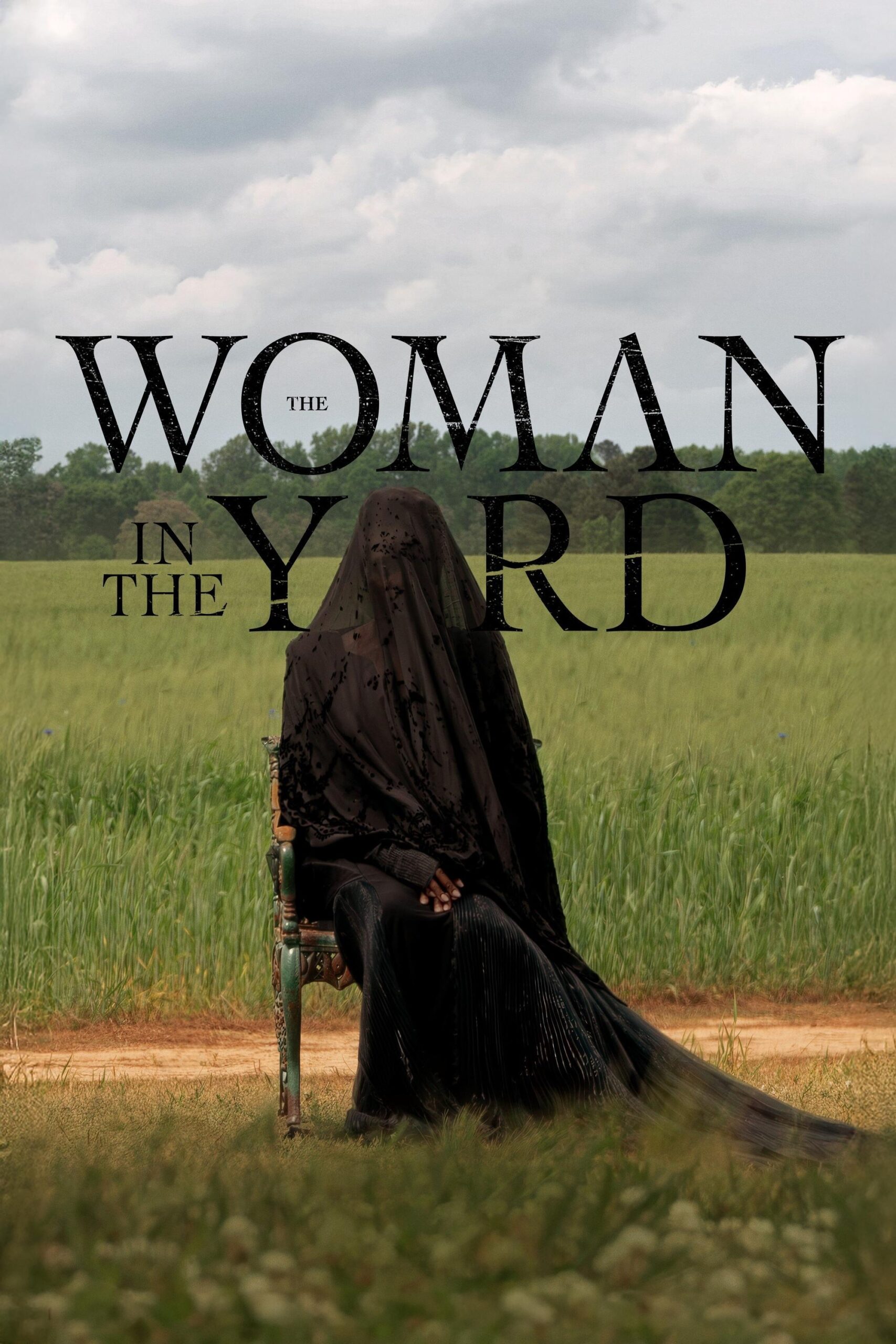
THE WOMAN IN THE YARD horror movie review

Immersive setting and thoughtful premise meets with poor plotting. The Woman in the Yard is a haunting reflection of trauma, grief, and loss that accomplishes little beyond delivering unsettling imagery. The rich southern gothic atmosphere draws viewers into the story, but the experience ultimately falls flat due to poor writing. That said, I appreciate what the film tries to do with its intriguing premise, but the insufficient plotting and meandering diegetic direction hamper what could’ve been a rather fantastic psychological horror film.

Ramona (Danielle Deadwyler) becomes crippled by grief after her husband dies in a car accident, leaving her to care for her two children alone in her rural farmhouse. Her sadness soon turns to fear when a spectral woman in black (Okwui Okpokwasili) appears on her front lawn, warning her “today’s the day.” As the mysterious figure creeps closer and closer to the house, Ramona realizes she must protect her children from the evil woman who simply won’t leave them alone.

In the vein of The Others, this film takes place in an isolated house in the countryside featuring a mother and her kids. Except instead of leaning into a New England gothic aesthetic, The Woman in the Yard exudes a rich, dimensional Southern gothic atmosphere. From the house to the yard to the ominous, mysterious woman in black, this film draws us into the story. Unfortunately, the story into which we are drawn, leaves much to be desired.

If I were to simply focus on the atmosphere of and settings within the film, The Woman in the Yard would rank highly for me, but it’s disappointing that such a rich world is wasted on such a vague plot and meandering narrative. Even the performative dimension is compelling. All four performances of the main (and pretty much only) cast members were solid. I only wish they had been given more to do in order to drive home the themes of the film.

I opened with comments concerning the various themes in this film concerning grief, loss, and trauma, and I enjoyed how these internal feelings were externalized for the audience. The use of mirrors, shadows, and (digital) double exposure gave this film a tangible, experiential depth. But, regrettably, the imagery and performative dimension is pretty much all that we get in this film, for the plotting is weak and lacks discernible direction.

Without getting into spoilers, our central character of Ramona must battle the various affects of the trauma incurred from the car accident that left her injured and her husband dead, which have manifested themselves in the woman in black and related paranormal and supernatural occurrences in the isolated Georgia farmhouse. She is challenged to resolve that which she is battling in order to provide for her children after the tragic passing of her devoted husband and father to their kids. Just like those that experience a life-changing traumatic event (often in the aftermath of a tragic accident) begin to reflect upon their life and examining their impact on and relationships with others, Ramona is reflecting upon her life. The psychological process of reflecting on life is dramatized in and expressed through the use of mirrors, mirrored imagery, and (what in analog terms would be) double exposure. This part of the film works incredibly well! But the plotting isn’t there to sufficiently support it for storytelling cinematic storytelling purposes.

The woman in black is a paranormal manifestation of something in the film that I cannot reveal as to avoid spoilers, but I loved this character! She is creepy, intriguing, mysterious, ominous, and more of what makes a great monster in a horror movie. Between the Southern gothic atmosphere and the woman in black, I very much expect to see this movie adapted into a Halloween Horror Nights house. The character of the woman in black is rather terrifying, yet you won’t encounter much in the way of traditional scares. Her character (and her chair) are so thoughtfully crafted that her mere presence is enough to send adrenaline through your body. In terms of “rules” for a monster, they are established early on, and everything to follow functions within those rules. I would not be surprised if the woman in black is borne out of real folklore, because so much of what happens feels connected to campfire ghost stories and superstitions.

While The Woman in the Yard may lack in the plotting department, it delivers many elements that can be sufficiently enjoyed. It may not be one that I will revisit any time soon, but I still enjoyed the movie well enough.

Ryan is the general manager for 90.7 WKGC Public Media in Panama City and host of the public radio show ReelTalk about all things cinema. Additionally, he is the author of the upcoming film studies book titled Monsters, Madness, and Mayhem: Why People Love Horror. After teaching film studies for over eight years at the University of Tampa, he transitioned from the classroom to public media. He is a member of the Critics Association of Central Florida and Indie Film Critics of America. If you like this article, check out the others and FOLLOW this blog! Follow him on Twitter: RLTerry1 and LetterBoxd: RLTerry
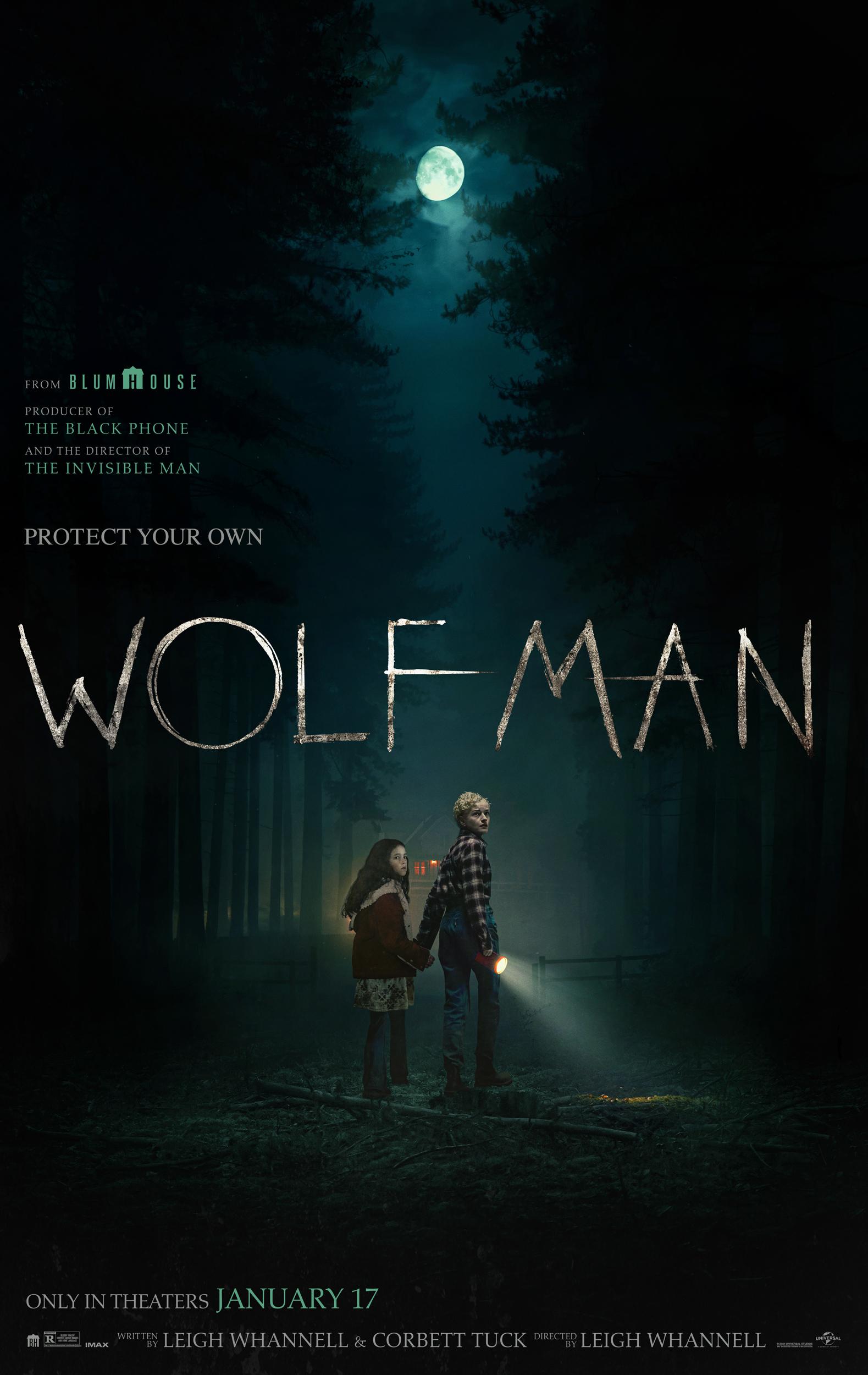
WOLF MAN (2025) horror movie review

Underwhelming. Leigh Whannell’s second remake of a Universal Monster classic has about the same depth as a puddle of water and keeps your attention about as much. No mistaking it—there are some brilliant ideas all throughout this movie, but the connective tissue is simply non-existent. Clearly this movie is Whannell’s attempt at infusing a thoughtful family drama about generational trauma and broken relationships into the monster movie formula, but the screenwriting fails to support this attempt. Whannell has previously demonstrated that he can successfully remake a classic whilst retaining the soul of the original and adding a layer of modern sensibilities, because that is exactly what he did with the critically acclaimed and box office success of The Invisible Man in 2020. Also, would somebody please send Julia Garner a great screenplay? She is a phenomenal actress; but ever since she finished Ozark, she hasn’t been offered a cinematic vehicle in which she could best shine. She’s still the best choice for a Madonna biopic. But I digress. 2025’s Wolf Man certainly had the potential and pedigree to be an entertaining, thoughtful, and exhilarating horror movie, but the screenwriting simply isn’t there to support it. However, I’m sure it’ll make for a great Halloween Horror Nights house later this year.

Blake and his family are attacked by an unseen animal and, in a desperate escape, barricade themselves inside a farmhouse as the creature prowls the perimeter. As the night stretches on, however, Blake begins to behave strangely, transforming into something unrecognizable that soon jeopardizes his wife and daughter.

Despite Whannell’s ambitious reach, his Wolf Man remake fails to capture the innovation and depth of the original (1941) and the popcorn entertainment of the 2010 remake. While it boasts a rather strong performative dimension and effective moments of terror, the film struggles with strategic plotting, thematic clarity, and consistent execution of film craft. From beginning to end, there are setups without any payoff and many filler scenes that pad an anemic narrative. Moreover, the first and third acts feel truncated in exchange for a protracted second act that lacks any meaningful character or plot development. This is one of those horror movies that has all the bones of a great and entertaining story, but the moments wherein the pot and characters should steep are nearly non-existent. It has all the markings of a first draft screenplay. And with Whannell’s name all over the billing from writer, to director, to producer, this film suffers from what plagues so many film’s these days: lack of accountability. I’ve said it before, most directors are not writers and most writers are not directors. There are of course exceptions, but I’d like to see more writers and directors working together instead of feeling that one has to be both in order to be taken seriously as an auteur.

One easy example to cite (that isn’t a spoiler) is something that happens at the very beginning of the film that spotlights recurring setups with lack of payoffs. As 12 year old Blake is walking with his domineering father through the woods, his father makes a big deal out of some mushrooms in which Blake was interested, noting that many mushrooms are poisonous. The degree to which Blake’s father draws attention to the mushrooms sets up the Chekhov’s Gun storytelling device–or rather–appeared to have set the stage. Nope. Those mushrooms never come back into play for the duration of the movie. Whannell should have either found a way for those mushrooms to payoff in the showdown or should have not drawn acute attention to them at the beginning of the movie. Why am I spotlighting this? Because it’s indicative of the recurring weak screenwriting mechanics that plague this movie.

You may have heard that many critics and fans have negatively criticized the wolf man’s appearance. I may not be able to speak positively of the movie’s story and characters, but I do feel the need to come to the movie’s defense here, because the movie is called Wolf Man, not An American Werewolf in London. Looking back to Lon Chaney Jr.’s iconic Wolf Man (designed by the legendary Jack Pierce), he was designed to be a wolf-like man, not a werewolf in the traditional sense. Thematically, it represented then (and still represents in this latest iteration), the “monster” within each of us that has to be controlled. I respect Whannell’s decision to keep with a variation of Jack Pierce’s original concept of the Wolf Man, and I feel that it works very well for this movie.

An area where this movie shines brightly is in the exquisite sound design. From the immersive sounds of nature in the forest to the changes in Blake’s sense of auditory processing, the sound mixing and design are fantastic. Of all the moments demonstrating strategic and effective sound design, where Whannell’s direction demonstrates the greatest thoughtfulness, is in the moments wherein Blake’s human senses begin to transition to canine senses. Aside from this transition faltering to allowing for room to develop, the idea of dramatizing this for the audience was innovative and paid off dramatically.

Even though I am an advocate for experiencing cinema in the cinema, this is one of those movies for which you should wait to be added to Peacock–which will probably be very soon.

Ryan is the general manager for 90.7 WKGC Public Media in Panama City and host of the public radio show ReelTalk about all things cinema. Additionally, he is the author of the upcoming film studies book titled Monsters, Madness, and Mayhem: Why People Love Horror. After teaching film studies for over eight years at the University of Tampa, he transitioned from the classroom to public media. He is a member of the Critics Association of Central Florida and Indie Film Critics of America. If you like this article, check out the others and FOLLOW this blog! Follow him on Twitter: RLTerry1 and LetterBoxd: RLTerry
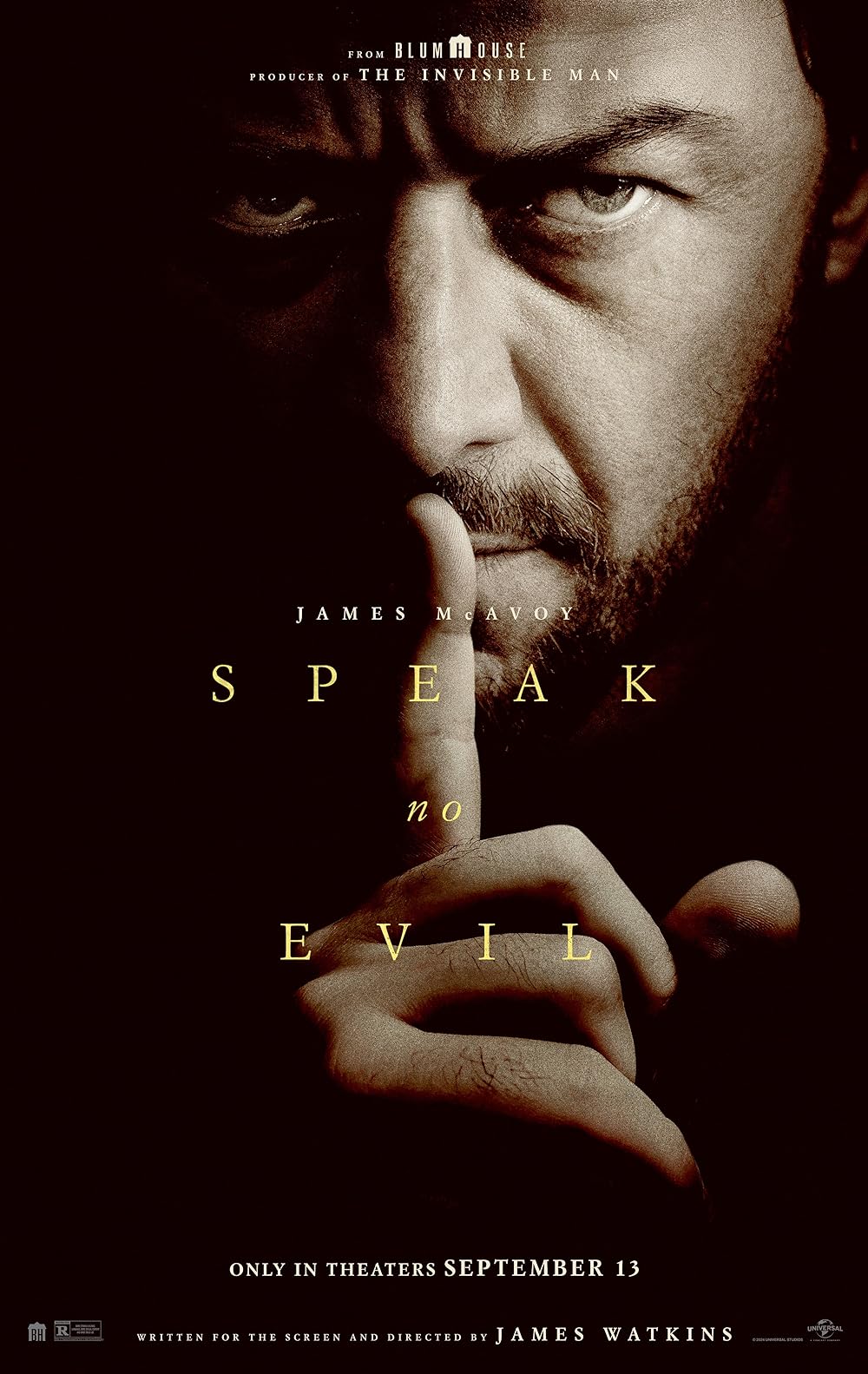
SPEAK NO EVIL horror movie review

An entertaining and terrifying thrill ride. Blumhouse and Universal’s Speak No Evil, starring James McAvoy, excels in plotting and atmosphere but falters in character building and development. Based on the Danish film by the same name, director James Watkins’ version is a methodical and spellbinding descent from dream to nightmare. The highlight of the film is McAvoy’s completely manic performance that is simultaneously comedic and unsettling. Whilst Watkins attempts to bestow upon the high concept narrative thoughtful social commentary on image, isolation, and identity, the commentary is inconsistent and lacks the gravitas to truly be compelling or provocative.

A dream holiday turns into a living nightmare when an American couple and their daughter spend the weekend at a British family’s idyllic country estate.

That which is most personal is most relatable, and can be the most terrifying. And what can be more personal and relatable than the need for a relaxing vacation in the peaceful countryside? That is precisely where this decent into a nightmare begins. Speak No Evil may take its time (albeit justified) in setting up the conflict, but once that second act kicks into gear, it is a nonstop thrill ride into isolation and violation. Keep the cast small, the film is able to spend sufficient time in developing the plot and keeping with proper pacing for the tight storytelling. From the very beginning, the piping is laid for everything that audiences will encounter in the second and third acts, with every shot, scene, and sequence pointing towards the shocking conclusion.

Violence on screen is minimal; however, when it hits, it HITS. But that hit isn’t always visual; many times it is psychological in nature, which in many ways, is even more terrifying. Throughout this film, the terror on screen is transferred into the minds of the audience. Part of that is because of the degree of relatability in this story. Many of us have been on vacation in a new place or even moved to a new place unfamiliar to us–perhaps in or to another country–and we are often desperate for friendship or companionship of any kind in order to begin to feel more at home. Therefore, the setup of this film is one to which many of us can relate–and that’s what makes it particularly terrifying. The thought that we could unwittingly befriend a monster.

While the social commentary on isolation, identity, and image is inconsistent and weak, I appreciate what Watkins was trying to do; although, there is one aspect of the film that was screaming for a redemption arc that was so obviously squandered (and actually hurt the quality of the film). Speak No Evil depicts many expressions of isolation. Isolation from friends and family, isolation from the urban core, isolation within one’s family. And it’s this isolation that greatly heightens the level of suspense and terror.

Additionally, the film depicts the identities (or facades) that we project to the world when we are hiding something or feel insecure because we wield it like a sort of armor. Moreover, this identity can also harbor inconsistencies that lead to a lack of authenticity and meaningful motivation. Perhaps this identity is merely a facade that is intended to make others feel uncomfortable or to project an image that sets one apart simply out of fear of being found out as little more than keeping up with what’s trending on social media. Furthermore, the attempted commentary on image is depicted in a variety of ways throughout the film.

The weakness in the film is found in the character building and development. Not with all the characters, but enough that it mitigates the potential of the film to deliver a compelling story. Without getting into spoilers, I want to discuss where the film had an opportunity an an effective character redemption arc, but pandered to what’s presently trending in movies instead of providing a constructive character arc that would’ve benefitted the film by adding a since of compelling meaning. Strong characters are not strong because those around them are weak; to craft a strong character through that methodology makes for a weakened (and less compelling) character because ostensibly standards have been lowered.

Strong characters are at their strongest when other characters are strong, complete with dimension as well. There is a character in the movie that lost their job, and have been personally struggling with feelings of anger, inadequacy, and failure–that is completely relatable as it is very much a human response to losing ones income and livelihood. Where the film fails is setting this character up to overcome the feeling of failing their family and at life, but never doing anything with it, and merely reinforce weakness. I imagine this was done to make their counterpart appear stronger. But it amounts to lazy storytelling that reinforces negative imagery.

The character that is the most entertaining is James McAvoy’s Paddy. I cannot think of any other actor working today that could’ve brought this character to life nearly as well as McAvoy. In an otherwise par for the course performative dimension in the film, he brings a kinetic energy that draws audiences into the macabre, twisted tale. From the very beginning, we can tell that there is something a little off about his character, but never enough to know precisely where he stands. When he goes full-on manic mode, we are in for the ride because he makes us laugh and gasp in horror all at the same time.

Everything about this movie would make for a fantastic house at next year’s Halloween Horror Nights at Universal Orlando and Hollywood. The farmhouse at the center of the movie is a labyrinth and hints at a variation of the hillbilly horror aesthetic. I can see how this film’s characters and setting could adapt well to an HHN house, so I would not be surprised if we see this intellectual property featured at next year’s HHN.

Speak No Evil may lack dimension that could’ve made it a more compelling narrative than what we received; however, it’s still an entertaining thrill ride that will have you laughing and screaming. A solid popcorn horror movie that has some degree of rewatchability.

Ryan teaches Film Studies and Screenwriting at the University of Tampa and is a member of the Critics Association of Central Florida and Indie Film Critics of America. If you like this article, check out the others and FOLLOW this blog! Interested in Ryan making a guest appearance on your podcast or contributing to your website? Send him a DM on Twitter. If you’re ever in Tampa or Orlando, feel free to catch a movie with him.

Follow him on Twitter: RLTerry1 and LetterBoxd: RLTerry