“Snowden” movie review

snowdenA political docudrama that only Stone could pull off so effectively! Once again, acclaimed director Oliver Stone brings another socio-political issue and figure to the screen. Whether you’re of the school of thought that Edward Snowden should be charged with espionage or heralded as a hero, this film will definitely challenge your point of view. But, isn’t that what Stone is known for??? More than a docudrama of the life of Snowden, Stone’s film is a dramatization of the state of government surveillance. One could argue that surveillance is the star of the film, not Snowden. The intent of the film is not to cast blame on either Snowden or the U.S. Government, but to cast doubt. The simple placement of doubt can be far more powerful than blatantly passing judgment or blame. If there was any ‘doubt’ that Stone is one of the most important filmmakers covering modern historic events, then this film will cast aside any remaining doubt. Few directors, have been so successful in taking cold, hard facts and transforming them into a story fit for cinema. The success of this film is attributed to the incredible lead talent. Joseph Gordon-Levitt and Shailene Woodley have excellent chemistry on screen. Accompanied by a strong cast of supporting players such as Zachary Quinto, Nicholas Cage, Scott Eastwood, Tom Wilkinson, and Melissa Leo, this film’s cast will have your attention until the final fade to black.

Oliver Stone’s Snowden takes you on a journey through the significant events of Snowden’s life from 2006 to 2013 when he was finally granted temporary asylum in Russia. The reason why his name is so famous or infamous–that depends on which school of thought you are from–is not new and even blasé at this point; but, the events of his professional and personal life that culminated in the leak and disclosure of NSA (National Security Administration) surveillance secrets and programs are not as widely known. Disillusioned with his career as a highly sought after top digital media and intelligence contractor, Edward Snowden (Gordon-Levitt) begins to wrestle with being able to justify and reconcile the rampant surveillance data that the NSA is collecting and how it affects both private citizens as well as those who are being hunted for crimes against humanity and the U.S. After deciding that it was best to go public with the information, he is then on the run of his life. A traitor to some and a hero to others, this film will prompt you to perhaps rethink the actions of Snowden.

Although this film has slow pacing, for those who are interested in the life of the–to borrow from J. Jonah Jameson–hero or menace, Stone’s docudrama will successfully hook you and draw you into this world of intelligenceSnowden is a particularly interesting docudrama because this film essentially contains three smaller movies–a three legged stool if you will. There is the most dominant story of Snowden discovering the copious amount of secret government surveillance data being collected by his software. Next, we have the personal romantic story of the ups and downs of his relationship with the liberal, artistic, amateur photographer Lindsay Mills (Shailene Woodley) and how his professional life gently affected their relationship. And finally, the story that made Snowden a household name: his leaking and dissemination of top secret NSA surveillance methods and everything else Snowden knew about questionable NSA methods of collection. For most people, that third story is all anyone knows. But, in order to truly get an idea of the pressure Snowden must have been feeling, it is imprint to take the other two stories into account. That is precisely what Stone did with this film. Stone’s version of the life and times of Snowden takes the other Snowden film Citizen Four a step further to truly be able to analyze all the known elements.

There are many excellent qualities in the writing and visual storytelling in this film, but there are two areas that appear to falter or suffer in the translation of these now historic events. The focus of the movie is definitely on what led Snowden to leak the NSA secrets, but there is a significant amount of time spent on the relationship between Snowden and Mills. One could argue that the strain of his relationship with Mills contributed to his eventual disclosure of the NSA secrets. Cinematically speaking, the strategic placement of the personal life of Snowden is important because the audience needs a break from the flat panel displays, computer code, and “geek-speak.” Unfortunately, Stone and his co-writer Kieran Fitzgerald did not carefully contract and craft the personal dialog as well as they did the info tech and military dialog. In many ways, the forced personal story of the relationship between Snowden and Mills comes off as a forced element from producers to make the film more relatable to those who are not AS interested in the military side of the story and more interested in the outside/personal influences that affected Snowden’s actions. It’s not unlike fans wanting to know the personal details of a celebrity’s life. Unfortunately, this human interest subplot does not play out as well as the two dominant stories at the forefront of this film. That being said, both Gordon-Levitt and Woodley are extremely committed to the characters/historic figures they are portraying. I cannot think of two other actors who could have been better suited to play these roles. Gordon-Levitt nailed Snowden’s voice, body language, and nuances.

The other area of this film that appears to suffer is the structure–the map, if you will. Any first year film student can tell you that flashback movies can be dangerous. Often times, the flashback is used as a copout plot device that simply plays off as lazy writing. From a technical perspective, a movie that uses the flashback as a means to tell the story is referred to as a nonlinear film. Now, I am not stating that Stone’s movie is lazily written and structured; however, I do not feel that the constant back and forth between the past and then-present were handled delicately or strategically enough. Most of the time, one of the comments I have about movies that rely upon the flashback as a plot device to tell the story is ‘Why is there a need for a flashback? Just let the main story BE the main story.’ The flashback concept works for some films like The NotebookFried Green Tomatoes, or IT; but it does not work for others such as Ladder 49 or The Weight of Water. Most of the time, a flashback is used out of convenience to fill runtime; meanwhile, the audience usually doesn’t care about the past as much as what is going to happen next in the present. Stone and Fitzgerald are mostly successful as keeping the audience entertained, caring about, and longing for what happens next in BOTH the past and present; however, I found the movie to go between both the present and past too much, almost to the point that it was a little confusing. Opening with Snowden and the small group of journalists was a great way to begin, but I feel that the story of Snowden would have been a little more gripping if we were able to watch the events from 2006 to 2013 unfold without present-day interruptions. Still, the ending that was selected for the film was both effective and strategic.

Oliver Stone’s Snowden is not a film for everyone. For those who enjoy socio-political movies or docudramas of historic figures, then you will likely enjoy it! If you are looking for an action-packed spy thriller, then is this not for you. Unlike some movies that truly ARE better experienced on the big screen, this is one that is equally experienced as well on the big or small screen.
“Kubo and the Two Strings” movie review

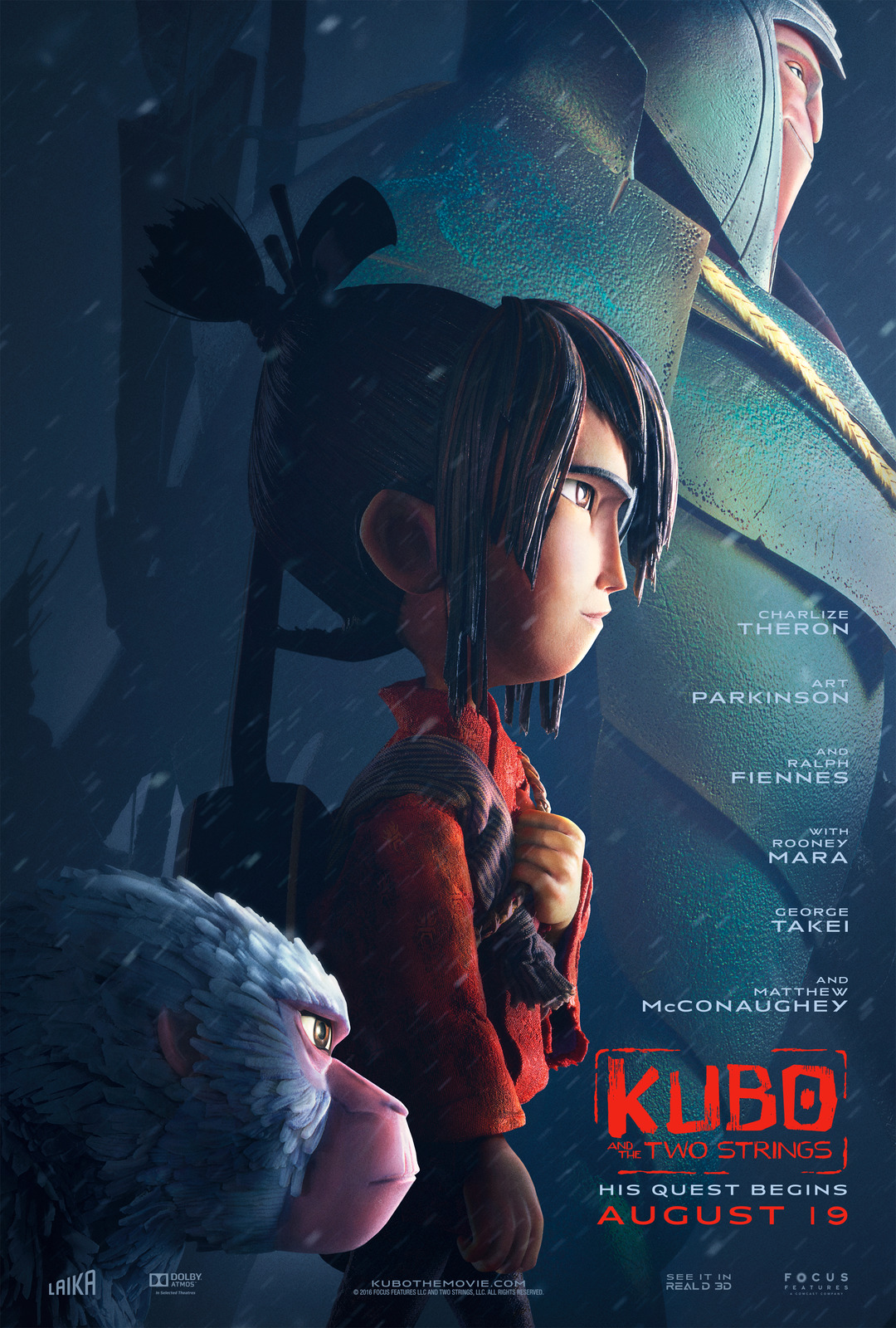
kuboAbsolutely beautiful! A dazzling display of the best that cinema can be! Laika and Focus Features’ Kubo and the Two Strings is truly a testament to the art of motion pictures! Brilliantly animated in an eye-catching stylistic way, this film provides audiences with a simple and intimate journey through a dynamically epic world of adventure, laughter, and tears. Directed by Travis Knight, from the opening to the final fade to black, Kubo is arguably the best animated feature length film to hit theaters in a long time. It contains the incredible storytelling that few films, live-action or animated, strive for but often fail to accomplish. Rarely, do audiences witness a perfect film, but this one comes very close to being perfectly written, directed, acted, shot, edited, and produced. With an A-list of vocal talent behind the characters in this immaculately animated world, Kubo will surely impress all those who watch this fantastical story. In some ways, I could argue that this film displays signs of being self-aware. Self-aware in that this simple but effective visual story is all about the very concept of storytelling. Cecil B. DeMille said, “the greatest art is the art of storytelling;” and this film proves that, in a world of high concept blockbusters that are produced to simply generate revenue at the sacrifice of storytelling, there are films with beautiful imagery, writing, and even a great message that hold true to the very idea what launched more than 100 years of cinema.

Following a daring escape from an unknown enemy across a treacherous ocean of tsunami sized waves, a young women survives a nearly fatal crash and washes upon the shore of a beach in the shadow of an imposing mountain with her infant. Many years later, Kubo (Art Parkinson) has grown up to be a young man with a passion for storytelling that he learned from his mother. Never having fully recovered from the accident, so many years ago, Kubo has the responsibility to take care of his mother. Harnessing his talent for magical origami, a stringed instrument, and storytelling, Kubo makes a little money each day for him and his mother. Little did Kubo know that his mother’s warning to not stay outside of their home after dark was for good reason. Soon, Kubo will find himself on an epic journey to unlock a secret legacy that he could have only dreamed of. Along his journey, he meets up with a monkey (Charlize Theron) and a man-beetle (Matthew McConaughey) who protect and teach him along the way. Don’t blink, even for one second, because you may very well miss something of grave importance.

The first thing you will observe in this movie is the exquisite and stylistic combination of two different animation methods. Claymation, which most are familiar with, and the lesser used papermation. Although typically used by themselves to tell an animated story, the brilliant combination of both methods to concurrently tell this epic story will leave a lasting impression upon you. There is a beauty in this film unmatched by any other in recent times. In many ways, the visual appeal of this movie reminds me of the early Walt Disney and Pixar animated films. Audiences can easily witness the absolute passion in every movement, detail, and landscape. I was completely sucked into Kobo’s fantastic world of Japanese influence. In addition to outstanding technical achievements in animation, lighting, and cinematography, Kubo is a film that is equally outstanding in its ability to tell a simple but inspirational story. It is the epitome of an ideal relationship between artists and engineers. This film successfully combines an artisan handcrafted charm with the precision of sophisticated visual storytelling technologies in a dazzling display of cinematic art that will surely be cherished for a lifetime.

Simple. The plot is so simple but yet very much profound. While so many studios are cranking out franchises, adaptations, complex plots, and young adult dramas, the Laika production company chose a different route. It chose a route that proves that the mastery of visual storytelling that showcases the art of cinema is still alive. In a world of the business of moviemaking, Kubo returns us to the art of filmmaking. Not confined to art house theaters in Greenwich Village or West Hollywood, this film is evidence that truly artistic masterpieces are still desired by the American audience. “The art of making art, is putting it together” (Sunday in the Park with George). Knowing that just the leaf ship sequence at the turning point between the first and second acts took 19 months to create, design, and produce, it is clearly apparent that a tremendous amount of time, love, and energy went into every frame of this stunning movie. As someone who has a passion for the very concept of storytelling, this film brought tears to my eyes because of the sheer beauty of the film and the experience of watching it on the big screen. Although it is an endearing film filled with love and adventure, it is also quite scary during some of the intense conflict between Kubo and those who wish to do him harm. From Kobo’s magical origami birds and samurai warrior to the playful banter between Monkey and Beetle, I was awestruck at the brilliance of the film in both writing and visuals.

I highly recommend this film for those who have not seen it yet. I only wish I had made it to the movie before last night. After hearing what others have said and written about this movie, I have come to the same conclusion that many have voiced: this film is exceptional by any known measurable means of evaluating a film. If any animated film this year is destined for an Oscar nomination or win, this one is it.

Ryan teaches screenwriting at the University of Tampa. If you like this article, check out the others and FOLLOW this blog! Interested in Ryan making a guest appearance on your podcast or contributing to your website? Send him a DM on Twitter or email him at RLTerry1@gmail.com! You can catch Ryan most weeks at Studio Movie Grill Tampa, so if you’re in the area, feel free to catch a movie with him!

Follow him!

Twitter: RLTerry1

Instagram: RL_Terry

A Theme Park in Flux

DHS_MainIt’s no secret that the Walt Disney World Resort (WDW) is undergoing some massive builds and refurbishments. With Universal Orlando (UO) stealing the leading market share from the media and entertainment conglomerate’s flagship resort, Disney is running to catch up. Although there are a number of refurbishments and builds presently taking place, the one that is the most obvious and potentially dangerous is the near-reboot of Disney’s Hollywood Studios (DHS). Just this week, it was announced that the extremely popular thrill ride Rock ‘in’ Roller Coaster is soon to be closed for a relatively short amount of time; however, during this time, all references to Aerosmith will be removed. Whether that is due to inside or outside influences is not what’s really important. What IS important is the number of closures over the last couple of years and even ones that are reported to be taking place within the next few.

For the latest in theme park news and information, head over to Thrillz where you can read this and other articles. From the United States to Eurpoe, Asia, and beyond, the team at Thrillz.co has got it covered!

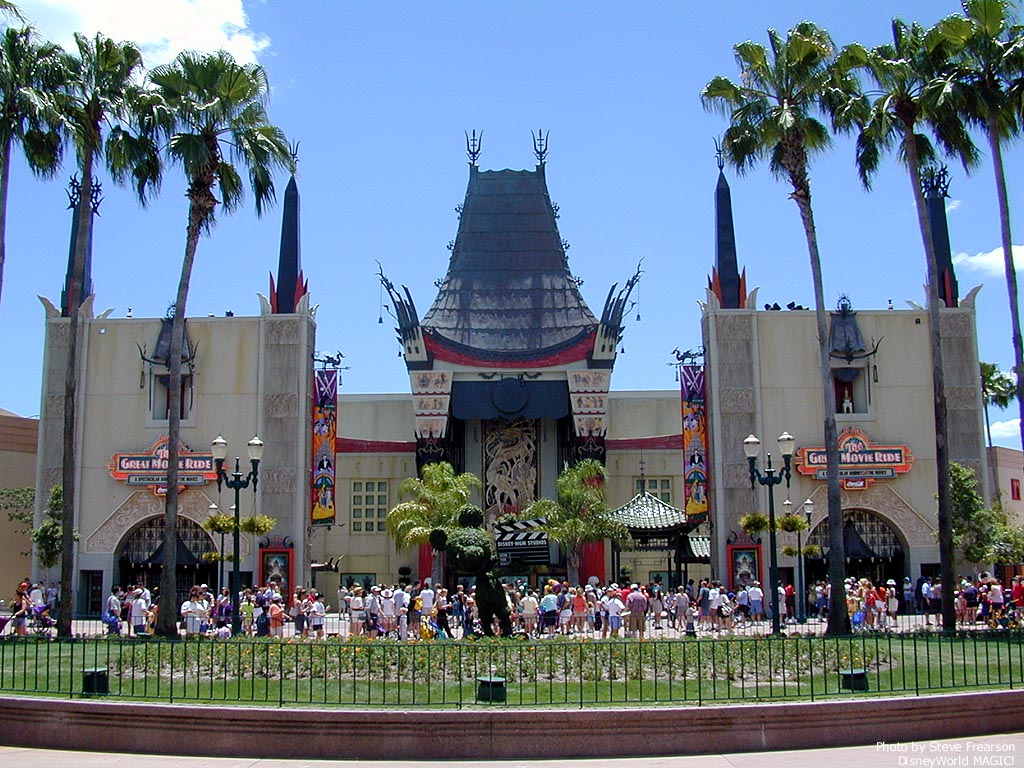
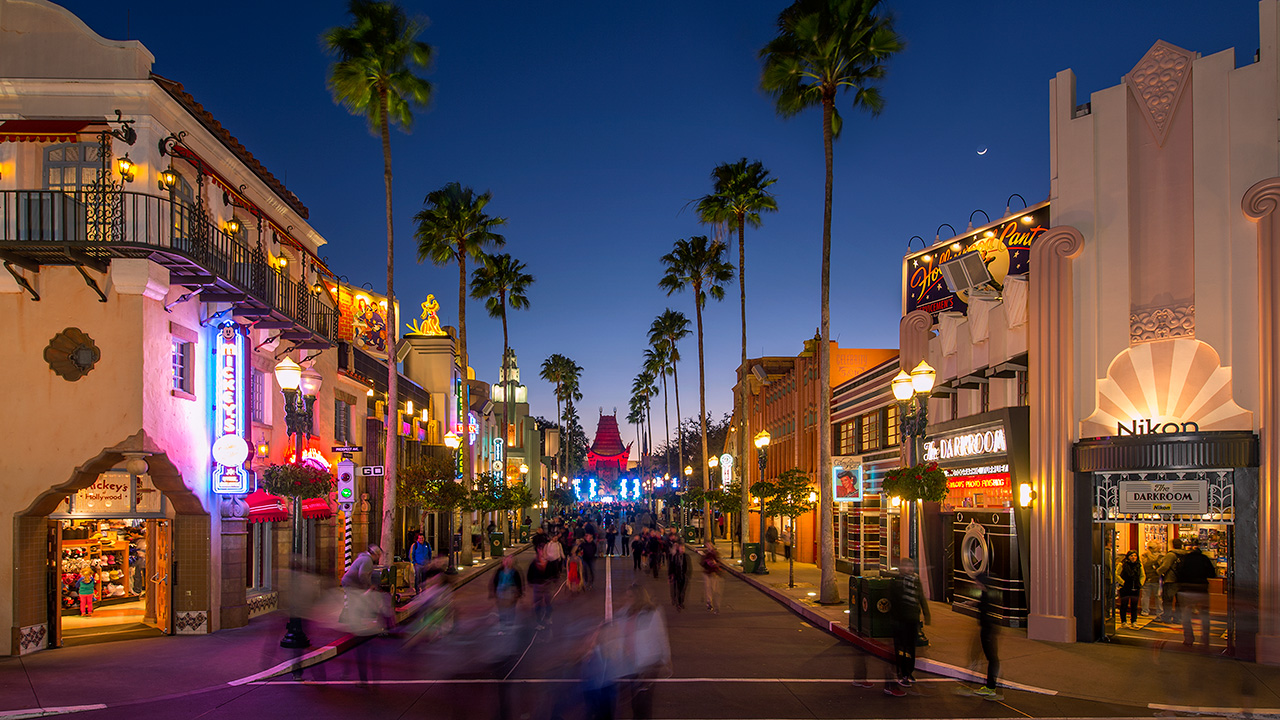
GMR_VintageIt’s the late 1980s, and then Disney CEO Michael Eisner has an idea for a new theme park at WDW. Unlike other parks which were more strategically planned, this one has a rather spontaneous birth. In short, Eisner desired to put a movie-based ride at Epcot. The name of that attraction? The Great Movie Ride (GMR). Sound familiar? From that attraction concept sprung the now Disney’s Hollywood Studios. The genesis of this park parallels Universal Studios Florida in many ways. Both began as Florida production counterparts to their respective Los Angeles headquarters and both opened within one year of one another featuring attractions based on film/TV IP; furthermore, both parks were active film and television production facilities and offered tours, live audience opportunities, and meet and greets with some of the stars. Back then (from 1989-2008) DHS was named Disney-MGM Studios with a scale replica of Grauman’s Chinese Theatre as the centerpiece. The operating hours were less than Magic Kingdom or Epcot because of the few offerings, so DHS was originally operated as a half-day park. The design of the park was mostly based on the idea of Hollywood at the hight of its golden age in the 1930s and 40s. From the buildings to the backlot, it was clear that this park was celebrating the art of motion pictures.

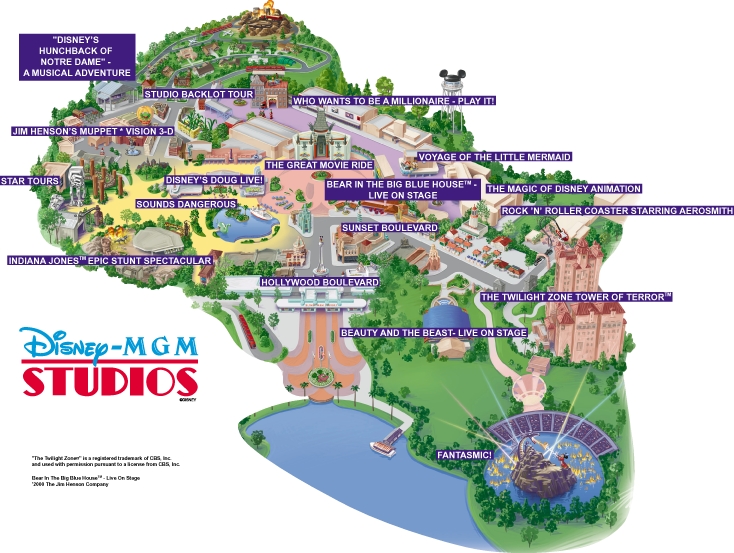
Map_MGM_Studios

Here is a map of the park at the height of attractions offerings (minus Toy Story Midway Mania and The American Idol Experience both added in 2008).

Disney_GG_HouseDuring the late 1990s and early 2000s, both Disney and Universal began to phase out the Florida production facilities. With that phasing out, the connection to the art of motion picture making began to mitigate. Specifically speaking about, Disney-MGM Studios, there were two major changes that directly affected the identity of the park during this first period of flux. While many may not recall the set tours of Adventures in Wonderland or playing Who Wants to Be a Millionaire, many long-time fans and guests of the park will remember the closure of Residential Street (part of the Backlot Tour) to make way for the now-closed Lights, Motors, Action Stunt Show. Residential Street included, among other houses, THE Golden Girls‘ house (used for the exterior shots starting in the 2nd season). During the pilot episode and the first season of the critically acclaimed show–still–with a huge fan base today, the house seen in the exterior shots (which you can drive to today) was/is located in Brentwood, CA. But I digress. With the closure of Residential Street, the now-closed Backlot Tour had to be reinvented to accommodate the new stunt show. This closure represented the first steps in the eventual identity crisis of the park.

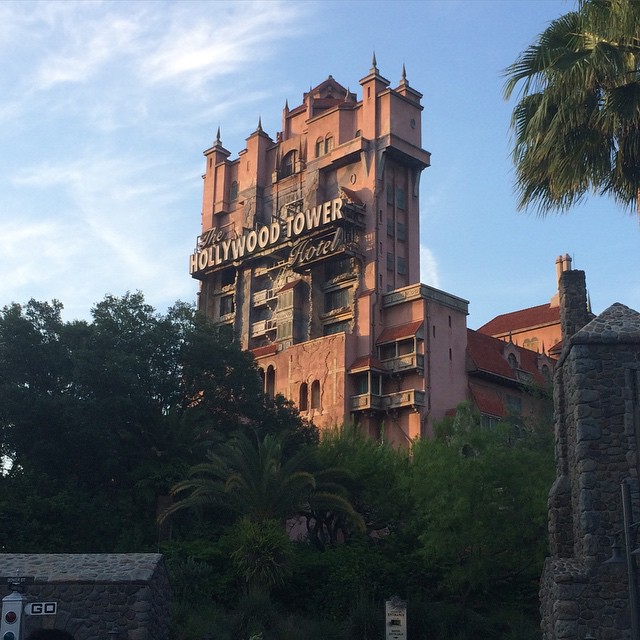
DHS_TOTRegarding the addition of new attractions, the 1990s were a booming time for DHS because in 1994, something huge dropped in. The iconic and popular flagship attraction The Twilight Zone Tower of Terror (TOT) opened on Sunset Blvd! At the time, it was considered the most technologically advanced theme park attraction in the world. The attraction was so popular in Florida that a counterpart was constructed at Disneyland as part of Disney’s California Adventure (DCA). Sadly, Disney has confirmed all rumors and timeframes regarding the rebranding of the DCA Tower of Terror to be rethemed with Guardians of the Galaxy. Beauty and the Beast: Live on Stage and The Tower of Terror welcomed the addition of Rock ‘in’ Roller Coaster Starring Aerosmith (RRC) in 1999. RRC was the first (and still only) roller coaster at DHS and continues to be a huge draw today. In addition to the 1990s welcoming TOT and RRC, Sunset Boulevard would also become the home of the nighttime spectacular Fantasmic! With room for close to 10K park guests, Fantasmic continues to be a popular show that requires guests to arrive 1-1.5hrs prior to showtime. However, the popularity of Sunset Blvd is not immune to radical changes. As you may be aware, and as I wrote in the opening paragraph, it was announced recently that RRC will be undergoing a short but drastic refurbishment in the next month that will transform the coaster into a more generic version of its current self. (Personally, I’d like to see RRC Starring Journey, 21 Pilots, Bleachers, or a range of songs by bands/artists about rollercoasters).

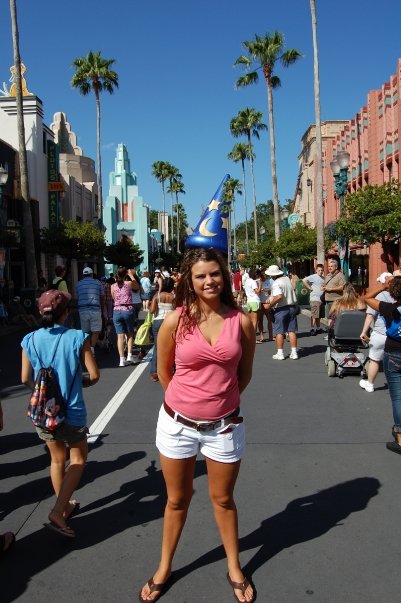
My sister "wearing" Mickey's hat!

My sister “wearing” Mickey’s hat!

The mid to late 2000s began to see some changes that would completely redefine the identity of the park as it continued to move away from the production of television and film. From Residential Street to the center of the park, due to licensing issues with the then new owners of the real Grauman’s Chinese Theatre, Disney erected Mickey’s Sorcerer’s Hat to serve as the centerpiece for the park and as the logo for marketing. In retrospect, the erection of this hat upstaged the Chinese Theatre, representing the end of the first season of Disney-MGM and ushered in the second season. Contrary to popular opinion, the hat was not connected to the eventual renaming of the park in 2008 but the result of the owners of the Chinese Theatre wanting more money for the famous Hollywood landmark to be featured in marketing materials. Obviously, if you have been to the park in the last year, you have noticed that the Chinese Theatre is back to being the centerpiece thanks to–again–new owners of The Chinese Theatre (TCL). It would appear that DHS is going back to its roots in the art of motion picture production, but that may not be the case. While the entrance to the park is almost back to its vintage state, the rest of the park is being redefined and is presently in a state of flux as the seasons change once again.

DHS_NewLogoEven before Star Wars and Frozen, DHS was already in a identity crisis. The most notable change, whether you are a park regular or not, was the complete renaming of the park in 2008 from Disney-MGM Studios to Disney’s Hollywood Studios (on that note, the park will be getting a new name again with the opening of Star Wars and Toy Story lands). Although the renaming is partly due to the disconnect from motion picture making, it is mostly due to MGM falling into bankruptcy. 2008 continued to be a big year of changes with the opening of the still-popular Toy Story Midway Mania attraction located in the Pixar area near then-Animation. Furthermore in 2008, DHS opened the now-closed American Idol Experience (licensed from Fox). It took the place of Doug Live in the show building that was vacant from 2001-2008. From 2008-2012ish, it was extremely popular and hundreds, if not thousands, of park guests auditioned everyday. Towards the end, the attraction would have to cancel shows because so few guests auditioned. The attraction finally closed its doors at the Superstar Theatre in 2014 to make way for the Frozen Live show that can now be seen daily. More recently, the–what was left of the–Backlot Tour is now closed, DHS_ OFSDLalong with the Honey I Shrunk the Kids playground, Streets of America (home to the now deceased Osborne Family Spectacle of Dancing Lights during the holidays); and it’s rumored that in 2018 that The Great Movie Ride (GMR) will be massively rethemed to a Mickey dark ride. Supporting evidence of this is in the decline to renew the–actually still new–licensing agreement and sponsorship of GMR by Turner Classic Movies. The removal of GMR would essentially mean the park will lose all connections to the original idea for the park. Theme park researchers are also predicting the closure of the Indiana Jones Stunt Show to make way for more Start Wars. Looks like DHS is moving into season three of its life. What does all this mean?

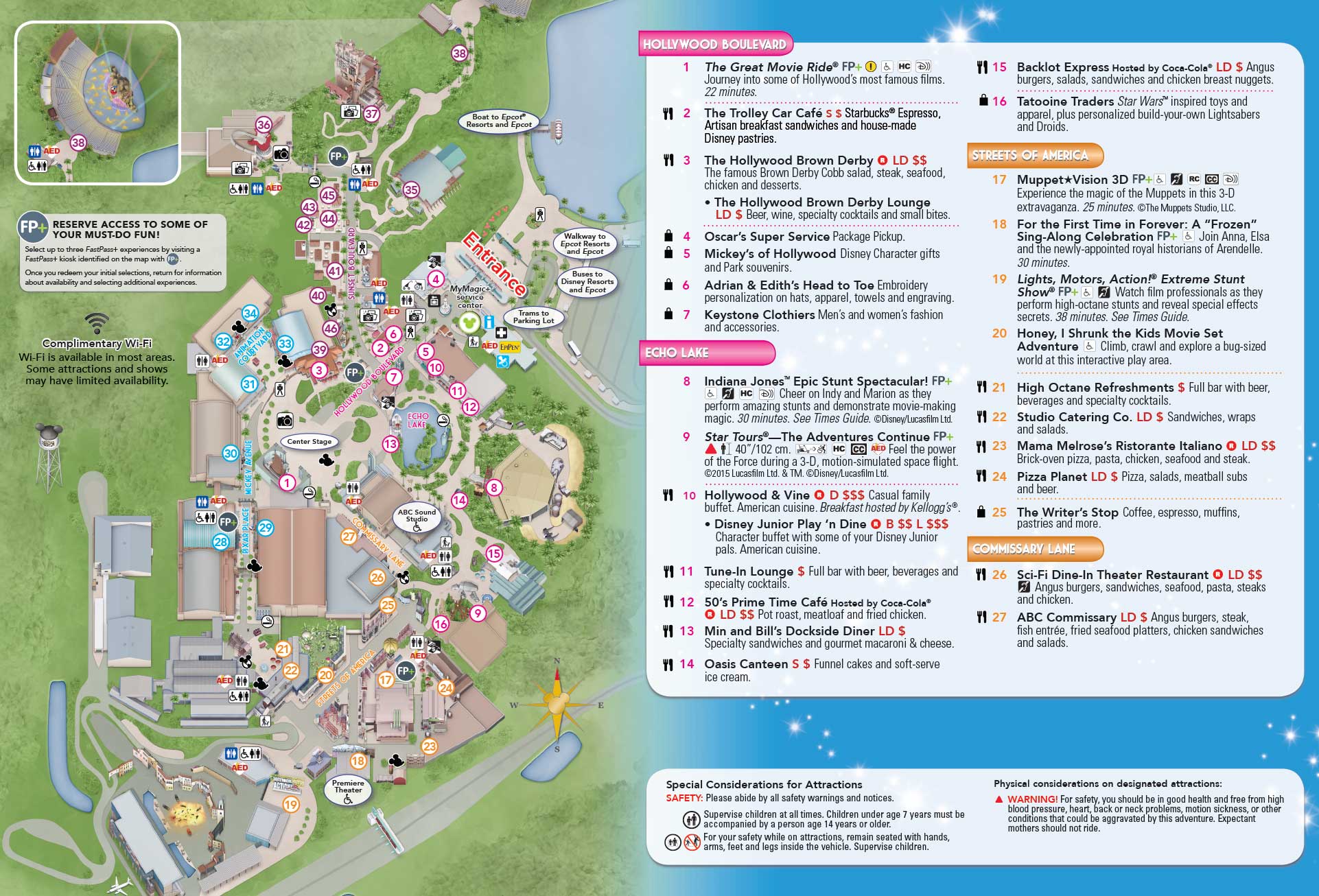
dhs_map_2016_aHere is a map of Disney’s Hollywood Studios today. Notice anything?

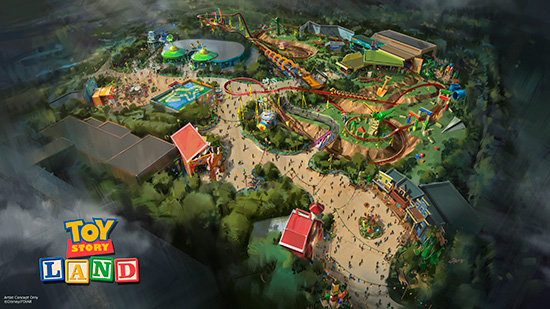
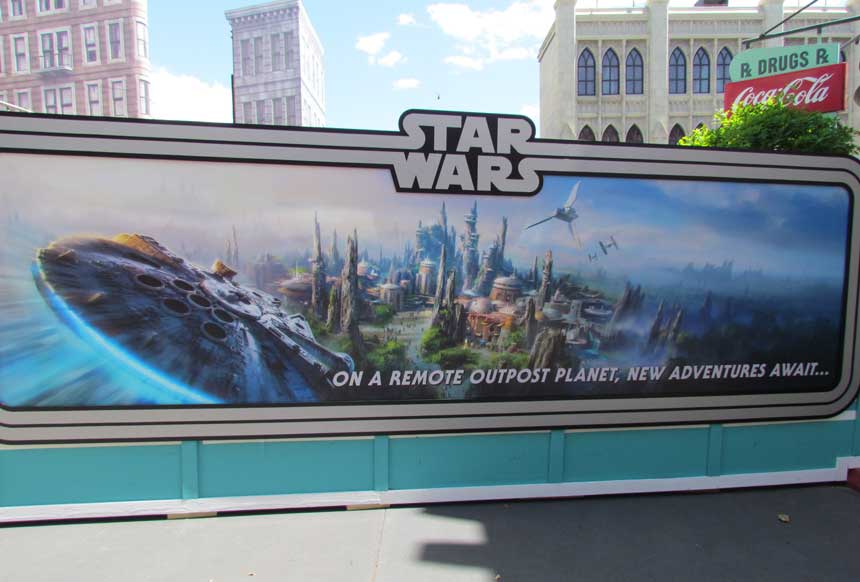
DHS_TSL_WallIt is clear that this park is continuing to truly find and solidify its identity. If you look at the map above, you will notice that there are far fewer offerings than in the mid-late 2000s at DHS. This new season of DHS is simply the next in a long history of fluctuations. Originally designed as a half-day park, it appears as though DHS is unofficially returning to that model–for now, anyway. Once RRC closes (even though it is for a relatively short time), there will only be a few rides left: Star Tours, Great Movie Ride, Tower of Terror, and Toy Story. As far as other attractions, guests will still be able to enjoy Indiana Jones, Frozen, Beauty and the Beast, Fantasmic, Little Mermaid, and Muppet Vision 3D. Comparing that list to what was offered in DHS’ prime years, the offerings are somewhat anemic. Although it is too early to announce a target opening date for either Toy Story or Star Wars Lands respectively, Disney is known for prolonged expansion construction. So, it is safe to assume that we are looking at 3-5yrs until the lands open. The danger in closing so many attractions over the years and nearly cutting the park in half (when it was already small) is a potential side effect of a significant drop in guest numbers. Hopefully, the numbers will climb back up once the lands open. DHS_SWL_WallThat being said, here is an idea. It’s no secret that Disney is presently losing out to Universal. Of all the parks, DHS is definitely seeing the sharpest decline in numbers (which translates to revenue). Not knowing what the daily operating cost of the park is, I can only speculate; but,  WDW may be in a better position if it were to completely close DHS for 18-24mos and ramp up the construction of Star Wars and Toy Story. With the park remaining open, the construction moves more slowly than if the entire park were to shut down. Cities have proven that this approach works when it comes to massive repairs or expansions of expressways. Would you rather keep a park open that has a few attractions and the new lands take twice as long to build or would it be better to close the park (which could potentially save money in the long run) and the lands open up in half the time? Whatever the case, it’s definitely something interesting to think about. All we can do is watch as Disney’s “movie” based theme park transforms yet again. On the plus side, the new lands look awesome! I will, though, miss the magic of the movies at this park.

Me and my sister during her first trip to Disney World.

Me and my sister during her first trip to Disney World.

“Don’t Breathe” movie review

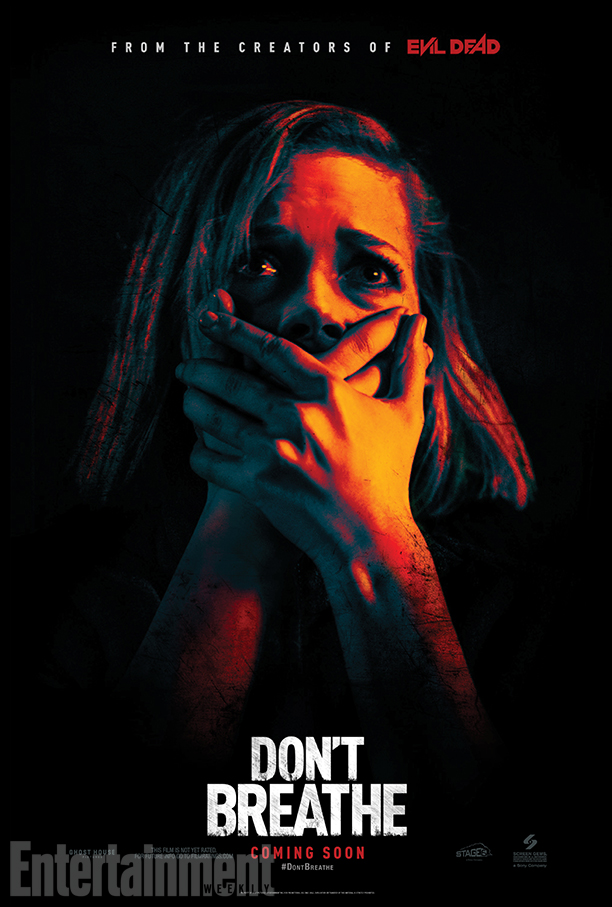
DontBreatheDon’t visit Detroit. Don’t Breathe is a brilliant horror film that will keep your adrenaline pumping and keep you guessing from the beginning of Act II to the final cut to black. Crossing into different sub-genres of horror, this movie will capture your attention every moment and catch you off guard every chance it gets. Although there is no scientific evidence for the collective belief that when one sense is removed that the others take over, it does make for a fantastic plot device that will greatly heighten your own senses while watching this efficiently ruthless movie. This is definitely a horror film to experience on the big screen–don’t wait for Prime, Play, RedBox, or HBONow. The most terrifying element of this movie is the feeling of being trapped in the dark. Just as the characters are experiencing the labyrinth that is the home of the intended robbery victim, you will also feel helpless as the terror unfolds in front of your eyes and you have nowhere to hide. Going into this film, you may think it simply a new twist on the home invasion sub-genre of horror, but you will soon find out that there is so much more to this movie than meets the eye. While some films–horror or not–are often guilty of wasting time, especially in the first acts respectively, Sony-Screen Gems’ Don’t Breath is a cinematic claustrophobic rollercoaster that includes one terrifying turn after another. In other news, if you’re looking to buy a house, this film includes some great shots of your next neighborhood in Detroit.

With all their friends gone, three young people are desperately trying to leave the city they once called home. Turning to petty theft and larceny, Money (Daniel Zovatto), Rocky (Jane Levy), and Alex (Dylan Minnette) receive a tip from a local crime boss that there is a house with enough money to get them all out the city. After learning that the home is inhabited by a blind old man (Stephen Lang), the small band of thieves conclude that this will be an easy gig. With the aid of security codes and keys from Alex’s father’s security business, who manages the few inhabited homes in Detroit, Alex, Money, and Rocky plan the heist. After the robbery goes 180 degrees in the opposite direction, this supposedly easy target now has them trapped. And a terrifying realization will have them holding their breath as to not get caught or worse. Two parts home invasion, one part heist, and three parts horror, this terrifying movie will have you on the edge of your seat.

For the sake of not giving anything away in the movie, I am going to keep this review on the shorter side. Sometimes the best horror movies are those that have a very simple premise. And this is definitely one of those. The heist genre is one of the oldest in the cinematic handbook. After all The Great Train Robbery (1903) was the first American film to pioneer composite editing, on-location shooting, and dynamic camera movement. Although not the very first motion picture, it is among the first and considered by many to be the first commercially successful motion picture. Early on in the dawn of commercial cinema, horror was quite prominent, thanks to Carl Laemmle who founded Universal Pictures. Don’t Breathe includes elements from many different films in the official sub-genres of horror; but to explore each of those would give away some terrifyingly morbid plot twists in the movie. The point is, this film borrows from both horror and non-horror films that helped to forge the foundation of commercially successful cinema. It’s of no surprise, after watching it, that is will likely do very well this weekend. Given that it has an August release date, I was concerned that–as good as it looked in the trailers–that it would not play out very well because the best horror films, this time of year, are released in latter September and October to make way for Halloween! But, I was totally wrong; I thoroughly enjoyed the experience. Speaking of Halloween, this movie would make an absolutely perfect addition to Universal’s Halloween Horror Nights next year if they can secure the rights from Sony Pictures.

Regarding the location of the film, this is just the latest in horror films (as well as other genres) to use the motor city as the backdrop for a violent story. As a producer, myself, I realize that part of the draw to that location is the simple fact that it is incredibly cheap to shoot there. The other part is that it effortlessly sets up a feeling of uneasiness from an aerial shot of the city or suburbs. Not entirely sure that having horror films and other violent movies set in your city, now in ruins, will do much for inspiring entrepreneurs or other professionals to relocate; but it does showcase the city as a welcoming place for filmmakers who seek to pursue their respective dreams of success at visual storytelling. Ghost towns have often been used in westerns, horror, and treasure hunt movies; and without having to go to a foreign country, there really is a perfect modern ghost town right here in the US. Whether it needs to serve as a location that symbolizes greatness in ruins or to instantly prompt apprehension or unbalance, it is a diverse landscape upon which to build a story.

Just when you think the film is over, it will throw you for a loop! Looking for a fantastic film to watch on a date or with your friends this weekend, then I highly recommend Don’t Breathe. It’s the perfect film to usher in this most macabre time of year. Not defaulting to gore and jump scares, this movie is a beautifully and meticulously crafted work of cinema that will genuinely cause your blood to race and keep your senses on edge.

Innovative New Interactive “Harry Potter” Dark Ride Coming to Universal Orlando?

WWHP_LogoRecently, there have been rumors floating around regarding a possible new addition to Universal Orlando’s Islands of Adventure. Between the recent acquisition of the film rights to the Harry Potter franchise and the the newly uncovered patent, these evidences provide support that assists in substantiating these rumors; however, there has yet to be a formal announcement. This possible new addition brings up some issues to consider. Already, there are park regulars who are not welcoming this decision. Why not? Because Universal would tear down the Dragon Challenge (formerly Dueling Dragons) roller coaster in Hogsmeade and replace it with an interactive dark ride that would enable park guests to test out their technique and spells. Think Toy Story Midway Mania but perfected and with an increased experiential factor. Even before this rumor, Universal is increasingly being thought of as a theme park overrun with 3D screen attractions. Anecdotally, this is an accurate observation since the most recent additions to the park are all on similar ride platforms (just with different thumbing). One of the elements that I have researched is the requirement that the park guest experience physical movement and be emerged into a psychical atmosphere that transports the guest from the real world into a world of fantasy, adventure, or horror. Although this new ride sounds impressive and innovative, it bears a striking resemblance to many of the attractions that already exist. While no one would really complain about an indoor attraction, as Florida is notoriously hot and humid more than half the year, the concept of a ride moving in front of 3D screens does not appear to be eliciting the response that was intended.

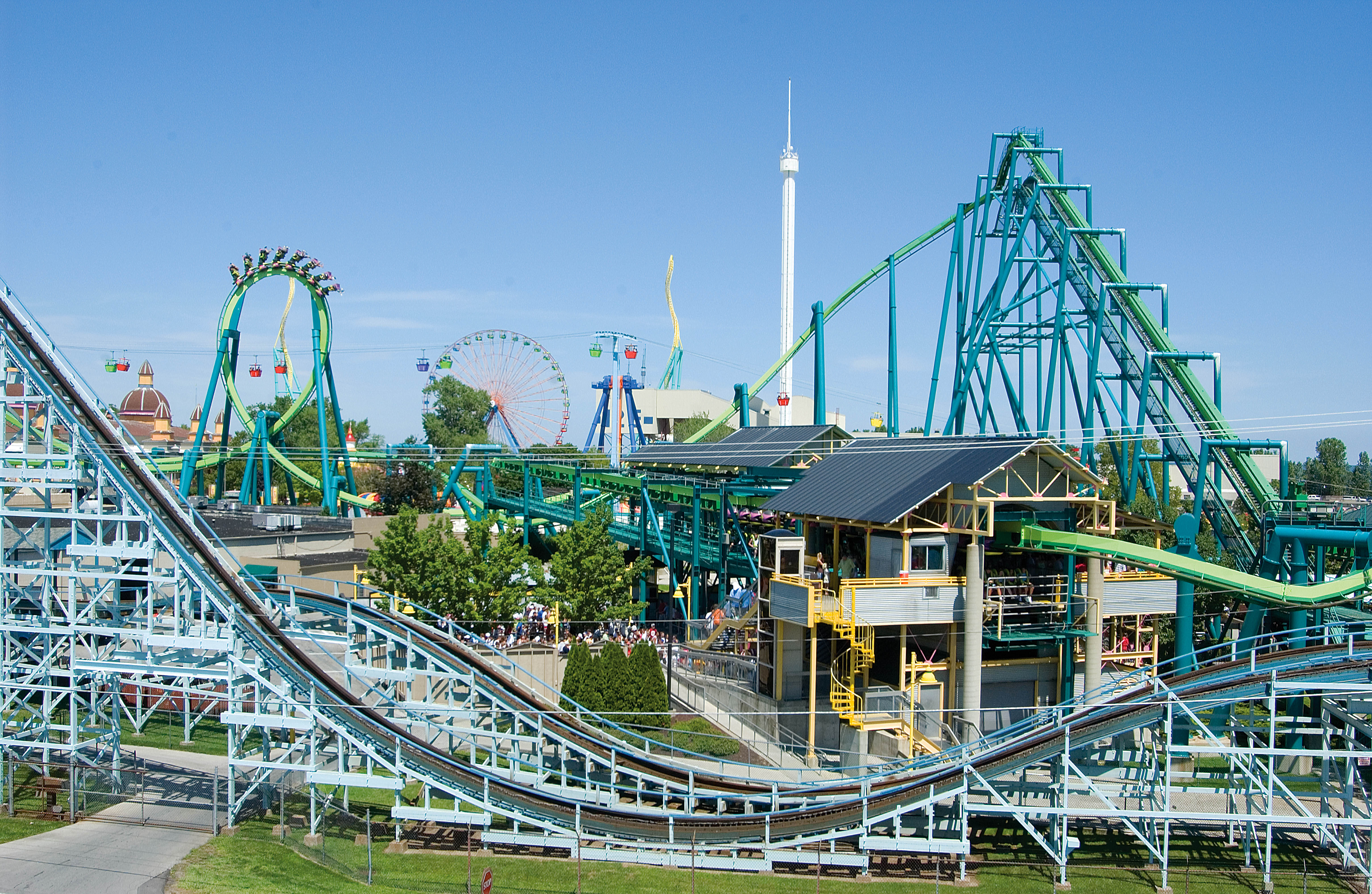
CedarPointOne of the primary elements that separates a theme park from an amusement park is the concept of continuous storytelling complete with proprietary theming. While amusement parks build more rollercoasters and other visceral thrill rides, theme parks create thrilling atmospheres and experiences. It’s a fine line. Take Cedar Point v. Walt Disney World for instance (while ignoring the former’s seasonal operation). Both parks offer amusement, thrill, and entertainment; yet, they are both vastly different experiences. Remember in geometry: while both are polygons, every square is a rectangle but not every rectangle is a square? That principle applies to this analogy as well with WDW being the square and Cedar Point being the rectangle. What makes the difference? Intellectual property, theming, and story. If one were to total up the number of roller coasters or traditional thrill rides at both Cedar Point and WDW respectively, obviously Cedar Point’s numbers would dwarf WDW’s. That’s because the focus of the park experience is different at both places. The focus of Cedar Point is on the thrill while the focus at WDW is the experience (or immersion). The former does not adhere to any cohearant or continuous theming while the latter has built a vast empire on theming and story. A similar argument can be made with cinema. Literary and cinema researchers Linda Williams and Geoff King both write about narrative vs spectacle. Amusement Parks like Cedar Point are almost entirely focussed on the spectacle of the park experience while WDW concerns itself more with the narrative of the experience (although, WDW does strike a balance between the two). Much like WDW, Universal Orlando Resort (and Universal Studios Hollywood) seek to create a thrilling atmosphere complete with rides, shows, and a high caliber experiential factor. Whether it’s the story OF the movies or about the stories told by cinema, Disney and Universal Parks transport the park guest from reality into fantasy.

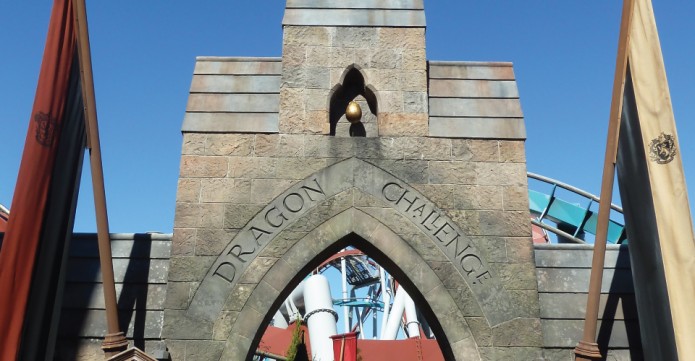
Dragon-Challenge-695x361So, what does all that have to do with this possible (but likely) new Harry Potter dark ride at Universal’s Islands of Adventure (IOA)? A lot, actually. The controversy or concerns seem to stem from Universal’s trend away from physical to virtual environments. Not that 3D/virtual environments aren’t accompanied by the physical. For example, Escape from Gringotts pairs simulated elements with physical production design; however, there is a measurable trend to relying heavily upon 3D IMAX screens as opposed to tangible production design. A great example of this trend is the new King Kong attraction at IOA. The outside of the show building and the queue are impressive. It looks and feels just like you are a character in the movie–cool right? After you pass through the massive gates to Kong’s jungle, the attraction is 75-80% 3D screens. Likewise, the Transformers attraction at Universal Studios Florida/Hollywood is also comprised of mostly 3D screens.

DragonChallengeLosing a traditional roller coaster in exchange for another 3D dark ride could likely rub some park guests the wrong way. Although park guests of the Disney and Universal Parks are there for the experience, story, and incredible themed design, this does not negate the desire for more traditional amusement within these worlds of fantasy. Looking at the parks of Central/West Central Florida, it is clear that Busch Gardens has the largest number of roller coasters, and there are many park regulars, including myself, who go there for the traditional thrill rides. On a side note: I also find the methods Busch Gardens integrates the animal encounters and experiences outstanding–best of what a zoo and amusement park offers. Anyway. With Universal possibly removing a roller coaster that can cycle guests very quickly (due to the two tracks of Fire/Ice) and replacing it with a greatly mitigated cycling attraction like a 3D dark ride, it could prompt longer waits for a similar experience (Transformers v Spider-Man) that can be had at the other 3D attractions. Another forecasted closure in the near future is Revenge of the Mummy. Again, this is a popular traditional (indoor) high speed roller coaster that may be replaced by a 3D style attraction. Even though Universal and Disneyland has to work around issue of being land-locked when planning expansions and improvements whereas WDW has geographic room for expansions, is replacing traditional roller coasters with 3D dark rides the way to go?

I am totally excited for expansions to the Wizarding World of Harry Potter (WWHP) in light of the film rights acquisition and the new movies. I am even more excited to see additions made to the parks that I frequent the most! However, I don’t believe it best planning to sacrifice more traditional rides. The best solution would be to design an attraction that would provide a platform for gusts to test out their magical skills while experiencing the visceral thrill of a coaster type ride. As with all industries, theme parks too have to change with time and with the desires of those who buy the tickets. Theme parks are a business model usually owned by media conglomerates. If the addition of 3D attractions is what increases revenue, then that is the decision that is to be made. The business of filmmaking is also very similar in that respect. I hope that the possible new attraction is one that breaks the mold of the typical 3D screen moving ride and reaches new innovative design heights! We will just have to wait and see and we learn more about these upcoming changes.