“Race Through New York Starring Jimmy Fallon” attraction review

img_9103A cute, fun ride, but ultimately a generic experience. The anticipated new Universal Studios Florida attraction Race Through New York Starring Jimmy Fallon began soft openings this past weekend. If you are unfamiliar with that term, a soft opening is when the attraction is essentially in tech rehearsal operations, meaning that it can start, stop, or turn off certain components at any time. With the successful run of Universal Team Member (staff) previews during the latter part of last week, the attraction went directly into public soft openings. When an attraction goes directly from staff previews to public soft openings, that is usually a good indicator that the ride is in prime operating condition. From the time I entered the queue to the time I exited through the gift shop, it was a flawless experience! Everything from the innovative virtual queue to the ride operation went off without a hitch. Due to the park being in the middle of Mardi Gras and the news of a soft opening of a new attraction, this combination certainly brought in the crowds. With a wait time of a little less than 60mins, it was all-in-all a pleasant experience during the ride’s preview. But, I wouldn’t wait more than 30-45mins for this attraction in the future.

Outstanding queue! Ever since Islands of Adventure opened in 1998 and increasingly so since the Wizarding World of Harry Potter opened in 2010 at Universal Orlando, there has been a demonstrable trend in elaborate queue designs and experiences. Not only are ride designers focussed on the ride itself, but now are nearly equally focussed on creative an immersive experience in the queue. Evidence of this can be found in many of the attractions at Universal, Disney, and Busch Gardens that have opened in the last few years. But I digress. Without question, my favorite part about this new attraction is the queue design and experience. Although I have not been to the Rainbow Room, NBC Studios, or 30 Rock (aside from taking the express elevator to the observation decks), I felt like I had just walked off the streets of New York City and into the studio complex to be part of The Tonight Show‘s live audience. Much like a museum, there are exhibits featuring television production equipment over the decades as well as the evolution of NBC’s iconic peacock logo. Clearly the central figure of the attraction is the current host of The Tonight Show Jimmy Fallon, but there are also exhibits that dedicate a showcase to each of the hosts as well as a mural of all of the hosts together. I spent several minutes just walking around the–what amounts to a–museum.

The reason for the ability to casually stroll through the sequence of showcases: a virtual queue. When you enter the attraction, you are given a colored ticket. Each of the colors for the tickets are taken from the six colors of the NBC peacock. The queue is composed of an entry hallway, NBC/The Tonight Show historic exhibits and showcases, and preshow room. Light fixtures and ambient light, in the various rooms, correspond to the colored tickets that determine what group goes next. When the light changes to the color ticket you hold, then you may proceed to the next waiting area. Making it easy to know where your group is in queue, the order of the colors called are the order of colors on the peacock’s tail. The entry hallway features the evolution of the NBC logo from it’s earliest days to the present. A similar exhibit can be found at the NBC Sports Grill and Brew at CityWalk. Making your way from the entry hallway to the first large waiting space, the next room features tributes to The Tonight Show‘s hosts over the years all around the room in addition to some television production technology over the years. With so much to look at, the time really flies by! This is the first room in which you wait for your color to be called; from this room, you walk upstairs to the next waiting area that truly has the guests in mind in terms of creating a pleasant waiting experience.

As much as I enjoy a museum-like experience in a queue, the next room is definitely my favorite! Enjoy Ragtime Gals and Hashtag the Panda? Then, you’ll be delighted to know that you get to be entertained by them in the final room before entering the studios for your exclusive taping of The Tonight Show. In addition to the live entertaining–which I’ll get to in a moment–there are several sofa-like chairs along the wall with ample USB ports for charging your personal electronic devices. Definitely a convenience if you’re like me and are catching Pokemon, listening to music, texting, and taking pictures while at the park. IMPORTANT: bring your own sync cable! If you are carrying a portable charger, then you already have your sync cable; but if you just have your phone, remember to bring your USB charging cable with you into the queue. In the area of the charging chairs, there are large flat panel displays that offer a variety of games to pass the time. Even with all the people in the waiting area, if I wanted to play the games, it wouldn’t have taken long for one to open up. This is partly due to the various offerings in the room as well as every 10mins or so (on that day), one of the colors would be called. The most entertaining element in this final room before getting on the ride is the Ragtime Gals! Their combination of traditional Atlantic City a’cappella mixed with covers of pop songs and a little lip sync battle thrown in makes them a show not to be missed! The sheer stamina alone was impressive. There had to have only been a few minutes between each set and the cast did not change (as long as I was in there). Furthermore, the repertoire was vast, considering that I never heard a repeat for the 30mins or so that I was in there. After the sets, Hashtag the Panda came out dancing and entertaining the audience. Honestly, this is probably the best queue experience I’ve ever had.

Up to this point, you may be wondering why my opening line included “but ultimately a generic experience” because everything up to this point makes for an exceptional attraction experience! That’s because the ride itself leaves a lukewarm “meh” in your mind. In terms of the race, the studio audience is pitted against Fallon in a race through New York and ultimately to the moon and back. Along the journey, you get to listen to the house band Roots, run into some familiar characters from Fallon’s show, and get to see some of the most visited sites in New York. Much like a video game race, there are checkpoints along the way and plenty of laughs to accompany your zany race through The Big Apple. Rumor had it that the attraction platform would be similar to Epcot’s Soarin’ Over the World (formerly Soarin’ Over California), but that is unfortunately not the case–at least, for the most part. If I were to compare this new attraction to a similar experience at Universal Studios, it would be closest to Despicable Me: Minion Mayhem and at Disney, closest to Star Tours: the Adventure Continues. There are some shared elements with Soarin’ but very few. Essentially, it’s a glorified 3D moving theatre with some water effects to add that 4th dimension to the experience. And that’s just it. What Universal Studios did not need was another 3D theatre attraction; granted, the technology is impressive and the movement of the bleacher style seating is impeccably timed with the movement on the screen. The attraction has some length to it, and it is mildly entertaining; but it simply fails to leave a lasting impact on the park guests. Like I said earlier, the queue is the best part!

What’s missing is more physical movement. With the massive integration of 3D immersive technologies into attractions at most major theme parks, the line between movie and ride is becoming blurred. And that’s not a good thing. Yes, feeling like you are IN the movie instead of learning about the magic of filmmaking (considering there is little magic left in the process) has been the trend for the last decade or so; but, when the experience on the ride feels like just a step above watching a movie, therein lies the problem. The MainStreetMouse on Twitter posted an article recently about how technology is ruining Disney rides, and I think there is a lot to be explored along those lines. Seems like with prolific amounts of mapped projection, elaborate 3D technologies, and synced movement, the unique experience of a “ride” is becoming lost. Physical movement is sacrificed for visual simulation. Not that every ride in a theme park has to be some version of a coaster or dark ride–not the case at all–but when the experience bares little significant difference to watching a movie, the magic of the theme park experience begins to mitigate. Had Race Through New York Starring Jimmy Fallon been closer to Soarin‘ then I would have enjoyed it immensely more, or if it had been closer to Harry Potter and the Forbidden Journey then the experience would have been memorable, impactful. Since the entire ride experience consists of a moving 3D theatre, it just lacks qualities that make it truly memorable. Theme parks need to lay off the massive integration of 3D and spend more time on how to integrate significant physical movement into future attractions.
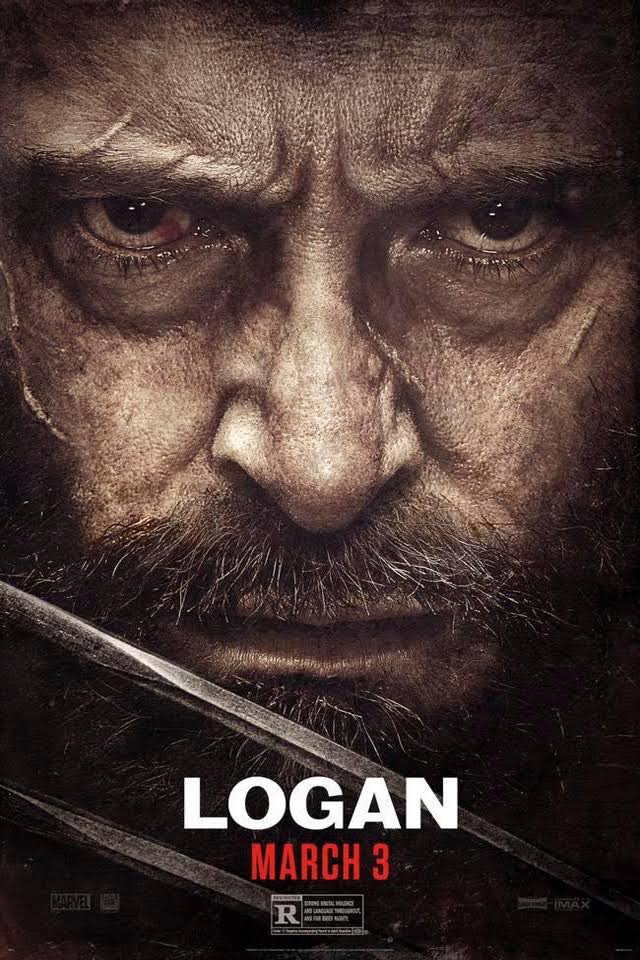
“Logan” movie review

loganUncanny! 20th Century Fox, Marvel, and TSG Entertainment’s Logan is a compelling, grizzly, organic superhero movie that is the last to feature Hugh Jackman as Logan (Wolverine) and Patrick Stewart as Professor Charles Xavier. Prepare to have your mind blown as the action unfolds in such a way that your heart will be pounding, racing, and pumping adrenaline through your body and then tug at your heartstrings as emotions run high. Logan is quite possibly the most comprehensive and diegetically dynamic superhero movie ever, and perhaps best X-Men film in the long, successful franchise. With a penchant for thrilling, action, and even horror films, director James Mangold pulls out all the stops in the last chapter in the story of The Wolverine. While there have been several films about Logan/Wolvervine outside of the main X-Men films, this cinematic adventure will have you on the edge of your seat with anxiety and holding back tears simultaneously. Some of the responsibilities of the final chapter of a character or an actor portraying a long-standing character are striking a delicate balance between nostalgia, closure, but still providing audiences with a new story; overwhelmingly, this film delivers the absolute best as we bid farewell to Hugh Jackman and Patrick Stewart from the X-Men universe and exceeds any and all expectations.

In the not too distant future, an aging Logan (Jackman) is caring for an increasingly ailing Professor X (Stewart) near the US/Mexican border. With the professor’s cognitive health in a downward spiral, Logan illegally acquires medications that ease the Professor’s seizures…seizures that are telekinetically powerful enough to leave devastation in their wake–and have. Logan is challenged to hide the Professor from the world in an effort to shield him from those who seek to kill him. While operating as a limo driver, Logan encounters a bizarre woman at a funeral who begs for his help. As Logan has always been the solitary type who mostly cares for himself, he ignores her cry for aid. In a bizarre turn of events, he finds himself caretaker of her daughter when she is found dead in her hotel room. After she follows Logan to the hideout, Professor X pleads with Logan to take her to a place called Eden. This soon becomes a bloody road trip as the three of them hide from and attempt to outrun those who want to kill Logan, the Professor and take the girl back to Mexico.

What do James Mangold’s 3:10 to Yuma and Logan have in common? They are both grisly western films. Evidence of this is not only seen in the character development, pacing, and overall tone of the film, but can also be seen within the film itself as Professor X and Laura (Dafne Keen), the young girl traveling with Logan and Xavier, watch a western film on TV–a film that Xavier references several times as he reminisces about films from his childhood. While many think that the American Western film died out with Hollywood Golden age, it has certainly not retreated from cinemas. In fact, many of Quinten Tarrantino’s films are westerns, the original Star Wars: A New Hope was a post-modern western, and Mangold’s Logan is yet another example of a reimagination of the American Western film. Reading the film as a western enhances the visceral experience of the film. Although directors seldom pit cowboys against indians anymore, there are subtle references to that relational dynamic from early western movies within this film. Much like the Lone Ranger and many of John Wayne’s characters, Logan is also a solemn solitary character being pulled into a world built upon the idea of relationships but his baggage makes it incredibly difficult. Emotions run high in Logan; and it’s these emotions that provide audiences with a comprehensive experience that fulfills the desire for gritty action plus moments that may stir you to tears.

Although we are just coming out of this year’s award season, it’s entirely possible that Logan may be the first superhero motion picture to be nominated and even win Best Picture at next year’s Oscars. All the elements that make up a Best Picture nominee can be found in Logan. It has drama, romance, a little humor, feels organic, deals with prejudice (by extension), and is based on a book–a comic book that is. The R rating is also important because it (1) serves as further evidence in the direction Fox is going to proceed with films like Deadpool and X-Force–gearing toward an adult audience (2) it allowed for audiences to see the Wolverine at full bloody force, which has been a desire for quite sometime and (3) the degree to which the film can deal with real adult problems physiologically and emotionally. The financial success of Logan will depend on adult audiences speaking the word about the outstanding nature of the film and even bringing more mature younger superhero fans to see the movie. Since most of the film contains disturbing imagery in regards to both the bloody violence and with Professor X’s debilitating cognitive disorder (most likely a severe form of dementia), I would not recommend bringing those under 13 to the film until you have screened it for yourself. It’s an incredible, film; but, there is content that may not sit well with those that are quite young.

Before Logan begins, fans of Deadpool will be excited to know that there is a short film (glorified promo, really) for Deadpool that does a successful job at promoting the highly anticipated sequel to last year’s blockbuster. Its placement is also important to Logan in that it provides some levity before the rather somber tone of the feature film that follows Ryan Reynolds’ offensively endearing witty charm as Deadpool. Logan is proof that superhero films can take the more serious route without sacrificing the art of the story. Both Jackman’s and Stewart’s acting is on point, and probably some of the best of their respective careers. Stewart, more specifically, delivers a command performance as Professor X and demonstrates that an accomplished actor who was primarily first known as Captain Picard can excel in both the horror (Green Room) and superhero genre films, all the while continually adding the touch of class that comes with his formal Shakespearean training as a performing artist.

This is NOT repeat NOT a kids superhero movie. Unless you have screen the film first, I would not recommend bringing anyone under the age of 13 with you to the cinema for Logan. There may not be “adult” content in the conventional sense; but, there are themes, subtext, and some violent content that may not be suitable for a younger audience who typically flock to superhero genre movies. Over all, Logan is an outstanding film, not just of the superhero variety, but also in general. From the writing to the directing and technical elements, this movie is a fantastic example of a superhero film that attempts to be and successes at breaking the mold and cementing itself as serious cinema.

“Get Out” movie review

getoutThe epitome of the American horror film. Jordan Peele’s Get Out is an outstanding work of horror cinema, in that the American horror film is the best genre for creatively commentating on the various social, economic, and psychological constructs of life in such a way that can be visually thought-provoking. And the best part about this film is Peele does not pull out any of the usual horror tropes or clichés until the showdown. Before you begin to think that Universal Pictures and Blumhouse are pulling a bait-n-switch–selling you a psychological thriller when the film is really a heavy drama–think again. Get Out is every bit a horror film as its more traditional counterparts. In terms of its contribution to the library of horror films, the movie is flawless. From the writing to directing to acting and even the score, editing, and cinematography, Get Out is a film that you should definitely “get out” to watch. With a current 100% on Rotten Tomatoes, this film is certain to grab prolific attention from movie patrons, film studies, and social studies professors alike. It’s a brilliant film to discuss in future American horror film classes. Never before has a film been used in such a creative and visceral way to comment on how one culture appropriates the best of another for purposes of exploitation or simply because it has something that you want, and then attempt to change, assimilate, or remove altogether because that which you want is seen as wasted on the originator. “A mind is a terrible thing to waste.”

Most romantic relationships between two people enter the anxious “meet the parents” stage, and Chris (Daniel Kaluuya) and Rose’s (Allison Williams) 5-month relationship is no different. Rose takes Chris out of the city to visit her parents’ lavish country home along a peaceful lake. Rose’s parents Missy (Catherine Keener) and Dean (Bradley Whitford) are eager to meet their daughter’s boyfriend and welcome them with open arms, hugs, and tea. When her parents begin to be overly accommodating, Chris begins to think that there is a little more than meets the eye at Rose’s parents’ place. Whereas Chris’ first impression of Rose’s family and friends was just their nervous attempt to work through Chris and Rose’s interracial relationship, now he dreads that there is something unsettling going on. After encountering an old acquaintance of his who has changed to be quite peculiar, Chris’ goal is to get himself and his girlfriend to safety. During his investigation into her family and the uncomfortable actions of the hired help, Chris could never have imagined what he comes to find out. Truth can be scarier than fiction.

It is difficult to explore some of the themes and subtext of this film without giving too much away, but I’m going to try my best to analyze what I can without spoiling anything for those who plan to see the movie. The first element I took note of in the film was the choice of music. Not so much a score (although, there is a score to the film), the music selections in the film serve as an allusion to the overall message and theme in the film. For those who know a little something about music history, you may pick up on the strategic selection and placement of the various songs and musical scores used throughout the film. There are moments in which the music does not seem to match up with the mood or tone of the film–at least, at face value. However, as you delve deeper into the film, you will realize that the music fits in all too well with the plot. I’ll give you this: think about the origins of the music in the film when you watch it. Before music, such as jazz and hiphop, became popular amongst a predominantly white society, it originated amongst the black community.

Another aspect of the film that hints at the big reveal in the turning point just before the third act is the physique, athletic talent, and sexual stereotypes of black males. You’ll notice that clues are dropped here and there, albeit subtly, at the relationship between Rose’s family & friends and members of the black community. The worship of Chris’ body by many of Rose’s family friends makes for an incredibly uncomfortable sequence of encounters at the outdoor picnic. The unsettling weird encounters between Chris and all the people he meets at Rose’s family home each work to grow the level of tension and terror in the film–the fear of something dreadful looming on the horizon. Without relying upon a proliferation of jump scares and visceral horror, Peele successfully increases the level of anxiety to terrifying levels in the film. Reminiscent in the ways that Hitchcock or Kubrick may have directed this film–in terms of relying upon the fear of something not visible to the naked eye–Peele incorporates the feeling of uneasiness every moment he can without over saturating the plot. Perfect amount of all the elements that make up the American horror film can be found in this deeply disturbing narrative.

**Spoiler Alert** (you can skip to the last paragraph to avoid it)

In an effort to truly appreciate this brilliance of this film, it is necessary to disclose information that could potentially spoil the big reveal. Early in the film when Chris asked Rose if she ever dated a black guy before, she said that he was her first. This was in preparations for the trip to meet Rose’s parents. While on the tour of the home, Rose’s father mentioned a story of his dad losing in the Berlin Olympics to now famous Jesse Owens and commenting on how a black man beat a white man. Chris finds the commentary a little peculiar. Furthermore, during the first night there, Rose’s mom hypnotizes Chris to quit smoking–this sets up a plot device used later. Just before the third act, as tensions are extremely high (oh but don’t worry, they get higher), Chris stumbles across a box of photos of what look to be Rose and previous people she dated. He was not the first black guy she dated. Piecing together the fact that one of the picnic guests was an acquaintance of his from back in Brooklyn who no longer looked or acted the same way–much more white now–Chris urges Rose to leave with him.

Skipping ahead. Chris finds himself strapped to a chair and watching a video that is clearly meant to brainwash him. Many years ago, Rose’s family discovered a way to neurologically alter individuals to take what they want and leave that which was undesirable: malicious appropriation of bodies in order to serve as a vessel for individuals who saw themselves as elite. This is social commentary on how back males are often exploited for economic gain in areas such as football, basketball, track, and even music and fashion too. So, Peele was using this horror film to comment on how many in the white community have stolen from or appropriated elements from the black community in order to further their own gain or develop ways of entertaining the masses without proper acknowledgement, formal recognition, or even payment. For example, the jazz music at the beginning of the film. That style of music came out of black culture before it was rebranded high class white music for nightclubs, shows, and weddings. Further evidence of this social commentary can be found in other areas of talent that many want to steel for their own and then reprimand the black community or not being ‘more white.’ I could go on and on. Fascinating stuff!

**End Spoiler Info**

If you enjoy psychological thrillers that do not rely upon the usual tropes found in horror films similar to this one–on the surface level anyway–then “get out” to see Get Out this weekend. Although the runtime is a little longer than typical horror films (2hr 10min), the time will fly right by as you are glued to the seat and mesmerized at the combination of horror and deep sociological theming. Thought provoking, this film will prompt hours of discussions between friends and family who choose to go to the film together. As it is a horror film, do not plan to see it alone. Horror is the one genre that is best experienced in a group setting.

Written by R.L. Terry

Edited by J.M. Wead

Best Picture: What Does it Take to Bring Home the Oscar?

oscar_criteriaI created this infographic using Piktochart for the Media Writing class I teach at the University of Tampa. This infograph outlines some of the correlating criteria in respect to the films that win the Best Picture Oscar at the Academy Awards.

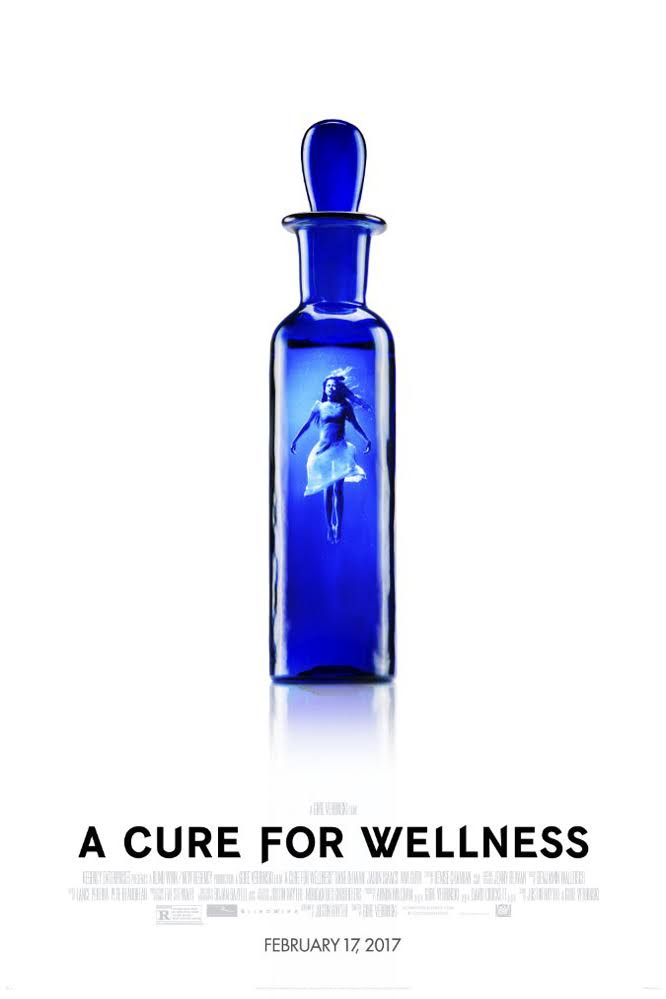
“A Cure for Wellness” movie review

acureforwellnessAn intriguing, provocative psychological thriller that’s an innovative example of neo-noir avant-garde cinema with a touch of mystery. Gore Verbinski’s A Cure for Wellness is a thought-provoking film that hooks you from the very beginning and continues to draw you into the narrative with its labyrinth of subplots and incredibly beautiful cinematography. Although it certainly borrows turning points and plot devices from past films, A Cure for Wellness provides audiences with an experience that is unique and protects the film from being pigeonholed into any one sub-genre of horror or directly compared to other movies that have similar attributes. With impeccable production designs and serene landscapes juxtaposed against cringe-worthy disturbing imagery, Verbinski’s ambitious film is one that cinephiles will appreciate and find enjoyment in discussing the various themes, symbols, and visual storytelling elements that seamlessly work together to create a cinematic experience that stands out against the homogeneous horror/mystery-thriller past films. Justin Haythe’s screenplay sets him up for continued success as he demonstrates, with this film, that he can cross into new genres and hook the audience early on. Despite the occasional slow-burning periods in the narrative, you will not likely feel the nearly 2.5hr runtime.

After he receives a corner office in a high rise building, a stock broker finds himself involved in an investigation that requires the presence of the entire board. Mr. Lockhart (Dane DeHaan) is forced by his fellow directors, on the board, to fly to Switzerland to retrieve the CEO in order to complete a proposed merger to save the company from closure. Little does he know that those who voluntarily check in to the mysterious wellness center seldom desire to leave the prestigious mountaintop retreat-like spa and its famous water. When the CEO of his company refuses to leave the comfort of the retreat, Lockhart decides to wait it out in the village below the hilltop. After a bizarre car accident on his way back into town from the institution, Lockhart finds himself a patient due to his broken leg. Under the guidance of Dr. Volmer (Jason Isaacs), Lockhart experiences all the wellness center has to offer to the patients and guests. However, he cannot help but feel that there is a darkness surrounding the cult-like daily operations at the spa and begins to dig into the history of the prestigious wellness institution. After meeting a rather unusual patient at the institution named Hannah (Mia Goth), Lockhart is determined to unravel the mystery of how so many people, including himself, are diagnosed with the same bizarre ailment that keeps them there for the cure.

Beautiful. The first cinematic element that will jump out at you will be the incredible cinematography and picturesque landscapes of the Swiss Alps. From the moment the film opens, there is a tone that inspires you to look at and listen for details throughout the film. The fact that the teasers and trailers reveal very little about the plot is beneficial to the overall experience of the film. Just when you think you have the plot figured out, you will be thrown for a loop and question what you thought was predictable. In all fairness, I figured out a very important aspect to the plot midway through after a particular line delivered by one of the central characters prompted me to have one of those aha moments. However, I was still continually intrigued by the film’s diegetic delivery and visual storytelling. The fact that I figured some rather crucial information did not detract from the experience. Early on, it is clear that there is something not right with the spa, and gathering information and piecing together the puzzle will draw you in closer to the film. Without giving anything away, there are definitely clues along the way that reveal the dark mystery and history behind the exclusive mountain retreat wellness institution.

Dane DeHaan delivers an excellent performance as Lockhart, and provides the perfect balance of entitled Wall Street prick, detective, and humanitarian on a rescue mission. Jason Isaacs, no stranger to playing a creepy villain, delivers a disturbingly convincing performance as the strange doctor overseeing the almost clandestine treatments for an unknown sickness. Mia Goth’s performance adds a great deal of uneasiness to the film by coming across as innocent, child-like, all the while hiding something creepy and peculiar about her very pretense at the facility. Bojan Bazelli’s cinematography is breathtaking and is successful at completely immersing the audience into the mountain top world of the Swiss Alps. Whether following a train or an extreme close-up of the human eye (a staple in horror films), the visual art he paints with the camera serves to provide solid visual storytelling. Directing such a complex film requires great patience, organization, and effective guidance. Verbinski channels his success with The Ring (2002) by integrating some similar stylistic techniques in A Cure for Wellness. Speaking of the title itself, the irony in the title isn’t realized until the third act; but, delivers an outstanding payoff that will prompt many discussions in a film studies class. Stylistically, the film sits at a crossroads between avant-garde horror and neo-noir with some science-fiction and mystery thrown in for good measure and intrigue.

Despite many reviews slamming the film for a complex system of subplots and not enough traditional terror in the narrative, this film is a fine example of an outstanding vision that is seldom seen on the silver screen due to the fact that it will not likely make a lot of money, but it adds critical value to the art of motion pictures. Instead of creating a film that would have included many of the more typical tropes in this hybrid science-fiction mystery/thriller, Verbinski chooses to meticulously craft art for the screen. For the squeamish, there are definitely some scenes that will churn your stomach and even some disturbing imagery that many will like to unsee. If you enjoy avant-garde cinema or even innovative neo-noir storytelling, then you will likely enjoy this film and appreciate the vision of the director as well as the beautifully complex themes, subplots, and symbolism.

Written by R.L. Terry

Edited by J.M. Wead