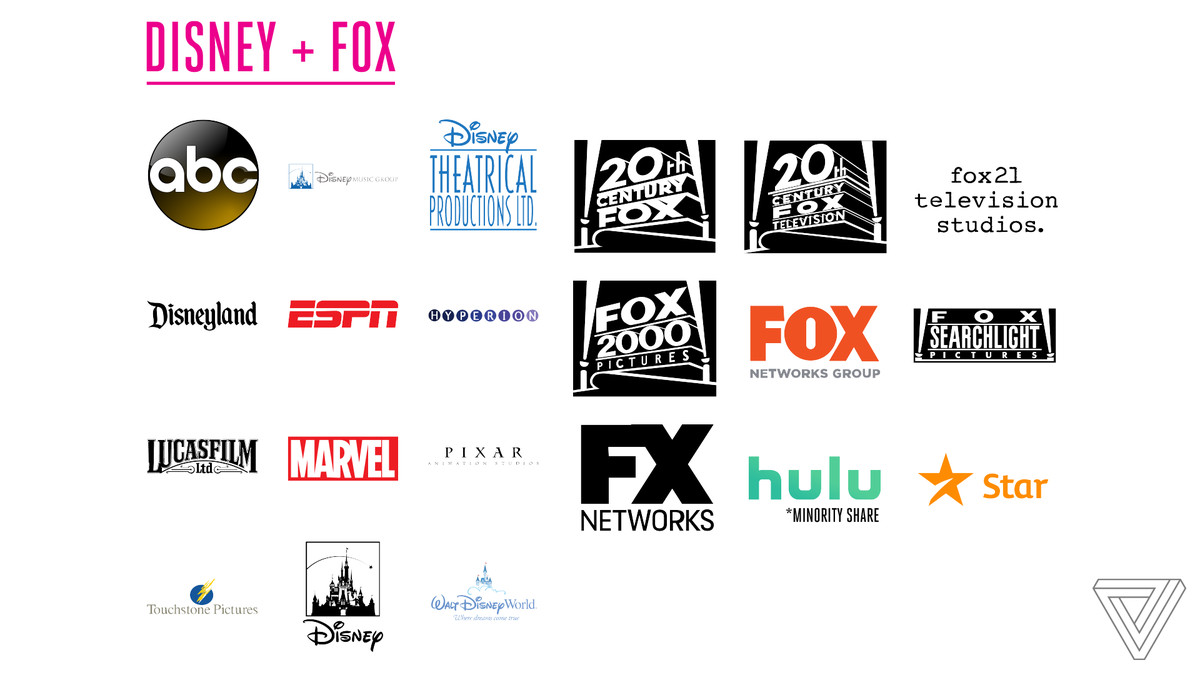
 The Simpsons predicted it nearly twenty years ago, but it’s now a reality. Last week Comcast (parent company to NBC Universal) conceded victory to The Walt Disney Company for the acquisition of most of 21st Century Fox. This bidding war has been closely followed over the months, however, the war has ended and to the victor go the spoils. Today, shareholders approved the acquisition. While the broadcast channel, news, and sports will be absorbed by NewsCorp, most of the Cable/TV, Hulu, and cinema IPs will now be owned by Mickey Mouse including American Horror Story, X-Men, Family Guy, Alien, Halloween, and Deadpool, several cable/satellite channels, and more. While Disney theme park enthusiasts and MCU fanboys and girls out there are, by in large, celebrating this news, there is a lot more at stake that may alter the landscape of cinema and theme parks. Furthermore, the recent AT&T-TimeWarner and Disney-Fox deals may affect the rate at which independent filmmakers can secure distribution for their films or sell/option screenplays to producers. The world of media and entertainment is rapidly changing, but all these changes may not be for the betterment of society.
It’s not everyday that a major news story falls within my niche area of expertise on media conglomerates with major investments in themed entertainment and cinema, but this is definitely one that does. During graduate school at the preeminent University of South Florida, I studied the convergence of cinema and theme parks. This empirical study (available on Amazon) analyzed the relationship between motion pictures and theme parks/attractions as it pertained to the media holdings companies that make decisions that affect both their theme park and cinema divisions. A predictable model for creative design was produced for companies that have investments in both, are the licenser, or the licensee. Although my areas of expertise on theme park and cinema studies can be pulled on often when talking about one and/or the other, this story gets to the heart of my thesis because we are dealing with not only two, but three companies. Three? Yes. Disney and Fox are obvious, but NBC Universal may also be effected since it licenses Marvel (X-Men and Fantastic 4) and Fox (American Horror Story, Simpsons, and more) IPs for its parks. Spiderman belongs to Sony, but we won’t get that deep into this issue. With lots of IPs moving ownership and with a mostly vertically integrated company absorbing a more horizontally integrated company, there are positive and negative effects that concern producers, screenwriters, attraction designers, and others in motion picture, “television,” live entertainment, and theme parks. And not only those of us who work in showbusiness (live themed/family entertainment, here), but the fans too.
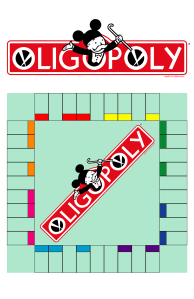
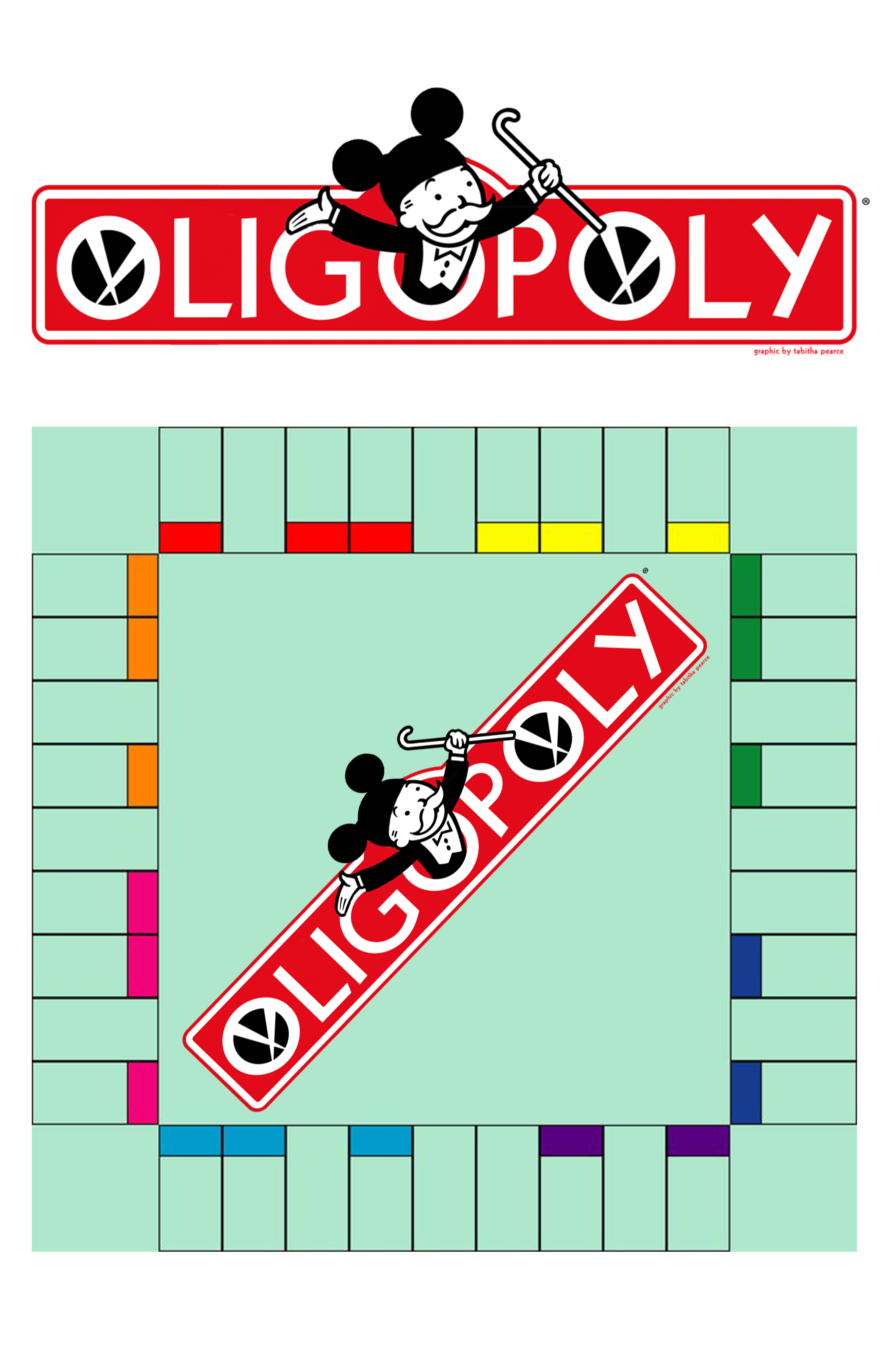
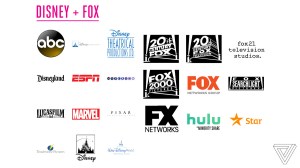 Corporate monopoly is the enemy of creativity and variety. This deal, which is one of the biggest film/media deals ever, has far reaching effects upon the industry. Some may even argue that it has danger written all over it. If there wasn’t already a rigid oligopoly amongst the studio/distribution companies, there will be now. The lion’s share of the cinematic marketplace is now controlled by Disney, TimeWarner (Warner Bros.), and Comcast (Universal), with Sony (Columbia) and Viacom (Paramount) bringing up the rear. Five. That’s right. Five companies essentially determine the future of the industry, and control the majority of the motion pictures released in theaters and the content on cable television (and the streaming services that access it). It’s a mirror image of the 1940s. Instead of The Big Five and The Little Three, we have The BIG Three and the Little Two. In the mid-20th century when the U.S. government cited anti-trust issues with the vertically structured Hollywood entertainment business model, the forced the studios to divest themselves of movie theatres, longterm talent contracts, and more in order to level the playing field for competition and creativity to thrive. The decision to end the process of being vertically integrated is known as The Paramount Decision (U.S. vs Paramount Pictures, 1948). From the big screen to the small screen, from screen to theme park, you will notice the effects of this merger. When one company controls the majority of any marketplace, it usually spells disaster for the consumer; furthermore, it means that there will be a primary gatekeeper in future artists getting his or her work out there.
Let’s explore The Paramount Decision [(U.S. V. PARAMOUNT PICTURES, INC., 334 U.S. 131 (1948)] a little more. Firstly, prior to the Paramount Decision, the motion picture industry was controlled by a few companies. Secondly, the studio owned the facilities, production companies, staff (under long-term contracts), the films themselves, distribution channels, and the movie theaters. When the studios were growing so large that they began infringing upon the free marketplace, the US Government forced the (then) eight major/minor studio players to end the practice of block booking (meaning, films would now be sold on an individual basis), divest themselves of their respective theatre chains (sell them off), and modify the practice of long-term employee contracts (though, this would continue until the 1960s). This marked the beginning of the end of the Studio System, AKA Hollywood’s decentralization. There are many similarities between the situation in the late 1940s and today. In fact, it’s a little worse today because the industry is mostly controlled by five (instead of eight) companies, and these companies have heavy investments in streaming and television programming.
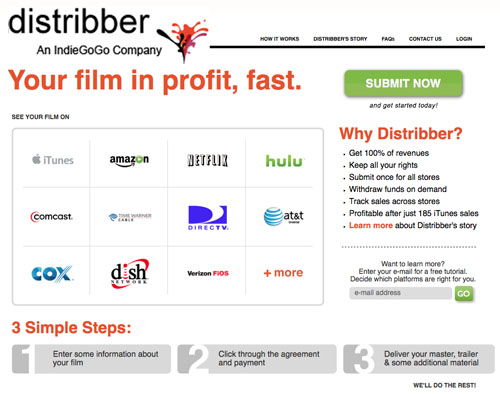
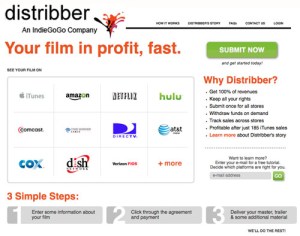 Essentially, the number of gatekeepers is shrinking. The streaming service landscape is also changing because Disney’s acquisition of Fox means that Disney now has the controlling share of the streaming giant Hulu. It’s entirely probable that independent production companies and filmmakers will find it more difficult to get their content out to the public on a well-known platform. Fortunately, Amazon still allows for self-publication but Disney’s control of Hulu will probably see fewer indie films added in the future. The media conglomerates are growing so large that if you’re not in their circle, it will be increasingly difficult to secure a distribution deal for theatrical or streaming. For many, it will feel like there are only 2-3 primary companies controlling the majority of programming on TV and a few more companies controlling a large portion of the movies that get released in movie theaters. Independent filmmakers will have to hustle and work exponentially smarter to navigate the film marketplace. It may get to the point that theatrical releases are no longer realistic or viable for small to medium sized companies because of the stiff competition for the few massive media giants pumping out blockbuster after blockbuster. Conventions like the American Film Market and companies like Distribber will become even more important for indie filmmakers.
 The problem with the current state of capitalism in the United States isn’t worries of monopolies but oligopolies (monopolistic practices between a few firms that essentially control a market). Certainly the state of the film industry already lends itself to an oligopoly because of the few companies; but the buyout of 21st Century Fox by The Walt Disney Company greatly increases this issue of a blatant oligopoly. If a monopolist (in many other industries) did what Disney has done, neither the public nor the government would stand for it; but because it’s Disney, and because it’s the film industry, most of the general public is unaware of the negative consequences of such a buyout and therefore only focus on the X-Men being added to the MCU and the trademark trumpet fanfare preceding the opening title sequence of the Star Wars movies once again. Technically speaking, oligopolies are not illegal nor is monopolistic competition; however, this can be a slippery slope towards stifling creativity or making it increasingly difficult to break into any given industry as a newly emerging competitor. Incidentally, monopolistic competition causes the variety or level of differentiation of similar products (i.e. moves and TV shows) to become less heterogeneous and nearly come across as homogenous.
When a strong oligopoly exists within a specialized industry (for our purposes, media & entertainment), one of the side effects is a concept known as parallel exclusion. This concept can be described as the collective efforts of the few industry leaders who essentially act as the main gatekeepers to prevent or make it difficult for would-be newcomers to enter the arena. Parallel exclusion is nothing new, and has been in the news as recently as the last 2-3 decades within the airline and credit card industries. Throughout the eighties and nineties, Visa and MasterCard essentially blacklisted any bank that set out to do business with AmEx. Thankfully, the U.S. Justice Department stepped in when the manner in which the exclusionary rules were written crossed legal, fair trade boundaries. There were similar issues within the airline industry as well. When a few companies control the content or services in the marketplace, antitrust issues are raised
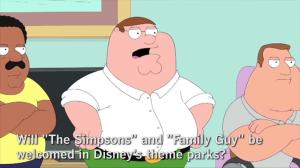
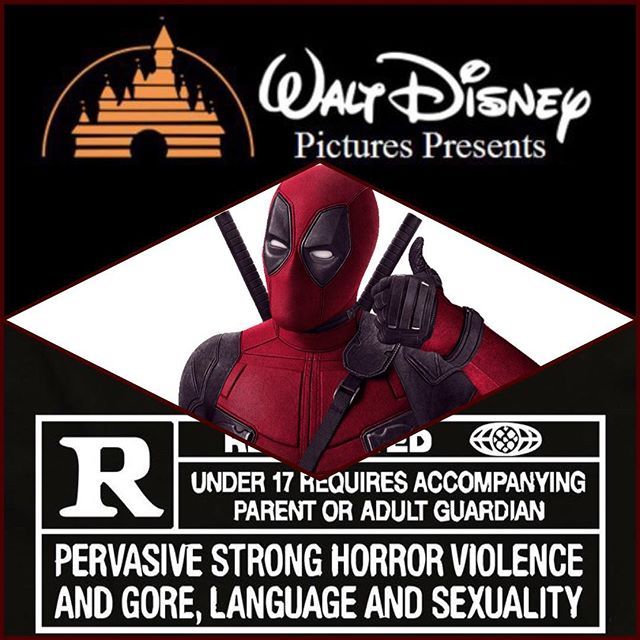
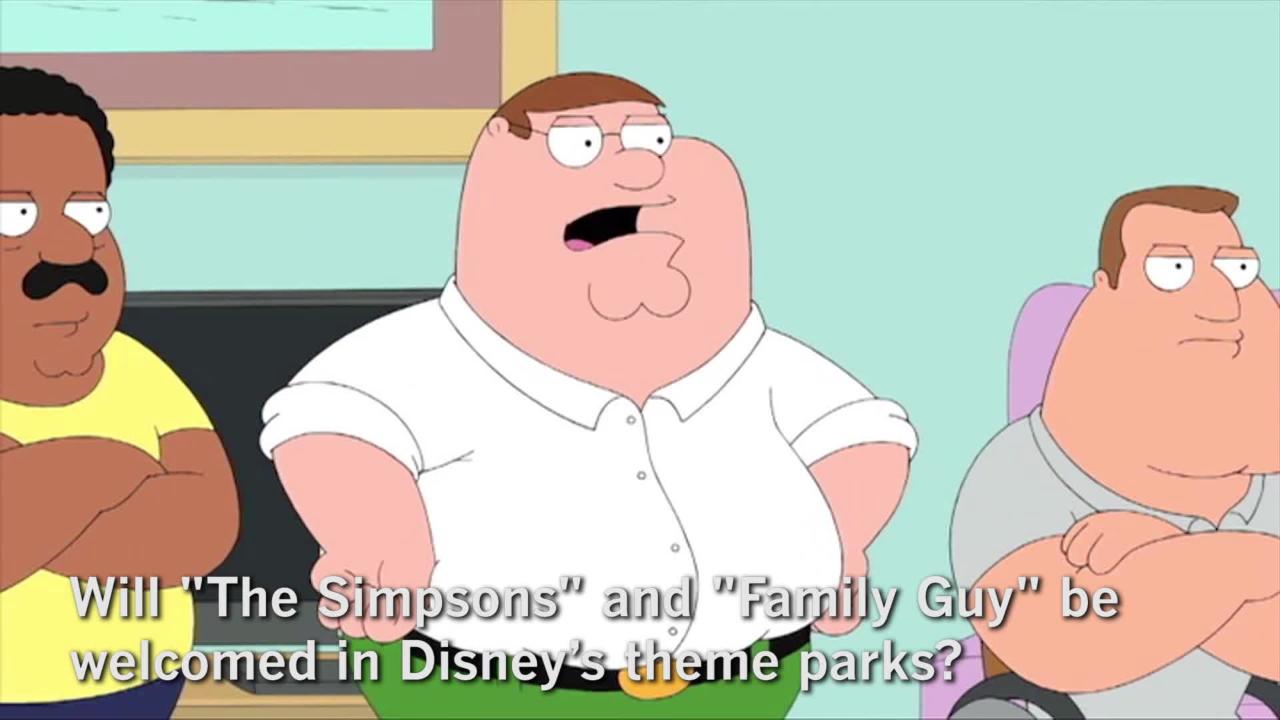
 Although we are not technically facing a monopoly with the Disney-Fox acquisition, we are looking at an abuse of power that may lead to anticompetitive conduct. If nothing else, the consumer should be worried about having fewer options for programming. Not that the number of programs or movies will shrink, but there will be little difference between what is released under the Disney banner and the Fox name (if it’s still even called that). In a deal like this, it’s the consumer who gets the short end of the stick. Examples of this may be found in future Simpsons and Family Guy episodes. One of the consistently running lines of jokes are at the expense of The Walt Disney Company. Jabs at Disney can also be found in Deadpool. It will not surprise me that the humor of Simpsons, Family Guy, and Deadpool will change to no longer include jokes at the expense of the hand that now feeds them. If, through contract negotiations, shows and movies like these moved to a different company, then the humor that we have come to know and love may largely be unaffected. As it stands, we will likely see fewer (if any at all) Disney jokes in the aforementioned. These are just examples of the larger problem a few companies controlling the majority of media and entertainment content. The consumer would be wise to the possibility of a lack of competition between brands thus mitigating innovation, variety, and creativity. Innovation is often the product of healthy competition in a free marketplace just as necessity is the mother of invention.
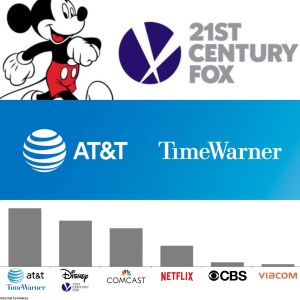 Because the Walt Disney Company is primarily focussed on producing the biggest movies possible (after all, they made the majority of the highest grossing films last year and this), the mid-budget dramas and comedies that used to thrive in Hollywood–you know, the ones that cause you to cry and laugh–could dwindle in number–there now may be little room for them to make their respective ways into theaters with Disney controlling a significant percentage of the industry. Of course, Disney is not alone. With the recent acquisition of TimeWarner by AT&T, both Disney and AT&T are now at the top of the food chain, followed closely by Comcast and then the rest of the media companies who are small in comparison. What we are essentially talking about here are entertainment corporate monoliths, the likes of which, have never been seen before. There is one key difference in the Disney-Fox and AT&T-TimeWarner deals, and one that gives AT&T a slight advantage over Disney and deeper pockets. Disney does not own the hardware in the ground that serves as the conduit for your internet service provider (or ISP) but AT&T does. Not only does AT&T control a huge share of the media/entertainment marketplace, but it also owns a significant share of the technology that brings entertainment content to your home and mobile devices including cable, satellite services, and wireless services. Issues of net neutrality are more important now than ever because the pool of competition is shrinking in number but growing in sheer size.
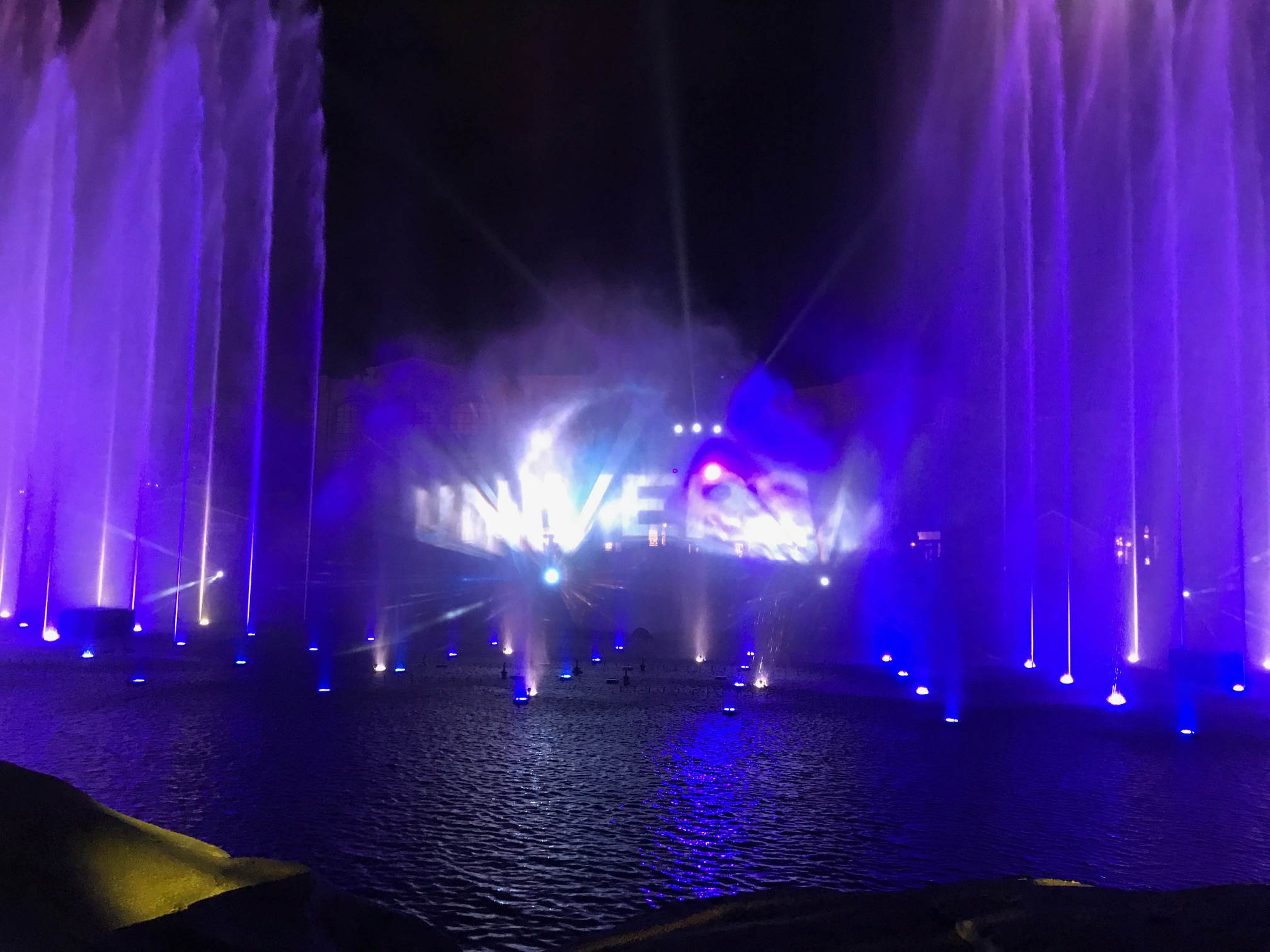
 Cinema and TV are not the only arms of the media and entertainment industry that will feel the effects. Major theme parks, the cash cows of media conglomerates, will change as well. How exactly is this deal going to effect the theme park industry? The short answer is, it is too early to tell; however, we can explore this topic nevertheless. If you’ve been to Universal Orlando resort, you’ve undoubtedly noticed that Marvel and the X-Men have an entire island AND the Simpsons is a land in and of itself. While I am not aware of the license agreement details with both IPs, I can tell you that typically if the ownership of an IP changes hands during the lifetime of license agreement, the agreement is grandfathered in for the length of time that is left in the contract. There are sometimes caveats to that. Often a company that holds the license (for purposes of our example)–a license that belongs to someone different than the original licenser–for a theme park attraction, the licensee cannot make any significant modifications to the look, add to the established attractions, or allow the image to fall into disrepair. If significant changes are made to the look or if the attraction falls into disrepair or if additions are made under the old agreement without consent from the new licenser, the agreement could be nullified. There is a lot more to copyright and IP law than what I’ve outlined, but I wanted to hit some main points on this issue but keep it as simplified as possible. Universal Parks may have to rebrand existing Marvel and Fox attractions as another IP within its library or license an IP from Paramount, MGM, Sony, or another media conglomerate. Presently, the licensing agreement between Universal and now Disney-Fox (Marvel, etc), should stand for now. Regarding the addition of new IPs as replacements, fortunately, DreamWorks and Nintendo give NBC-Universal plenty of latitude for creativity.
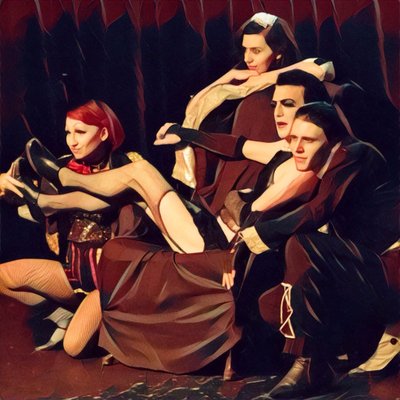
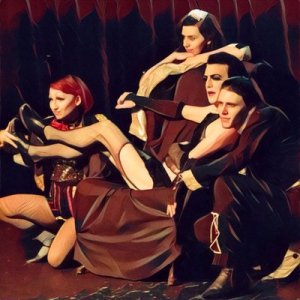 Suffice it to say, it is reasonable to conclude that Universal Parks will have to eventually remove the Marvel and Fox properties from the parks because not being able to significantly modify or add to the offerings will become too burdensome. Universal’s Halloween Horror Nights will likely also see some changes in the future because it may become more difficult to license Fox properties for houses and scare zones as Universal and Disney are direct competitors in themed entertainment. This includes American Horror Story, Alien, Predator, and Halloween. In terms of how Disney parks will benefit after this deal, the theme park division will save money on Pandora: the World of Avatar because it will no longer need to be licensed from Fox because Disney now owns the Avatar movies. Eventually, a significant Marvel presence will be felt at Disney World and any loose ends in the ownership of Star Wars will be nullified because Disney now owns the original trilogy, and not just the distribution rights. The ability to enjoy shadow casts of the iconic cult classic Rocky Horror Picture Show may also be effected because it is not unrealistic to think that Disney may crack down on RHPS troops around the country or make the licensing fees so high that many troops may not be able to afford to continue with the live performances. These weekly or monthly performances of troops around the country are an important part of the visual and performing arts. Speaking of which, if you’re in the Orlando area, checkout the Rich Weirdos at Universal Studios CityWalk and if you’re in Tampa, checkout Hell on Heels at the Villagio Cinema and Bar.
While the full effects of the recent mega media deals won’t be felt for a while, it is important to be aware of how acquisitions can effect cinema, TV, theme parks, and independent filmmakers. Corporate oligopoly is a slippery slope that can lead to anticompetitive conduct, fewer options, and become the enemy of creativity and variety.

 Silly ol’ movie. Disney’s latest live-action re-imagination of a classic property is Christopher Robin, directed by Marc Forster with a story and screenplay by several writers. And that is likely where the fault lies with a movie that should have been heartwarming and magical. Although the movie has a whimsical fancy about it, and there are moments that will tug at your heartstrings, those moments are very few. It is as if each contributor to the story/screenplay had his or her own idea of how to handle a middle-aged Christopher Robin returning to the Hundred Acre Wood; but instead of selecting one story, one plot, we have bits and pieces of the different takes on how to write a story dealing with a rediscovery of the inner child and realizing that friends and family are more important than work. Plots such as the aforementioned are commonplace, almost cliche. So, it needed a fresh take on it. Needless to say, the movie plays it safe and paints by number. Not to say the film is not without its accolades. The quality of the CGI for Pooh and his fellow Hundred Acre Wood residents is outstanding. There are moments that you forget that they are not actually real. However, I am confused as to why Owl and Rabbit are based on real animals whereas the others are based on stuffed animals–that decision is a little odd. Suffice it to say, the best scenes in the movie are the ones with Pooh, because McGregor’s Christopher Robin ultimately fails to genuinely connect with the audience. Although the past iterations of Winnie-the-Pooh (animated and live action) have more heart than this film, you can still enjoy waxing nostalgic as the film takes you back to the Hundred Acre Wood and displays a little heart despite the cumbersome story.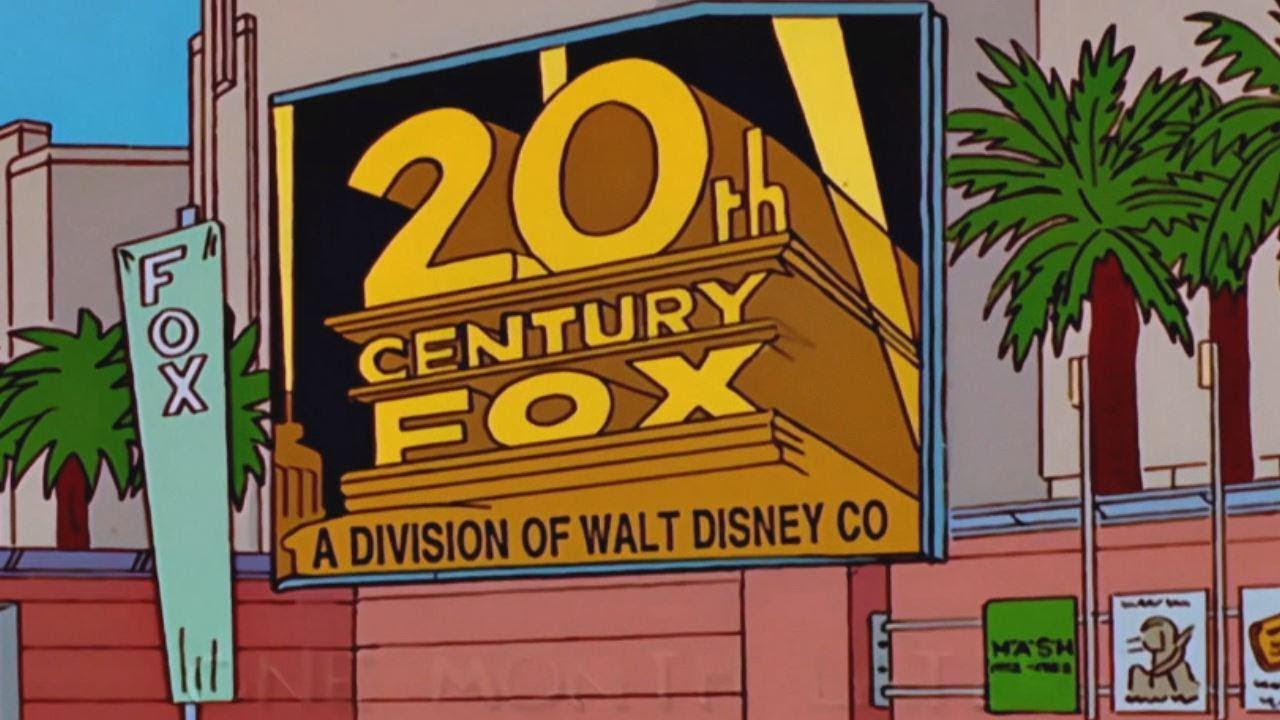



 R.L. Terry ReelView