Ryan “Professor Horror” Terry teaches film studies and screenwriting at the University of Tampa. He holds graduate and undergraduate degrees in film and media studies. He has regularly published film reviews since 2014 and has been a featured speaker at Tampa Bay Comic Con, Spooky Empire, and the historic Tampa Theatre. His work has appeared in both political and entertainment magazines.
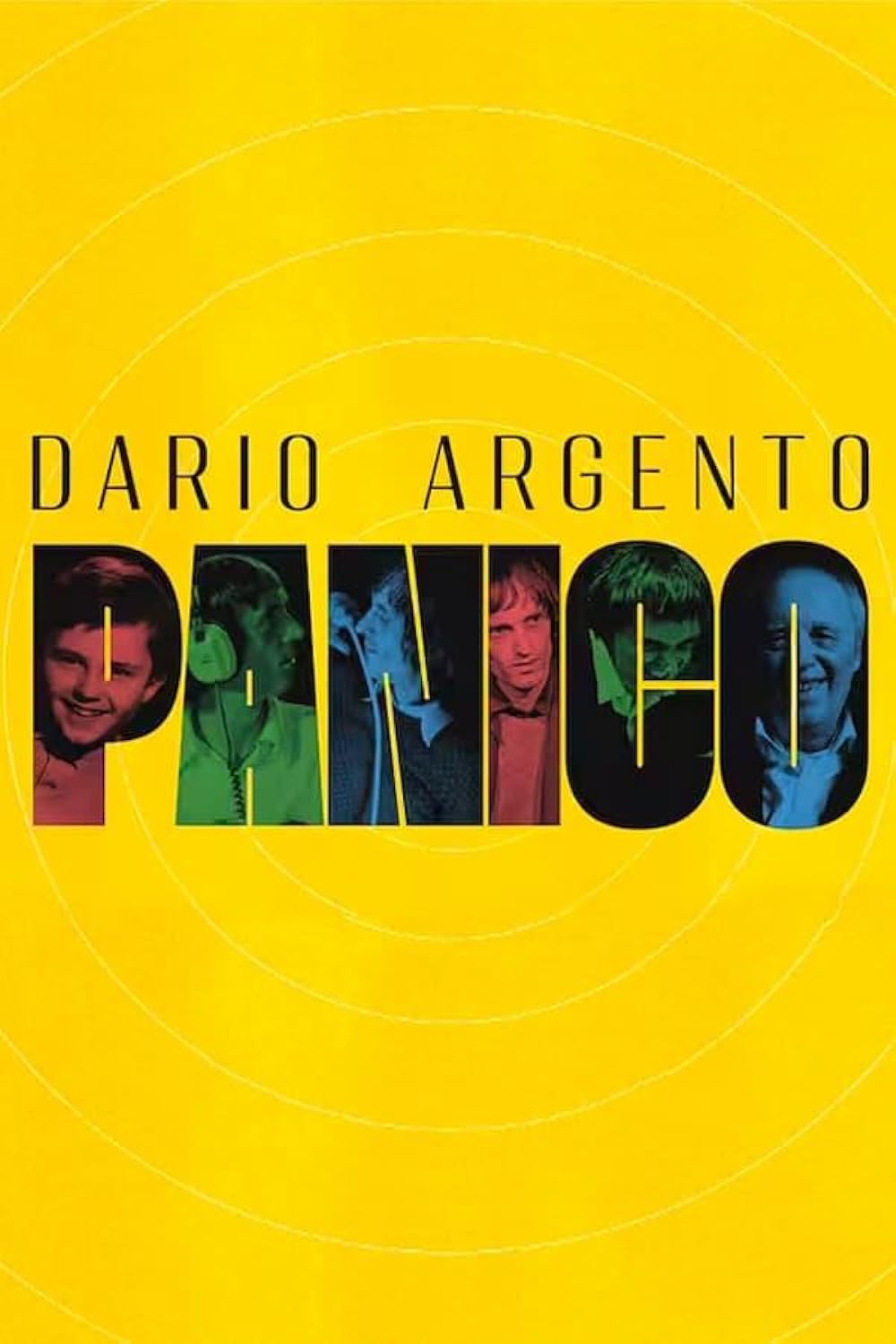
Informative but bland. For a director who’s responsible for some of the most vibrant and stunning films that continue to influence and captivate audiences decades after their initial release, comes a documentary about Dario Argento that is ultimately underwhelming and lifeless. From his hypnotic, phantasmagorical, symphony of terror in Suspiria to his nightmarish Opera and his quintessential giallo in The Bird with the Crystal Plumage, Argento has been crafting cinematic sensory explosions for over 50 years. But this documentary plays more as a podcast, for it leans more heavily into talking heads (one of which is Argento himself) than it does incorporating behind the scenes or footage of his movies. Argento is visually driven storyteller, but this documentary is such that you can turn off the screen and get nearly the same experience listening to the stories.
The documentary starts off very well. Argento is bring driven by the documentary filmmaker to an Italian countryside hotel. Underscoring this scene is mysterious music, and as Argento looks out the window, we see memorable clips from from Suspiria. Suzy arriving at the Freiburg train station. The forest with the dance academy student frantically running for her life. And ad he is pulling up to the hotel, we cut to the vibrant crimson Tam Dance Academy arrival scene from Suspiria. That opening intercut with scenes from Suspiria set me up to enjoy a fantastic, engaging documentary. Unfortunately, the opening of the doc overpromised because the rest of the documentary underdelivered.
While the documentary provides family history and his early days as a writer and producer, most of the doc concerns itself with his feature films from The Bird with the Crystal Plumage to his most recent work. The films that receive the lion’s share of attention are Bird, Inferno, and Opera. No, you didn’t misread that, nor did I forget to include it, but Suspiria represents a small part of the feature-length doc, even though it is inarguably Argento’s greatest motion picture and the one that is best known worldwide. It’s be like a documentary on Spielberg that spent little time with Jurassic Park or with Batman Returns in a documentary about Tim Burton. I am left with questioning the documentary filmmaker on why Argento’s most well known film only has a place in the doc when that iconic, hypnotic Goblin score is the subject.
The documentary continues through Argento’s incredible career, both in Europe and the US. The section on Opera delivers the most footage from behind the scenes, and is fascinating to watch. But throughout much of the documentary, where there should (or could have been) footage, there was a talking head(s). Granted, the talking heads consisted of heavy hitters like Guillermo del Toro, but even that wasn’t enough to make the interviews more engaging. In terms of variety of personalities in the doc, the filmmakera brings together industry professionals and members of Argento’s family, including his ex-wife and daughters.
Panico is certainly informative, but lacks any visual or experiential appeal. All that said, I am thankful that Argento is still around to participate, because it was wonderful to hear from him as his movies and legacy are being expressed through a documentary.
Ryan teaches Film Studies and Screenwriting at the University of Tampa and is a member of the Critics Association of Central Florida and Indie Film Critics of America. If you like this article, check out the others and FOLLOW this blog! Interested in Ryan making a guest appearance on your podcast or contributing to your website? Send him a DM on Twitter. If you’re ever in Tampa or Orlando, feel free to catch a movie with him.
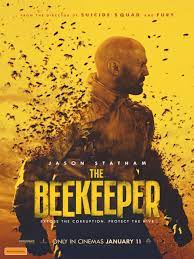
UnBEElievably good! Jason Statham absolutely kills it in this explosive, roller coaster of an action movie! And like any good, balanced beehive, this movie balances high octane action with plenty of humor. And it’s not without its scathing commentary on crimes against the most vulnerable in society. The Beekeeper is here to save you from the January movie doldrums and one to catch on the BIG SCREEN!
One man’s brutal campaign for vengeance takes on national stakes after it’s revealed he’s a former operative of a powerful and clandestine organization known as Beekeepers.
Genre films are the foundation upon which so many other movies are built and by which they are inspired. And the action movie is one of those that is part of the periodic table of film elements. David Ayer’s latest demonstrates why genre movies should not be undervalued because they work! There is beauty in simplicity (regardless of genre), and what we have here is a classical 80s style action movie set in the present day. Furthermore, Statham delivers what he does best, fantastical fight sequences, gritty, sardonic humor, and unstoppable action.
Beyond genre itself, The Beekeeper also demonstrates the importance of crafting a movie around a movie star. We have so few movie stars anymore–Tom Cruise is the last true one–but there are others that are very much star-like–and Jason Statham is one of those. But the truth is, movie stars are dying.
For as long as cinema has been around, audiences have been drawn to that which is familiar–they already know what to expect. Delivering that which is familiar but in a new way, is the magic formula for cinema at its finest (and by extension TV, music, theatre, etc). And the classical star system of the studio system era was one of the man mechanisms for generating excitement and buzz surrounding the movie. Without going down a tangential road on why the death of the movie start is one of the reasons why cinema is dying, the long and short of it is that movie stars are a brand, moreover there were directors that were a brand, branding was a huge part of cinema for the longest time. And with the rise of franchises comes the fall of the movie star.
Why bring any of this up when talking about The Beekeeper? Because this movie shows the power of a genre film crafted around a movie star-like actor. We know what to expect with Statham, and we love the humor and action that Statham brings to most of his movies. He goes full Statham in The Beekeeper, and we are wildly entertained because of that! This movie woudl simply not work with anyone else. Much like without Bruce Willis and Allan Rickman, Die Hard would not be half as fun and timeless as it is, The Beekeeper would not be half as entertaining without the charisma of Jason Statham.
Amidst all the fantastically choreographed action sequences and explosions, is a surprisingly thoughtful core. Not only does The Beekeeper deliver on gritty impact, but it also delivers sufficiently enough on commentary spotlighting how the most vulnerable in our society are preyed upon by big tech, including toxic, criminal data mining. My sister and brother-in-law experienced a situation very similar to the big event that sets Adam Clay on his relentless rage against the machine that doesn’t stop until he reaches the Queen of the beehive.
Since it’s in the trailer, it’s not a spoiler. The big event consists of a kindly older lady whom has taken care of Adam Clay (Statham) and provided him with space to care for his beehives and make exquisite honey. Her computer is taken hostage by malware, and the support team she contacts is actually a criminal data mining company that steals money by way of a victim screensharing their computer and the company stealing/copying identity and password information. One the data mining company has some key information, then they are able to wipe out a victim’s entire finances. But the tragedy doesn’t stop there. When Adam’s hive has been attached, he stops at nothing to avenge his kindly neighbor.
I appreciate how the movie spotlights this real tragedy that truly impacts lives of the most vulnerable in our society. It also shows how deep the corruption goes and where it leads. Those at the very top may just be those that seem untouchable by the law and systems of justice. Perhaps this situation is exaggerated for purposes of making a movie, but it wouldn’t’ surprise me to learn that what we witness in the movie is similar to what truly happens in our real world.
The Beekeeper is a highly entertaining action movie that will completely thrill you! Between the electric fight sequences and Statham’s gritty charm, you are guaranteed to have a fantastic time at the cinema!
Ryan teaches Film Studies and Screenwriting at the University of Tampa and is a member of the Critics Association of Central Florida and Indie Film Critics of America. If you like this article, check out the others and FOLLOW this blog! Interested in Ryan making a guest appearance on your podcast or contributing to your website? Send him a DM on Twitter. If you’re ever in Tampa or Orlando, feel free to catch a movie with him.
While this has largely been a 3.5 kind of year, there are a handful of standout films that left a lasting impression upon me in all the right ways. And here are my picks for the Top 10 films of 2023.
Terrifying! Completely unnerving from beginning to end. The best horror film of the year! Everything works incredibly well from the atmosphere to characters to kills and even the jump scares. Go in as blind as possible because any information hinting at the plot may spoil the fantastic surprises.
Heart pounding! Michael B. Jordan’s CREED III is an excellent, gripping motion picture! Quite possibly the best in the now-trilogy. Moreover, it is the first Best Picture contender in 2023. Reminds us that movies that focus on simple plots with complex characters are often times make for the best stories. The tertiary installment in the Creed series is a a revenge story on the backdrop of the power the past can have over us if we fail to face it in the ring. This moving story is certain to stir up the feels!
Healing and uplifting. Jesus Revolution is a biographical drama that simultaneously depicts the past whilst critiquing the present. Based on a true story about the radical search for truth, comes a motion picture that is simultaneously concerned with critiquing our present world as much as it is depicting historical events. Through exploring the past, the journey’s true value is not merely a better understanding of the past, but the impact on our present world. The real power of this motion picture is the ability for it to use a story from the past as a provocative lens through which to understand the current state of affairs in both popular culture and the Church.
Truly exhilarating cinema! Tom Cruise and the whole Mission Impossible team deliver what is likely the most epic movie of the year!! It’s thrilling, funny, and suspenseful from beginning to explosive ending! Part 1 is both a complete story and sets up Part 2 exceptionally well. If I am to be objective, Mission: Impossible III delivers the best story; however, audiences are still going to love this movie because feels like cinema in every measurable way. Move over James Cameron, Christopher Nolan, and yes even Martin Scorsese, for it is Tom Cruise whom knows how to deliver cinema to audiences.
Nothin’ but net! “AIR” is an outstanding biographical drama that will inspire anyone with a gut feeling, that they’re onto something great, to ”Just Do It!” The allstar cast shines brilliantly, and the screenwriting is excellent! Definitely look for this high stakes, high energy underdog story next awards season. Who would have ever thought that the origins of the single best known athletic shoe would have this much ‘sole.’ It’s funny, emotionally moving, and educational. More than the risky financial move that would either launch the struggling NIKE company to success or shutter the athletic division, this story is one of resilience. Resilience in business and in character. In many ways, this movie is “Mrs. Harris Goes to Paris” meets “The Social Network,” two films to which this one will undoubtedly be compared. Every scene in this film exemplifies exceptional screenwriting and directing. The story snaps, crackles, and pops.
Unnerving and spectacular! From start to finish, you’ll never know where the film will lead you, but you are in for one phenomenal ride! not sure. The moral decay underlying the relationships depicted in the film is both repulsive and intriguing at the same time. On one hand, you want to run away; on the other, you are sucked into the nexus of a relationship you want to be real and healthy, but you already know that it is not. Todd Haynes direction is exemplary and Sammy Burch’s screenplay is fantastic. This dark comedy is one that will deliver both laugh out loud moments and that which is dark and disturbing.
Sensational! Christopher Nolan’s highly anticipated cinematic spectacular Oppenheimer is an extraordinary motion picture that delivers a story as explosive as the subject matter. Not since Nolan’s earlier work on pictures such as Memento and The Prestige have I enjoyed both the form and function of his stylistic brand of filmmaking. Although the film chronicles the development, use of, and subsequent scientific and sociological affects of the A-Bomb, the story it really about the rise and fall of J. Robert Oppenheimer. Moreover, the subtext of the story is one that carries with it such commentary as the true cost of notoriety and serving one’s country and the destructive nature of unsubstantiated witch hunts. It’s a character-driven story more than it is a plot-driven story about the creation of the A-Bomb.
I know what you did last Thanksgiving! Eli Roth’s Thanksgiving is IKWYDLS meets Jaws with a dash of Scream in a scathing critique of toxic, insatiable consumerism that is destined to be an instant holiday horror fave! Complete with great kills and stuffed with laughs, it’s a highly entertaining slasher! Eli Roth challenges audiences to ask themselves to what extent will they devolve in order to get 50% off a waffle iron. The slasher has a formula, and Eli Roth is serving it up in heaping helpings that simultaneously check all the boxes for the horror stable yet find ways of seasoning it with style and flare. While some non-slasher fans may get hung up on all the nods to classic slashers, it’s how Roth uses the homages and references that express his original recipe for this future holiday horror classic. Beyond the cleverness of the screenplay, Eli Roth has crafted a horror movie that is entertaining from the first course to dessert. Thanksgiving is a well-written and directed holiday slasher that delivers a clever story, thoughtful plotting, and fun characters. I can totally see the John Carver mask becoming one that you may very well see on Halloween along with Ghostface, Jason, Michael and the rest.
Positively kinetic! This wildly entertaining biographical drama just clicks on so many levels! From beginning to end, the film commands your attention as it delivers razor sharp dialogue and outstanding performances. Whether you are a former CrackBerry addict like myself (2007–2011) or are fascinated by how the world’s first smartphone came to be, there is something for everyone in this film. There is a Greek tragic or mythological quality about this film as it reminds me of the story of how Icarus flew too close to the sun and had his wings clipped. BlackBerry was king of the smartphone world for however brief a time, but its impact upon the industry will be felt in perpetuity. But this movie isn’t about the history of smartphones per se or even the company Research in Motion itself, but rather three human stories of the men whom founded, developed, and (two of which) eventually crashed the company. So, it’s a very human story. BlackBerry simultaneously created a new communications device and completely re-imagined how cell service works on principle, even though the company went down in flames. The characters are fascinating and the story mesmerizing. Easily one of the year’s best films!
Pure cinema!! Not since the original Godzilla (and King Kong) has there been a better kaiju film. It has epic action, heartfelt character moments, and a story of redemption. Definitely my favorite film of the year!! Don’t miss seeing this one on the big screen. The movie is just as much (if not more so) a human interest piece as it is a monster movie. There is kaiju-sized heart at the center of this film. From both technical achievement and narrative perspectives, Godzilla Minus One is a truly outstanding motion picture, the likes of which we haven’t witnessed on the big screen in a long time. This is a surprisingly emotional story, delving deep into relatable themes focusing on the human spirit and survival in times of uncertainty and chaos. Furthermore, it’s a story of redemption that will tug at your heart strings as you become fully invested in the story and characters.
Ryan teaches Film Studies and Screenwriting at the University of Tampa and is a member of the Critics Association of Central Florida and Indie Film Critics of America. If you like this article, check out the others and FOLLOW this blog! Interested in Ryan making a guest appearance on your podcast or contributing to your website? Send him a DM on Twitter. If you’re ever in Tampa or Orlando, feel free to catch a movie with him.
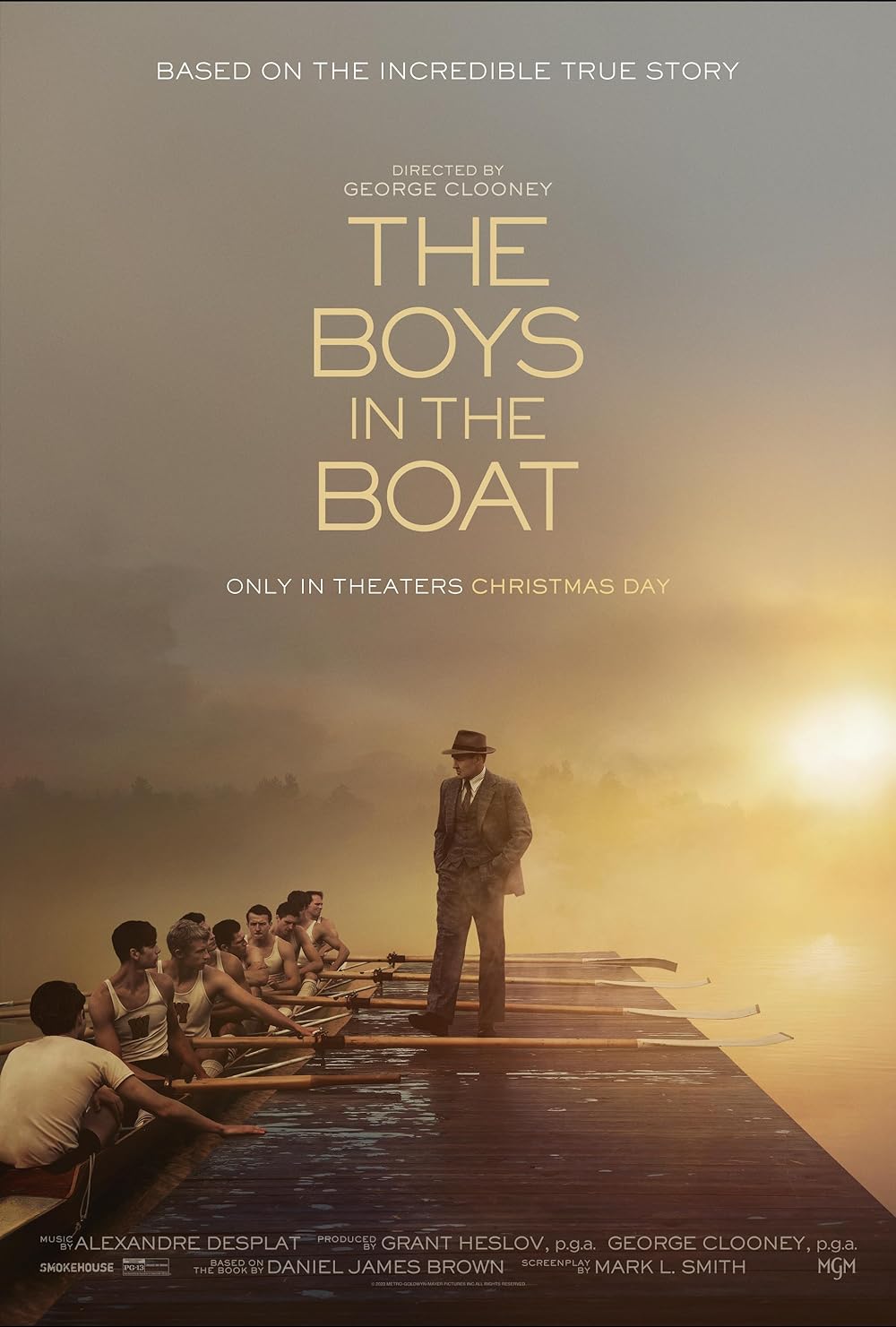
A solid but unremarkable film. The Boys in the Boat is a standard historical drama that sufficiently meets expectations. Unfortunately, there lacks anything truly remarkable about the film. While the performances are better than average, the directing and screenwriting fall slightly short of where they should have been for this film. Thematically, the film delivers a big screen adaptation of a truly inspirational story, but beyond the uplifting feeling of a traditional underdog story, the film itself doesn’t particularly leave an emotive mark upon the mind and soul. Still, I was unaware of this story connected with the 1936 Summer Olympics held in Berlin, and am thankful that I now know about it. If nothing else, this film does a sufficient job of reminding us that we are more than the sum of our parts and really can achieve greatness by working collaboratively with one another to overcome the obstacles of life.
During the height of the Great Depression, members of the rowing team at the University of Washington get thrust into the spotlight as they compete for gold at the 1936 Olympics in Berlin.
While the screenplay demonstrates an understanding of what it means and the importance of a well-developed outside/action story with solid plotting, the screenplay falters in delivering a well-developed emotional drive that supports the action plot. Moreover, the screenplay fails to develop ancillary plots that it sets up in the first act. Without going into details, our central character has a need for a job (which is what leads him to go out for Rowing Crew) but we never revisit that need. And later, a member of the crew is deathly ill, but we never revisit that either. The author of the book upon which the film is based, co-wrote the screenplay, and it shows. Often times, novelists demonstrate difficulties in a storytelling medium that is cognitively-driven to one that is visually-driven. And we have a lot of telling instead of dramatizing in this film.
George Clooney makes some questionable directorial choices that leave me scratching my head. Clearly the talent for directing is there, but scenes that should be allowed to breathe aren’t given the chance, and other scenes that steep, should have been ended or started later. Some scenes work very well, but there are too few of those. Funnily, there is this sexual tension that is observable in two characters between whom there is no romantic interest, and that is based upon how the scenes were directed and subsequently assembled in the editing room. There is even a quick scene (and scene is being generous as it’s more of a cutaway) between the Crew from Washington and famed Olympian Jesse Owens that was sloppily executed.
The Boys in the Boat reminds me more of a movie that I’d expect to find as content on a streaming platform than it does genuine cinema. In the hands of a different director and screenwriter, this movie could’ve easily been crafted to be more impactful that it presently is. It has it’s high points, and for that, the filmi s above average, but the lack of anything truly remarkable about it drags it down from where I feel it wanted to be. Perhaps had more attention been paid to developing characters instead of focusing on the outside/action story, then we may have had something more meaningful than it is. Many movies these days place a substantial amount of focus on the ethos, subtext, or emotional parts of a story, thus sacrificing the art and science of proper plotting, so I am glad to witness proper A-story plotting; however, that does not excuse the lack of care paid to the B and C stories and emotional drive that parallels and supports the outside/action narrative.
While I don’t find anything remarkable about the film, it’s not a bad film either. In fact, I am so glad that I now know of this inspirational underdog story. I wish more than the mere knowledge of the historical event is was what was inspirational, but we can take from it that those that are perceived to be least likely to succeed, may just need the right coach and opportunity to demonstrate to the world what they are made of and capable to accomplish.
Ryan teaches Film Studies and Screenwriting at the University of Tampa and is a member of the Critics Association of Central Florida and Indie Film Critics of America. If you like this article, check out the others and FOLLOW this blog! Interested in Ryan making a guest appearance on your podcast or contributing to your website? Send him a DM on Twitter. If you’re ever in Tampa or Orlando, feel free to catch a movie with him.
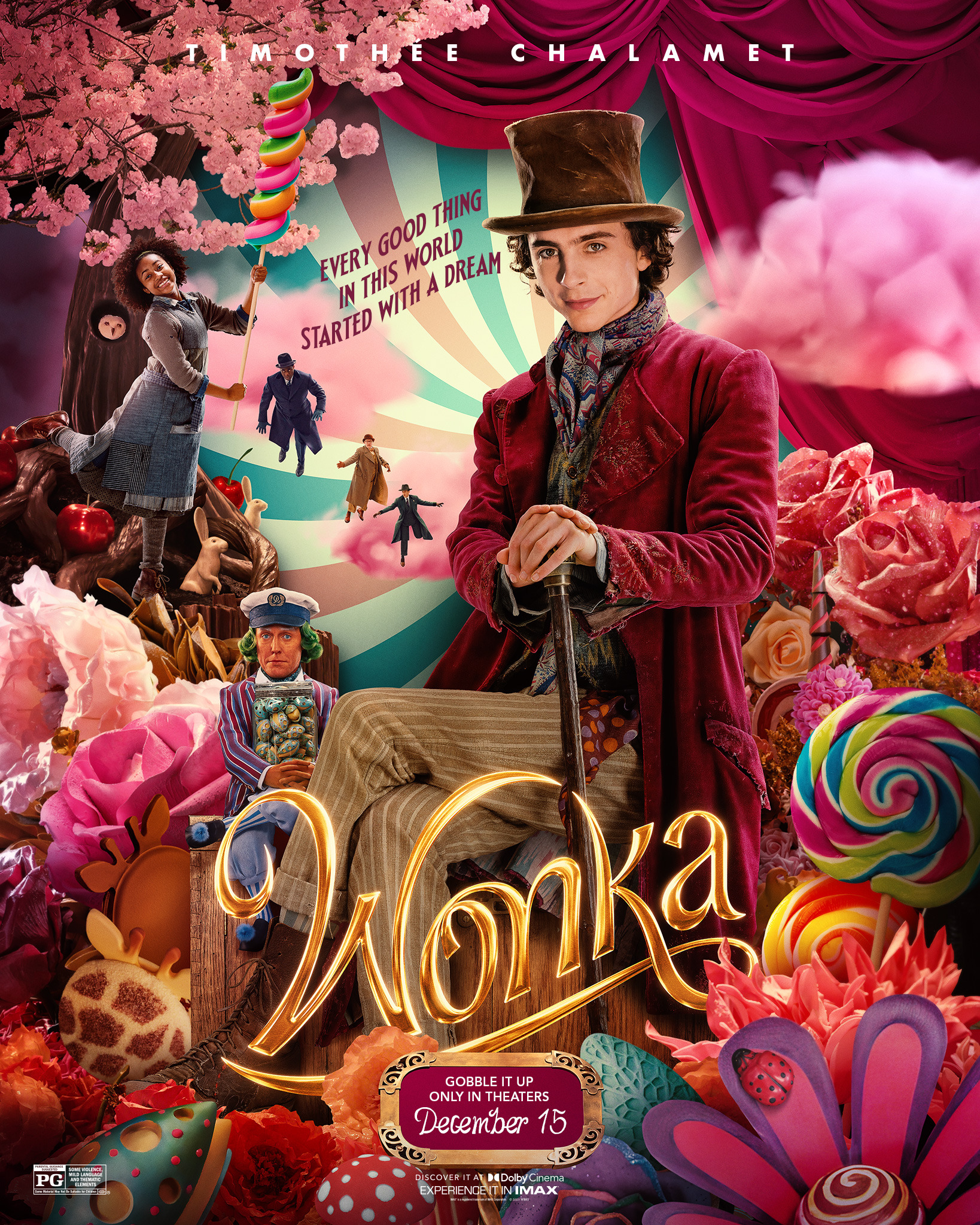
Charming but forgettable. Wonka is like a rich piece of candy, tasty in small amounts, but less appetizing the more you consume. However, the sufficiently charming musical will keep you entertained. But, it’s missing the moments of horror adjacency and the commentary on greed, pride, gluttony, etc. that gave the OG Willy Wonka and the Chocolate Factory some real bite! While it may not deliver the depth or quality of storytelling of the original, Wonka still delivers an entertaining diversion from the stressors of life with its whimsical world of chocolate and magic. The standout musical number is the Scrub Scrub number that is the G-rated answer to Chicago‘s infectious Cellblock Tango. Over all, Wonka will delight audiences with a throwback style musical that tastes best if not much thought is placed into the quality of ingredients.
Armed with nothing but a hatful of dreams, young chocolatier Willy Wonka manages to change the world, one delectable bite at a time.
Gone is the clever commentary on gluttony, pride, greed, sloth, lust, envy, and wrath as represented by the children and Wonka in the original book and film, but what this Wonka origin story lacks in thoughtfulness it makes up for in–well–the candy-like nature of this throwback style movie musical. It’s not deep and the quality of ingredients may be average, but it’s still sufficiently entertaining for the duration of the movie.
The casting is mostly solid! Despite his popularity, I find Chalamet to be an average actor–neither inordinately good or bad–just average; however, he was perfectly cast in this film even though there are plenty of moments that he looks like he’s phoning in his performance. He has the right look and energy for Wonka, so his casting works well. The other standout performance is Olivia Coleman as Ms. Scrubbit–she’s a great villain! And while it was great to see Sally Hawkins, she has little more than a cameo in the movie. We are treated to a brief performance by Rowan Atkinson, but he is also little more than a cameo. The rest of the actors play their respective roles sufficiently well, and each has some moments of hilarity. But the comedic stylings of Keegan Michael Key as the chief of police went grossly underutilized.
It isn’t so much the cast or music that are the true stars of this film as much as it is the outstanding production design and costuming. The whimsical production design and creative costuming are the highlights of the film. We are never told where the movie is taking place, but it’s most likely London; however, the imaginative set design creates an other-worldly sense about the movie that transports audiences from the auditorium to someplace magical that feels adjacent to our own. There is an expressionistic quality in the production design, externalizing the emotive dimension of the characters and story. It’s a combination of neo-Gothic and industrial revolution-inspired designs.
Despite its clear desire to be this year’s Greatest Showman, one of the biggest differences between the two movie musicals is the quality of original songs. Other than the Scrub Scrub number, none of the other songs are memorable. Scrub Scrub works very well, and I love how it’s clearly inspired by the Cellblock Tango from Chicago. The lyrics are rhythm are memorable and I foresee it being the material for many future GIFs. It’s a fun number along with it’s easy to sing. The rest of the songs are lacking in any degree of inspiration, and thus fall flat and forgettable. In the moment, they are fun and entertaining, but are soon forgotten. For fans of the original film, the memorable, beautiful song Pure Imagination is referenced in both score and lyric. The score for the timeless song is at the bedrock of much of the score for the film, and Wonka applies new lyrics to the music at the end, which acts as a fantastic nod to the original without feeling like it’s a vapid attempt to inject nostalgia to remind us of a better movie. It is tastefully done.
While the plotting for the A-story is good enough, there are ancillary B and C stories that are setup and resolved, but they lack any kind of development, and just come off as a lazy attempt to give the film some emotive depth. It would’ve been better to have taken the time it took to think-up the B and C stories and applied it to the A-story or the music. What the film is lacking is any meaningful subtext. One of the brilliant attributes of the original film is the commentary on the Seven Deadly Sins are represented by the kids and even Wonka. The film provides audiences with a cautionary tale of what can happen when any of those sins takes hold of the mind and body. Plus, we get those iconic Oompa-loompa musical lessons as a result of the kids’ missteps.
Wonka will provide a couple hours of laughter and glee during this Holiday season, which may come in handy if the stressors of the Holidays begin to pile up and family drama occurs while you’re home for Christmas. It may not be one that will earn near the rewatchability of the original, but as I’ve stated several times, it is sufficiently entertaining.
Ryan teaches Film Studies and Screenwriting at the University of Tampa and is a member of the Critics Association of Central Florida and Indie Film Critics of America. If you like this article, check out the others and FOLLOW this blog! Interested in Ryan making a guest appearance on your podcast or contributing to your website? Send him a DM on Twitter. If you’re ever in Tampa or Orlando, feel free to catch a movie with him.


 R.L. Terry ReelView