“IT: Chapter 2” Horror Movie Review

The larger, less terrifying chapter. Return to Derry, Maine with the Losers Club as they once again face the nightmarish clown Pennywise. With expectations set incredibly high from the critical and box office success of the first chapter, chapter 2 had some major clown shoes to fill. And was it successful? That is mostly up to the individual audience members; however, from a critical perspective, the second chapter falls short of the first one in both character and plot. While there are some scary moments (mostly driven by jump-scares) and some good character-driven moments, as a whole, the movie feels bloated for time, poorly paced, unintentionally campy, and not nearly as creepy as the first one. Even though I did not question the run time when it was announced, there is not enough plot to effectively justify the nearly 3-hour length of the movie. For example, you spend about a third of the movie in flashbacks that do little to advance the plot but thankfully provide some additional context for the characters. Although the movie chronologically takes place 27 years after the first one, it has only been two years for us, but the second chapter plays out as a sequel that is many years separated from the original. Whereas I am not impressed by the plot, I am incredibly impressed with the outstanding casting. The resemblance that the adult characters have to the teenage characters is uncanny. Solid performances all the way around, although none stick out to me as outstanding. Had this movie been in the neighborhood of 2-2.25hrs, then I believe that there would have been enough plot; but as it is, it was stretched too thin. I appreciated the original for expertly crafting the atmosphere of dread and delivering terrifyingly creepy moments not primarily reliant upon jump-scares; but this second chapter seems to fall victim to sequelitis and revert to using jump-scares more than the art of crafting suspense with the camera. At the end of the day, this is a fun way to kick off your Halloween season, but perhaps this isn’t THE movie that defines the Halloween horror season. Still, if you’re planning to attend Halloween Horror Nights Orlando or Hollywood, then this will still suffice as a solid way to kick off the season.

It’s been 27 years since the Losers Club thought they defeated IT. But Pennywise has returned to the sleepy town of Derry. Following the occurrences several mysterious missing children and teenagers and a Pennywise sighting, Mikey calls all his old friends back to Derry, with little explanation as to why, other than IT has returned. The group of old friends must band together and face their respective fears, past traumas, and deepest darkest secrets that have been eating away at them all these years.

If Derry was supposed to be characterized as a backwards town, then this movie does its job. I don’t think that anyone is going to desire to visit the quaint town steeped in death and bigotry. The opening of the movie is shocking, hooking you into the twisted world that is Derry, Maine. Unfortunately, the provocative opening feels largely disconnected from the rest of the  movie, except it serves to forcibly position Mikey in a place from where he sees Pennywise has returned to his hometown. The next sequence of scenes shows us the present lives of the members of the Losers Club and the reactions to the news that IT may not have been dead after all. Every one of the members of the Losers Club except for Mikey left the small town and built successful winning careers for themselves. Once the Losers Club is back together again, all hell breaks loose in the sleepy hamlet throws its worst at them. One of the disadvantages of one chapter having child actors and another chapter adult actors (portraying the same characters) is the increased risk of there being a disconnect between the audience and the characters. Moreover, that disconnect can affect the audience in such a way that the degree of empathy felt for a character mitigates. That is the case with IT Chapter 2. Since much of the character development was in Chapter One with the child actors, we are thrown back into this world with different actors and simply do not ultimately care deeply what happens to the characters. We care, but not as much as if we followed the same actors or we were provided with sufficient character development in this chapter. We simply don’t care enough about these characters (played by these incredible actors).

One of the cardinal rules of screenwriting that I feel IT Chapter 2 broke was allowing the flashback to encroach upon, if not become more interesting than the main story. Until a writer knows how to effectively use flashbacks, it is important to stay away from them because flashback abuse is all too easy. Few movies that make significant use of the flashback have done so in such a way the the stories are just as interesting as each other or make the main story even more intriguing. My go-to example of a film that makes brilliant use of flashbacks is the Americana classic Fried Green Tomatoes. The reason why flashbacks work in that movie is because both the stories from the past and present are just as interesting as one another; furthermore, the characters in the past help us to develop the characters in the present. Character development is strong all the way around, and the characters mirror one another in many respects. In short, the main plot is always moving forward, even the flashbacks provide direction for the main story. Unfortunately, the prolific use of flashbacks in IT: Chapter 2, come off as a lazy plot device that serves to drag down the pacing of the main story. In fact, there are so many flashbacks that are misused that it adds a signifiant amount of run time to the movie that could have been cut out to streamline the plot. Had there not been such a large sum of flashbacks, then the story may have exhibited better pacing and not felt so bloated just to be a nearly 3hr movie.

Seems like everyone wants to be a 3hr movie nowadays. The problem therein is that, in all likelihood, there lacks sufficient plot to cover three hours. It’s important for a writer to not only show scenes of characters facing conflict, but the writer needs to show the character’s reaction to the conflict. Much like with a screenplay as a whole, a well-written scene has a setup–conflict–resolution. This movie is often missing the resolution in the individual scenes. I still don’t know why we have the date gone wrong at the beginning of the movie other than to make the statement that this movie seeks to normalize that which should be seen as normal or that this is a progressive movie. Furthermore, we make the assumption from Chapter 1 that Richie is gay and even see some evidence to suggest it further in Chapter 2 as this is the deep dark secret that has been eating away at him for most of his life. Richie’s character-driven subplot and the opening scene could have been helped by including the scene from the book in which Bowers explores his sexuality with a friend because that would setup the inner conflict and denial that manifests itself in his treatment of Richie and violent behavior towards others. However, we never revisit this–what could’ve been an excellent–character moment. I think it’s great to have a diverse, inclusive cast of characters, but don’t start a subplot or setup character development that will go nowhere or is merely a plot device to explain something.

While horror movies are no strangers to camp, both literally and figuratively, this movie is unintentionally campy. A campy movie is one that intentionally contains extreme or perverse imagery that boasts an amusing quality that uses exaggerated genre or thematic tropes that over-emphasize an element of the movie. Camp is intentional. When camp is accidental, there is the chance that the director can capture lightning in a bottle, but that is not usually the cade. IT: Chapter 2 is not campy in the costuming, production design, or dialogue, but in the oversized monsters throughout the movie. From the giant old naked lady with her saggy boobs to the random Paul Bunyan statue coming to life, there are giant monsters seemingly everywhere. And it’s not simply the presence of the monsters, although I thought it reached ridiculous proportions, but the movement and purpose of them is what I call into question. The small creatures were great, but the large ones were not terrifying at all–more like laughable. Other than the initial jump scare, the monsters don’t help the level of terror at all.

Now, there is one scene in particular that is probably the scariest of all, and it’s the scene that takes place under the bleachers. I won’t go into spoilers. With all these monstrous creatures and jump-scares, the movie lacks in the same atmosphere of dread that made the first one work so incredibly well. It’s the little things that were scariest in the original. Speaking of the little things, Pennywise definitely stepped up his game in this one. There are so many nuances to his character and the performance that are terrifying–especially for those with a phobia of clowns. If any element is just as good, if not improved over chapter one, it is Pennywise, expertly portrayed by Bill Skarsgard.

Even though you may have to set your expectation bar a little lower, compared to the original, in order to best experience this horror movie, a true horror fan will still enjoy the movie. Perhaps not as much as the original, but it’s still a solid way to start the Halloween horror season. Speaking of which, Halloween Horror Nights Orlando and Hollywood open up this weekend! Consider starting with or pairing your theme park haunts with this movie.

Ryan teaches screenwriting at the University of Tampa and teaches high school TV/Film production. If you like this article, check out the others and FOLLOW this blog! Interested in Ryan making a guest appearance on your podcast or contributing to your website? Send him a DM on Twitter or email him at RLTerry1@gmail.com!

Follow him!

Twitter: RLTerry1

Instagram: RL_Terry
Sinister Summer: “The Exorcist” Retrospective Review

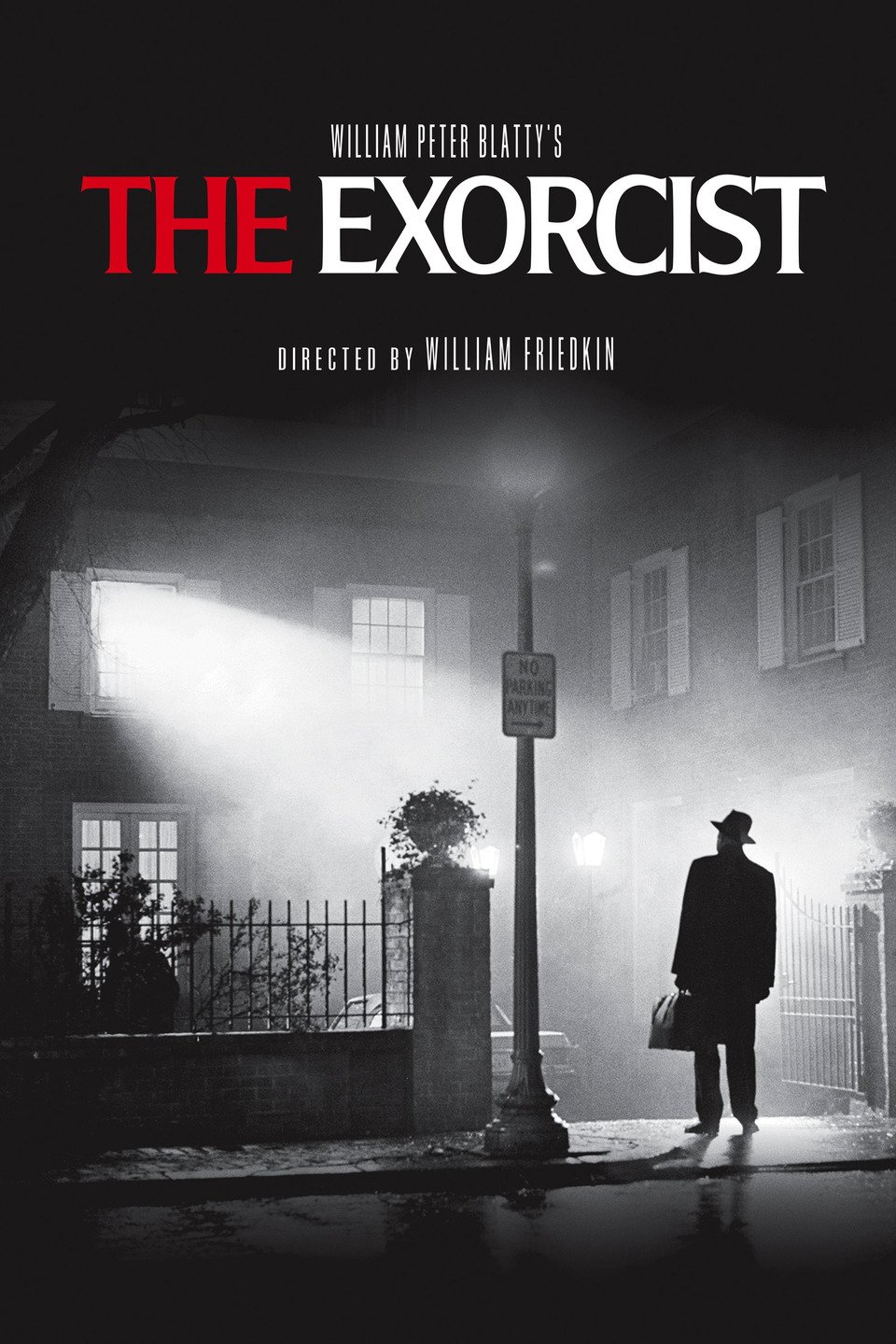
Pea soup anyone? Not only one of the most profitable horror films of all time, William Friedkin’s The Exorcist remains timeless. Celebrating its 45th anniversary last year, this truly is the definitive possession horror film. Thematically, it takes the concept of the external “monster” and moves it into the mind and body (of a little girl). In many ways, Linda Blair’s Regan takes the psycho-social horror of Psycho and combines it with a classic monster and adds in a Rosemary’s Baby spin. This trifecta of excellence works together in order to provide the plot and characters of The Exorcist with substance. Much like Psycho was the first modern horror film and proto-slasher, The Exorcist is widely regarded as the first modern possession film. There are elements of possession in Rosemary’s Baby, but I don’t technically consider it a possession film. This film also takes the idea of the “home invasion” to the next level by having the innocent Regan’s body invaded. There are many past horror films that were once viewed as terrifying, but over the course of time, do not evoke the same degree of fear in contemporary times; however, this is a film that remains nightmare-inducing for many who are brave enough to watch it. Furthermore, adjusted for inflation, it remains among the top 10 highest grossing films of all time.

For more than 40 years, this was highest grossing horror film of all time (until 2017’s IT), this is the one that started the possession film sub genre of horror. A visiting actress (Ellen Burstyn) in Washington, D.C., notices dramatic and dangerous changes in the behavior and physical make-up of her 12-year-old daughter 9Linda Blair). Meanwhile, a young priest (Jason Miller) at nearby Georgetown University begins to doubt his faith while dealing with his mother’s terminal sickness. When the little girl begins to spiral violently out of control, lashing out at her mother and everyone in the Georgetown manner, and even levitating, her worried mother seeks medical help, only to hit a dead end. The young priest, however, thinks the girl may be possessed by a demon. The priest makes a request to perform an exorcism, and the church sends in an expert (Max von Sydow) to help with the difficult job.

While many films prior to The Exorcist depicted the occult, few (if any) have endured like this icon of horror has. Perhaps what frightens us most about this film is the fact of how close to home it hits. The MacNeil family could be our own or our neighbors. By default, the very setting and atmosphere of the film is relatable and realistic. There is a high degree of vulnerability on display. Not only can our homes be invaded, but our bodies can too. Whereas some may only see the effects of the demonic possession and focus on them (the vomiting, masochistic behaviors, or focussed vulgar profanity), these are all incidental. The point of The Exorcist is to provide social commentary on dehumanization and how evil forces and behaviors can affect us in such a way that we feel like animals unworthy of God’s love. But no matter how dark times get, redemption is possible. Whereas demonic possessions are not a daily part of our lives, by extension, this can be explored as a metaphor for the dehumanization witnessed today such as sexual assault, physical/emotional abuse, and other ways in which people are devalued.

There are few films that I would say this about–The Exorcist is a perfect film. Other examples are AlienPsycho, Sunset Boulevard, and The Shining. Compared to the schlock-fest horror movies that we often get today (until more recently with films such as Hereditary, Midsommar, and Us), this is a beautiful, bold work of cinema that pushed the envelop then, and even pushes the boundaries by today’s standards. There is a sense of prestige about this film; and not just a classy for the sake of pretense–there is a sense of purpose in this motion picture. Do all horror films need to mean something deep or provocative? Certainly not. Some have the purpose to simply entertain, frighten us, or even make us laugh. But The Exorcist is a special horror film in that there is immense depth to the story that takes us to incredibly dark places–to the point of no return if you will. Then in a brilliant fashion, turns it into a story of sacrifice and redemption. Not only was this one of the most frightening movies of all time when it was release din 1973–commonplace as possession movies may seem now–this was groundbreaking back then, it was also nominated for multiple Academy Awards including Best Picture! This was the first time that a horror film had ever been nominated for this most prestigious award. Furthermore, there are few other films that come with such an infamous status inspiring legends, curses, and more. Much like with Poltergeist, this film has also spawned macabre rumors. Everything about this film: direction, screenwriting, cinematography, cast, set design, score, and the editing work flawlessly to combine to become one of the greatest films ever made.

In screenwriting, there are two types of plots: action-driven and character-driven. That isn’t to suggest that an action movies don’t have great characters (Die Hard certainly has great characters) nor does a character movie lack gripping action (Nightcrawler has great action sequences), but the principle focus is on one or the other. Look to see wherefrom the conflict is derived. In a character-driven film, the conflict is derived primarily from characters, whereas in an action-driven movie, the conflict is primarily derived from the action. The characters of The Exorcist are utterly fascinating and relatable. We might remember Regan the most from the movie, but the other lead and supporting characters are also incredibly interesting. Part of the reason why this film resonates with us so, and is the material of nightmares, is because of how realistic it is, despite the supernatural element; this realism is brought to life by the incomparable performances. There is so much more to this movie besides the spinning head, spiderwalk (in the director’s cut), and the famous pea soup scene. Those scenes, and others, contribute to the overall experience of the film, but it’s the character-driven conflict and relationships that keep us coming back. Not only do we come back to the film over and over for the character, but we were able to experience memorable scenes and action sequences for ourselves at Halloween Horror Nights 26 at Universal Orlando.

Before we talk about the most famous character from the film Regan, let’s analyze the other two leads and chief supporting character: Regan’s mom Chris MacNeil (Ellen Burstyn), the young priest Damian Karras (Jason Miller), and the exorcist Father Merrin (Max von Sydow). Both Burstyn and Miller were nominated for Academy Awards for their respective performances.

Chris MacNeil is first and foremost a mother, but her acting career is also important to her. But when her daughter needs her, she is willing to put her career to the side to go to great lengths to help her. Beyond her role as a mother, she represents a person whom does not have faith in God. She is also faced with the life crisis of growing frustrated with her divorce and career as a mainstream actress. Father Karras is a highly educated man of faith, but his faith is strained because of his mom’s illness and death, causing a crisis. He is struggling with what many of us struggle with: if God is love, then why do bad things happen to good people? Furthermore, he represents the qualities of self-sacrifice and redemption, as well as personifies the empathy of psychiatry and a pragmatic priesthood. By extension, Father Karras can also be read as someone whom exemplifies that “science” and “faith” are not independent of nor negate one another. Lastly, Father Merrin is not only the very silhouetted image that is engrained in your mind when you think of this movie, but he is the inverse of Father Karras in that–whereas Karras is a pragmatic priest, Father Merrin is a zealous priest. Because Merrin was unable to defeat the demon Pazuzu (the one that possesses Regan), he is faced with his own redemption story. He is also going through the life crisis of failing health.

All three adults are each faced with their own respective crises that are explored through the possession of this little girl whom is also facing her own biological life crisis of puberty. Without knowing much about any of these characters during the first act of the film, we know that each one is vulnerable and doubts their own abilities and the direction they are going in life.

Central to The Exorcist is Regan (played by Linda Blair). Regan is both our central character and our character of opposition. Technically the character of opposition is Pazuzu, but the demon is manifested in Regan. Much like with her adult counterparts, Regan is also facing a crisis. She is experiencing what every young person goes through (to a greater physiological extent, girls)–puberty. As we know, at that stage in life, the human body undergoes what can be equated to psychological and physiological trauma. This trauma is manifested in the behaviors that we witness on screen from Regan’s explicit language and masochistic sexual assault. Regan can also be read as a home that has been invaded by an external monster, but this monster has not only defiled a home but has gone further, and more intimate to defile an innocent girl. Essentially, we’ve taken the idea of the external monster and placed it in the mind and body to exponentially increase the level of trauma and terror. Through another lens, we can witness the conflict that exists between parents and adolescents in which parents may view their kid(s) as a monster that has taken over the previously agreeable, obedient child, and how both parties must work through the conflict in order to emerge healthier and closer.

From page to screen, the cinematic excellent continues. The Exorcist is full of nightmare-inducing special effects that stick with you for the rest of your life. Not only does the very image of the transformation terrify the eyes of the audience, the minds of the audience are also confronted with the frightening realization of what the demon is doing to Regan’s body. From swearing at the central characters every chance it gets to displaying severe traumatizing masochistic behavior, the brutality is intense as you have sympathy for this young girl that you established a connection with from the beginning of the movie. One of the elements that I find particularly interesting, given the extent to which special effects are used, is just how real the movie feels. The supernatural elements of the story could have very easily pushed the film into the unbelievable category (like many others), but William Friedkin’s cinematic masterpiece stays grounded in reality. Looking to the characters themselves, the performances are so genuine that you feel that you are going through the very same crises that are on display. For those whom believe possession is real, it hits scarily close to home; and for those whom are skeptical, it is an equally terrifying possibility.

The showdown and realization of the film are just as deep as the first and second acts by playing around with the externalization of that which was internalized and the physical and mental journeys of the characters. Not only is duality and possession shown through the context of demon possession, but the film also comments that internalized physical and psychological trauma can be a powerful force that ostensibly takes control on ones body. And that is another reason why it still terrifies audiences to this day.

You can catch Ryan most weeks at Studio Movie Grill Tampa, so if you’re in the area, let him know and you can join him at the cinema.

Ryan teaches screenwriting at the University of Tampa. If you like this article, check out the others and FOLLOW this blog! Interested in Ryan making a guest appearance on your podcast or contributing to your website? Send him a DM on Twitter!

Follow him!

Twitter: RLTerry1

Instagram: RL_Terry
Detective Pikachu movie review

Gonna catch an uplifting time at the cinema with Detective Pikachu! Whether you are first generation Pokemon fans (mid 20s-mid 30s) or the more recent generation of fans, you are sure to have a great time at this movie. That being said, you definitely need to be familiar with Pokemon if you are going to get the full enjoyment out of this live-action animated story. I describe the movie in this way because the plot and characters are right out of a typical animated movie. Do you need to have reached high levels in Pokemon GO or have books of trading cards to enjoy this movie? Certainly not. Even with a little knowledge, you will wax nostalgic and “feel it in your jellies.” At the root of this movie is the theme of reconciling father-son relationships. That being the case, it would have made far more sense to have opened on Fathers Day weekend as opposed to Mothers Day weekend. There are lots and lots of movies about mothers and daughters/sons, but far fewer about fathers and their kids. Therefore, releasing this movie on Fathers Day weekend would have made more sense.

A major challenge for the screenwriters was to write a movie that was entertaining for both 20/30s and kids. Would I love to see a Deadpool version of Pikachu? Sure! But that would have excluded the kids, so the fact it was entertaining for me and appropriate for kids and entire families was an accomplishment! After that abominable Sonic trailer, I wasn’t entirely sure what to expect in this movie, even though the clips from the trailer looked good. Suffice it to say, the CGI design of the Pokemon and the production design of the setting worked together very well! All the practical and digital elements complimented one another. Although the plot was developed well enough for this movie, the dialogue suffered majorly. Most of the lines are uninspired, unimaginative, and vapid. However, there is a moment that a certain theme song is kind of sung, and it is brilliantly delivered! Well, that’s pretty much it for this review. To be honest, there isn’t much here to dissect. So do yourself a favor, and catch this movie in theatres this weekend.

You can catch Ryan most weeks at Studio Movie Grill Tampa, so if you’re in the area, let him know and you can join him at the cinema.

Ryan teaches screenwriting at the University of Tampa. If you like this article, check out the others and FOLLOW this blog! Interested in Ryan making a guest appearance on your podcast or contributing to your website? Send him a DM on Twitter!

Follow him!

Twitter: RLTerry1

Instagram: RL_Terry
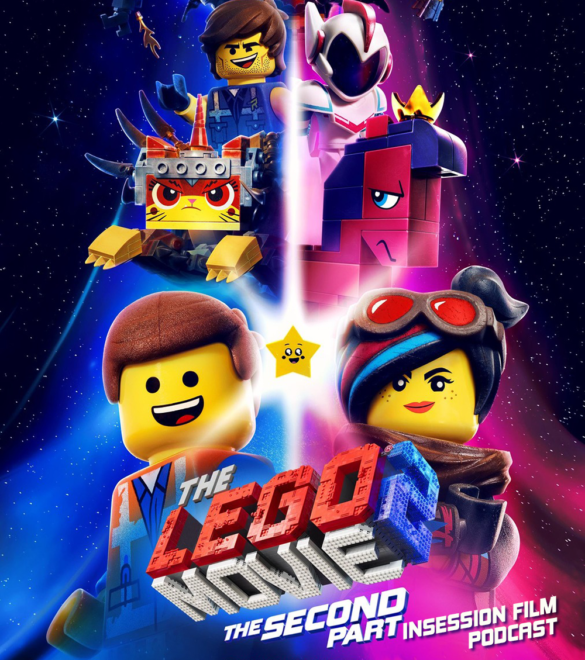
LEGO Movie 2 Review with InSession Film Podcast

Return to Bricksburg where everything is no longer awesome. Picking up where the first LEGO Movie left us, and jump right back into the action as the invaders from planet Duplo threaten the very existence of Bricksburg and its inhabitants. After the Duplo invasion reduces Bricksburg to a city that is barely recognizable. Now living in a dystopian society, a mysterious figure arrives and promptly kidnaps several of Emmet’s (Chris Pratt) friends, including Lucy/Wyldestyle (Elizabeth Banks). Emmet sets off on his rescue mission to save his friends, but along the way meets allies and enemies who test him at every turn. I enjoyed LEGO Movie 2 nearly as much as the first one! Unfortunately, hosts JD and Brendan do not quite share my sentiment; however, they provide some great talking points! But the only way for you to find out what we think of this movie is to listen to the episode.

For the full review, visit the InSession Film website for the podcast and written review! And if you don’t do so, follow InSession Film on Twitter and subscribe with your podcast service.

And you can also listen to the episode by clicking HERE.

Ryan teaches screenwriting at the University of Tampa. If you like this article, check out the others and FOLLOW this blog! Interested in Ryan making a guest appearance on your podcast or contributing to your website? Send him a DM on Twitter!

Follow him!

Twitter: RLTerry1

Instagram: RL_Terry

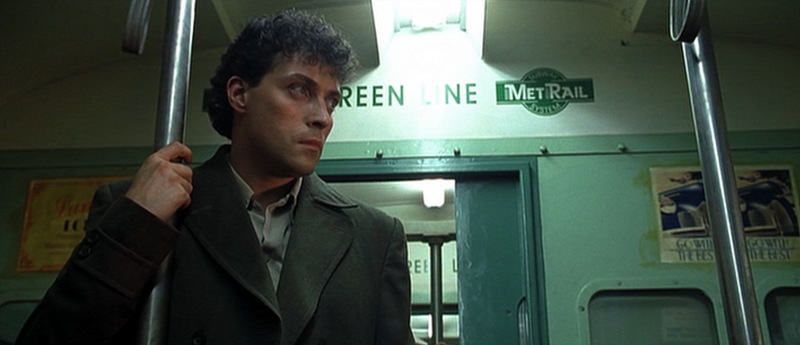
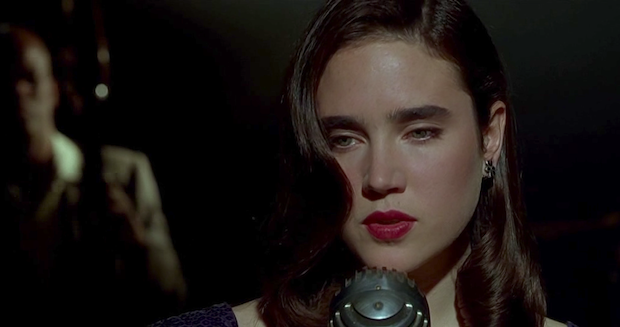
“Dark City” (1998) Throwback Thursday Film Review

The “thinking man’s Matrix.” That is how fellow critic and senior producer of One Movie Punch Joseph Dobzynski describes this underrated neo-noir science-fiction film that predates The Matrix. For the weekly film screening with my cinephile friend Leon in Germany, he selected Dark City. Truly visionary and incredibly rewatchable! I don’t know about you, but I had never even heard of it before. Perhaps that’s because I was so young when it came out. But I am glad that we watched it. It’s now among my favorite neo-noir films.  Never before have I seen a film take the stylistic techniques of film noir and extended them into the realm of fantasy, delivering a motion picture that is highly artistic and cerebral. Perhaps the film was ahead of its time, and that’s why it does not receive the fanfare that The Matrix gets. Between the two, objectively this one is more thought-provoking and artistic. Directed by Alex Proyas, this Fincher meets Scott neo-noir successfully fuses a classical film noir/detective mystery approach with futuristic fantastical allegory. One of the elements of early horror and film-noir that I feel gets lost today is the extension of the plot into the setting itself to the degree that the setting becomes a defacto character. Just as a human is more than the sum of his or her parts, so a setting can be more than the sum of its physical dimensions and time. I would have loved to have experienced watching this one on the big screen to get the full surrealist effect of being completely immersed in this volatile world. Hey Fathom Events, put this one on your list!

John Murdoch wakes up in a bathtub in an unfamiliar hotel just to find out that he is wanted for a bizarre string of murders in a cult or serial killer fashion. One problem, he has no memory of committing the murders, nor much of a memory of anything save a place called Shell Beach. Thinking that he may have completely lost his mind, Murdoch begins to connect the pieces together in order to solve the twisted riddle of his identity. After a bizarre run-in with someone claiming to be his wife and a persistent detective, Murdoch continues to unravel the mystery surrounding the entire unnamed city. Never could he have imagined that his investigation would lead him to uncovering the presence of ominous group of aliens that have taken over the city. The truth that he uncovers will blow your mind.

Next to horror, film-noir is my favorite genre. And yes, we could all too easily debate film-noir‘s status as a genre as it only existed for a moment in cinematic history; and anything more modern is considered neo-noir, but for the sake of argument, let’s accept film-noir as a genre. There is a beauty to this film that does not exist in The Matrix. And that beauty runs incredibly fluidly from page to screen as is made evident from the brilliantly crafted setting, characters and conflict. There is a Metropolis-like quality to the setting and characters in Dark City. Even before Inception blew our minds with its ability to completely immerse us in the world of reality manipulated by the boundless imagination, Dark City transformed the landscape of this city in perpetual darkness. Some of the cinematic characteristics of film noir are found in the lowkey lighting, architecture inspired from German expressionism, and often a character playing the role of a detective. Whereas detective/mystery is a separate genre, there are several films with overlap between noir and detective. If you pay close attention to the production design, you will notice that the buildings grow more elongated and twisted the closer Murdoch gets to solving the mystery; furthermore, the buildings grow more slanted as Murdoch reaches the edges of the city. On a meta level, the setting is an extension of the mind of Murdoch and reflects his memories or lack thereof, more precisely the unreliability of memories. Just as his [Murodoch’s] memory is unreliable, so is the cityscape in which he resides. Characters and settings change and display broken collective memories, even when remembering how to get to Shell Beach. The design of the setting demonstrates Proyas’ attention to the stylized visual components of building this hybrid noir/sci-fi.

Whereas the neo-noir characters and world, in which they live, are very much a product of a reimagination of the film-noir genre, the conflict and plot (after the very much noir first act) are a deconstruction of the noir genre through a science-fiction plot. One of the dangers the many science-fiction screenwriters encounter is that he or she spends way too much time on constructing the science-fiction world and technology and quickly writes characters for the world. The error: starting with the world instead of with the characters or plot. Proyas demonstrates a strong commitment to his characters and plot, followed by the world. He was able to masterfully craft both because he used the world from one and the plot from another. Think of this combination of noir and sci-fi elements as Walt Disney’s patented multi-plane camera (last used on The Black Cauldron). Instead of elements mixed together, they were layered on top of one another in order to increase the depth of story. The plot remains simple; but the conflict, characters and world built on top of it gives the illusion of a complex plot. The screenplay stays true to a simple plot and complex characters. Through this visionary approach of fusing a film-noir setting to a science-fiction plot, Proyas provides the characters (and by extension, audience) a thought-provoking means of exploring reality in a most cinematic fashion.

There are considerable similarities between Blade Runner and Dark City in terms of the setting, score, and cinematography. And this is to be expected from a director who has demonstrated an admiration of Ridley Scott’s brilliant film. In retrospect, there are prominent earmarks of Muholland Drive by David Lynch as well. The meta nature of this film can be observed in the city itself. As the plot unfolds, we learn that the city is glorified set–not so different from a film set which changes throughout production in order to capture each and every scene. Just as a mood ring supposedly visualizes the emotion of the wearer, the set serves as an extension of the paranoia of its inhabitants. Capturing the madness experienced by the characters, specifically Murdoch, in the setting and cinematography adds to the experience of watching this film by creating an immersive environment as much for us as it is the characters. As this film is a means to deconstruct a film-noir through a science-fiction plot, we have the trademark characters such as a love interest and private eye; but instead of a central character who is experiencing a type of psychosis, the central character of Murdoch is the only character who has complete control of his mind and thus sees the cracks in the world created for him by The Strangers. This inverse of the central character injects this story with innovative ingenuity.

I would be remiss to not analyze the characters of opposition led by Mr. Book (Ian Richardson), with a notable chief of his version of the KGB, Mr. Hand played by the legendary Richard O’Brien (the writer/director of Rocky Horror Picture Show). While Mr. Book is the leader of The Strangers, the alien species whom have kidnapped these citizens of earth to place them in this futuristic experiment to analyze what constitutes the human soul, we spend most of our time with Mr. Hand. To borrow from Game of Thrones, Mr. Hand is the hand of the king. While these aliens resemble humanoid lifeforms, they are in actuality a jellyfish like species that uses human bodies as hosts in order to interact with humans. For all the power that their telekinetic abilities give them, water and sun is their greatest enemy, hence why Shell Beach is nowhere to be found and the city is perpetually in darkness. Just like Murdoch is an inverted noir central character, The Strangers are inverted humans as they have a great fear of water and sunlight, whereas humans require water and sunlight to remain healthy. I cannot help but wonder that Star Trek TNG and Voyager’s The Borg was influential in the development of The Strangers, as they both share the hive-like mind and pale skin. Of course, a chief difference is The Strangers’ ability to adopt some unique traits to blend in with the humans.

In retrospect, this is a much stronger film than The Matrix. Both share a similar premise, but the original expression of the shared premise in Dark City is far more timeless than the more famous of the two. And I am not merely talking about the visual effects, of which they hold up better in Dark City than The Matrix; I am talking about the comprehensive execution of the two films. Had James Cameron’s Titanic not dwarfed Dark City, then it may have been seen as the superior film to The Matrix by wider audiences than the strong cult following it currently has. But why do I feel that Dark City is superior to The Matrix? Simply stated, it comes down to the writing and direction. There are so many more layers to the writing and direction that makes it a cerebral film. I would not characterize The Matrix as a thinking man’s film, but I would Dark City. You can liken the two to Star Wars vs Star Trek (TV series). Star Wars is action-driven whereas Star Trek is largely character-driven. One may even go so far as to call The Matrix high concept and Dark City low concept. On the topic of visual effects, virtually all the effects in The Matrix are CGI; conversely, Dark City contains a beautiful fusion of practical effects (including miniatures) supplemented with digital effects. Dark City feels so much more real, tangible. It’s that authenticity that makes it the stronger of the two and warrants far more rewatches.

Ryan teaches screenwriting at the University of Tampa. If you like this article, check out the others and FOLLOW this blog! Interested in Ryan making a guest appearance on your podcast or contributing to your website? Send him a DM on Twitter!

Follow him!

Twitter: RLTerry1

Instagram: RL_Terry