“Fantastic Beasts: and Where to Find Them” movie review

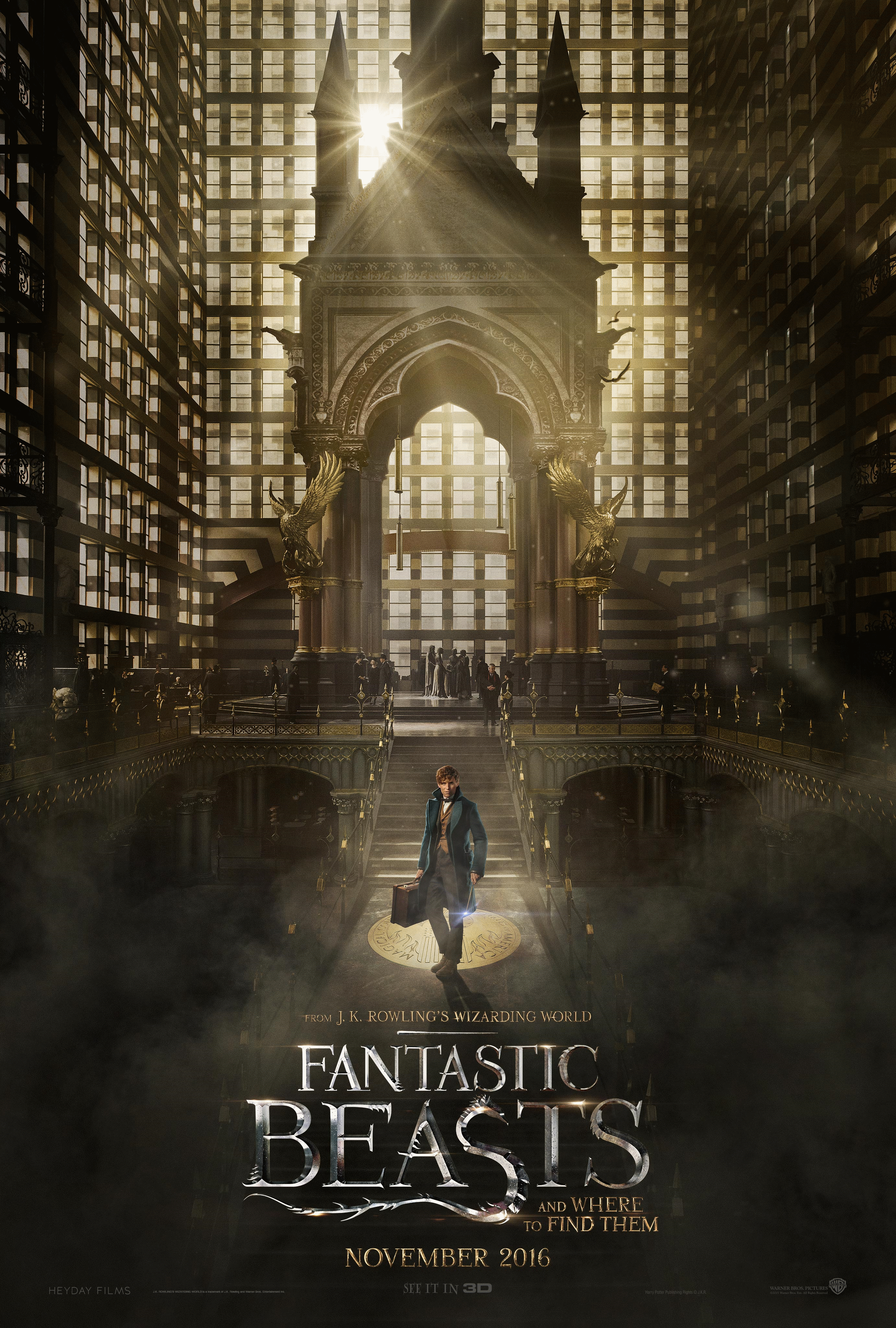
fantasticbeasts_1Spellbinding! Return to J.K. Rowling’s wizarding world in this fantastic film filled with phenomenal cinematic storytelling and mesmerizing magic. Warner Bros.’ Fantastic Beasts boasts incredible talent on and off screen that is sure to strike both a nostalgic cord with audiences as well as renew a sense of wonder in this new epic tale preceding the events of Harry Potter by more than six decades. From the flawless editing to the character dynamics, this film is definitely one to look for in the technical categories during awards season. Fantastic Beasts is also the first time that fans of Rowling’s wizarding world will witness a film based on an original screenplay and not a work of literature. After watching this movie that essentially extends a wildly popular and successful film franchise, it is clear that ‘the magic awakens’ in a manner that is destined to thrill the dedicated fanbase and ignite the passion of new fans. Whereas the last time a franchise was ‘awakened,’ it felt like a mashup of that which had been heard and seen before, Fantastic Beasts provides audiences with completely new characters in a new city facing all new challenges in a world that echoes the past but is clearly a new fantastical frontier.

Many decades before Harry Potter and Lord Voldemort would cross wands, across the pond a whole new world of witches, wizards, and fantastic beasts is beckoning for adventure. While on a rather academic expedition to locate, identify, and protect magical creatures, Newt Scamander (Eddie Redmayne) arrives in New York City to transport and collect the final creatures he needs to complete his zoologic study and publish his research. Unfortunately, this expedition is all but academic. After bumping into no-mag (no-maj/no magic) Jacob Kowalski (Dan Fogler) at the bank, Scamander mistakenly swaps briefcases with Jacob and unwittingly releases the magical creatures to roam about the big apple. With bizarrely unexplained events in the no-mag world causing people to pry into the magical world with risk of fully exposing it, Newt’s creatures become the target of the American magical congress. After bumping into an unlikely nemesis turned ally Porpentina Goldstein (Katherine Waterson) and her adorable sister Queenie (Fine Frenzy), teaming up with Jacob, Newt and his friends must capture all the magical creatures and solve the mystery of what is actually reeking havoc in both the magical and no-mag worlds.

Before analyzing the film’s content, I think it’s best to step back and look at the larger picture here. This is the first time that one of Rowling’s wizarding movies is not based on one of her novels, plays, etc. Furthermore, this also makes the fourth time, for all intents and purposes, in recent years that a popular film franchise with a highly dedicated fanbase is being extended (on the front and/or backside). The other three being: Star Wars, Jurassic Park, and to a lesser extent Star Trek; yes, there are other popular franchises that are being added to, but they are mostly perpetually continual ones like MarvelDC, or the Scary Movies, etc. Although Fantastic Beasts was highly anticipated upon the initial teaser trailers and social media traffic, the elephant in the room was whether or not it would go by way of The Phantom Menace and Jurassic Park III or The Force Awakens and Jurassic World. Thankfully, this return to the wizarding world appears to be going by way of the latter! Still too early to tell if it will truly reignite a fandom in the way the extensions did for the Star Wars and Jurassic Park franchises respectively, but the storytelling is solid and refreshing. Extending a wildly popular but essentially complete franchise is a dangerous road to go down, but Fantastic Beasts is successful in its endeavor to return audiences and fans to a world of magic and adventure.

The first cinematic element you will notice in the movie is the editing, inclusive of special effects. The prologue sequence was an incredibly brilliant way to reintroduce the audience to the wizarding world. I thoroughly enjoyed the innovative approach to integrating the magical newspapers into the opening sequence following the prologue. Although I am not a fan of 3D movies–ordinarily–I imagine that this sequence would provide quite the high degree of spectacle if watching the 3D version (which I did not do). It would not be surprising if this film gives Rogue One a run for its money in the visual/sound effects, editing, and score categories during award season. One element I was specifically looking for was the use of practical effects, props, and animatronics since it’s a film about magical creatures. I watched an advanced screening of Allied immediately before watching Fantastic Beasts; so, be honest, I need to watch it again to locate and identify uses of practical effects or animatronics. But I believe that, to a small extent, some of the scenes including interactions between the human characters and creatures used animatronics. When animatronics and CGI are used in a film–especially in the fantasy/adventure or sci-fi genres–the result is authenticity and a realness that cannot be achieved otherwise.

Eddie Redmayne delivers an outstanding performance as Newt Scamander. Absolutely flawless. From the lack of eye contact to the facial twitches to the over-all manner in which he carried himself, Redmayne does an exceptional job of bringing this character to life. Not having any books to base his characteristics off of, it was important to provide audiences with a protagonist who was both entertaining to watch and find a place in the hearts of fans in two hours. Both were definitely accomplished. Joined by an amazing cast of chief and secondary supporting players, the brilliant direction of David Yates is seen in all the character dynamics throughout the movie. I greatly appreciate the lack of developed physical romance or attraction between Newt and Porpentina and instead the mild romantic subplot involve the sexy Queenie and lovable Jacob. The villains are nicely developed as well. Of course, the best part is not quite knowing who the villains are. Going into that in more detail will give away too much; however, there are many options for villains, anti-heroes, and allies so sometimes you will not be certain who’s an ally, villain, or anti-hero or someone who was thought to be a villain turn out to be a possible ally. Although there are definitely some predictable elements in the movie, there is sufficient enough unpredictability that it will keep you guessing and engrossed in the storytelling.

Prepare to be whisked away to J.K. Rowling’s wizarding world! I cannot wait to see how Universal Orlando/Hollywood will integrate this new series into the Wizarding World of Harry Potter into their parks and resorts. The famous Harry Potter Studio Tour in England may have some new additions as well. Fantastic Beasts and Where to Find Them is a delight for the whole family and is sure to generate new fans while appealing to and satisfying legacy ones.
A Theme Park in Flux

DHS_MainIt’s no secret that the Walt Disney World Resort (WDW) is undergoing some massive builds and refurbishments. With Universal Orlando (UO) stealing the leading market share from the media and entertainment conglomerate’s flagship resort, Disney is running to catch up. Although there are a number of refurbishments and builds presently taking place, the one that is the most obvious and potentially dangerous is the near-reboot of Disney’s Hollywood Studios (DHS). Just this week, it was announced that the extremely popular thrill ride Rock ‘in’ Roller Coaster is soon to be closed for a relatively short amount of time; however, during this time, all references to Aerosmith will be removed. Whether that is due to inside or outside influences is not what’s really important. What IS important is the number of closures over the last couple of years and even ones that are reported to be taking place within the next few.

For the latest in theme park news and information, head over to Thrillz where you can read this and other articles. From the United States to Eurpoe, Asia, and beyond, the team at Thrillz.co has got it covered!

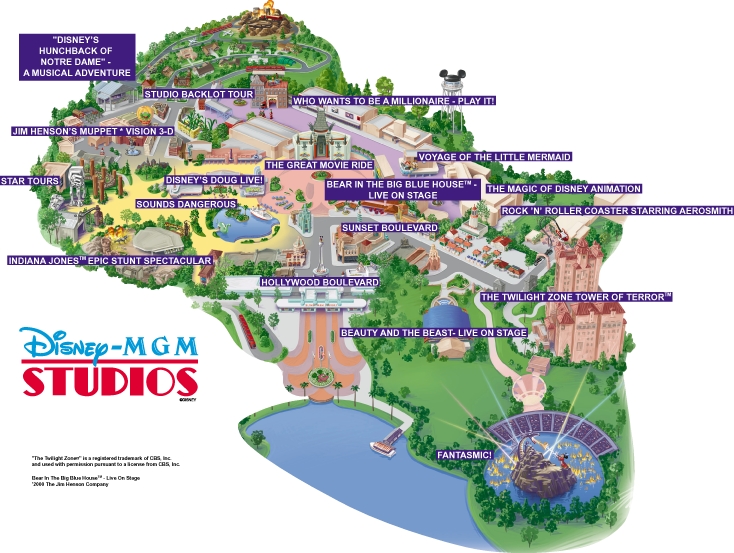
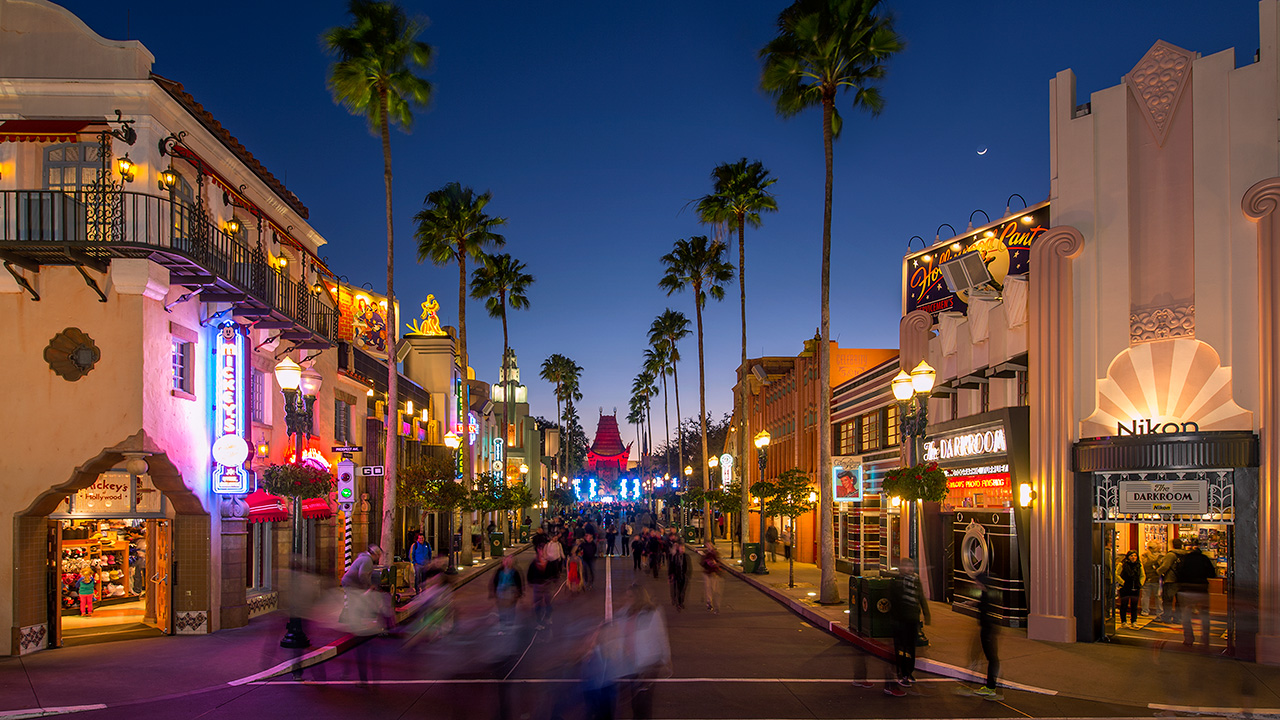
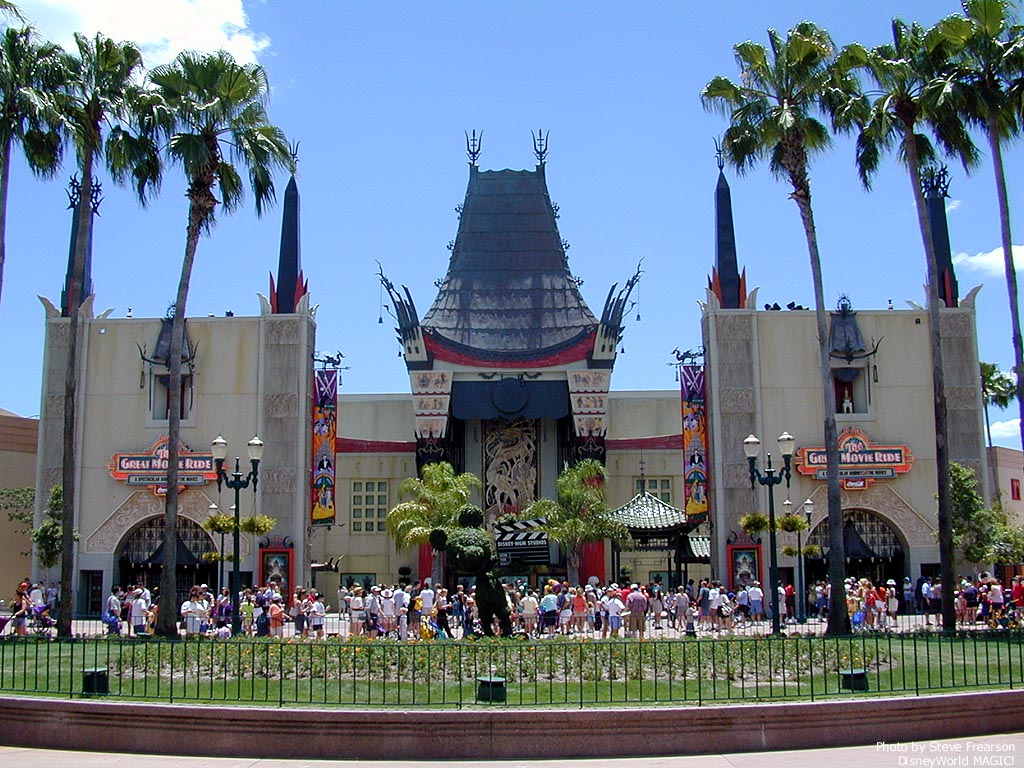
GMR_VintageIt’s the late 1980s, and then Disney CEO Michael Eisner has an idea for a new theme park at WDW. Unlike other parks which were more strategically planned, this one has a rather spontaneous birth. In short, Eisner desired to put a movie-based ride at Epcot. The name of that attraction? The Great Movie Ride (GMR). Sound familiar? From that attraction concept sprung the now Disney’s Hollywood Studios. The genesis of this park parallels Universal Studios Florida in many ways. Both began as Florida production counterparts to their respective Los Angeles headquarters and both opened within one year of one another featuring attractions based on film/TV IP; furthermore, both parks were active film and television production facilities and offered tours, live audience opportunities, and meet and greets with some of the stars. Back then (from 1989-2008) DHS was named Disney-MGM Studios with a scale replica of Grauman’s Chinese Theatre as the centerpiece. The operating hours were less than Magic Kingdom or Epcot because of the few offerings, so DHS was originally operated as a half-day park. The design of the park was mostly based on the idea of Hollywood at the hight of its golden age in the 1930s and 40s. From the buildings to the backlot, it was clear that this park was celebrating the art of motion pictures.

Map_MGM_Studios

Here is a map of the park at the height of attractions offerings (minus Toy Story Midway Mania and The American Idol Experience both added in 2008).

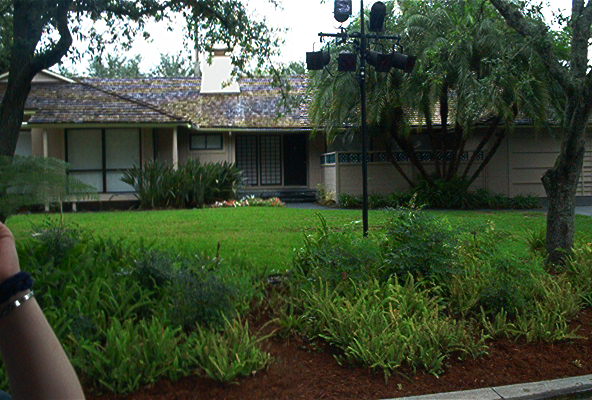
Disney_GG_HouseDuring the late 1990s and early 2000s, both Disney and Universal began to phase out the Florida production facilities. With that phasing out, the connection to the art of motion picture making began to mitigate. Specifically speaking about, Disney-MGM Studios, there were two major changes that directly affected the identity of the park during this first period of flux. While many may not recall the set tours of Adventures in Wonderland or playing Who Wants to Be a Millionaire, many long-time fans and guests of the park will remember the closure of Residential Street (part of the Backlot Tour) to make way for the now-closed Lights, Motors, Action Stunt Show. Residential Street included, among other houses, THE Golden Girls‘ house (used for the exterior shots starting in the 2nd season). During the pilot episode and the first season of the critically acclaimed show–still–with a huge fan base today, the house seen in the exterior shots (which you can drive to today) was/is located in Brentwood, CA. But I digress. With the closure of Residential Street, the now-closed Backlot Tour had to be reinvented to accommodate the new stunt show. This closure represented the first steps in the eventual identity crisis of the park.

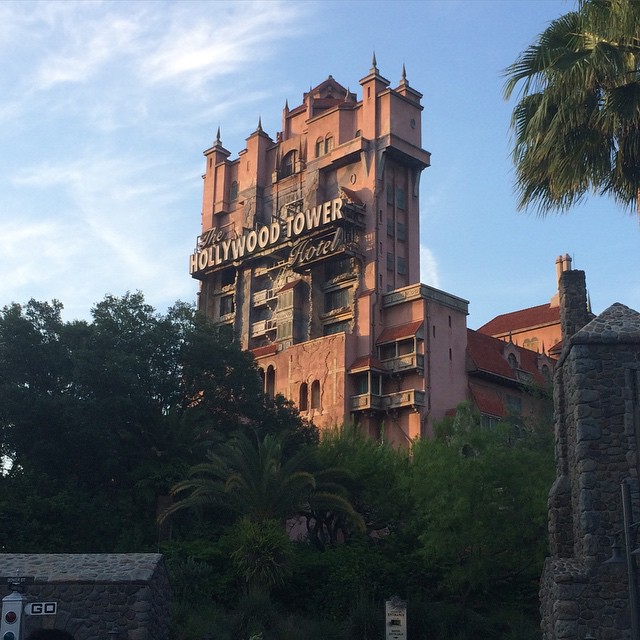
DHS_TOTRegarding the addition of new attractions, the 1990s were a booming time for DHS because in 1994, something huge dropped in. The iconic and popular flagship attraction The Twilight Zone Tower of Terror (TOT) opened on Sunset Blvd! At the time, it was considered the most technologically advanced theme park attraction in the world. The attraction was so popular in Florida that a counterpart was constructed at Disneyland as part of Disney’s California Adventure (DCA). Sadly, Disney has confirmed all rumors and timeframes regarding the rebranding of the DCA Tower of Terror to be rethemed with Guardians of the Galaxy. Beauty and the Beast: Live on Stage and The Tower of Terror welcomed the addition of Rock ‘in’ Roller Coaster Starring Aerosmith (RRC) in 1999. RRC was the first (and still only) roller coaster at DHS and continues to be a huge draw today. In addition to the 1990s welcoming TOT and RRC, Sunset Boulevard would also become the home of the nighttime spectacular Fantasmic! With room for close to 10K park guests, Fantasmic continues to be a popular show that requires guests to arrive 1-1.5hrs prior to showtime. However, the popularity of Sunset Blvd is not immune to radical changes. As you may be aware, and as I wrote in the opening paragraph, it was announced recently that RRC will be undergoing a short but drastic refurbishment in the next month that will transform the coaster into a more generic version of its current self. (Personally, I’d like to see RRC Starring Journey, 21 Pilots, Bleachers, or a range of songs by bands/artists about rollercoasters).

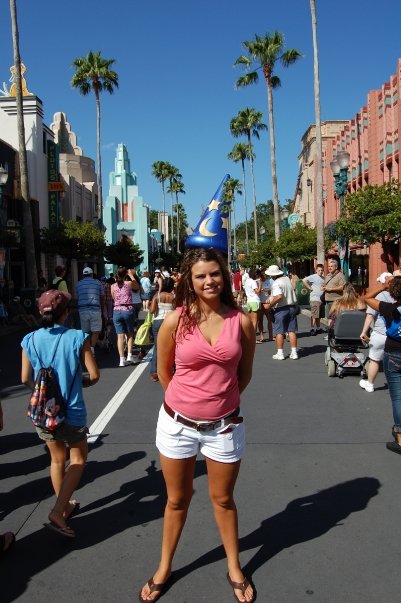
My sister "wearing" Mickey's hat!

My sister “wearing” Mickey’s hat!

The mid to late 2000s began to see some changes that would completely redefine the identity of the park as it continued to move away from the production of television and film. From Residential Street to the center of the park, due to licensing issues with the then new owners of the real Grauman’s Chinese Theatre, Disney erected Mickey’s Sorcerer’s Hat to serve as the centerpiece for the park and as the logo for marketing. In retrospect, the erection of this hat upstaged the Chinese Theatre, representing the end of the first season of Disney-MGM and ushered in the second season. Contrary to popular opinion, the hat was not connected to the eventual renaming of the park in 2008 but the result of the owners of the Chinese Theatre wanting more money for the famous Hollywood landmark to be featured in marketing materials. Obviously, if you have been to the park in the last year, you have noticed that the Chinese Theatre is back to being the centerpiece thanks to–again–new owners of The Chinese Theatre (TCL). It would appear that DHS is going back to its roots in the art of motion picture production, but that may not be the case. While the entrance to the park is almost back to its vintage state, the rest of the park is being redefined and is presently in a state of flux as the seasons change once again.

DHS_NewLogoEven before Star Wars and Frozen, DHS was already in a identity crisis. The most notable change, whether you are a park regular or not, was the complete renaming of the park in 2008 from Disney-MGM Studios to Disney’s Hollywood Studios (on that note, the park will be getting a new name again with the opening of Star Wars and Toy Story lands). Although the renaming is partly due to the disconnect from motion picture making, it is mostly due to MGM falling into bankruptcy. 2008 continued to be a big year of changes with the opening of the still-popular Toy Story Midway Mania attraction located in the Pixar area near then-Animation. Furthermore in 2008, DHS opened the now-closed American Idol Experience (licensed from Fox). It took the place of Doug Live in the show building that was vacant from 2001-2008. From 2008-2012ish, it was extremely popular and hundreds, if not thousands, of park guests auditioned everyday. Towards the end, the attraction would have to cancel shows because so few guests auditioned. The attraction finally closed its doors at the Superstar Theatre in 2014 to make way for the Frozen Live show that can now be seen daily. More recently, the–what was left of the–Backlot Tour is now closed, DHS_ OFSDLalong with the Honey I Shrunk the Kids playground, Streets of America (home to the now deceased Osborne Family Spectacle of Dancing Lights during the holidays); and it’s rumored that in 2018 that The Great Movie Ride (GMR) will be massively rethemed to a Mickey dark ride. Supporting evidence of this is in the decline to renew the–actually still new–licensing agreement and sponsorship of GMR by Turner Classic Movies. The removal of GMR would essentially mean the park will lose all connections to the original idea for the park. Theme park researchers are also predicting the closure of the Indiana Jones Stunt Show to make way for more Start Wars. Looks like DHS is moving into season three of its life. What does all this mean?

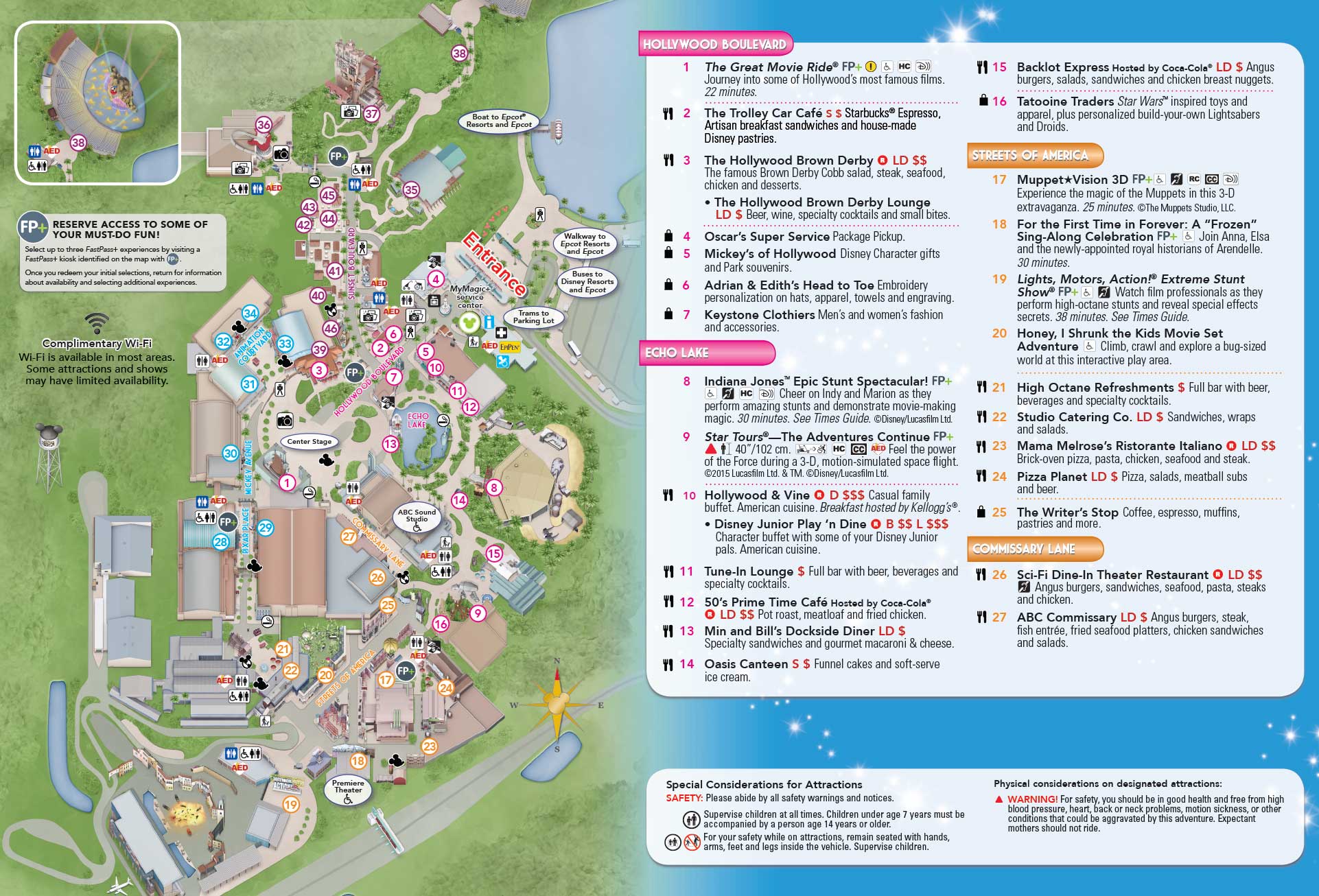
dhs_map_2016_aHere is a map of Disney’s Hollywood Studios today. Notice anything?

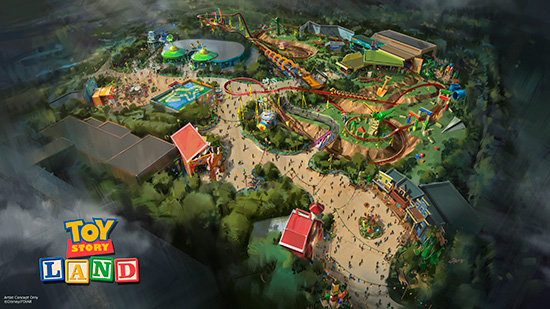
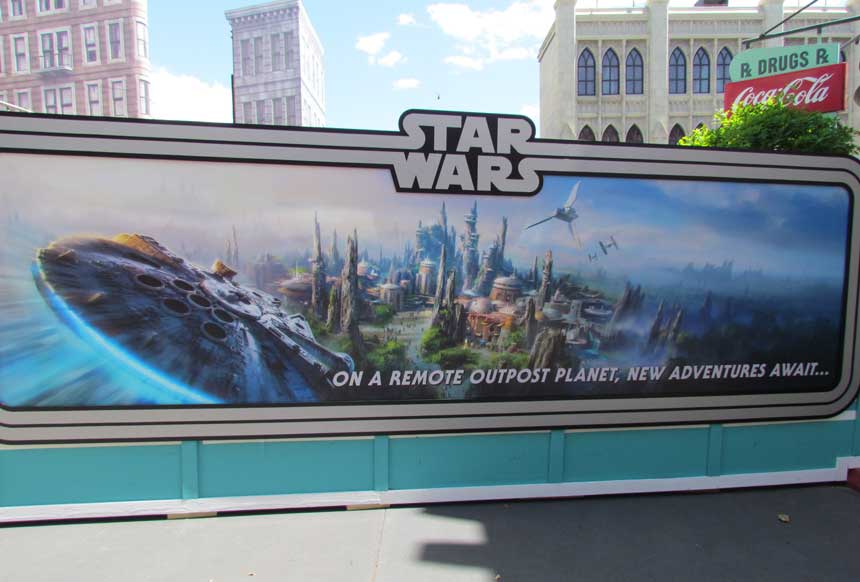
DHS_TSL_WallIt is clear that this park is continuing to truly find and solidify its identity. If you look at the map above, you will notice that there are far fewer offerings than in the mid-late 2000s at DHS. This new season of DHS is simply the next in a long history of fluctuations. Originally designed as a half-day park, it appears as though DHS is unofficially returning to that model–for now, anyway. Once RRC closes (even though it is for a relatively short time), there will only be a few rides left: Star Tours, Great Movie Ride, Tower of Terror, and Toy Story. As far as other attractions, guests will still be able to enjoy Indiana Jones, Frozen, Beauty and the Beast, Fantasmic, Little Mermaid, and Muppet Vision 3D. Comparing that list to what was offered in DHS’ prime years, the offerings are somewhat anemic. Although it is too early to announce a target opening date for either Toy Story or Star Wars Lands respectively, Disney is known for prolonged expansion construction. So, it is safe to assume that we are looking at 3-5yrs until the lands open. The danger in closing so many attractions over the years and nearly cutting the park in half (when it was already small) is a potential side effect of a significant drop in guest numbers. Hopefully, the numbers will climb back up once the lands open. DHS_SWL_WallThat being said, here is an idea. It’s no secret that Disney is presently losing out to Universal. Of all the parks, DHS is definitely seeing the sharpest decline in numbers (which translates to revenue). Not knowing what the daily operating cost of the park is, I can only speculate; but,  WDW may be in a better position if it were to completely close DHS for 18-24mos and ramp up the construction of Star Wars and Toy Story. With the park remaining open, the construction moves more slowly than if the entire park were to shut down. Cities have proven that this approach works when it comes to massive repairs or expansions of expressways. Would you rather keep a park open that has a few attractions and the new lands take twice as long to build or would it be better to close the park (which could potentially save money in the long run) and the lands open up in half the time? Whatever the case, it’s definitely something interesting to think about. All we can do is watch as Disney’s “movie” based theme park transforms yet again. On the plus side, the new lands look awesome! I will, though, miss the magic of the movies at this park.

Me and my sister during her first trip to Disney World.

Me and my sister during her first trip to Disney World.

“On Cinema and Theme Parks” (part 5)

My Book

Over the decades, there has been a strong convergence between cinema and theme parks. Studio executives, filmmakers, and theme park designers are working together in ways that serve to support both the movies and the parks that have rides based on the movies. Historically, the beginning of the convergence of cinema and theme parks became apparent in the late 1970s. Following the decline and eventual fall of the original Hollywood studio system in the 1960s, there are some areas that have changed in the production of films (and other entertainment media). According to Allen Scott of UCLA in the writings of Dr. Ralph Casady (1957), some of the changes and transitions dating back to the 1970s are: (1)The penetration of digital technology into all stages of motion picture production (2)The intensified geographic decentralization of production in the greater LA area (3)The proliferation of new markets based on the cross-promotion of intellectual property rights (4)The increased penetration into themed entertainment and video gaming and (5)The merging of, or buying out of major studios by giant multinational media conglomerates (2001). Along with anti-trust government regulation as a result of the Paramount Decision* and the reluctance of big banks to continue to finance motion pictures, film studios were forced to seek new revenues from other sources.

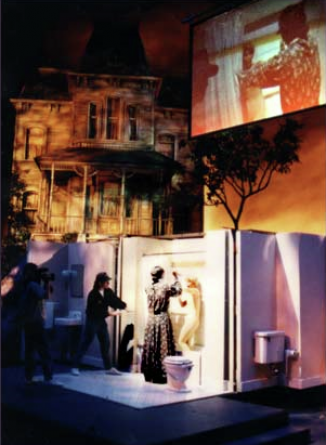
Inside the show building from the former Hitchcock: the Art of Making Movies attraction at Universal Studios Florida.

Inside the show building from the former Hitchcock: the Art of Making Movies attraction at Universal Studios Florida.

More than ever, filmmakers and attraction designers need to know what the cinema patron and park guest both want in order to create a synergistic and dynamic entertainment experience based on a single narrative. The idea is to generate a similar or complementary emotional response during the themed attraction to that experienced by the movie patron during the respective movie. According to researchers Enrique Bigne, Louisa Audreu, and Juergen Gnoth (2004) of Tourism Management, visitor emotions, in a theme park environment, influence satisfaction and behavioral intentions; and, emotions consist of two independent dimensions: pleasure and arousal (2004).  Theme parks are a form of leisure activity because they provide an opportunity for entertainment during an individual’s discretionary time (Milman, 1991). More specifically, movie-based theme parks provide live themed entertainment experiences that immerse the individual into the world of filmmaking or into the narrative itself. As media conglomerates continue to grow and acquire theme park properties (either through the development of new or re-envisioning of old ones) and intellectual property licenses, the popularity of movie-based theme parks will likely continue to grow.

(Check out what you missed by buying my book on Amazon)

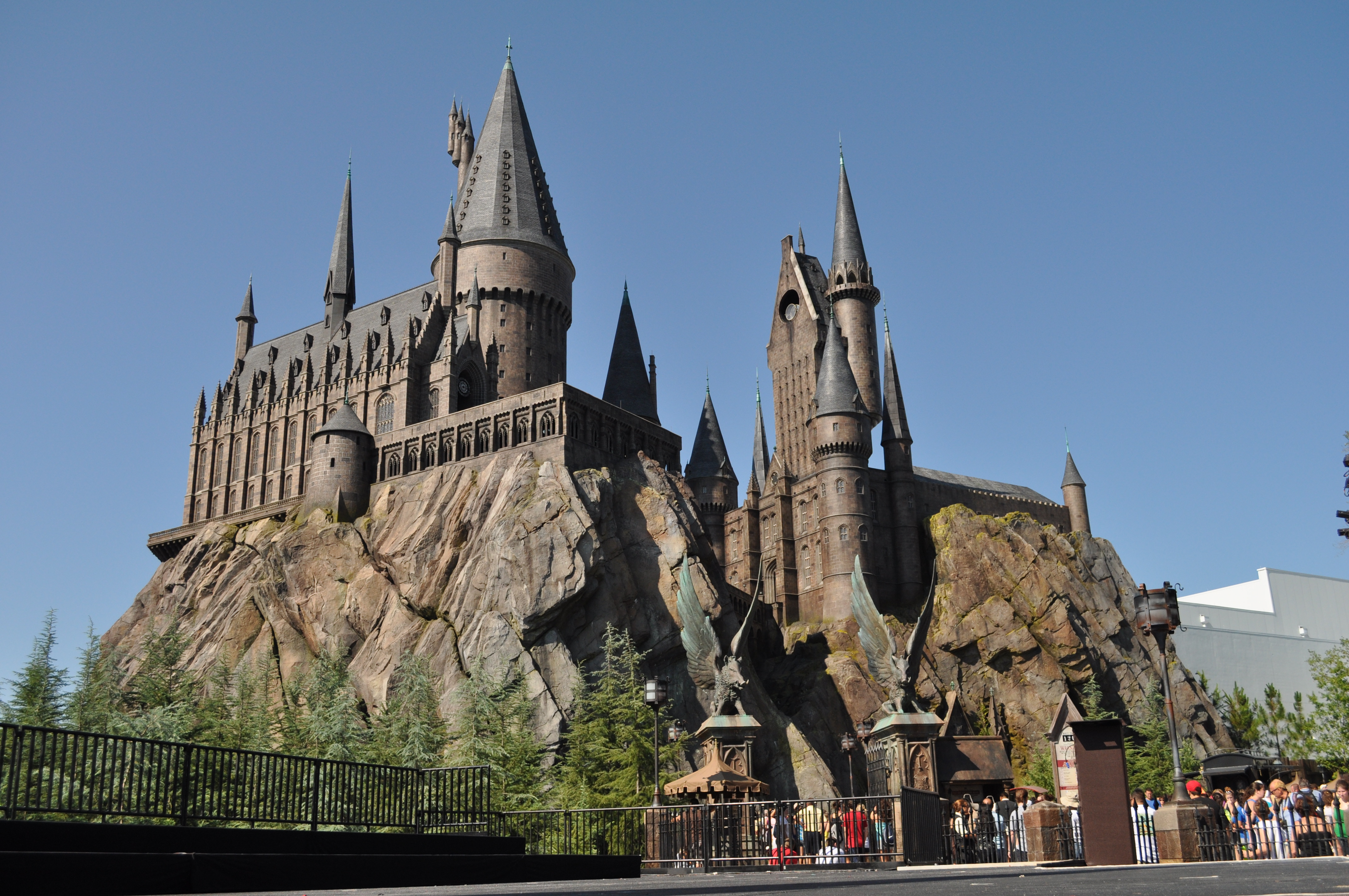
Harry Potter and the Forbidden Journey at Universal's Islands of Adventure

Harry Potter and the Forbidden Journey at Universal’s Islands of Adventure

The creators of theme park attractions from movies have to keep in mind two areas to communicate through the attraction: (1) selecting elements from the setting, characters, and narrative to translate; (2) Translating the aforementioned elements in a manner which can be communicated in a physical, tangible, multisensory way. Theme parks have traditionally used two models for cinema-based attractions. Examples of these models can be found at the Universal Studios Florida park (Failes, 2014). One model is the behind the scenes of movie-making and the other model is the ‘ride the movie’ concept (“ride the movies” is the original slogan for Universal Studios Parks). The former is traditionally more of a stage show that takes the park guests on a journey through the production process of a movie (i.e. Earthquake: Ride it Out or Hitchcock: The Art of Making Movies). The latter is usually a more conventional amusement ride that involves moving vehicles through the world and characters of the movie, often facing some sort of challenge within the narrative (i.e. Harry Potter: The Forbidden Journey and StarTours: The Adventure Continues). In recent years, there has been a move from the “behind the scenes” rides/shows to more participatory rides, placing the park guest into the narrative as a de facto character from the movie.

* U.S. V. PARAMOUNT PICTURES, INC., 334 U.S. 131 (1948) The US Government forced the eight major/minor studio players to end the practice of block booking (meaning, films would now be sold on an individual basis), divest themselves of their respective theatre chains (sell them off), and modify the practice of long-term employee contracts (though, this would continue until the 1960s). This marked the beginning of the end of the Studio System, AKA Hollywood’s decentralization.

For previous articles this series, click here:

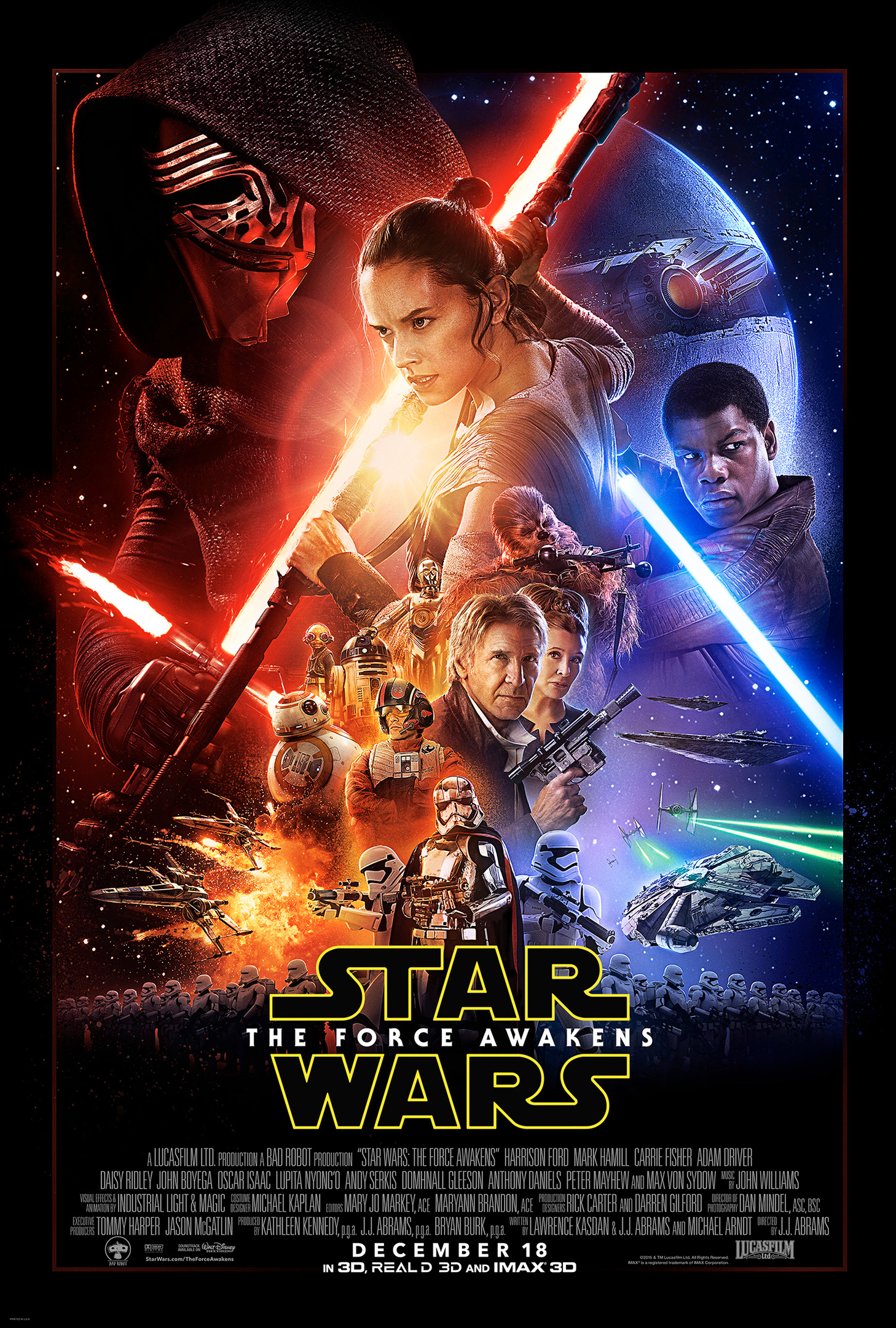
“Star Wars VII: The Force Awakens” movie review

Star Wars VIIThe force awakens…then realizes it’s done this all before and should’ve stayed in bed. Return to that time long ago in a galaxy far, far away. Relive that first moment you saw Star Wars IV and fell in love with the franchise, because you are pretty much getting a plot so similar that you may wonder if the rest of this new trilogy will just continue to rehash and polish what’s all been said and done before. A more appropriate title for this visually stunning film would have been Star Wars: DejaVu or Star Wars: Revisited. No doubt that this film will indeed perform well this weekend; but that has a lot to do with the fact that so many people will view this film through an augmented reality and perceive it to be better than it actually is. The Big D can do no wrong, right??? All that being said, J.J. Abrams once again proves that he is a master at visual storytelling and his films are of a high caliber from a technical achievement perspective. The cinematography and editing are nearly flawless and really help to mesmerize the audience and impress even those who are generally not impressed by visual graphics and sound design. Watching the screen as familiar faces reprise the roles that cemented them in cinema history is nostalgic and heartwarming. Unfortunately, the writers should have spent more time developing a NEW story versus relying upon nostalgia.

With Luke Skywalker (Mark Hamill) in hiding, the Resistance, which has birthed out of the old rebellion, needs to find him in order to defeat the The First Order, a new world empire developed out of the ashes of the old Empire. In an effort to avoid capture, BB8 meets Finn (John Boyega) and Rey (Daisy Ridley). Through a series of events, this small band of rebels encounters the legendary general and smuggler Han Solo (Harrison Form). Working together, they need to get the information in this BB unit to the resistance so that The First Order may be stopped. Leading The First Order is Kylo Ren, a masked, dark, and menacing Sith under the direction of the Supreme Leader. Follow familiar and new faces on a journey through the galaxies to stop this new empire from destroying all that is good.

Put simply, this film relies too heavily on the previous movies, thus prohibiting a new story to “awaken.” It was made known early on that Abrams desired to create a new old-school Star Wars sequel to the original trilogy. And in many ways, he did just that. The problem is that it is way too old school and forgets that this movie was also responsible for relaunching the dormant (as far as theatrically released movies) franchise and introducing something truly new. He was so concerned with pleasing everyone–old fans and new ones alike–that he ended up not pleasing anyone who is willing to step back and actually examine the film as a film. All this film did was reuse past plots and forget to give the eager audience and fanbase something legitimately new after waiting so long. The overall plot, locations, and characters lack anything newly appealing. The movie even begins on a desert planet and ends with the destruction of a “not” Death Star–but it basically is–just larger.

With more than half of the movie consisting of space travel and battle sequences, you will wonder if you are actually playing Star Wars: Battlefront. Why? Because it looks and feels very similar to a highly developed video game that includes film sequences to transition to the different chapters or levels. Just pick one of the characters in the film and you can almost feel yourself moving them with your controller. One of the most memorable elements to the original trilogy is the nearly unparalleled cinematic villain–and the one who many try to be but fail–Darth Vader. Don’t worry, “there is another” as Yoda put it in Empire Strikes Back. However, this new “Vader” will leave you wondering how the writers thought he (Kylo Ren) could even come close to filling Vader’s boots and mask. From the mask to the red lightsaber, Kylo Ren appears to be just as menacing as Lord Vader. And there was some promise there. Unfortunately, the writers took any potential of a comparable sinister villain and essentially emasculated him when he removes his mask to reveal a guy in his 30s with luscious wavy hair. After that, it is impossible to take Kylo Ren seriously as a villain for the remainder of the movie.

Before you jump to the conclusion that the writing in general was poorly developed and executed, just wait a moment. Actually, the writing includes some comedic relief, moderately intense moments, with some pretty decent rushed character development, and sufficient exposition. The problem with the writing lies in the overly used plot elements and past Star Wars tropes. The script essentially lives in the past even though there are parts of it that want to live in the present. Leaving the audience thinking that they’ve seen this all before, the writers fail to include anything new and interesting. Instead of coming across as a much-needed sequel or revival, the film plays out as a reboot. There isn’t anything innately wrong with reboots of old, beloved franchises; but Disney and Abrams indirectly promised the sequel that never was but should have been after Return of the Jedi. Sequels are required to advance the story, introduce significantly new material, and move the plot along. The Force Awakens can easily be interpreted as 3/4 reboot and 1/4 sequel.

Visually, the film is cinematically brilliant! The sound design is also incredibly well executed. Even the score is beautiful. What one can appreciate about the score is that there is familiar music wrapped in a completely new score. Too bad the plot didn’t takes notes from John Williams on how to include the old but advance the new. There is no doubt that this movie will be nominated, if not win the Academy Awards in the technical achievement areas–and it deserves them. Honestly, I think some of the editing and graphics team from this movie should work on improving the graphics in the next Jurassic installment. Abrams promised that he would go back to practical effects and merely enhance them with digital effects, and he did just that. The combination played out very well and impressed me. He may not have delivered the movie that Star Wars fans wanted to see, but he did keep his promise to not rely on cheap digital effects as a large part of the design.

If you want to relive the first time you saw A New Hope, then here is your opportunity. It’s basically the same movie, but looks way more impressive. For those who wanted an actual sequel to resurrect this piece of Americana, then you may be disappointed. I really hope the next installment will give me something new. At the end of the day, the movie is certainly entertaining; and seeing Carrie Fischer, Harrison Ford, Mark Hamill, C3PO, and R2D2 on screen again, in their most iconic roles, is just plain cool and heartwarming. The nostalgia will certainly bring some to tears. And I also want to point out that this IS a fantastic film for a family, whether diehard fans or not, to spend some time together over the holidays at the movies.