Innovative New Interactive “Harry Potter” Dark Ride Coming to Universal Orlando?

WWHP_LogoRecently, there have been rumors floating around regarding a possible new addition to Universal Orlando’s Islands of Adventure. Between the recent acquisition of the film rights to the Harry Potter franchise and the the newly uncovered patent, these evidences provide support that assists in substantiating these rumors; however, there has yet to be a formal announcement. This possible new addition brings up some issues to consider. Already, there are park regulars who are not welcoming this decision. Why not? Because Universal would tear down the Dragon Challenge (formerly Dueling Dragons) roller coaster in Hogsmeade and replace it with an interactive dark ride that would enable park guests to test out their technique and spells. Think Toy Story Midway Mania but perfected and with an increased experiential factor. Even before this rumor, Universal is increasingly being thought of as a theme park overrun with 3D screen attractions. Anecdotally, this is an accurate observation since the most recent additions to the park are all on similar ride platforms (just with different thumbing). One of the elements that I have researched is the requirement that the park guest experience physical movement and be emerged into a psychical atmosphere that transports the guest from the real world into a world of fantasy, adventure, or horror. Although this new ride sounds impressive and innovative, it bears a striking resemblance to many of the attractions that already exist. While no one would really complain about an indoor attraction, as Florida is notoriously hot and humid more than half the year, the concept of a ride moving in front of 3D screens does not appear to be eliciting the response that was intended.
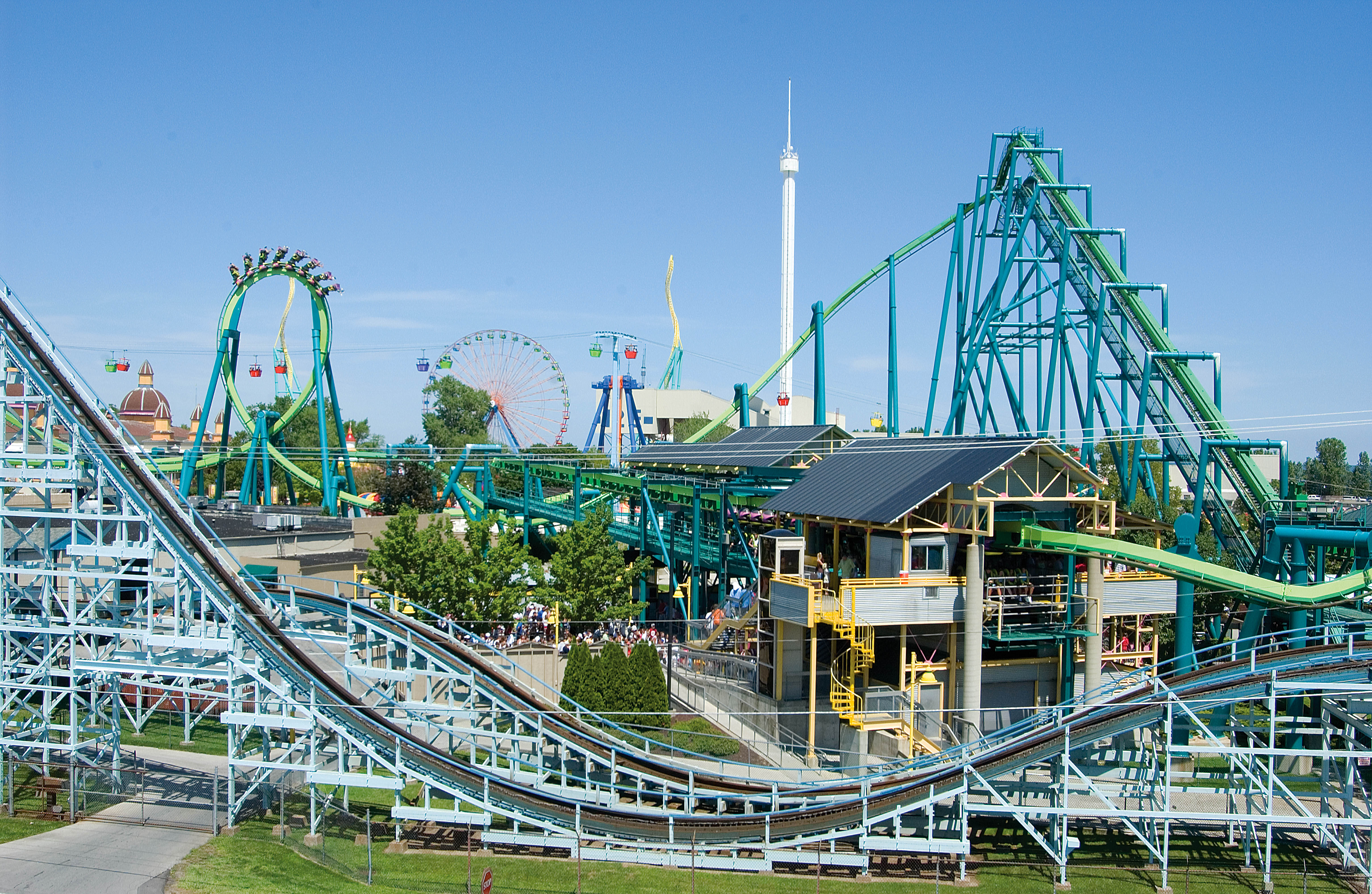
CedarPointOne of the primary elements that separates a theme park from an amusement park is the concept of continuous storytelling complete with proprietary theming. While amusement parks build more rollercoasters and other visceral thrill rides, theme parks create thrilling atmospheres and experiences. It’s a fine line. Take Cedar Point v. Walt Disney World for instance (while ignoring the former’s seasonal operation). Both parks offer amusement, thrill, and entertainment; yet, they are both vastly different experiences. Remember in geometry: while both are polygons, every square is a rectangle but not every rectangle is a square? That principle applies to this analogy as well with WDW being the square and Cedar Point being the rectangle. What makes the difference? Intellectual property, theming, and story. If one were to total up the number of roller coasters or traditional thrill rides at both Cedar Point and WDW respectively, obviously Cedar Point’s numbers would dwarf WDW’s. That’s because the focus of the park experience is different at both places. The focus of Cedar Point is on the thrill while the focus at WDW is the experience (or immersion). The former does not adhere to any cohearant or continuous theming while the latter has built a vast empire on theming and story. A similar argument can be made with cinema. Literary and cinema researchers Linda Williams and Geoff King both write about narrative vs spectacle. Amusement Parks like Cedar Point are almost entirely focussed on the spectacle of the park experience while WDW concerns itself more with the narrative of the experience (although, WDW does strike a balance between the two). Much like WDW, Universal Orlando Resort (and Universal Studios Hollywood) seek to create a thrilling atmosphere complete with rides, shows, and a high caliber experiential factor. Whether it’s the story OF the movies or about the stories told by cinema, Disney and Universal Parks transport the park guest from reality into fantasy.
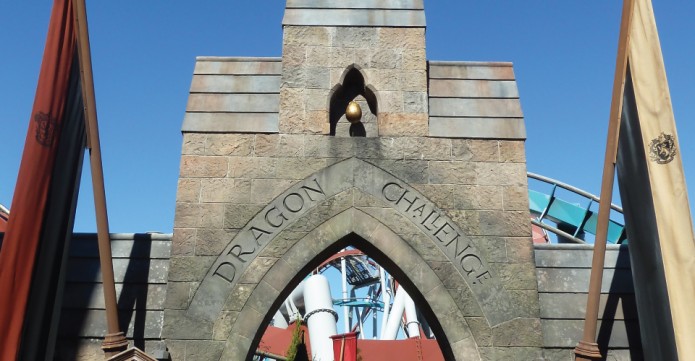
Dragon-Challenge-695x361So, what does all that have to do with this possible (but likely) new Harry Potter dark ride at Universal’s Islands of Adventure (IOA)? A lot, actually. The controversy or concerns seem to stem from Universal’s trend away from physical to virtual environments. Not that 3D/virtual environments aren’t accompanied by the physical. For example, Escape from Gringotts pairs simulated elements with physical production design; however, there is a measurable trend to relying heavily upon 3D IMAX screens as opposed to tangible production design. A great example of this trend is the new King Kong attraction at IOA. The outside of the show building and the queue are impressive. It looks and feels just like you are a character in the movie–cool right? After you pass through the massive gates to Kong’s jungle, the attraction is 75-80% 3D screens. Likewise, the Transformers attraction at Universal Studios Florida/Hollywood is also comprised of mostly 3D screens.

DragonChallengeLosing a traditional roller coaster in exchange for another 3D dark ride could likely rub some park guests the wrong way. Although park guests of the Disney and Universal Parks are there for the experience, story, and incredible themed design, this does not negate the desire for more traditional amusement within these worlds of fantasy. Looking at the parks of Central/West Central Florida, it is clear that Busch Gardens has the largest number of roller coasters, and there are many park regulars, including myself, who go there for the traditional thrill rides. On a side note: I also find the methods Busch Gardens integrates the animal encounters and experiences outstanding–best of what a zoo and amusement park offers. Anyway. With Universal possibly removing a roller coaster that can cycle guests very quickly (due to the two tracks of Fire/Ice) and replacing it with a greatly mitigated cycling attraction like a 3D dark ride, it could prompt longer waits for a similar experience (Transformers v Spider-Man) that can be had at the other 3D attractions. Another forecasted closure in the near future is Revenge of the Mummy. Again, this is a popular traditional (indoor) high speed roller coaster that may be replaced by a 3D style attraction. Even though Universal and Disneyland has to work around issue of being land-locked when planning expansions and improvements whereas WDW has geographic room for expansions, is replacing traditional roller coasters with 3D dark rides the way to go?

I am totally excited for expansions to the Wizarding World of Harry Potter (WWHP) in light of the film rights acquisition and the new movies. I am even more excited to see additions made to the parks that I frequent the most! However, I don’t believe it best planning to sacrifice more traditional rides. The best solution would be to design an attraction that would provide a platform for gusts to test out their magical skills while experiencing the visceral thrill of a coaster type ride. As with all industries, theme parks too have to change with time and with the desires of those who buy the tickets. Theme parks are a business model usually owned by media conglomerates. If the addition of 3D attractions is what increases revenue, then that is the decision that is to be made. The business of filmmaking is also very similar in that respect. I hope that the possible new attraction is one that breaks the mold of the typical 3D screen moving ride and reaches new innovative design heights! We will just have to wait and see and we learn more about these upcoming changes.

DCA’s Hollywood Tower Hotel Under New Management

TOT_DCA_GGThe recent news of the Guardians of the Galaxy makeover of the iconic Tower of Terror (TOT) ride at Disney’s California Adventure has many, if not most, fans of the attraction up in arms. Apparently, it was not being guarded too well. Suffice it to say, those of us who spend a great deal of time in the parks (for me, it’s the Florida parks mostly), we are accustomed to seeing iconic attractions go by way of Jaws: the Ride. That does not mean that one ever gets used to or accepts it; but the fact is that the theme parks have to evolve in order to keep up with those who bring in the most revenue (kids and teenagers, because of their parents or grandparents). Of course, some evolutions are better left in AutoCad. With the Walt Disney Company unable to integrate the Marvel IP into the Florida parks to any significant extent (in terms of attractions), it seems the only choice is to overhaul the Disneyland Resort (DLR) near Los Angeles…

At first, many theme park enthusiast must be wondering why??? However, exploring this recent news from a critical perspective reveals that it is a business decision, plain and simple. As I have written many times, theme parks are glorified arms of revenue–a business line item–that are designed to be cash cows, instant revenue. Most likely, the DLR company conducted surveys and focus groups concerning a proposed idea to refit the Twilight Zone Tower of Terror with Guardians of the Galaxy. Although it is expected that some attractions have to be removed or retrofitted, there are certain attractions–especially in the Disney Parks–that should not be touched. The Disney Parks more so than the Universal Parks rely upon nostalgia. In many ways, this modification of the TOT at DCA is sacrilegious to the original theme of the parks and will upset many people. With the massive refurbishment of TOT, this leaves park regulars and future tourists wondering what iconic attraction is next. If TOT is not safe, then is any attraction safe from elimination??? But, is retheming an attraction always met with disdain? Certainly not. When the 20,000 Leagues Under the Sea attraction at Disneyland Park received its Finding Nemo refurbishment, it was generally met with excitement and praise. That is probably because the soul of the attraction was left in tact. By extension, it could be said that retheming Mission: Space at EPCOT with a Guardians of the Galaxy makeover would actually be welcomed and appreciated as that attraction is getting dated and simply does not see even half the guest numbers that it once did. But should Spaceship Earth get rethemed to a Marvel IP? Definitely not. There are attractions that need to be rethemed or reimagined every couple of decades or so, and then there are those which are best left alone for all to appreciate over the years. But how to know the difference? That’s the question.

Many theme park researchers and fans alike never thought that ToT would become extinct; that is until the rumors began floating around in the last year or so. Much like Universal Studios Florida, Disneyland Resort suffers from lack of room for expansion. Yes, I am aware the Universal has acquired more land recently; but for argument sake, it is important to be able to compare the two. One reason why Universal needed to retheme and replace entire attractions is because it did not have the luxury of expansion until recently. So, the only way to integrate new offerings into the parks was to replace existing ones. Much in the same vein, DLR is also landlocked; and in order to integrate new offerings, it too has little choice but to replace or retheme existing attractions or lands. Accepting the fact that DLR has limited room for geographic expansion, leaves only one alternative: continue to modify the park every 15-20 years or so. The largest source of revenue for theme parks are kids and teenagers. Not that young and older adults do not add large numbers; but the families with kids and teens are the ones who bring in the most revenue due to multiple family members needing multi-day tickets and potentially several nights in a hotel. For every one or two people going to the park alone or together, there is likely one or two families or groups of 4-6 or even more who are also going. Think of it as a 1:4 ratio (and that is probably conservative). Much like Disney’s Hollywood Studios is almost losing its identity with and connection to the magic of filmmaking, with the massive addition of Star Wars and Toy Story Lands, DCA looks like it is also shedding its story of California and Hollywood and dawning the dominant theme of Marvel and Cars. Yes, the parks are integrating movies but not in the same way that the parks were originally designed.

Why is losing its original identity an important part of the equation on whether something is considered a legacy attraction or not? Because once the identity of old Hollywood or the magic of filmmaking is stripped away, then what was once seen as iconic or legacy no longer has that image or appeal. If DCA no longer represents Old Hollywood, gold rush California, or beachside amusements, then the Hollywood Tower Hotel no longer seems relevant. Although many people recognize the Twilight Zone music, it is safe to say that most kids and teens do not know what the Twilight Zone is or was. They don’t know that it was a groundbreaking anthology series in TV’s earlier days. So, if those who are not driving the most revenue into the parks do not understand the significance or nostalgia of the Twilight Zone, if they do not see the park as representing Old Hollywood or filmmaking, and if they have never seen the Tower of Terror movie, then that attraction becomes a prime target for a complete overhaul or massive refurbishment. Essentially, it is like a member of a royal family getting striped of his or her title under a new monarchy. Simply stated, it is apparent that the Twilight Zone Tower of Terror no longer qualifies as a legacy attraction at DLR.

We can analyze this decision all day long and arrive at a litany of conclusions or rationale for why this was or was not a good decision; but the fact of the matter is, unless things change, the ToT at DCA is going to become a Guardians of the Galaxy attraction. In my personal opinion as a theme park enthusiast and long-time fan, I am saddened to see this attraction get replaced by a newly acquired IP; but, the analyst in me can understand why the company is making that decision. Looks as if the Tower of Terror left it “guard” down. Perhaps the new theme will be a success! However, that success comes at the cost of an opening day attraction that many will miss.

“On Cinema and Theme Parks” (part 8)

My Book

For the movie studio (or media conglomerate), the theme park provides a seemingly limitless opportunity to cross-promote imagery and narratives from the screen into the park. This accomplishes the desire to advertise new movies and television programs and to sell merchandise pertaining to the various movies and themes that the park showcases. Either way, this two-fold process generates income to sustain the endeavors of the company (Davis, 1996)

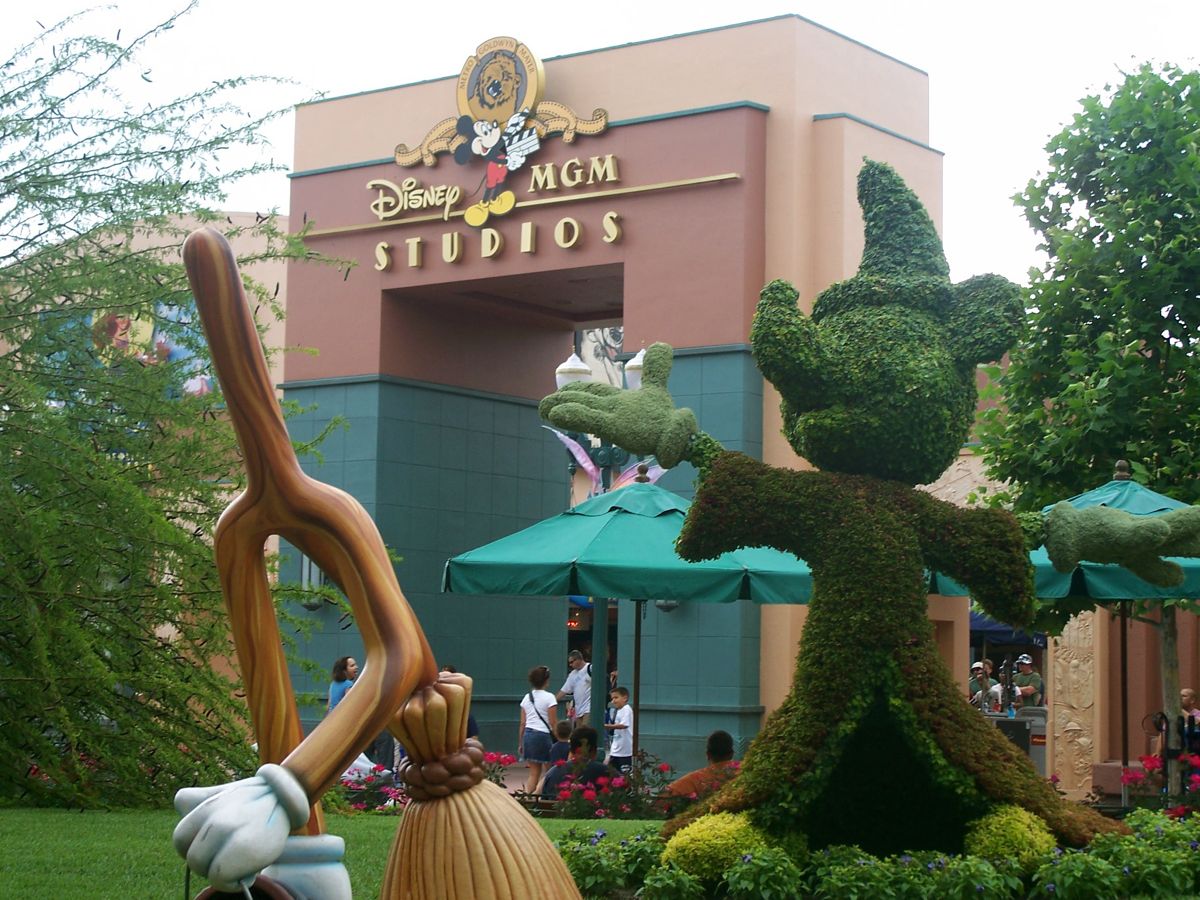
Unlike SeaWorld Parks and Entertainment and Cedar Fair (parent company to Cedar Point), Disney and Universal use their parks for more than cross-promotion and merchandising opportunities. Until the late 1990s/early 2000s, they also used their parks as production studios and offices that acted as a counterpart to the Hollywood divisions (StudioCentral.com). The television channel Nickelodeon also operated two sound stages plus production offices at Universal Studios Florida (Riley, 1998). So, in addition to using the intellectual property provided by the movie and television studios, the two media giants used their parks as production facilities to create new media and entertainment content and create production jobs in Central Florida (Milman, 2001). Beyond MGM’s timeless logo featuring the Latin inscription ars gratia artis (art for art’s sake) surrounding Leo the Lion, the cinematic works and television programs can be converted from visual art to commodities because they now have a material place to exist in the real world accessible by millions.

DisneyMGMIn essence, the entertainment elements and advertising materials are so thoroughly fused that it is nearly impossible for the average park guest to tell them apart. Beyond the surface level of movies and theme parks, there is evidence that, when planning a blockbuster movie, the studio has it in its mind whether of not this movie would be good to ride or be used as a theme in a park for shows and other attractions. Susan Davis (1996) explains that the media conglomerates, that primarily run the theme park industry, can pull from other media resources by way of acquisitions, partnerships, and licensing in order to grow and widen audiences and park guests. A classic example of this is the (no longer active) partnership Disney had with MGM Studios. Disney’s licensing deal with MGM allowed the company to use the iconic MGM logo and pull from its film library.

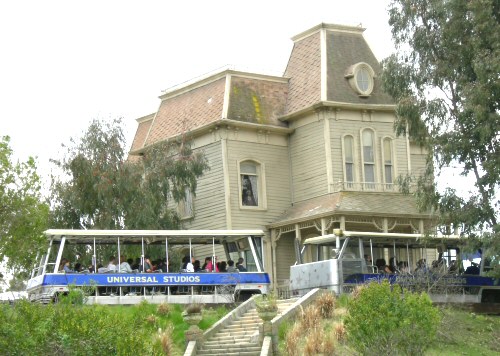
2006_psychotramIt’s well established that theme parks are an outlet for the parent companies that own them, and the movie studios they also own, to act as conduits for one another: the end result being cash flow. But, there are different ways of utilizing the cinema to benefit the theme park experience (Riley, 1998). Whereas Disney uses the characters in its movies to bolster the parks’ influence, Universal Studios (Hollywood and Florida) took a different approach (although, Universal is trending toward the Disney model in recent years). Universal Studios uses its studio tour(s) to blend labor with spectacle (Murdy, 2002). This offers the park guests a glimpse into how films are made. In recent years, this has provided less of a pull since it is common knowledge that a large portion of filmmaking exists within a computer. Universal Studios presents cinema and television history, production techniques, and special effects to impress the audiences and guests. So, one could assess that Universal Studios parks are self-reflexive in their choice of entertainment. At least this was true until park guests demanded more thrill rides and less education and appreciation for film and television art and history (Murdy, 2002).

Find out what you missed by buying my book on AMAZON!

To return to the beginning of this series, click HERE

“On Cinema and Theme Parks” (part 5)

My Book

Over the decades, there has been a strong convergence between cinema and theme parks. Studio executives, filmmakers, and theme park designers are working together in ways that serve to support both the movies and the parks that have rides based on the movies. Historically, the beginning of the convergence of cinema and theme parks became apparent in the late 1970s. Following the decline and eventual fall of the original Hollywood studio system in the 1960s, there are some areas that have changed in the production of films (and other entertainment media). According to Allen Scott of UCLA in the writings of Dr. Ralph Casady (1957), some of the changes and transitions dating back to the 1970s are: (1)The penetration of digital technology into all stages of motion picture production (2)The intensified geographic decentralization of production in the greater LA area (3)The proliferation of new markets based on the cross-promotion of intellectual property rights (4)The increased penetration into themed entertainment and video gaming and (5)The merging of, or buying out of major studios by giant multinational media conglomerates (2001). Along with anti-trust government regulation as a result of the Paramount Decision* and the reluctance of big banks to continue to finance motion pictures, film studios were forced to seek new revenues from other sources.

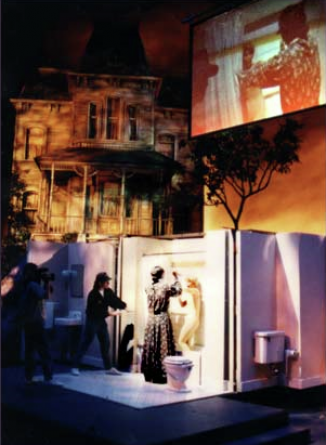
Inside the show building from the former Hitchcock: the Art of Making Movies attraction at Universal Studios Florida.

Inside the show building from the former Hitchcock: the Art of Making Movies attraction at Universal Studios Florida.

More than ever, filmmakers and attraction designers need to know what the cinema patron and park guest both want in order to create a synergistic and dynamic entertainment experience based on a single narrative. The idea is to generate a similar or complementary emotional response during the themed attraction to that experienced by the movie patron during the respective movie. According to researchers Enrique Bigne, Louisa Audreu, and Juergen Gnoth (2004) of Tourism Management, visitor emotions, in a theme park environment, influence satisfaction and behavioral intentions; and, emotions consist of two independent dimensions: pleasure and arousal (2004).  Theme parks are a form of leisure activity because they provide an opportunity for entertainment during an individual’s discretionary time (Milman, 1991). More specifically, movie-based theme parks provide live themed entertainment experiences that immerse the individual into the world of filmmaking or into the narrative itself. As media conglomerates continue to grow and acquire theme park properties (either through the development of new or re-envisioning of old ones) and intellectual property licenses, the popularity of movie-based theme parks will likely continue to grow.

(Check out what you missed by buying my book on Amazon)

Harry Potter and the Forbidden Journey at Universal's Islands of Adventure

Harry Potter and the Forbidden Journey at Universal’s Islands of Adventure

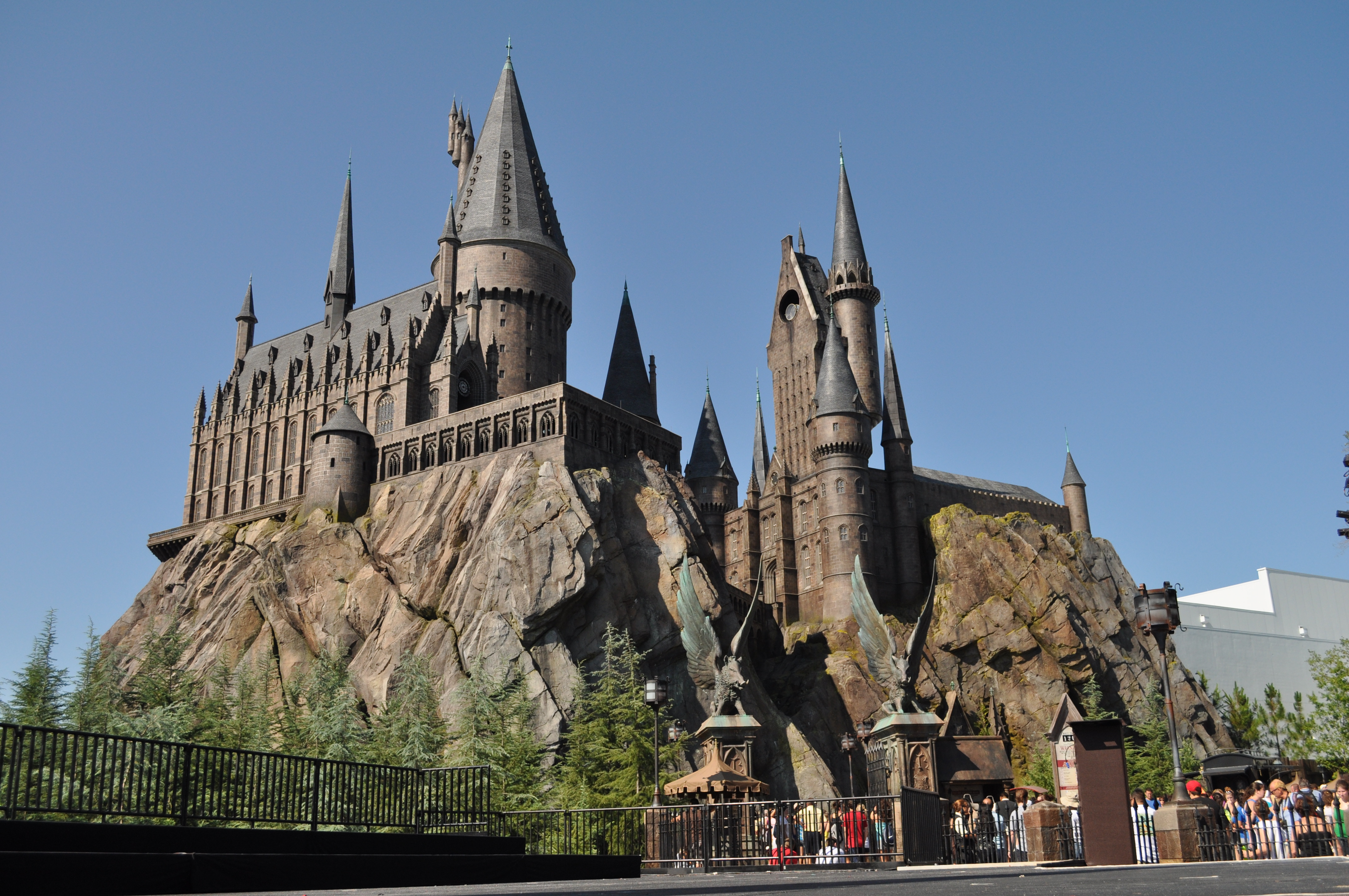
The creators of theme park attractions from movies have to keep in mind two areas to communicate through the attraction: (1) selecting elements from the setting, characters, and narrative to translate; (2) Translating the aforementioned elements in a manner which can be communicated in a physical, tangible, multisensory way. Theme parks have traditionally used two models for cinema-based attractions. Examples of these models can be found at the Universal Studios Florida park (Failes, 2014). One model is the behind the scenes of movie-making and the other model is the ‘ride the movie’ concept (“ride the movies” is the original slogan for Universal Studios Parks). The former is traditionally more of a stage show that takes the park guests on a journey through the production process of a movie (i.e. Earthquake: Ride it Out or Hitchcock: The Art of Making Movies). The latter is usually a more conventional amusement ride that involves moving vehicles through the world and characters of the movie, often facing some sort of challenge within the narrative (i.e. Harry Potter: The Forbidden Journey and StarTours: The Adventure Continues). In recent years, there has been a move from the “behind the scenes” rides/shows to more participatory rides, placing the park guest into the narrative as a de facto character from the movie.

* U.S. V. PARAMOUNT PICTURES, INC., 334 U.S. 131 (1948) The US Government forced the eight major/minor studio players to end the practice of block booking (meaning, films would now be sold on an individual basis), divest themselves of their respective theatre chains (sell them off), and modify the practice of long-term employee contracts (though, this would continue until the 1960s). This marked the beginning of the end of the Studio System, AKA Hollywood’s decentralization.

For previous articles this series, click here:

On Cinema and Theme Parks (part 3)

Continued from Part 2My Book

Some of the most impressive and revolutionary changes to the movie-based theme parks came to fruition in the 1970s and 1980s. This is the time that horror became the chief source of inspiration for attractions at Universal Studios Hollywood (Riley, 1998). The ride that ushered in the plethora of attractions based on some of the best horror movies of all time was Jaws. JawsThe Jaws Ride was opened as part of the studio tram tour in 1975, and was an immediate hit with the park guests. It was quickly followed by Kongfrontation and Earthquake: Ride it Out (Murdy, 2002). Just as audiences are fascinated by horror movies and seek to watch that which would be repulsive in real-life, they are equally interested in immersing themselves into the experience by way of a theme park attraction. This phenomenon is not limited to horror movies, because rides like Jurassic Park the Ride (Jurassic Park River Adventure in Florida), Revenge of the Mummy, and Pirates of the Caribbean beckon millions of guests a year (IAAPA, 2014). In addition to attractions based on the movies, movie studio executives and theme park engineers created attractions that embody what Carl Laemmle first envisioned, by taking the audience behind the magic of the movies. This is the case with the (now closed) Backlot Tour at Disney’s Hollywood Studios and Hitchcock: The Art of Making Movies at Universal Studios Florida (Murdy, 2002). The relationship between the cinema and theme parks is a strong one and creates an energetic synergy that entertains millions of people each year.

Not every movie-themed attraction is a smash hit with the guests, just like not every big-budget movie is a hit with movie patrons. Although well-intentioned by the producers of both, or even the media conglomerate that has major investments in or owns both, may desire and believe they did what it took to create the next blockbuster ride or movie, sometimes the guests fail to view the movie or attraction with the same lens the designers and backers used to create the film or ride. In terms of movie or intellectual property-based attractions, major theme parks can make mistakes or lose out because of the ownership of some parks changing from one conglomerate to another.

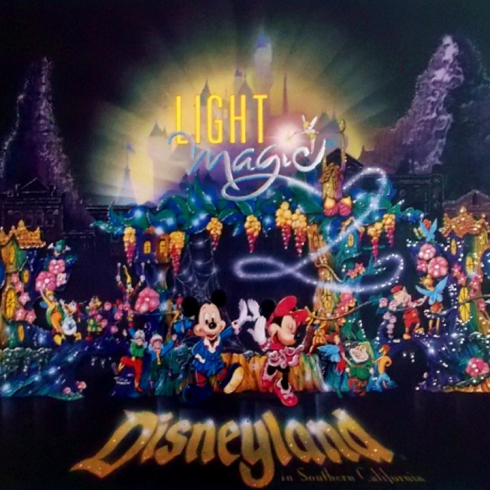
LightMagicNot every flubbed theme park attraction is a “ride;” sometimes it is a show or parade. The failure of a show/parade can be seen in the four month—yes, four—run of Disneyland’s Light Magic “street-tacular” (Krosnick, 2014).  More than another light parade, Light Magic condensed the number of parade floats ordinarily expected in a Disney parade to four large stages that, along the parade route, would burst into light, pyrotechnics, and digital projections. It was complete with a pantheon of Disney characters and music. Unfortunately, if you chose to stand in the wrong spot, all you get is darkness and vaguely familiar shapes of characters. Following a very poor reception by Disneyland passholders, the negative word of mouth was so severe that it effectively caused the closure of the new entertainment offering that sent $20MIL down the drain.

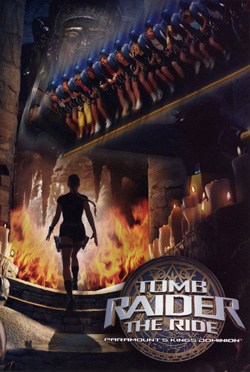
TombRaiderRideAccording to Theme Park Tourist (2014), popular seasonally operating Paramount’s Kings Island (purchased by Cedar Fair in 2007 and all Paramount property removed) spent $20MIL on a ride that lasted a mere five years. Based on the hit video game and blockbuster action movie Tomb Raider: The Ride was on par with Disney and Universal in respect to story, setting, and special audio/visual effects; however, after Paramount sold off its theme park investments to Cedar Fair, the ride got rebranded as The Crypt, a generic theme, and all direct associations with the movie and game Tomb Raider were removed following the 2007 operating year.  Interestingly, the ride attendance continually dropped following the rebranding, and the ride was eventually moved to Kings Dominion in Virginia in 2012. Although there may be other reasons as to why the ride became less popular and eventually moved to another park, it is conceivable to conclude that there is a special relationship between attractions and movies in a theme park. (Krosnick, 2014).

Continue to Part 4

Click here for Part 1

Click here for Part 2