NOSFERATU (2024) horror film review

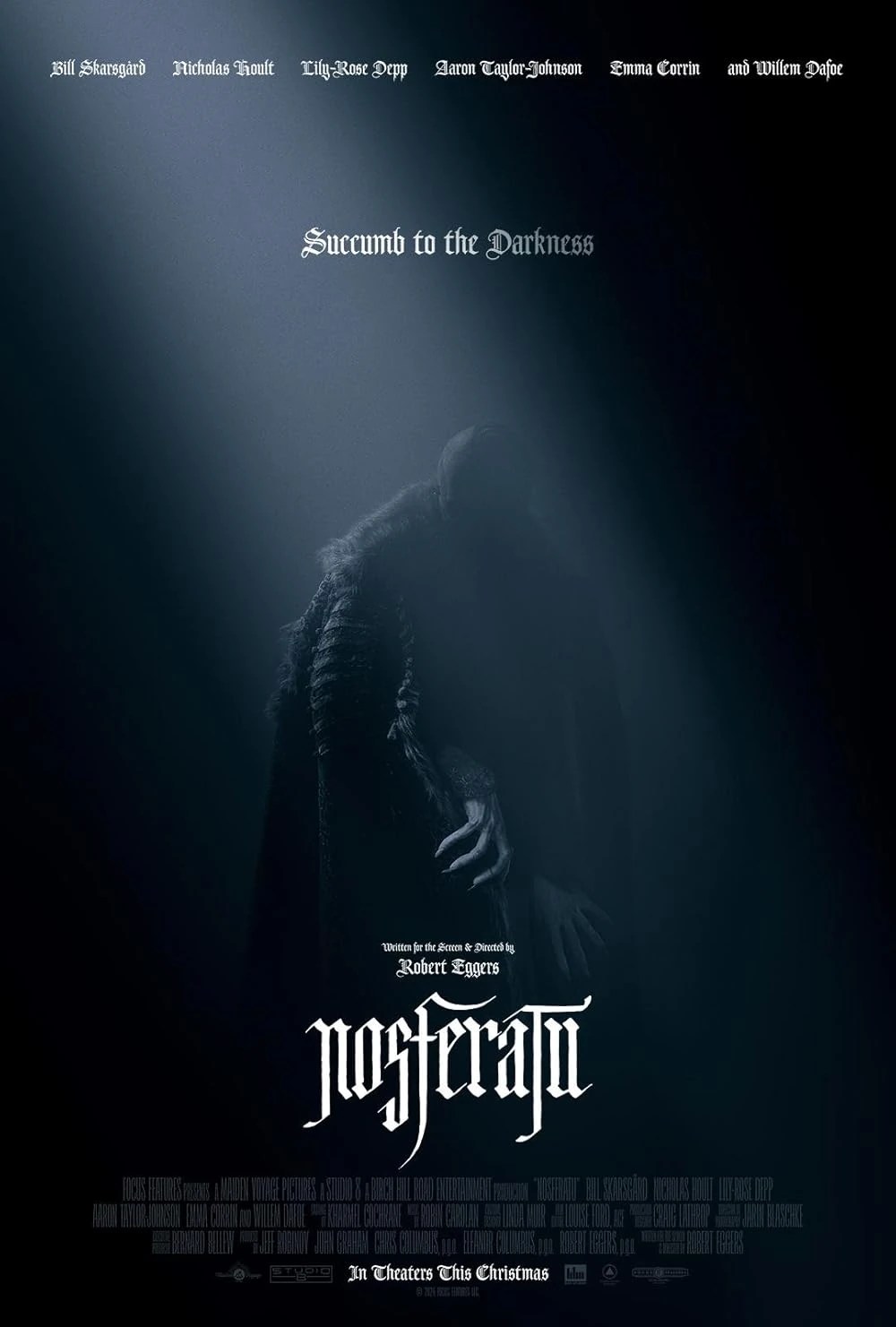
Gothic horror is truly timeless. Universal is going back to its roots in horror with its latest motion picture. More than a century after F.W. Murnau gifted us with the original Nosferatu (1922), director Robert Eggers delivers audiences his take on Murnau’s unauthorized Dracula adaptation; however, Eggers’ vision for his expression of Nosferatu is more closely aligned with Warner Herzog’s Nosfertatu the Vampyre (1979) than with Murnau’s original film. Ostensibly, Eggers’ adaptation sets out to bridge elements of both the 1922 and 1979 versions, whilst incorporating the postmodern ideologies that he has integrated in his past works. This expression of Nosferatu combines the atmosphere, mood, and settings from the 1922 version with the characters and erotic tone of Herzog’s version. Each iteration of Nosferatu reflects its director’s vision and the cinematic sensibilities of its time. For it was Oscar Wilde whom reminded us that all art is self-portraiture, “Every portrait that is painted with feeling is a portrait of the artist, not of the sitter.” As cinema is art, and the director is often considered the author thereof, then each of these versions expressed something to us about his beliefs, fears, anxieties, or worldview. Eggers took the expressive techniques and vampire lore of Murnau, the existentialism and romanticism of Herzog, and combined those with his applied postmodernist worldview to create 2024’s Nosferatu.

In the 1830s, estate agent Thomas Hutter travels to Transylvania for a fateful meeting with Count Orlok, a prospective client. In his absence, Hutter’s new bride, Ellen, is left under the care of their friends, Friedrich and Anna Harding. Plagued by horrific visions and an increasing sense of dread, Ellen soon encounters an evil force that’s far beyond her control.

Egger’s expression of Nosferatu demonstrates a desire to explore themes of mortality, isolation, corruption, and desire all while underscoring each theme with a sense existential dread. The primal fear of death is perhaps the most overt theme, because Orlok represents the lengths people will go in order to escape that which is inevitable. While monstrously depicted in the film, there is a parallel here between that and the obsession people can have in the real world over youth, vitality, and longevity. We can even draw further parallels between the desire vampires have for human blood with the desire humans have for medications and medical procedures that claim to prolong life and youthfulness. 

A recurring there of vampiric imagery is obsession, not only with youth and life, but obsession in connection with desire—specifically primal desires for that which appears or feels forbidden. Long since has the vampire been used as a personification of forbidden desires. While this was particularly true in the Victorian era—what with its many romantic and sexual mores—it can also be seen today by some as the informal boundaries that Western culture places upon depictions of romance and sexuality. In the postmodern era, many feel that the Eastern ways of life are more liberating, and that is represented in the fact that Orlok hails from Eastern Europe (presumably in the area of Transylvania).

Our central character of Ellen (which is a switch from the typical male central character in variations of the Dracula story), represents the idea that some women feel confined by the boundaries placed upon them by a patriarchal society. By Eggers’ endowing the character of Ellen with a greater sense of agency, he is able to convey more focus on the confines of the Western and/or patriarchal world upon the primal desires of Ellen, and how she must overcome the ties that bind her to both written and unwritten societal expectations. In turn, Orlok can be read as the means to free oneself from all societal inhibitions, but that liberation comes at a great cost. Ellen’s desire for Orlok is both attractive and repulsive—she wants what he represents but doesn’t want the monster himself. In the end, the only way to save her town of Wisborg (and world) is by giving into her primal desires as a means of sacrifice. 

One of the biggest differences in both previous versions and Eggers’ is the imagery of Count Orlok himself. In both previous iterations, there was something sympathetic, darkly whimsical, and even suave about the Count; but in this version, Count Orlok is exponentially more monstrous looking, which offers a stark contrast to that of the alluring appeal of the vampire. Interestingly, Eggers’ interpretation of a vampire is much more closely aligned with traditional eastern European folklore than the words and descriptions of Bram Stoker. Reaching beyond the Dracula novel and both previous versions of Nosferatu, Eggers set out to create an interpretation that demonstrated concern for historical detail and traditional folklore to give his version a sense of realism. Unfortunately, this realism is somewhat hampered from beginning to end, given the film takes place in Germany but none of the characters speak with a German accent, much less in Deutsch. But I digress.

Another difference between this Nosferatu and past versions of both Nosferatu and Dracula is the absence of consistent religious iconography or ritual. Even our esteemed Dr. Albin Eberhart (played by Willem DaFoe) incorporates Western medicine, Eastern medicine, and religions from around the world in his cocktail of methods for healing Ellen and vanquishing Count Orlok. This can be read as Egger’s commentary on how all religions are variations of the same thing, and that the best parts of each can be used in dealing with the obstacles of life. In many ways, this is a reflection of the views many have of religion and tradition in a postmodern world—the strength of a religious practice is in the belief itself and not in the person or object at the center of it. Interestingly, however, in contrast to the views many have of evil in a postmodern world, the movie posits the idea that there is evil in the world, and it isn’t a matter of perception or opinion—that there is evil out to devour all good and innocent in the world. What I appreciate about the character of Dr. Eberhart is his views that science and religion are not mutually exclusive; his character demonstrates that both science and religion are two sides of the same coin, and we need both in our lives.

Like with Eggers’ past work, this one too suffers from the same lack of thoughtful plotting that plagues his other films. Whether we are talking The Witch, The Lighthouse, or The Northman, Eggers demonstrably places far more emphasis on atmosphere, production design, and cinematography than he does plotting or character development. In fact, the original Nosferatu demonstrates stronger plotting despite the lack of spoken dialogue and title cards. This remake is yet another example of the shortcomings of prestige horror—focusing on how everything looks versus how it is written and plotted. Moreover, this continues to be a problem I have with many (if not most) writer-directors—the lack of strategic checks and balances. When the writer is also the director, then there isn’t usually someone that is part of the preproduction of a film that is in a position to state that something works on paper that doesn’t work on screen, or something that looks great an screen doesn’t make sense for reasons of storytelling mechanics. While I have many reservations for the demonstrable trends in postmodern horror, I will say that prestige horror works more effectively as the equivalent of the type of art that hangs in a museum beckoning for guests to sit in front of it for hours, contemplating that which is being conveyed by the collection of images.
Ryan is the general manager for 90.7 WKGC Public Media in Panama City and host of the public radio show ReelTalk about all things cinema. Additionally, he is the author of the upcoming film studies book titled Monsters, Madness, and Mayhem: Why People Love Horror. After teaching film studies for over eight years at the University of Tampa, he transitioned from the classroom to public media. He is a member of the Critics Association of Central Florida and Indie Film Critics of America. If you like this article, check out the others and FOLLOW this blog! Follow him on Twitter: RLTerry1 and LetterBoxd: RLTerry
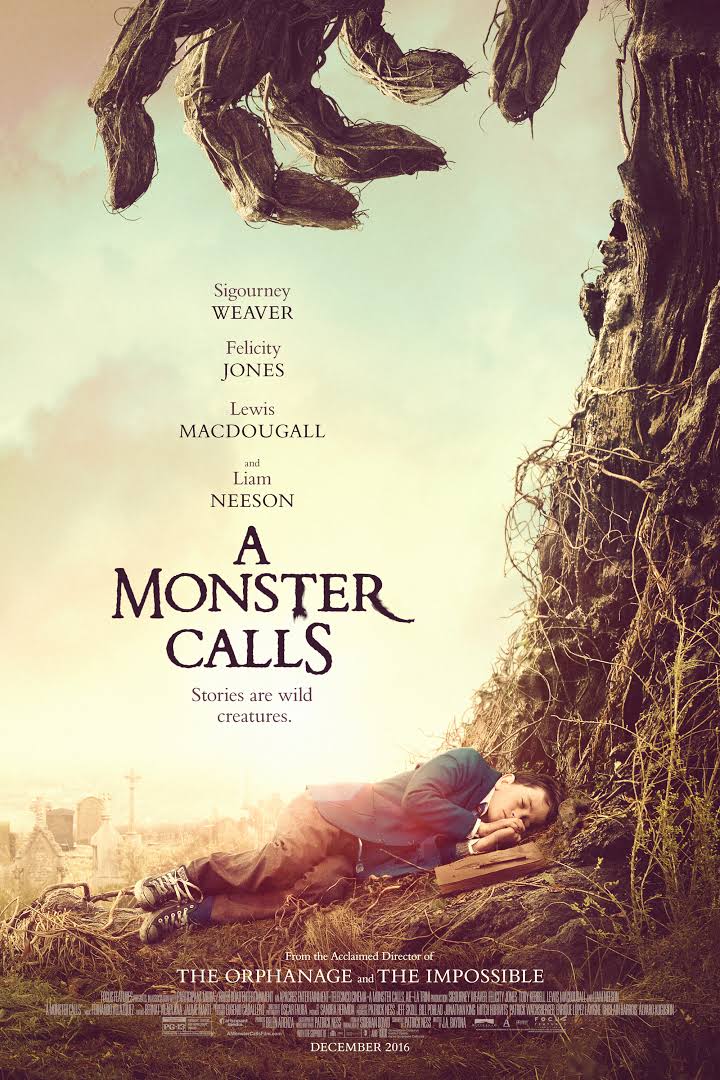
“A Monster Calls” movie review

monstercallsA breathtakingly beautiful and dynamic film that typifies the art of visual storytelling in the gothic style. Focus Features’ A Monster Calls directed by J.A. Bayona is nothing short of a Terms of Endearment, in theme anyway, for a new generation. You are certain to laugh and cry your way through the film. Based upon the novel by the same name, written by Patrick Ness and illustrated by Jim Kay and conceptualized Siobhan Dowd, Bayona’s adaptation of the novel plays out to be a deep, rich story that will touch the hearts and minds of each and everyone in the audience. For anyone going through the stages of grief, this film will especially ring true and perhaps bring about comfort. Although the protagonist Connor, played by Lewis MacDougal, is twelve years old, this dark melodrama with a plot revolving around terminal illness is not typically something that will appeal to kids of Connor’s age. Despite the fantasy elements and the young protagonist, A Monster Calls is more suited for older teens and adults; however, by the same token, the movie isn’t entirely going to initially appeal to adults since the protagonist is quite young. I screened the movie last night in an auditorium filled with patrons of all ages and there was not one dry eye in the audience. Looking at the film from the outside and analyzing the plot and cast, it would appear that it may not attract droves of people because of the gothic fantasy nature, typically aimed at kids and young teens, with content and theming best suited for older audiences; however, the film truly transcends age barriers and stereotypes to touch those who are young or young at heart.

While most twelve year old boys are busy with school and learning to develop socially or even romantically, or just simply playing video games and having Stephen King type adventures, Connor (MacDougal) is dealing with far more than a kid should every have to deal with. Connor’s mother (Felicity Jones) is very ill and Connor is forced to grow in many ways kids should not quite quickly to take care of her. Not entirely going through this terminal illness alone, Connor has a grandmother (Sigourney Weaver) who looks in on him and his mother–a grandmother with whom he shares little in common. With Connor’s father settling down in Los Angeles, Connor feels very much alone while dealing with his mother’s illness. Expressing his emotions and thoughts through water color and sketch artwork, Connor uses his penchant for beautiful art as a form of therapy. Just when all seems lost, an unexpected ally in the form of a rather gothic tree-like monster (Liam Neeson) appears in his window one night. Apprehensive at first, Connor befriends the monster who guides him on a journey of courage, truth, and faith that combine in a powerful fusion of imagination and reality.

This is certainly a year for fantastic monsters and fantasy, isn’t it? However, A Monster Calls is definitely not your typical fantasy. It deals with deep emotions, dark themes, and material usually better suited for adults. Why then choose such a young protagonist? Perhaps the author Patrick Ness wanted to reach those kids who are going through tough times and who are dealing with situation that most kids won’t face until they are much older. Some kids are just forced to grow up more quickly than others. It’s important that cinema and literature not forget them because words on pages or moving pictures may be the only source of comfort, escape, or allegory. Director J.A. Bayona appears to have successfully translated the novel to screen–from what I know. Interesting that the movie opens with the narrator describing Connor as being too old to be a kid but to young to be an adult. By extension, that is precisely where this movie fits in. It’s too “old” to be a kid’s movie but too “young” to be an adult movie. And that’s okay. Growing up is hard, and when faced with a family member or close friend with a terminal illness, life is exponentially more difficult emotionally and even psychically. Unconventional as it may seem, this film is powerful and transcends the age spectrum to provide a strong emotional journey that audiences can appreciate and from which people may receive comfort. If for no other reason, having a kid starring in a melodrama brings audiences of all ages together–many who may be going through something similar as the child, parent, spouse, or lover of someone who is terminally ill. It’s okay to grieve and let go.

From the opening credits alone, I was confident that this was going to be a visually stunning movie. The water color animation and brushstrokes are reminiscent of the story of the three brothers in Harry Potter. Absolutely beautiful. Much in the same way Kubo and the Two Strings was an innovative animated film, A Monster Calls also contains unconventional and innovative methods of telling its story. Similar to how the animated story of the three brothers in Harry Potter was integrated into the diegesis of a live action movie, so it is with this film. The more I thought about the technical and emotional elements of A Monster Calls, it is clear that it’s truly a dynamic means of cinematic art. Dynamic in that there are three different types of storytelling methods used diegetically each highlighting a different form of art: (1) motion pictures (2) visual art (3) oral storytelling. It’s been said that the novel is an extension of oral storytelling, the play an extension of the novel, and motion pictures an extension of the play. At the root of all those methods of communicating through art is the very concept of storytelling. And A Monster Calls has the art of storytelling in spades. There are so many levels to the diegesis in this film; much like an onion or matryoshka doll, this film has a message of how to deal with grief at its core but there are many different routes to get to that central theme. Each layer teaches Connor and the audience something different and valuable. The cinematic storytelling elements of direction, cinematography, editing, and score are all equally beautiful.

Structurally, A Monster Calls is an intimate story reinforced and surrounded by artistic German expressionism calling attention to its own artifice. From the exterior shots to interior rooms, the various sets appear to be meticulously constructed on a stage and the wardrobe much like perfect costumes. The art tells the story effectively with little exposition required. Fernando Velazquez’ score is so incredibly moving that you may find yourself listening to the score as it too truly assist in the overarching means of telling this story. The design of the monster is brilliant and ominous all at the same time. Almost animatronic in nature, the tree plays out like there is a puppeteer on the inside articulating the movements. The monster feels just as much like an actor as the actors playing the human characters. Liam Neeson was a perfect choice to cast as the tree’s voice. His deep bass is comforting, warm, and wise-sounding. But just who is the tree (in the story)? Although we are never told whose spirit inhabits the tree that has seen thousands of years go by, there are a couple of hints as to who it might be if you pay close enough attention to subtleties in the film. At the end of the day, whether it’s the spirit of someone or the personified life of the tree itself, it is of little consequence to the movie. Still, its definitely fun and interesting to talk about as my friend and I did after the film.

If you enjoy movies such as The Iron GiantThe Giving Tree, or Terms of Endearment, then you will immensely enjoy this film. Presently in advanced screenings and limited releases, you may need to wait a few weeks before it is at a theatre near you. Although slated for a January wide-release, it may make its way through many markets before then. Originally set for an October release, it makes since to have held it until Oscar season since this is one of those films that could grab the attention of the academy. Definitely bring your tissues.

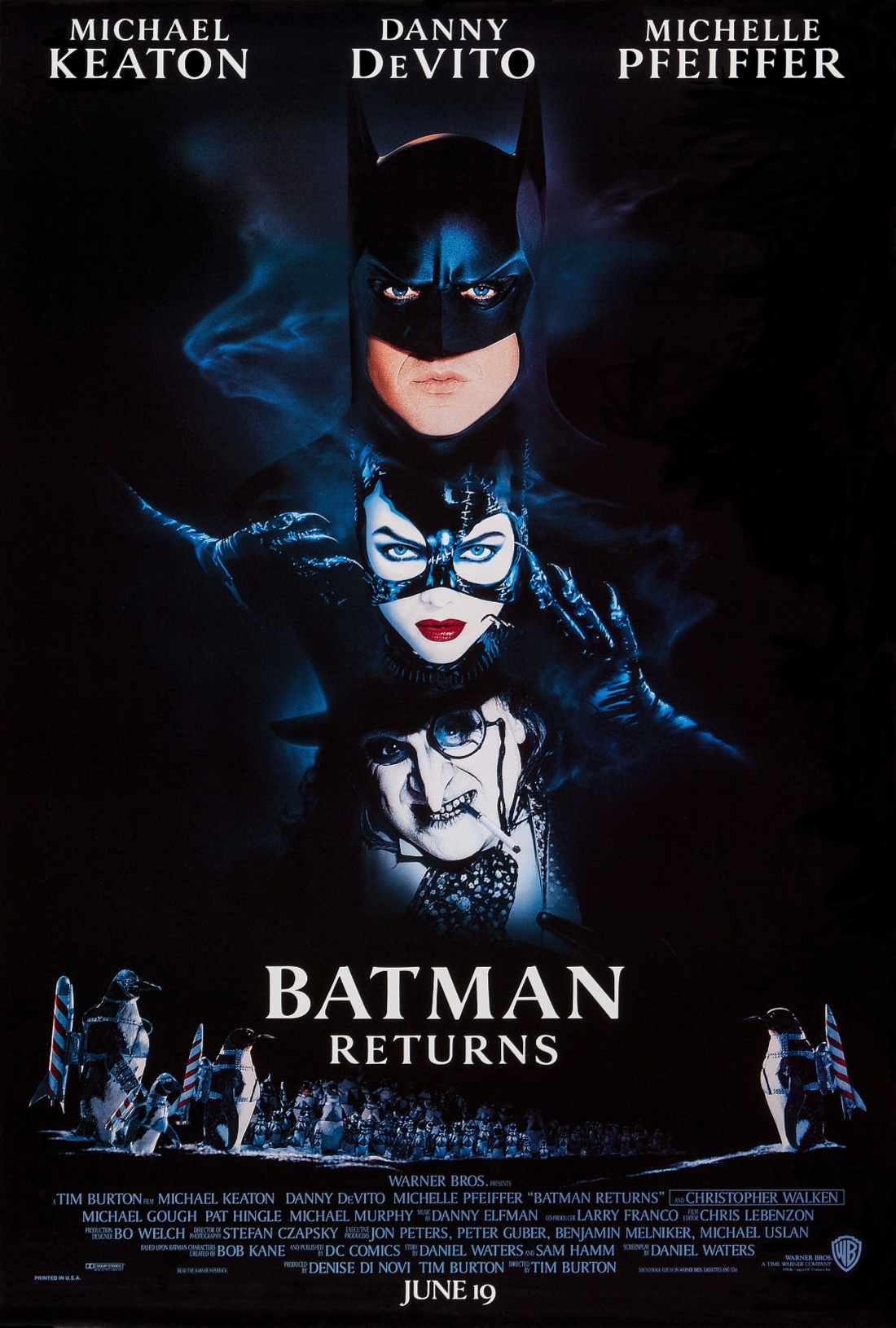
The Art of BATMAN RETURNS (1992): a retrospective movie review

By far, still the sexiest Batman movie! With the reviews from fans and critics alike regarding this weekend’s release of the highly anticipated Suicide Squad ranging anywhere from horrible to moderately enjoyable, I decided to rewatch and review the Batman movie that is still considered by many, and yours truly, to be the most Batman out of all of them. Released in 1992, Tim Burton’s Batman Returns boasts a star-studded cast complete with the German expressionistic filmmaking style and gothic production design often associated with this iconic superhero franchise. The brilliance of Batman Returns can be witnessed in recognizing that Tim Burton provided audiences with an art house film masquerading around as a superhero Hollywood blockbuster. From the architecture to the costumes and cinematography, this Batman movie has more in common with art than a movie. Not that movies lack artistic appeal, quite the contrary–after all cinema is the art of visual storytelling; but there is a certain artistic charm that surrounds Batman Returns uncommon in other superhero movies. In other words, the focus was more on the art of a Batman story than the plot. Many comic book enthusiasts also regard this installment (as well as its predecessor) as very close to the comics in plot and visual design. Furthermore, hands down, the most memorable element of the movie is Michelle Pfeiffer’s Catwoman, and with good reason. Incredibly sexy, seductive, slightly psycho, playful, and conniving. Juxtaposed against Danny DeVito’s monstrous Penguin, Michael Keaton’s timeless Bruce Wayne/Batman, throw in the self-centered and ruthless Christopher Walken’s Max Shreck, and you have a brilliant cast bringing to life iconic characters under the direction of a then-visionary director before he became a parody of himself.

Beneath the streets of Gotham City lies a world of water, waste, and The Penguin. Abandoned by his wealthy parents, Oswald Cobblepot is raised by the Penguins of the former Gotham City Zoo. He grows to resent the world above and the blue bloods of society that cast aside those who they deem as undesirable. High above the sewers, Selina Kyle is nervously tending to her boss’ every need. Not the most meticulous secretary–oh sorry, assistant–she has failed her ruthless boss Max Shreck for the last time, and gets shoved out a window to be nursed back to life by cats. Both abandoned and left to die, but return to life with revenge and warped justice on the mind. During the annual tree lighting ceremony, The Penguin and his henchmen thwart the celebratory atmosphere with gunfire, looting, chaos, and violence. Valiantly defending the good citizens of Gotham, Batman fights off the havoc that The Penguin with which The Penguin is enveloping the city. However, all the public knows is the good, kindhearted Penguin with a love of public service? Although initially setting out to kill Batman, in an ironic twist of fate, sparks begin to fly between Batman and Catwoman AND Bruce and Selina. Revenge, love, violence, and trademark gadgets. This Batman movie has it all.

Even the most dedicated Batman fans will admit that this film certainly has cinematic problems. But why are the flaws in this movie somehow forgiven but the flaws in Batman v Superman or this weekend’s Suicide Squad held against them respectively? Rewatching this Batman movie reveals that it is likely held is such high regard by superhero movie buffs and fans of the comics alike due to of the A-list talent and the artistic or stylistic approach to this story. Because the focus of the film is definitely on the art versus the plot, narrative flaws can easily be overlooked as the experience of this film rests upon the feel and look of everything more so than the plot in and of itself. It is rare for a superhero film to also be so incredibly artistic. And that is why this particular Batman movie stands unique amongst all the others that have been produced over the decades. The passion for visual design is seen in every shot, every costume, and in the sexiness of the interpersonal relationships between the characters. Just like with interpretive art, various interpretations of tone, feel, message, and impression can be found throughout Batman Returns. Regarding the tone of the film, it repeatedly switches from a campy melodrama to tragic love story to action/adventure. In many ways, this film is representative or even self-reflexive of cinema from the 1930s to the 1950s. Paralleling the film’s repeated switches of tone and pace, the characters also change personalities, demeanors, and motives. Moreover, control over situations constantly changes hands throughout the movie. Whether as the audience or a bystander in the movie, it is difficult, at times, to discern the villain from the hero. The magic of this Batman movie is that it bridges the boundaries of so many different interpretations of the Batman universe over the years into a film that embodies the art of filmmaking.

Not a direct follow up to the successful 1989 Batman, this installment is often celebrated as the most Batman of the Batman movies; it’s the one that somehow manages to reflect more about the hero and his world than any other on-screen representation he’d enjoyed before or since. It’s a celebration of the Dark Knight that succeeds, in large part, by its refusal to go too dark, but remains off-kilter and uncomfortable, just enough, all the way through. Likewise, the villains are psychotic, larger than life, and legendary. From the tragic character of The Penguin thrown into the river in a warped Moses fashion on Christmas to the beaten down mousy secretary turned bondage clad 1990s feminist Catwoman, Batman Returns is a quintessential Tim Burton film before he just went way too bizarre in recent years. Both The Penguin and Catwoman can be seen as two different mirrors for our caped crusader. Penguin represents a child of wealth who was abandoned by his parents (not unlike our Bruce Wayne) and Catwoman represents the sensual side of Batman that we seldom get to see but we know it’s there because he is human. The combination of characters, settings, and behaviors makes this film a fun, erotic, and entertaining Batman movie. The stratified emotions, experiences, and interpretations provides audiences with a dynamic story that plays out beautifully on screen. In fact, the film is so entertaining to watch that you will likely forget that the pacing, plot, and structure of the film lacks critical value.

If you are leery about spending money to watch Suicide Squad this weekend, I suggest rewatching–or for some of you watching for the first time–Tim Burton’s artistic masterpiece Batman Returns. If for no other reason, you will enjoy the brilliantly sexy Catwoman, tragic monstrous Penguin, and the definitive Batman/Bruce Wayne as played by Michael Keaton. Such fantastic actors and characters!

Ryan teaches Film Studies and Screenwriting at the University of Tampa and is a member of the Critics Association of Central Florida and Indie Film Critics of America. If you like this article, check out the others and FOLLOW this blog! Interested in Ryan making a guest appearance on your podcast or contributing to your website? Send him a DM on Twitter. If you’re ever in Tampa or Orlando, feel free to catch a movie with him.

Follow him on Twitter: RLTerry1 and LetterBoxd: RLTerry