“Promising Young Woman” film review

An intriguing story on a timely topic with lots of promise; however, it ultimately leaves little room for redemption. But hey, Mulligan’s performance was truly outstanding! After being away from the cinema for over a month in the wake of my grandmother’s passing just before Christmas, I returned to the Universal Cinemark. Usually, I am on top of new theatrical releases, but I was unable to attend the cinema while out of town. So I am just now getting to Promising Young Woman. As such, I’ve been able to read tweets, read blogs, and listen to reviews of this film. Needless to say, I was expecting one of the best films of 2020; unfortunately, that is not the case. While the film showcases an exceptional performance by Carey Mulligan, and even a solid performance by Bo Burnham, the film fails to follow some basic narrative conventions. There was such a fantastic opportunity to comment on toxic college culture, including the epidemic of higher education covering-up sexual assault, the rationalization of not taking responsibility for one’s actions, and (this is where the film fails its audience) the ability for one to have a redemption arc. Where is the redemption in the film? Nowhere to be found. However, we have an excellent example of what happens when one refuses to forgive. Unforgiveness is like a poison that eats away at the mind and soul. Forgiveness does not equal forgetting nor pretending that everything is okay. For a film that was full of promising teachable moments, it succumbs to the narrative trap of an inability to acknowledge that change is possible. If Scrooge can be redeemed, so can we all.

Synopsis: Nothing in Cassie’s (Carey Mulligan) life is what it appears to be — she’s wickedly smart, tantalizingly cunning, and she’s living a secret double life by night. Now, an unexpected encounter with a former colleague Ryan (Bo Burnham), she sees this as a chance to right the wrongs from the past.

Before I get into the issues I take with the message, plot, and narrative, I want to highlight what the film delivered well. Standing out, is the phenomenal performance by Mulligan. While my personal principle of only watching/reviewing films that have an exclusive theatrical run limit the scope of what I can cover, from the 2020 films that I did see, her performance is certainly a standout from the year. This showcase performance is likely to land her a Best Actress in a Leading Role nomination at the Oscars and Globes. I greatly appreciate how the character of Cassie is both colorful, and glossy one moment, and dark and terrifying the next. Even simultaneously conveying the complexities of a character suffering from a personal hell brought on by unresolved trauma. The other performance of note is Bo Burnham’s as Ryan. While not as notable a performance as Mulligan’s, there is still a lot to be admired in this role, which is largely a departure from the majority of the roles from his past. This film serves as a conduit for him to showcase his acting chops in a more serious role. Even though his performance may not land him on any awards lists, it’s still a performance that will undoubtedly land him future leading roles. And hopefully one of those future roles will give him a more complex character to portray.

Despite my reservations with the plot, I cannot not acknowledge this directorial accomplishment by Emerald Fennell. Clearly, Fennell’s penchant for direction is witnessed in this film. While she has been nominated for her television screenwriting, where she shines in this film is in her role as director. Each scene is directed skillfully, and thoughtfully. Of all the great scenes, the one that stands out the most is the showdown between Cassie and Al Monroe at the bachelor party. Clearly, Fennell understands the power of nuance, and can communicate that throughout the film. Screenplays need writers who care, and films need directors who care. And Fennell inarguably cares about how each scene is executed and the characters therein.

Representation vs reality. There is a grand discussion topic; one that is core to film studies. In fact, just today, I was lecturing to my film studies students at the University of Tampa on representation vs reality. Whether or not the subjects on screen (people, places, things) exist within our reality, they are certainly representative of that which is real. And Fennell certainly leans heavily into representation of her version of reality. Unfortunately, in her warped version of reality, no one is written with an ability to acknowledge or take responsibility for past/current sins and then CHANGE, to experience a redemption arc. Instead, our central character of Cassie is written as a narcissistic, self-righteous young woman that goes through life as judge, jury, and executioner; she is prohibited from changing her worldview; likewise, the character of Ryan is prohibited from changing for the better, and is viewed through the lens of his reckless youth.

Most individuals, male or female, from Cassie’s past, are depicted as exhibiting deplorable behavior. The men of Promising Young Woman are especially depicted as reprehensible people. Even the likable character of Ryan, who is supposed to represent the actual “good guy” is sent to the metaphoric gallows for his past, despite the fact that he had demonstrably changed since college and had healthy, genuine romantic feelings for Cassie. The fact of the matter is, observational and statistical evidence shows that most men are NOT like the ones at the bar or in that video footage of the shameful, contemptible, disgusting sexual assault in college. Yes, some are, and they need to be held accountable for their egregious actions by law enforcement. And the leadership at universities needs to be held accountable for covering up these sexual assault crimes. Where the film excels is confronting both the dean of the college and the lawyer that protected Al Monroe from prosecution; these scenes are particularly powerful and provide commentary on a real problem that needs to be dealt with. Even the showdown between Cassie and Monroe provides thoughtful content to discuss and provide a wakeup call for those that engage in sexually criminal behavior as college students. Furthermore, the film does a brilliant job at exploring just how those that commit “drunken” sexual assault can rationalize why they aren’t actually responsible for their actions. Terrifying, but true.

The films does the characters of Cassie and Ryan a gross disservice. We’ll start with Ryan. While he was certainly complacent in the sexual assault against Nina, and should be confronted, he changed since his college days. He should’ve been given the opportunity to acknowledge his past, and demonstrate how he has experienced a personal redemption arc. That doesn’t mean that there aren’t still consequences, but people CAN change. He could’ve also been an example of the fact that there are actual good guys out there. This would’ve shown Cassie that she cannot assume that all men are despicable, despite the narrative she has experienced; thus acknowledging the error in judgement of her worldview. She isn’t without blemishes on her own record either; therefore, she cannot personally go around condemning all those she deems unworthy of forgiveness. Ryan is a relatable character because he is the most human out of all of them. He isn’t perfect, and he certainly doesn’t pretend to be. He has made mistakes, just like all of us. Granted, his mistake in being complacent during and after the sexual assault he was witness was a terrible one; but he certainly changed in the years following the tragic crime.

And now for Cassie. When we refuse to forgive someone that has wronged us (whether that wrong is mostly harmless or criminally abominable), it’s important to forgive as to not become a prisoner of our mind. Now, forgiveness does NOT mean forgetting, nor does it mean that everything is as it was before. Trust is still broken, lives are still lost, trauma is still experienced. Unforgiveness is like drinking poison; it’s like constructing a personal prison because it’s a toxic mindset that still allows the wrong-doer to have power over the life of the individual that was wronged. To the film’s credit, this toxic behavior is depicted quite well in the character of Cassie, as her refusal to forgive, to release herself from the prison of her mind, ultimately leads to her destruction. Much like the plot does not allow Ryan to be forgiven after his demonstrable change, the film also does a disservice to its central character, because Cassie never changes. There is a glimmer of change, but is quickly shattered. In this film, there were great teachable opportunities (1) to illustrate that there are good guys out there even if their past isn’t spotless (2) that Cassie’s lack of forgiveness is toxic, and prevents her from experiencing a healthy mind and spirit and (3) Ryan could’ve acknowledged and dealt with the idea that complacency contributes to the larger institutional problem of sexual assault in college. This film paints a portrait that change and redemption are impossible concepts.

For all the promise that this film had for a comprehensive approach to teen and college sexual assault, and the cover-up thereof, it fails to provide any avenues for redemption, which hinders the narrative from having the emotional impact it should’ve had. It ultimately falls victim to its own narcissistic self-righteous central character in a revenge plot that leaves no room for redemption. But, this film is a great exercise in the emotional and psychological affects that the lack of forgiveness has upon the mind and soul that ultimately leads to a toxic self-prison.

Ryan teaches screenwriting and film studies at the University of Tampa. If you like this article, check out the others and FOLLOW this blog! Interested in Ryan making a guest appearance on your podcast or contributing to your website? Send him a DM on Twitter or email him at RLTerry1@gmail.com! If you’re ever in Tampa or Orlando, feel free to catch a movie with or meet him in the theme parks!

Follow him on Twitter: RLTerry1

“Kajillionaire” Film Mini-Review

An exercise in how bored can you leave the audience before they fall asleep. Miranda July’s Kajillionaire is a thoughtful story that attempts to explore how one’s family can hold one back from healthy personal and professional development; however, the method of plot execution leaves the audience wondering why they should even care about the story. Had it not been for the compelling performances by the ensemble cast, I would’ve lost completely interest in the film. Kajillionaire desperately wants you to be engaged, but outstanding performances alone cannot keep an audience’s attention for the duration of the runtime. The film is billed as a comedy, but I never found myself laughing or even chuckling. Tonally, the film is all over the place. Had the film committed to striking a consistent tone, then perhaps the comedic elements would have stood out more instead of feeling random and forced. Clearly July set out to craft a motion picture that commented on brainwashing, neglect, and child rearing with a lack of empathy, sexual discovery, and those elements are depicted; but the film delivers a narrative that was so preoccupied with the message, that it forgot that it also needed to be even mildly entertaining. Quite frankly, the film has the personality and dimension of cardboard. Which is unfortunate, considering that the subject matter aims to be thought provoking. This film strikes me as one of those that is tailor-made made for #FilmTwitter to posit as the next great indie darling, when the story and characters are largely forgettable. What I will remember most about the film is the excellent performances delivered by the cast.

PS. I hope to be back to full reviews soon, but assisting the Florida Department of Health with COVID-19 data collection and analysis and writing for Four’s a Crowd Podcast, and of course my academic work at the University of Tampa, leaves me with limited time presently.

Ryan teaches screenwriting and American cinema at the University of Tampa. If you like this article, check out the others and FOLLOW this blog! Ryan is also the creator of the Four’s a Crowd sitcom podcast now streaming on your favorite podcatcher. Interested in Ryan making a guest appearance on your podcast or contributing to your website? Send him a DM on Twitter or email him at RLTerry1@gmail.com! If you’re ever in Tampa or Orlando, feel free to catch a movie with or meet him in the theme parks!

Follow him on Twitter: RLTerry1

“Dark Waters” mini film review

For the full audio review, checkout One Movie Punch!

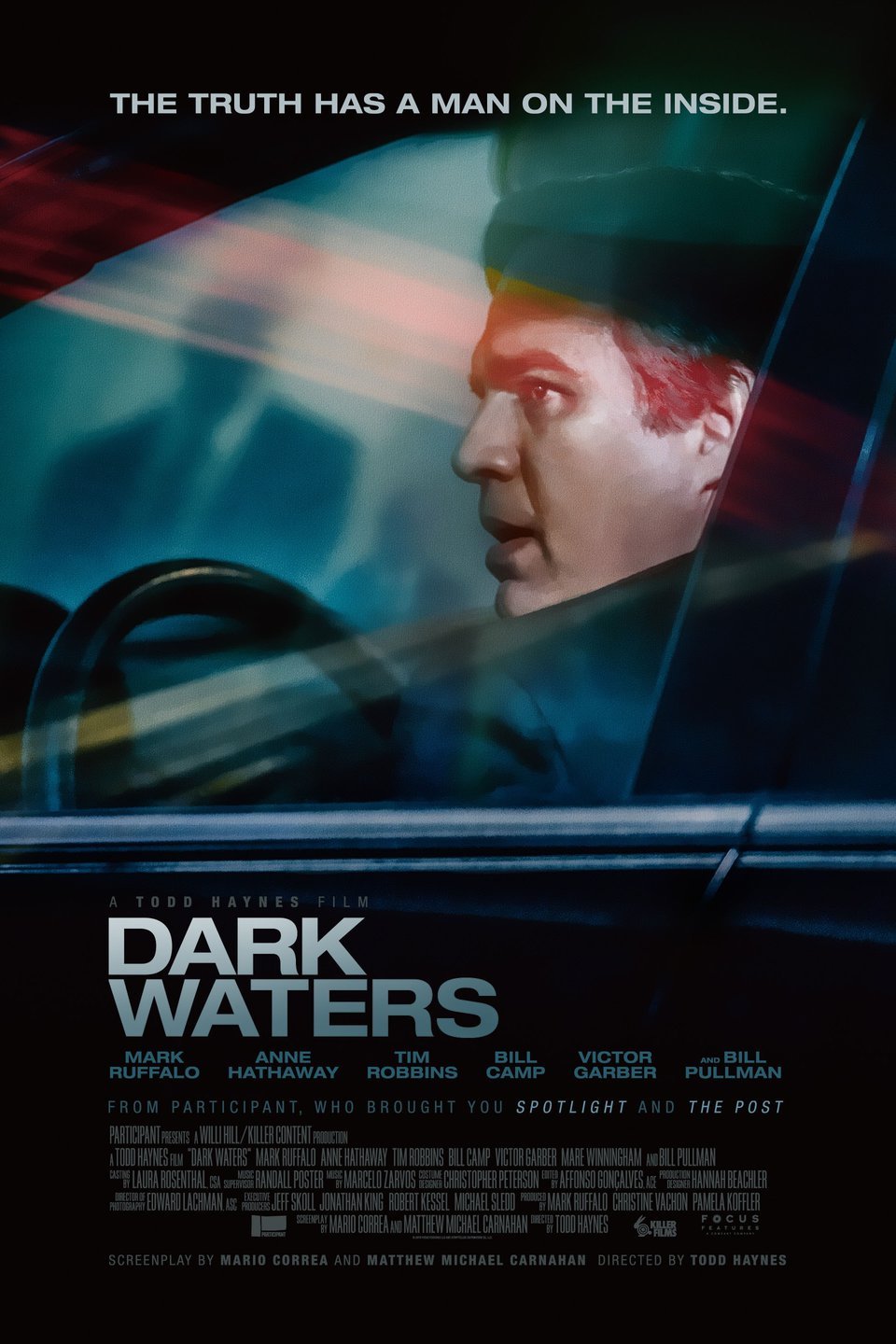
Better living through chemistry??? Oh how that DuPont slogan reeks of unfortunate irony. More like “better dying through chemistry.” Not since Erin Brockovich have I seen such a compelling legal drama about a corrupt coverup by a massive company and its attempt to silence the victims and all those whom would help take it down. If you haven’t heard of Dark Waters, it’s because the nationwide release is still very limited. It’s the film about the massive lawsuit against the American institution DuPont company and the residents of Parkersburg, WV. Specifically, the film follows tenacious corporate defense attorney Robert Bilott (played by Mark Ruffalo) in his continual uphill battle against the DuPont company after he uncovers a deep, dark secret that is poisoning a sleepy West Virginia town that is home to the DuPont plant that manufactures Teflon. Not your typical issue-oriented film. This one will impact everyone whom watches because more than 98% of the world’s population has the dangerous PFOA (or C8) chemical (that cannot break down) in their bodies. Fortunately, most people are well below the limits that can cause permanent damage but the town of Parkersburg was basically bathing in it. When you learn that the DuPont company was knowingly poisoning people, it will make you sick. And think twice about that non-stick pan in your cabinets. Dark Waters is brilliantly crafted from start to finish and the ominous feeling that something isn’t right, hits you right away. You will be held in incredible suspense the entire time as you’re on the edge of your seat eagerly awaiting the results of the legal war, and if DuPont will be held accountable and brought to justice. Mark Ruffalo is truly the heart and soul of this cinematic adaptation of the real cases. Several years have passed since we have bene able to see Ruffalo as a character other than the big green guy, and this is the perfect vessel for demonstrating to audiences that he is more than the Hulk. He is a complex actor with a wide range of acting chops. After watching this film, you will likely hit Wikipedia for the true story behind the film. And you will likely be shocked at how accurate the film is and even the parts that are even scarier in real life. In short, if you liked Erin Brockovich, then you will also enjoy Dark Waters.

Ryan teaches screenwriting at the University of Tampa. If you like this article, check out the others and FOLLOW this blog! Interested in Ryan making a guest appearance on your podcast or contributing to your website? Send him a DM on Twitter or email him at RLTerry1@gmail.com! You can catch Ryan most weeks at Studio Movie Grill Tampa, so if you’re in the area, feel free to catch a movie with him!

Follow him!

Twitter: RLTerry1

Instagram: RL_Terry

“Won’t You Be My Neighbor?” Documentary Film Review

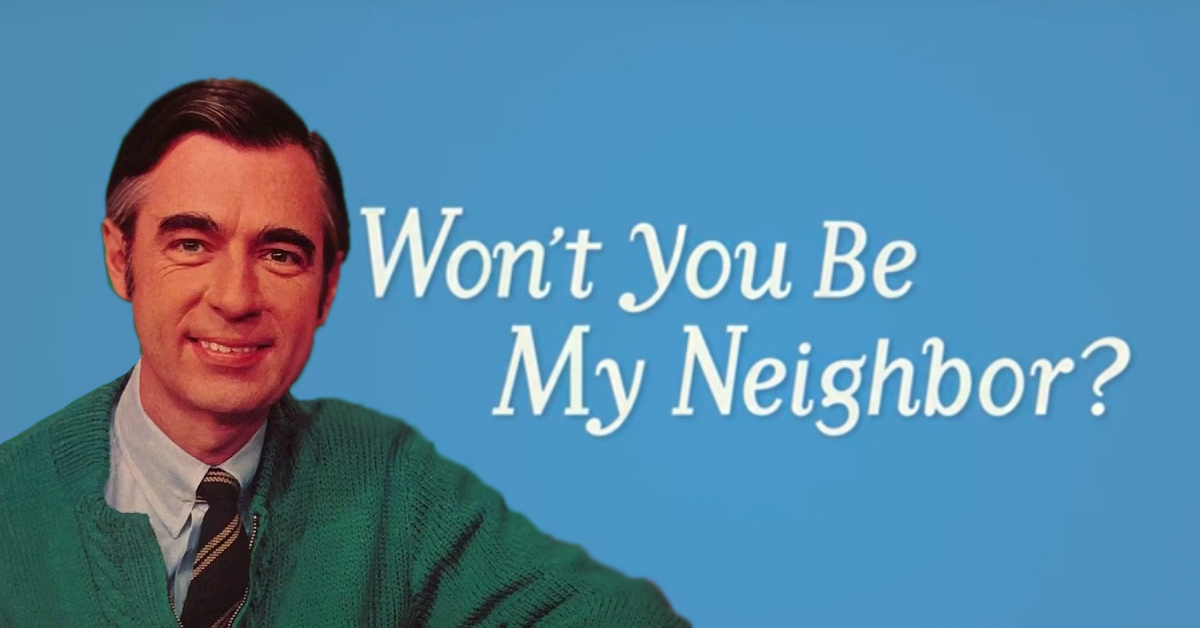
Timely. We need Mister Rogers now more than ever, for we live in dark times. In our world of division, hate, intolerance, and self-centeredness, Won’t You Be My Neighbor?, by Academy Award for Best Feature Documentary winner Morgan Neville, is a brilliant, intelligent documentary. This film takes us beyond the zip-up cardigans of public television hero Fred Rogers and reminds us that we should shift focus from what divides us to loving others just the way they are and loving ourselves because we need and deserve love, compassion, and acceptance. He truly was the neighbor on and off screen that you and I wish we had next door to us. More than a mere television show for children, Mister Rogers Neighborhood ran deep–deeper than you realized growing up. Mr. Rogers tackled incredibly tough topics in simple, creative ways in order to educate children (and their parents) to exhibit love, kindness, acceptance, understanding, and safety awareness in the world. To make the world a better place, to be a positive influence, and more. Whether in front of the camera or behind the scenes, Fred Rogers’ life mission was to utilize the power of television to teach us how to be the best neighbor we possibly could be to the world. Discussing and depicting complex subjects for a children’s program like prejudice, racism, ethics, and learning to love and accept someone just the way he or she is, this thought-provoking public television program cuts through the pretense of this world and aims directly for your heart. “One of the greatest gifts you can give anybody is your honest self” (Fred Rogers).

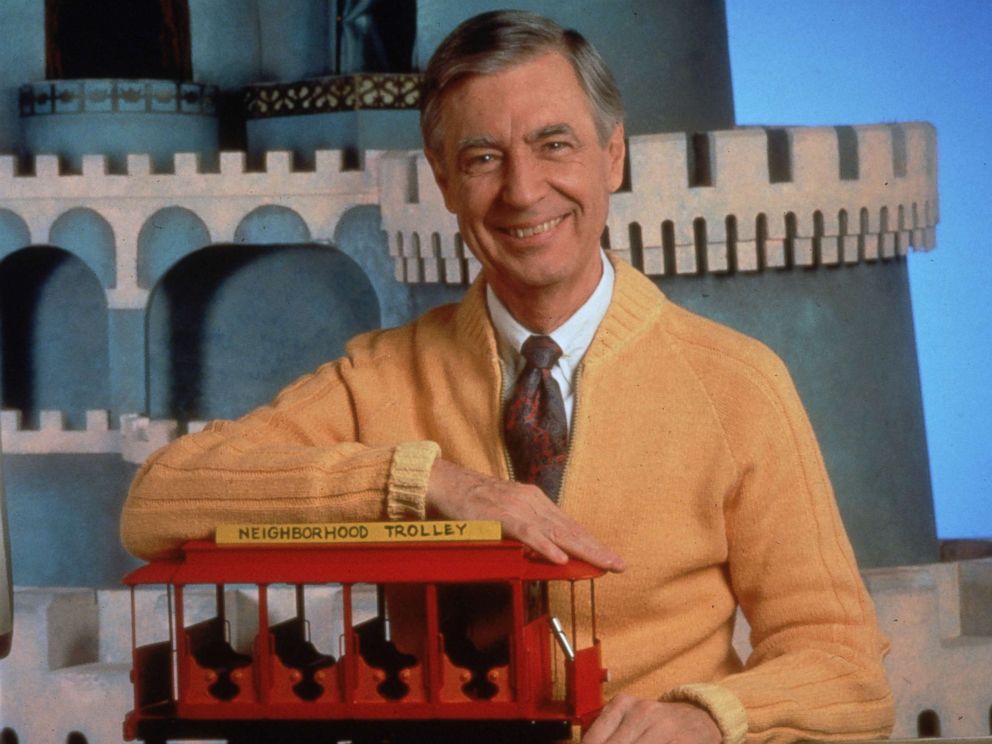
From February 1968 to August 2001 and nearly 1000 episodes, we were invited into the living room of children’s television icon Fred Rogers. He took us on adventures into the world to learn how things are made, taught us about kindness, love, cooperation, and punctuated each episode with a trip to the Neighborhood of Make-Believe to creatively drive home the message of theme of the day. Even if we haven’t seen an episode since we were kids, I imagine that most of us can still hum the theme song and maybe even sing some of the lyrics. His simple daily routine of putting on his zip-up cardigan and switching out his shoes made such an impression on the words that his cardigan hands in the Smithsonian Institute. Few television personalities have left such a great impression as Fred Rogers. His positive influence on and off camera affected the lives of so many people from the very young to the more established in life. The documentary Won’t You Be My Neighbor? chronicles the life and times of Fred Rogers during his timeless show. While you may think he was out of touch with realist–especially the reality we live in today–this documentary proves that he was well-aware of what was going on in the world and knew he had to educate, protect, and inspire children to overcome struggle and grief. Often he’d end the show with statements such as “you make the world a special place by just you being you.” The authentic decency demonstrated by Fed Rogers is so incredibly rare these days, and it’s that rare glimpse of hope that moves those who watch this documentary.

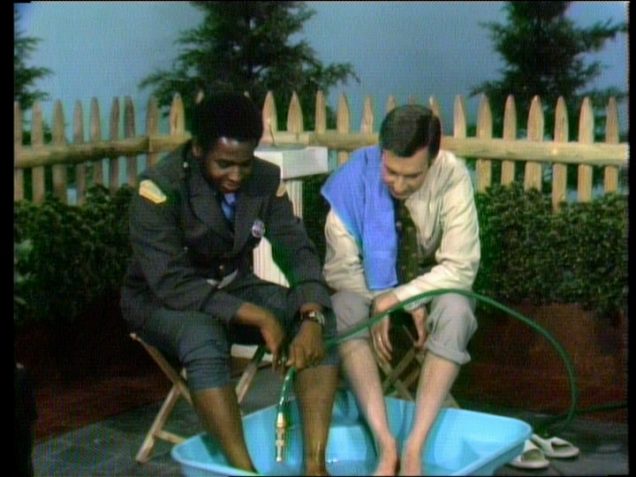
One of the most subversive moments of the documentary is when we watch part of an episode from the first season depicting King Friday the XIII building a wall to keep undesirables out. Now where have we heard that before??? Resisting the malevolent actions of the monarch, the neighborhood of Make-Believe inundates the king with messages of peace, tolerance, acceptance, and kindness. These messages inspire the king to tear down his wall to include everyone in the neighborhood. Certain so-called leaders in our states, country, and world should probably brush up on their Mister Rogers and follow King Friday’s example. Mister Rogers sentiments were not shared by many Americans during this time of civil rights unrest, but the beauty of his show was demonstrating positive progressive ideas that confronted prejudice and hate. Moments like these served as beacon of hope that the children would grow up to be loving, caring adults who desired to cooperate to build a better world. Moreover, Fred Rogers features a similar analogy later on in the series when he invites Officer Clemmons to share a foot pool with him in order to cool off in the hot weather. Perhaps this doesn’t sound radical now, but this was at a time that white Americans bucked against sharing public pools with individuals of color. Even Clemmons’ role as an officer of the law was subversive. He was hesitant at first to play the role because cops were the scariest people in his neighborhood, but he realized the importance of “children of color having a positive role model who looked like them” in the role of one who upholds the law.

The documentary also puts to rest those myths of Mister Rogers involvement in the US Military. Although we wore his zip-up cardigan regularly, it was not to cover up tattoos he got while service in the Department of Defense–he never served in the US military–but he DID serve his country for 31 years through his public television show. You spend quite a bit of time learning about the strong faith of Fred Rogers, and how it was truly the foundation upon which his show was developed. An ordained Presbyterian minister, Rogers was all set to enter seminary before he had the idea to produce his famous show. Many of the individuals interviewed during the documentary stated that even though Rogers never identified himself as a Christian, his faith and theology can be felt in his show through the lessons, games, examples, and stories. The guests from Yo Yo Ma to the show’s prop master testify to Mister Rogers’ progressive, inclusive view of Christianity that was overflowing with love and tolerance. He was proud of his faith, and often credited his Christian faith as the inspiration for the scripts he wrote for the show and the songs he composed. His beliefs were found in everything he did on and off screen. Another reverend friend of Rogers stated proudly that Rogers’ ministry through the show touched more lives and made more difference than a traditional evangelist could ever hope to do. Just goes to show it’s not how you identify yourself, but how you live your life and effect others that makes the biggest difference in the world.

Love is at the root of everything. He was doing something profound, deep, doing something that worked on multiple levels at the same time. Racism and prejudice weren’t the only weighty issues Rogers so creatively helped children work through and understand, but he also commented on other tough subjects difficult to discuss in a children’s program in a way that drives points home through kindness. Assassination, death, war, divorce, and diversity were subject matters on the show. The groundbreaking character of Officer Clemmons represented a positive role model in the law enforcement community. He was also the first recurring African-American role on a children’s program. Clemmons often commented on how incredibly encouraging Rogers was. Especially when Clemmons came out as a gay male. At first, Rogers was not sure what to do because of sponsors and even personal convictions and it took a while to talk to Clemmons about this aspect of his personal life and how it effected the show; but Clemmons stated that Rogers was extremely supportive and loved him just the way he was. Although not explicitly stated on the show, Mister Rogers–indirectly anyway–talked about accepting those who love differently than you–love is love as the popular hashtag goes. He often made it a point on the show to be proud of who you are and just the way you are. This was his way of discussing a subject that is still divisive today. But Mister Rogers was demonstrating how friends, family, and neighbors should treat one another before it became more commonplace to discuss.

When PBS was facing the loss of the $20mil funding from the US Government, Rogers testified before Senator Pastore the importance of public television. More than merely testify, he stated the lyrics to a song he wrote for the show. You can watch the testimony by clicking here. Words cannot truly capture the power of his testimony so give it a watch when you have some time. When Pastore demanded that no one else testifying read their statements, Rogers kindly put his “philosophical statement that would take 10mins to read” aside and simply spoke to the senator. He testified to his passion for educating children and contributing to healthy development and that the money spent on educational programming should be thought of as more important than violent “animated bombardment.” Understanding the inner needs of children should be at the forefront of television programming. Fred described his show to the senator as “an expression of care every day to every child to help [them] realize they [they] are unique…you’ve made this day a special day by just you being you.” The testimony is a powerful one that earned the funding for educational programming that was nearly lost.

Do yourself a favor and watch this documentary. Hopefully, it is playing at a theatre near you. Whether you grew up with the show or not, whether you can recall the last time you saw an episode or thought of Fred Rogers, this is a powerful film that is sure to inspire you. You will be changed as a result of this intelligent portrait of a man who left a timeless impression on the lives of millions by just being himself and providing an expression of care to all those who watched.

“Tully” film review

A no holds barred, unapologetic story of the realities of motherhood. Focus Features’ Tully starring Charlize Theron is a brilliant film that shies not away from what being a mom is truly about during postpartum depression, a subject seldom touched on in film or TV. Directed and written by Juno’s Jason Reitman and Diablo Cody respectively, this film represents the best work of Reitman and Cody since the groundbreaking Juno which was followed up by the outstanding Young Adult, and showcases just how incredibly diverse an actor Theron is. See her in a role unlike her typical roles as she so incredibly authentically brings to life a middle-class working mother who is faced with many obstacles as she rears her three kids, one of which is a newborn. As a male, I cannot begin to fathom just how difficult it is to be a mother (or by extension, a single father); but after watching this film, I have a whole new respect for the many hats that a mom has to wear in order to manage a household. Some might even say that this film is so incredibly effective at laying out the hardships of being a mom, that it may work better than more conventional birth control. However, the film is not only about the trials of motherhood, but it also spends time on the joys. Tully is what I characterize as a dark comedy that has some truly terrifying moments.

Already the working mother of two kids, one of which displays signs of a developmental disorder, Marlo (Charlize Theron) is not pregnant with baby number three, in what her brother identifies as an “unplanned pregnancy.” Marlo’s wealthy brother desires to help his sister by gifting her a night nanny in order to help Marlo through the rough transition of a newborn in an already chaotic house. Marlo’s husband is hardworking, makes lunches, and assists his oldest daughter with her homework, but fails to understand that Marlo needs to be taken care of as well. In order to not go completely insane during postpartum depression, Marlo reluctantly decides that she could use the night nanny that her brother offered to pay for. Hesitant to the extravagance of having a nanny at first, Marlo forms an unexpected bond with the unconventional, challenging hipster Mary Poppins named Tully.

No pretense about this story of motherhood. Cody’s brilliant penchant for self-deprecation, dry humor, and stark naked emotion is witnessed once again in Tully. I cannot think of a present screenwriter that could have created such a compelling story. Unlike her timeless modern classic Juno, Cody shies away from the comedy you may be accustomed to seeing from her, and focus on the darker side of being a mother. And it works superbly. I laughed, cringed, and cheered during the film, and so did many of the others in the audience. There is an authenticity in this story that is seldom seen in other melodramas. Possessing a raw, gritty narrative, Tully will have you empathizing quickly with the struggles Marlo continues to face throughout the film. There is so much that is praiseworthy in this story; but unfortunately the sharp, precision that supports the first two acts becomes a little dull during the realization (or resolution) on the third act–the same chutzpah that was in the DNA of the majority of the movie is not as apparent at the end. What Tully lacks is a well-defined external goal. The weak end game is uncharacteristic of Cody, as both Juno and Young Adult had solid realizations. As I tell my screenwriting students, dealing with life is not a goal (it’s incidental). Still, everything else about this film is effectively compelling.

Theron displays a genuine, uncompromising commitment to character in this motion picture. Aside from the fact she literally put on 50lbs for the role (that’s right, no fat suit), she provides audiences with a fearless portrayal that is both vulnerable and fiery. Coupled with waves of mania, anger, and complete exhaustion, Theron delivers a razor-sharp performance that will leave you breathless and bleeding from the unbridled intensity and emotional rawness. In this slice of life story, there was certainly the room to demonize Marlo’s husband, the sister-in-law, the former roommate, and school principal, but Cody includes these individuals that many moms actually have in their lives but chooses to focus on the physiological and emotional struggle of Marlo as she recovers from her unplanned pregnancy. Of course, there is a brilliantly funny scene of Marlo confronting the pretentious private school principal. It’s the kind of encounter that many of us want to have with those who refuse to shoot straight and annoyingly avoid confrontation because they are so afraid to be candid, and it just comes off as a facade. Theron’s ability to completely sell a mother on the verge of a breakdown who’s constantly facing situations in which she asks herself how-the-hell-am-I-going-to-get-through-this is unparalleled. I cannot think of another movie that has a character quite like Marlo in Tully.

The film’s title character is a Mary Poppins of sorts that comes to the aid of Marlo when she is at her wits’ end. You may be wondering why the film is named after the night nanny instead of Marlo. For the same reason Mary Poppins is the name of the story that is really about Mr. Banks. Marlo may be the central character, but Tully (Mackenzie Davis) is so incredibly instrumental in supporting Marlo through this time. Furthermore, she opens her mind to new possibilities and the joys of being a mom, even when Marlo isn’t feeling it. Tully embodies that free spirit that many of us have or had in our 20s that somehow gets lost as we get older. Tully enables Marlo to channel her younger self in an effort to be emotionally healthier for her kids. Taking care of yourself first so you can be there for your kids, is one of Tully’s many messages to Marlo. There is a whimsy about Tully that is contagious, and will put smiles on the audience’s faces amidst the majority of the film’s darker moments.

You’ll encounter all the different kinds of people that an emotionally struggling mom has to deal with on a regular basis. From an out-of-touch snobby sister-in-law to a husband who just doesn’t get you, from a pretentious and absurdly conflict aversive school principal to a former roommate, the film provides commentary on how each of these kinds of relationships affect a mom who’s trying her best to keep sane and not murder everyone. The film even touches on how having a kid with a developmental disability is physiologically and psychologically draining, even though you love your kid unconditionally. It’s important to note that Marlo’s husband is shown to be an active participant in his family by way of, not only his financial support, but being there for his kids in the evening and helping to make lunches. However, he does withdraw to playing video games after the kids have gone to bed; but that’s because he is like many fathers that are unaware that their spouses need to be comforted, cared for, and shown appreciation during this rough transitional time. Hopefully, after watching this movie, fathers will have a better idea of what their spouse may be going through. One of the strongest themes one can write into a film is a commentary on what it means to be human–the human condition–but seldom has a film been so specific to comment on what it means to be a mother. In this respect, Tully is provocatively groundbreaking.

Such a perfect film for the upcoming Mothers Day weekend. Even if you are not a mom or (let’s not forget) single father, there is something to learn from this film because you may have a mom or single father in your circle of friends or family. Never before has a film stripped away all the magic of motherhood at the time when your kids are little. No frivolous, ostentatious gender reveal parties, gym moms-to-be, or ridiculously lavish baby showers for this mom. Why? Because those are events and experiences typically found on Pinterest, in the movies, or reserved for upperclass society that is hasn’t a clue what it’s like to be a struggling mother balancing her full-time career and being a full-time mom. Tully tells it like it is for so many, and why it is such an outstanding motion picture.

Ryan is a screenwriting professor at the University of Tampa. If you like this article, check out the others and FOLLOW this blog!

Follow him!

Twitter: RLTerry1

Instagram: RL_Terry

Thrillz (theme parks): Thrillz.co