“Snowden” movie review

snowdenA political docudrama that only Stone could pull off so effectively! Once again, acclaimed director Oliver Stone brings another socio-political issue and figure to the screen. Whether you’re of the school of thought that Edward Snowden should be charged with espionage or heralded as a hero, this film will definitely challenge your point of view. But, isn’t that what Stone is known for??? More than a docudrama of the life of Snowden, Stone’s film is a dramatization of the state of government surveillance. One could argue that surveillance is the star of the film, not Snowden. The intent of the film is not to cast blame on either Snowden or the U.S. Government, but to cast doubt. The simple placement of doubt can be far more powerful than blatantly passing judgment or blame. If there was any ‘doubt’ that Stone is one of the most important filmmakers covering modern historic events, then this film will cast aside any remaining doubt. Few directors, have been so successful in taking cold, hard facts and transforming them into a story fit for cinema. The success of this film is attributed to the incredible lead talent. Joseph Gordon-Levitt and Shailene Woodley have excellent chemistry on screen. Accompanied by a strong cast of supporting players such as Zachary Quinto, Nicholas Cage, Scott Eastwood, Tom Wilkinson, and Melissa Leo, this film’s cast will have your attention until the final fade to black.

Oliver Stone’s Snowden takes you on a journey through the significant events of Snowden’s life from 2006 to 2013 when he was finally granted temporary asylum in Russia. The reason why his name is so famous or infamous–that depends on which school of thought you are from–is not new and even blasé at this point; but, the events of his professional and personal life that culminated in the leak and disclosure of NSA (National Security Administration) surveillance secrets and programs are not as widely known. Disillusioned with his career as a highly sought after top digital media and intelligence contractor, Edward Snowden (Gordon-Levitt) begins to wrestle with being able to justify and reconcile the rampant surveillance data that the NSA is collecting and how it affects both private citizens as well as those who are being hunted for crimes against humanity and the U.S. After deciding that it was best to go public with the information, he is then on the run of his life. A traitor to some and a hero to others, this film will prompt you to perhaps rethink the actions of Snowden.

Although this film has slow pacing, for those who are interested in the life of the–to borrow from J. Jonah Jameson–hero or menace, Stone’s docudrama will successfully hook you and draw you into this world of intelligenceSnowden is a particularly interesting docudrama because this film essentially contains three smaller movies–a three legged stool if you will. There is the most dominant story of Snowden discovering the copious amount of secret government surveillance data being collected by his software. Next, we have the personal romantic story of the ups and downs of his relationship with the liberal, artistic, amateur photographer Lindsay Mills (Shailene Woodley) and how his professional life gently affected their relationship. And finally, the story that made Snowden a household name: his leaking and dissemination of top secret NSA surveillance methods and everything else Snowden knew about questionable NSA methods of collection. For most people, that third story is all anyone knows. But, in order to truly get an idea of the pressure Snowden must have been feeling, it is imprint to take the other two stories into account. That is precisely what Stone did with this film. Stone’s version of the life and times of Snowden takes the other Snowden film Citizen Four a step further to truly be able to analyze all the known elements.

There are many excellent qualities in the writing and visual storytelling in this film, but there are two areas that appear to falter or suffer in the translation of these now historic events. The focus of the movie is definitely on what led Snowden to leak the NSA secrets, but there is a significant amount of time spent on the relationship between Snowden and Mills. One could argue that the strain of his relationship with Mills contributed to his eventual disclosure of the NSA secrets. Cinematically speaking, the strategic placement of the personal life of Snowden is important because the audience needs a break from the flat panel displays, computer code, and “geek-speak.” Unfortunately, Stone and his co-writer Kieran Fitzgerald did not carefully contract and craft the personal dialog as well as they did the info tech and military dialog. In many ways, the forced personal story of the relationship between Snowden and Mills comes off as a forced element from producers to make the film more relatable to those who are not AS interested in the military side of the story and more interested in the outside/personal influences that affected Snowden’s actions. It’s not unlike fans wanting to know the personal details of a celebrity’s life. Unfortunately, this human interest subplot does not play out as well as the two dominant stories at the forefront of this film. That being said, both Gordon-Levitt and Woodley are extremely committed to the characters/historic figures they are portraying. I cannot think of two other actors who could have been better suited to play these roles. Gordon-Levitt nailed Snowden’s voice, body language, and nuances.

The other area of this film that appears to suffer is the structure–the map, if you will. Any first year film student can tell you that flashback movies can be dangerous. Often times, the flashback is used as a copout plot device that simply plays off as lazy writing. From a technical perspective, a movie that uses the flashback as a means to tell the story is referred to as a nonlinear film. Now, I am not stating that Stone’s movie is lazily written and structured; however, I do not feel that the constant back and forth between the past and then-present were handled delicately or strategically enough. Most of the time, one of the comments I have about movies that rely upon the flashback as a plot device to tell the story is ‘Why is there a need for a flashback? Just let the main story BE the main story.’ The flashback concept works for some films like The NotebookFried Green Tomatoes, or IT; but it does not work for others such as Ladder 49 or The Weight of Water. Most of the time, a flashback is used out of convenience to fill runtime; meanwhile, the audience usually doesn’t care about the past as much as what is going to happen next in the present. Stone and Fitzgerald are mostly successful as keeping the audience entertained, caring about, and longing for what happens next in BOTH the past and present; however, I found the movie to go between both the present and past too much, almost to the point that it was a little confusing. Opening with Snowden and the small group of journalists was a great way to begin, but I feel that the story of Snowden would have been a little more gripping if we were able to watch the events from 2006 to 2013 unfold without present-day interruptions. Still, the ending that was selected for the film was both effective and strategic.

Oliver Stone’s Snowden is not a film for everyone. For those who enjoy socio-political movies or docudramas of historic figures, then you will likely enjoy it! If you are looking for an action-packed spy thriller, then is this not for you. Unlike some movies that truly ARE better experienced on the big screen, this is one that is equally experienced as well on the big or small screen.

“Kubo and the Two Strings” movie review

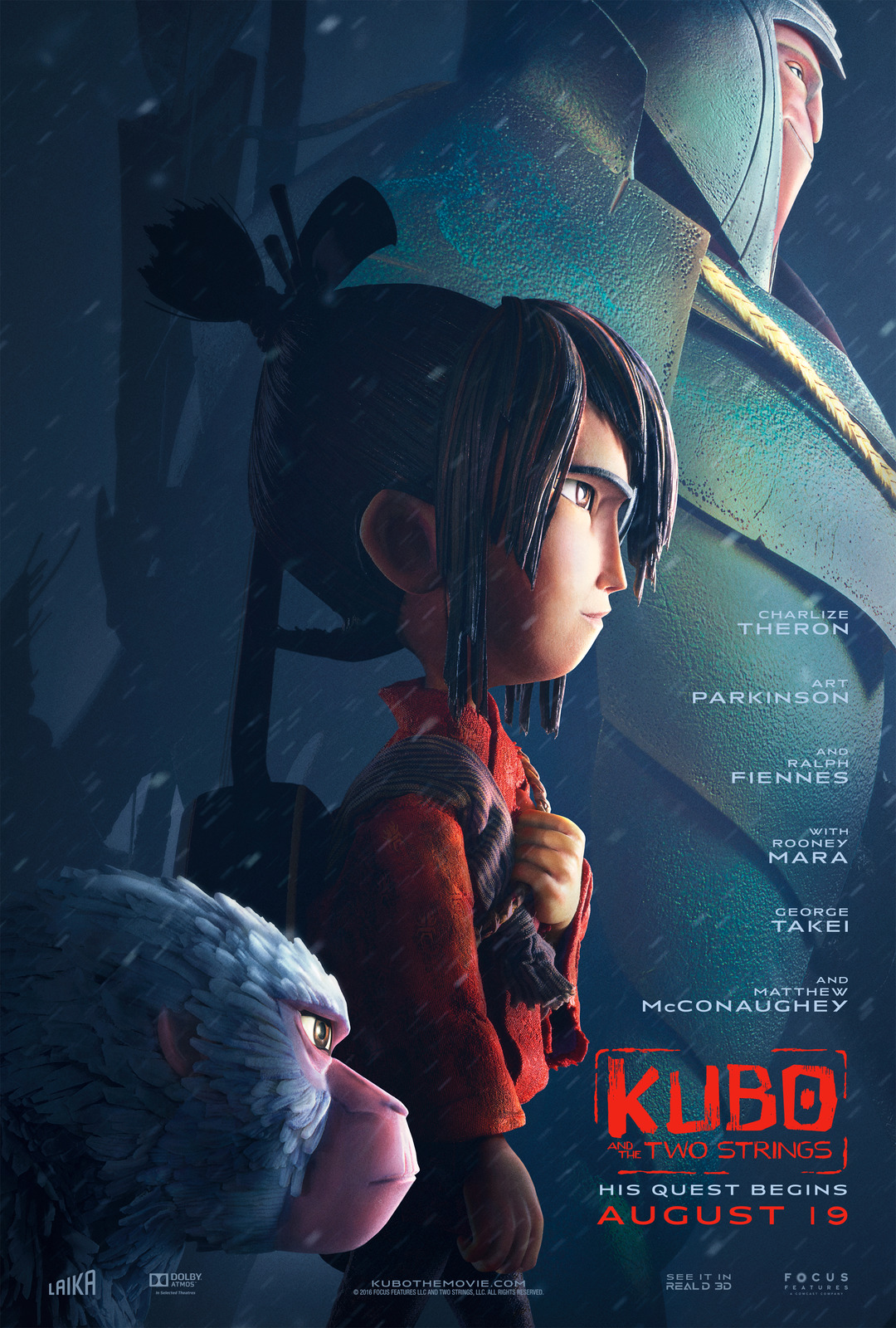
kuboAbsolutely beautiful! A dazzling display of the best that cinema can be! Laika and Focus Features’ Kubo and the Two Strings is truly a testament to the art of motion pictures! Brilliantly animated in an eye-catching stylistic way, this film provides audiences with a simple and intimate journey through a dynamically epic world of adventure, laughter, and tears. Directed by Travis Knight, from the opening to the final fade to black, Kubo is arguably the best animated feature length film to hit theaters in a long time. It contains the incredible storytelling that few films, live-action or animated, strive for but often fail to accomplish. Rarely, do audiences witness a perfect film, but this one comes very close to being perfectly written, directed, acted, shot, edited, and produced. With an A-list of vocal talent behind the characters in this immaculately animated world, Kubo will surely impress all those who watch this fantastical story. In some ways, I could argue that this film displays signs of being self-aware. Self-aware in that this simple but effective visual story is all about the very concept of storytelling. Cecil B. DeMille said, “the greatest art is the art of storytelling;” and this film proves that, in a world of high concept blockbusters that are produced to simply generate revenue at the sacrifice of storytelling, there are films with beautiful imagery, writing, and even a great message that hold true to the very idea what launched more than 100 years of cinema.

Following a daring escape from an unknown enemy across a treacherous ocean of tsunami sized waves, a young women survives a nearly fatal crash and washes upon the shore of a beach in the shadow of an imposing mountain with her infant. Many years later, Kubo (Art Parkinson) has grown up to be a young man with a passion for storytelling that he learned from his mother. Never having fully recovered from the accident, so many years ago, Kubo has the responsibility to take care of his mother. Harnessing his talent for magical origami, a stringed instrument, and storytelling, Kubo makes a little money each day for him and his mother. Little did Kubo know that his mother’s warning to not stay outside of their home after dark was for good reason. Soon, Kubo will find himself on an epic journey to unlock a secret legacy that he could have only dreamed of. Along his journey, he meets up with a monkey (Charlize Theron) and a man-beetle (Matthew McConaughey) who protect and teach him along the way. Don’t blink, even for one second, because you may very well miss something of grave importance.

The first thing you will observe in this movie is the exquisite and stylistic combination of two different animation methods. Claymation, which most are familiar with, and the lesser used papermation. Although typically used by themselves to tell an animated story, the brilliant combination of both methods to concurrently tell this epic story will leave a lasting impression upon you. There is a beauty in this film unmatched by any other in recent times. In many ways, the visual appeal of this movie reminds me of the early Walt Disney and Pixar animated films. Audiences can easily witness the absolute passion in every movement, detail, and landscape. I was completely sucked into Kobo’s fantastic world of Japanese influence. In addition to outstanding technical achievements in animation, lighting, and cinematography, Kubo is a film that is equally outstanding in its ability to tell a simple but inspirational story. It is the epitome of an ideal relationship between artists and engineers. This film successfully combines an artisan handcrafted charm with the precision of sophisticated visual storytelling technologies in a dazzling display of cinematic art that will surely be cherished for a lifetime.

Simple. The plot is so simple but yet very much profound. While so many studios are cranking out franchises, adaptations, complex plots, and young adult dramas, the Laika production company chose a different route. It chose a route that proves that the mastery of visual storytelling that showcases the art of cinema is still alive. In a world of the business of moviemaking, Kubo returns us to the art of filmmaking. Not confined to art house theaters in Greenwich Village or West Hollywood, this film is evidence that truly artistic masterpieces are still desired by the American audience. “The art of making art, is putting it together” (Sunday in the Park with George). Knowing that just the leaf ship sequence at the turning point between the first and second acts took 19 months to create, design, and produce, it is clearly apparent that a tremendous amount of time, love, and energy went into every frame of this stunning movie. As someone who has a passion for the very concept of storytelling, this film brought tears to my eyes because of the sheer beauty of the film and the experience of watching it on the big screen. Although it is an endearing film filled with love and adventure, it is also quite scary during some of the intense conflict between Kubo and those who wish to do him harm. From Kobo’s magical origami birds and samurai warrior to the playful banter between Monkey and Beetle, I was awestruck at the brilliance of the film in both writing and visuals.

I highly recommend this film for those who have not seen it yet. I only wish I had made it to the movie before last night. After hearing what others have said and written about this movie, I have come to the same conclusion that many have voiced: this film is exceptional by any known measurable means of evaluating a film. If any animated film this year is destined for an Oscar nomination or win, this one is it.

Ryan teaches screenwriting at the University of Tampa. If you like this article, check out the others and FOLLOW this blog! Interested in Ryan making a guest appearance on your podcast or contributing to your website? Send him a DM on Twitter or email him at RLTerry1@gmail.com! You can catch Ryan most weeks at Studio Movie Grill Tampa, so if you’re in the area, feel free to catch a movie with him!

Follow him!

Twitter: RLTerry1

Instagram: RL_Terry

“Don’t Breathe” movie review

DontBreatheDon’t visit Detroit. Don’t Breathe is a brilliant horror film that will keep your adrenaline pumping and keep you guessing from the beginning of Act II to the final cut to black. Crossing into different sub-genres of horror, this movie will capture your attention every moment and catch you off guard every chance it gets. Although there is no scientific evidence for the collective belief that when one sense is removed that the others take over, it does make for a fantastic plot device that will greatly heighten your own senses while watching this efficiently ruthless movie. This is definitely a horror film to experience on the big screen–don’t wait for Prime, Play, RedBox, or HBONow. The most terrifying element of this movie is the feeling of being trapped in the dark. Just as the characters are experiencing the labyrinth that is the home of the intended robbery victim, you will also feel helpless as the terror unfolds in front of your eyes and you have nowhere to hide. Going into this film, you may think it simply a new twist on the home invasion sub-genre of horror, but you will soon find out that there is so much more to this movie than meets the eye. While some films–horror or not–are often guilty of wasting time, especially in the first acts respectively, Sony-Screen Gems’ Don’t Breath is a cinematic claustrophobic rollercoaster that includes one terrifying turn after another. In other news, if you’re looking to buy a house, this film includes some great shots of your next neighborhood in Detroit.

With all their friends gone, three young people are desperately trying to leave the city they once called home. Turning to petty theft and larceny, Money (Daniel Zovatto), Rocky (Jane Levy), and Alex (Dylan Minnette) receive a tip from a local crime boss that there is a house with enough money to get them all out the city. After learning that the home is inhabited by a blind old man (Stephen Lang), the small band of thieves conclude that this will be an easy gig. With the aid of security codes and keys from Alex’s father’s security business, who manages the few inhabited homes in Detroit, Alex, Money, and Rocky plan the heist. After the robbery goes 180 degrees in the opposite direction, this supposedly easy target now has them trapped. And a terrifying realization will have them holding their breath as to not get caught or worse. Two parts home invasion, one part heist, and three parts horror, this terrifying movie will have you on the edge of your seat.

For the sake of not giving anything away in the movie, I am going to keep this review on the shorter side. Sometimes the best horror movies are those that have a very simple premise. And this is definitely one of those. The heist genre is one of the oldest in the cinematic handbook. After all The Great Train Robbery (1903) was the first American film to pioneer composite editing, on-location shooting, and dynamic camera movement. Although not the very first motion picture, it is among the first and considered by many to be the first commercially successful motion picture. Early on in the dawn of commercial cinema, horror was quite prominent, thanks to Carl Laemmle who founded Universal Pictures. Don’t Breathe includes elements from many different films in the official sub-genres of horror; but to explore each of those would give away some terrifyingly morbid plot twists in the movie. The point is, this film borrows from both horror and non-horror films that helped to forge the foundation of commercially successful cinema. It’s of no surprise, after watching it, that is will likely do very well this weekend. Given that it has an August release date, I was concerned that–as good as it looked in the trailers–that it would not play out very well because the best horror films, this time of year, are released in latter September and October to make way for Halloween! But, I was totally wrong; I thoroughly enjoyed the experience. Speaking of Halloween, this movie would make an absolutely perfect addition to Universal’s Halloween Horror Nights next year if they can secure the rights from Sony Pictures.

Regarding the location of the film, this is just the latest in horror films (as well as other genres) to use the motor city as the backdrop for a violent story. As a producer, myself, I realize that part of the draw to that location is the simple fact that it is incredibly cheap to shoot there. The other part is that it effortlessly sets up a feeling of uneasiness from an aerial shot of the city or suburbs. Not entirely sure that having horror films and other violent movies set in your city, now in ruins, will do much for inspiring entrepreneurs or other professionals to relocate; but it does showcase the city as a welcoming place for filmmakers who seek to pursue their respective dreams of success at visual storytelling. Ghost towns have often been used in westerns, horror, and treasure hunt movies; and without having to go to a foreign country, there really is a perfect modern ghost town right here in the US. Whether it needs to serve as a location that symbolizes greatness in ruins or to instantly prompt apprehension or unbalance, it is a diverse landscape upon which to build a story.

Just when you think the film is over, it will throw you for a loop! Looking for a fantastic film to watch on a date or with your friends this weekend, then I highly recommend Don’t Breathe. It’s the perfect film to usher in this most macabre time of year. Not defaulting to gore and jump scares, this movie is a beautifully and meticulously crafted work of cinema that will genuinely cause your blood to race and keep your senses on edge.

“Florence Foster Jenkins” movie review

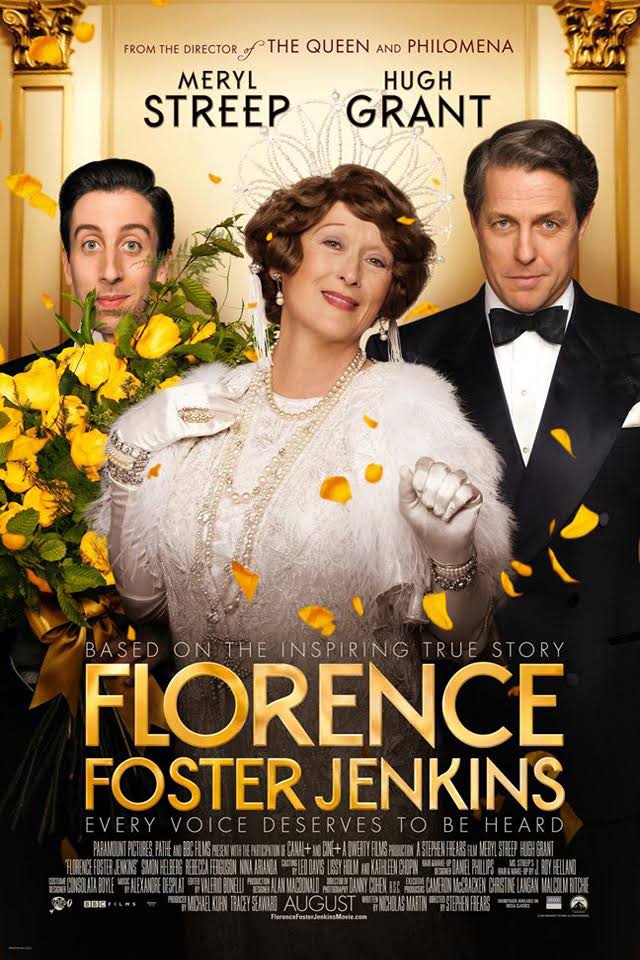
FlorenceFosterJenkinsBrilliant! Absolutely delightful. Paramount Pictures and BBC Films proudly present a magical film about one of the most legendary musical talents Madame Florence Foster Jenkins. This is the perfect film for the times that we live in. Just when so often we hear news about the worst in people, this film is about the best that people can be. Whether you are a musician or vocal artist yourself or simply appreciate the beauty of music, you will undoubtedly find this film fascinating and endearing. Meryl Streep provides audiences with a command performance as Jenkins, and will have you rolling around in your seat. Like classical music? This film has it. Prefer big band or jazz? This film has it. What about opera? It has that too. I doubt that there are many people as committed to the art of music as Jenkins was. One part musical and one part dramedy, Florence Foster Jenkins is a crowd-pleasing work of cinematic excellence. From brilliant writing to phenomenal acting, this film is a must-see for music lovers. Who would have known that someone with such a unique voice would have sung herself into the heart of millions. This film has a little something for everyone, especially those who are in the creative fields. May this film be an inspiration to all those who have drive, passion, a love for, and are dedicated to the pursuit of the arts, and open up that world to those who may not otherwise be able to experience it. Not sure what’s bigger…Jenkins’ heart or her stage presence. Whatever the case, this film is definitely one to catch on the big screen!

Return to New York City in 1944. Amidst the glitz, glamour, and sound of the very heart of the performing arts is a story of laughter and tears, but most importantly about a true unconditional love for both music and our friends and neighbors. Meet Florence Foster Jenkins (Streep). She is a well-known New York socialite who is a dedicated patron of the  arts, specifically music. She has transferred her love of music to a love of bringing people into her world. With ambitions dreams of becoming the next great opera singer, she records albums and books Carnegie Hall. There’s only one small problem; unfortunately her ambition is only succeed by her lack of an ability to carry a tune. In her head, she is an absolutely incredible talent. However, to everyone else, she sounds laughable. It matters not! She is determined to showcase her love of music to the world. Giving away 1000 tickets to military service members, she plans to fill the hallowed halls of Carnegie with the sounds of music and love. Her husband/manager St. Clair Bayfield (Hugh Grant) and accompanist Cosme McMoon (Simon Helberg) both stick by her as she plans to take Carnegie Hall by storm! Together they embark on a legendary journey that is still talked about and listened to today.

It’s so hard to know where to begin. There is quite possibly no film that truly captures the love of music and our fellow man nearly as remarkably as this film. Truly inspirational. From the writing, to the acting, to the sound track, it is a flawless story that is definitely best experienced on the big screen for Jenkins was truly a larger than life talent herself. You’ll laugh, laugh some more, and even cry a little. In many ways, this film fits the drawing room comedy subgenre of films. There are very few set changes, it is mostly dialog driven, and features various forms of comedy all working together to support a light-hearted film about the love of music. Instead of taking place in the drawing room of a home with a dynamic set of manners and social criticisms, this film takes place mostly in the homes of Jenkins, Bayfield, with a visit to the humble abode of McMoon. There is one common thread between all of them, there is either a piano or other device playing music that greatly affects the narrative. Paralleling real life, you have the grand piano in a magnificent Manhattan apartment belonging to someone who cannot play or sing very well–anymore, anyway. There is the basic, beat up upright piano in the home of a wonderfully talented pianist. And finally the home of the one without much talent at all who makes a better manager, there is a radio. Three different characters who seem to come together in the most brilliant of fashion. Each with a different part to play in the grand scheme of things. I greatly appreciate the film for keeping the focus on the love of music and not on the comedic flat, sharp, and howling notes of Jenkins’ voice.

As we are on the cusp of Oscar season (typically beginning in October), Streep’s portrayal of the, say, Ed Wood of opera singers could very well give her an Oscar nom. Making it her 20th! I don’t think there is anyone who could have played the roll as well as Streep. Yes, Strep is–no surprise–excellent at everything she does; still, there are roles that even surprise us. This is definitely one of the latter. When exploring the eccentric character of Jenkins, I am reminded of a character that is essentially a Norma Desmond of sorts. A faded star who refuses to admit her years and has extreme determination to return to the silver screen, or in this case, the stage at Carnegie Hall. Other than the inspirational message and creative storytelling based on actual events, I greatly appreciate the characters of the movie. Seems as though that Jenkins, Bayfield, and McMoon were made for each other. All unique in some form or fashion, depend on one another to achieve goals, and are more talented in their respective heads than in real life. Except. You cannot really say that about McMoon. He is definitely aware of his talent, but is so incredibly timid, shy, lacking confidence that he has extreme difficulty in allowing his talent to flourish. Much like Jenkins, Bayfield is a dedicated actor. Unfortunately, he too is much more talented in his mind than on the stage. Comedy is born out of conflict, and this beautiful film has plenty of conflict with which the characters to engage one another.

This film also highlights how incredibly devastating one critic’s review of a performance can be. Whether we are exploring film, theatre, music, or literature, a critic for a high profile outlet can make or break dreams. There are two kinds of critics, speaking as one myself. There is the critic who is so fixated on the technical components or surface level performance that he or she misses the soul of the performance or movie. Not that having a beautiful message overshadows poor production quality. However, there is a delicate balance that is important to strike to truly review or analyze a creative work. Did Florence Foster Jenkins’ performance accomplish what it set out to do? Indeed it did. Was it effective for injecting laughter into the lives of the soldiers and Manhattan music patronage community? Absolutely. She was and is truly a legend of incredible talent. Maybe not in the conventional sense, but she left a lasting impression  that has captured the imagination and attention of the world for decades. Director Stephen Frears successfully applies his vision of the story of Jenkins and translates it to the screen in a way that will inspire you to perhaps continue to pursue your own dreams no matter how much talent, or lack thereof, you have.

Don’t allow this movie to quietly slip by. Definitely catch it in theaters because Simon Helberg introduces the film and there is a behind-the-scenes/Q&A with Streep, Grant, and Helberg following the old-school credits.

The Art of BATMAN RETURNS (1992): a retrospective movie review

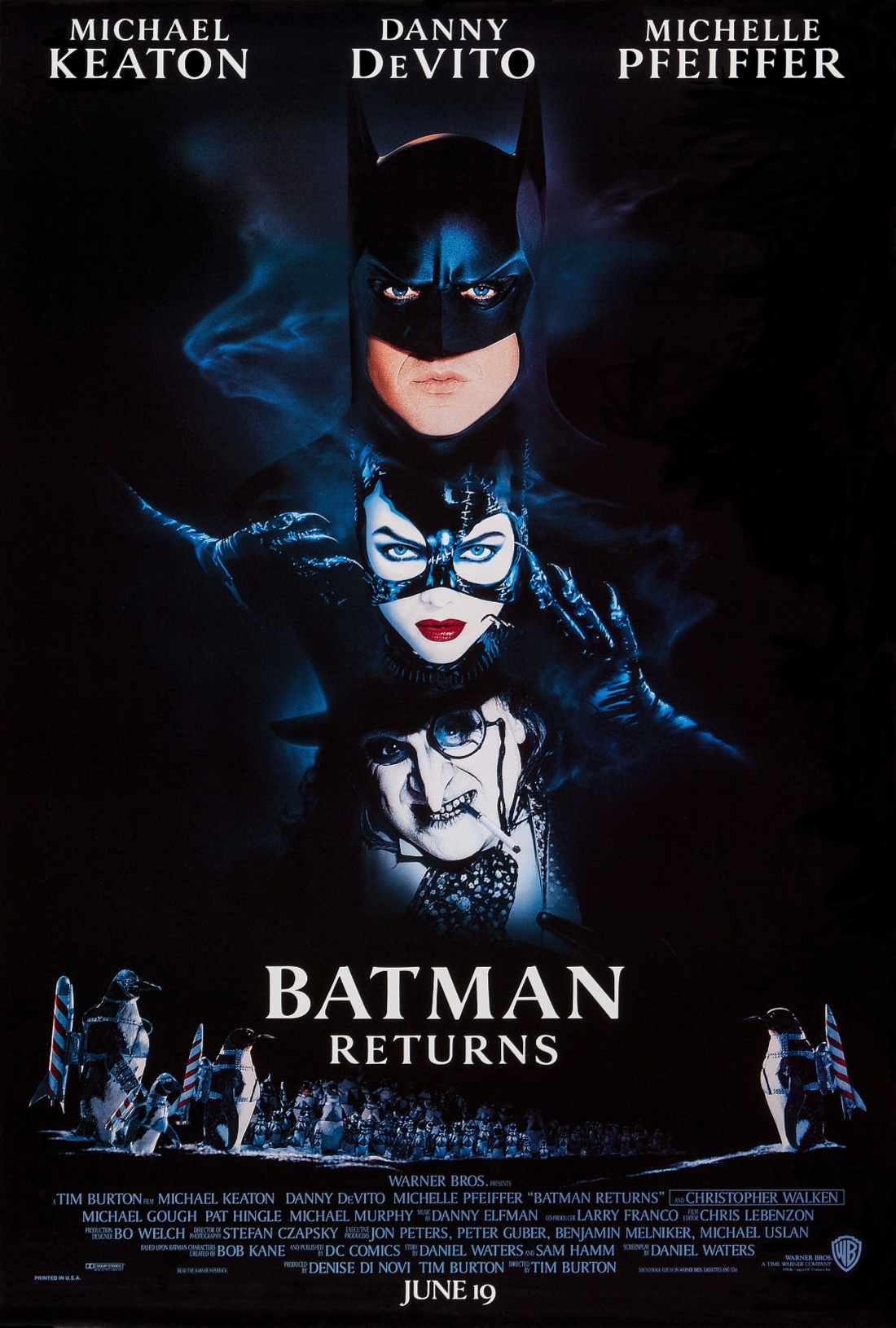
By far, still the sexiest Batman movie! With the reviews from fans and critics alike regarding this weekend’s release of the highly anticipated Suicide Squad ranging anywhere from horrible to moderately enjoyable, I decided to rewatch and review the Batman movie that is still considered by many, and yours truly, to be the most Batman out of all of them. Released in 1992, Tim Burton’s Batman Returns boasts a star-studded cast complete with the German expressionistic filmmaking style and gothic production design often associated with this iconic superhero franchise. The brilliance of Batman Returns can be witnessed in recognizing that Tim Burton provided audiences with an art house film masquerading around as a superhero Hollywood blockbuster. From the architecture to the costumes and cinematography, this Batman movie has more in common with art than a movie. Not that movies lack artistic appeal, quite the contrary–after all cinema is the art of visual storytelling; but there is a certain artistic charm that surrounds Batman Returns uncommon in other superhero movies. In other words, the focus was more on the art of a Batman story than the plot. Many comic book enthusiasts also regard this installment (as well as its predecessor) as very close to the comics in plot and visual design. Furthermore, hands down, the most memorable element of the movie is Michelle Pfeiffer’s Catwoman, and with good reason. Incredibly sexy, seductive, slightly psycho, playful, and conniving. Juxtaposed against Danny DeVito’s monstrous Penguin, Michael Keaton’s timeless Bruce Wayne/Batman, throw in the self-centered and ruthless Christopher Walken’s Max Shreck, and you have a brilliant cast bringing to life iconic characters under the direction of a then-visionary director before he became a parody of himself.

Beneath the streets of Gotham City lies a world of water, waste, and The Penguin. Abandoned by his wealthy parents, Oswald Cobblepot is raised by the Penguins of the former Gotham City Zoo. He grows to resent the world above and the blue bloods of society that cast aside those who they deem as undesirable. High above the sewers, Selina Kyle is nervously tending to her boss’ every need. Not the most meticulous secretary–oh sorry, assistant–she has failed her ruthless boss Max Shreck for the last time, and gets shoved out a window to be nursed back to life by cats. Both abandoned and left to die, but return to life with revenge and warped justice on the mind. During the annual tree lighting ceremony, The Penguin and his henchmen thwart the celebratory atmosphere with gunfire, looting, chaos, and violence. Valiantly defending the good citizens of Gotham, Batman fights off the havoc that The Penguin with which The Penguin is enveloping the city. However, all the public knows is the good, kindhearted Penguin with a love of public service? Although initially setting out to kill Batman, in an ironic twist of fate, sparks begin to fly between Batman and Catwoman AND Bruce and Selina. Revenge, love, violence, and trademark gadgets. This Batman movie has it all.

Even the most dedicated Batman fans will admit that this film certainly has cinematic problems. But why are the flaws in this movie somehow forgiven but the flaws in Batman v Superman or this weekend’s Suicide Squad held against them respectively? Rewatching this Batman movie reveals that it is likely held is such high regard by superhero movie buffs and fans of the comics alike due to of the A-list talent and the artistic or stylistic approach to this story. Because the focus of the film is definitely on the art versus the plot, narrative flaws can easily be overlooked as the experience of this film rests upon the feel and look of everything more so than the plot in and of itself. It is rare for a superhero film to also be so incredibly artistic. And that is why this particular Batman movie stands unique amongst all the others that have been produced over the decades. The passion for visual design is seen in every shot, every costume, and in the sexiness of the interpersonal relationships between the characters. Just like with interpretive art, various interpretations of tone, feel, message, and impression can be found throughout Batman Returns. Regarding the tone of the film, it repeatedly switches from a campy melodrama to tragic love story to action/adventure. In many ways, this film is representative or even self-reflexive of cinema from the 1930s to the 1950s. Paralleling the film’s repeated switches of tone and pace, the characters also change personalities, demeanors, and motives. Moreover, control over situations constantly changes hands throughout the movie. Whether as the audience or a bystander in the movie, it is difficult, at times, to discern the villain from the hero. The magic of this Batman movie is that it bridges the boundaries of so many different interpretations of the Batman universe over the years into a film that embodies the art of filmmaking.

Not a direct follow up to the successful 1989 Batman, this installment is often celebrated as the most Batman of the Batman movies; it’s the one that somehow manages to reflect more about the hero and his world than any other on-screen representation he’d enjoyed before or since. It’s a celebration of the Dark Knight that succeeds, in large part, by its refusal to go too dark, but remains off-kilter and uncomfortable, just enough, all the way through. Likewise, the villains are psychotic, larger than life, and legendary. From the tragic character of The Penguin thrown into the river in a warped Moses fashion on Christmas to the beaten down mousy secretary turned bondage clad 1990s feminist Catwoman, Batman Returns is a quintessential Tim Burton film before he just went way too bizarre in recent years. Both The Penguin and Catwoman can be seen as two different mirrors for our caped crusader. Penguin represents a child of wealth who was abandoned by his parents (not unlike our Bruce Wayne) and Catwoman represents the sensual side of Batman that we seldom get to see but we know it’s there because he is human. The combination of characters, settings, and behaviors makes this film a fun, erotic, and entertaining Batman movie. The stratified emotions, experiences, and interpretations provides audiences with a dynamic story that plays out beautifully on screen. In fact, the film is so entertaining to watch that you will likely forget that the pacing, plot, and structure of the film lacks critical value.

If you are leery about spending money to watch Suicide Squad this weekend, I suggest rewatching–or for some of you watching for the first time–Tim Burton’s artistic masterpiece Batman Returns. If for no other reason, you will enjoy the brilliantly sexy Catwoman, tragic monstrous Penguin, and the definitive Batman/Bruce Wayne as played by Michael Keaton. Such fantastic actors and characters!

Ryan teaches Film Studies and Screenwriting at the University of Tampa and is a member of the Critics Association of Central Florida and Indie Film Critics of America. If you like this article, check out the others and FOLLOW this blog! Interested in Ryan making a guest appearance on your podcast or contributing to your website? Send him a DM on Twitter. If you’re ever in Tampa or Orlando, feel free to catch a movie with him.

Follow him on Twitter: RLTerry1 and LetterBoxd: RLTerry