
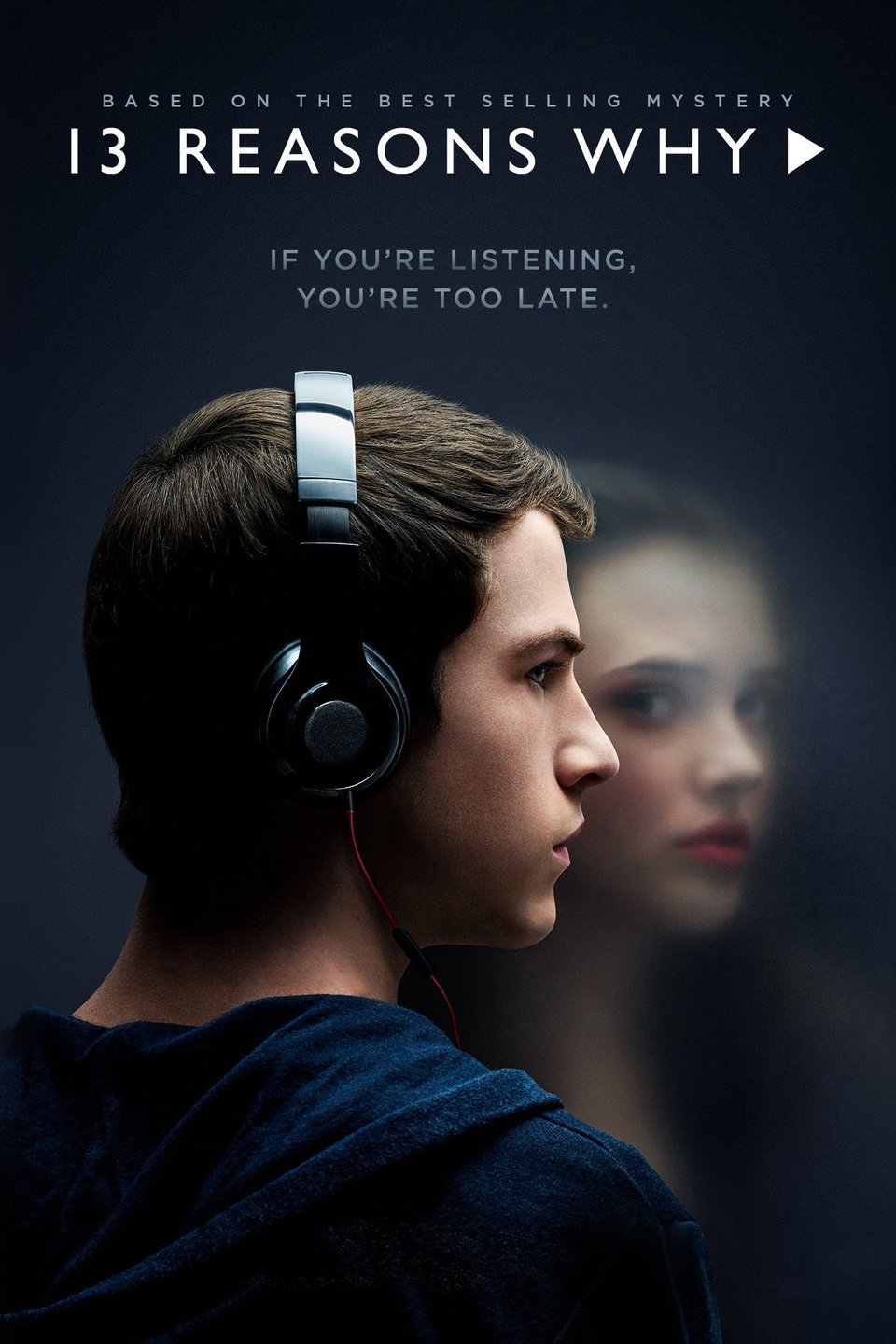
 A fascinating approach to the exploration of the butterfly effect in terms of how that theory plays out in interpersonal relationships. Or, the most comprehensive anti-bullying PSA out there. Unless you have been off the social media grid, there is little doubt that you are unaware of the impact and following of the Netflix original show 13 Reasons Why. Although it took a few weeks for the show to really catch on, once it became a topic of memes, Tweets, and other social media posts, the popularity of the show spread quicker than a viral meme. Responses to the show have been quite polarizing. There is the camp that feels strongly that the show provided an organic unfiltered approach to the gradual mitigation of one’s psycho-social health upon constant negative encounters with peers and bullying; likewise, there is the camp that feels equally strongly that the show glamorizes the ultimate pay-back effect of making peers and authority figures feel responsible for an individual’s decision to commit suicide, and therefore plants the idea that you can exert the pinnacle of revenge by telling your story after the fact. At the end of the day, one’s response to the show will depend on how one interprets the rather meta narrative. Beyond the contentious diegetic components of the show, the production value and editing are superior to other YA shows and even movies.
It’s been quite a while since I reviewed a television show, so I though that this one would be quite interesting to delve into. I’ll be up front and state that I belong to the camp that feels the show is a mirror to bullying and those who suffer psycho-socially moreso than the camp that feels the show supports the belief that it’s perfectly acceptable to blame others for how one feels. Not that I do not see evidence of the latter–I do–but I think the danger in that camp is throwing out the important anti-bullying messages too. Again, it comes down to how YOU interpreted the show’s narrative. The beauty of shows like this one–like this one, in that there is much left up to interpretation–is the simple fact that it gets people talking about a taboo topic or topics that are seen as difficult to talk about. Doesn’t matter the camp to which you may belong; this show accomplished what I believe it set out to do: get people talking about bullying, relationships, and sexual assault in an organic way. Whether you feel that Hannah (Katherine Langford) was justified in her decision, was selfishly seeking attention and desired revenge, or the one that best describes me: disagree with her decision to commit suicide but understand how she got to that point, 13 Reasons Why provides audiences (mostly those in their 20-30s) with ample material to explore the narrative itself and the impact it has had upon the present cultural climate.
Much like in the same vein as the prologue in Shakespeare’s Romeo and Juliet in which we are prevued, through dramatic irony, to the unalterable fact that “two star-cross’d lovers” take their lives and [the audience] will spend the next two hours watching events unfold upon the stage thus learning how and why, Netflix’ 13 Reasons Why begins with the unalterable fact that a young lady has taken her life, and you’ll spend the next 13 episodes learning just why. While the show in question may not completely align with a Shakespearean tragedy, there are many similar components in the story. Moreover, had the show been shot in grayscale and set in the 1950s, it could have easily been a film noir. As it were, it can be classified as a neo noir show. But what keeps audiences engaged with each and every episode is the anxiety that builds up in regards to just why is Clay (Minnette) on those tapes, because everything the audience sees is the nicest guy next door that you could ever meet. There is also a ticking time bomb plot device mildly used because there are only six double-sides tapes and one single (13 sides in total); so the closer we get to the end, the more tension builds. As I cannot comment on the best-selling novel by Jay Asher because I have not read it, the writing of the television adaptation is absolutely brilliant–it’s designed to be addictive and succeeds in keeping eyes glued to “whatever device you are using” to watch the show. Interestingly, just like Clay cannot put the tapes down, neither can many out here put the show down.
Throughout the story, we encounter significant peers and authority figures in Hannah’s life that either directly or indirectly contributed to her decision to end her life and leave the tapes. Yes, I am aware that ultimately she made the decision–that is not what I am arguing for or against here. My point is, we encounter different people who each possess unique character attributes, flaws, and personality traits that impacted Hannah’s psyche. Exploring each character could be entire reviews in and of themselves, so I will be brief. You have characters ranging from disclosing secrets for the sake of showcasing art to not being brave enough to stop something horrible, from stalking those who you feel are more popular than you to something as simple as abandoning your friends at “FML” coffee sessions, and even a character who is so blinded by friendship that they cannot see and return the love of another, finally there is a character who cannot hear cries for help, for those cries are falling upon deaf ears. Each character represents a different character archetype. Along the lines of films and shows that personify the seven deadly sins, this show personified character traits that should be avoided in order to not contribute to someone’s overwhelming negative outlook on life. In short, do not be a dick. Treat one another with respect and love.
(This paragraph contains some mild spoilers) Although one of the characters has two tapes, each tape focuses on a particular person and the thing he or she did to add one more marble to the scale, slowly tipping it. For those who have dealt with perpetual taunting, teasing, or bullying or experienced it while going through K-12 school and living with the emotional scares as an adult, the show does an excellent job of not shying away from the little things, as well as the big, that each break you down a little at a time. Furthermore, the show also provided audiences with brief glimpses into what drives a potential school mass shooter to begin plotting his or her revenge and that one student’s suicide can prompt another because of the hurt someone else may be facing that feels unbearable–or brought on by the guilt of having contributed to the former’s decision to kill herself (Hannah). I think what hurts the full potential of the show’s ability to call for positive change is never taking a stance on Hannah’s suicide–never does a character state that what Hannah did was wrong, or that it deeply hurt those who DID love and respect her. Of course, the moral implications are topics best saved for another day and another forum.
Upon reading the news of a sequel, I cannot escape the fact that this story does not need a sequel–it IS a complete story; however, there could be “13 reasons” why the attempted suicide in the show during the final episode happened or why another character began to plot for a school mass shooting. Those are potential spin-offs that take place within the same universe and with the same characters. In terms of the show’s production value and editing, I was impressed with the subtle nuances of the present day versus the flashbacks. As a rule of thumb, I do not usually care for flashbacks. I mean, if you spend most of your time in a flashback(s), then let THAT be your main story. That being said, 13 Reasons Why successfully integrates the flashback into the diegesis because it makes the present story just as interesting to watch as the past stories. I also loved the color temperature changes from the present to the past. The stylistic editing techniques employed enable the audience to know when they are watching a flashback versus present day. In addition to the editing, there are also wardrobe, makeup, and costuming differences as well. Over all, this show is definitely one to watch in order to fully grasp just how much the little negative interactions or experience with one another can add up to leave someone feeling like there is no way out or whether or not they have the strength to go on.

 R.L. Terry ReelView