
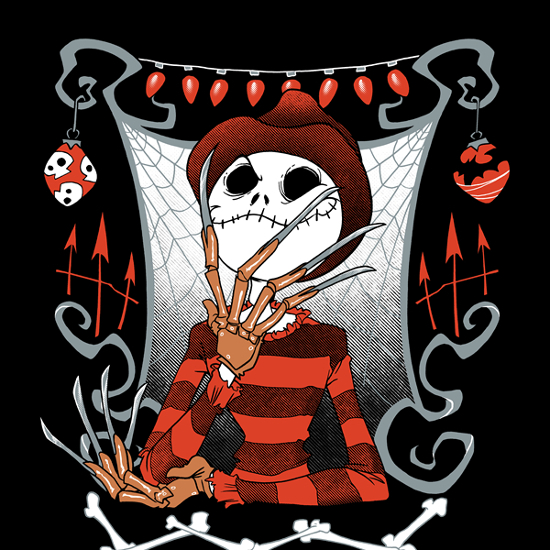
Love this shirt idea! Visit http://shirtigo.co/nightmare-before-christmas-elm-street/
After taking break from posting last week, as it was a holiday, I am happy to provide you with another stimulating article once again on the themed entertainment industry! All week long, I have been thinking about what to write this week. I’ve covered some of the recently opened or previews of attractions and theme parks opening soon; but, I thought that I would take a slightly different approach this week. Over the last year, the United States and other countries have been experiencing a rise in violence. Whether that violence has (1) always been there, but because of the great mediation of society (a proliferation of media capturing devices and distribution outlets), we simply see it more often or (2) if there truly is a signifiant rise in mass violence compared to past decades, is not what I am here to discuss. I would, however, like to discuss the upcoming Halloween events in the parks this year, and specifically, how they might have to adapt or change as a result of the recent mass shootings.
 Already, Universal Orlando has alluded to the fact that it may be revisiting some of its offerings for this year’s Halloween Horror Nights (HHN), and it would not surprise me if Busch Gardens Tampa Bay makes a similar decision with Howl-O-Scream (HOS), as both parks primarily draw from the Central Florida area and of course tourists still flock to the parks for the annual celebration of the macabre. The recent massacre at the Pulse Night Club will undoubtedly have an affect upon the planning and logistics of primarily HHN followed by HOS to a lesser extent. Since the horror film, and by extension the haunted house attraction (or scare zone) are both grounded in the same anthropological (inclusive of sociology) and psychological theories, there is definitely an opportunity to explore this area of themed entertainment. As Disney’s Mickey’s Not So Scary Halloween Party and SeaWorld’s Spook-tacular do not include glorified violence or death, I will not spend time analyzing how those events may change, because they are mostly benign. Suffice it to say, there will likely be some changes coming to HHN and HOS this year. What are those changes? Well, I am not prevued to those decisions; but can extrapolate from logic and theory what may happen in light of recent events in Orlando and beyond. It is important to note that both Universal Orlando and Busch Gardens Tampa Bay mostly likely have to revisit some of the scare zones or houses this year but not implement changes that may have a negative affect upon drawing from guests outside the Central Florida area. Striking a balance between curtailing some of the violence in respect to those who died and still satisfying those who were not emotionally or psychologically impacted is the key.
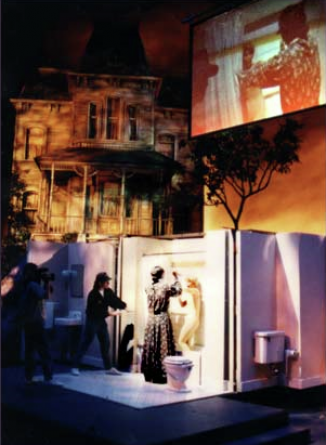
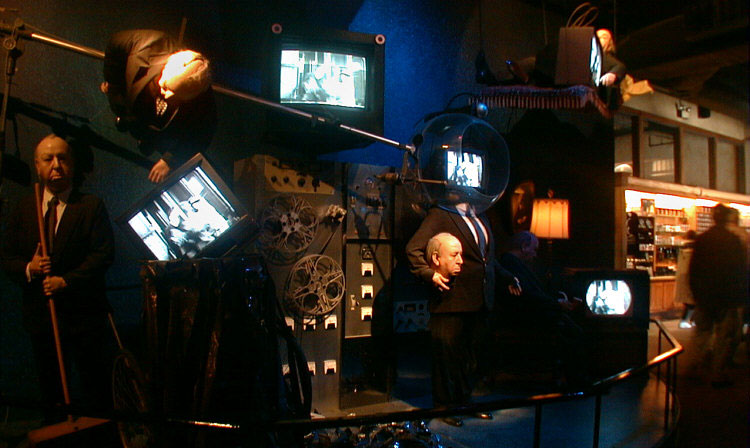
 The events certainly still have to feel like Halloween but perhaps reimagining some of the offerings will aid in finding that delicate balance. It is entirely possible that many who have enjoyed going to HHN and HOS in the past may back off this year in an effort not to come face-to-face with violence as it has greatly impacted many people. Here’s an interesting question: does horror have to be violent? Yes and no. Some of the greatest horror movies of all time are not terribly violent at all, but the eye witnessing violent acts certainly creates terror in the minds and bodies of the audience (or park guest). Alfred Hitchcock once said, “there is no greater threat than an unopened door.” This is indicative of the master of suspense’s ability to generate the fear of something or someone that may not even be a threat. There is another Hitchcock quote (or, at least I believe it’s Hitch) to the effect of “greater is the fear that’s in the mind than on the screen” (if you know of this exact quote, please let me know). That being said, likewise, seeing Freddy, Jason, Leatherface, or Michael is equally terrifying because of the trademark violence they have displayed on the screen over the years. It is important to year-round or seasonally operating Halloween-themed attractions to include both the physical and psychological/emotional aspects of horror in order for the guests to have a dynamic and full experience facing that which terrifies them and from which guests would otherwise run away.
 Throughout history, from the fights in the Roman Coliseum to Michael Myers’ slaying of people in Halloween, audiences have been both entertained and repeatedly drawn to stories and shows that highlight horrific acts of violence or feelings of terror and anxiety. Perhaps there is a deep seeded reason as to why millions of people find entertainment value in horror films. This question has been tackled by many psychiatrists and psychologists, each has come up with a different explanation as to “why horror?” Most notably, famed psychiatrist Sigmund Freud provided great insight into an explanation of why people find horror films fascinating in his essay on the Uncanny. In his study on the uncanny, Freud takes on the literary imagination (this same literary analysis can and is used to analyze film and themed entertainment) by dividing his theory up into three sections. He first defines the concept of the uncanny, then performs an examination of the context required for understanding the experience of the uncanny, and finally explores the affects of the uncanny on the psyche through literature and fiction. Some of the running themes throughout his essay are loss of eyes, castration, the double-ego, and self-reflexivity. Through the framework laid out by Freud, scholars and film critics can explore the themes in horror film as it relates to the human subconscious; and for purposes of our discussion, the horror attraction.
Freud explains the realm of the uncanny as the place at which aesthetics and psychoanalysis merge, because it deals with a particular feeling or sensation combined with emotional impulses. The substances or manifestations of the uncanny are elements that are fearful and frightening. Proceeding with Freud’s definition of the uncanny being a class of frightening elements, plaguing the psyche, ushering an individual back to what is familiar (heimlich) and known (as opposed to what is unknown). Freud refers to the uncanny as that “which should have remained secret and hidden, but has come to the light.” Furthermore, he goes on to further describe the uncanny as the “mark of the return of the repressed.” The concept of the uncanny is a type of unwilling or mistaken exposure to something surprising, unexpected, or horrific. Freud claims that the source of the uncanny in literature is the recurrence of something long forgotten and repressed. However, not everything that returns from the psychic depths of repression is uncanny. The mere return of repressed feelings and experiences is not sufficient for the uncanny to occur. It requires something repressed having returned but represented by an unexpected and outside the realm of reality. This is easily accomplished in literature (and by extension, movies, theme park attractions, and plays) because fantasy is different from reality.
Just because something works as uncanny in a work of literature doesn’t mean it can work in real-life as well. During times of tragedy felt by an entire group of people or nation, the same concepts which work in literature and film may not work as well, for a period of time anyway, in themed entertainment. Within literature, if the author makes a pretense to realism, then he or she opens the door to supplying the story with the uncanny. Often times, the uncanny in literature and film is the projection of the psyche of the central character on another object or person combined with a warped view of the objective and subjective of a given situation. It’s like something within the fictional world creeps into the real world. Within the horror genre, there are many different stories or narratives that exist. And, each type of horror film tells its story in different ways; however, they are all concerned with getting the same emotional response from the “people out there in the dark,” as famously stated by Norma Desmond in the timeless film noir classic Sunset Blvd. Sometimes the audience will go on a journey into the crazed mind of a psychopathic serial killer or they may witness a supernatural monster terrorizing a small Bavarian village. In either case, Freud believes that the writers of horror, and by extension themed entertainment designers, are concerned with exposing the audience to “other” scenes. And, these “other” scenes are rooted in the subconscious.
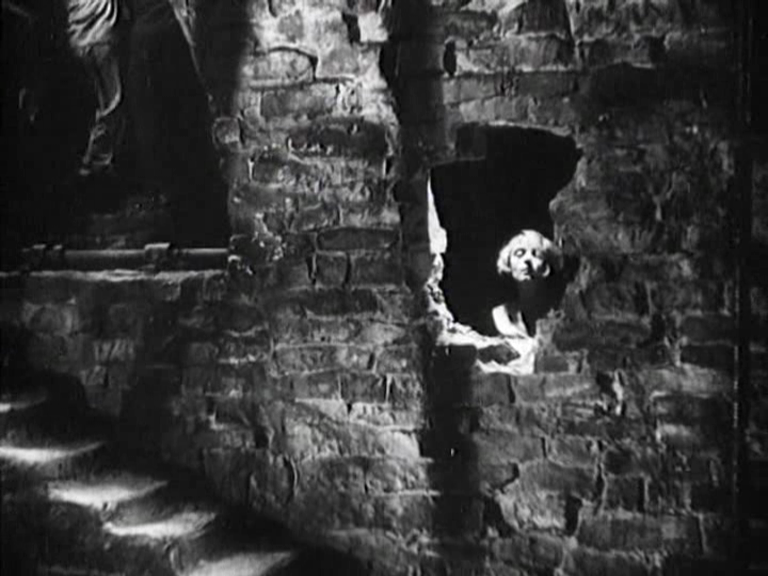
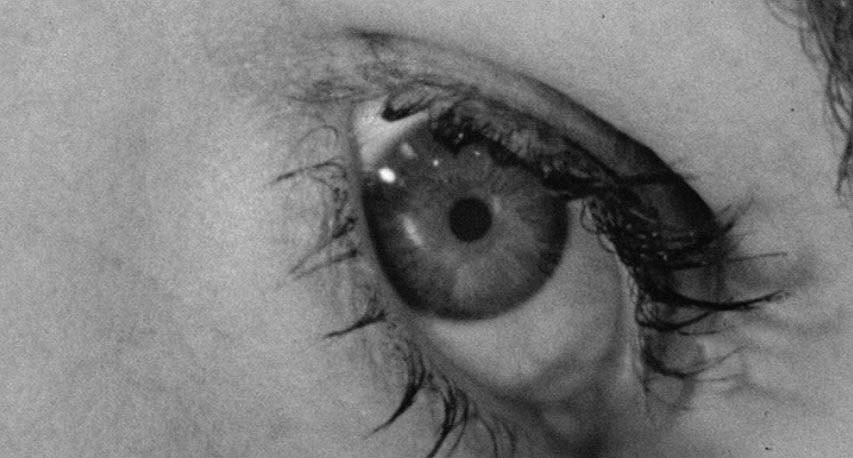
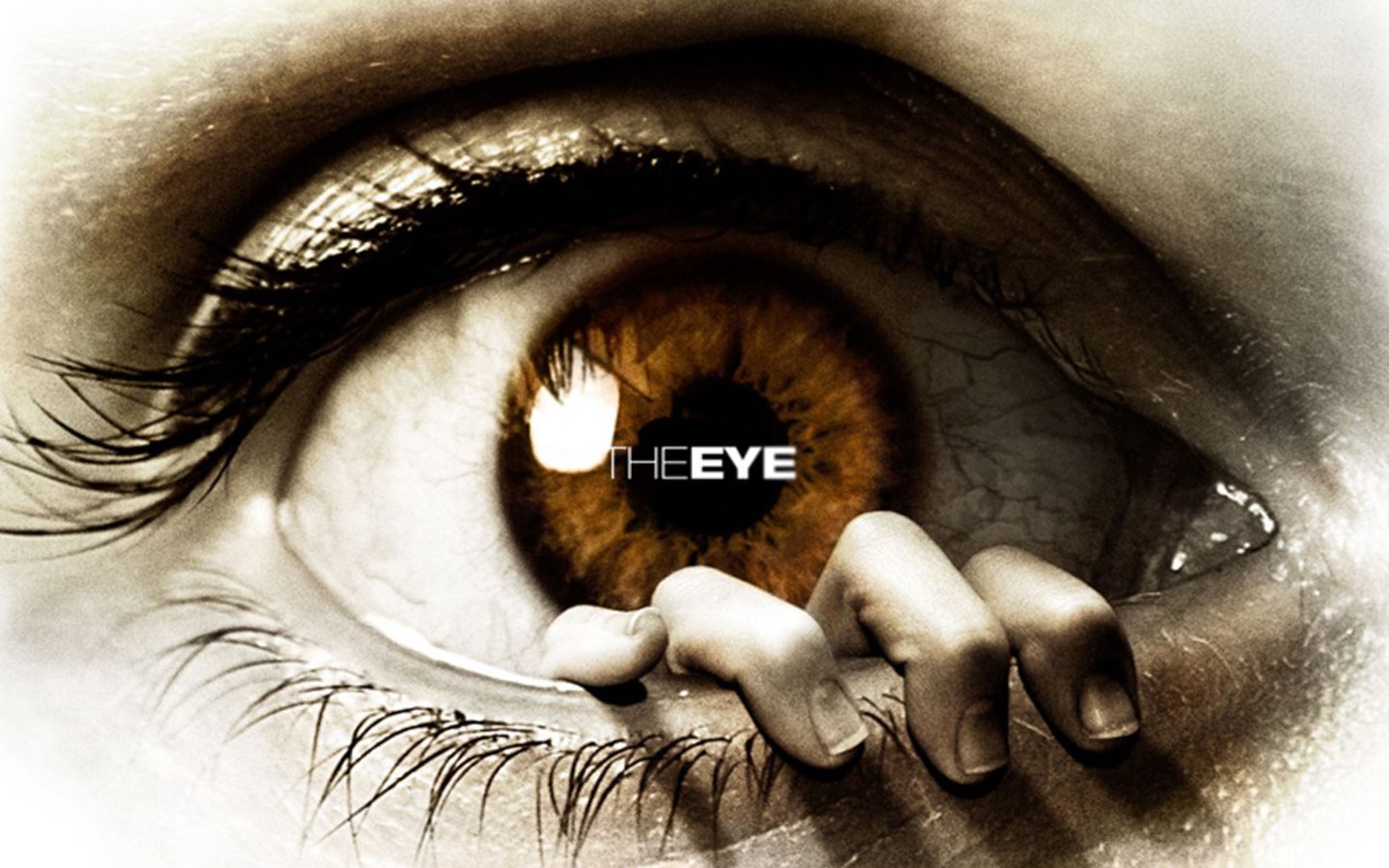 Moreover, Carol Clover also provides insight into the fascination with the horror theme park attraction. After all, horror films and theme park attractions are mostly concerned with what you actually see. Horror attractions, much like their movie counterparts, are visual stories that are translated into experiential narratives. The Halloween themed attractions in the parks have to include different eyes. The three principle types of eyes used in horror attractions are the assaultive gaze (active, penetrating), reactive gaze (passive, penetrated, the most common in horror storytelling), and repeated gaze (masochism for characters and spectators alike). This is one reason why extreme closeups (ECU) of the eye are popular in horror films turned attractions. The eye is extremely symbolic in narratives driven by fear. The design of horror attractions and films is extremely fascinating because of the convergence of visual storytelling and engineering. It’s more than blood, gore, screams, and knives; there is almost a poetry behind it. A brilliantly insightful quote from Clover is, “Inasmuch as the vision of the subjective camera calls attention to what it cannot see–to dark corners and recesses of its vision … and what might be … just off-frame–it gives rise to the sense not of mastery but of vulnerability.” At the end of the day, both HHN and HOS highlight our vulnerability and prey on our fears of that which assaults the eye and should remain hidden.
 But what about HHN and HOS this year? Looking to the past, and how Universal Orlando handled mass violence in society that had a profound impact on a group or whole culture of people may help shed light on what might be expected this year. During HHN XI (2001), Universal Creative pulled Eddie, the chainsaw wielding maniac with a complex and fascinating backstory, from the lineup after the attacks on 9/11/2001. It was decided that the mood of the United States was such that it would have been in poor taste to include such a violent icon in the theming. In addition to the removal of the HHN icon, most signs of blood, gore, and the glorification of violence were removed–even names of characters and zones were modified. Because of the recent deaths of nearly 50 people (some of whom were connected to the parks as employees, bloggers, or past performers), we might witness a similar reimagination of events at Halloween Horror Nights and Howl-O-Scream this season. Hopefully, I have been able to open a discussion on how things could be reimagined at the annual Halloween events this year. An attraction can be equally terrifying even if there is no violence to be seen. However, the inclusion of cliche horror film violence is an integral part of the modern Halloween attraction experience. Even Carol Clover explores the importance of men, women, and chainsaws in horror storytelling. Perhaps the creative engineers and designers at the parks will look beyond what has typically been a staple of these events and embrace other avenues of terror that will still prompt screams. In all likelihood, we will probably see the dial turned back on the knives and guns during HHN and HOS but that certainly does not mean that the attractions will be any less terrifying. It’s entirely possible that the mind of horror will outweigh the eye of terror in the theming, planning, and design of HHN and HOS this year.
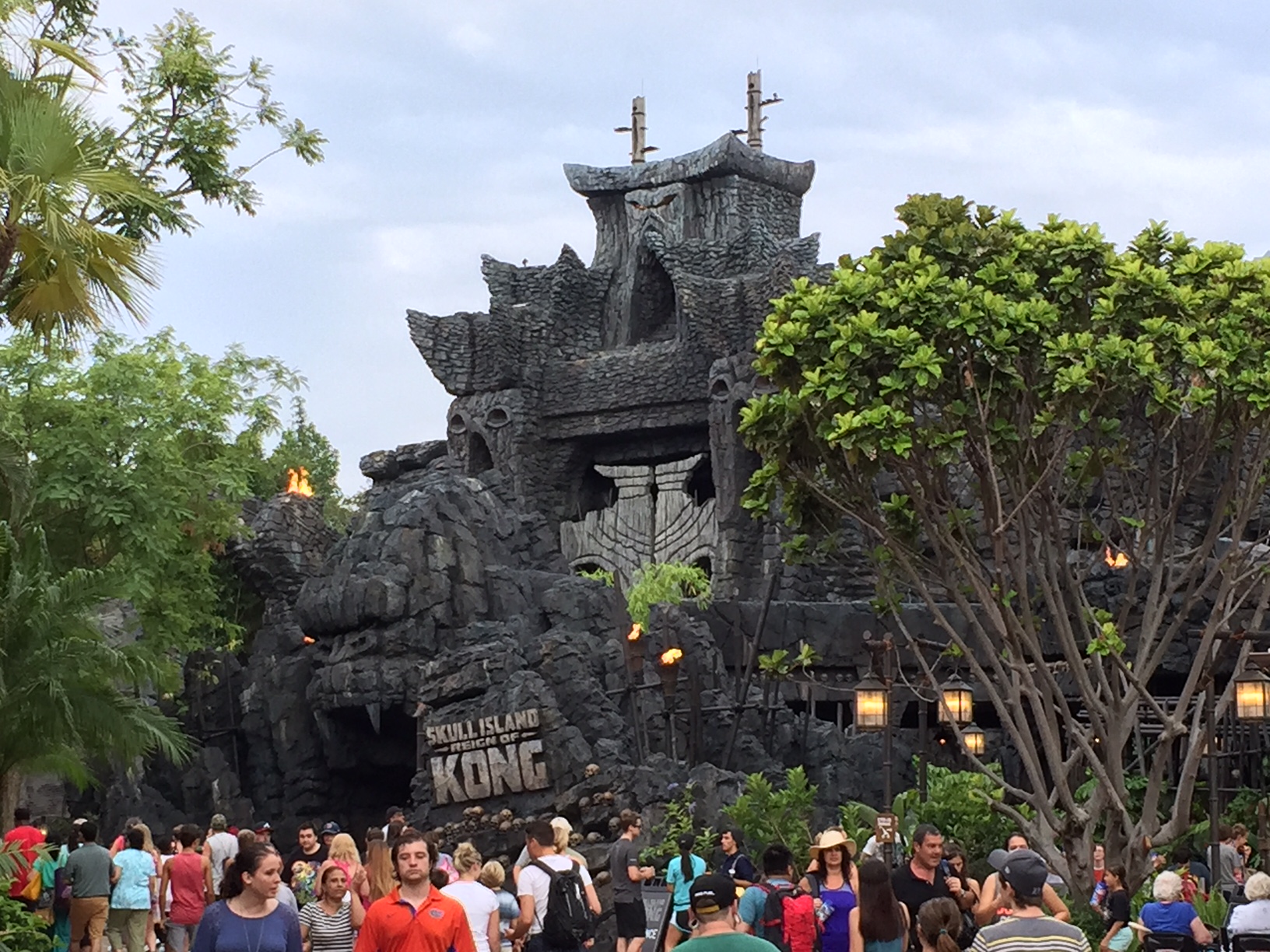
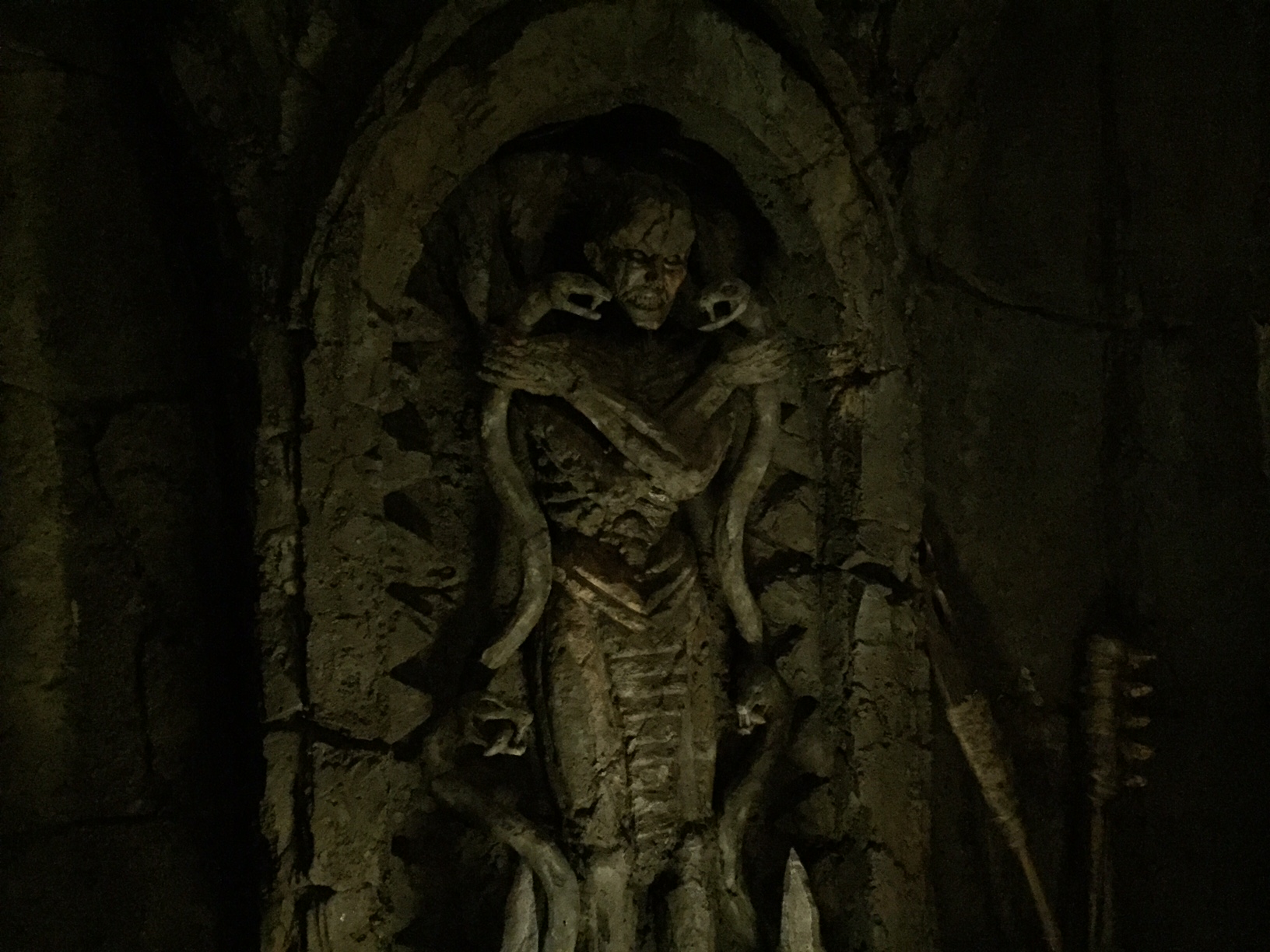
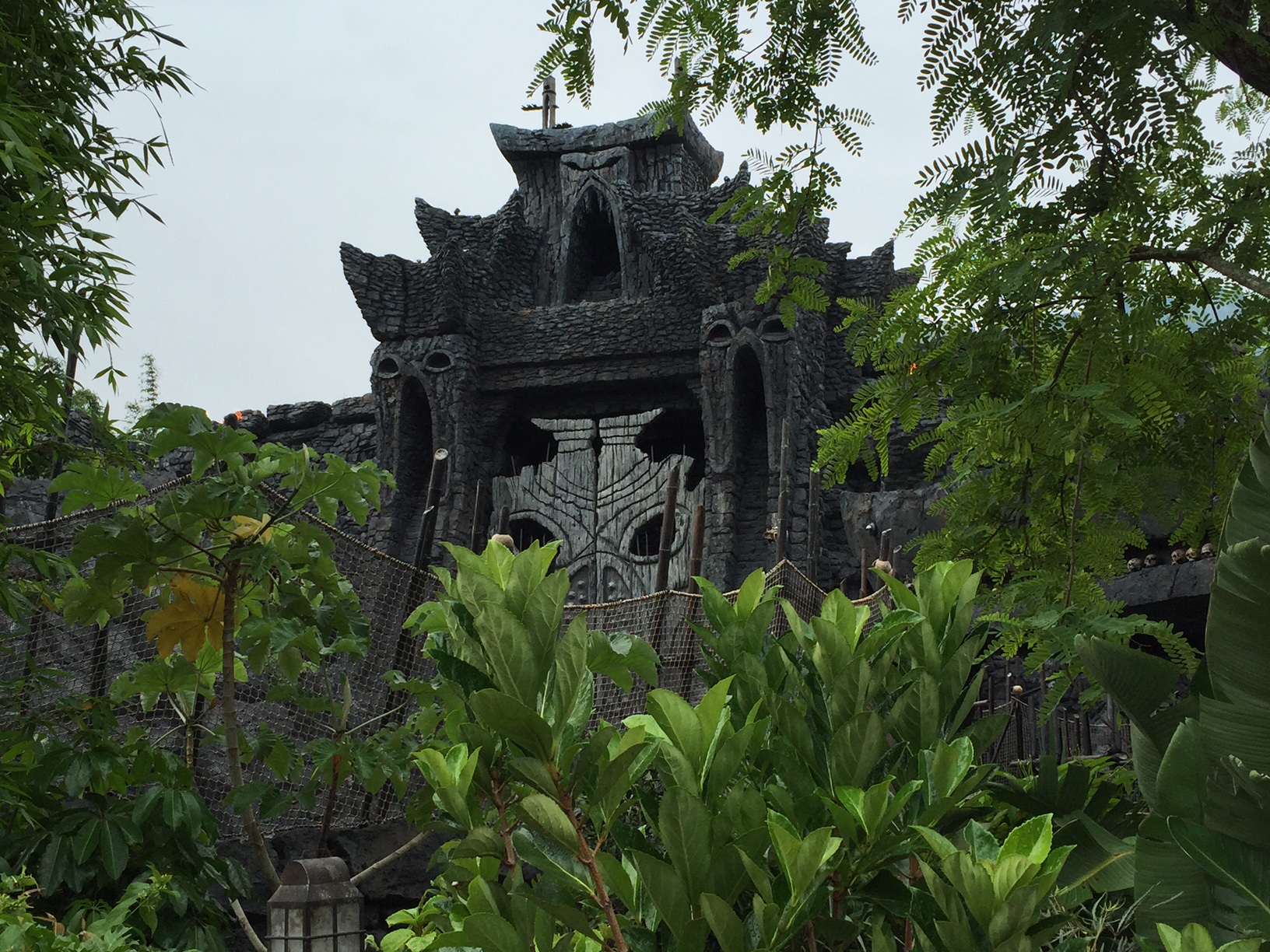
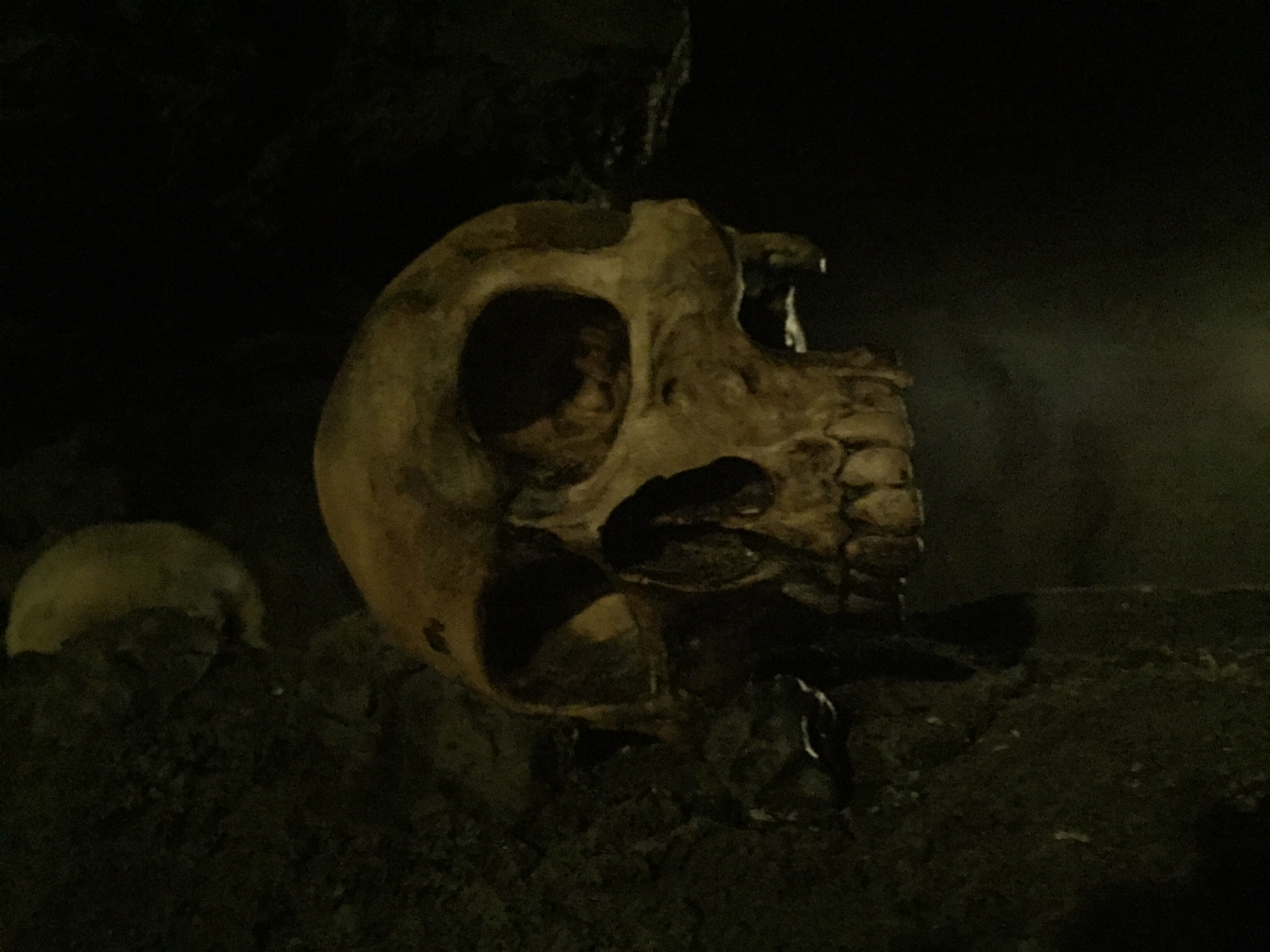
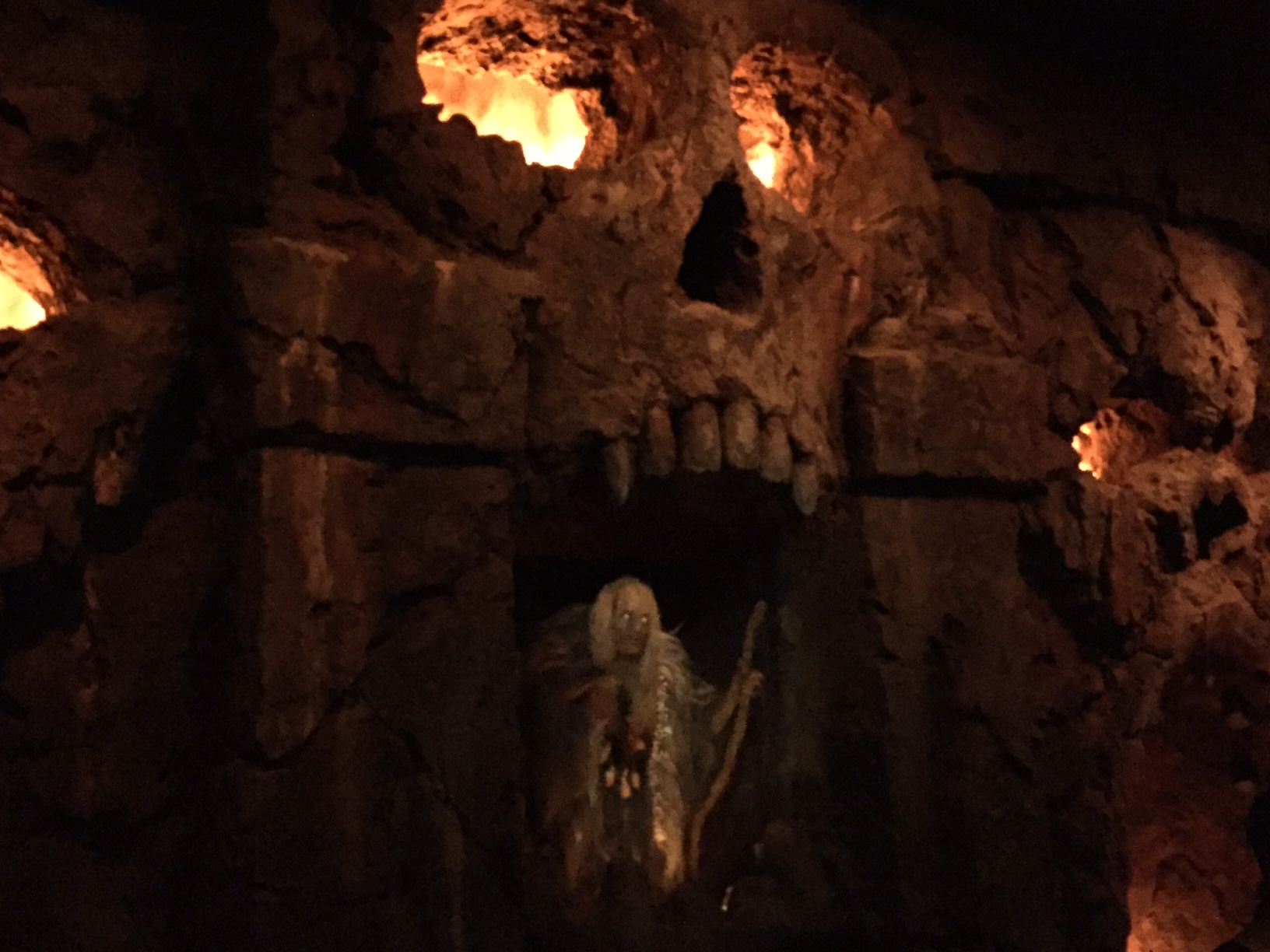
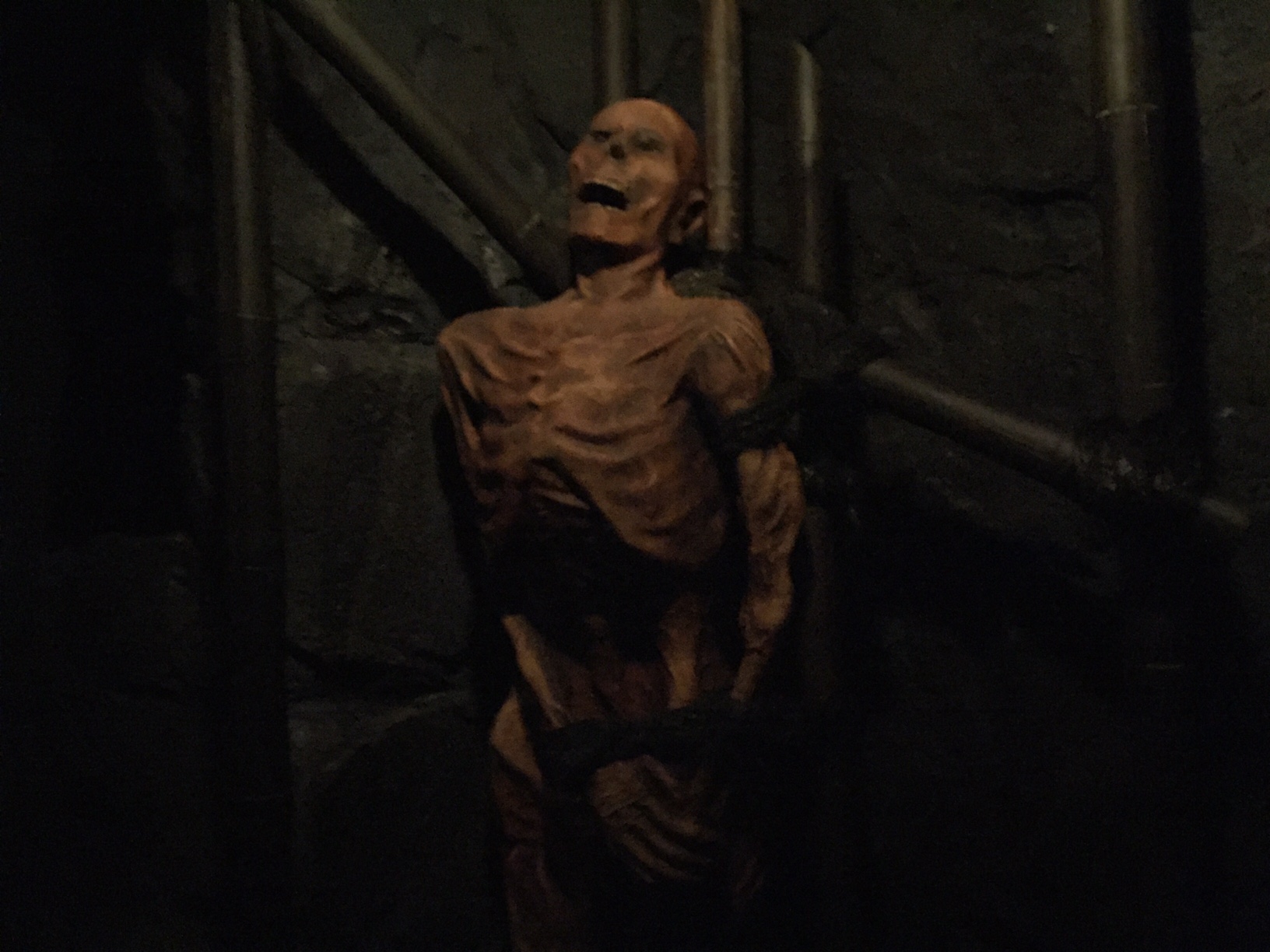
 loading dock, you proceed through the catacombs and outside to the pathway leading to the colossal stone gate. Unlike the forced perspective that is often found in the Disney and Universal parks out of logistic and engineering necessity usually, the King Kong gate is full scale. In many ways, you will feel just like Jurassic Park’s Malcolm when the doors open and you venture out into the wilds of Skull Island. During rainy weather, the attraction designers paved a way for the vehicles to bypass the gate which does take away from some of the initial impression but ultimately will not negatively affect the park guests’ experience on the ride.

 R.L. Terry ReelView