
TOP 10 FILM SCORES OF THE 1970s: AN ECLECTIC DECADE OF TRANSFORMATION

Film scoring in the 1970s was nothing short of revolutionary. This was a decade in which composers and filmmakers experimented with sound in bold, unprecedented ways. Sweeping orchestras still had their place, but they now shared the stage with eerie minimalism, jazz-infused soundscapes, synthesizers, and even progressive rock. The result was a period of extraordinary breadth and innovation—one that gave us some of the most iconic film music ever written.

At the heart of this decade stood John Williams and Jerry Goldsmith, two composers who dominated in very different ways. Williams revived the lush, symphonic tradition and brought it back to the masses with scores that became cultural phenomena. Goldsmith, meanwhile, was the chameleon—endlessly inventive, prolific, and daring, whether working with avant-garde techniques, electronic experimentation, or lyrical orchestrations. Yet the decade was not defined by them alone. Outsiders like Goblin, with their phantasmagorical score for Suspiria, or directors such as John Carpenter, who electrified horror with nothing more than a chilling piano rhythm in Halloween, proved that iconic film music could be born outside the studio system. Jazz, soul, and early R&B also found their way into major works, mirroring the diverse cultural pulse of the era.

The soundscape of the 1970s was one where tradition collided with innovation. Bernard Hermann closed out his legendary career with Taxi Driver, a jazz-infused urban nightmare that distilled both character and city into sound. Jerry Goldsmith, the consummate innovator, moved effortlessly from the operatic choral terror of The Omen to the avant-garde dissonance of Alien and the melancholy trumpet of Chinatown—not to mention his enduring Star Trek theme, launched in The Motion Picture. Mike Oldfield’s Tubular Bells, adapted for The Exorcist, demonstrated that minimalist rock could chill as deeply as any orchestra. And Williams resurrected the grand symphonic tradition with Jaws and Star Wars, reintroducing sweeping themes and leitmotifs to a new generation. Taken together, these works made the 1970s both a bridge and a launchpad: honoring the past while daring to explore the future.

Audiences witnessed a resurgence of the full-bodied symphonic score, reviving the golden-age practice of leitmotif-driven composition. But while many scores channeled old Hollywood, these same scores were blazing new trails–trails that future filmmakers would tread and further develop in their own voices. Yet the 1970s were hardly a return to tradition alone. From fragmented jazz and abrasive brass to minimalist repetition that conveyed inevitability, film scores proved that music could disturb and destabilize as effectively as it could uplift. Musical expressions across a wide spectrum were represented and fused throughout the decade. This eclecticism was witnessed in the integration of jazz, rock, and popular styles into film scoring. Jazz, long associated with improvisation and urban grit, seeped into dramas and thrillers, while progressive rock and folk elements brought an otherworldly quality to European cinema.

This embrace of contemporary genres reflected the cultural currents of the 1970s, when popular music increasingly shaped the everyday soundscape. Although electronic instruments are often associated with the 1980s, experimentation with synthesizers truly began in the 1970s. By blending traditional compositional techniques with new technology, composers created atmospheres that felt immense, uncanny, and otherworldly. Horror, in particular, became the proving ground for these sonic experiments. From the satanic choral grandeur of The Omen to the eerie repetition of The Exorcist, the avant-garde unease of Alien, and the surrealism of Suspiria, horror films became laboratories for innovation—setting trends that rippled across genres.

The eclecticism of 1970s film scoring mirrored the turbulence and transformation of American life during that same decade. The United States was navigating a shifting cultural landscape—post-Vietnam disillusionment, Watergate’s erosion of political trust, an energy crisis, and social movements that challenged the norms of race, gender, and identity. Just as the nation was renegotiating its sense of self, film music was renegotiating its role in storytelling. The return of grand symphonic scores reflected a yearning for stability, heroism, and mythmaking in a time of uncertainty. At the same time, the rise of dissonance, minimalism, and electronic experimentation resonated with audiences living through an era of anxiety and rapid change. Just as the decade was defined by eclectic fashion, political unrest, and artistic upheaval, so too was its film music characterized by hybridity, boldness, and the breaking of old rules. The cinema became a cultural mirror, wherein the nation’s contradictions—fear and hope, nostalgia and progress, tradition and innovation—were set to music.

The 1970s also reasserted film scores as cultural touchstones, in ways not witnessed since Herrmann’s Psycho. John Williams work and name became instantly recognizable beyond the movie theatre, entering the cultural lexicon in a way few film scores had before. Jerry Goldsmith pushed the boundaries of what film music could evoke, Nino Rota created hauntingly elegant themes with operatic weight. Meanwhile, Mike Oldfield’s Tubular Bells proved that a minimalist rock piece could achieve global recognition and forever alter the sound of horror. Collectively, these works and more reestablished film music not merely as background support, but as a defining element of a film’s identity—inseparable from its success and enduring in the popular imagination.

The 1970s forever changed how we would hear cinema.

This week, on my show ReelTalk on WKGC Public Media, I sat down with music professor Dr. Steven DiBlasi to countdown our Top Ten Film Scores of the 1970s. Our respective lists both aligned and diverged, covering the wide spectrum of great, memorable film music that was the 1970s. Below, you will find our respective Top 10 lists, but for the full conversation (approx 1hr), you’ll want to listen to the episode!

Listen

Top 10 Film Scores of the 1970s

Mine (Ryan’s)

Dr. DiBlasi’s

  • 10. Taxi Driver (Bernard Herrmann, 1976)
  • 9. The Godfather (Nino Rota, 1972)
  • 8. Chinatown (Jerry Goldsmith, 1974)
  • 7. The Omen (Jerry Goldsmith, 1976)
  • 6. Alien (Jerry Goldsmith, 1979)
  • 5. Star Wars (John Williams, 1977)
  • 4. Jaws (John Williams, 1975)
  • 3. Suspiria (Goblin, 1977)
  • 2. Halloween (John Carpenter, 1978)
  • 1. The Exorcist (Mike Oldfield, 1973)
  • 10. The Petrified Forest (Toro Takemitsu, 1973)
  • 9. Days of Heaven (Ennio Morricone, 1978)
  • 8. Space is the Place (Sun Ra, 1974)
  • 7. A Clockwork Orange (Wendy Carlos, 1971)
  • 6. Don’t Look Now (Pino Donaggio, 1973)
  • 5. Shaft (Isaac Hayes, 1971)
  • 4. Taxi Driver (Bernard Hermann, 1976)
  • 3. Chinatown (Jerry Goldsmith, 1974)
  • 2. Hurricane (Nino Rota, 1979)
  • 1. Star Trek: TMP (Jerry Goldsmith, 1979)

Ultimately, the 1970s was a transformative decade of film music, both a bridge and a launchpad. It bridged the golden age of orchestral scoring with the bold experimentation of the modern era, while launching the blockbuster tradition and electronic innovation that would dominate the decades to come. The eclecticism of 1970s film music remains its hallmark, and its influence can still be heard in how cinema sounds today.
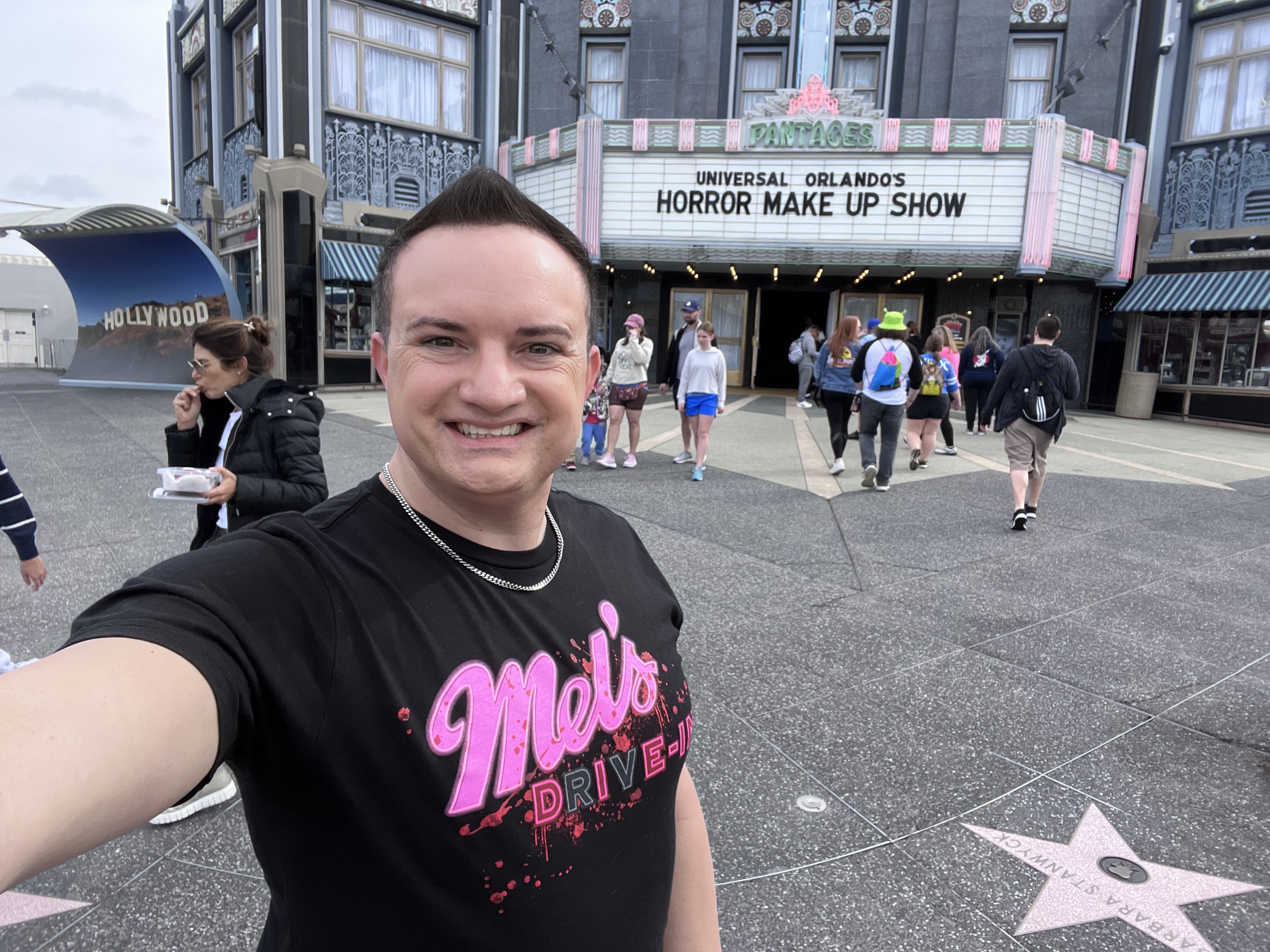
Ryan is the general manager for 90.7 WKGC Public Media in Panama City and host of the public radio show ReelTalk “where you can join the cinematic conversations frame by frame each week.” Additionally, he is the author of the upcoming film studies book titled Monsters, Madness, and Mayhem: Why People Love Horror. After teaching film studies for over eight years at the University of Tampa, he transitioned from the classroom to public media. He is a member of the Critics Association of Central Florida and Indie Film Critics of America. If you like this article, check out the others and FOLLOW this blog! Follow him on Twitter: RLTerry1 and LetterBoxd: RLTerry

Sinister Summer: Burnt Offerings (1976) Retrospective Review

A haunting, dreamlike supernatural horror film about a truly hangry house that was ahead of its time. This month’s retrospective review is on Dan Curtis’ only theatrical film,: 1976’s Burnt Offerings. While I have certainly heard and read good things about this film, I had not really made it a priority to watch. A priority in that I would spend the $4 on Amazon to rent it. But the night before writing this, I saw it show up as a featured Shudder offering. With a mediocre IMDb score, I wasn’t convinced to spend my evening watching the two-hour film; however, upon a Google search, I saw that Golden Age screen icon (“fasten your seatbelts, it’s going to be a bumpy night”) Bette Davis was in a supporting role, as well as Burgess Meredith. Throw in leads Karen Black and Oliver Reed, and you have one stacked cast. But an opportunity to see those Bette Davis Eyes was what swung the pendulum in favor of selecting this more-or-less obscure 70s horror film.

Ben Rolf (Reed), his wife Marian (Black), and their son Davey (Lee Montgomery) visit a country manor up for rent for the summer. They are welcomed by weird siblings Roz Allardyce and Arnold Allardyce (Meredith) who offer the mansion for $900 for the whole summer. Ben is concerned with the upkeep of such a stately place, and the Allardyces state that the house will take care of itself as long as they show it love. The only condition to the siblings’ generous offer is that the Rolfs feed their mother that lives in a plush, cozy attic apartment three times a day by leaving a tray outside of her room. The Rolf family accepts the too-good-to-be-true offer, and move in right away with Ben’s vivacious, eccentric Aunt Elizabeth (Davis). Not long after moving in, Marian begins to become more and more obsessed with Ms. Allardyce and the house. Meanwhile, unsettling things begin happen to the Rolf family, including violent outbursts, and even an untimely death. Ben feels that something sinister is going on with the house, and urges his family to leave. But leaving the estate is not as easy as it seems.

It’s all too easy to see hues of The Shining, Poltergeist, and even The Haunting and The Skeleton Key in this film, but remember that Burnt Offerings came out four years before The Shining and six years before Poltergeist. So if the plot feels a little predictable at times, it’s not because William F Nolan’s screenplay borrowed heavily from those tentpole heavy-hitters, but because those two iconic films perhaps took a little inspiration from it. Where Curtis may have taken inspiration was from Carnival of Souls because it feels like there is a nod or two to that film. Curtis has pacing down to a science! He demonstrates command of the emotional and psychological journeys of the characters and audience. Those who watch this film without reading up on it will scarcely have the leisure to ask why the Rolf family isn’t more observant and curious about their grand dwelling. At the time this film was released, horror was increasingly concerned and even obsessed with supernatural villains and primal fears take that place in otherwise innocent settings, such as an innocent little girl in The Exorcist or an innocent palatial estate in Burnt Offerings. In the case of the latter, the supernatural monster/entity is the house itself, which manifests its sinister desires in very much the same way a vampire does. It’s romantic, alluring, feeding on and sustaining itself with violence and death. This monster is capable of menace, vengeance, outrage, and even murder.

Instead of a shaky handheld camera, promiscuous teens/college students, and poor pacing that lacks a true windup or never pays off at all, comes a film that was ahead of its time in haunted house storytelling. This film feels far more polished and meticulously executed than most present-day haunted house movies. You won’t find jump scares or haphazard pacing here; this film comes from a time when the slow burn was both the norm and it was strategically utilized to setup a brilliant, shocking payoff that is ultimately among the most effective and memorable horror film endings of all time. In terms of its alluring aesthetic, Burnt Offerings harkens back to the days of Gothic horror in the vein of Edgar Allen Poe and the first and second generation of Universal Pictures Horror. Particularly Poe’s Fall of the House of Usher feels heavily channeled in this otherworldly, unsettling horror film. The film location itself comes completely with a sordid past. The estate in the film is the Dunsmuir Estate in Oakland, CA, which was used in every scene according to Curtis (so sound stages). It was built by coal fortune heir Alexander Dunsmuir in 1899. Dunsmuir intended the house to be a wedding gift for his new bride; but in horror movie fashion, he didn’t get to live in it with her because he fell ill and died while on his honeymoon in New York City. His new bride returned to live in the house but died soon after in 1901. What better haunted house location than a location, which may be truly haunted?!?

Burnt Offerings was one of many horror films in the 1970s and early 1980s that commented on the rising negative societal effects of middle-class life, including viral consumerism and obsession with single-family-house ownership, the family is destroyed by a house they otherwise dreamed of. Furthermore, it also provides an exploration of the perceived breakdown of the nuclear family, following the civil rights and sexual revolution movements. Closely reading the major themes in Burnt Offerings leads me to posit the idea that perhaps the most effective way to critically analyze this film is to interpret it as a supernatural parable on the risks of being controlled by one’s possessions. That said, contrary to how the Biblical proverb is so often misquoted; money is NOT the root of all evil; it’s the LOVE OF money that is at the root of all evil. And here, we can replace money with possessions (more specifically, the obsession with possessions). This is shown through Marian’s obsession with the Allardyces estate and possessions therein, Ben’s sexual obsession with his wife (as an object to possess), and the house’s evil energy possessing and draining the family. Anyone who’s ever owned a car, a house, or any kind of property can relate to what this family is going through. We know it as viral consumerism, or the toxic desire to acquire material objects (in today’s language, we can include experiences), which can begin to dominate one’s life. Furthermore, we’ve all been there, experiencing that feeling that repairs to, taxes on, and upkeep of property (be it cars, houses, or anything really) can become a burden that is figuratively unbearable. Ostensibly, the property and experiences we sought to possess, in an ironic twist of fate, now possess us.

The horror of Burnt Offerings is portrayed as a manifestation of the family’s inner turmoil. We aren’t given much to go on, as far as the family’s backstory, but clearly the facade of a happy couple is merely a thin veneer covering a very unhappy marriage–one that is using this summer get-away as a means to rectify. Although not specified, Ben is likely a teacher or non-tenure track college professor because his family is there for the summer (I infer this because Marian encourages Ben to work on his doctorate, something I intend to do as soon as I land a full-time staff/faculty position at the university where I’ve taught part-time for over five years). The manifestation of the internal conflict is expressed through the atmosphere and external behavior of the characters, much in the same way we witness this in The Shining, but more effectively witnessed in Rosemary’s Baby. The screenplay by Nolan (and Curtis) grafts this familial dysfunction onto the haunted house conventions to create an eerie sense of tension, both supernaturally and psychologically. As we observe how the Rolf family interacts in public (in front of the Allardyces) and in private (in their vehicle in a Shining-like motif), it’s easy to imagine that perhaps the “right people,” the Allardyces seek for the house, are ones living under a pressure cooker of repressed animosity and barely controlled hostilities.

Lastly, but certainly not least are the overall performances! Everyone in Burnt Offerings delivers a stellar performance. Talk about an award-winning, powerhouse ensemble! From the leads to our supporting cast, you will be delighted at the top shelf quality of the actors and their respective characters. What I appreciate most about each performance is just how authentic they were, no matter if the actor was playing a lead or supporting character. Both Reed and Black completely sell audiences on the stages of the relationship between their two characters as they go from happy to toxic couple, and it all feels so incredibly genuine. Montgomery’s performance as their son is par for the course, but effective and believable enough in this story (albeit he sometimes acts a little older than a 12-year-old would act). Burgess Meredith and Eileen Heckart simultaneously convince audiences their characters are jolly, eccentric siblings–yet there is a nuance of something creepy underneath. But the performance you really want to know about is the incomparable Bette Davis as Aunt Elizabeth. You get it all: Davis’ trademark sassy personality, witty quips, independence, and her eyes! Yes, those Bette Davis eyes that are a hallmark of cinema. One of the most beautiful faces the silver screen has ever seen, and yet she was adamant that she look like her character should look. Therefore, you eventually get a haggard, makeup-less, decrepit old woman that is the complete 180º from how we commonly see Davis. She delivers a fantastic performance, and you will be left wondering why she didn’t do more horror films to rescue herself from TV movie hell in the latter part of her career, from the golden age until she passed away in 1989.

If you are a fan of 1970s horror, The Shining, Poltergeist, Rosemary’s Baby, or Amityville Horror, I feel confident that you will enjoy this film. While it’s not a great horror film, it is a solidly good one that fans of the genre will likely appreciate. In retrospect, there is so much to unpack in this dreamlike, haunting gothic horror motion picture. Perhaps audiences at the time it was originally released weren’t ready for this methodical haunted house film.

This image has an empty alt attribute; its file name is profile_pic.jpg

Ryan teaches American and World Cinema at the University of Tampa. If you like this article, check out the others and FOLLOW this blog! Interested in Ryan making a guest appearance on your podcast or contributing to your website? Send him a DM on Twitter or email him at RLTerry1@gmail.com! If you’re ever in Tampa or Orlando, feel free to catch a movie with or meet him in the theme parks!

Follow him on Twitter: RLTerry1