“Patriots Day” movie review

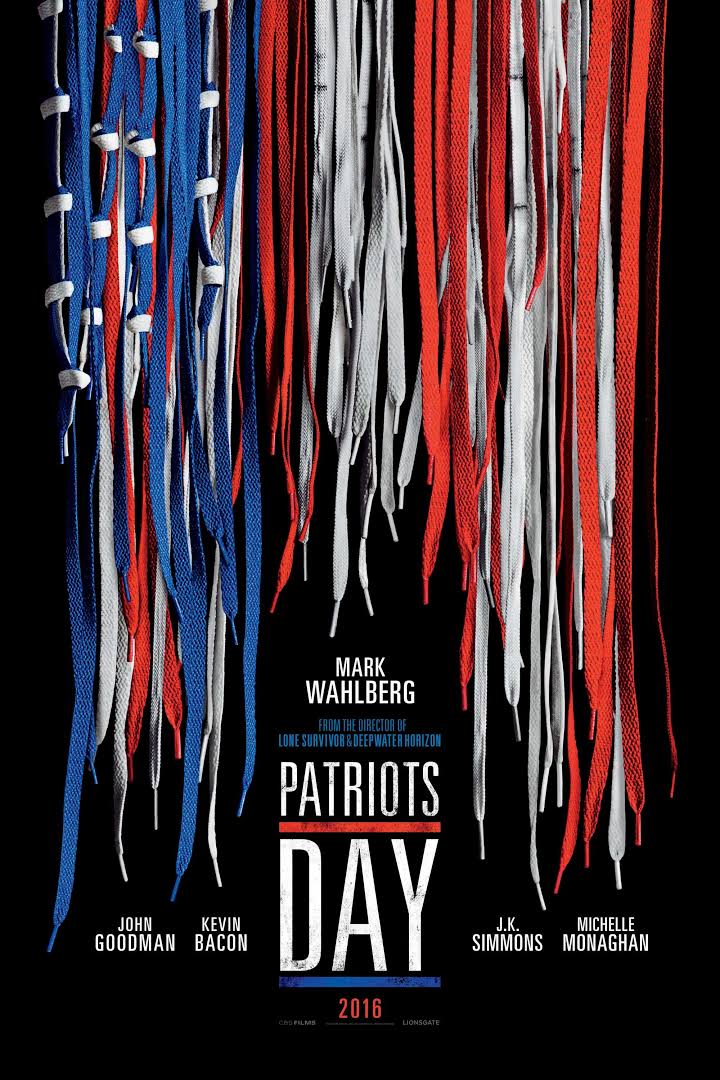
patriotsdayEmotionally intense–not for the faint of heart. Patriots Day is the dramatic account of the Boston Marathon Bombing and manhunt for Dzhokhar Tsarnaev and his brother Tamerlan Tsarnaev. Starring a powerhouse cast on top of extensive research, this film couldn’t come at a better time when there exists such a low general public opinion of law enforcement. Boston Police Department (BPD) shines as it shows that law enforcement officers and officials truly care about the city they are responsible for protecting. Although tragedies often are more conducive for a documentary film, writer-director Peter Berg combines the information found in a doc film with cinematic storytelling techniques to successfully construct a narrative that will rock you to the core and keep you on the edge of your seat. With the inclusion of first person, news, and surveillance footage, Patriots Day does not shy away from the visceral horror that befell the City of Boston and surrounding areas. You think you may know the story, as I did, but nothing will prepare you for coming face to face with one of the most tragic events in modern U.S. history.

Ordinarily, this is where I summarize the plot; but the plot is mostly known all too well. Fortunately, this film goes beyond the news reports and constructs a diegesis (story/narrative) around the stories of eye-witnesses, victims, the wounded, medical first responders, and law enforcement–both local and federal.

Mark Wahlberg, John Goodman, Kevin Bacon, J.K. Simmons, and the rest of the principle and supporting cast deliver outstanding portrayals of the real men and women who were instrumental in the response to and apprehension of the bombers as well as those who fell victim to the arson and shrapnel. It isn’t often that films depicting tragedies are produced this close to the events contained therein. Occasionally, there are films about tragedies that are truly better suited for a documentary; but, in order to convert it to a cinematic motion picture, a love story is added for diegetic affect. That is not the case with Patriots Day. The focus is on the BPD, FBI, and medical first response to the bombing and massive manhunt that ensued immediately after the explosions. There are certainly romantic relationships indirectly connected to the narrative, but they are mostly included to juxtapose the everyday life that everyone thought they were going to have on April 15, 2013 against the horrifying events that transpired at America’s longest running marathon, which has become such an iconic event each year.

Logistically and diegetically, there is a simple answer as to how this tragedy was so successfully translated to the silver screen so close to the day it occurred whereas other tragic events (mass shootings, bombings, aero-spacial, maritime, etc) are more conducive for and translate to a documentary better. This tragic event is a combination of (1) the explosions themselves (2) the manhunt afterwards and (3) the impressive work of law enforcement. There is more to this story than the bombing itself. Certainly the bombing was the catalyst for the events that ensured afterwards, but the real story is of the incredible actions of law enforcement and other first responders. While there seems to be a general focus in broadcast news media on the negative actions–whether perceived or otherwise–of law enforcement officers, this powerful film shows police officers in a positive light–shows them as individuals who love the city under their protection and stop at nothing to protect the innocent. This is so important in today’s climate of scrutiny of public safety officials.

The cinematography, visual effects, and production design are flawless. So incredibly realistic that you will likely feel transported from your seat into the film itself. To my surprise, the film included interviews with key figures directly involved with or affected by the Boston Marathon Bombing. It’s not uncommon to include photos with textual exposition on the lives of central figures in a historical film; but this film goes beyond telling you “where they are now” or what happened after the events in the film. It includes video footage of interviews–you get to hear from the individuals upon whom the characters were based. I could not think of a better ending to a film such as this one. Patriots Day works because it is the best of what a documentary offers with the brilliance of cinematic storytelling techniques.

For those of you who appreciate historical films depicting tragic events, then this is one that you need to watch. It is not a film to be enjoyed in the conventional sense, but one that packs a powerful message and neither glorifies nor undermines the real historic event. Such a visceral film. Rated R for adult language.

Written by R.L. Terry

Edited by J.M. Wead

“Hidden Figures” movie review

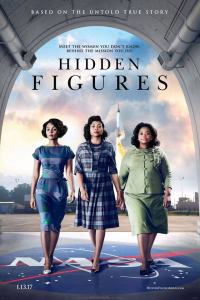
hiddenfiguresAn absolutely out-of-this-world biographical film! 20th Century Fox, PepsiCo, and TSG Entertainment present Theodore Melfi’s incredible film depicting the lives and careers of three African-American women whose work was extremely influential in the early days of NASA’s Mercury, Atlas, and Apollo missions. In all likelihood, there may not have been successful launches, orbits, and landings if it weren’t for these brave women who refused to back down and take the back seat to white men and women at a time that even government buildings still segregated restrooms, water fountains, and “community” coffee pots. Every once in a while, there is a biographical drama that packs a powerful socio-political message within a simple but brilliant story that is told incredibly successfully. Hidden Figures is a film that should have been released many years ago. How stories like this one go untold, is bewildering. Between the powerful performances, excellent writing, meticulous direction, and fantastic score, this is definitely a film to catch in theaters this weekend. Although Hidden Figures has been on a limited release since December, it receives its nationwide release this weekend and one to watch for when Oscar nominations are released.

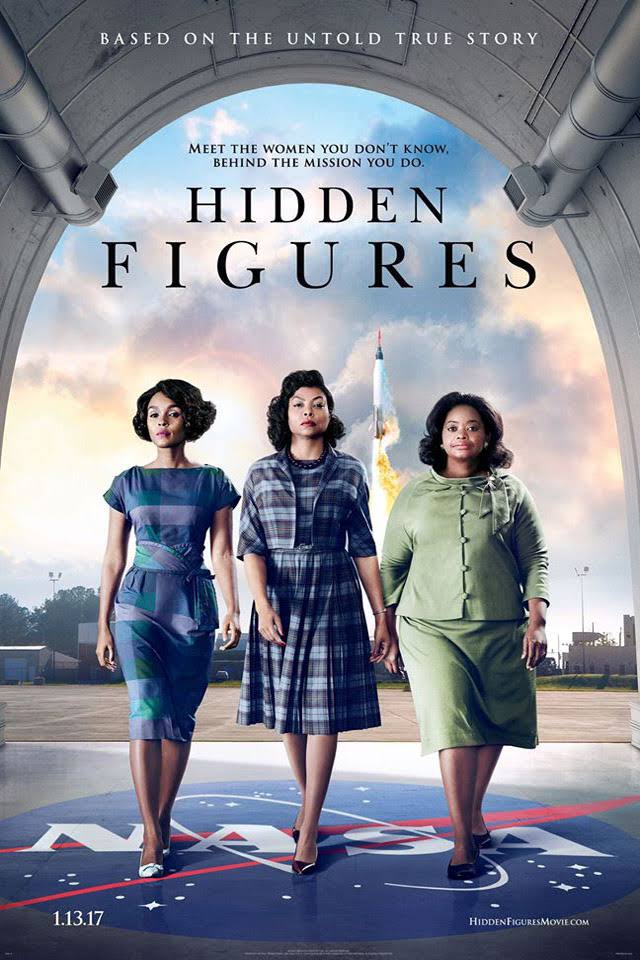
Hidden Figures is the story of three absolutely brilliant African-American women who served as the problem-solving geniuses behind some of NASA’s greatest space operations in all of history including John Glenn’s (Glen Powell) first earth orbit and Alan Shepherd’s symbolic penetration of earth’s atmosphere into space. Katherine Goble (Taraji P. Henson), Dorothy Vaughn (Octavia Spencer), and Mary Jackson (Janelle Monae) work as computers (the term used at the time before the conventional modern use) at NASA’s Langley facility near Washington D.C. Never assigned to a permanent position, these talented ladies work tirelessly to support NASA’s operations and aspirations of space exploration. At a time in which it was incredibly difficult for persons of color–much less women–to climb out of temporary and entry-level jobs, these women do not permit archaic societal norms to stop them from reaching their greatest potential as an engineer, programmer, and mathematician respectively. This untold story will move you as these three women, that society and NASA determined could not be more than computers, are significantly instrumental in launching the space program that indirectly united people from all over the world and cemented the U.S. as a then-leader in space exploration.

What a story! And the best part about it is that it is based on actual events and three real women who are responsible for the success of NASA’s early space programs and even help to launch some of the more contemporary missions. Unlike many biographical dramas, there is a comprehensive nature to this film as it contains two important stories. There is the foreground story featuring the women at the center of the movie, but there is also the story of the state of the U.S.’ domestic socio-political policies at a time of civil rights unrest–especially in places like Virginia. Both stories parallel one another and serve to pack a powerful punch. After watching this film, it is clear that this film wishes it had existed in the 1960s. Within the former story, the focus is primarily on the life and career of Katherine Goble followed by Dorothy Vaughn, and to a lesser extent, Mary Jackson. Each woman specializes in a different STEM (as it is now commonly referred) area. Katherine is a mathematical genius matched by none, Dorothy understands early computer language better than anyone at NASA, and Mary is an aspiring engineer with a brilliant mind for aerospace design. The latter story, underscoring the socio-political civil rights unrest, is certainly highlighted in the film but never takes the focus completely off the story in the foreground; however, is vitally important to this powerful story with a message that those who you least expect to rise to be leaders in their respective fields, can and will! Despite all the challenges coming from within the work place and the country itself, these three women prove that you should never be afraid to be the best. Being good, isn’t good enough. Be the best!

Although this is truly a powerful film with a beautiful message that is just as relevant today as it would have been 50 years ago, it never quite hits the mark that I had hoped it would and perhaps that is due to the PG rating. Suffice it to say, there are some remarkable scenes with powerful speeches, but the film is just shy of the level of intensely as it should have contained. I realize that some of what transpired in the Space Task room, wind tunnels, and courtroom may have been taken from transcripts for authenticity, as this is a movie, I feel that there should have been more of a dramatic license taken out to increase the emotional impact of the film. It certainly has a moderately high emotional impact, but there was definitely the potential to take it up several more degrees. Two scenes come to mind. (1) Katherine challenging the segregation policies at NASA as it relates to common comforts such as restrooms and coffee and (2) Mary petitioning the court to permit her enrollment for graduate level engineering classes held at an all-white school. Dorothy also has a couple of encounters with her superior (Kirsten Dunst) but they are more subtle–no less powerful and important to the film. In regards to the scene in which Katherine confronts Mr. Harrison, the scene feels a little cut short of where it should have ended and Mr. Harrison’s (Kevin Costner) response could have been more dramatic. When inside the courtroom as Mary was addressing the judge, this would have been the perfect time for a speech that would have brought a flood of tears to the eyes, but it stops short of where it could have gone too. Over all, the screenplay is excellently written. These are just two areas that I feel could have struck a more powerful emotional cord. As it is, these scenes are still some of the most brilliant in the film and leave an impact.

One of Mr. Harrison’s lines in the film contains a large degree of irony. The line was something to the effect of “How can the U.S. government justify NASA when it is consistently unable to get into and explore space?” The irony therein is seen in today’s defunding of NASA for, essentially, that very concept. NASA did not lose the bulk of its government funding due to any particular presidential administration but from remaining in the 80s and never launching into the 21st century. After the Space Shuttle program, NASA did very little to grow–its technology and engineering remained fairly stagnant. Sure, communication technologies greatly benefited from NASA engineers, but that is not what made NASA an exciting organization from the 60s thru the 90s. What made NASA great was the perception of being explorers–exploration excited a society! Once NASA no longer appeared to be focused on exploration and shifted its focus to communication technologies, it lost that public support that was such a part of what brought so many people together. In many ways, the perceptions and issues facing NASA prior to and during the early missions is plaguing it today. Instead of an inability to launch a man into space and orbit the earth (later to land on the moon), there is now the demonstrable evidence and perception that NASA has an inability to create manned vessels capable of exploring space. Satellites and camera are great, but nothing parallels the actual exploration of space by humans. If NASA could one again be seen as explorers, then perhaps a new generation would petition the government to once again proactively support the iconic organization.

Hidden Figures is definitely not to be missed while it is in theaters. It is a larger than life story that is best appreciated on the big screen. For those in the audience who remember the early days of NASA, there is plenty of vintage footage to accompany the modern cinematic storytelling in this film. Even Kennedy’s famous “we will go to the moon” speech is in this movie. More than a biography of the glory days of NASA, this is a story of three women who, against all odds, rose to the challenges they faced on a daily basis to prove that women are capable of anything that a man can do. Between breaking the sound barrier, gravitational pull, and paving the way for equal rights and treatment in the workplace, this film will hit close to home for many who know what it is like to feel oppressed for who they are.

Written by R.L. Terry

Edited by J.M. Wead

“La La Land” movie review

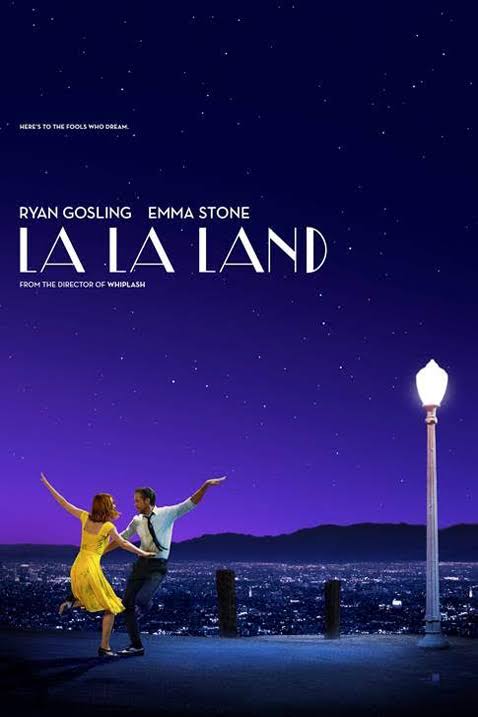
lalalandSimply dazzling! A beautifully produced motion picture musical that is sure to delight audiences around the world. Ryan Gosling (Sebastian) and Emma Stone (Mia) shine brightly in this self-reflexive modern romantic film set on the backdrop of a classically composed movie musical echoing the song and dance numbers that Busby Berkeley brought to the silver screen through Hollywood studio system powerhouse Warner Bros. Summit Entertainment’s La La Land will have you laughing one moment and crying the next in this roller coaster of emotions. Every aspiring professional who has the dream of a substantive career as an artist in the visual and performing arts–or just an artist in general–needs to watch this film. If you have ever been discouraged on your career path, or lack thereof, this film will aid in reigniting the flame that fuels your dreams of writing, acting, playing, or whatever your passion happens to be. Whereas many films similar to this one would have shot it as a period OR modern piece, this film is nothing short of a masterpiece that harnesses the nostalgic appeal of the classic musical with the power of modern cinematic storytelling.

Stories of struggling to reach your dreams are nothing new, but there is so much more to the story of Mia (Stone) and Sebastian’s (Gosling) respective goals of successful careers in the city of angels. Following a chance meeting at a night club in LA where Sebastian was playing a set list of traditional Christmas carols, Mia and Sebastian continue to bump into each other at parties and in the work place. The focus of this musical is on the everyday life of two struggling artists trying to make it in a city notorious for shattering dreams and breaking hearts. Mia and Sebastian must learn what is more important: chasing dreams of being in the spotlight or a once-in-a-lifetime opportunity for a beautiful love unmatched by any other.

Best part about Damien Chazelle’s La La Land? The old-school movie musical feel from the moment the film opens. From set pieces to matte paintings to the manner in which the cameras capture the story as the drama unfolds, this is both a modern story of romance and conflict and classic Hollywood musical. While some may find the cinematography, lighting, and editing to be nothing remarkable, the fact of the matter is that it required great skill and hundreds of hours of effort to capture the essence of an old Hollywood musical. To recreate a nearly extinct film genre, is an outstanding achievement in cinematic storytelling and deserves all the 9s and 10s this film is receiving from critics and fans alike. La La Land takes pages right out of the books of Busby Berkeley (Footlight Parade) and Gene Kelly (Singin’ in the Rain). Such a gorgeous combination of a classically structured and choreographed musical within a modern Hollywood. And the film could have easily rested its laurels on the technical and artistic achievements alone, but the film also possesses an incredibly beautiful love story between two aspiring artists.

In a modern studio system who appears all too often to be more concerned with franchise building, merchandising, theme park integration, and rebooting, this film is fresh, real, gritty, and endearing. In a climate so predisposed to the Star WarsesHarry PottersJurassic Parks, and Avengerses, this film brings with is a breath of fresh air that is nearly unmatched by any other film this year. While many are concerned with the lack of original stories coming out of Hollywood, may this film be a testament that masterpieces can still make their way into cinemas nationwide and not simply the art house theatre of the US’ largest metro areas. Although film is a visual medium and should not rely upon the score or songs to carry the bulk of the film (i.e. Frozen), this film is very much about the music. However, unlike films that integrate music in order to cover up poorly structured and developed writing, La La Land embraces the music as much a part of the story as the writing itself. In many ways, the film plays out like music and flows like a musical score. The way the cameras moves, the editor cut, and the blocking of the characters is very much like a musical staff, like the way music is composed and performed. But at the same time, the movie is not simply about the music but about the relationship between Mia and Sebastian; and furthermore, about their aspirations for the spotlight. Solid writing and a solid score.

The casting of La La Land could not have been more brilliant! Both Stone and Gosling successfully bring about that 1940s feel in a modern story. That could be due to the successes of both in 1940s era films prior. Stone in Magic in the Moonlight and Gosling in The Notebook. While both can successfully carry a period piece on their own respectively, together they are a powerhouse couple like Fred Astaire and Ginger Rogers. Their performances in this film were so incredibly natural, so real, and believable. At the same time, the actors are also very much contemporary–just like the film: classic yet contemporary. Even though the audience is well aware that Stone and Gosling are anything but struggling artists, they play their respective parts so convincingly that you’d swear that we were actually watching a pair of struggling artists who do desperately want a substantive piece of that Hollywood pie. A great screenplay possesses protagonists that the audience will love or love to hate, and the characters in La La Land connect so incredibly well with classic and contemporary audiences.

Inspirational. This film will help to inspire those who have a talent for storytelling, music, or writing to continue to work hard and remain dedicated to one’s craft because that is the only way that a career can pay off. The moment you stop trying is the moment that the dream dies along with settling for less. Not that day-jobs aren’t important. Certainly the importance of a day job is shown in the film, but it’s imperative that the day job never cause an artist to sell out or give up on the dream. Day jobs should fund imaginative dreams not eclipse them. There is much to love about this film; so much so that you will likely find yourself with a desire to watch it again. This IS definitely my pick for Best Picture as we head into award season with the holidays coming to a close.

“Passengers” movie review

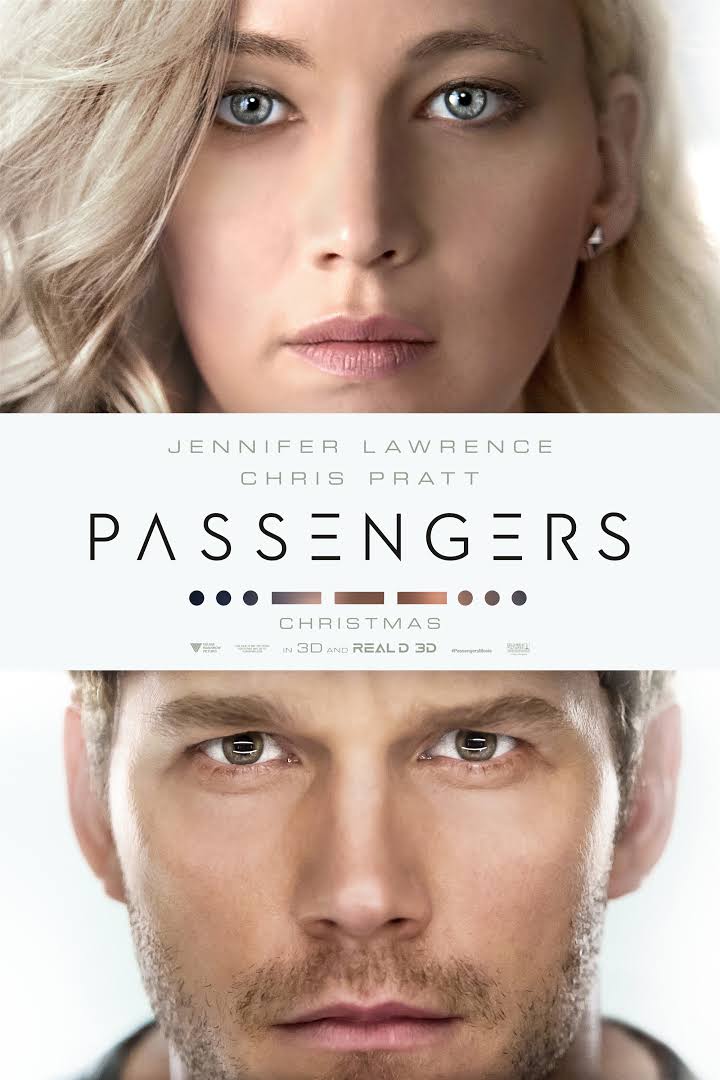
passengersAn intriguing journey with lots of potential but ultimately fails to pull into the space dock. The highly anticipated visually stunning science-fiction film starring Jennifer Lawrence and Chris Pratt proves one thing: Pratt and Lawrence have excellent on screen chemistry and play off each other very well. With films like this one, it’s hard to know where the fault lies. Typically, a film with such potential and a powerful cast is weakened by either the writing or directing. Since the director principally works with the cast, it can be concluded that the writing lacked the drive that this film needed. On a more positive note, this film depicts deep space travel how it could likely be in the not-so-distant future. From the centrifugal force created by the rotating space craft to simulate how artificial gravity could be generated to the onboard technology to the sickbay, this film does a fantastic job of providing audiences with a science-fiction that is almost tangible. Having such a limited cast in one location can spell disaster for cinematic storytelling; but, the film is quite interesting to watch and sufficiently keeps the audience’s attention. Furthermore, the audience mostly connects with Aurora (Lawrence) and Jim (Pratt) well enough. But, the film fails to truly provide audiences with a new adventure because it amounts to a glorified Castaway set in the Disney Springs of shopping malls in outer space–just completely empty of scooters, strollers, and other park guests. Lack of surprise pretty well sums it up.

Welcome aboard The Avalon on the Homestead Company’s routine transport to Homestead II, a new earth colony. All is going well until two passengers find themselves awakened from suspended animation about 90 years too early during a cascade of ship wide malfunctions. Faced with living the rest of their respective lives on board and only the company of an AI bartender (Michael Sheen), Jim and Aurora must cope with the challenges of living together in a world that is merely 1000 meters from stem to stern. When the ship begins to increasingly malfunction and life support at risk, Jim and Aurora much solve the mystery of what originally caused the problem that began the cascade. Just as the ship is keeping a secret, there are other dark secrets on board the ship as well. Meeting with psychological, emotional, and engineering challenges, Jim and Aurora have 5000 other passengers and crew to save while maintaining their own sanity and psycho-social health.

As the movie faded to black, I began discussing it with the friends who accompanied me to the cinema last night. And we shared a mutual reaction of hmm, not exactly sure what this was or how to read it but it had some interesting components. And that pretty well covers it. The film will likely keep you entertained but with few surprises, it lacks anything to make it memorable in a positive way. Forgettable is what this movie will become in the no-so-distant future. Essentially, Passengers is what you would get if Gravity and Titanic were to have a baby. Star-crossed lovers on a ship that is self-destructing in the vacuum of space. One of the most intriguing components in the plot of the film is also highly disturbing. While love and infatuation causes many to go to great lengths in order to see desire become reality, it is a double-edged sword that can cause one to behave selfishly if not displaying signs of sociopathy. While Pratt’s performance is what is to be expected from one of the most bankable actors in Hollywood who is equally a dedicated family man, his performance is never quite on par with his Castaway counterpart. However, Lawrence delivers an intense performance as she plays off Pratt,the bartender, and The Avalon itself.

The cinematography and editing are excellent. In fact, the technical elements of the film are impressive! Not quite as groundbreaking as Gravity or Interstellar but still outstanding. There is one scene in particular that still has me puzzled as to how it was able to be achieved so flawlessly. The set design, albeit spartan, is beautifully sleek and functional. As film is a visually driven medium of storytelling, the camera often pulls in close to characters to establish intimacy but juxtaposes that against pulling back to reveal the oppressive loneliness of being alone on a massive ship in space. For a brief moment, I experienced the dread that is created in Kubrick’s The Shining when Jim meets Arthur the bartender. Interestingly, the music (composed by Thomas Newman), camera direction, dialog, blocking, an set design all work together seamlessly to establish that unparalleled sense of dread, loneliness, and self-destructive despair that are so iconic to The Shining. Unfortunately, that powerful sense of dread is lost in weak writing. Had the film embraced the potential to channel The Shining, it may have played out more memorably. But, this is a love story so the horror plot devices that could have helped the film were not integrated into the plot. Although there are may significant contributors to a film’s success, the success of a film often relies upon the direction, writing, and cast. As briefly mentioned in my opening paragraph, the director (Morten Tyldum) of a film principally works with the cast and is responsible for blocking, delivery of dialog, and perception; so, it is likely the screenplay by Jon Spaihts that is responsible for the weak story. A director and cast can work hard to makeup for a weak screenplay, but in this case, the lack of developed story showed through.

Despite sharing the screen with Aurora, this truly is Jim’s movie and others simply happen to appear in it when necessary. As a side note, I could easily see how this film could be translated into a stage production. Perhaps on stage, the story could evolve to leave more of an impact on the audience.

“Rogue One: a Star Wars Story” movie review

rogueoneJust when all hope was lost, the force has awakened this time. After the disappointingly stale installment last year, I did not have high hopes for Rogue One. To my surprise, the first standalone Star Wars franchise film exceeded expectations. Although the public is accustomed to Star Wars films coming in threes, Lucasfilm and Walt Disney Studios took a risk in creating an original single story to successfully setup A New Hope. Unlike when the force tried to awaken last year, THIS feels like a new Star Wars film. With twenty-some-odd years to fill between Revenge of the Sith and the original movie, how was one film going to do it? Focus on what was ultimately important. Not that the development of the Empire would be uninteresting, but the white elephant in the room was “how did the rebels get the plans that setup the events at the beginning of A New Hope“? And that is precisely what director Gareth Edwards did, and it paid off! Rogue One is as exciting as the original film; and furthermore, is built upon a solid plot that is mostly new with a little nostalgia and Easter Eggs (visual references to A New Hope) in the form of locations, props, shots/frames, and familiar featured characters and a surprising cameo. One of the elements that plagued Episode VII was the simple fact that it was little more than a remix and mashup of everything that had been done before, including main plot points, subplots, and predictable behavior. Rogue One feels fresh and new. Yes, there are obviously appearances and references to characters and settings from A New Hope, but that is to be expected since this film ends where the original film begins. Thematically darker than the original film but not as dark as Empire Strikes Back, this installment strikes a balance in the force that makes it interesting to watch. We all know that the rebels get the plans in the end, but this film makes the adventure worth watching as it unfolds.

With the old republic in ruins and the senate all but disbanded, the Galactic Empire has  its eyes set on a feat of engineering never seen before. But they need to attach the right scientific talent in order to create that which would become known as the Death Star. Galen Erso (Mads Mikkelsen) is a brilliant scientist and former Imperial officer, devoted husband, and loving father. Director Krennic, head of the secret Death Star project, arrives at Erso’s home to forcibly recruit him to head up the science and engineering divisions. When recruitment does not go as planned, Erso is separated from his family and taken away. Escaping to the caves, his daughter evades capture. Many years later, Jyn (Felicity Jones) finds herself a criminal and angry that her father never came back for her. When an Imperial pilot allegedly defects and claims to have a message from Galen for the Rebel Alliance, Jyn is recruited by the rebels to lead them to a former rebel turned rogue and ultimately to her father. With Captain Cassian Adnor (Diego Luna) at the helm and lead of the small band of rebels accompanying Jyn to her father, they uncover a secret that thousands will die for in order to attempt to make things right in the galaxy. All the while, they have no idea that this clandestine mission will spark events that they could have never imagined.

Already, this film seems to have sparked arguments among fans of the franchise and those who enjoy them but may not be fanboys. Even this morning, I noticed many comments on social media that commented on the film positively or negatively. Interestingly, at first glance, it seems as those who liked Episode VII: The Force Awakens did not like Rogue One, and those–like me and the friends I went with last night–who thought The Force Awakens was garbage but found Rogue One to be exciting, dynamic, and refreshing. Of course, there are plenty of people who like both films released under the Disney banner, either because the Big D can’t possibly do anything wrong or because they are true fans for better or worse of the nearly forty-year-old franchise and staple in the future fantasy genre (notice I did not say science-fiction–no real science here). At this point, I am unsure why those who liked last year’s film may not have liked this weekend’s installment; however, it appears to be clear from multiple comments and reviews that the reason why those who did not like Episode VII enjoyed Rogue One is the newness of a film that embodies the spirit of the original but provides audiences with a new adventure that connects well without redundancy. One of the reasons for the success of the original film–aside from a great cast–is the focus on the drama between characters and camps. There is the drama between Rebels and the Empire but also drama within the camps themselves. Rogue One borrows from A New Hope in that the focus is more on the drama than resting its laurels on the technical elements. Not that this film lacks in the technical category. Rogue One comes complete with great direction, color grading, cinematography, and impressive editing (especially with some rather surprising CGI that will definitely cause you to do a double take utter delight).

For all that this installment did well, the beginning of the film following the prologue was dreadfully ill-conceived and mostly unnecessary. Unlike all the other Star Wars films, this one did not open with the trademark scrolling written prologue offering exposition to setup the movie. Instead, after the “A long time ago, in a galaxy far far away” the film cuts to the opening scene of Krennic recruiting Galen. Following the prologue and rather PowerPoint-looking Rogue One title card, is a rapid, incoherent, and confusing sequence of montages. Honestly, I am still unsure why that whole sequence was necessary. Between the PowerPointy title card and this sequence of montages, I did not have hope for the film at all. Obviously, I ended up enjoying it immensely, but I look back and feel strongly that it could have been left out. The settings/planets that were depicted did not play into the plot at any level of significance. Felt like filler. Thankfully, the scenes following the prologue are but a small portion of the film and the film really begins to take off after Captain Cassian and his team rescue Jyn from a prison transport vehicle. After Jyn’s rescue covert operation, the rest of the film is nicely paced and developed. Other than knowing the ending, the majority of the film was unpredictable. Unpredictable in that you know the direction it’s going and ultimately what’s going to happen but you don’t know HOW it all happens and works together to setup A New Hope.

Just the right amount of nostalgia and Easter Eggs. For those who are fans of or simply familiar with the movies, there are cameos, references, and shots taken from the chronologically preceding films (mostly A New Hope). Just enough nods to and direct connections to provide the audience with a film that IS as much a part of the Star Wars saga as the official Star Wars cannon. It’s no surprise that the Death Star is a big part of Rogue One, Senator Mon Mothma is seen leading the rebels, Darth Vader (still voiced by James Earl Jones) makes several brief appearances, and a couple other nostalgic cameos; but there are some characters who are included in the diegesis of this film who will delight old and new fans alike–one in particular that will incite an eruption of cheers! Beyond the human characters, there are other appearances by iconic ships and war machines that aid in cementing this story in with the rest of the franchise. While the film contains some lighthearted, witty dialog between the core group of principle and supporting characters, the film also contains some dark moments. Personally, I think the film should have been a little darker since it sets up the installment all about hope reborn; but, the atrocities of war are definitely not hidden from the audience and events transpire that are atypical of future fantasy films between heroes and villains. In a manner of speaking, and as I mentioned in my opening paragraph, the film’s diegesis strikes a balance in the force in terms of the light and dark content.

Rogue One: a Star Wars Story is an exciting narrative that successfully sets up the film that started it all. If you’re a fan of the original trilogy but did not enjoy Episode VII, you will most likely enjoy this installment. If you are a fan of the original trilogy and liked Episode VII, then there is moderate chance that you may not like this story. It will be interesting to see how this film plays out amongst mild, moderate, and hard core Star Wars fans from both the Disney and Fox camps. I had my doubts of Disney taking the reigns of the franchise after last year; but this film gives me a new hope that Disney may be able to successfully navigate the rest of the franchise.