“On Cinema and Theme Parks” (part 11)

My BookThis is the second to last part for this series of excerpts from my peer-reviewed book and research study. So, if you’ve enjoyed reading and following, head over to Amazon to order a copy of the complete study with lots of added material from the focus groups and interviews.

Away from hustle and bustle and bright lights of Hollywood, past the palm treelined streets and white sand beaches of Florida, and beyond the Roman ruins on a century-old Italian studio lot is another example of the convergence of cinema and theme parks. Movie Park Germany is a cinema-based theme park in Bottrop-Kirchhellen. It “is a unique theme park, which is devoted entirely to movies. The former Warner Bros Movie World has six theme areas and more than 40 attractions and shows. It will not take long before you feel like a movie star or cartoon hero!” (About Us, 2014).
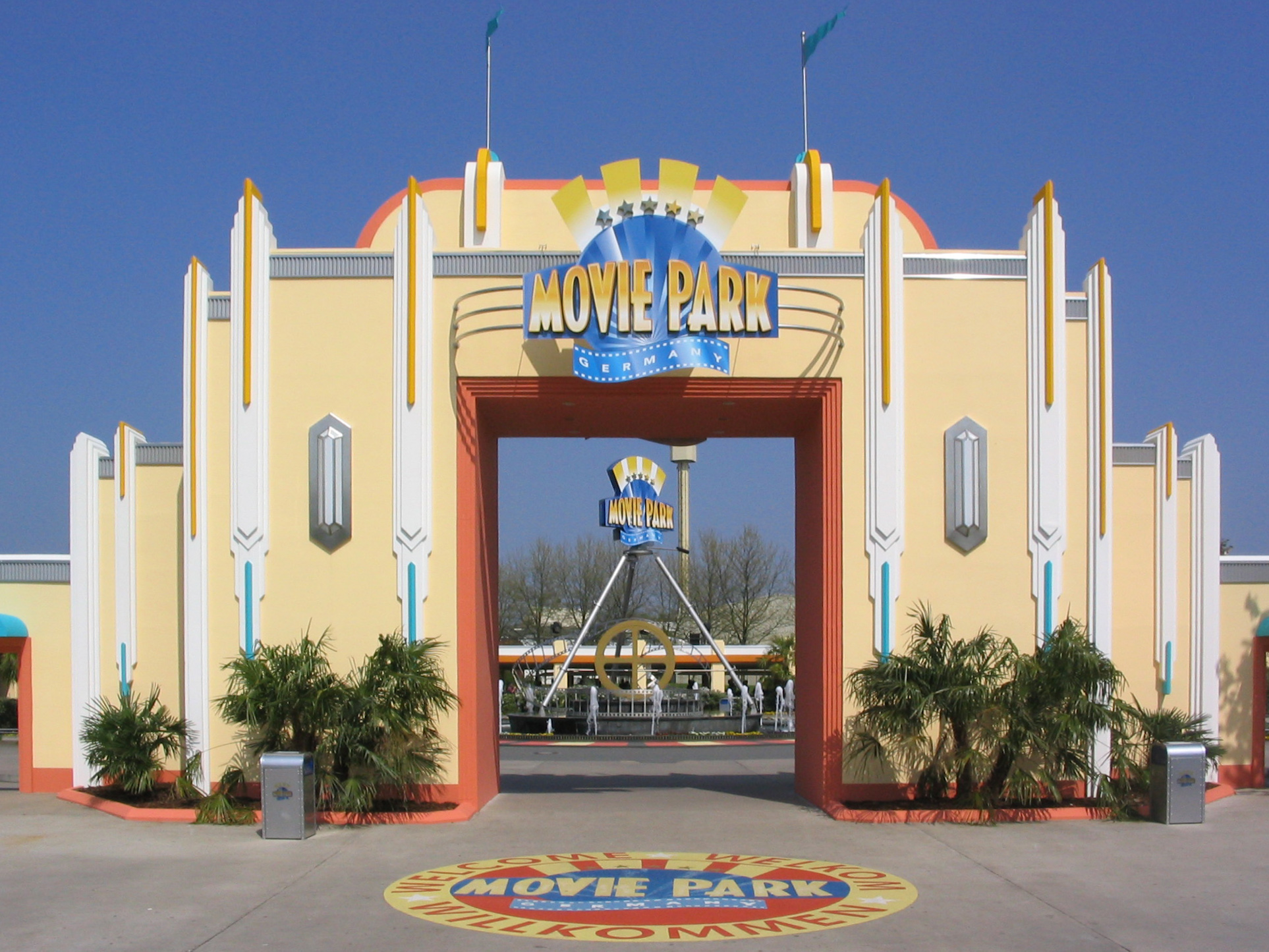
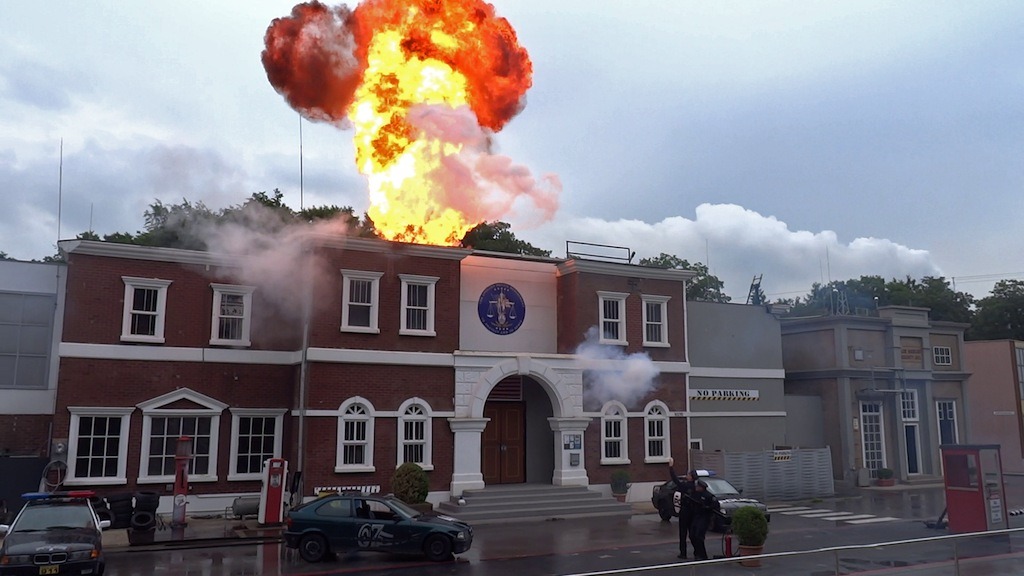
Moviepark-TorMuch in the vein of Universal Studios Florida, Movie Park Germany blends both the benefits of an amusement park with movie-based themes throughout the whole park. Its motto is “Wow! I’m in the Movies.” According to the website, “Our visitors will not only have the opportunity to meet well-known series Heroes but also get to enjoy first class entertainment like an action-packed stunt show as well as two song and dance shows. For those guests who like it a bit more spooky, the park transforms itself at sunset into an extraordinaire chamber of horrors. In short: There’s a personal highlight for everyone!” (Movie Park Germany, 2014). Unlike Universal Studios parks which have a Halloween theme for two months a year, Movie Park Germany holds on to the very cinema theory that birthed out of Germany and found its way to Hollywood—German Expressionism. Some of the first movies were horror movies, and it is refreshing to see that this park is holding on to its horror heritage throughout the year (Movie Park Germany, 2014).
MovieParkGermanyTourClearly, the idea to create synergy between cinema and theme parks is at the forefront of media conglomerates and business holdings companies. It takes the best of 43 what each has to offer respectively and combines them to create a business entity that has the power to entertain, educate, immerse, and inspire all at the same time. For the guest this means that they can experience the magic of movies and TV in dynamic ways, and for the owners, this means unparalleled cash flows to fund movies, reinvest in the parks, or fund other ventures. But, one set of questions remains. How should a media company choose to theme the parks, what rides to make based on movies, and should a theme park attraction be in the minds of studio executives when looking at screenplays for future movies? At the end of the day, studio executives/media moguls who also run theme park divisions need to know what connections and moves to make in order to assure the mutual success of both the movies and the theme parks.

The final part in this series will be uploaded next week! It will include themes learned from the empirical research method used in this study. The focus groups were located in Florida, New York, Ohio, and California.

In order to return to the beginning of this series, click HERE!
“On Cinema and Theme Parks” (part 10)

My Book

The overall theme of movie-based theme parks has gone from exposure and education to simulation and immersion—much more experiential. Instead of seeing how Harry Potter movies are made, guests at the Studio-Parks want to feel like they are Harry and his friends. And, this is not something that could be achieved by the former models of original Universal Studios Parks or Disney’s Hollywood Studios. So, the parks have to change in order to remain relevant and viable tourist destinations. Concurrently, movie and television studios are going through their own evolutionary process. In many ways, a careful examination of modern cinema compared to its predecessors reveals that storytelling has been removed from its pedestal to play second fiddle to salesmanship.

As explored earlier, spectacle and visceral thrills are the principal drive for the modern (1990s-present) cinema-based theme park attractions, and, for some, they confirm the worst tendencies identified within the Hollywood blockbuster: the epitome of apparently vacuous rollercoaster experiences. According to King (2000), “the label ‘thrill ride’ is a term often used approvingly in Hollywood publicity and by some film reviewers in the press, presumably because a trill ride is precisely what many viewers want from modern cinema” (2000, P27). The late 1980s and the 1990s saw the arrival of theme park attractions that claim to allow the park guest to ride the movies; movies became theme park attractions. But now, theme park attractions are inspiring films. Beyond being the inspiration for films, the idea of being able to market a horror, action, or epic film or film franchise or the ability to create themed attractions from the narrative is at the forefront of studio executives’ minds, as cross-promotion is an important financial strategy (King, 2000).

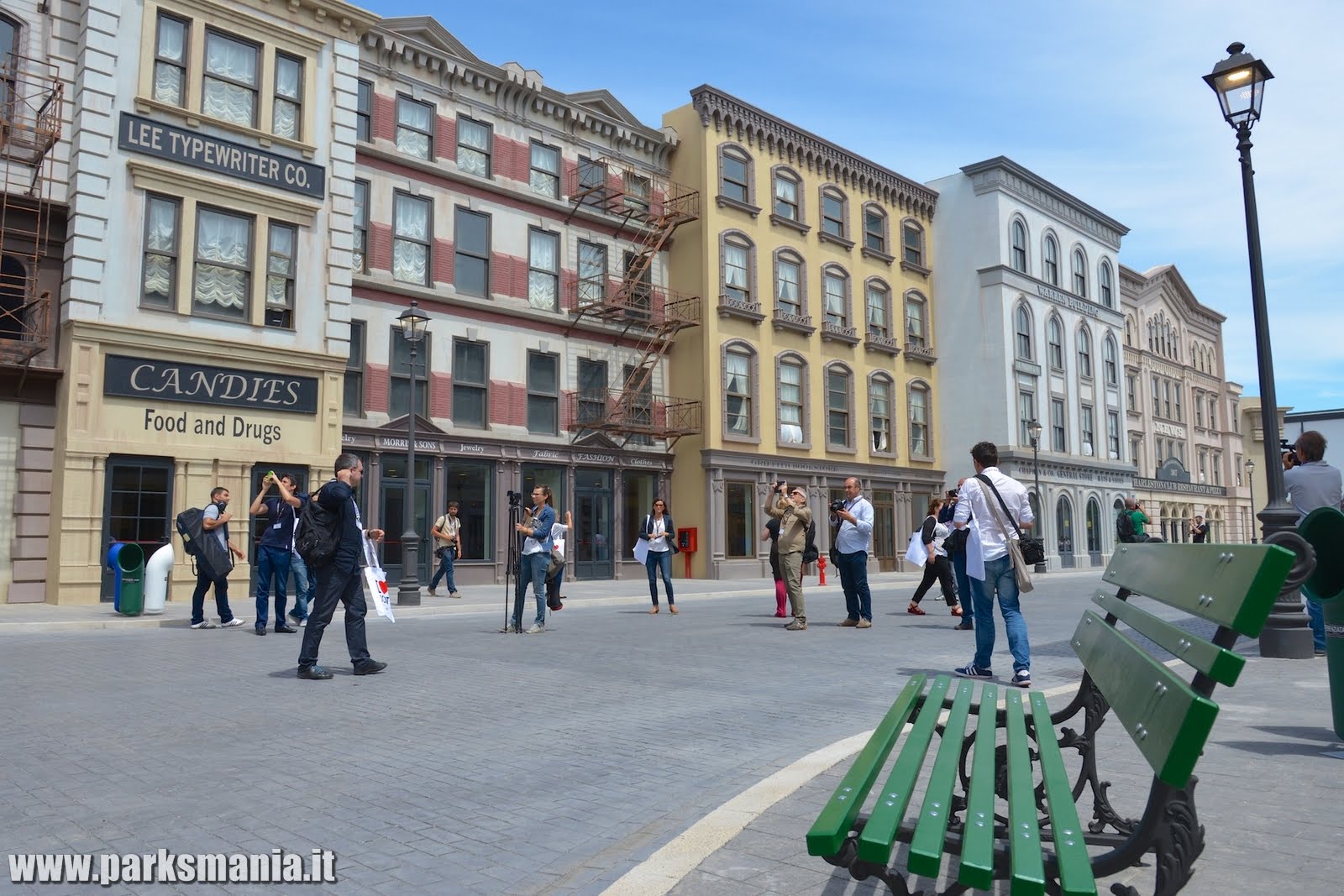
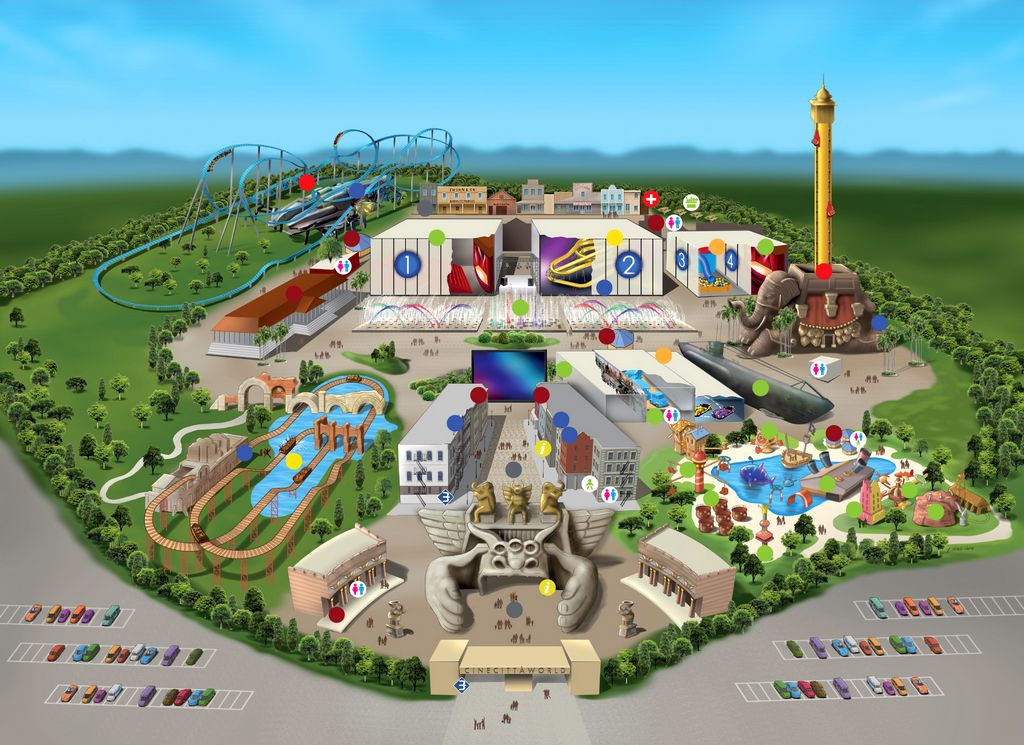
CinecittaParkMapCreating attractions from cinema is not unique to the United States. The former Italian cinema powerhouse, from the early to mid twentieth century, Cinecittá Studios, known as the “Hollywood on the Tiber” is following suit with its American counterparts and converting the production lot(s) into a movie-based theme park. Located outside Rome, Cinecittá Studios, Italian for “Cinema City,” opened its gates this year (2014) to the public to experience the magic of movies on this side of the screen (Associated Press, 2014). According to Emmanuel Gout, president of Cinecitta, “Here, the idea is that people will also enter not only sets, but the confusion of a place where we are shooting movie. Everything will be illusion…the visitor will become a protagonist of the day, becoming a star, becoming involved in some fake movie” (Associated Press, 2014).

CinecittaStreetsThe model of this theme park appears to be more reminiscent of how the classic American movie-based theme parks were setup; however, there is one big difference. At the new Cinecitta Studios (theme park), park guests will actually don costumes and take hold of props to act in scenes from movies. So, in many ways, this park differs from its American counterparts because it is not defaulting to digital simulations and special visual effects; instead, it’s using practical technologies to create the illusion that the guest is actually on the set in the movie as a character in a given scene. Still, three-time Academy Award® winning production designer Dante Ferretti knows that audiences and guests want more than an immersive experience into movies, but want thrills as well. So, there are rollercoasters and water slides, amidst Roman and Egyptian ruins, to accommodate those guests seeking more conventional amusement park attractions (Associated Press, 2014).

Catch what you missed by buying the book on AMAZON!

Return to the beginning of the series by clinking HERE.

“On Cinema and Theme Parks” (part 9)

My BookIn order for the creative teams at cinema-influenced theme parks to understand what the public is going to want months, sometimes years, ahead of time, they have to understand the past attractions, the present ones, and what to look for in the future. Over the years, the attractions at these parks have undergone many changes. And, with the way the trends are going, the “behind the scenes” and nostalgic movie-based attractions are going by way of the dodo, and glorified IMAX® simulator interactive multi-dimensional rides are taking their place. Some of the prominent attractions in the vein of “behind the scenes” and robotic movie or television show attractions were located at Disney’s Hollywood (MGM) Studios and Universal Studios (Florida and Hollywood). Although a few of the park-opener attractions are still around, most have been replaced by other attractions.

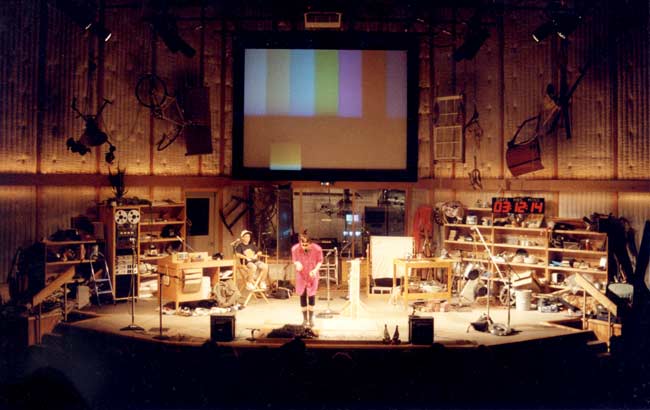
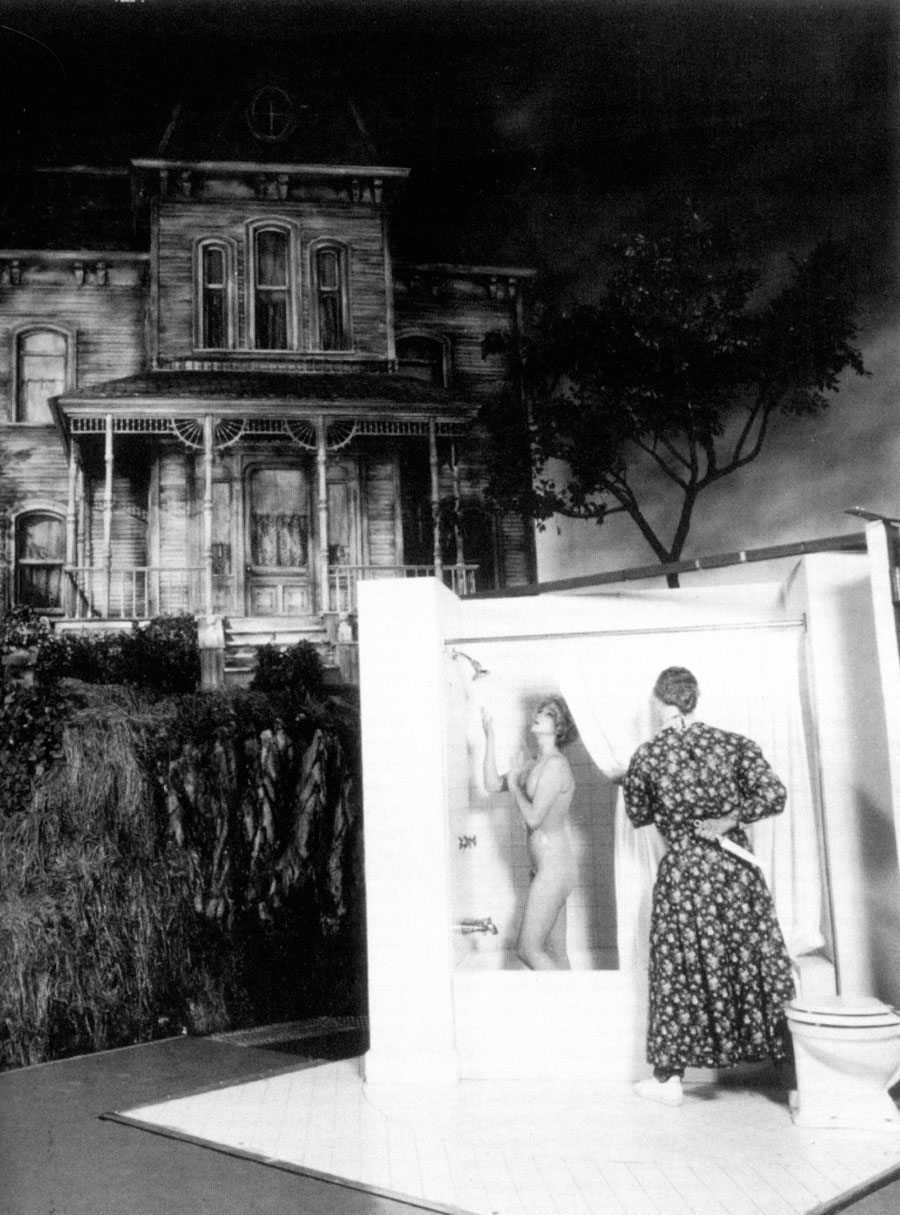
MSW_SoundstageOriginally Universal was an excellent theme park for learning about the magic behind the camera and the, mostly analog, technology that enabled directors to become magicians. There was a clear educational component to the theme park experience. And, to some extent, Disney’s Hollywood Studios was the same way. But, with the movie technology changing as rapidly as it is, some of the more nostalgic legacy attractions are going away. Many of the original Universal Studios attractions were about taking you behind the magic, revealing the secrets of movie and TV making. From 1990-1996 at Universal Studios Florida, there was a Murder, She Wrote: Mystery Theatre with sound stages that showed the audience about video editing and foley sound generation based on the hit series starring the incomparable Angela Lansbury. On the tour, the audience would get to watch scenes from the show, talk to industry professionals (played by actors), and volunteers would be used to interact with some of the equipment. But, probably, the most prolific and inspirational attractions about the magic of movies was the Alfred Hitchcock: Art of Making Movies attraction (1990-2002) and Bates Motel and House set from Psycho IV (1990-1998), both located at Universal Studios Florida. (I am actually going to write a separate article on this specific attraction after this series of excerpts is completed).

Psycho_SoundstageThis was a main attraction at the theme park until its dismantlement in 2002 to make way for the Shrek: 4D experience. From the aforementioned explanation by one of the producers of the attraction, the audience was completely immersed in the magic of bringing a Hitchcock thriller to life, and got to witness the most famous single scene in all of cinema history. This was all done with practical effects, just as Hitchcock would have done it. But, with the advent of computer-generated imagery and incredibly accurate and time efficient non-linear video editing, most of the effects can be generated in other ways. Although it remained one of the most popular attractions at the theme park until its closure, Universal saw the future of attractions and decided to do away with nostalgia and pave the way for digital simulated attractions (Singer, 2013). Doing away with cinema and television nostalgia wasn’t the sole prerogative of Universal. Although Disney World is famous for holding on to the nostalgia of the past, especially at Magic Kingdom (Singer, 2013), its parks, too, have learned to adopt new attractions for what they feel the guests want. On the (now closed) Studio Backlot Tour, guests would take a walking and tram tour through a special effects water show on the set of Pearl Harbor, featuring volunteers from the audience, and ride a tram through the production houses where props and costumes were made. Also on the tour was a special effects sequence in an oil refinery canyon that burst into flames and was also flooded. This put the guests in the middle of the movie-making action.

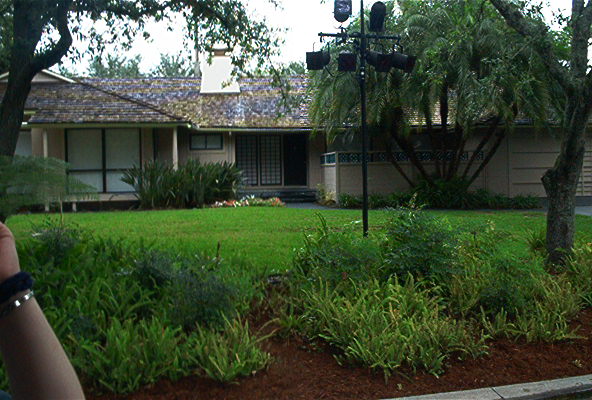
Disney_GG_HouseUntil 2003, there was a street called Residential Street on the tram tour. Here, park guests would come face-to-face with some of the most famous houses in Buena Vista/Touchstone Television shows. The most famous of the houses was the upper middle class home of the Golden Girls. The house was a replica of the North Saltaire Street house in the Los Angeles area that Disney used for the exterior shots during the first few seasons. From 1989-1992, Disney used the replica at then Disney-MGM Studios for shooting the exterior shots of the house. In 2003, the houses were torn down to make way for an epic car stunt show, featuring how car action sequences are filmed in the movies. Keeping with the over-all theme of the park, this was staying with the concept of learning about the magic of making movies. As of October 2014, the Studio Backlot Tour was closed (History of the Backlot Tour, 2014).

Find out what you missed by buying my book on AMAZON!

Return to the beginning of this series by clicking HERE.

“On Cinema and Theme Parks” (part 8)

My Book

For the movie studio (or media conglomerate), the theme park provides a seemingly limitless opportunity to cross-promote imagery and narratives from the screen into the park. This accomplishes the desire to advertise new movies and television programs and to sell merchandise pertaining to the various movies and themes that the park showcases. Either way, this two-fold process generates income to sustain the endeavors of the company (Davis, 1996)

Unlike SeaWorld Parks and Entertainment and Cedar Fair (parent company to Cedar Point), Disney and Universal use their parks for more than cross-promotion and merchandising opportunities. Until the late 1990s/early 2000s, they also used their parks as production studios and offices that acted as a counterpart to the Hollywood divisions (StudioCentral.com). The television channel Nickelodeon also operated two sound stages plus production offices at Universal Studios Florida (Riley, 1998). So, in addition to using the intellectual property provided by the movie and television studios, the two media giants used their parks as production facilities to create new media and entertainment content and create production jobs in Central Florida (Milman, 2001). Beyond MGM’s timeless logo featuring the Latin inscription ars gratia artis (art for art’s sake) surrounding Leo the Lion, the cinematic works and television programs can be converted from visual art to commodities because they now have a material place to exist in the real world accessible by millions.

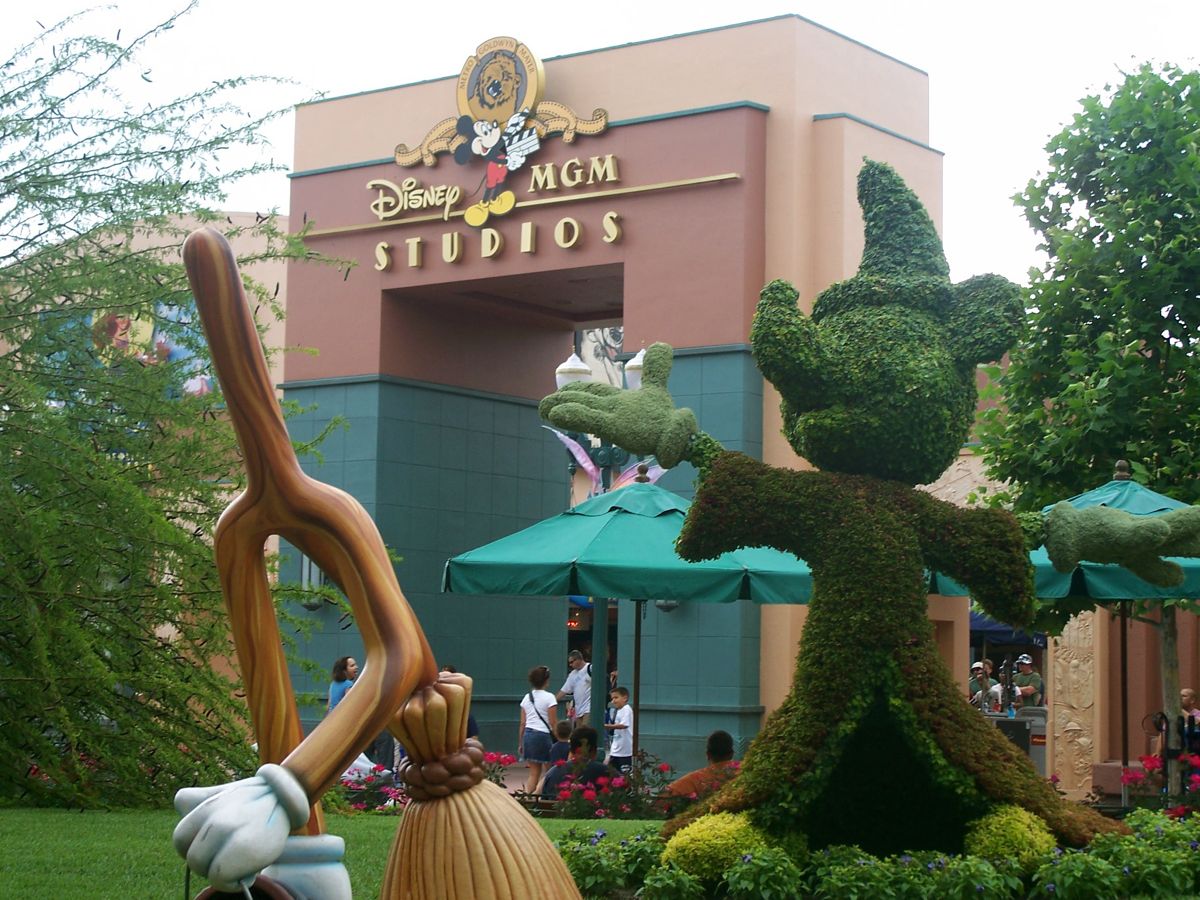
DisneyMGMIn essence, the entertainment elements and advertising materials are so thoroughly fused that it is nearly impossible for the average park guest to tell them apart. Beyond the surface level of movies and theme parks, there is evidence that, when planning a blockbuster movie, the studio has it in its mind whether of not this movie would be good to ride or be used as a theme in a park for shows and other attractions. Susan Davis (1996) explains that the media conglomerates, that primarily run the theme park industry, can pull from other media resources by way of acquisitions, partnerships, and licensing in order to grow and widen audiences and park guests. A classic example of this is the (no longer active) partnership Disney had with MGM Studios. Disney’s licensing deal with MGM allowed the company to use the iconic MGM logo and pull from its film library.

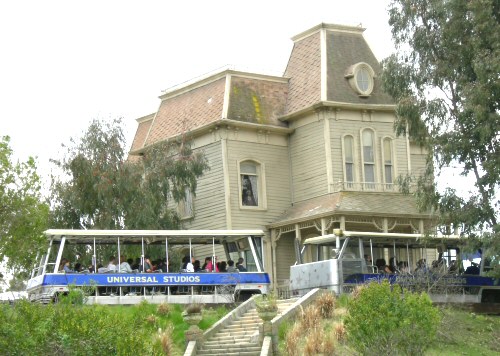
2006_psychotramIt’s well established that theme parks are an outlet for the parent companies that own them, and the movie studios they also own, to act as conduits for one another: the end result being cash flow. But, there are different ways of utilizing the cinema to benefit the theme park experience (Riley, 1998). Whereas Disney uses the characters in its movies to bolster the parks’ influence, Universal Studios (Hollywood and Florida) took a different approach (although, Universal is trending toward the Disney model in recent years). Universal Studios uses its studio tour(s) to blend labor with spectacle (Murdy, 2002). This offers the park guests a glimpse into how films are made. In recent years, this has provided less of a pull since it is common knowledge that a large portion of filmmaking exists within a computer. Universal Studios presents cinema and television history, production techniques, and special effects to impress the audiences and guests. So, one could assess that Universal Studios parks are self-reflexive in their choice of entertainment. At least this was true until park guests demanded more thrill rides and less education and appreciation for film and television art and history (Murdy, 2002).

Find out what you missed by buying my book on AMAZON!

To return to the beginning of this series, click HERE

“On Cinema and Theme Parks” (part 7)

My Book

In the current business model of theme parks, the park itself serves as an instant and rapid income generator for the larger parent corporation. “Immediate profits are made in much the same ways as in other mass entertainment industries, such as movies, rock concerts, and mass sports events” (Davis, 1996, p402).  However, the theme park differs from the amusement park because it depends on a narrative around which to build the rides, shows, shops, and restaurants (Herwig, 2006). And this is where the movie studio branches of these large corporations come into play. The movie (usually an epic, horror, or adventure) provides the narrative for the theme park (Herwig, 2006). Instead of the amusement park concept of hiring random performers, “the theme parks, by contrast, specialize in experiential homogeneity (Bristol, 1996). Simply stated, the theme park carefully crafts the types of performers that will be there. Ordinarily, the performers are in live shows directly associated with a work of cinema [e.g. Beauty and the Beast: Live on Stage (Walt Disney World), Beetlejuice Graveyard Revue (Universal Studios), or Grinchmas (Universal Islands of Adventure)]. While, midway performers and carnival workers or the golden age of the circus or roller-coaster parks are a hodgepodge of different ideas, the theme park is centrally produced and conceptualized for an experience that transcends from the superficial down to the core (Block, 2012).

If a theme park is designed well, the park guests can easily describe the theme. For instance, Disneyland’s theme would be the Magic Kingdom of Disney fantasy; the guests at Universal Studios can easily understand the theme is the movies. Not all parks are able to draw on a vast film heritage (e.g. Six Flags, Cedar Point, SeaWorld Parks and Entertainment). However, the parks with a direct connection to the cinema have consistently out performed their respective counterparts (IAAPA, 2014). There are exceptions to this rule of thumb, though. SeaWorld Parks and Entertainment does not have direct access to a vast film heritage (like Universal or Disney), but it perfected how to capitalize on theming from a historical perspective (as did Busch Gardens Williamsburg) and from a zoological perspective (as did SeaWorld Parks and Busch Gardens Tampa Bay) (Davis, 1996). However, in recent years, SeaWorld Parks and Entertainment has tapped into the franchises of DreamWorks Pictures and Sesame Street because of the instant association with cinema and television entertainment (Niles, 2013).

Before tackling this paper’s over-arching concept of analyzing the convergence of theme parks and movies, the question of “why media conglomerates” needs to be explored. It is important to note that in her article entitled The Theme Park: a Global Industry, author Susan G. Davis (1996) tackles this very subject. She suggests that the short answer is the simple fact that well-produced and directed theme parks are extremely profitable in the short-run. But, the fact they are highly profitable quickly does not take away from the fact that they are a massive financial expenditure for years prior to opening the gates to audiences turned guests. Once up and running, these mass entertainment behemoths provide an extraordinary source of virtually endless income for the media conglomerates. This income is used to produce the movies that will eventually wind up in the parks, and are also used for park improvements as technology and public taste or opinion changes (1996).

The acquisition of an existing or development of a new park is a perfect way for media conglomerates to enter into the tourism industry, thus providing a greater array of diversification. By gaining access to the tourism industry, media conglomerates can not only continue to make the movies they want, but can license or operate cruise ships, golf courses, restaurants, hotels, and resorts. In effect, by entering into the tourism industry, the media conglomerate can essentially create an entire entertainment district that acts as the fabled goose that laid the golden egg.

You can always find out what you missed by buying my book on Amazon.

To go back to the beginning of the series, click HERE.