It’s that time of year again! Time for the 31 horror movie challenge! During the month of October, I am planning to watch, and I challenge you to watch, 31 horror movies. Each day, I will add a movie with a brief (and yes, I know I am not known for being brief) analysis. Instead of a separate blog entry for each of the 31 movies, I am going to add to this entry, then post what I watched/reviewed on Twitter (RLTerry1). So, if you’re not following me on Twitter, now would be a great time! Remember to use the hashtag #AllTheHorror #31HorrorMoviesChallenge or #31HorrorFilms31Days when you post about your horror movies this month! Also be sure to follow AllTheHorror on Twitter!
Last year, I began with Nosferatu and followed the history of horror movies up through Scream; this year, I am picking up where I left off to continue my exploration of the history of the American horror film. You can find my ATH2018 article here that covers horror from its earliest days up through the mid 90s. This article will pick up in 1997 and go from there!
Movie 1 (10/01)
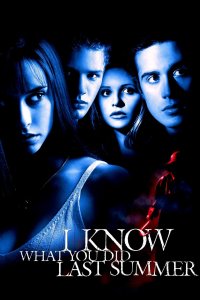 I Know What You Did Last Summer (1997). It’s been more than 20 years since I Know What You Did Last Summer convinced us to pay attention to the roadway at night or else risk the wrath of a meathook handed slasher, and this is consistently one of those 90s horror movies that is either loved or despised. Won’t find much middle ground here. Personally, this ranks highly for me when talking 90s horror. While this movie has not seen the legacy and timeless influence that Scream has, there is still a lot to like if you are a slasher fan or simply enjoy the excellent chemistry in our lead ensemble cast. For instance, we would not have Scary Movie if it wasn’t for I Know and Scream, we may not have the Hash Slinging Slasher from Spongebob Square Pants. Believe it or not, there is a hidden strength in the story that rarely gets talked about. It’s a great psycho-social commentary on perception as reality and the cognitive elopement of a young adult. Moreover, I Know’s real genius is in how it confronts each of the lead cast with questions that all of us ask ourselves, such as simply knowing who we can trust, fight or flight, and varying degree of self-centeredness. It functions very well as a study of every individual teen’s mental state. Just like the characters in the movie, we (the audience) are wondering exactly who can be trusted. Sure, if you think too much about the plot, it falls apart, but isn’t that the case with many slashers? Everything from the twists and turns, to the suspense, to the red herrings, a murderer screaming “you’ve got no place to hide,” not to mention the classic horror score, deliver a movie that is fun to watch, highly entertaining, and even rewatchable.
Movie 2 (10/02)
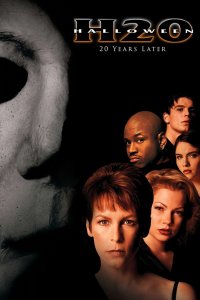 Halloween H20 (1998). Up until last year’s H40, the often maligned H20 was actually my favorite sequel in the Halloween series. Twenty years later, Laurie Strode (once again played by Jamie Lee Curtis) and her son (played Josh Hartnett) have moved clear across the country to southern California to be the head mistress of an exclusive boarding school where Michael finds her on–you guessed it–Halloween. Only Michael isn’t the only boogeyman haunting Laurie, she has turned to heavy drinking to cope with the trauma; this dependency on alcohol has become another monster in her life. Much like IKWYDLS borrowed from Scream, it is clear that the writers of H20 also reworked the Halloween movie for the Scream generation. If for no other reason, you watch this movie for Curtis’ performance as Laurie (a role she wouldn’t reprise again until H40). She gives it all she’s got! One of the things that I think this movie got right was how vulnerable, how human Laurie was. Often times, a legacy final girl might seem like she’s quasi superhuman, but not this one. She makes many mistakes and continues to allow fear and anxiety to all but consume her every moment. Horror movies are not always scary movies. Some horror movies are just fun, and this is a great example! Taking the kills to the next level, H20 had some of the most intense kills in the franchise up to that point. Many of which exceed the violence of the previous ones. When the opening scene has a kid (Joseph Gordon Levitt) with a hockey skate blade lodged in his head, you know that the bar has been set high! Here’s an item you may not have noticed in your past watches, but Curtis’ mom, the original scream queen, Janet Leigh appears with her daughter as the school secretary. Leigh is famous for being Marion Crane in Hitchcock’s Psycho. Yup, she’s the one in the famous shower scene. And get this, she also drives a similar (if not the same) car as she did in Psycho. Two legendary scream queens together on the screen, mother and daughter!
Movie 3 (10/03)
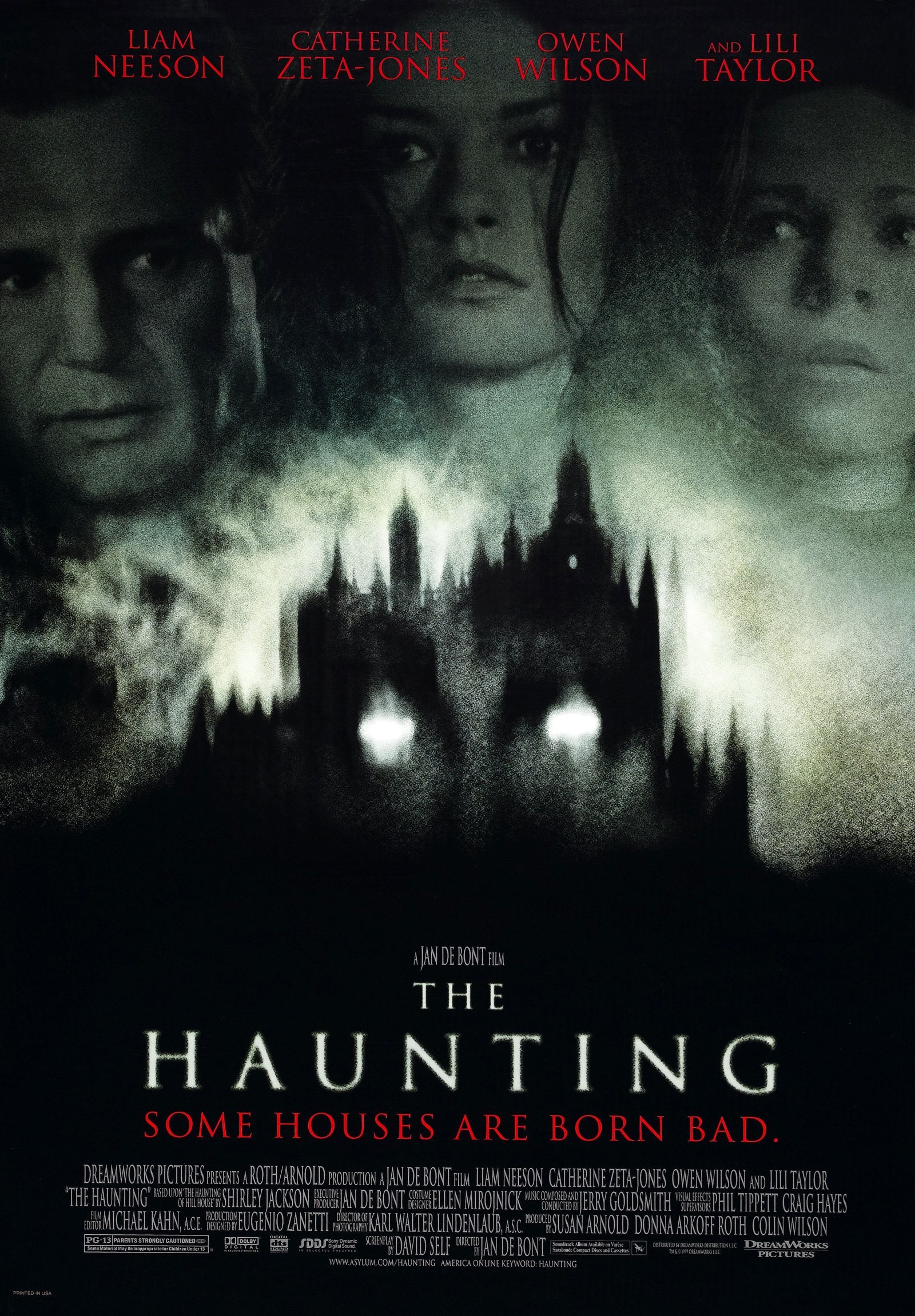
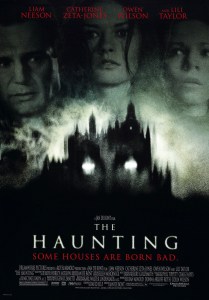 The Haunting (1999). With the critical success of Netflix’ The Haunting of Hill House last year, I thought that it would be fun to rewatch the movie that is also a remake of a 1963 horror film by the same name. With three iterations, you will certainly find the one you like most. Odds are, it’s not going to be this one, but to be fair, it’s not as bad as its reputations seems to be. Interestingly, the review from Roger Ebert praised this film on the basis of its locations, art direction, production design, and sound design, but it did not land as well with horror fans and general audiences. To be fair, the first half of the film is quite good! It’s atmospheric, tense, creepy, and haunting. Where the film loses the ability to keep you engaged is in the second half. Fortunately, all the elements that Ebert praised do hold the film together–albeit barely–when the screenwriter seems to have fallen asleep at the keyboard. Momentum should increase as we reach the showdown, but thanks to clunky dialogue and a lack of writing leanly, the pacing remains stagnant until the anti-climactic climax. What I appreciate about the first half of the film is the intriguing mystery about the history of Hill House and the Crane “family.” Had the film continued to build upon the successful suspense coupled with the puzzle solving and thought-provoking imagery and ideas, then it may have been stronger in the second half. With a powerhouse cast, excellent location, and big budget, there was such a potential to truly produce an old-school ghost story, but that would have required a writer whom cares from beginning to end.
Movie 4 (10/04)
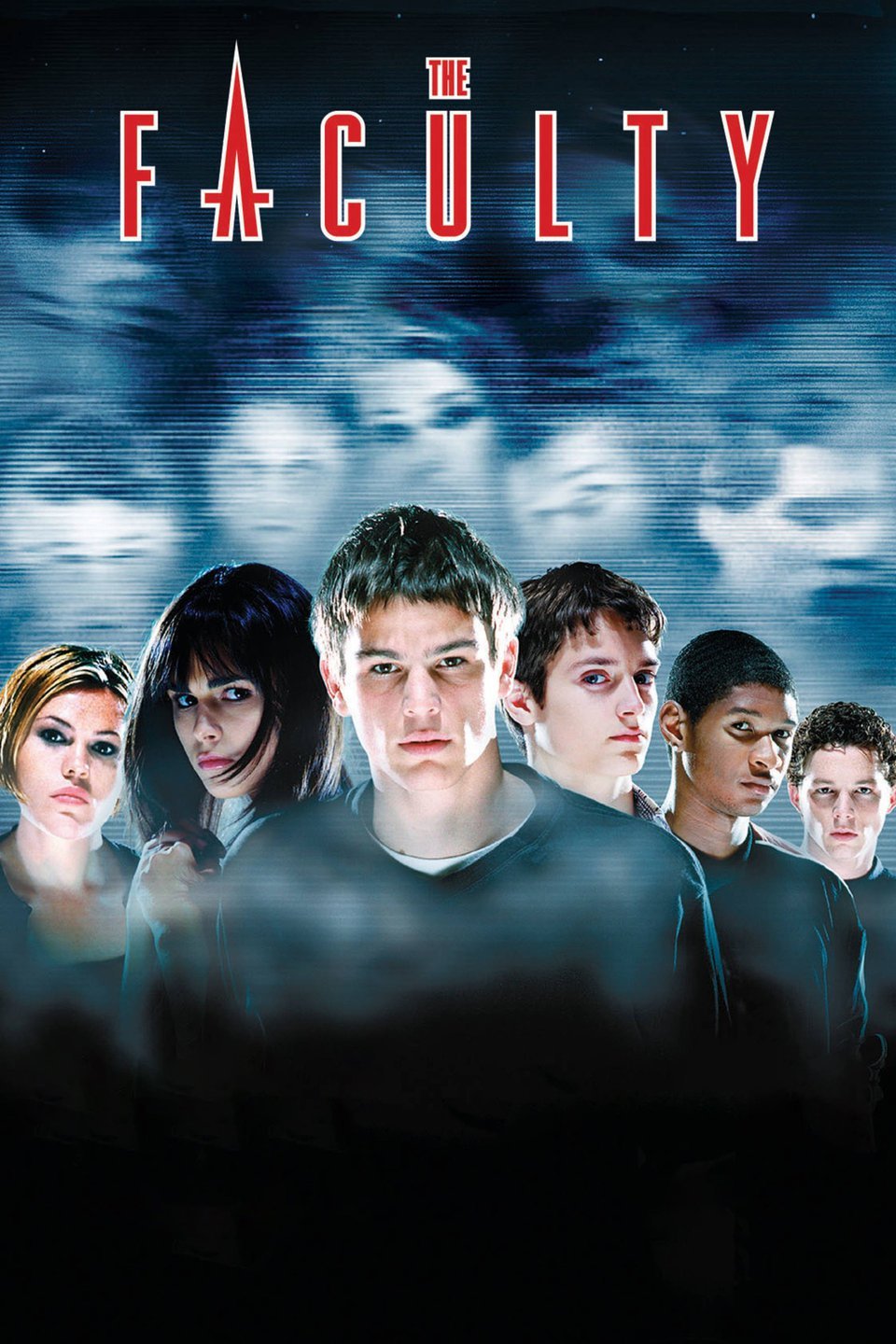
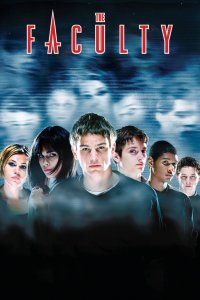 The Faculty (1998). So this one is a little out of order because for some reason I thought it came out in 1999 or 2000, but Hartnett had a busy year of horror since this shares the same release year as Halloween H20. The Faculty is an often forgotten gem in 90s/2000s horror discussions. One of my favorite components of the experience of watching this movie is just how much fun it is! Is it Sci-Fi? Is it horror? Perhaps it’s a hot mess of both, but this mashup of the two genres makes for an entertaining time with a great cast that has the perfect blend of chemistry. I love the original interpretation of this combination of Invasion of the Body Snatchers, The Thing, and even The Breakfast Club. Each of the aforementioned are tentpole films in their respective genre, but The Faculty weaves them together in an out-of-this-world entertaining horror movie. In addition to the A-list names amongst the students, it’s really the actors portraying the teachers that steel the show. And amongst those teachers is a name of horror royalty Piper Laurie! If you do not know, Piper Laurie played the role of Carrie’s mother in Brian de Palma’s Carrie.There are many moments in the film that have an almost self-referential quality to them. For instance, the lead cast seems to be familiar with the rules of horror movies and even play up the satirical side pretty well. There is an endearing quirky quality to this film as well, what with freeze framing and commentary on the characters and all. Again, this gets back to the reason to watch this movie: the fun factor. Since there isn’t much of a compelling story here and the ending is a little clunky, it’s important that a movie like this hooks you quickly and never lets you go for the duration of the run time. So, don’t worry about pacing, this film never lags.
Movie 5 (10/06)
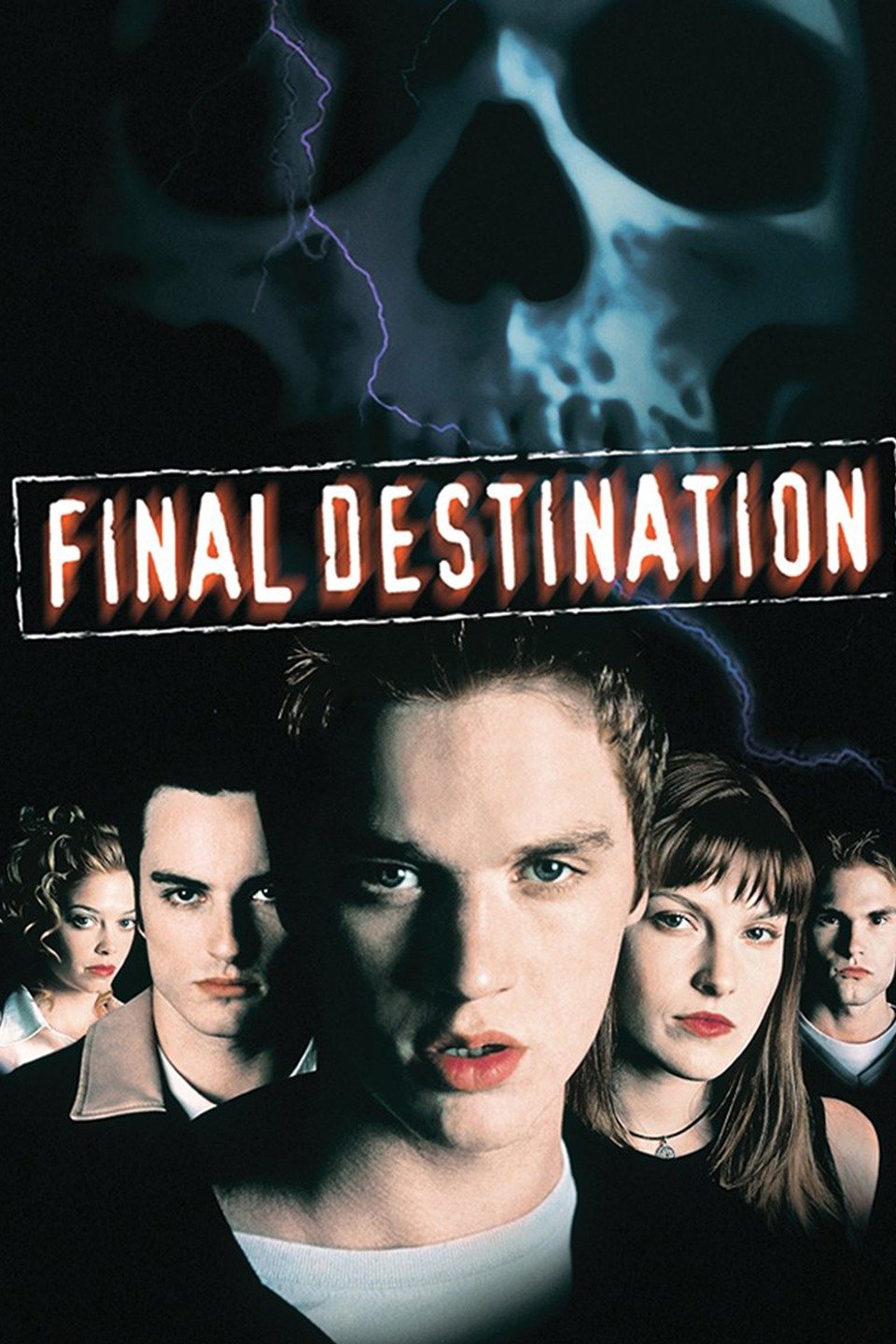
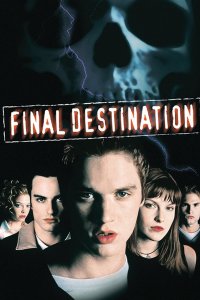 Final Destination (2000). With volunteering at the iHorror Film Festival on Saturday, I had to watch movie 5 last night. So I will have to double up tonight haha. The movie I’ve selected for my fifth horror movie in my 31 day challenge is Final Destination. It quite the surprise for me, I had the pleasure of meeting screenwriter Jeffrey Reddick at the film festival on Saturday and got to talk to him a little about the movie! I am pleased to report that he is a very nice man whom is generous with his time. I appreciate him taking time out to speak with me at the festival. Some of you may know this, but I certainly didn’t, the screenplay for the movie was originally an episode for the X-Files! However, when feature potential was seen in it, it was then turned into the screenplay that would eventually become the quintessential early late 90s/early 2000s movie that would spawn many sequels and (the second one) forever cause us to avoid following logging trucks on the roadways. The original Final Destination took horror in a new direction that has often been copied and parodied but never successfully replicated with the same quality as the original and first sequel (which Reddick wrote the story for, but not the screenplay). This “dead teenager movie” is smart, witty, darkly funny, and sharp. Unlike many horror movies of this era, the dialogue is clever and never feels forced or gimmicky. Truth is, this is a character-driven horror movie that is punctuated with visceral horror, but the gore never takes center stage. The story is about the relationships, reactions, and patterns between all the characters. I also love how very much live a living Rube Goldberg machine this movie feels. The story is paced quite well, and includes dark comedy without ever venturing into parody or satire territory. The whole idea of “you can’t cheat death” has forever changed horror.
Movie 6 (10/07)
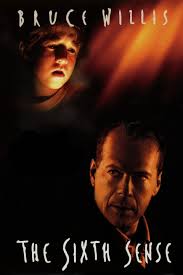 The Sixth Sense (1999). “I see dead people.” How many of us do not know that immortal line and the movie from which it came! It’s the movie that cemented M. Night Shyamalan as a powerhouse director (nevermind that many of his films have not lived up to the precedent set by The Sixth Sense). Believe it or not, this modern icon of the horror genre turns 20 this year. Not only did it serve as the breakout film for Shyamalan, but it was a smash hit at the box office. Much like the big reveal in Agatha Christie’s Murder on the Orient Express, the shockingly big twist in The Sixth Sense remains one of the worst kept secrets in the world of cinema, yet the film is still incredibly rewatchable. Although there are moments of sheer terror and horror in the movie, it is largely character-driven with fantastic dialogue exchanged between Cole (Haley Joel Osment) and Dr. Crowe (Bruce Willis). I just love how this film centers in and around the fantastical idea that we can control our own narrative even after death with the help of a clairvoyant whom seeks to help the dearly departed mend relationships, complete tasks left undone, and any other unfinished business. These actions allow the living and dead to rest in peace. Emotions run high in this film as audiences come face-to-face with tortured souls of the living and dead variety. Furthermore, this film seeks to provide psycho-social commentary on grief and that which we cannot possibly fully understand when exploring death. Even knowing the big twist, we are still captured by the tension of the scenes between Dr. Crowe and his wife. We know that he is dead, but we still empathize greatly with the inability of him and his wife to communicate. The strength of this movie is that it successfully taps into the dark corners of our psyche to explore that which we do not understand yet impacts our very lives every day.
Movie 7 (10/07)
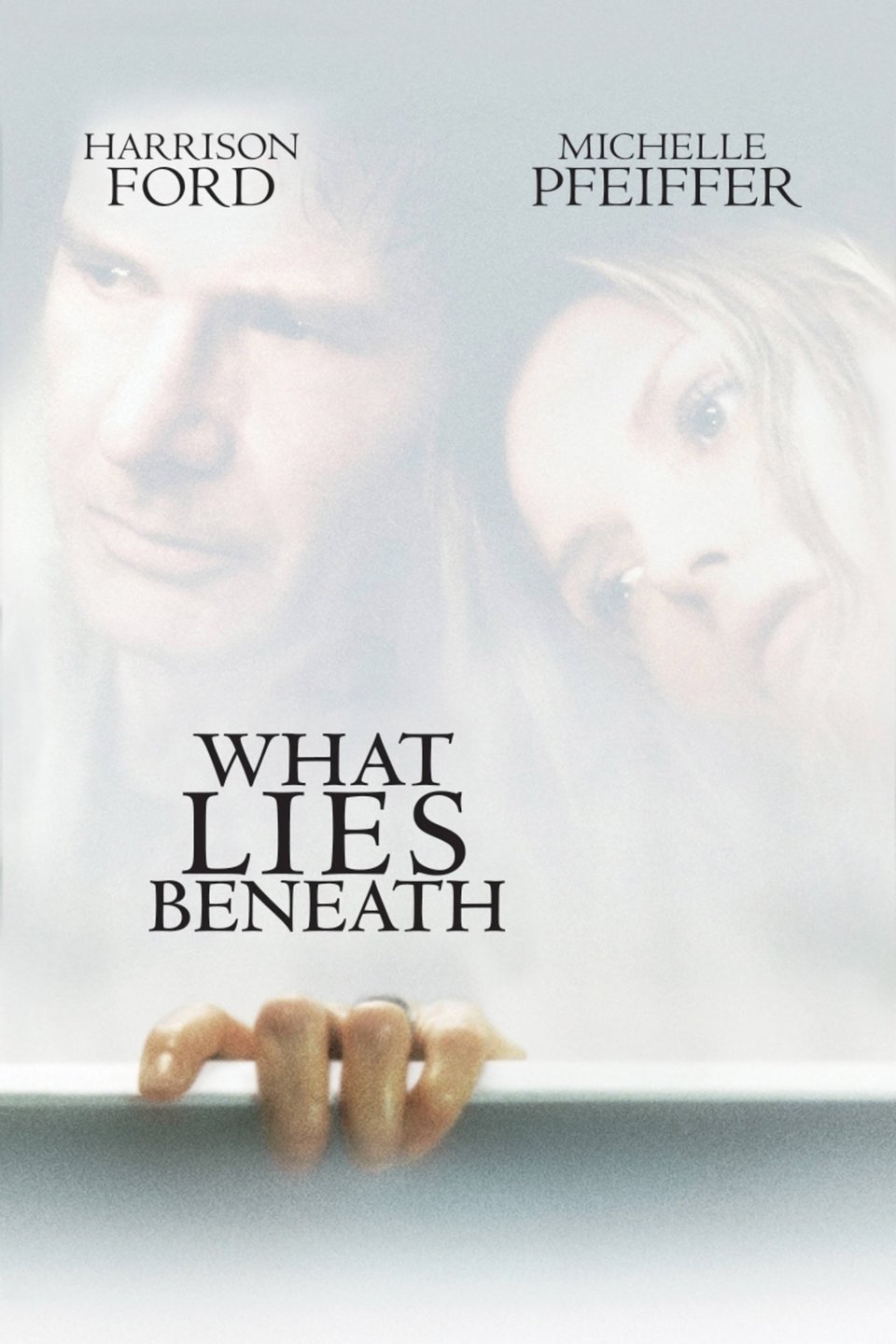
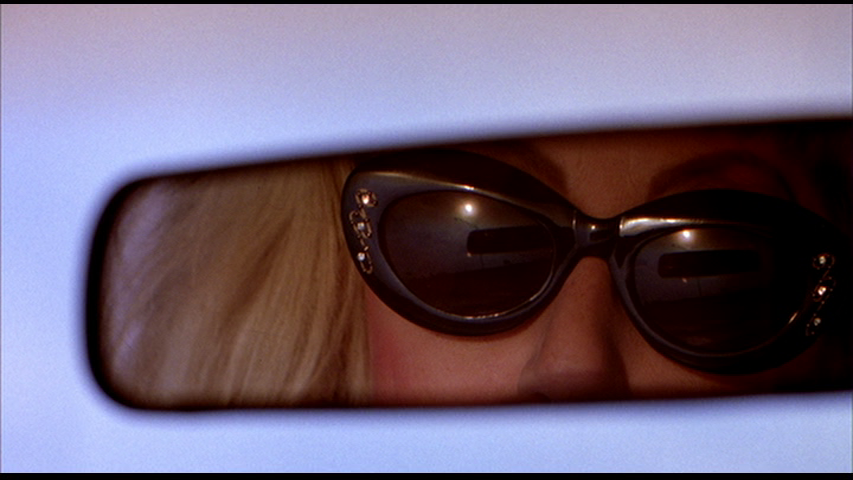
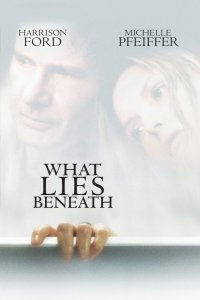 What Lies Beneath (2000). Although most of my selections are clearly in the horror genre, every once in a while, there is a noteworthy horror adjacent movie that is worth covering for a challenge such as this one. Robert Zemeckis’ What Lies Beneath starring Harrison Ford and the incomparable Michelle Pfeiffer is truly a horror-adjacent gem! And it has Michelle Pfeiffer, how could I not include it?!? Clearly Zemeckis was going for a Hitchcockian thriller meets old fashioned haunted house movie, and it mostly pays off. Whereas this film may not have received highly positive reviews when it came out, today it is one that is often brought up when discussing underrated horror movies. Some of the Hitchcock-inspired tropes in this movie are the whole Rear Window scene, innocent people showing up to startle the central character, and mysterious characters showing up in a mirror. The biggest difference between what Zemeckis did and what Hitch would have done is that Zemeckis went the supernatural route and Hitch would have explained it through paranoia, trauma, schizophrenia, or some other psychological means. The strength of this film may not be in the writing as much as it is the excellent visual storytelling, that builds tension through the cinematography, and the exceptional casting choices. My favorite scene in this movie is the one immediately following Norman (a Hitch nod) paralyzing Clair with the experimental new drug that was foreshadowed earlier in the movie. As the water covers her face, and all we are left with is her eyes barely above the water, we can feel the sheer terror Clair is experiencing. Until the last minute, we are anxiously wondering if she will survive. Another notable sequence is when the camera lingers on the sideview mirror of the car as we see Norman’s body rise up in the house while we are aware that Clair is running for the truck. Perhaps this movie does not hold up as well as most of Hitchcock’s thrillers, but it is clearly inspired by Hitch and his ghost is felt throughout the story. While some find the supernatural element absurd, I don’t mind it because that is what helps this to be more horror-adjacent than it would otherwise.
Movie 8 (10/08)
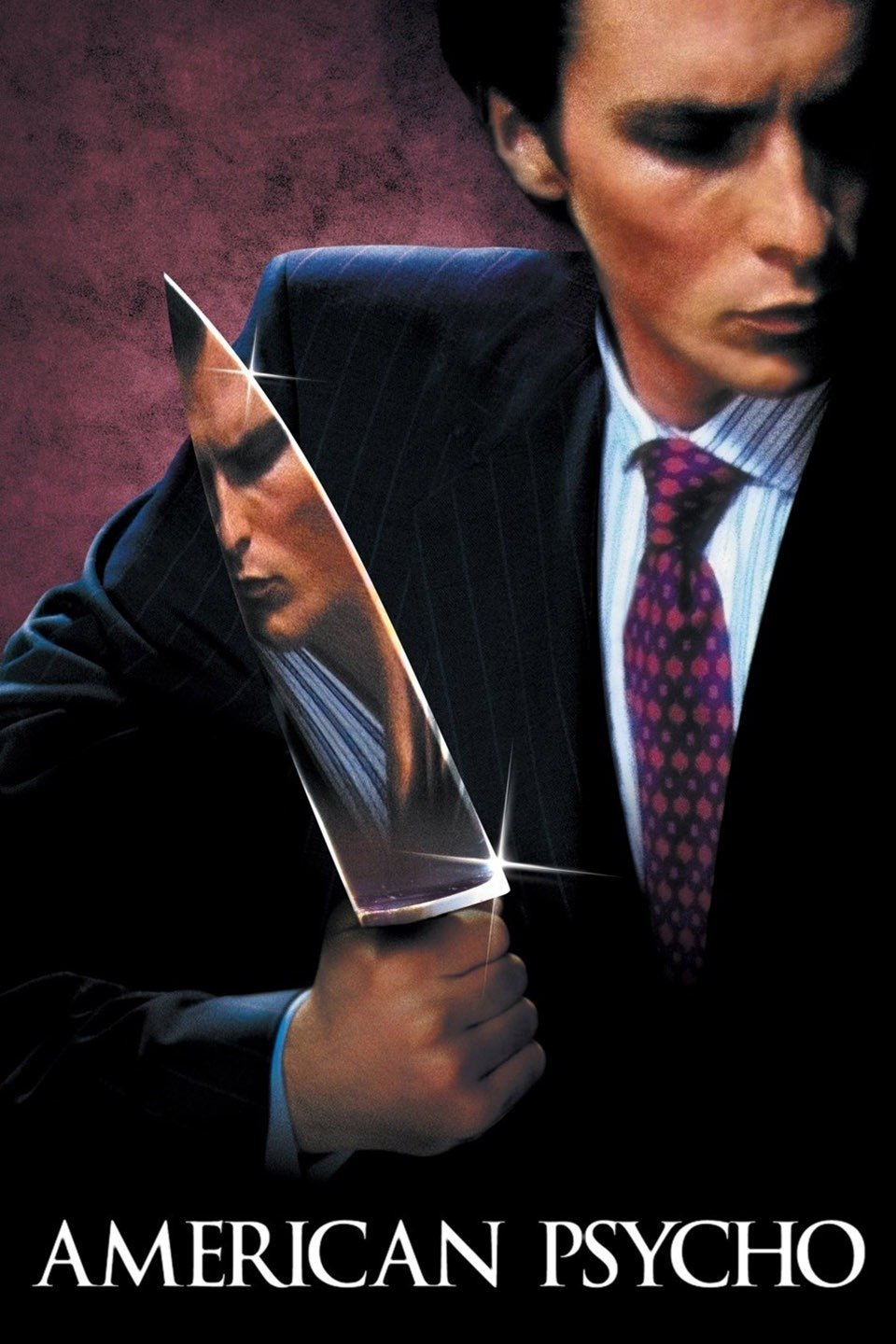
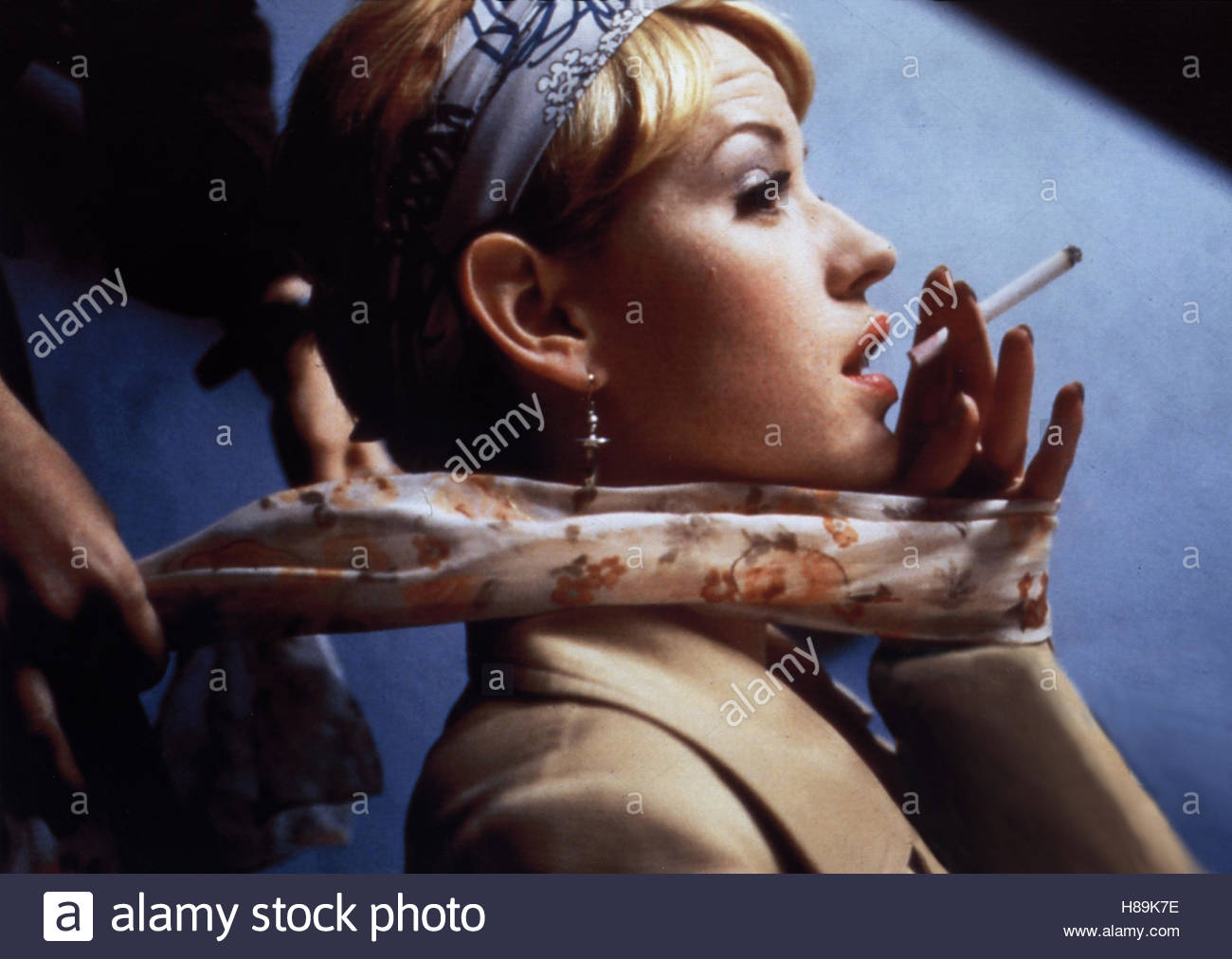
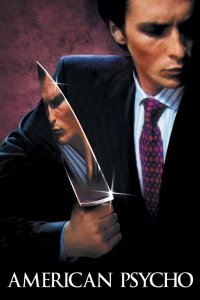 American Psycho (2000). Not only a great horror film, but a great film period. The movie that was once protested by women was, in fact, directed by a woman. Directed by Mary Harron, American Psycho is a brilliant cinematic work that is just as relevant today as it was when it was originally released. At its heart, this film is a provocative artistic work that comments on materialism, narcissism, and the empty feeling that comes with them. Many, including yours truly, characterize the film as a dark comedy that forces us to reconcile our aspirations for wealth, power, and what happens when we fail to make genuine emotional connections with other individuals because we are completely consumed by image and status. Furthermore, there is a fascinating character study here on trying to fit into a society that you really don’t want to fit into, but don’t know what the other options are. Therefore you act on impulses instead of recognizing them to critically analyze if they indeed are the right things to do. One of the qualities of the experience of watching a horror film compared to other genres is the power it has to force us to face our fears, look in the mirror (pun intended), and question the world around us. Moreover, it allows us to explore hard-to-talk-about subjects because it approaches them in creative, visual ways. that force us to think about some societal observation in new ways. In many ways Patrick Bateman is us; the us we are when no one is looking. Perhaps most of us are not serial killers, but we certainly have a running commentary on the world around us. Also like Bateman, if we are not careful, we can fall prey to our own animalistic, self-centered instincts. I also love how this movie parallels the vicious nature of Wall Street with the murder sprees of Bateman. In this movie, it’s Wall Street, but it could very well be any number of work places. Perhaps there is little relatability to the characters on the surface, but dig a little deeper and this film is quite the microcosm of the world we live in.
Movie 9 (10/09)
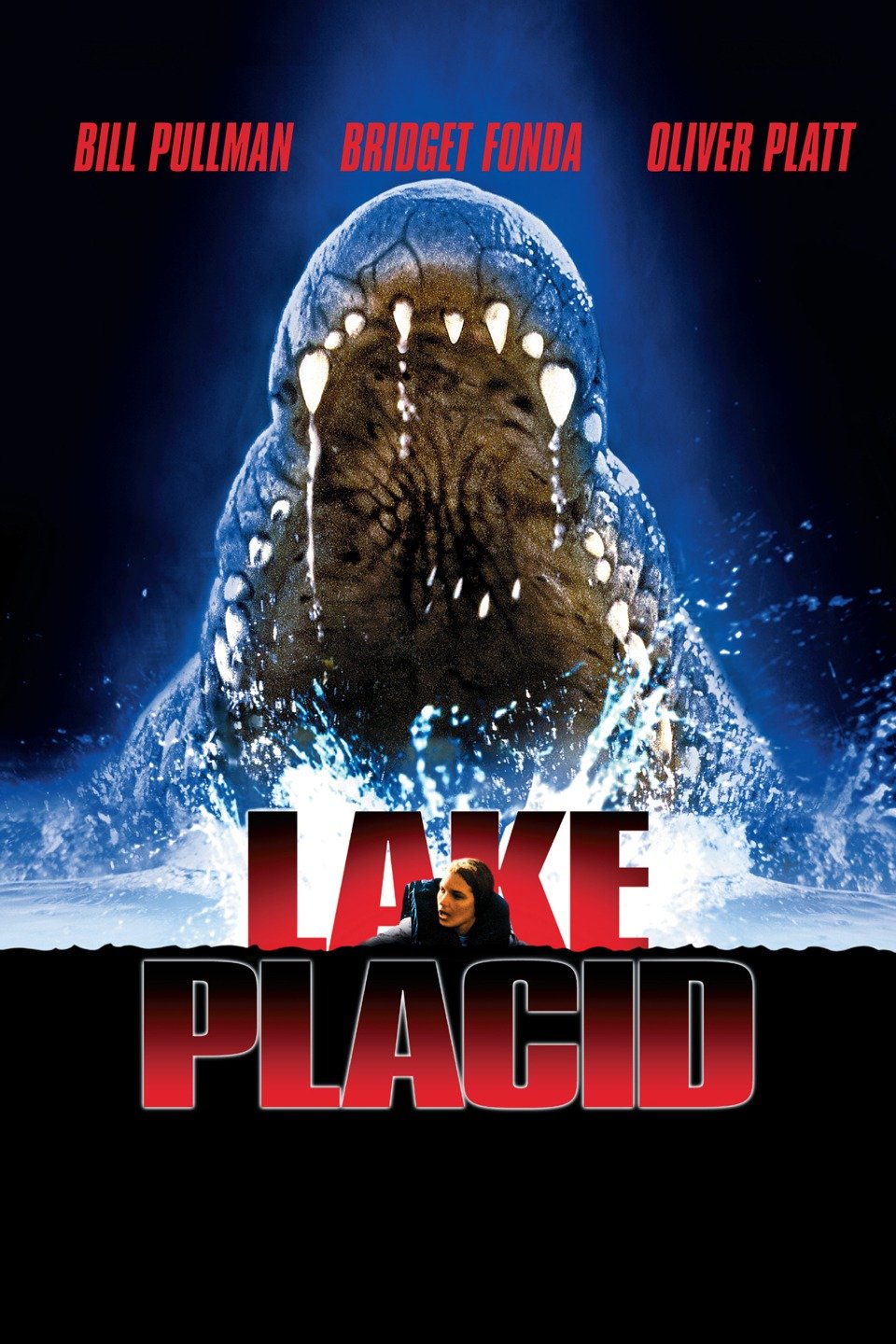
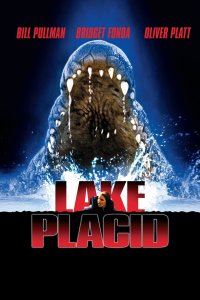 Lake Placid (1999). Largely absent for more than a decade, the old fashioned creature feature returns. And it’s bigger, funnier, bloodier, and more romantic (?) than before! When you thought it couldn’t get any better, Betty White shows up! What more could you ask for in a throwback creature feature that is still so much fun to watch. Nevermind that it failed to impress the critics of the day, this movie was made to entertain, and entertain it certainly does. Often times, horror movies like this one do not improve with age; however, like a fine wine, this movie has developed more of an audience as it has aged. This is in part due to the solid direction by Steve Miner, the sharp screenplay by David E. Kelley, and the excellent cast. And at less than an hour and a half, this movie never wears out its welcome. The pacing is brisk, not a moment wasted, eery scene sets up the following scene and continuously points to the showdown. Still in the early years of CGI, Miner chose to pair the CGI of the day with animatronics. Good thing too, because this combination helps the film not to look terribly dated. Sure the CGI is rough around the edges, but since we are not staring at CGI the whole time, we are more willing to accept it. You know what else makes this film fun to watch? Betty White. Her feisty character is in stark contrast to the otherwise serene landscape, and you gotta love her obscene one-liners. She goes full Betty White in every scene. I truly appreciate this movie for how it told the story more than what the story is about. It successfully paired an old school subject with a post-modern approach that delivers a fresh horror movie to audiences.
Movie 10 (10/10)
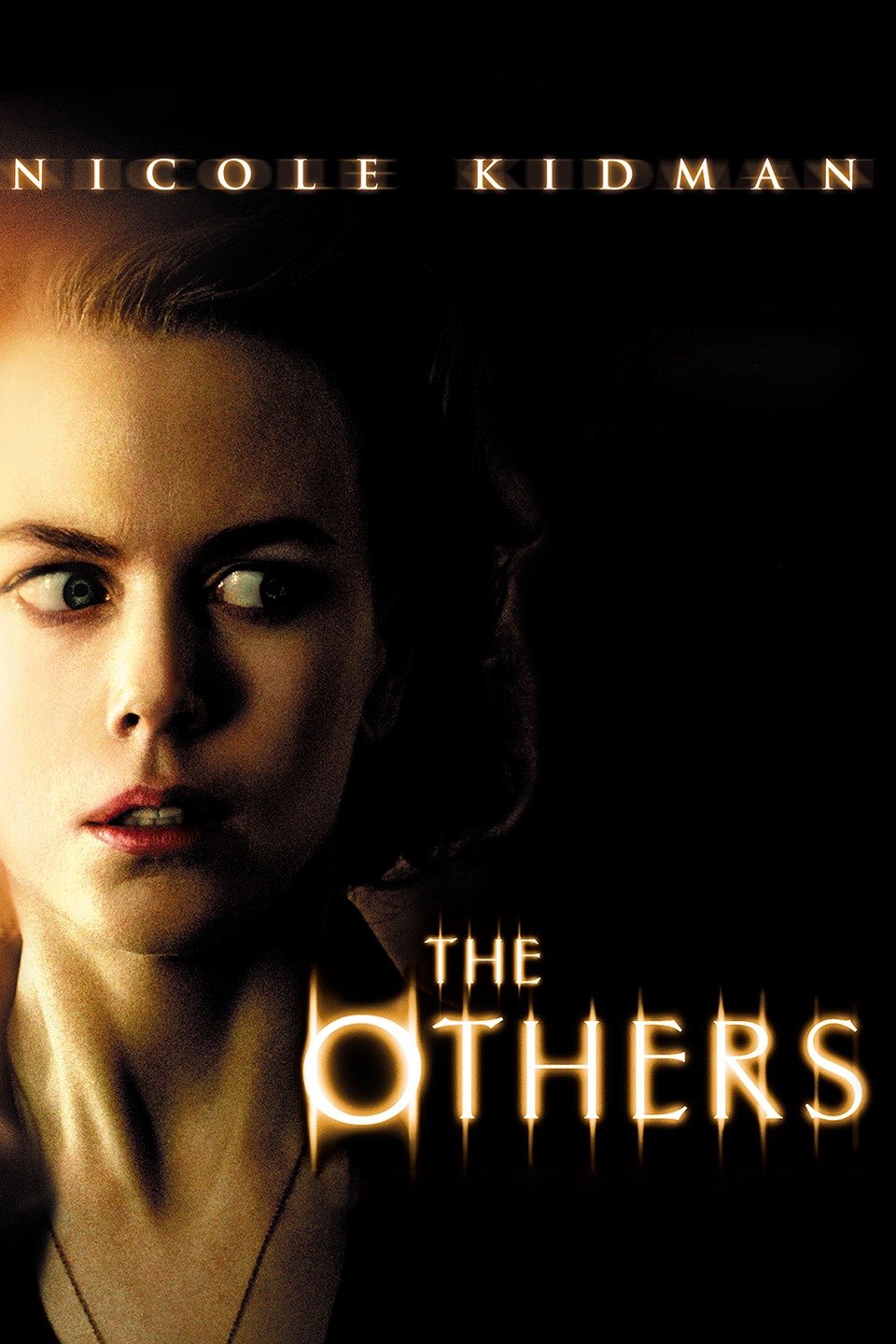
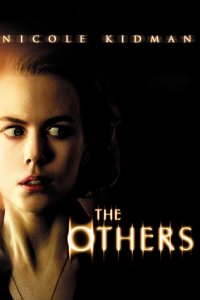 The Others (2001). What a fantastic haunted house film with a twist ending! Although this formula has been copied in other movies, The Others still holds up very well. At the time it came out, most horror movies were slasher or supernatural schlock fests, but this one chose to go the more traditional route of building a foreboding atmosphere complete with unsettling characters. Tension is high throughout this entire movie until the twist ending is delivered in spades. Nicole Kidman shines as the central character who completely convinces us that she is a normal person whom is living in a bizarre mysterious world. This is a thinking man’s horror movie that would probably be much more successful at the box office today than it was when it came out because audiences are gravitating toward art house horror in numbers that haven’t been seen before. While this film has bene accused of plot that lacks direction (and to some extent, I have to agree with that assessment), the lack of focus is made up for by the expertly crafted ominous mood and haunting ambiance. Capturing the atmosphere is the excellent cinematography and candlelit lighting. Often overlooked in horror movies is costuming, and Kidman’s Grace has some absolutely gorgeous attire–simple in design–but does not go unnoticed. The strength of this film, outside of the production design, is the relationship and conflict between Grace and her kids as well as the new servants. It had been a long time since I watched this movie, but I am pleased to report that it still holds up well on a rewatch. If you are searching for an atmospheric horror film to watch one evening, then this is still a good one to select.
Movie 11 (10/11)
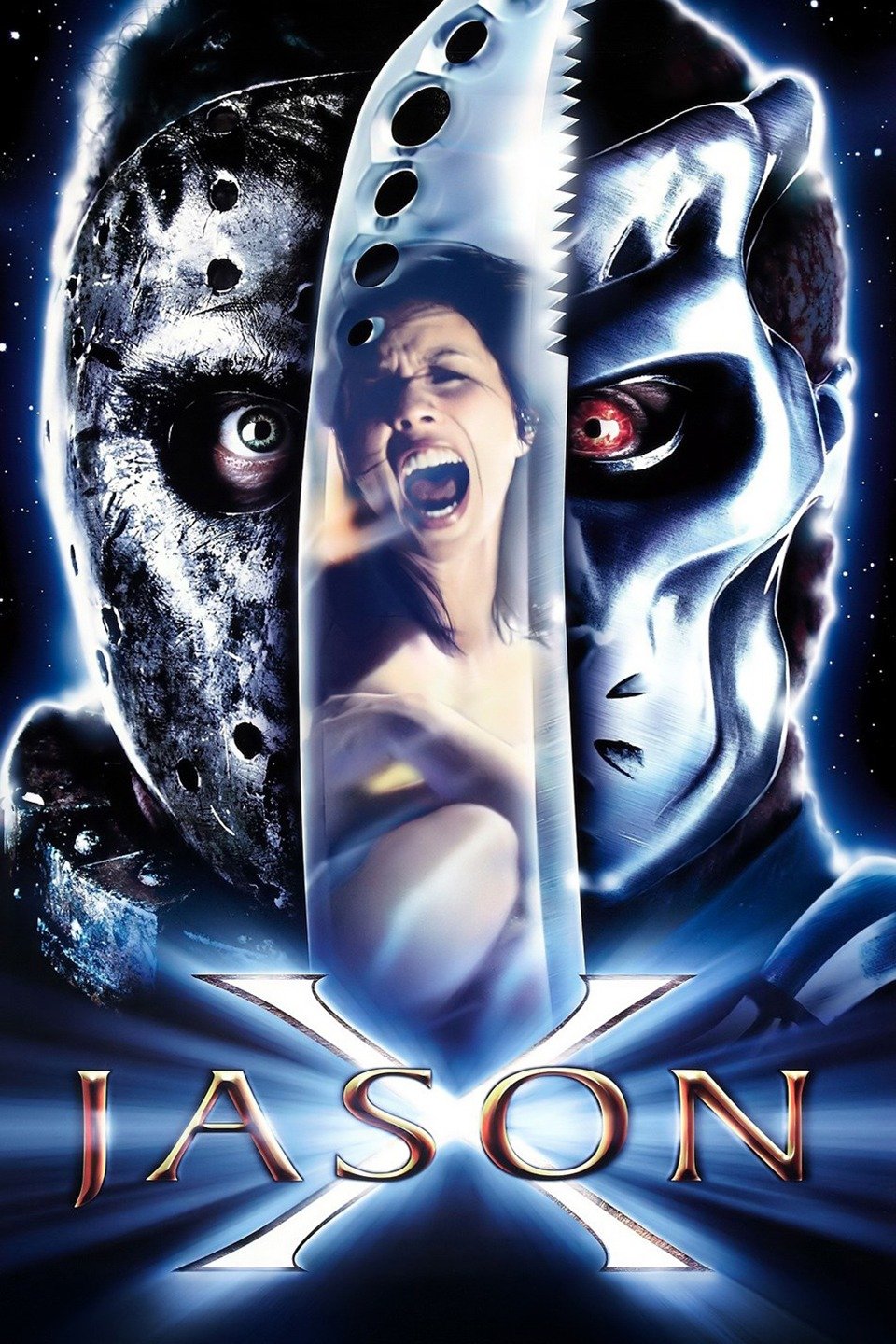
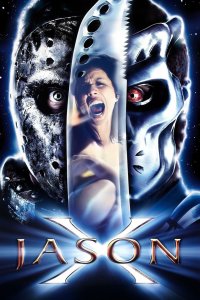 Jason X (2001). This is one hot mess of a Jason movie, but it is so much fun to watch! What happens when you combine Alien with Friday the 13th? Jason X. Of all the creative deaths in the Friday the 13th franchise, this one has my personal favorite: the liquid nitrogen kill! You know the one I’m talking about. Although this series lacks the quality of writing in the Halloween and Elm Street, there is a beauty in the simplicity of Jason Voorhees as a Freudian superego that goes around punishing horny teenagers for their sexual promiscuity. One of the more hilarious aspects to this movie is just how little fashion and culture has changed from the early 21st century to the 25th century. Whereas fashion may not have changed much, technology certainly has. Straight out of Star Trek TNG is a holodeck that recreates Camp Crystal Lake to distract Jason. In this scene, we also get a simple kill that works so well. Never enclose yourself in a sleeping bag. One of the biggest differences between this installment and the previous Jason movies is that this group knows who Jason is. And believe it or not, we do end up caring about these characters a little more than usual. In the end, it takes itself a little too seriously to be truly satirical, but it’s also too silly to be taken seriously by longtime fans of the franchise. If you’re looking for something fun to watch on a lazy afternoon, then this movie works well.
Movie 12 (10/13)
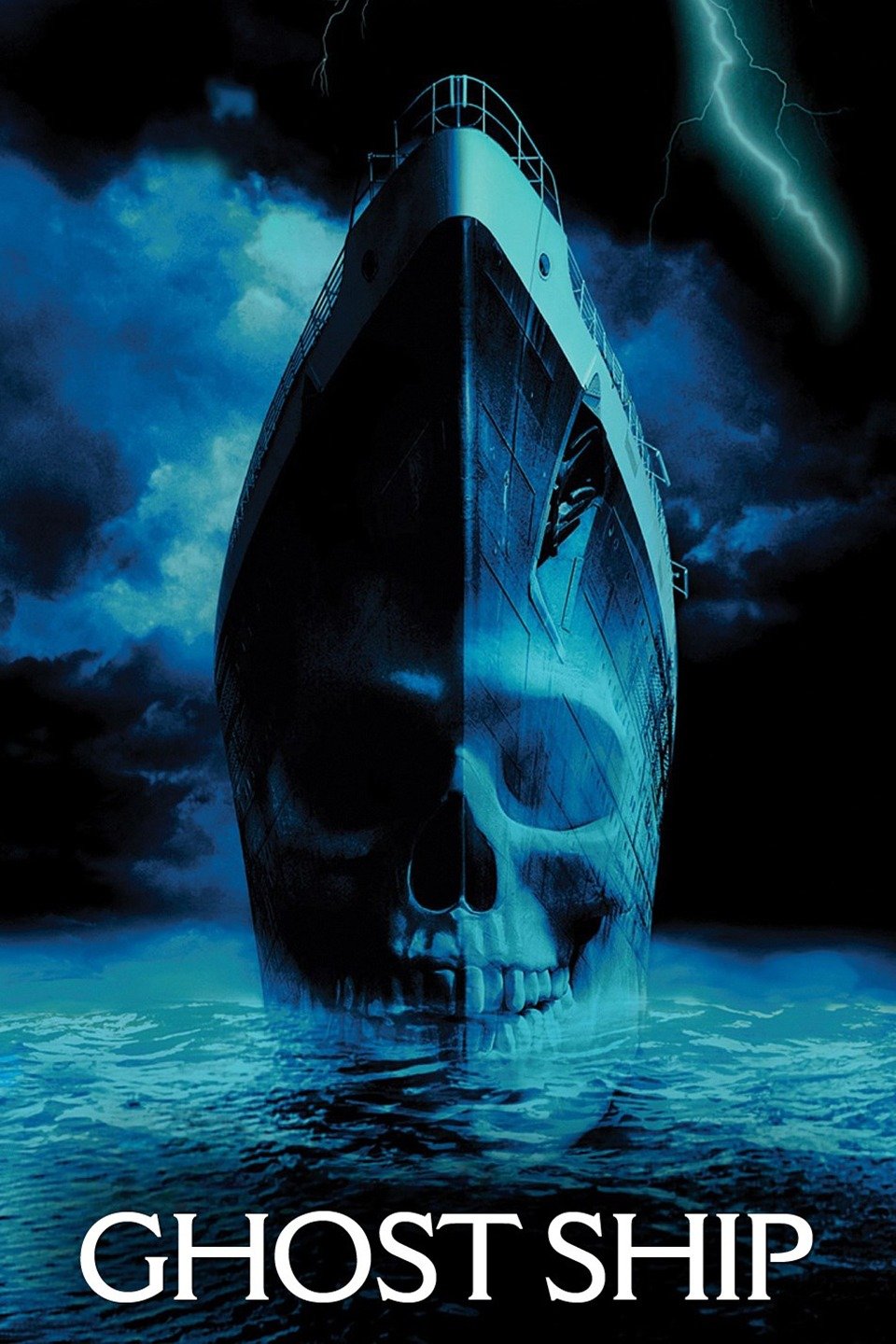
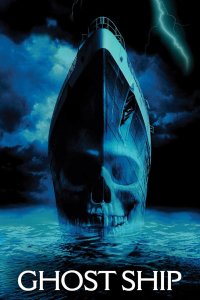 Ghost Ship (2002). What a shocking opening! Although the opening to Scream may still be the best opening in a horror movie ever, the opening to Ghost Ship is right up there with it. Talk about a razor sharp opening that truly hooks the audience in for the ride and tells them precisely what kind of movie this is going to be. Alien is a haunted house movie (that meets Jaws) in space and Ghost Ship is a haunted house movie set on an ocean liner right out of the 1960s. Perhaps this movie suffers from terrible characters and a vapid plot; however, what it lacks in those areas it more than makes up for in atmosphere. Truly, this movie boasts some of the best atmospheric shots, art direction, and production design that 2000s horror has to offer. There is almost a Titanic like feeling when moving throughout the ship, and it’s even creepier because we know precisely how all the passengers died. The theme of greed versus prudence is woven throughout the plot. Witnessed in how and why characters meet the demise that they do, this theme is integrated well into the plot, and helps to setup the big twist at the end of the movie. From a technical perspective, the movie got a lot of things right. One might say that it’s among the best to come out of the early 2000s, but still not as good as you hoped it would be, considering the brilliant opening and setup. I guarantee that you will never look at a tension wire in the same way again.
Movie 13 (10/13)
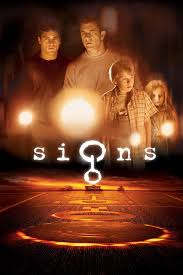 Signs (2002). The alien movie that really isn’t about aliens at all. Despite the crop circles on the poster and the catalyst of aliens on earth, the movie isn’t about that at all. And that’s why it works so incredibly well! Signs by M. Night Shyamalan is a brilliant motion picture that possesses the power to create tension out of seemingly nowhere and keep driving that tension up until the strategic time that the punch is to be delivered. What Shyamalan achieved in this film was the ability to evoke strong fear, anxiety, and other emotions through the use of the camera. Suspense with a camera as Hitchcock whisperer Jeffrey Michael Bays would put it. There is a power in the direction, acting, cinematography, and score in this film that sets up audiences to fear that which is not even seen. Sometimes we find ourselves looking and listening to something that isn’t even there, but that’s the beauty of this film. Shyamalan uses strategically places moments of silence much in the same way that Hitchcock would do in his films. Speaking of whom, there is no score in The Birds. Whereas the technique of using TV or radio broadcasts to deliver exposition can come across as lazy or forced, because the programs still leave room for subtext, they work very well in this film. So, if this film isn’t about aliens, what kind of film is it? It’s a character study on the stages of grief and redemption. The plot is incredibly simple, yet our characters highly complex. That’s why this film works so incredibly well!
Movie 14 (10/14)
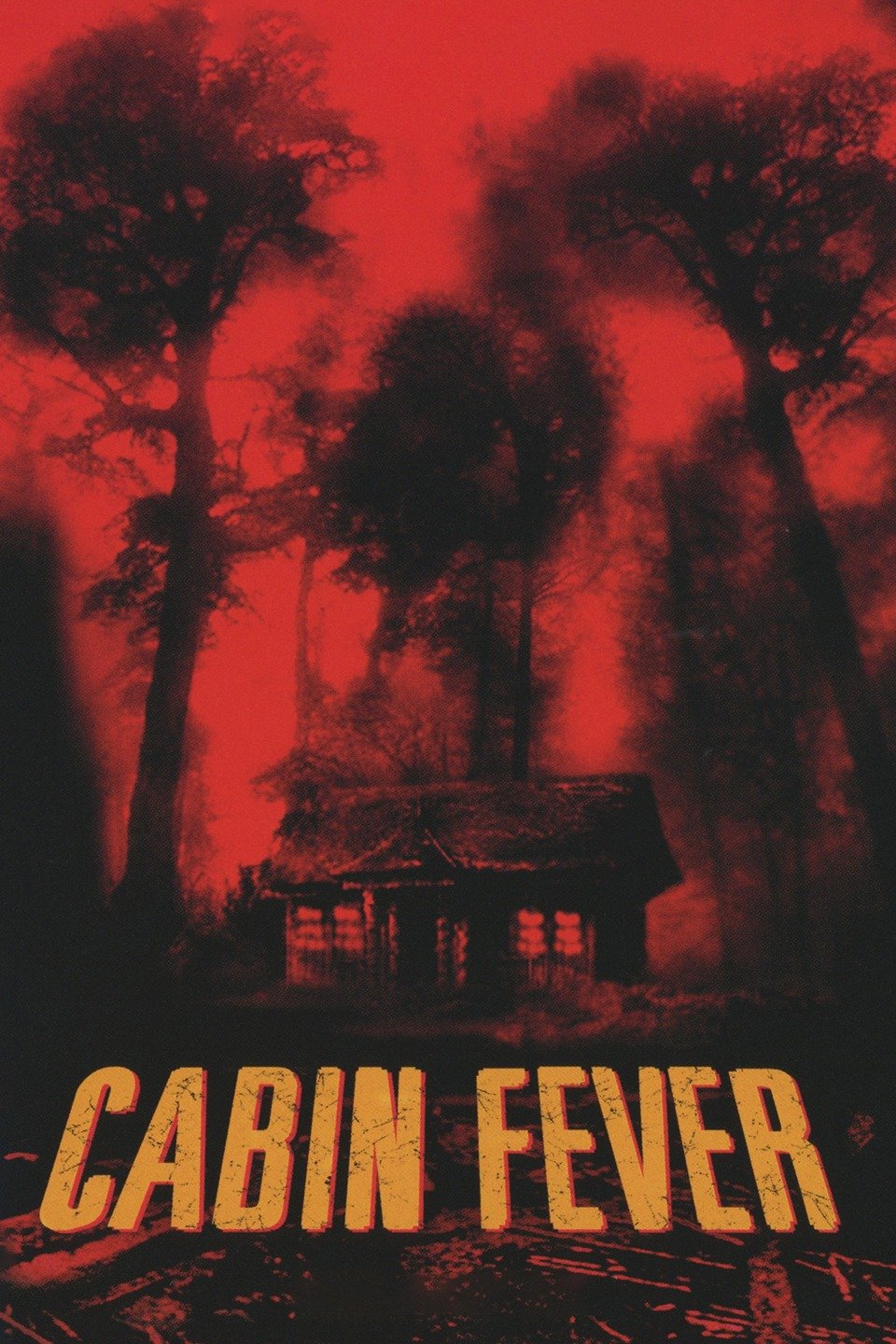
 Cabin Fever (2002). The directorial debut from Eli Roth! This gory horror movie may look like Evil Dead but it does not go the supernatural route. Instead this movie features a flesh-eating bacterial disease. So often when we are in a cabin in the woods, we encounter a demon or maniac, but I like how this body horror movie uses something incredibly realistic (albeit exaggerated). For fans of Boy Meets World, you’ll recognize Rider Strong as our central character. For all the gore that is in this movie, it’s not the focus. Co-written by Roth, this movie never loses focus on the relationships between the characters. I love how we witness the complete deterioration of friendships because of paranoia, fear, and self-preservation. The tension in this movie is real! You can cut it with a butter knife.
Movie 15 (10/15)
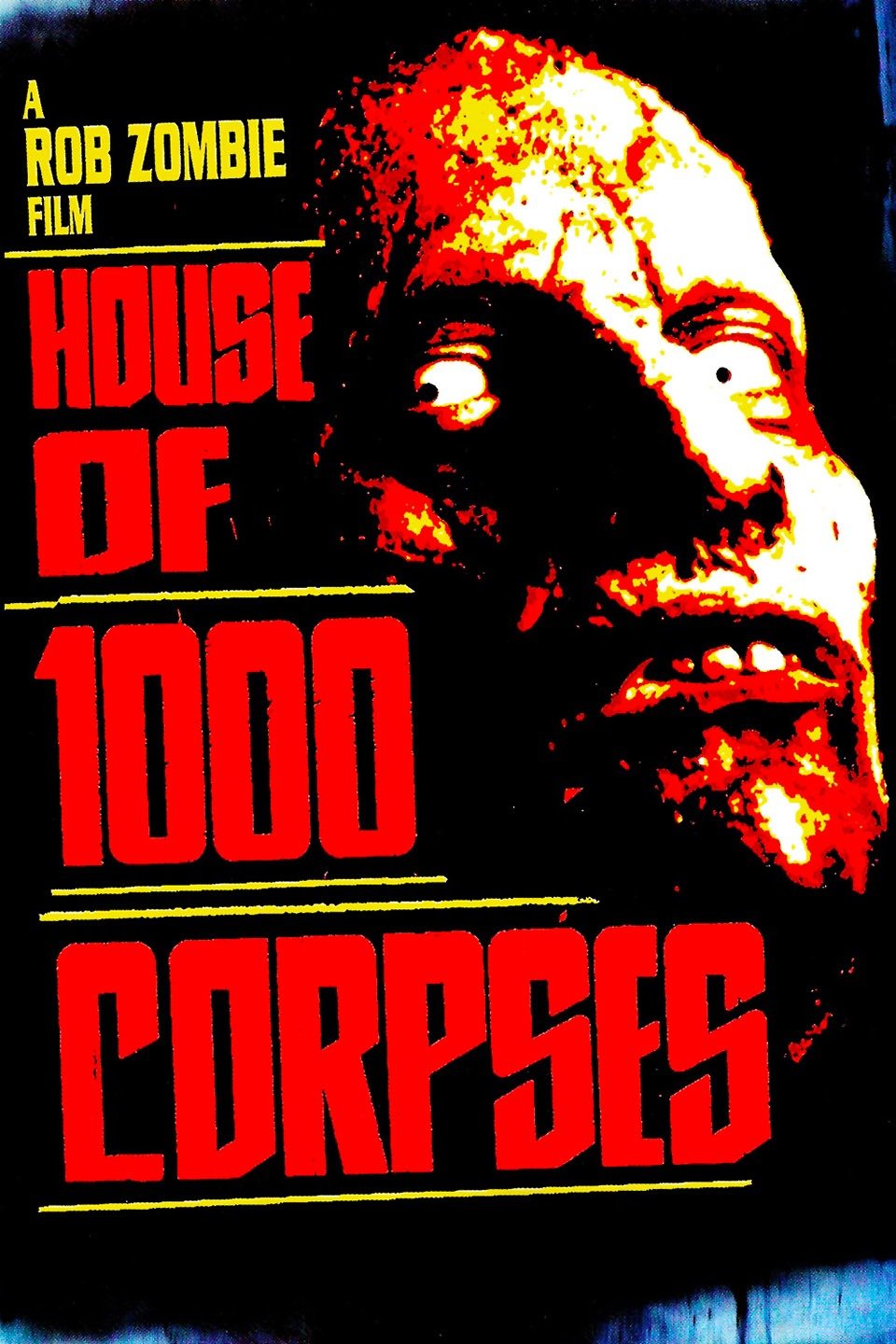
 House of a 1000 Corpses (2003). After experiencing the house at HHN29, I just had to add it to my 31 Horror Movies Challenge this month. Ordinarily, I am not a fan of Rob Zombie’s movies, but this one has such a great cast including the late Sid Haig. Hillbilly horror meets teen slasher in this movie. It’s a nostalgic tribute to Texas Chainsaw Massacre that doesn’t have much else going on in its plot. The strength in this movie is in the character actors. Due to Zombie’s penchant for shooting on film stock, this movie has a sort of homespun morbid charm that certainly helps in the viewing experience of this pretty much torture porn movie. Something else that I appreciate about this movie is that you can you see the hand of the artist in eery scene. Much in the same way Zombie writes and performs his music, this movie is also raw, graphic, loud, and violent. Perhaps his music is not to my personal liking, but there is no denying that his signature brand of entertainment is all over this movie. Whereas the plot may be greatly lacking, the movie makes up for that with a rather brilliant production design and art direction. This is probably why it was such a successful translation from movie to house at HHN this year.
Movie 16 (10/18)
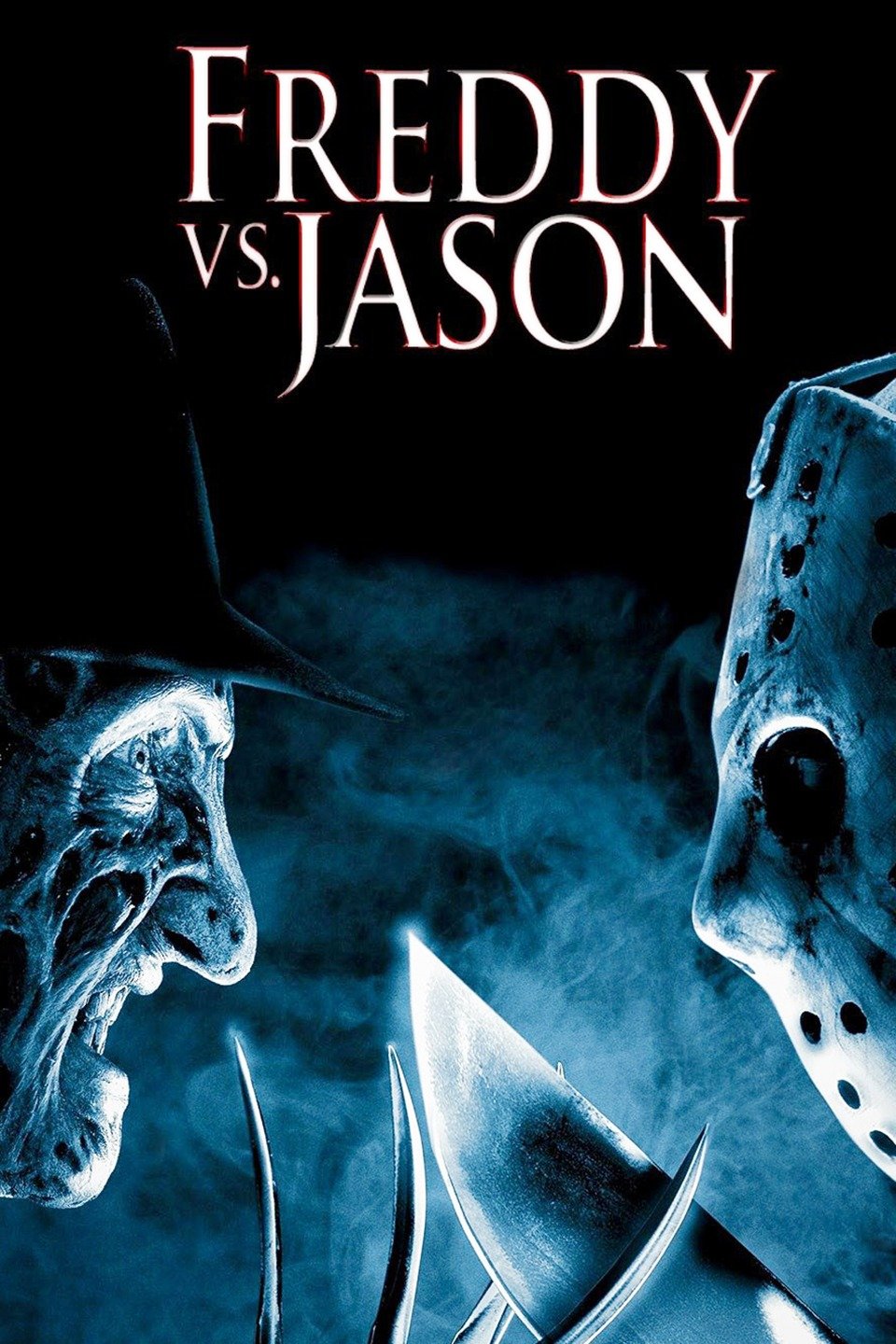
 This next film represents the last time the legend that is Robert Englund haunted our nightmares as Freddy Krueger until The Goldbergs Halloween special last year. Freddy vs. Jason (2003) is an incredibly fun movie starring two of our favorite slashers that helped define the genre. Fans got to experience the movie at Universal Orlando’s Halloween Horror Nights 25 in 2015; and what Universal did that was extra fun and heightened the suspense was randomly changing who won! Sometimes it was Jason and other times it was Freddy. Nearly 20 years since Freddy first started haunting the nightmares of the children of the Elm Street parents that burned him alive and more than 20 years since Jason started terrorizing camp counselors to avenge his mother’s death, this movie explores what happens when the teens of Elm Street are no longer afraid of Freddy because a new drug prohibits dreaming while allowing for restful sleep. Without dreams, Freddy is without his main source of power. Furthermore, the inability to enter dreams means that he is all but a distant memory for Elm Street. After a chance encounter with Jason in Hell, Freddy concocts a devious plan. Under the impression that he can control the iconic hockey masked killer, he sends Jason back to Elm Street to make the teens scared of him again. Instilling this fear in them will make Freddy Stronger. Unfortunately, for Freddy, things quickly get out of his control and the two icons of horror rack up quite the body count before turning on one another. The final battle between Freddy and Jason is one of the best battle sequences in horror! New Line Platinum pulls out all the stops in this epic final battle between two characters that helped define a genre and decade of cinema.
Movie 17 (10/18)
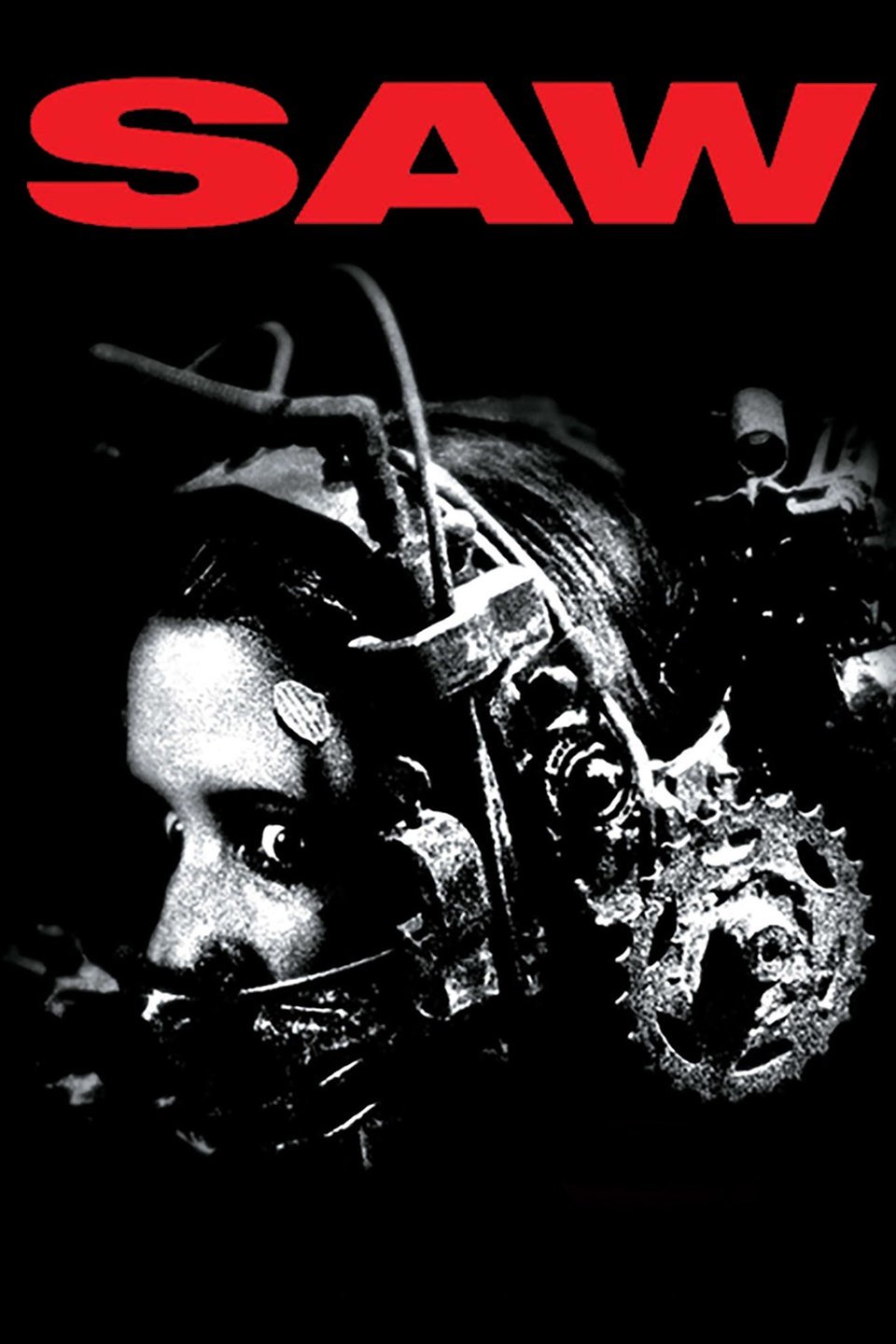
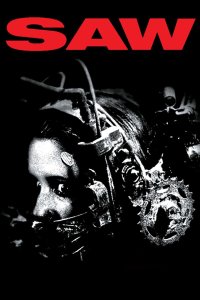 Saw (2004). Every decade there seems to come a film that will define the state of the genre and serve as a touchstone that pioneers new ways of tapping into our fears and commenting on what we are facing as a society. Often times, this same movie will create a new subgenre of horror that inspires other movies and even spawn sequels. Until A24 started bringing us art house horror films in the last few years, two films broke new ground for horror: Saw and Paranormal Activity. While neither of these films, and the countless sequels and quasi brain children of them, are to my liking, there is no doubt that they were the most influential over the last 10-15 years. That being said, I do appreciate the original Saw for its minimalistic production design and innovative storytelling; but I don’t like the barrage of torture porn movies that came after it. Saw works because it has a compelling story and the focus is NOT on the gruesome violence; however, many of the movies that it inspired shifted the focus from the narrative to the torturous kills. Still, there are interesting aspects to consider from this series and ones it inspired like Hostile. For instance, as repulsive as Hostile is, there is a thought-provoking exploration of the mediation (as in media) of society and what happens when people are reduced to commodities.
Movie 18 (10/19)
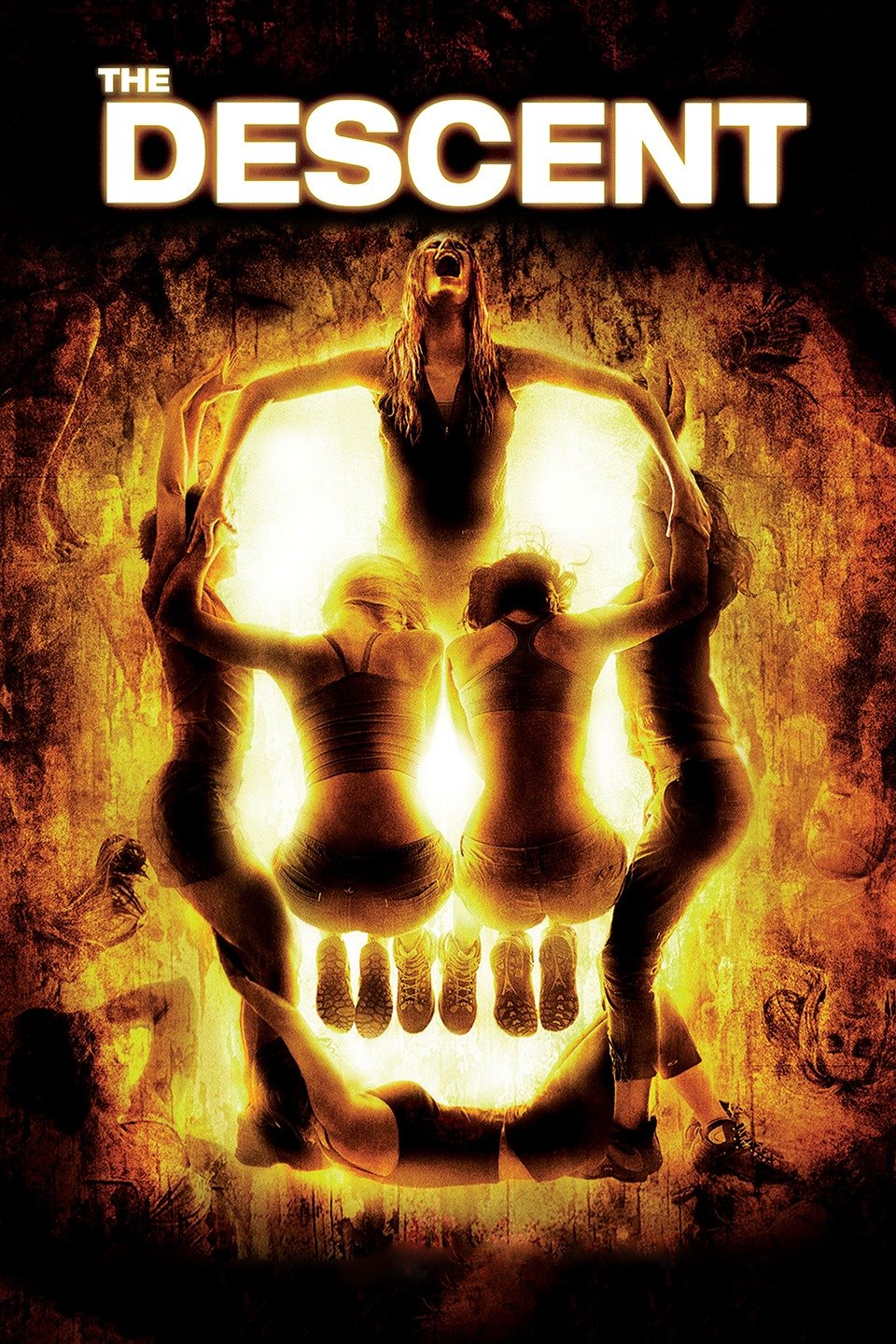
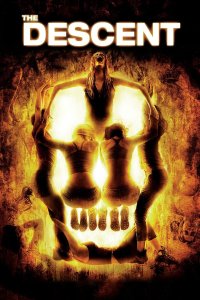 The Descent (2005). Often cited as one of the scariest horror movies over the last 20 years and one that was a critical success–including high praise from Roger Ebert–is The Descent. While it was not released in the US until summer 2006, it was released in the UK in 2005. Not only does this brilliant horror film have the thrills, violence, and fear-inducing moments, it delivers a well-developed plot with excellently crafted characters and outstanding direction. Not to mention the production design, score, editing, cinematography and everything involved in taking the fantastic story from page to screen. This atmospheric horror film completely immerses you in the depths of the descent into the bowels of the cavernous underground. Talk about an effective title! One particularly notable element in this film is the all female cast. Strong female characters are no stranger to horror–in fact–horror long liberated women from being damsels in distress before mainstream movies and media. Ever heard of the final girl? Thought so. Many of the scene in the movie take place in near-darkness, but the director never leaves the audience feeling completely lost. Sometimes the audience may be bewildered or anxious about the direction, but that’s the point! This film engages the minds and bodies of the audience in such a way that the audience can feel the claustrophobia and fear of the characters.
Movie 19 (10/22)
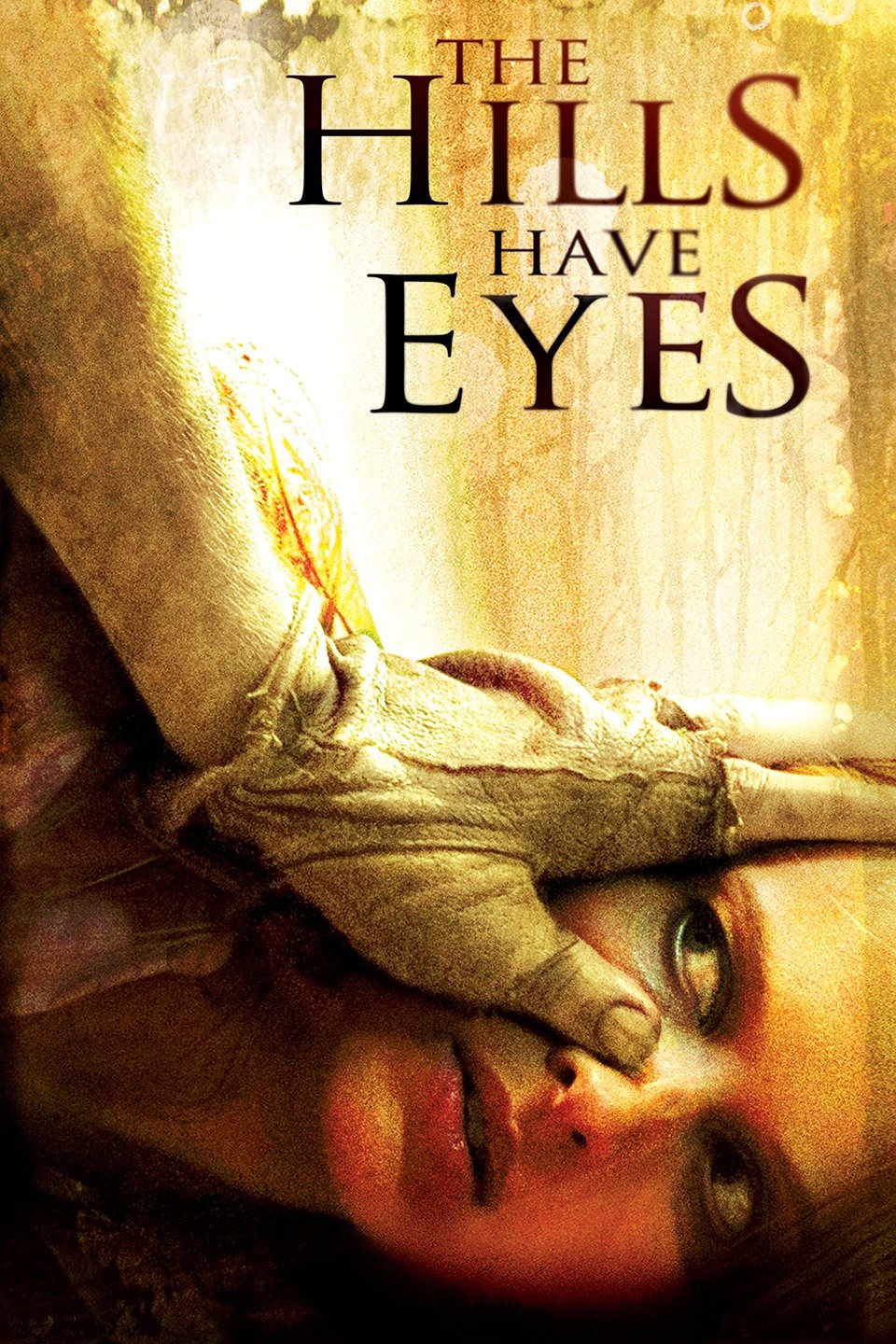
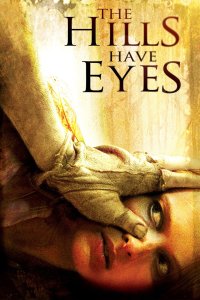 The Hills Have Eyes (2006). Before Alexander Aja would give us campy horror hits like Piranha 3D and the critically acclaimed Crawl (2019), he thrilled audiences with his revisitation of The Hills Have Eyes, originally written and directed by Wes Craven. Although many, including yours truly, will argue that the original is superior, Aja stays true to his source material. On the surface, this movie is about a family encountering a cannibalistic group of isolated desert hill billies, but beneath the surface beats the heart of a movie that comments on isolation, nuclear fallout, and yes even family and neighborhoods. Unfortunately, the larger budget did not pave the way for anything innovative or substantive, unless you’re talking substantial buckets of blood. There was such an opportunity for Aja to go by way of John Carpenter’s The Thing in his remake of Craven’s original, but instead it plays off as derivative and schlocky. Where the movie does work, is when Aja is in his world of campy gore.
Movie 20 (10/22)
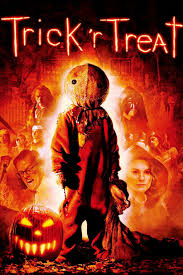 Trick ‘R Treat (2007). I don’t know about you, but this movie is one that I have to watch each Halloween! This year, I am watching it earlier than usual, but its been part of my Halloween since I was introduced to it by a friend. Michael Dougherty delivers a brilliantly innovative anthology movie with several smaller stories all woven into one giant narrative commenting on the power of tradition. In this case, the traditions surrounding Halloween! Fans of the movie were able to experience it at Halloween Horror Nights 27 as a scare zone and HHN 28 as a house. Personally, I preferred the scare zone to the house. Trick ‘r Treat is full of fantastic scares, entertaining characters, and an engaging plot. While few writer-directors could handle a nonlinear film as their directorial debut with such precision, Dougherty does precisely that! And what is the result? Instant cult classic. Couldn’t ask for a better start to your career. I love everything about this film: the costumes, set design, lighting, cinematography, the editing and more! Truthfully, it reminds me of something that Tim Burton would have done in the hayday of his career in the 80s and 90s. The costume designs are absolutely out of this world! I love how unnervingly exaggerated many of them are. And the atmosphere crafted by Dougherty is the perfect place for all these characters to interact with each other and their surroundings. Forming the solid foundation upon which this story was visually executed is the solid screenplay written by Dougherty. While there was such a risk of s story such as this one going by way of the camp route, never once did anything feel cheesy. In fact, there are homages paid to past horror movie staples that horror fans will enjoy. During a decade that seemed to be frocked with uber gory, violent, torture, blood fests, this film is a refreshing look at the strength of original storytelling where the focus is on the characters, conflict, and relationships, not simply guys and gore that seek to torment the viewer. There is something for everyone in this film, and it’s relatively appropriate for a wide age group. Maybe it’s not a conventional horror movie, but it’s certainly a brilliant Halloween film!
Ryan teaches screenwriting at the University of Tampa. If you like this article, check out the others and FOLLOW this blog! You can catch Ryan most weeks at Studio Movie Grill Tampa, so if you’re in the area, he’d love to plan to see a movie with you. Interested in Ryan making a guest appearance on your podcast or contributing to your website? Send him a DM on Twitter or email him at RLTerry1@gmail.com!
Follow him!
Twitter: RLTerry1
Instagram: RL_Terry

 Authentic. If I had to sum up the experience of watching Greta Gerwig’s Little Women, then that’s the one word I would choose. Thankfully, I am not limited to simply one word to describe this brilliant adaptation of Louisa May Alcott’s best-selling, timeless novel. Being out of town visiting family for a couple of weeks, I do not have the same amount of time to watch movies at home or at the theatre, as my family isn’t nearly the film fan as I am. However, when my mom wanted to go to the movies, and asked me if I wanted to see Star Wars (again), I countered her idea with suggesting Little Women. She was utterly delighted to see the movie, and I am so glad that my mom and I got to watch this movie together. Just now, my mom walked through the living room (as my head is buried in my laptop) and exclaimed “I just loved that movie, the story is so familiar yet so fresh.” Sounds like something I would write. To my mom’s point, I feel strongly that the reason she feels that was is because this is modern story of the complex emotions, societal expectations, and ambitions of women masquerading around as a period drama. It feels both “of its time” and “today.” While to the casual observer, this may seem like a story for women, young and older alike, it is a powerful story for anyone that has dreams but feels trapped by whatever societal or familial forces. Little Women is incredibly heartfelt and uplifts the human spirit. Just the gift of the season we needed. There is something for everyone in this movie that remains committed to its literary roots, yet plants itself in a modern garden to be appreciated by and inspire all those whom choose to watch it. Greta Gerwig’s masterful storytelling is evident from beginning to end, and all the performances are excellent. You will undoubtedly fall in love with this story all over again, or will fall in love for the first time.


 R.L. Terry ReelView