Unknown's avatar

About R.L. Terry

Ryan “Professor Horror” Terry teaches film studies and screenwriting at the University of Tampa. He holds graduate and undergraduate degrees in film and media studies. He has regularly published film reviews since 2014 and has been a featured speaker at Tampa Bay Comic Con, Spooky Empire, and the historic Tampa Theatre. His work has appeared in both political and entertainment magazines.

OSCARS–86th Annual

(c)2014 Academy of Motion Picture Arts and Sciences

(c)2014 Academy of Motion Picture Arts and Sciences

I don’t know about you, but for those of us who are involved in or passionate about the visual and performing arts, the annual Academy of Motion Picture Arts and Sciences Award Show, or the Oscars, is nearly as important as a New Years celebration. And, many of us treat is as such with parties, food, cocktails, and spending time with equally passionate friends. The Oscars is seen as the most important award show in the film industry; it nearly overshadows the press and attention the Golden Globes, Screen Actors Guild, and People’s Choice award receives, as well as others. If you’re looking for a   monday morning quarterback replay of last night–who should and shouldn’t have won–this review is not for you. This review seeks to cover the show itself.

Prior to entering into the grand house at the Dolby (formerly Kodak) Theatre, ABC covers the telecast of the Red Carpet events. Robin Roberts was beautiful as always, and did an excellent job as both a television host and journalist covering the red carpet festivities. We certainly saw some fashion do’s and don’t. But we will save that debate for another time. It was an encouraging step in the direction of attracting younger viewers to the events, which last year had a median age of 51.4, by connecting to viewers by way of the Twittersphere. Over the last few years, the median age of the television audience keeps climbing. Uploading celebrities photos from the red carpet to Twitter engages a younger audience, which the Oscars needs to do to stay viable.

According to the “Hollywood Reporter,” As a television event, this year’s Oscars was more like an endurance test — turgid, badly directed, poorly produced and featuring an endless string of tired or wince-inducing moments from host Ellen DeGeneres. But, other than being too long, the show was entertaining, lighthearted, and included lots of quirky humor from Ellen DeGeneres, this year’s host. Playing it safe after Seth MacFarlane last year, the Oscars producers Craig Zadan and Neil Meron, went back to using a previous host. Ellen last hosted in 2007. Knowing that Ellen hosting would not pickup the younger audience the Oscars needs to pickup, the show writers desired to bring the show into the 21st century. And, they succeeded in doing this by involving the Twittersphere heavily. Although at times it felt more like a reoccurring Samsung ad, Ellen was able to take these otherwise untouchable people, and bring them closer to the people who make them famous–their fans. The selfies exploded on Twitter and I think that is what the Oscars needs to do to keep up with society. Appearing the audience multiple times, and even jumping up behind Leo, Ellen brought you as close to the celebrities as most people will ever get to be (aside from watching them in a movie). It makes the celebrities seem like real people–and that’s a good thing. The funniest and most bizarre event of the evening was the actual appearance of the pizza, after Ellen joked about pizza earlier in the show. That delivery guy will never forget this the rest of his life. Ellen was successful in bringing a true sense of off-the-cuff humor to the show.

What about those speeches? Now, this blog will not debate who has the best or worst speech, but there were definitely some speeches that were way too long, and others you wanted to hear from but couldn’t get a word in edge wise. The producers of the Oscars need to better define the length of speeches in each category. Other award shows limit the time a recipient has, and the Oscars should follow in suit.

The theme this year was a little incoherent at times, and was definitely something that could’ve been ditched to save time. The theme, of course, was heros. No, not American military, law enforcement, or first responders, but movie heros. Simply stated, there was no need to take up the award show with so many montages of movie heros. Without timing all the hero montages or speeches about heros, it stands that a significant of time could have been saved by just sticking to what the theme should be, which is honoring the best in film. Isn’t the whole reason the show exists reason and theme enough?

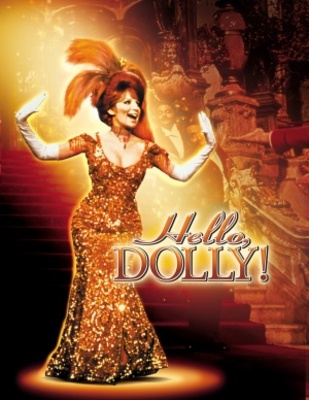
Finally, like with any award show, there are several performing artists that take the stage to, if for no other reason, than to break up the monotony of watching presenters and recipients. This year, each song nominated for “Best Original Song” was performed live by the artist who performed the song for the movie. Although “Let it Go” won the award, “Happy” was the better live performance at the Oscars. Pink’s performance during the tribute to the “Wizard of Oz” was outstanding and brought tears to the eyes of Judy Garland’s children. The highlight of the musical performances was Bette Midler’s “The Wind Beneath My Wings.” She did an excellent job! Like Streisand’s “The Way We Were” last year, Midler’s performance added a touch of class to the show during the memorandum segment. Another time saver, for the producers, would have been having Midler sing during the slide show like Pink did during the ‘Oz” segment. If you didn’t catch it, 2nd AC Sarah Jones did receive recognition for dying on set in a lower third following Hofman’s slide. Speaking of the placement of Philip Seymore Hoffman, due to the reason he died of a drug overdose, it would have been classier and more respectful to have ordered him in the middle and Shirley Temple-Black’s slide should have been the final one, since she was the original child star.

Over all, the Oscars was long but very much entertaining and enjoyable. Ellen successfully used her quirky humor and ability to connect with audiences to effectively make the Oscars the most enjoyable it’s been in years. Seeing Hollywood royalty like Kim Novak, Sydney Poitier, and Bette Midler. And, it was wonderful to see that Angela Lansbury was the recipient of one of this year’s honorary Oscars for her lifetime of achievement in entertainment. Congrats to all the nominees and winners!

Non-Stop

(c)2014 Universal Studios

(c)2014 Universal Studios

“Non-Stop” is the perfect title for this film, which is essentially non-stop action the entire movie. Liam Neeson plays a US Air Marshall with a troubled past who is charged with the responsibility of in-flight safety of passengers and crew. It’s quite apparent he is alcoholic who doesn’t know when enough is enough. He even smokes in the plane’s lavatories by covering the smoke detector with duct tape. But, he shows he has a heart when he helps a little girl overcome her fear and board the aircraft. It is a crisp, efficient thriller that benefits greatly from the intangibles Neeson can be counted on to supply. This film combines the best of an action movie with a who-dun-it. It’s like “Die Hard” meets “Murder, She Wrote.”

Neeson successfully shows that he is able to take his success from “Taken” (2008) and the “Batman” reboot and transfer it to other movies. After the previously mentioned blockbusters, Neeson’s gift for big-screen heroism is no more a secret than Rachel McAdams’ ability to charm an audience. Jen Summers, played by Julianne Moore effectively demonstrates her constant ability to play a variety of supporting roles. Never quite the leading lady, she is superb at selling her character to the audience. Often, I will see a movie just because she is in it.

Part of this film’s success is due to the fact that the writers combine two movie devices in one plot. One is a take on the the locked room paradox: How is it possible to kill people on an airplane without giving away who you are? The second device was popularized by Angela Lansbury’s Jessica Fletcher in several episodes of the long-running murder-mystery series “Murder, She Wrote,” and novelist Agatha Christie’s “Murder on the Orient Express.” Obviously, those seeking iron-clad plausibility should look elsewhere, but “Non-Stop” does have its share of unanticipated sequences as well as Neeson’s forcefulness.

The cinematographer, editor, and composer were all successful in making the audience feel trapped on the plane. Between the camera never leaving the confines of the fuselage while the game is afoot, and the editing and music adding to the pressure, the audience is able to feel as though they are being held hostage along with other the passengers and crew.

If you’re looking for something to do this weekend, this is one movie you may want to check out!

3 Days to Kill

(c)2014 EuropaCorp

(c)2014 EuropaCorp

A well-rounded action movie with heart and a little humor. “3 Days to Kill” is an action movie about terminally ill CIA secret service agent Ethan Renner (Kevin Costner) who is persuaded out of retirement for one last job in exchange for an experimental drug that could save his life. Shortly after receiving an acute terminal medical diagnosis, Ethan decides to retire from his dangerous career for one last shot at being a husband and father. Meanwhile, Ethan is tasked with watching his daughter while his wife goes to London for a few days. But when a mysterious female CIA operative offers Ethan a life-saving cure in exchange for capturing a notorious terrorist, he reluctantly accepts. Now, with his daughter’s safety in his hands for the first time in a decade and the powerful drug’s debilitating side effects taking hold, the hunt begins.

Has director McG gone soft? Is it possible that the director of the “Charlie Angels” reboot and “Terminator: Salvation” has a family-friendly side? Isn’t he the same director known for over-the-top action flicks? McG is a filmmaker in transition, mixing metaphors, genres and feelings in this action-thriller, espionage-comedy, family-drama jumble.

Two elements that often appear in action movies are sexual content and profanity. Surprisingly, this movie contains neither, so it is a great movie for the entire family. The cinematography was executed well and the writing was quite good. Very few action movie cliches in this film; and the plot, although a little unrealistic, follows a mostly logical and believable course of events. The action sequences are underlined by the father-daughter and husband-wife reconciliation relationships in the film, which gives it a heartwarming feel. Definitely enjoyed this film better than “Jack Ryan: Shadow Recruit.”

The film is helped by Costner’s self-deprecating, aw-shucks charm. From his Oscar wins for “Dances With Wolves” to his sweetheart turn in “The Bodyguard,” Costner understands his strengths and plays to all of them at times here. Kostner is a convincing older Bond type, and is a pleasure to watch in this role. Even though I do not typically look to action movies for excellent performances, he demonstrates that even action movie heros can deliver excellent commitment to character.

“Fried Green Tomatoes” full movie review

Towanda! Universal Pictures’ quintessential American cinema classic Fried Green Tomatoes based on the bestselling novel by Fannie Flagg (whom also wrote the screenplay) is a heartwarming unapologetically sentimental film that reminds us that the best thing in life is “friends, best friends.” The film is also an early breakthrough for queer cinema because it contains a subtextual world of queer thematic elements and symbolism. In Flagg’s novel, there was an explicit romance between two of our main characters; but the film toned it down in order to attract a wider audience at the time. Moreover, this film also takes on the important task of providing commentary on racism and sexism. A message that was as important then as it is now. Fried Green Tomatoes is the type of drama that will leave you feeling inspired to be the kind of friends that you see in the film. The film contains two important storylines (present and past) that are woven seamlessly into one another by theme and plot derived from character. Each story is captivating! Because of the two stories being told concurrently, it takes a little while for this film to grab hold of you; but when it does, you will be hooked on the homespun humanity, intimacy, romance, and yes even a murder mystery. Of course, it’s a murder that Angela Lansbury could solve in her sleep. Twenty-seven years later, this film is still charming the bees, and continues to be a favorite among those who love a heartwarming story with deep meaning and impact.

A woman learns the value of friendship as she hears the story of two women and how their friendship shaped their lives in this warm comedy-drama. Evelyn Couch (Kathy Bates) is an emotionally repressed housewife with a habit of drowning her sorrows in candy bars. Her husband Ed barely acknowledges her existence. One week, while waiting out Ed’s visit of his aunt at the nursing home, Evelyn meets Ninny Threadgoode (Jessica Tandy), a frail but feisty old woman who lives at the same nursing home and loves to tell stories. Over the span of several months, she spins a whopper about one of her relatives, Idgie (Mary Stuart Masterson) and her friend Ruth (Mary-Louise Parker). Idgie and Ruth are two unlikely friends that form a strong friendship in 1930s Alabama; together they face an abusive marriage, open a business, and find themselves involved in an unsolved murder. Evelyn finds herself looking forward to her weekly visits with Ninny, and is inspired by her story to take a new pride in herself and assert her independence from Ed.

Not sure about you, but I am not entirely a fan of movies that feature a couple of people sitting around in the present and talk about a story from the past. And, all the while, we get flashbacks to that earlier story. What is the point? Why not just tell the story from the past and let that be your movie? I don’t get it. There are some exceptions…take Citizen Kane for instance–it worked! But contrary to my predisposed dislike for movies that principally rely upon flashbacks to tell the story, this movie surpasses all expectations! The story in the present features Mrs. Ninny Threadgoode and Evelyn Couch. Evelyn encounters Ninny by accident while visiting her husband’s mean-tempered aunt. The confident Ninny and the plump, unhappily married Evelyn develop a fast friendship, one that helps Evelyn escape the doldrums of her early 1990s domestic married life by learning to care deeply about a relative stranger. Ninny tells Evelyn a story from her hometown that follows Idgie and Ruth through a wide range of bittersweet events that test their loyalty to each other. In the process, it also offers a portrait of a lulling, rustic, Klan-ridden Alabama in which the characters’ willful innocence often gives way to harsh racial realities. The film tries to develop some suspense around the question of how these two plots are connected, but the answer will strike no one as a surprise. One of the reasons Director Jon Avnet’s Fried Green Tomatoes survives the flashback structure is that it devises an interesting character to be the listener to the long-ago tale. In a manner of speaking, the audience is asked to be a participant in the film.

Although the screenplay is very close to the original novel, there is one element conspicuously missing from the movie–well, directly anyway. It’s presented very clearly in the novel that Idgie is a lesbian and she and Ruth are a couple despite the mores in the South at the time (and still to this day somewhat). The movie brings these elements out indirectly through powerful subtext that is not exactly trying to hide, interestingly enough. Because the movie was released prior to films showing healthy homosexual relationships as just as normal as heterosexual ones, the film got creative in how to acknowledge it while not polarizing audiences at the time. By in large, the small town of Whistle Stop was certainly not small-minded. Showing the progressive nature of this “knock-about place” in how it largely feels about minority communities, the town accepts the two of them and no questions are ever asked about their relationship. Idgie and Ruth in particularly display extremely progressive ideals, for the day, because two of their closest friends are members of the town’s black community. Big George and Sipsy (played by Cicely Tyson) are important to Idgie and Ruth, and both would do anything for them.

The stories from the past and present are both full of social-commentary, containing an  important message for women or anyone who feels that they cannot be progressive, independent, and successful because of the antiquated ways of a relationship or society. With Ninny and her stories as inspiration, Evelyn learns that she can be more than her girdle-wearing, dinner-making, frumpy dress self. Evelyn is so fired up by Ninny’s stories of Idgie’s escapades, that she begins to take control of her life. She gives up her candy bars for aerobics, stops trying to please her misogynistic redneck of a husband and begins a career as a Mary Kay sales professional. Through her many visits to spend time with Ninny, she also becomes as passionately devoted to Ninny as Ruth was to Idgie, with this one being truly platonic friendship.

If you enjoy great dialog and excellent character development, you will fall in love with this movie even if you have yet to do so. Fried Green Tomatoes was based on the novel Fried Green Tomatoes at the Whistle Stop Cafe by actress-turned-author Fannie Flagg. The four leading ladies deliver outstanding performances! It is of no surprise that this movie has stood the test of time. Clearly, this is one of the best movies about strength, character, and friendship ever produced.

The LEGO Movie

(c) TimeWarner

(c) TimeWarner

Where does one begin to evaluate a movie from a critical perspective with such a fabulous work of cinema?!? This movie will take you by surprise. Regardless if you grew up playing with the original lego sets (1980s), as this critic did, you are a lego contemporary, or you just like well written, produced, and directed movies, you will thoroughly enjoy this movie. TimeWarner out-Pixars Pixar with “The LEGO Movie.” Look out Pixar, it may not be DreamWorks you need to watch for, TimeWarner Animation is hot on your trail. Essentially, the themes of this movie are the value of individualism, the creative genius, and non-conformity. Although, this movie does employ the “be yourself” (or Disney) mantra, it does it in such a way that is unique and refreshing. The writing was excellent and the dialog was well-balanced between the serious and the humorous. Direction and cinematography were also orchestrated brilliantly. One of the elements that stands out the most is the fact the visual effect artists used the legos themselves to create explosions, lazer blasts, and water. String is even used to make a ghost levitate. All the things one would use if playing with his or her own legos. Highly recommend this movie for all ages! Who knew that a summer movie would premiere in the dead of winter.